10 Foods That Seem Safe for Dogs But Aren’t
Sharing your favorite snack with your pup might seem like an innocent treat—but some human foods can have dangerous consequences. While dogs may beg with those irresistible eyes, what’s on your plate might not be safe for their stomach.
In fact, some seemingly harmless foods can lead to serious health issues like organ failure, seizures, or even death. The tricky part? These foods often seem completely normal or are even recommended for “healthy human eating.”
This article dives into ten common foods many dog owners unknowingly offer, not realizing the risk they’re taking. Before you slide that last bite under the table, read on. You might be surprised by what made the list.
1. Grapes and Raisins
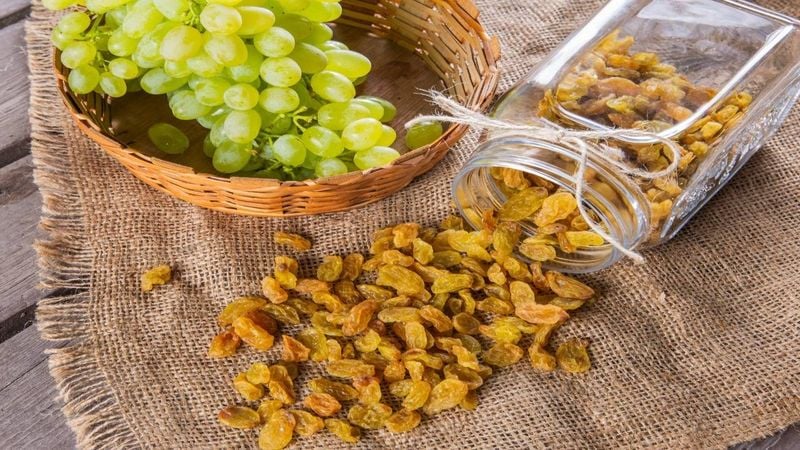
You might think a grape or two can’t do much harm, but for dogs, even a small amount can be deadly. Grapes and raisins have been linked to acute kidney failure in dogs, with no clear pattern based on size or breed.
Some dogs may eat them and seem fine, while others collapse after ingesting just a few. That unpredictability makes them especially dangerous.
Vomiting is usually the first red flag, followed by lethargy and reduced appetite. If untreated, kidney shutdown can occur in just days. These snacks may seem harmless to us, but to dogs, they’re silent killers.
2. Onions and Garlic (Raw, Cooked, or Powdered)
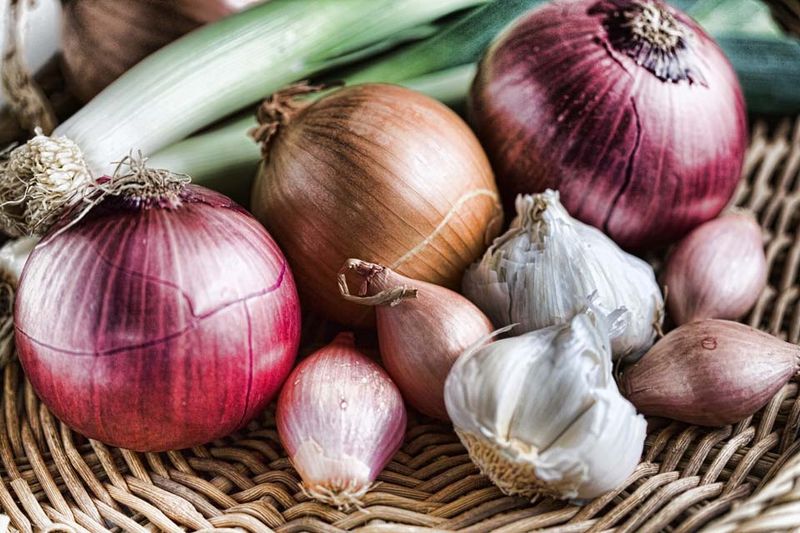
The flavor-boosting stars of human cuisine are a major red flag for dogs. Onions, garlic, leeks, and chives all belong to the allium family and can cause oxidative damage to a dog’s red blood cells.
Whether raw, cooked, dried, or powdered, they can lead to anemia, weakness, and even collapse in larger doses. What’s worse, symptoms might not appear right away.
Leftovers, baby food, and seasoned meats often contain hidden traces. Even a little over time can build up and cause harm. It’s safest to keep your dog away from anything seasoned with these ingredients.
3. Avocados
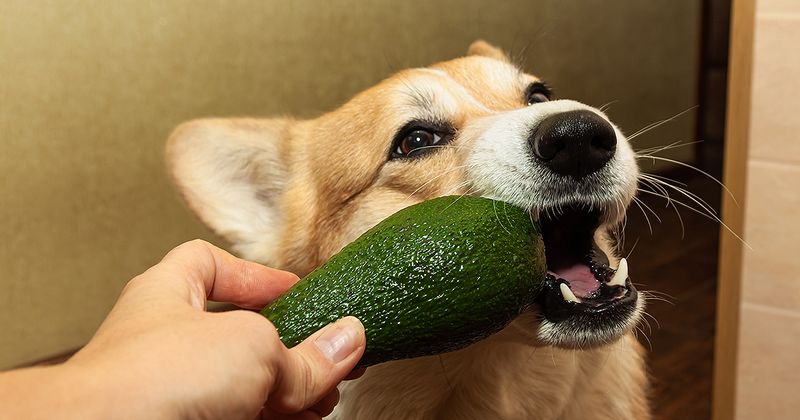
Smooth and creamy as they are, avocados aren’t as dog-friendly as people think. The culprit is persin, a fungicidal toxin that can cause gastrointestinal distress in some dogs.
While larger dogs might tolerate a bite or two, smaller breeds are more sensitive and prone to vomiting or diarrhea after eating avocado flesh.
Even more concerning are the pit and peel. The pit can easily become a choking hazard or lead to intestinal blockages. To play it safe, keep avocados and anything made with them out of your pup’s reach entirely.
4. Macadamia Nuts
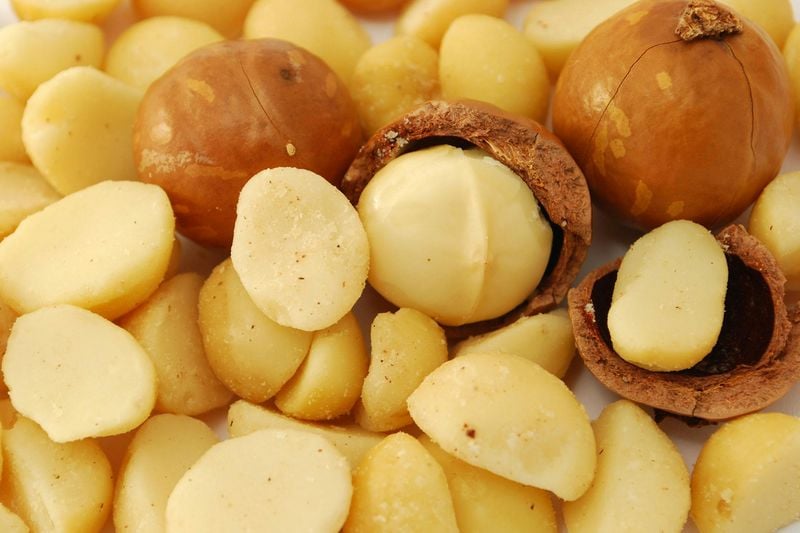
You’ll want to keep these buttery nuts out of paw’s reach. Macadamia nuts can cause a very specific and dangerous reaction in dogs, even in small amounts.
Symptoms may include tremors, vomiting, and weakness in the hind legs. Some dogs even experience temporary paralysis. Though they usually recover, it’s still a terrifying experience.
The exact toxic compound remains unknown, which adds to the risk. Whether eaten directly or baked into cookies, these nuts are best kept far away from your pup’s snack zone.
5. Xylitol (Found in Sugar-Free Gum, Peanut Butter, and Baked Goods)
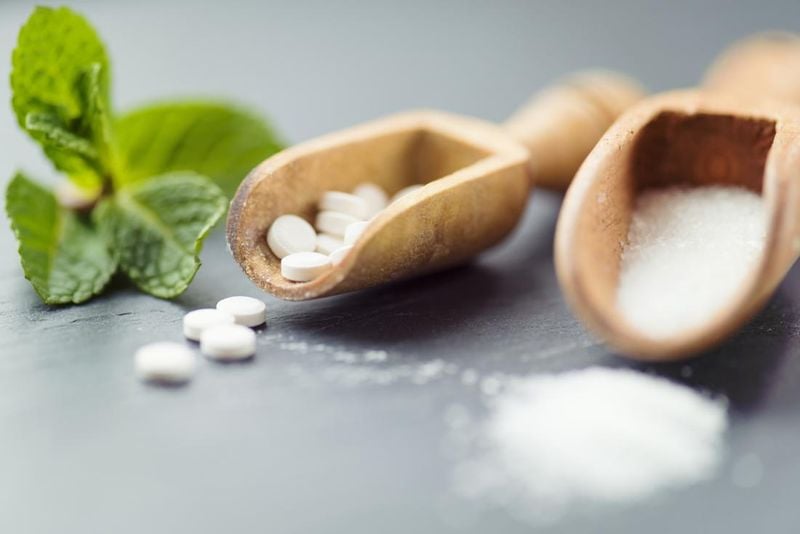
This artificial sweetener might be a low-calorie win for humans, but it’s extremely toxic to dogs. Xylitol causes a rapid insulin release, leading to dangerous drops in blood sugar—sometimes within 30 minutes.
Early symptoms include weakness, disorientation, and vomiting. In severe cases, it can cause seizures or even liver failure within a day or two.
Many people don’t realize that sugar-free gum, mints, or even some brands of peanut butter contain xylitol. Always double-check the label before letting your pup lick the spoon.
6. Cooked Bones
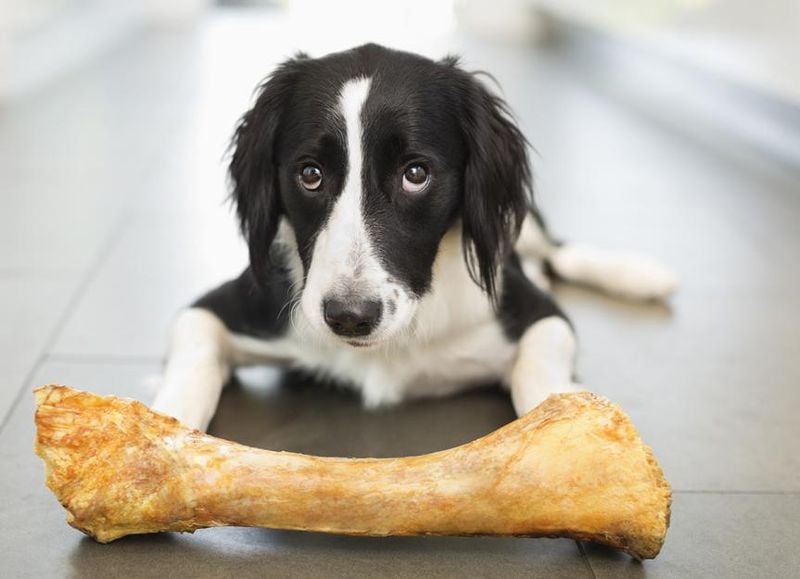
Offering a bone may feel like a treat, but once it’s been cooked, it’s no longer safe. Cooking makes bones brittle, increasing the risk of splinters that can cause internal injuries.
Dogs who chew on cooked bones may suffer from broken teeth, mouth lacerations, or punctures in the stomach or intestines. Even swallowing a whole bone could lead to an obstruction.
Raw bones are sometimes considered safer under supervision, but cooked ones should always be off-limits. Choose chew toys or approved treats instead.
7. Raw Dough with Yeast
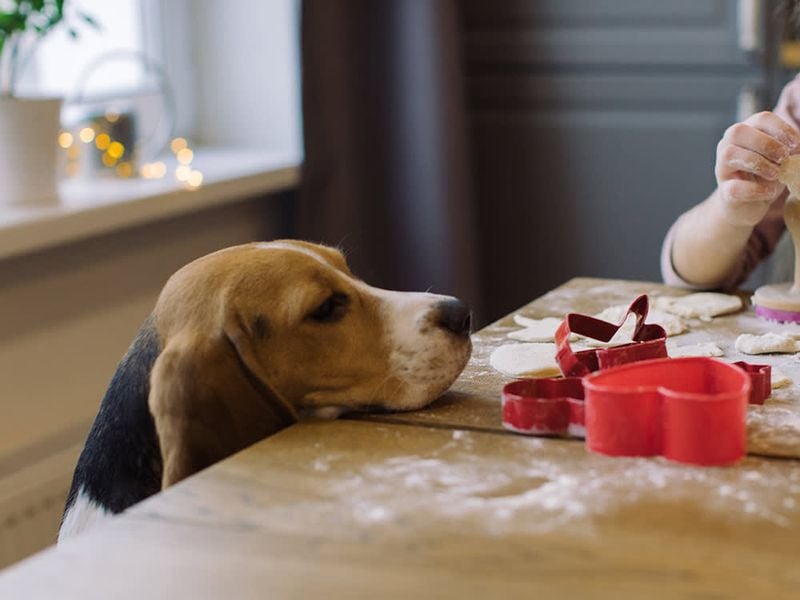
Before it becomes bread or pizza, raw dough can be a silent threat. Yeast continues to rise inside your dog’s stomach, leading to painful bloating and potentially fatal gastric torsion.
As the dough ferments, it also produces alcohol, which can cause ethanol poisoning. That’s a dangerous one-two punch that can spiral quickly into a medical emergency.
Symptoms may include disorientation, vomiting, and seizures. Always store dough out of reach, and keep a watchful eye while baking.
8. Caffeine (Coffee, Tea, Energy Drinks)

A quick slurp from your cup could have serious consequences. Caffeine affects dogs much more intensely than humans, even in small amounts.
Ingestion can cause hyperactivity, rapid heartbeat, tremors, or seizures. Used coffee grounds and tea bags are especially dangerous due to their high concentration of caffeine.
Dogs don’t need a full cup to suffer side effects—sometimes just a few licks will do. Be cautious with what’s left within nose-level reach, especially around energetic pups.
9. Milk and Dairy Products
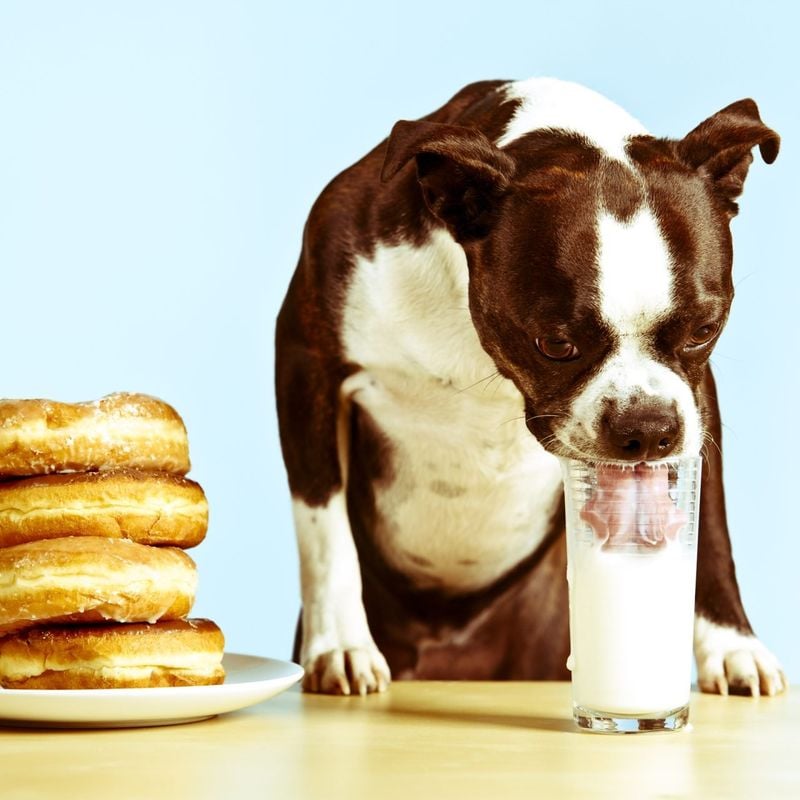
Though images of milk-drinking puppies are everywhere, most adult dogs are lactose intolerant. After puppyhood, many lose the enzymes needed to properly digest dairy.
Milk, cheese, and ice cream can lead to upset stomachs, gas, and diarrhea. Even if it’s not deadly, it can cause days of discomfort and messy cleanups.
Some owners use cheese as a training reward, but it’s better to opt for dog-friendly alternatives. If your dog loves dairy but reacts poorly, it’s a sign to cut back or eliminate it entirely.
10. Fat Trimmings and Grease
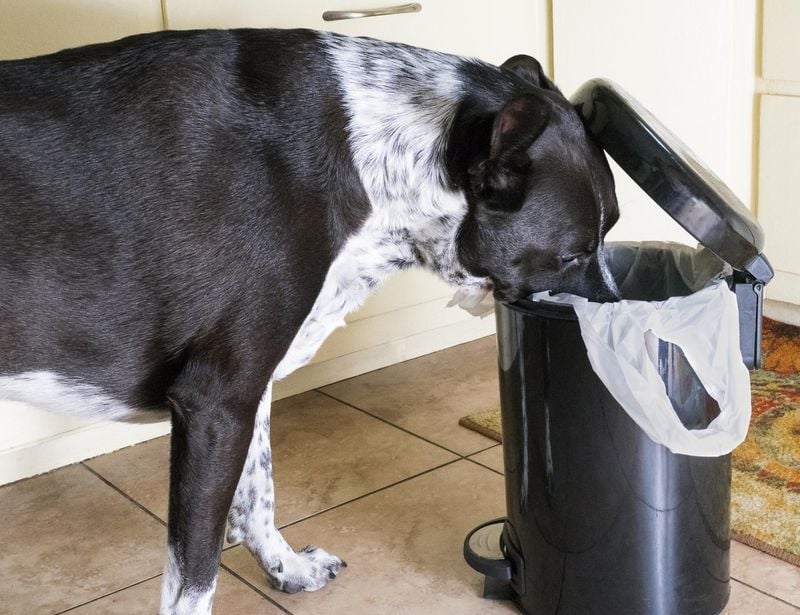
Scraps from your steak or bacon might seem like a loving gesture—but they can come with consequences. High-fat foods can trigger pancreatitis, an extremely painful inflammation of the pancreas.
Dogs suffering from this condition may vomit, appear lethargic, or display abdominal pain. Some cases are so severe they require emergency care or hospitalization.
Even if your dog seems fine after the first taste, repeated indulgence raises the long-term risk. It’s always best to stick to lean, dog-safe meats or treats recommended by your vet.