12 Mistakes You’re Making In Your Puppy’s Potty Training
Potty training your puppy can feel like an emotional rollercoaster—one minute you’re celebrating a successful trip outside, and the next, you’re cleaning up a mess in the hallway.
While it’s easy to blame your dog for “not getting it,” many of the common setbacks actually come down to owner mistakes. If your puppy’s still having accidents, it’s not about being stubborn—it’s about confusion, inconsistency, or missed opportunities.
The good news? These mistakes are all fixable. With just a few tweaks in your routine and mindset, you’ll be setting your pup up for long-term success. Let’s uncover 12 of the most common potty training mistakes that could be holding your puppy back.
1. Starting Too Late
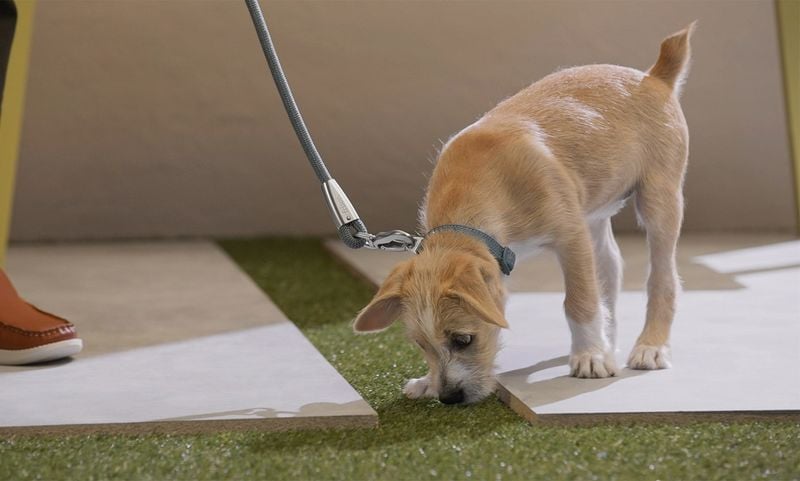
Waiting until your puppy is older to begin potty training misses the prime learning window. Puppies are most impressionable at a young age, and early lessons tend to stick. Missing this window can lead to longer training times and more accidents.
A puppy’s brain is like a sponge, soaking up information rapidly during their first few months. Training should begin as soon as they’re physically able to understand basic commands.
While older dogs can learn too, starting early simplifies the process. Early training lays a strong foundation, preventing bad habits before they start.
2. Inconsistent Schedule
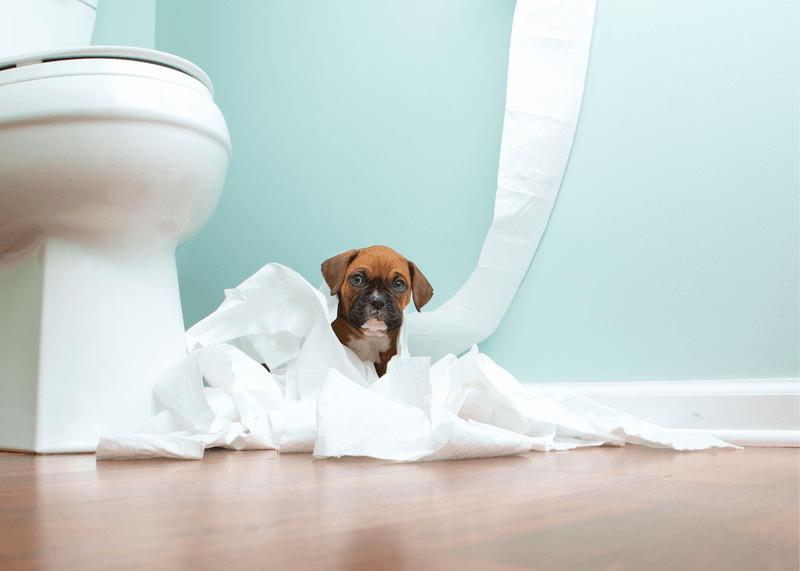
Feeding, bathroom breaks, and sleep should happen on a routine. Inconsistency leads to confusion, making it harder for your puppy to understand when and where to go.
Establishing a schedule creates a sense of security and predictability for your pet, which is essential for effective training. Regularity in routines helps synchronize your puppy’s bodily functions with the right times.
A consistent schedule helps your puppy develop good habits that align with your own lifestyle. It minimizes the chance of accidents and supports quicker learning, as your puppy begins to associate times with specific actions.
3. Punishing Accidents
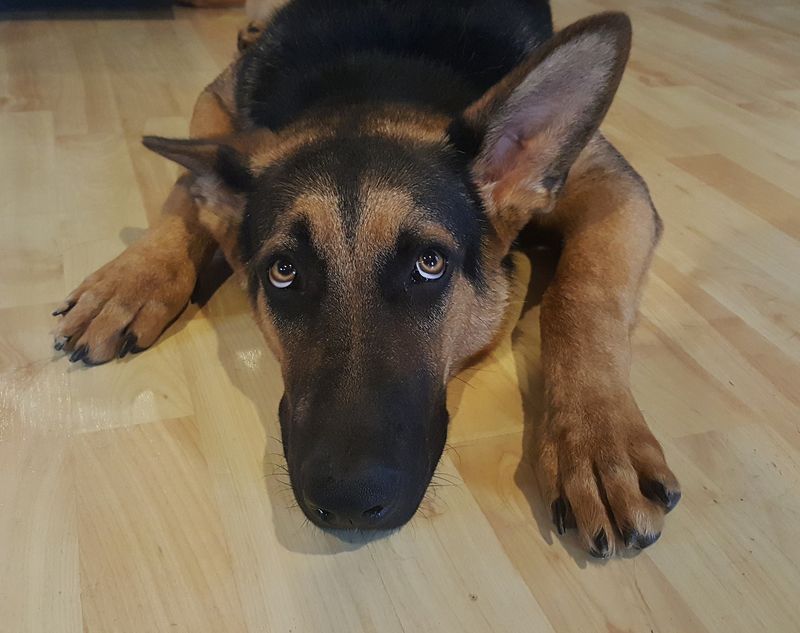
Yelling or scolding teaches fear, not learning. It damages trust and slows progress, making your puppy anxious and confused.
Positive reinforcement, rather than punishment, encourages desirable behavior in puppies. Rewarding successful potty trips builds confidence and strengthens the bond between you and your pet.
Accidents are natural and should be handled calmly. Cleaning up without fuss, while guiding your puppy to the correct spot next time, is more effective. Trust takes time to build and can be easily broken with harsh reactions.
4. Not Supervising Closely
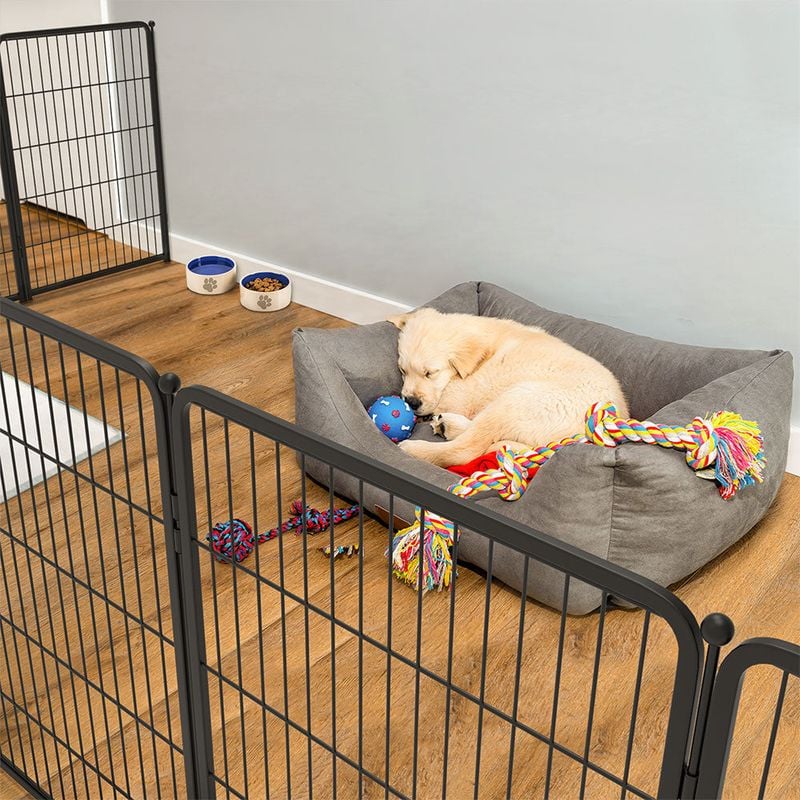
Letting a puppy roam freely indoors before they’re trained leads to more accidents. Puppies are curious and may wander off to do their business in hidden spots.
Close supervision helps catch signs that your puppy needs to go. If you can’t watch them, consider using a playpen or designated area to limit their space.
Supervision allows you to intervene and guide them to the appropriate potty spot. It’s a proactive approach that prevents accidents and reinforces training.
5. Missing the Signs
Ignoring cues like sniffing, circling, or whining results in missed potty opportunities. These signs are your puppy’s way of communicating their needs.
Being attuned to your puppy’s behavior helps you respond quickly and efficiently. It requires patience and observation, especially in the early stages of training.
Recognizing and acting on these signals minimizes accidents. It’s an essential part of teaching your puppy to associate specific behaviors with potty breaks.
6. Not Using a Crate
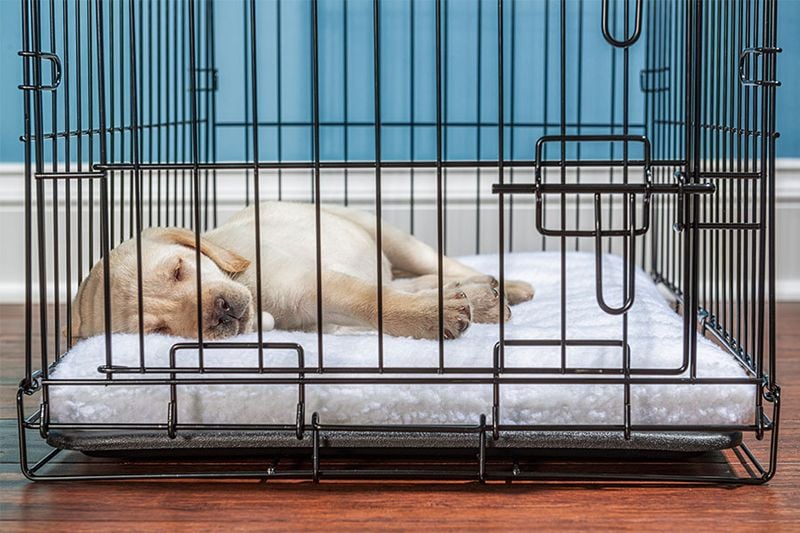
Avoiding crate training eliminates a powerful tool that helps establish bladder control. A crate becomes a safe space where your puppy learns to hold their bladder.
Crate training involves gradually getting your puppy accustomed to the crate, where they rest and learn bladder control. It’s important to ensure the crate is comfortable and inviting.
Using a crate doesn’t mean confining your puppy all day. It’s about giving them a space where they feel secure, which aids in their training and development.
7. Expecting Too Much, Too Soon
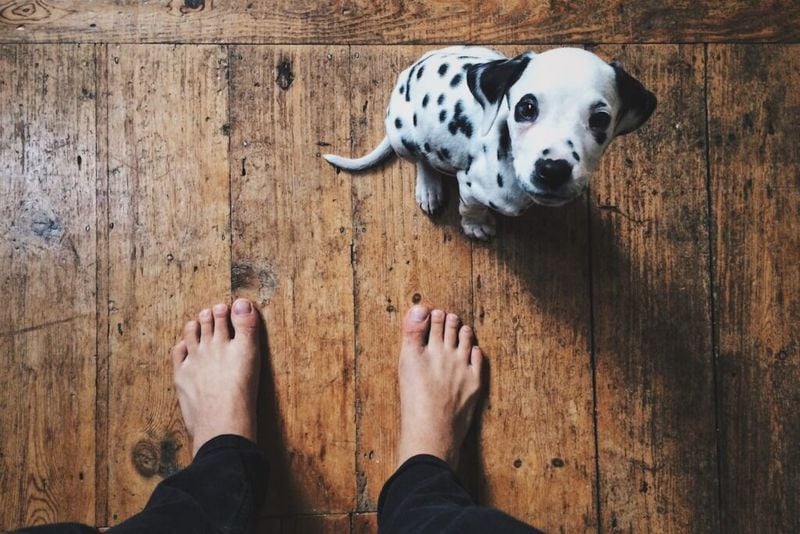
Thinking your puppy should be perfect in a week is unrealistic and frustrating for both of you. Patience and gradual progress are key in any training regimen.
Every puppy learns at their own pace, and comparing them to others can lead to unnecessary stress. Celebrate small victories and understand that mistakes are part of the learning process.
Fostering an environment of encouragement rather than pressure helps your puppy thrive. Accepting the journey as it is prevents disappointment and fosters a positive learning space.
8. Poor Cleaning Practices
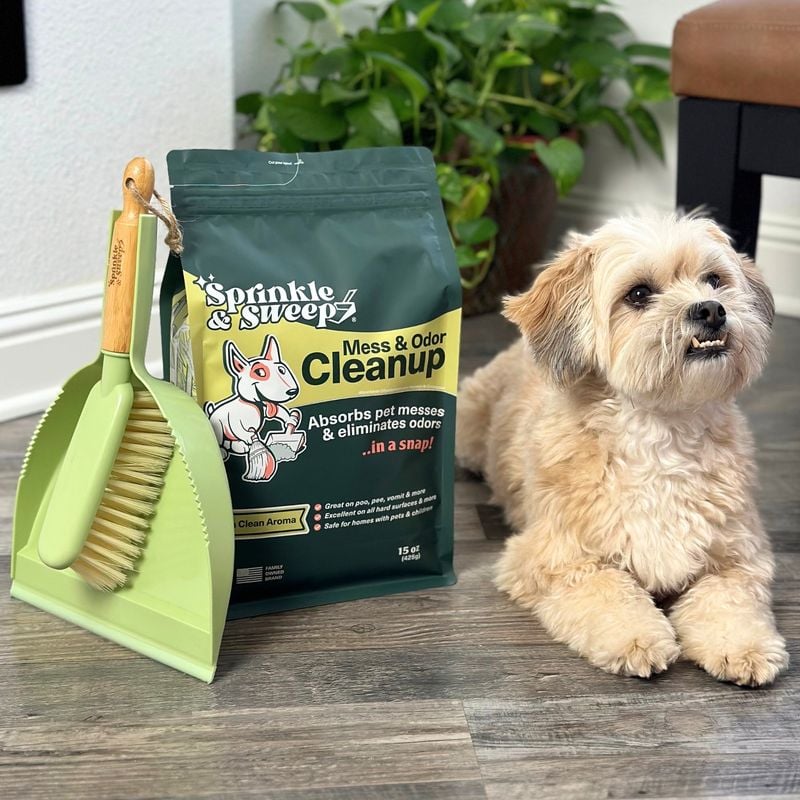
Not fully removing urine scent can encourage your pup to go in the same spot again. Proper cleaning is crucial in preventing repeated accidents.
Using enzymatic cleaners specifically designed for pet messes ensures thorough odor removal. Regular household cleaners may not break down the scent completely, leaving traces behind.
A clean environment also promotes hygiene and reduces the risk of health issues. Taking the time to clean properly reinforces training by eliminating scents that may attract repeat behavior.
9. Using Puppy Pads Incorrectly
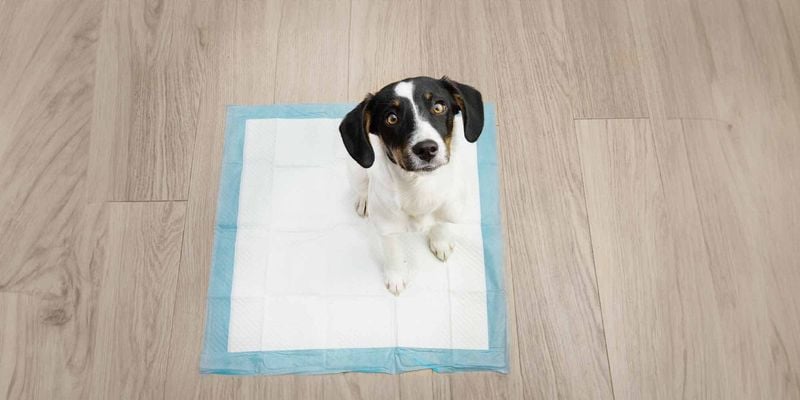
Over-relying on pads can confuse your dog if you eventually want outdoor-only training. Puppy pads are a tool, not a long-term solution.
Introducing pads as a temporary measure and gradually transitioning to outdoor training is more effective. It’s important to phase out pads as your puppy becomes accustomed to going outside.
Too much dependence on pads can hinder the transition to outdoor potty habits. Gradual change, consistency, and praise help ease this process.
10. Skipping Potty Breaks at Night
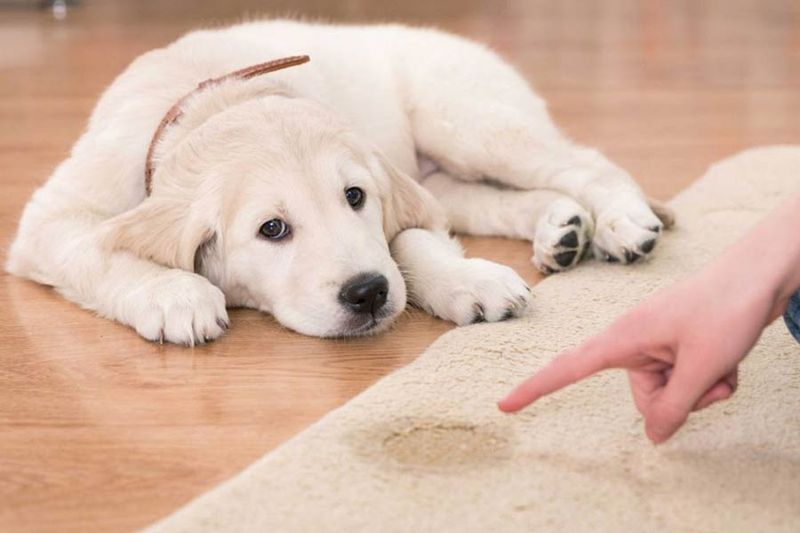
Young puppies can’t hold it overnight. Ignoring this leads to accidents and stress, disrupting both your sleep and theirs.
Puppies need regular potty breaks during the night, especially in the first few months. Setting an alarm for scheduled breaks helps prevent nighttime accidents.
Attending to your puppy’s needs at night fosters a routine that translates into daytime habits. It’s a commitment that pays off in smoother potty training.
11. Not Praising or Rewarding
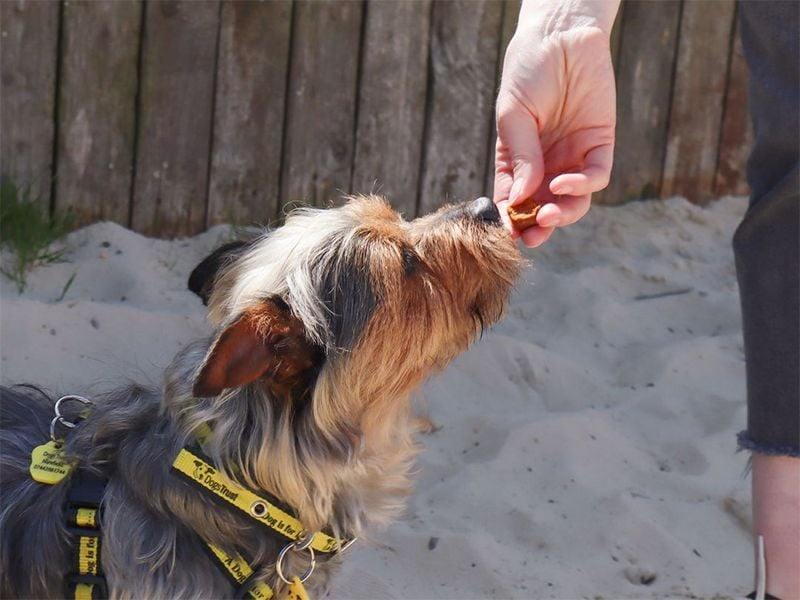
Failing to immediately reward good potty behavior misses the chance to reinforce learning. Puppies respond well to positive reinforcement.
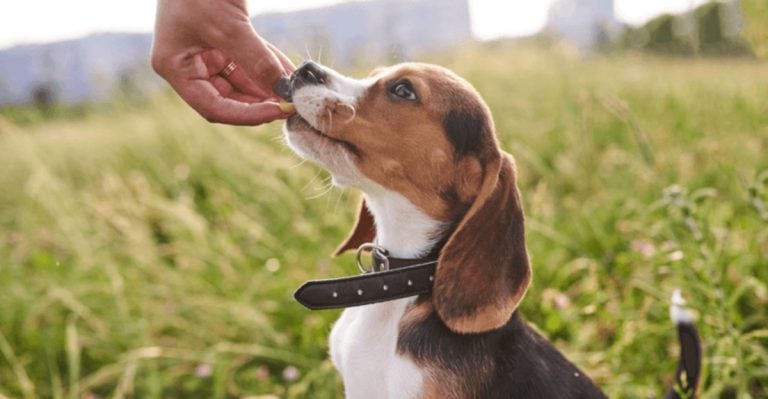
Praise and treats for successful potty trips create a strong motivation for your puppy to repeat the behavior. Immediate rewards make the connection clear and meaningful.
Building this positive association encourages your puppy’s progress. It’s a simple yet effective way to communicate what you expect from them.
12. Letting Accidents Slide
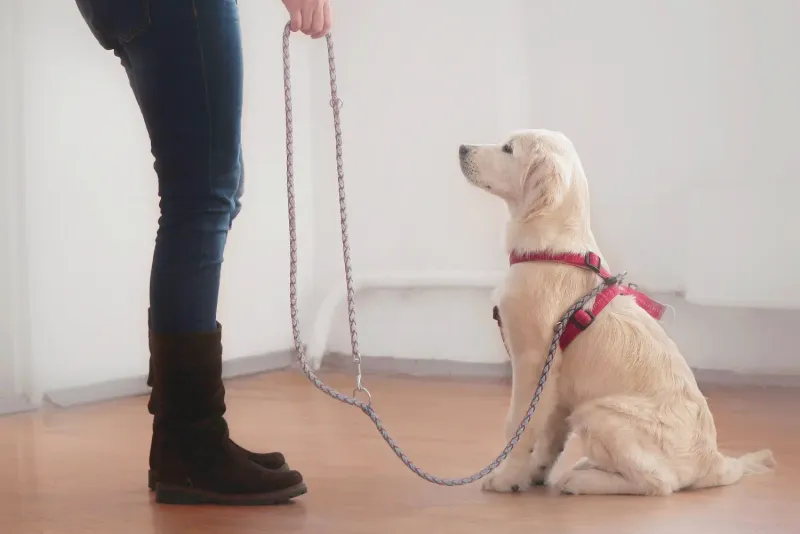
Brushing off mistakes as “just one time” makes it harder for your puppy to form reliable habits. Consistency is vital for effective training.
Every accident is a learning opportunity, and addressing them appropriately helps your puppy understand boundaries. Ignoring them can lead to repeated behavior.
Taking each mistake seriously, while maintaining a calm demeanor, supports steady progress. Reinforcing good habits ensures long-term success in potty training.