17 Heartbreaking Reasons Some Dogs Never Get Adopted
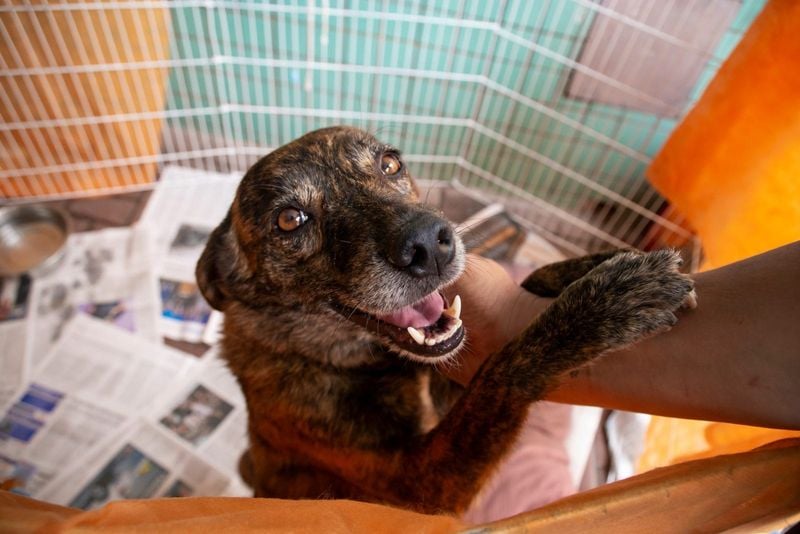
Every year, millions of dogs wait in shelters for their forever homes, but sadly, some never leave. Behind each wagging tail is a unique story, often marked by circumstances beyond their control.
Understanding why certain dogs face longer shelter stays can help more people open their hearts to these overlooked companions.
These are the heartbreaking realities that keep some wonderful dogs from finding the loving homes they deserve.
1. Breed Discrimination Limits Chances
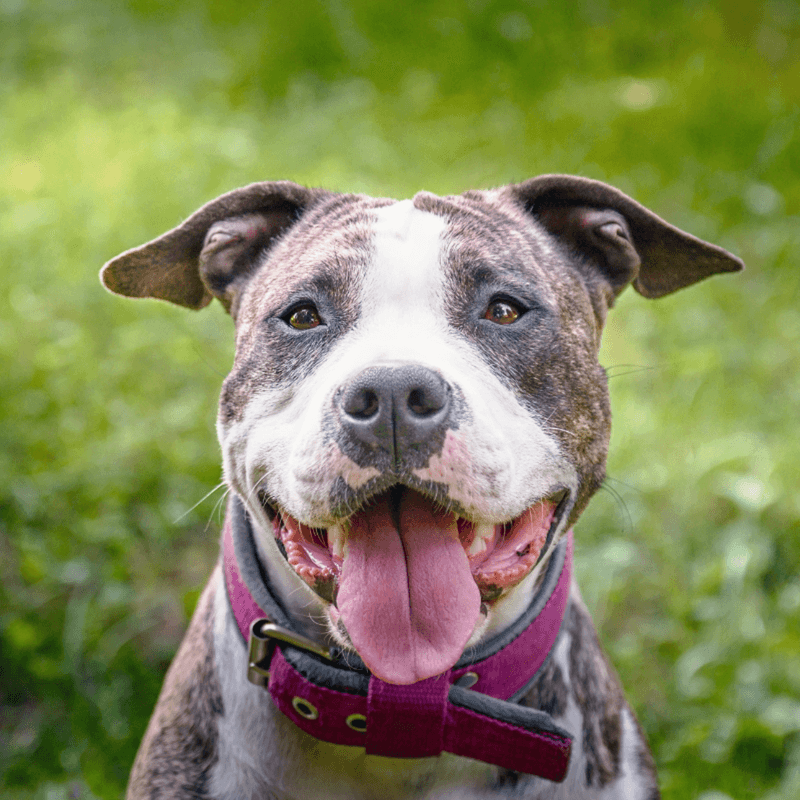
Certain breeds face unfair stereotypes that drastically reduce their adoption prospects. Pit bulls, Rottweilers, and Dobermans often spend months or years in shelters simply because of how they look or misconceptions about their temperament.
Many apartment complexes and insurance companies maintain breed restriction lists, making it nearly impossible for potential adopters to bring these dogs home regardless of the individual dog’s personality. This discrimination persists despite evidence showing breed is a poor predictor of behavior.
For these dogs, finding homes becomes a numbers game against impossible odds, with some shelters reporting pit-type dogs waiting 3-5 times longer than other breeds.
2. Too Big For Comfort
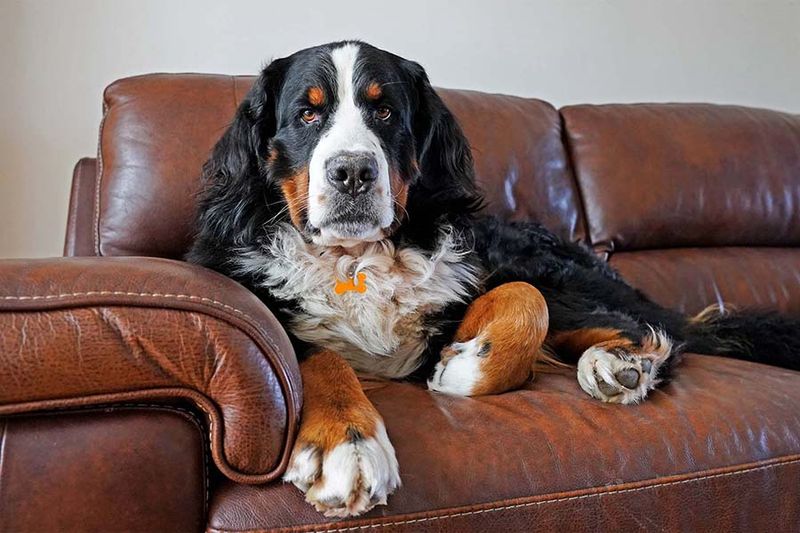
Large dogs face significant adoption hurdles simply because of their size. Housing restrictions often limit pets to under 30-50 pounds, immediately disqualifying bigger breeds regardless of their temperament or training.
Many potential adopters worry about food costs, space requirements, and managing a large dog’s strength. The exercise needs of bigger dogs can intimidate people with limited time or physical limitations.
Ironically, many large breeds like Great Danes and Newfoundlands are actually calm “apartment-friendly” dogs, but never get the chance to prove it. Size discrimination means these gentle giants often wait months longer than their smaller counterparts.
3. Energy Levels That Overwhelm
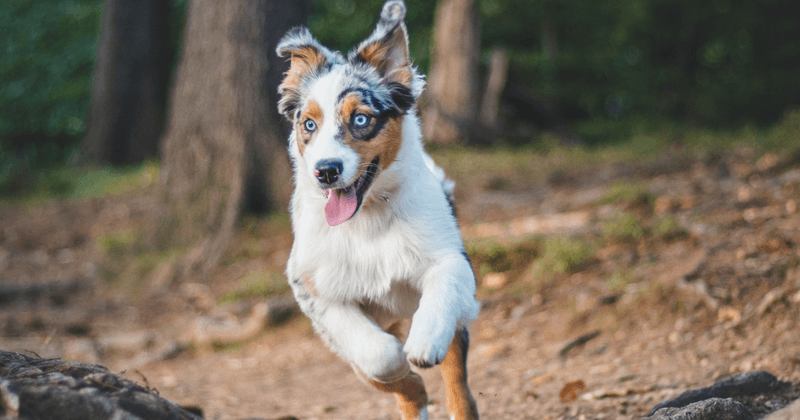
High-energy dogs bounce off shelter walls, creating an intimidating first impression for potential adopters. These spirited pups—often working breeds like Border Collies, Australian Shepherds, and Huskies—need mental stimulation and physical exercise that many families underestimate.
Their exuberance in kennels can mask their true potential as loving companions. Shelter staff watch as visitors pass by these kennels, overwhelmed by the barking and jumping.
Without proper outlets, these intelligent dogs develop frustration behaviors that further reduce their adoption chances. The sad reality: the dogs who need homes most desperately often appear the least adoptable because their wonderful energy has nowhere to go.
4. Not Instagram-Worthy Looks
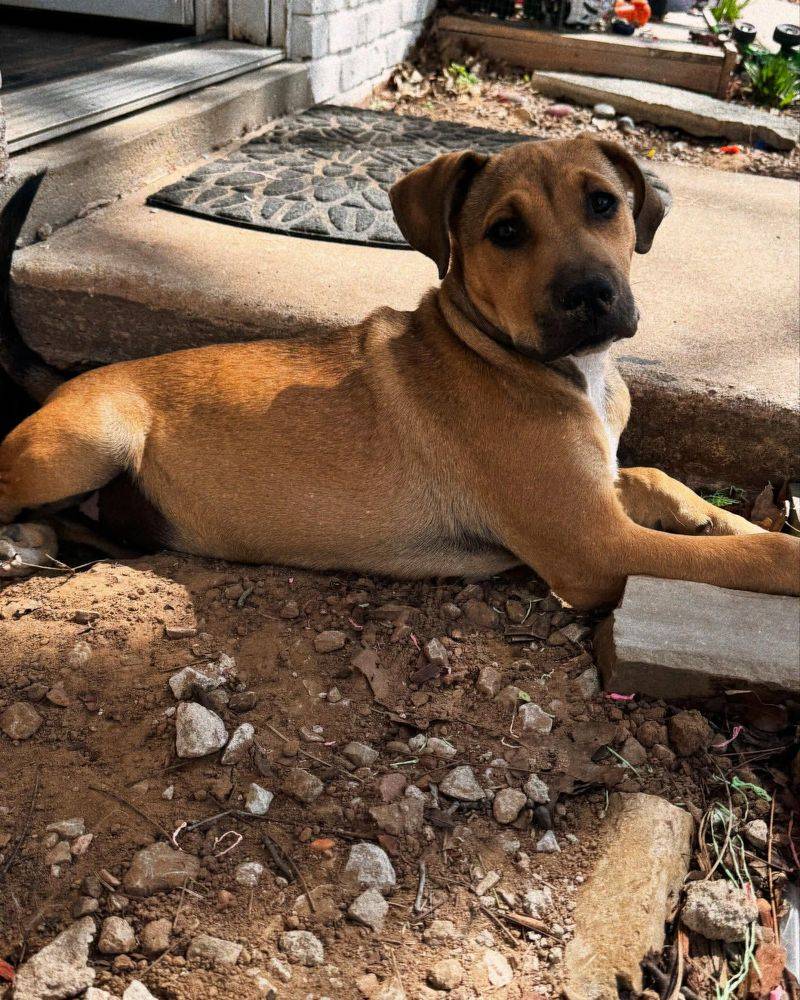
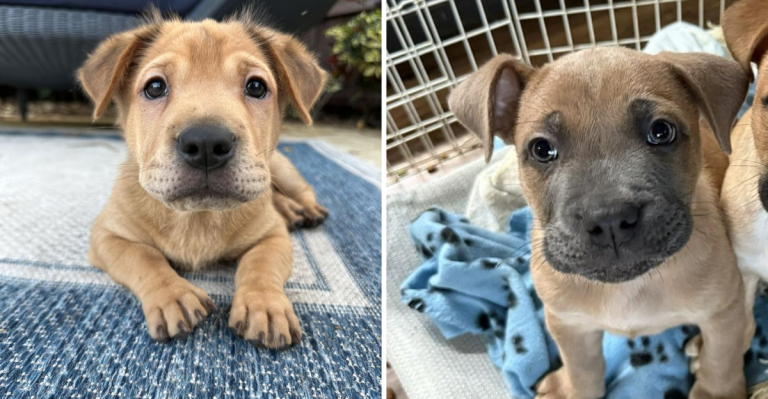
In our social media-driven world, a dog’s appearance can determine their adoption fate. Plain-looking, scruffy, or unusual-featured dogs are frequently overlooked in favor of picture-perfect puppies or dogs with distinctive markings.
Shelter workers watch as visitors bypass perfectly wonderful dogs because they don’t match the aesthetic they had in mind. Some dogs wait months while their more photogenic neighbors find homes within days.
This superficial selection process particularly affects mixed breeds with ordinary appearances. The heartbreaking reality is that these overlooked dogs often make the most loyal companions, with personalities far more valuable than their outward appearance.
5. Health Issues That Scare Away Adopters
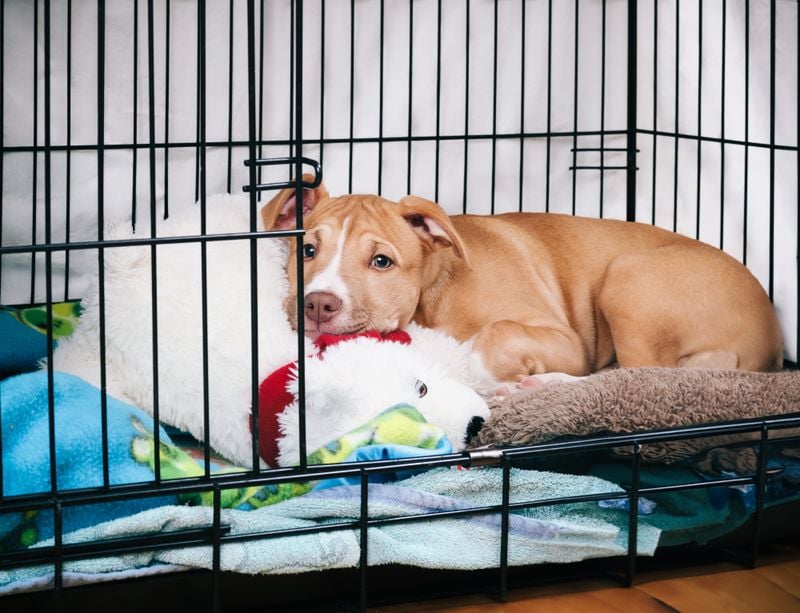
Dogs with chronic health conditions face some of the longest shelter stays. Conditions like diabetes, heartworm, or mobility issues create financial and emotional hurdles that many potential adopters aren’t prepared to take on.
The uncertainty of medical costs and treatment requirements can feel overwhelming. Even minor, manageable conditions like skin allergies or dental problems significantly reduce a dog’s chances of finding a home.
Shelter staff watch as these sweet souls get passed over repeatedly due to conditions that are often manageable with proper care. For many of these dogs, their health issues are completely separate from their capacity to love and be wonderful companions.
6. Trauma’s Lasting Behavioral Effects
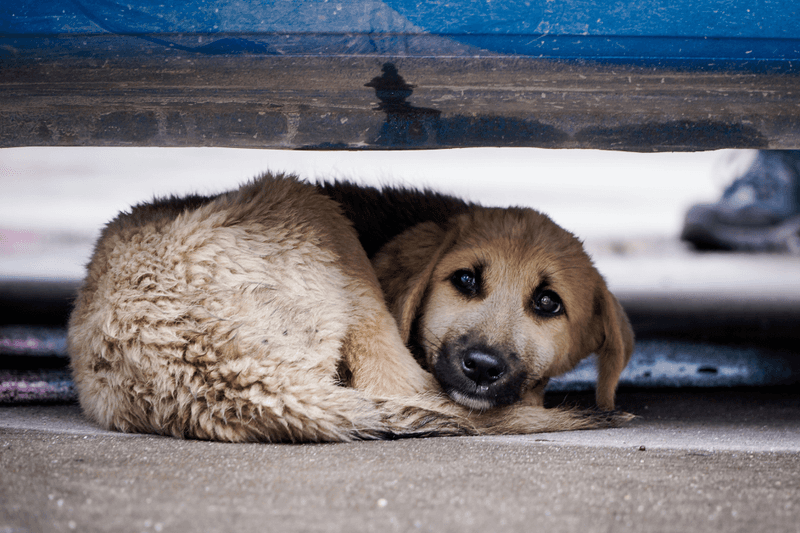
Behind reactive behaviors often lies a history of abuse or neglect that’s left invisible scars. Dogs who cower, bark defensively, or show fear-based aggression are typically responding to past trauma rather than exhibiting their true personality.
These behaviors create immediate rejection from most adopters seeking an “easy” pet. Few visitors understand that with patience and consistent training, many of these behaviors can improve dramatically.
Shelter environments amplify these issues, as the noise and confinement trigger stress responses. For these emotionally wounded animals, finding someone willing to see past their defensive behaviors to the loving dog underneath becomes increasingly unlikely with each passing month.
7. Senior Dogs Left Behind
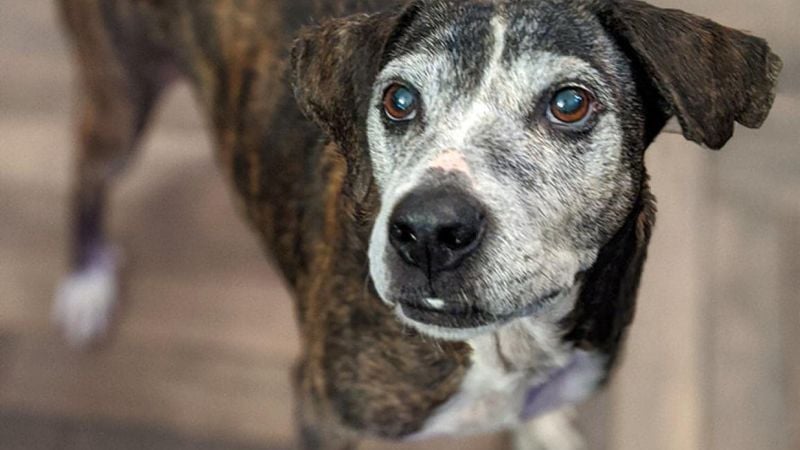
Gray muzzles and slower gaits mean longer shelter stays for senior dogs. Most adopters seek puppies or young adults, overlooking the wonderful qualities that come with age and experience.
The fear of limited time together and potential medical expenses creates hesitation among potential adopters. Many seniors enter shelters after losing elderly owners, having known only love and proper care their entire lives.
These gentle souls often make perfect companions—already housebroken, calm, and grateful for any affection. Shelter workers watch heartbroken as these dignified seniors are passed over for younger dogs, knowing they deserve to spend their golden years in a loving home rather than a kennel.
8. Kennel Stress Creates False Impressions
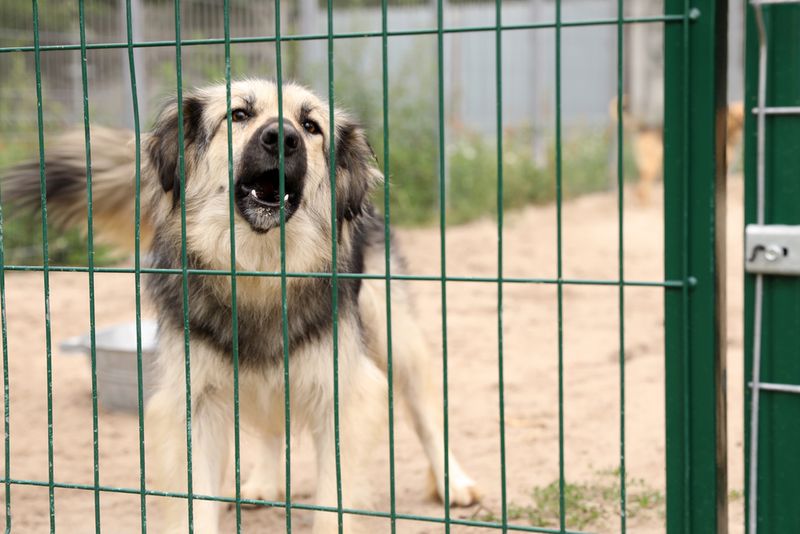
The shelter environment triggers extreme stress behaviors in many dogs that completely misrepresent their true personalities. Constant barking, spinning, jumping, or withdrawal make terrible first impressions on potential adopters.
These normal responses to confinement and overstimulation create a heartbreaking cycle: the longer a dog stays, the more stressed they become, making adoption even less likely. Many dogs who would be calm and well-behaved in homes appear unstable or aggressive in kennels.
Foster programs reveal the dramatic difference between shelter and home behavior, but not every dog gets this opportunity. Some of the best family dogs are overlooked simply because they cannot cope with shelter life in a way that showcases their true potential.
9. Invisible Without Proper Marketing
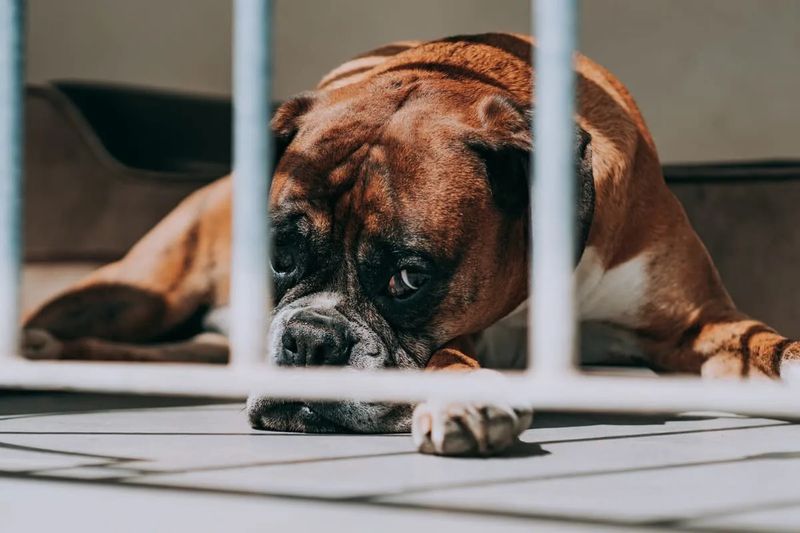
Marketing matters enormously in dog adoption, yet many wonderful dogs remain invisible due to poor photos, incomplete profiles, or limited online presence. Overcrowded shelters often lack resources to properly showcase each animal’s unique personality and story.
A blurry photo or generic description can mean the difference between adoption and being overlooked. Dogs with compelling stories, professional photos, and active social media promotion find homes significantly faster than those without such advantages.
Long-term residents particularly suffer from this invisibility. After weeks without interest, their profiles may be viewed less frequently by algorithms and adoption websites, creating a devastating cycle where the dogs who need exposure most receive it least.
10. Black Dog Syndrome Is Real
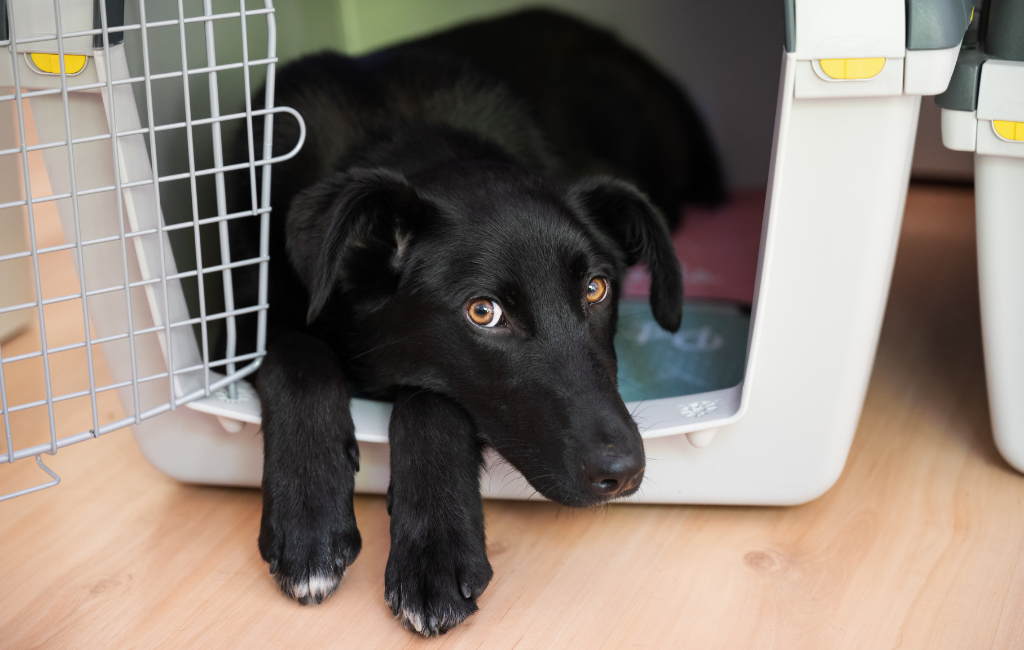
Dark-coated dogs face significantly longer shelter stays due to a phenomenon called “Black Dog Syndrome.” Their features are harder to distinguish in photos and kennels, making emotional connections more difficult for potential adopters.
Black dogs often appear more intimidating in shelter environments and don’t photograph well on websites or social media. Cultural associations with black animals create unconscious biases that further reduce their adoption chances.
Shelter statistics consistently show black dogs waiting 2-4 times longer than their lighter-colored counterparts. This heartbreaking reality has nothing to do with personality or behavior—simply the arbitrary color of their coat reduces their chances of finding a loving home.
11. Adoption Requirements Create Barriers
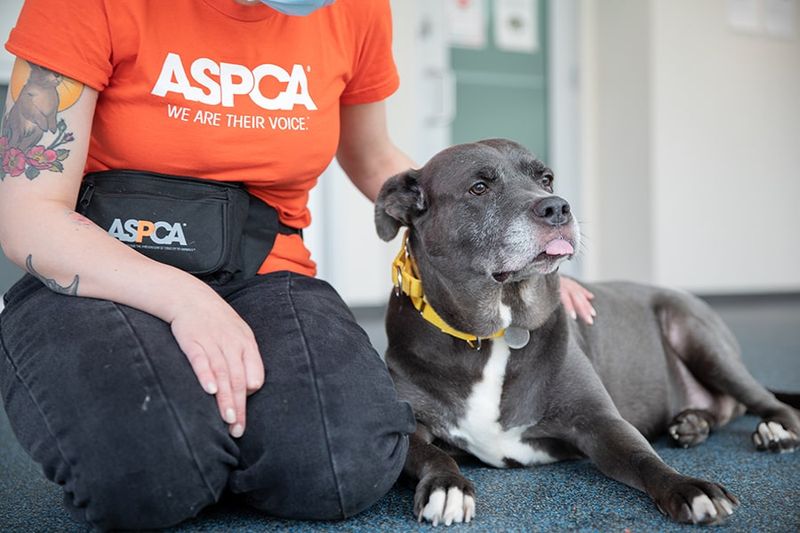
Strict adoption policies designed to protect animals often inadvertently keep them homeless longer. Requirements like fenced yards, homeownership, or specific work schedules exclude many potentially wonderful adopters.
Some shelters require all family members to meet the dog, home inspections, or veterinary references that create logistical hurdles. While well-intentioned, these policies disproportionately impact adopters with limited resources or unusual living situations.
The perfect becomes the enemy of the good as dogs wait months for the “ideal” home rather than finding loving families who might need accommodation on certain requirements. This creates particular hardship for dogs with special needs who already face limited adoption prospects.
12. Limited Public Exposure Opportunities
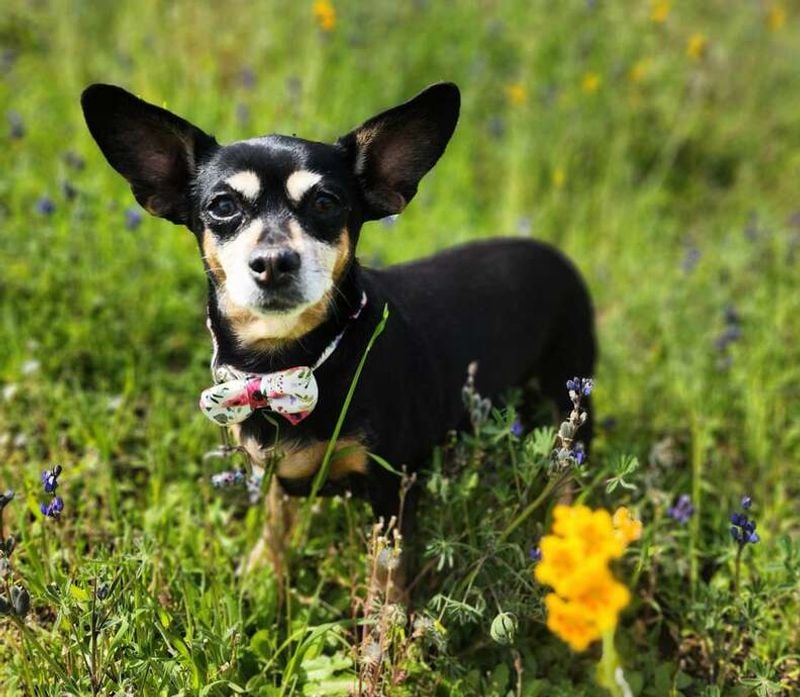
Dogs who rarely participate in adoption events or foster outings remain invisible to potential adopters. Many shelters lack resources for regular public events, particularly for dogs with behavioral challenges who need extra supervision.
Some dogs show poorly at chaotic adoption events due to overstimulation or fear, creating a catch-22 where those who need exposure most get it least. Transportation limitations and staff shortages mean certain dogs never leave the shelter facility to be seen by the public.
Research shows that dogs who participate in community events, temporary foster programs, or “day trips” find homes significantly faster. Without these opportunities, many wonderful dogs remain unseen and forgotten behind shelter walls.
13. No Time to Adjust and Show True Colors
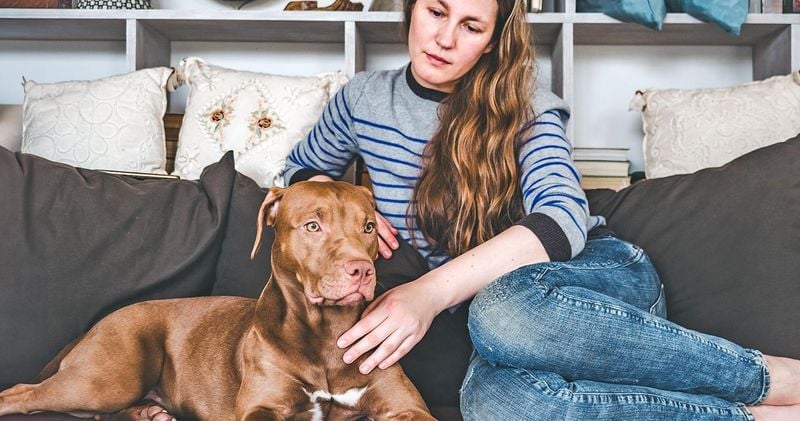
The short trial periods offered by many shelters don’t allow dogs enough time to decompress and show their true personalities. Dogs often need weeks to adjust to new environments, but most adoption trials last only days.
The stress of transitioning from shelter to home can trigger temporary behaviors that scare away new adopters. Without proper guidance and realistic expectations, minor adjustment issues can lead to returns.
This especially impacts shy, traumatized, or senior dogs who need more time to feel secure. These quick returns create a devastating record that follows the dog, making future adoptions even less likely as they’re labeled “failed adoptions” through no fault of their own.
14. The Stigma of Previous Returns
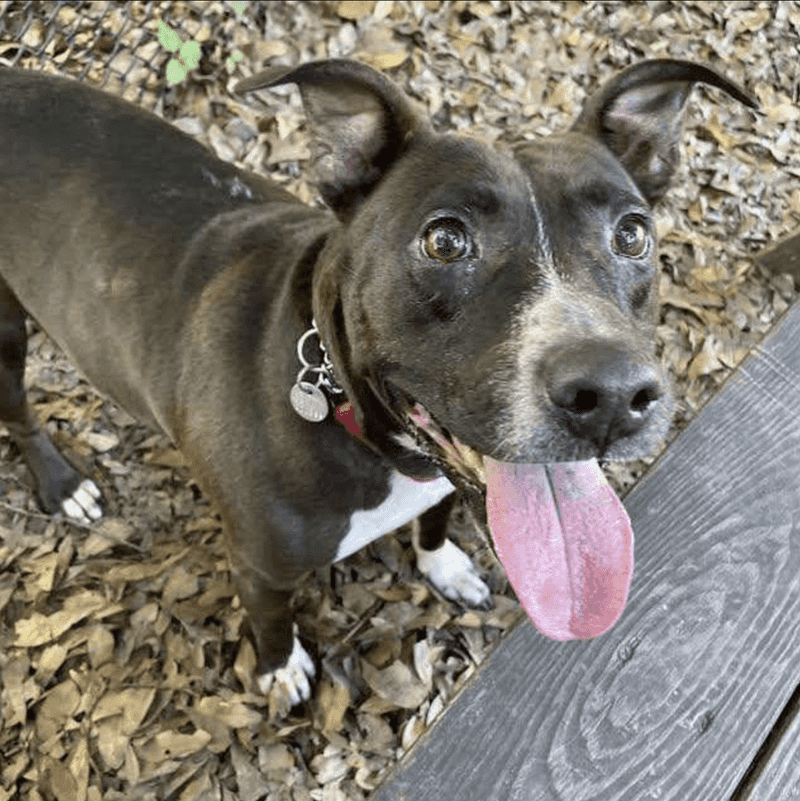
Dogs who have been returned to shelters face a devastating stigma that significantly reduces their adoption prospects. Potential adopters see the “returned” status as a red flag, regardless of the circumstances that may have been entirely outside the dog’s control.
Housing changes, allergies, or family situations often prompt returns that have nothing to do with the dog’s behavior. Yet these animals carry the burden of being labeled as “problems” or “unwanted.”
Multiple returns create an especially difficult cycle to break, as each failed placement reinforces the perception of undesirability. These dogs often become long-term residents, watching as newly arrived dogs find homes while they remain behind, unfairly judged by their past.
15. Poor Socialization Creates Challenges

Dogs who missed critical socialization periods face significant adoption barriers. Those who weren’t exposed to different people, animals, and environments during puppyhood often show fear or reactivity that makes them challenging adoption candidates.
These behaviors—from fear of men or children to leash reactivity around other dogs—severely limit their potential homes. Many adopters lack the experience or resources to help these dogs overcome their socialization deficits.
The tragedy is that with consistent, patient training, many of these dogs can make remarkable progress. Without someone willing to invest in this process, under-socialized dogs often spend months or years in shelters, their behavior potentially worsening with extended confinement.
16. Overwhelmed Shelters Can’t Showcase Every Dog
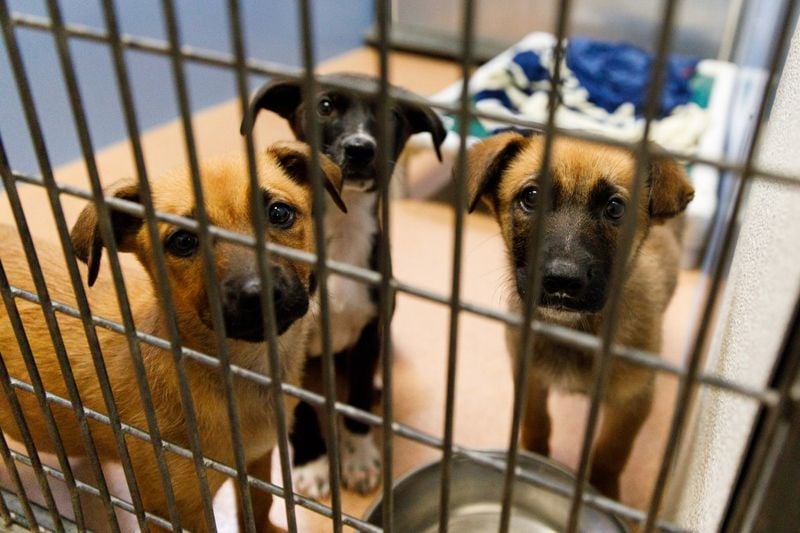
Resource limitations force overwhelmed shelters to make heartbreaking choices about which dogs receive limited training, enrichment, and promotion resources. High-intake facilities may process hundreds of animals monthly with minimal staff.
Dogs with obvious adoption appeal often receive the most attention and resources. Meanwhile, those requiring extra help—the shy, the reactive, the ordinary—receive less individualized care that could help them shine.
Staff members want to help every dog but face impossible choices with limited time and funding. This creates an unintentional tiered system where certain dogs receive more pathways to adoption while others fade into the background, their wonderful qualities never fully revealed to potential adopters.
17. Overlooked Potential: The Invisible Middle Dogs
Many dogs fall into an adoption blind spot—not cute puppies, not special needs cases that attract compassionate adopters, just ordinary good dogs who blend into the background. These middle-of-the-road pets lack distinctive features that make them stand out in crowded shelters.
Visitors pass by their kennels without a second glance, drawn to more distinctive or attention-grabbing animals. These overlooked dogs often have wonderful temperaments and would make perfect companions, but never get the chance to show their true personality.
Shelter workers know the heartbreak of watching these wonderful “average” dogs wait month after month while flashier dogs find homes quickly. Their potential remains unseen, hidden behind kennel doors that potential adopters simply walk past.