18 Signs It’s Time To Put Down Your Dog, No Matter How Hard It Might Seem
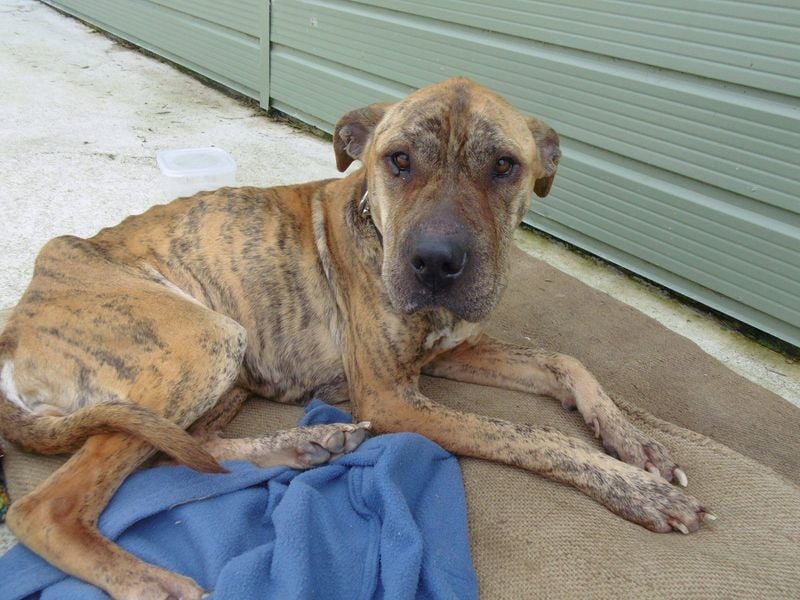
Making the decision to say goodbye to a beloved dog is one of the hardest moments any pet parent will ever face. Our dogs are loyal companions who’ve seen us through life’s joys and sorrows, and letting go feels unbearable.
But when their quality of life begins to slip, love sometimes means making the most painful—but kindest—choice. This list isn’t meant to rush that decision. Instead, it’s a guide for recognizing when your dog may be suffering more than they’re living.
Every situation is unique, but by understanding these signs, you’ll be better prepared to honor your dog’s comfort, dignity, and trust—right to the very end.
1. Chronic Pain That Can’t Be Managed

Even with medications, your dog continues to show signs of suffering like whimpering, stiffness, or avoiding movement.
Your dog, despite being on medication, might still exhibit signs of incessant discomfort. You notice a reluctance to move, an all-too-familiar whimper, or a stiffness that’s impossible to ignore.
When these signs become a daily occurrence, it might be time to consider their quality of life. Imagine an existence where pain overshadows every wag of the tail. It’s not just about physical discomfort; it’s about allowing your loyal companion to retain their dignity.
2. Difficulty Breathing

Labored breathing, gasping, or excessive panting even when resting can signal serious respiratory or cardiac issues.
Imagine seeing your dog struggling to catch a breath, each inhale a battle. It’s heart-wrenching to witness labored respiration, especially when there’s no exertion involved.
This may indicate severe underlying health issues that can’t be fixed. Breathing difficulties are not just physical challenges but are emotionally taxing, both for your pet and you. It’s crucial to assess whether their breathing issues are affecting their overall happiness and comfort.
3. No Longer Enjoys Life

If your dog no longer shows interest in favorite toys, activities, or people, their quality of life may have diminished significantly.
Remember the days when a simple squeaky toy could ignite hours of joy? When those joyful moments fade into indifference, it’s a sign of deeper issues.
Loss of interest in once-loved activities speaks volumes about your pet’s state of mind. It’s not just about their physical health but an emotional decline. Without the spark that once defined their spirit, their existence becomes a shadow of its former self, indicating a serious quality-of-life concern.
4. Can’t Stand or Walk Without Help
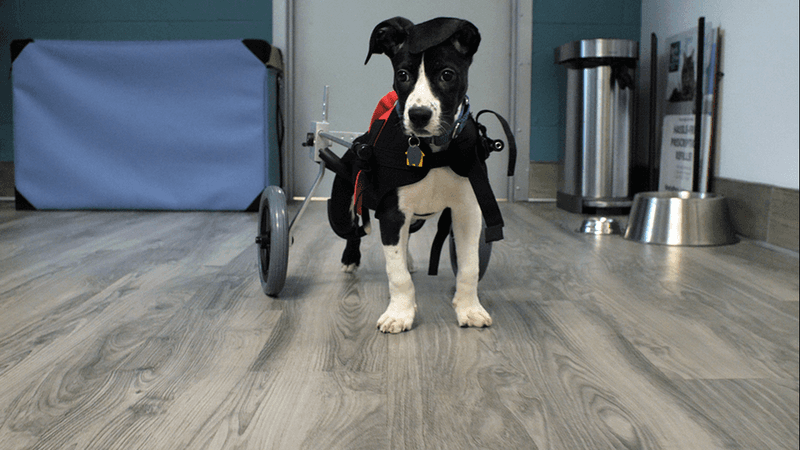
When a dog can’t get up, stay balanced, or walk without assistance, their independence and dignity are impacted.
Imagine the frustration of needing help for every little movement. A once agile pup now relies on you for simple actions.
This loss of independence can lead to depression and physical decline. A dog’s dignity is tied closely to its ability to move freely. When mobility is lost, it’s not just a physical hurdle but an emotional one, stripping them of the joy that comes from movement.
5. Extreme Weight Loss
Severe and unexplained weight loss may be a sign of advanced illness or organ failure.
Witnessing your pet’s body shrink is alarming and unexplainable weight loss often points to something serious.
This condition can be an indicator of illnesses that are hard to reverse, affecting not just their appearance but overall vitality. When a dog’s frame becomes frail, it’s more than just a physical change—it speaks to a diminished quality of life and potential suffering.
6. Frequent Vomiting or Diarrhea

Persistent gastrointestinal issues that can’t be resolved affect comfort, hydration, and nutrition.
Imagine the stress of frequent clean-ups and the helpless look in your dog’s eyes. Constant vomiting or diarrhea disrupts their ability to nourish themselves.
These symptoms can lead to dehydration and malnutrition, compounding any underlying health issues. It’s not just an inconvenience; it’s a sign your pet’s body is struggling to function properly, highlighting a serious concern about their well-being.
7. Incontinence That Can’t Be Controlled

Constant accidents or leaking, especially with signs of distress, may signal end-stage health issues.
It’s distressing to see your dog unable to control their bodily functions, leaving puddles of discomfort behind.
Incontinence can be a humiliating experience for an animal that prides itself on cleanliness. It often signals more profound health concerns, affecting their confidence and quality of life. When these accidents become a norm, it’s a significant sign that their body is failing them.
8. Loss of Appetite

Refusal to eat anything for extended periods—even high-value treats—can reflect a loss of will to live.
A full bowl of food sits ignored, a metaphor for a deeper issue. When your dog turns away from their sustenance, it speaks volumes.
This lack of appetite is often an indicator of significant health decline. It’s more than just missing a meal; it’s a signal that they might be giving up. Such behavior is a powerful indicator that their body is shutting down, reflecting a grave loss of interest in life.
9. Repeated Hospital Visits

When you’re constantly returning to the vet for emergency care, it may be time to consider the emotional toll on both of you.
Imagine the stress and exhaustion of frequent trips to the veterinary hospital. Each visit weighs heavily on both you and your pet.
These repeated emergencies highlight an ongoing battle your dog might be losing. It’s draining, emotionally and financially, and often signals that your pet’s quality of life is deteriorating. This cycle of crisis and care can be a strong indicator that it might be time for a heartfelt decision.
10. Confusion or Anxiety

Pacing, staring into corners, getting stuck in places, or showing signs of fear with no trigger could mean cognitive decline.
A once confident canine now seems lost in familiar spaces. This confusion and anxiety can be heart-breaking to watch.
Such behavior often signals cognitive issues, and it’s disorienting for your pet. These moments of bewilderment are not just a phase but a sign of a brain struggling to cope. It indicates a decline in mental health, impacting their daily comfort and happiness.
11. Uncontrollable Seizures

Seizures that happen frequently or can’t be controlled with medication can severely impact quality of life.
Watching your dog experience seizures is both frightening and distressing. Each episode is a harsh reminder of their fragile state.
When these seizures become uncontrollable, it speaks to a serious neurological issue. Medications might fail to provide relief, leaving your pet in a vulnerable state. This ongoing struggle is not just a physical battle but an emotional toll on both of you, highlighting a significant quality-of-life concern.
12. Isolation or Hiding Behavior

Dogs often isolate themselves when they feel unwell or sense their body shutting down.
A once sociable pet now seeks solitude, curling up in shadows rather than basking in companionship.
This behavior is not just an emotional retreat but can signal that they sense something is wrong. It’s a natural instinct when animals feel vulnerable. For your dog, this withdrawal is a sign that their comfort and safety are compromised, and it could indicate a deeper health issue.
13. Can’t Do Basic Functions

Struggling with chewing, swallowing, urinating, or defecating may be a sign their systems are failing.
Basic functions become monumental tasks, each effort laced with frustration and helplessness.
When your pet struggles with these vital activities, it reflects a significant decline in health. These are signs that their body is not functioning as it should, affecting their ability to enjoy life. This struggle is a poignant reminder of their declining quality of life and a call to consider their comfort and dignity.
14. Persistent Infections
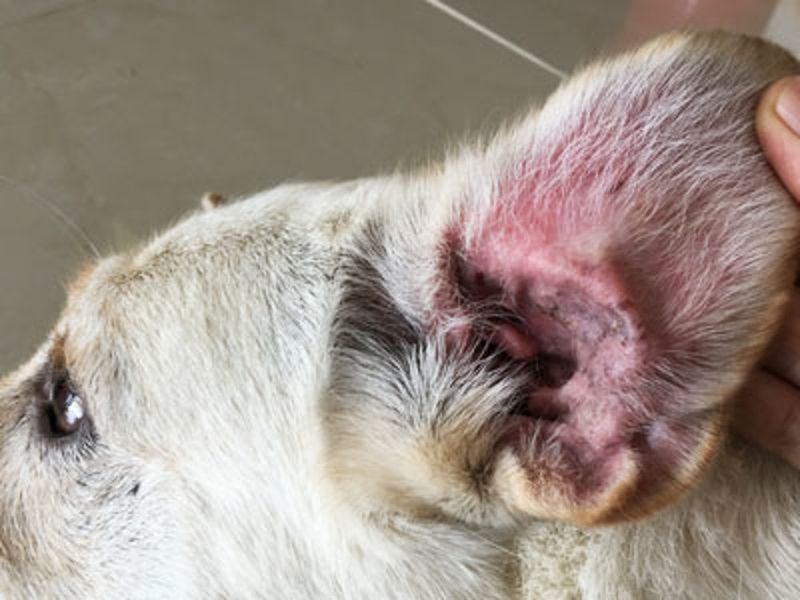
Recurring skin, ear, or internal infections that don’t respond to treatment often indicate immune system collapse.
Chronic infections plague your dog, each one a testament to their body’s struggles.
These persistent health issues suggest a failing immune system, unable to ward off even the simplest ailments. It’s not just about repeated treatments; it’s about the toll on your pet’s well-being. When infections become a constant battle, it’s a strong signal that their body is no longer capable of maintaining normal health.
15. Loss of Communication

If they no longer respond to your voice, touch, or presence, they may be shutting down emotionally and neurologically.
A once lively response to your call is now replaced by silence and detachment.
This loss of communication is not just a behavioral change but a sign of deeper issues. It suggests that your pet may be withdrawing, both emotionally and neurologically. This disconnect can indicate a profound change in their mental health, affecting their capacity to engage with the world around them.
16. Multiple Organ Failure

Veterinarians may detect failing kidneys, liver, or heart—issues that can’t be reversed.
Multiple organ failure is a grim prognosis, a combination of symptoms that often signals an end-stage condition.
This situation represents the body’s inability to sustain itself, with vital organs ceasing to function properly. It’s not just a diagnosis but a reality that affects every aspect of your pet’s life. The physical decline is evident, and the emotional impact profound, marking a point where tough decisions must be made.
17. You’re Keeping Them Alive for Yourself

A painful but honest check: are you prolonging their life for your emotional comfort while they continue to suffer?
It’s crucial to reflect on whether your love is overshadowing your dog’s needs. Holding on can sometimes mean ignoring their suffering.
This realization may be heart-wrenching but necessary. We often keep pets alive for our comfort, inadvertently ignoring their pain. It’s about recognizing their dignity and quality of life over our emotions. This acknowledgment is an act of selfless love, ensuring their final days are filled with compassion and peace.
18. Your Vet Gently Recommends Euthanasia

When your trusted vet—with your pet’s best interest at heart—suggests euthanasia, it’s time to listen.
Your veterinarian’s advice is rooted in experience and compassion. They understand your pet’s condition better than anyone.
When euthanasia is recommended, it’s often after careful consideration of all factors involved. It’s a suggestion made with empathy, focusing on alleviating suffering. Trusting their expertise can guide you in making a decision that prioritizes your dog’s comfort and dignity, even when it’s the hardest choice to make.