12 Simple Ways to Keep Your Dog Healthy

Every dog owner wants to give their pup the best possible life. But staying on top of your dog’s health isn’t just about trips to the vet—it’s a daily commitment that includes everything from proper nutrition to mental stimulation.
Fortunately, keeping your dog healthy doesn’t have to be complicated. With a few consistent habits and a bit of extra attention, you can help your dog thrive both physically and emotionally.
Whether you’ve got a new puppy or a senior companion, these practical, vet-approved tips will help you create a lifestyle that supports longevity, vitality, and joy.
Here are 12 easy ways to ensure your dog stays happy, active, and in great shape for years to come.
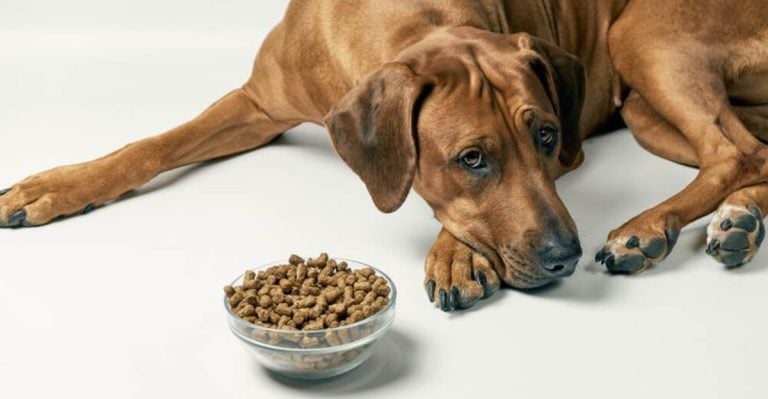
1. Feed a Balanced, High-Quality Diet

Choosing the right diet for your dog is as essential as choosing one for yourself. Opt for dog food that meets AAFCO standards, ensuring it suits your dog’s age, breed, and activity level. Avoid fillers or artificial additives, and surely, stay clear of overfeeding.
A balanced diet can make a world of difference in your dog’s overall health, from shiny coats to energetic playtimes. It’s amazing how proper nutrition can transform your dog’s life.
Did you know some dogs are allergic to common fillers? Always check the ingredient list and consult with your vet if changes are necessary.
2. Provide Fresh Water at All Times

Hydration is a cornerstone of good health, just as important as nutrition. Your dog needs access to fresh water at all times to stay hydrated and healthy. Change the water daily, and make sure to clean the bowl regularly to prevent bacterial buildup.
It’s surprisingly easy for germs to form in stagnant water, so diligence is key. A simple task, yet often overlooked, keeping your dog’s water fresh is a small step with big benefits.
Why not set a daily reminder on your phone to swap out the water? It’s these little habits that contribute to a thriving pet.
3. Stick to a Consistent Exercise Routine

Exercise isn’t just for humans; it’s vital for dogs too. Regular walks, playful sessions, or agility games help maintain a healthy weight and support cardiovascular health.
Exercise also helps in keeping boredom at bay, which can lead to destructive behavior. Whether it’s a gentle stroll or a game of fetch, ensure it’s a daily ritual.
Consider incorporating different activities to keep things interesting for both you and your dog. Changing up the routine keeps it exciting and ensures the exercise regimen is as beneficial as possible.
4. Keep Up With Routine Vet Visits

Routine vet visits are crucial in catching potential health issues early. Annual check-ups (or more frequent for seniors) help maintain vaccinations, dental health, and parasite prevention.
A vet’s careful eye can spot problems that might go unnoticed at home. These visits are more than just a clinical check—they’re a key part of proactive health care for your dog.
Is your dog due for a vet visit? Call today to schedule an appointment. Staying on top of these check-ups is a duty best not postponed.
5. Stay on Top of Flea, Tick, and Worm Prevention

Parasites are more than just a nuisance; they can transmit diseases. Use vet-recommended treatments consistently—even during the winter months—to protect your dog from these pesky invaders.
Prevention is always easier and less costly than treatment, so make it a regular part of your dog’s care routine. Some products offer combined protection, simplifying the process.
Have you checked with your vet about the best products? Tailor your prevention plan to suit the season and your dog’s lifestyle for the best results.
6. Brush Your Dog’s Teeth Regularly

Dental hygiene is often overlooked, yet it’s vital for a dog’s overall well-being. Brushing daily is ideal, but a few times a week can also suffice. Be sure to use pet-safe toothpaste.
Poor oral health can lead to serious issues, including heart disease. So, those few minutes spent brushing can significantly impact your dog’s health.
Have you tried flavored toothpaste? They can make the task easier and more enjoyable for both you and your furry friend.
7. Groom and Bathe Appropriately

Grooming goes beyond aesthetics—it’s part of health care. Regular brushing removes dead fur and skin, and an occasional bath keeps your dog’s coat clean and healthy.
Tailor the grooming routine to your dog’s coat type for optimal results. Not only does it improve appearance, but it also strengthens the bond between you and your pet.
Do you have the right tools for the job? Investing in quality grooming supplies can make a world of difference in your dog’s comfort and health.
8. Keep Their Mind Engaged

Mental stimulation is essential for a well-adjusted dog. It reduces stress and destructive behavior, keeping your pet happy and content. Puzzle toys, training sessions, and scent games are excellent ways to engage their minds.
A mentally stimulated dog is a satisfied one, with less inclination towards negative behaviors. Always mix up the activities to keep things fresh and exciting.
Why not try a new puzzle toy this week? It’s a fun way to challenge your dog’s brain and provide entertainment for both of you.
9. Maintain a Healthy Weight

Maintaining a healthy weight is crucial for your dog’s longevity and quality of life. Obesity can lead to serious issues like joint, heart, and metabolic problems. Measure your dog’s food carefully and avoid excessive treats.
Regular vet check-ups can ensure your dog stays within the ideal weight range. Even a few extra pounds can make a difference, so vigilance is key.
Have you evaluated your dog’s diet recently? Consult with your vet to ensure it supports an ideal weight for their size and breed.
10. Keep Vaccinations Up to Date

Vaccinations are a defense against deadly diseases. Following your vet’s schedule for boosters and titers ensures ongoing protection. Keeping these up-to-date is one of the simplest ways to safeguard your dog’s health.
Core vaccines protect against diseases like rabies and parvovirus. It’s essential to adhere strictly to the vaccination schedule recommended by your veterinarian.
Unsure about your dog’s vaccination status? Check their records today or ask your vet for guidance. It’s a small step with significant protective benefits.
11. Provide a Safe, Comfortable Living Environment

A secure, comfortable home enhances a dog’s sense of well-being. Make sure your dog has a cozy bed, a secure environment, and access to social interaction as well as quiet time.
A happy home life directly impacts your dog’s emotional and physical health. Keep their living area clean and free from hazards.
Are there any improvements needed in your dog’s living space? Sometimes little changes can make a big difference in their comfort and happiness.
12. Show Consistent Love and Positive Reinforcement
Emotional health is just as important as physical health. Regular affection and calm, positive training build trust and well-being. A dog that feels loved is a happy, healthy dog.
Positive reinforcement fosters a harmonious relationship, encouraging desired behaviors and strengthening the bond you share.
Have you shown your dog some extra love today? It’s the simplest and most rewarding way to ensure their emotional health is thriving.