12 Dog Behaviors That Prove They Totally Understand You
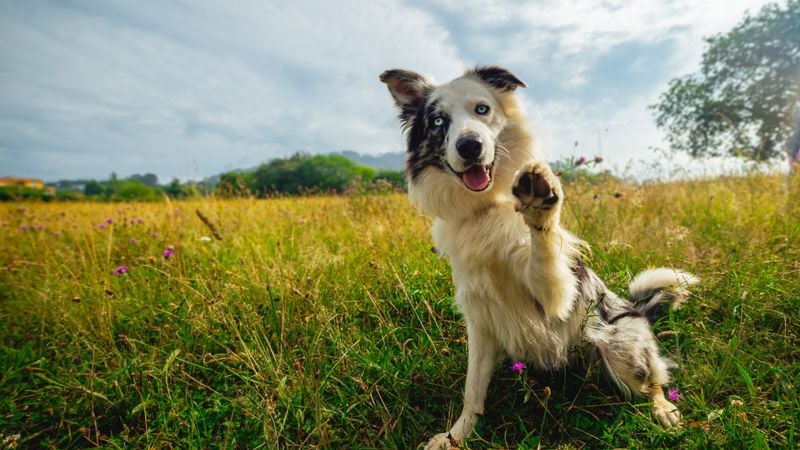
Dogs aren’t just pets – they’re furry mind readers who pick up on our emotions, routines, and subtle signals. The bond between humans and dogs goes deeper than many of us realize, formed through thousands of years of evolution and companionship.
Our canine friends have developed remarkable abilities to tune into our feelings and needs, often understanding us better than some humans do!
1. They know when you’re sad—and offer comfort

Your furry friend suddenly appears with a toy or snuggles close when tears flow. This isn’t coincidence – dogs actually detect chemical changes in your body when you’re upset.
Studies show they can smell cortisol (your stress hormone) rising and respond accordingly. They’ll often change their behavior completely, becoming gentler and more attentive.
Many owners report their dogs pressing against them during tough times, almost like a living, breathing weighted blanket. This natural therapy works because your pup genuinely senses your emotional state and wants to make it better – no training required.
2. They understand basic words and commands (even without treats)
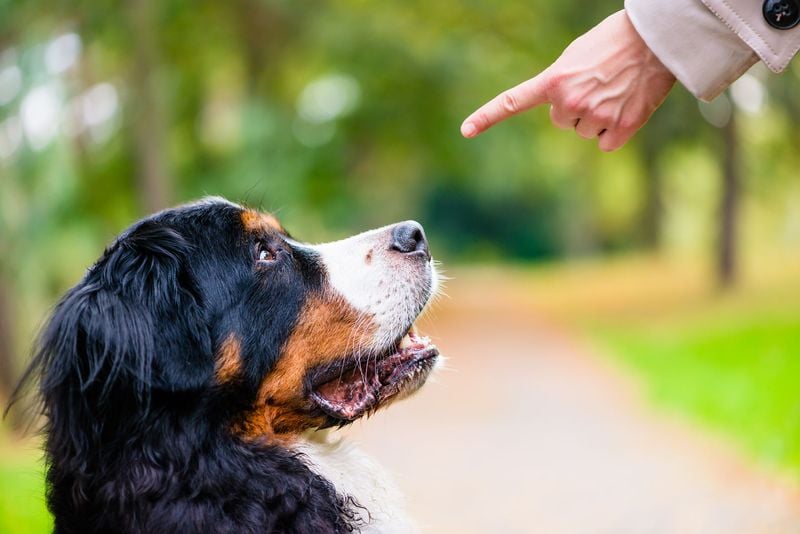
Border collie Rico famously recognized over 200 words, but your average pup understands about 165 human words. Dogs process language similarly to toddlers, forming associations between sounds and outcomes.
The magic happens in their left brain hemisphere – the same area humans use for language. When you consistently use certain words, your dog builds neural pathways specifically for those sounds.
Most impressive is their ability to learn words through inference. Show your dog two toys, name one they know and one they don’t, then ask for the new one – many dogs will correctly choose the unfamiliar item through process of elimination!
3. They respond to your tone—not just words
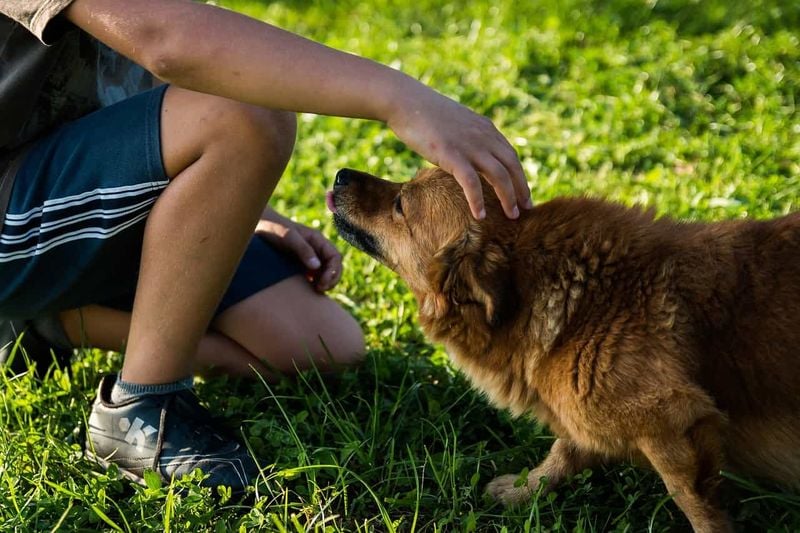
Say “bad dog” in a cheerful voice and watch your pup wag happily. Your furry friend pays more attention to how you speak than what you actually say. Research from Hungary’s Eötvös Loránd University found dogs process emotional tones in the same brain regions as humans.
They’re constantly analyzing pitch, volume, and emotional quality in your voice. This sensitivity developed through centuries of domestication. Dogs who could read human emotions had survival advantages, creating the tone-sensitive companions we have today.
Your dog might not understand your vocabulary, but they’re experts at interpreting your emotional state through sound alone.
4. They mirror your energy
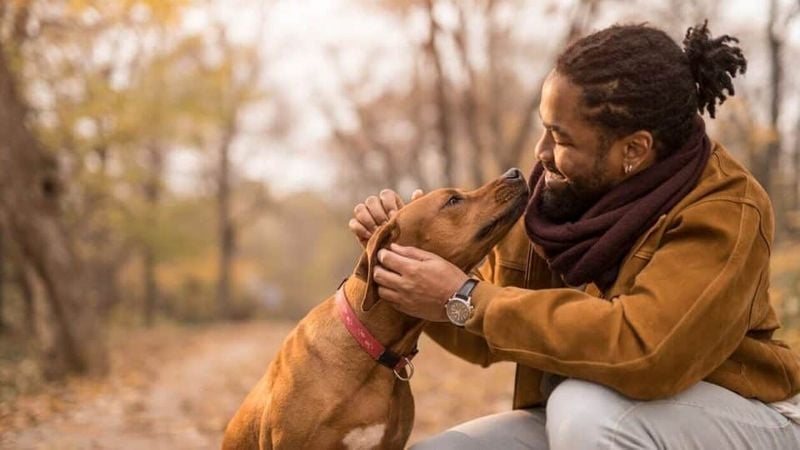
Ever notice how your dog becomes a reflection of your own energy level? This mirroring behavior shows deep emotional attunement between you and your four-legged friend.
When you bounce around excitedly, your dog’s tail wags faster and they might even jump or spin. Conversely, when you move slowly and speak softly, many dogs naturally calm down and match your relaxed state.
This synchronization happens through a combination of visual cues, scent changes, and sound recognition. Dogs evolved this ability to strengthen social bonds within their pack – which now includes you!
Their energy matching isn’t just mimicry; it’s their way of staying connected to their most important person.
5. They read your body language like a pro
Your dog notices tiny shifts in posture most humans miss entirely. Slight shoulder turns, minor weight shifts, and subtle hand movements all communicate volumes to your observant companion.
Dogs evolved to track prey movement and read pack signals, making them natural experts at detecting physical cues. They can distinguish between intentional and accidental gestures, often responding to signals you didn’t even realize you were giving.
Professional trainers capitalize on this talent through “capturing” – rewarding dogs when they respond to natural body language. Next time your dog seems to read your mind about going for a walk or heading to the kitchen, remember they’re actually reading your body’s subtle tells!
6. They know when you’re leaving (and sometimes act out)
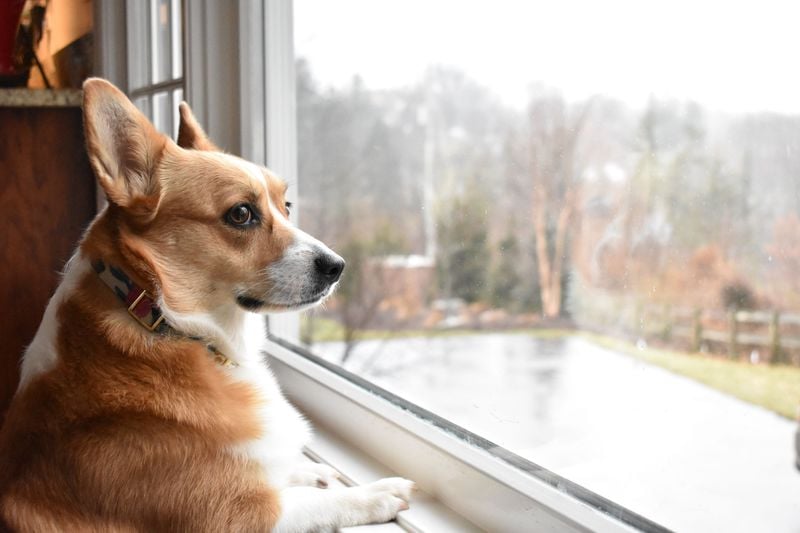
The infamous shoe-grab or pre-departure pout happens because your dog has pieced together your leaving routine. Keys jingling, coat grabbing, and even subtle changes in your walking pace signal your imminent departure.
Dogs with separation anxiety aren’t being spiteful – they’re experiencing genuine distress. Their destructive behaviors stem from stress hormones flooding their system when they recognize your leaving cues.
Some clever canines start acting out before you’ve even decided to leave! They notice patterns in your schedule and can tell what day of the week it is based on your routine.
This awareness explains why many dogs get excited on weekend mornings before you’ve even mentioned walks or trips.
7. They can tell when you’re talking about them

Your dog’s ears perk up when you mention their name during conversation with someone else. This isn’t coincidence – dogs actively monitor human speech for relevant information.
Research shows dogs process language similarly to humans, separating meaningful words from background chatter. They’re particularly attuned to words associated with positive experiences like “walk,” “treat,” or their name. The head tilt that follows? That’s your dog processing language and showing focused attention.
Some scientists believe tilting helps dogs pinpoint sound sources better. So when your pup suddenly appears after you whisper “dinner” across the room, remember they’re constantly filtering conversations for words that matter to them!
8. They know when you’re watching (and when you’re not)

Ever catch your dog doing something they shouldn’t only after you’ve turned away? This sneaky behavior demonstrates their understanding of your attention focus. Dogs track human gaze direction with remarkable precision.
Research from the University of Portsmouth found dogs are four times more likely to steal forbidden food when humans aren’t watching. This awareness extends to phone use too.
Many dogs have learned that when you’re staring at your phone, you’re mentally elsewhere. Some clever canines deliberately act cute when you’re on video calls, having learned that performing when you’re on screen often earns attention and praise from multiple humans simultaneously!
9. They can imitate you

Your dog’s yawn after seeing you yawn isn’t just cute – it’s evidence of sophisticated social cognition. Dogs are among the few animals that can learn through observation and deliberately copy human actions.
A groundbreaking study called “Do as I Do” demonstrated dogs can watch a person perform an action, then replicate it on command. More impressively, they can delay this imitation, showing they form mental representations of behaviors.
This mimicry extends beyond commands to unconscious behaviors. Dogs living with multiple humans often develop different communication styles with each person. They’ll mirror your unique walking pace, sleeping schedule, and even adopt your particular way of greeting visitors!
10. They recognize your routine and anticipate what’s next
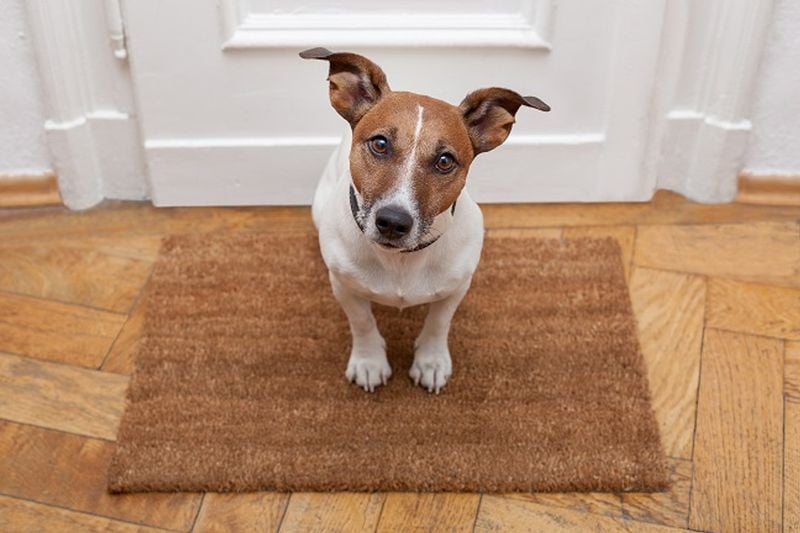
Your dog waiting by the door five minutes before your usual arrival isn’t psychic ability – it’s pattern recognition at work. Dogs excel at tracking time-based routines, often knowing your schedule better than you do.
Researchers found dogs produce more drool at their regular feeding times, even when food isn’t present. Their internal clocks are so accurate they can differentiate between weekdays and weekends based solely on household activity patterns.
This predictive ability served their ancestors well for hunting and survival. Today, it manifests as your pup bringing a leash at walking time or waiting expectantly by their food bowl before you’ve even thought about dinner.
Their anticipation shows they’ve mapped your behaviors into reliable sequences.
11. They offer empathy (not just obedience)

True empathy requires understanding another’s emotional state and responding appropriately – something dogs do naturally. When you’re sick, many dogs become gentle guardians, rarely leaving your side.
Studies show dogs will push through closed doors to reach crying owners, demonstrating active concern rather than simple curiosity. Even more remarkable, they often ignore food rewards when their humans appear distressed, prioritizing emotional support over treats.
This compassion extends beyond their owners. Many therapy dogs instinctively approach the most emotionally vulnerable person in a room without training.
Their empathy isn’t just learned behavior – it reflects genuine emotional intelligence developed through thousands of years alongside humans.
12. They respond to nonverbal cues and facial expressions
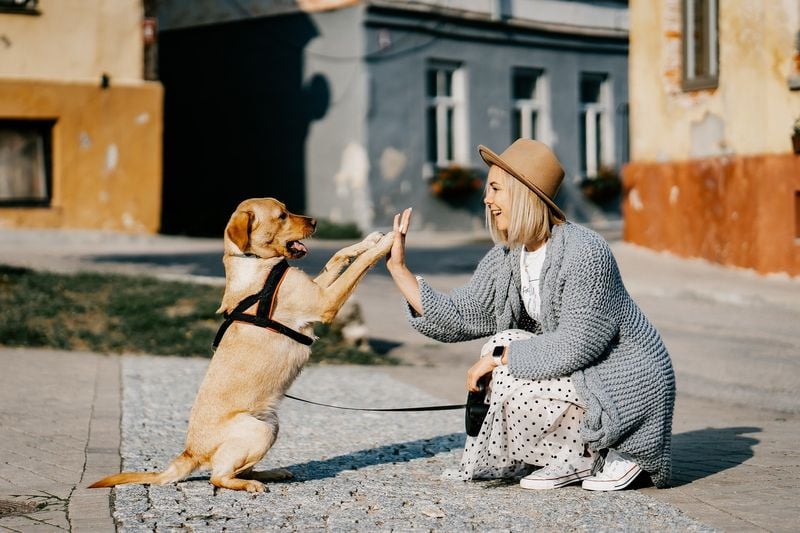
Dogs don’t need words to understand you’re upset – a furrowed brow tells them everything. Research from the University of Lincoln proved dogs can distinguish between happy and angry human faces, even when shown only half a face.
Your furry friend specifically looks to your right side (controlled by the emotional left brain) to read feelings. They’ve evolved to detect micro-expressions that reveal true emotions, making them nearly impossible to fool.
Most fascinating is their response to different expressions. Dogs typically turn away from angry faces and approach happy ones. When you smile genuinely (eyes crinkling), your dog receives a clear “all is well” signal.
This facial recognition ability explains why dogs often seem to know exactly how you’re feeling before you’ve said a word.