The Dark Side of Dog Breeding: 18 Breeds That Got the Worst of It

Humans have bred dogs for specific traits for thousands of years, but this selective breeding hasn’t always benefited our furry friends. Many popular breeds today suffer from serious health issues directly linked to the physical characteristics we’ve chosen for them.
These problems range from breathing difficulties to joint pain, and even shortened lifespans – all consequences of prioritizing appearance over health.
1. English Bulldog’s Breathing Nightmare

Those adorable wrinkled faces and squished noses come with a terrible price. English Bulldogs struggle to breathe properly because of their intentionally flattened faces – a condition called brachycephalic airway syndrome.
Their narrow nostrils and shortened airways make every breath a challenge, especially in hot weather or during exercise. Many bulldogs can’t even sleep without snoring loudly or gasping for air.
Beyond breathing issues, their wrinkly skin folds require constant cleaning to prevent painful infections, and their abnormal body structure leads to joint problems and an inability to mate or give birth naturally.
2. German Shepherd’s Sloping Back Tragedy
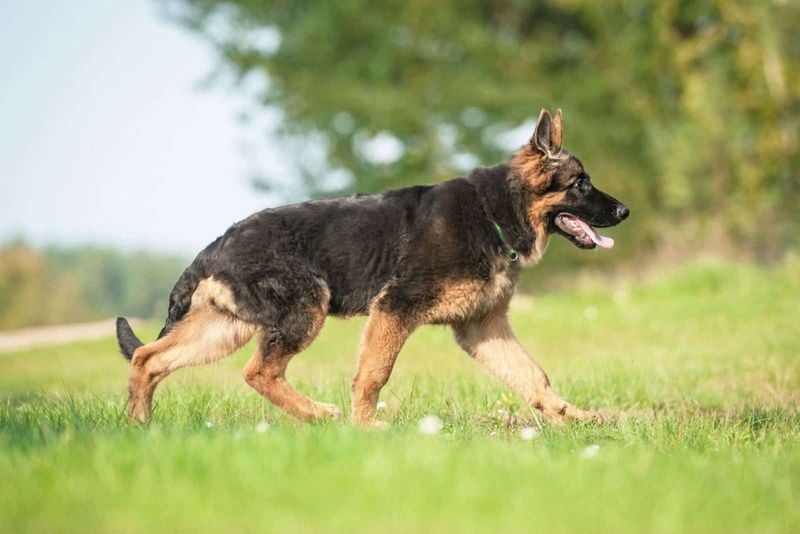
Modern show German Shepherds barely resemble their ancestors from 100 years ago. Breeders have created an exaggerated sloping back and over-angulated rear legs that look distinctive in show rings but cause crippling pain for the dogs.
This unnatural posture puts tremendous strain on their hips and spine, leading to debilitating hip dysplasia and degenerative myelopathy (a progressive disease similar to ALS in humans). Many of these magnificent dogs struggle to walk normally by middle age.
The breed’s popularity in police and military work makes this even more heartbreaking – we’ve compromised their working ability for a specific look.
3. Pug’s Lifelong Respiratory Struggle

Behind those bulging eyes and flat faces, pugs are fighting for every breath. Their deliberately shortened snouts mean their airways are so compressed that normal breathing is impossible – many pugs sound like they’re constantly snorting or wheezing.
Summer heat can be deadly, and simple activities like playing or getting excited can lead to oxygen deprivation. Those cute bulging eyes? They’re prone to injury, ulcers, and even popping out of the socket in severe cases.
Pugs also suffer from skin fold infections and an inability to regulate body temperature. Many require surgery just to breathe somewhat normally.
4. Chihuahua’s Fragile Brain Case
The world’s smallest dog breed pays a heavy price for its tiny size. Chihuahuas often have moleras – soft spots in their skulls where the bones haven’t fully closed, similar to a human baby’s fontanelle, except these never fully close.
This makes their brains dangerously exposed to injury. Their miniaturized bodies also suffer from dental overcrowding, with adult teeth trying to fit into too-small jaws, leading to painful dental disease and tooth loss.
Many Chihuahuas develop hydrocephalus (fluid on the brain), luxating patellas (kneecaps that slip out of place), and hypoglycemia (dangerous drops in blood sugar) – all consequences of extreme miniaturization.
5. Cavalier King Charles Spaniel’s Heartbreaking Condition

These gentle, loving dogs harbor a terrible genetic secret. Nearly all Cavaliers develop mitral valve disease – a serious heart condition – by age 10, and many much earlier. Their hearts literally begin to fail as the valves leak and weaken.
Even more disturbing is their predisposition to syringomyelia, where their brains are too large for their skulls. This creates intense pressure that forces spinal fluid into the spinal cord, creating fluid-filled cavities that cause severe pain, phantom scratching, and neurological problems.
Breeding for those adorable round heads and big eyes has sentenced these sweet dogs to lives that often end in suffering.
6. Dachshund’s Back Breaking Design

The iconic wiener dog shape that makes Dachshunds so recognizable is actually a form of dwarfism deliberately bred into these hunting dogs. Their abnormally long spines and short legs create a structural nightmare.
One in four Dachshunds will suffer from intervertebral disc disease (IVDD), where the discs between their vertebrae herniate or rupture, causing extreme pain, paralysis, and sometimes requiring expensive surgery. Something as simple as jumping off furniture can cause their backs to break.
Their elongated bodies also make them prone to obesity, which further stresses their fragile spines and can lead to diabetes and joint problems.
7. Shar Pei’s Painful Wrinkle Infections
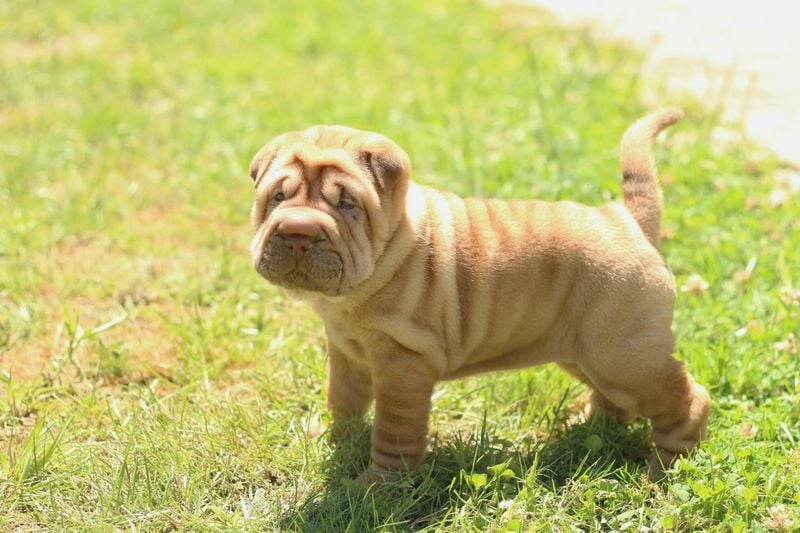
The Shar Pei’s trademark wrinkles once served a purpose in their fighting dog past – loose skin was harder for opponents to grab. Modern breeders took this trait to extremes, creating dogs with so many folds they can barely see and suffer constant skin infections.
These excessive wrinkles trap moisture, dirt, and bacteria, leading to painful, itchy conditions called fold dermatitis. Many Shar Peis require daily cleaning of their skin folds to prevent these infections.
Even more concerning is Shar Pei Fever, a serious genetic condition causing recurrent fevers and inflammation that can lead to kidney failure. This breed-specific disease is directly linked to the genes that create their wrinkled appearance.
8. Boxer’s Cancer Susceptibility

The playful, energetic Boxer faces a heartbreaking reality – they have one of the highest cancer rates of any dog breed. Brain tumors, lymphoma, and mast cell tumors are devastatingly common, with some studies suggesting up to 40% of Boxers will develop cancer.
Their white coat coloring, while attractive to some owners, is linked to deafness and increased skin cancer risk. Years of inbreeding to maintain their distinctive square heads and bodies have concentrated these genetic vulnerabilities.
Boxers also commonly suffer from cardiomyopathy (heart muscle disease) and aortic stenosis (narrowed heart valve), conditions that can cause sudden death even in young, apparently healthy dogs.
9. Shih Tzu’s Eye and Breathing Complications

Those large, round eyes that give Shih Tzus their appealing baby-like appearance are actually bulging from shallow eye sockets. This puts them at constant risk for proptosis – where the eyeball can actually pop out of the socket from even minor head trauma.
Their flattened faces create the same breathing difficulties seen in other brachycephalic breeds. Many Shih Tzus struggle with stenotic nares (narrowed nostrils) and elongated soft palates that partially block their airways.
Their luxurious double coat requires intensive grooming to prevent painful matting, and their small jaws lead to dental crowding and tooth decay. What looks cute to humans means suffering for these little dogs.
10. Boston Terrier’s Birthing Impossibility

Boston Terriers have been bred for such extreme body proportions that most cannot reproduce naturally. Their broad heads and narrow hips mean puppies typically can’t pass through the birth canal, requiring risky and expensive cesarean sections.
Like other flat-faced breeds, they struggle with brachycephalic airway syndrome, making breathing difficult and exercise dangerous, especially in warm weather. Their prominent eyes are vulnerable to injury, corneal ulcers, and cataracts.
Boston Terriers also frequently suffer from patellar luxation (slipping kneecaps) and hemivertebrae (deformed spine bones), which can cause pain and mobility problems throughout their lives – all consequences of breeding for that distinctive Boston look.
11. Great Dane’s Heart-Breaking Growth Issues
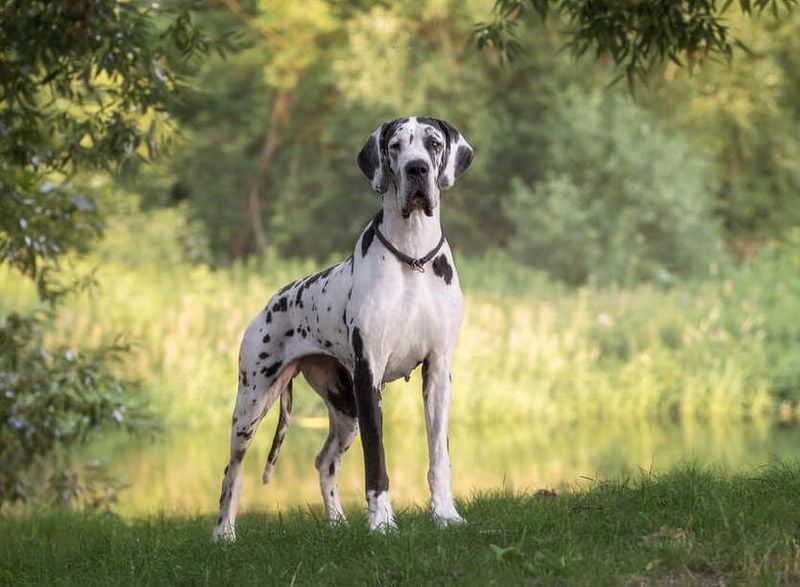
Gentle giants by nature, Great Danes pay a terrible price for their impressive size. Their rapid growth puts enormous strain on their hearts, leading to dilated cardiomyopathy – an enlarged, weakened heart that can cause sudden death.
Their accelerated growth also creates joint problems, with bones growing so quickly that ligaments and muscles can’t keep pace. This leads to painful conditions like hip dysplasia, arthritis, and osteochondrosis (improper bone formation).
Perhaps most tragic is their drastically shortened lifespan – most Great Danes live only 6-8 years, with many dying from bloat, a sudden and often fatal stomach condition they’re particularly prone to developing.
12. Labrador Retriever’s Joint Destruction

America’s favorite dog hides a painful secret – over half of all Labs develop hip dysplasia, where the ball and socket of the hip joint don’t fit properly. This causes grinding, inflammation, and eventually crippling arthritis.
Their genetic predisposition to obesity compounds these joint problems, putting extra stress on already compromised hips and knees. Labs are also prone to elbow dysplasia and osteochondritis dissecans, a condition where cartilage cracks and separates from the bone.
Exercise-induced collapse is another breed-specific issue where Labs suddenly lose control of their rear legs during intense activity. Years of popularity-driven breeding with little health screening has concentrated these painful conditions in the breed.
13. Golden Retriever’s Cancer Epidemic

Behind that famous smile lurks a heartbreaking statistic: over 60% of Golden Retrievers will die from cancer, one of the highest rates of any breed. Hemangiosarcoma (blood vessel cancer), lymphoma, and mast cell tumors are particularly common.
The limited gene pool from decades of popularity has concentrated cancer-causing genes throughout the breed. Many Goldens now live only 10-12 years, significantly shorter than the 16-17 years their ancestors enjoyed.
Besides cancer, Goldens commonly suffer from hip and elbow dysplasia, heart problems, and pigmentary uveitis – a painful eye condition unique to the breed that can cause blindness. Their gentle nature makes these health burdens especially tragic.
14. Cocker Spaniel’s Ear and Eye Miseries

Those beautiful, long ears that give Cocker Spaniels their distinctive look are actually perfect breeding grounds for painful infections. Their pendulous ear flaps trap moisture and prevent air circulation, creating warm, dark environments where bacteria and yeast thrive.
Many Cockers suffer from chronic otitis externa – painful ear infections that can become so severe they require surgical intervention. Their prominent eyes are vulnerable to numerous conditions including progressive retinal atrophy, glaucoma, and cataracts.
The breed is also plagued by autoimmune diseases that attack their own bodies, including seborrhea (causing greasy, flaking skin) and immune-mediated hemolytic anemia, where the immune system destroys red blood cells.
15. Saint Bernard’s Excessive Growth Burden
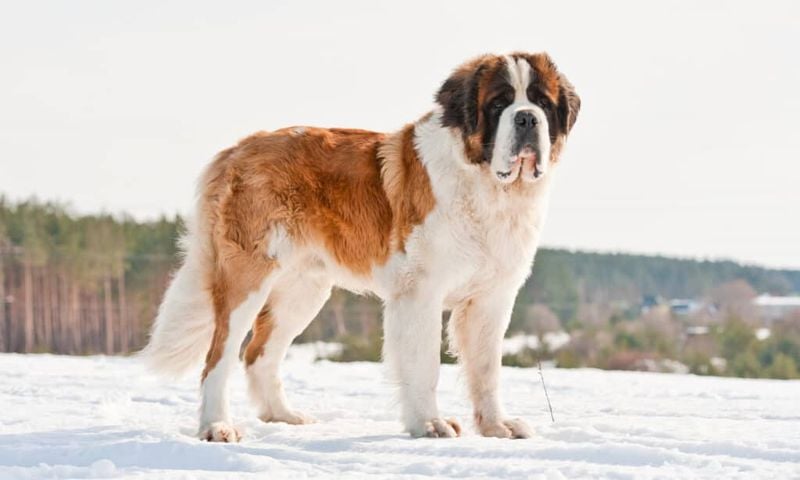
Few breeds grow as massively or as quickly as Saint Bernards, and this rapid growth creates serious structural problems. Their bones and joints develop abnormalities as they struggle to support too much weight too soon.
Hip and elbow dysplasia are extremely common, as is osteosarcoma (bone cancer). Their massive heads have been bred to be disproportionately large, leading to difficult births and neurological issues.
The loose skin around their mouths – bred to create their distinctive jowly appearance – causes chronic drooling and skin fold infections. Perhaps most devastating is their short lifespan of just 8-10 years, with many giants developing heart problems and suffering from the painful effects of their enormous size.
16. French Bulldog’s Reproductive Impossibility

The “Frenchie” explosion in popularity hides a disturbing reality – these dogs simply cannot reproduce naturally. Their exaggerated body shape, with broad shoulders and narrow hips, makes natural mating physically impossible for most.
Nearly 100% require artificial insemination to conceive and cesarean sections to give birth. Their extreme brachycephalic (flat-faced) structure causes severe breathing difficulties, with many Frenchies unable to exercise or regulate their body temperature.
Their screw tails (actually a malformation of the spine) can cause painful spinal issues, and their bat-like ears are prone to infection. Despite these serious health concerns, their “cute” appearance continues driving rampant breeding.
17. Pekingese’s Struggle to Simply Exist

The Pekingese has been bred for such an extreme flat face that basic survival functions are compromised. Their severely shortened airways make breathing a constant struggle – many sound like they’re snorting or gasping even at rest.
Their abnormally flattened faces and bulging eyes leave them vulnerable to corneal ulcers and eye injuries. The long, luxurious coat that’s prized in show rings requires constant maintenance and can cause overheating in even mild temperatures.
Their shortened legs and elongated backs lead to intervertebral disc disease, while their compressed facial bones frequently cause dental problems and chronic pain. For Pekingese, the simple act of existing has been made unnecessarily difficult.
18. Beagle’s Genetic Disease Inheritance

The happy-go-lucky Beagle hides a concerning number of inherited diseases. Cherry eye, a condition where the gland under the third eyelid protrudes visibly as a red mass, affects many Beagles and requires surgical correction.
The breed is also disproportionately affected by epilepsy, with seizures that can begin at an early age and require lifelong medication. Many Beagles develop intervertebral disc disease, where discs between vertebrae herniate and cause pain or paralysis.
Perhaps most concerning is their high rate of Musladin-Lueke Syndrome, a rare genetic disorder causing joint stiffness, heart defects, and tight skin. Their popularity has led to overbreeding with little health testing.