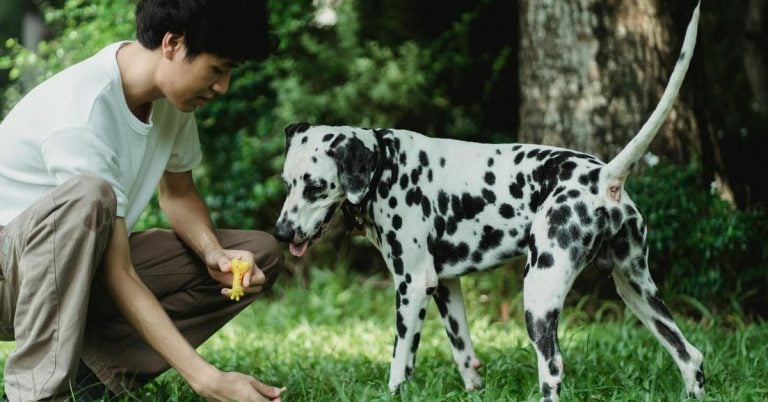
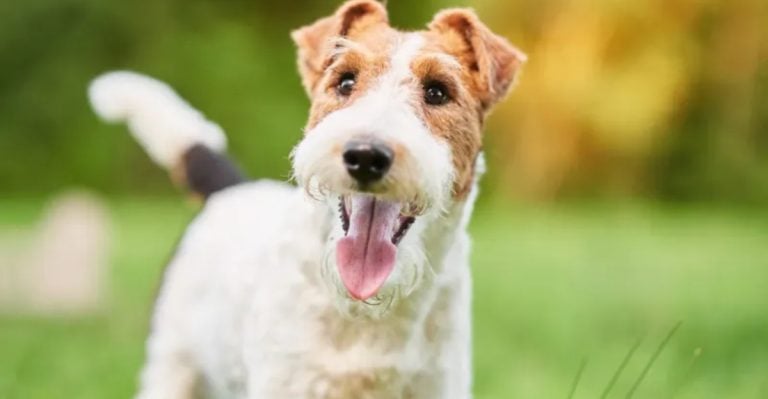
Train Your Dog Like a Pro: 9 Genius Tips That Actually Work

Getting your furry friend to listen isn’t just about luck – it’s about smart training strategies. Dogs thrive on structure, consistency, and positive feedback, making training essential for a happy home life.
Whether you have a stubborn puppy or an older dog with established habits, these proven techniques will transform your training sessions and strengthen your bond.
1. Start with Clear Goals
Every successful training journey begins with knowing exactly what you want to achieve. Rather than thinking vaguely about having a “well-behaved dog,” pick specific behaviors like “sits when guests arrive” or “walks without pulling.”
Break larger skills into tiny steps your dog can master one at a time. For instance, teaching “stay” might start with just two seconds before gradually extending the duration.
Write down your top three training priorities and focus on those first. This targeted approach prevents overwhelm for both you and your pup, creating a foundation of success that motivates continued progress.
2. Use Positive Reinforcement
Rewards make learning fun for your dog! When your pup does something right, immediately mark the behavior with a clicker or a cheerful “yes” followed by a treat, toy, or enthusiastic praise.
Dogs naturally repeat behaviors that lead to good things. The timing matters tremendously – reward within 1-2 seconds of the desired action so your dog connects the dots between behavior and reward.
Vary your rewards to keep training exciting. Sometimes offer chicken, other times a quick game of tug. This unpredictability actually strengthens the behavior more than the same reward every time.
3. Keep Training Sessions Short and Sweet
Dogs, especially puppies, have attention spans similar to toddlers. Three to five minutes of focused training beats a frustrating 30-minute marathon any day. The quality of practice trumps quantity every time.
Multiple mini-sessions scattered throughout your day yield better results than one long session. Try training right before meals when your dog is motivated but not distracted by hunger, or incorporate quick practice during commercial breaks.
End each session on a high note with something your dog does well. This builds confidence and creates positive associations with training time, making your pup eager for the next lesson.
4. Maintain Rock-Solid Consistency
Dogs thrive on predictability. Using the same commands, gestures, and rules helps your furry friend understand exactly what you want. “Down” should always mean lie down – not get off furniture one day and lie down the next.
Get everyone in your household on board with the same training approach. When one person allows jumping while another scolds for it, your dog faces an impossible puzzle that leads to confusion and frustration.
Consistency extends to consequences too. If sitting earns a treat on Tuesday, it should earn something positive on Friday too, even if it’s just verbal praise or a quick pet.
5. Master the Art of Treat Strategy
Not all treats are created equal in your dog’s mind. Discover your pup’s hierarchy – kibble might work for practicing known skills at home, while chicken or cheese becomes necessary for challenging environments like the dog park.
Size matters tremendously! Training treats should be tiny – about the size of a pea – so your dog can quickly consume them without losing focus. Small treats also prevent overfeeding during training-heavy days.
Gradually transition from constant treating to intermittent rewards as skills improve. Random reinforcement actually strengthens behaviors more effectively than predictable rewards, much like how slot machines keep people playing.
6. Create Distraction-Free Learning Zones
The quiet living room makes a perfect classroom for new skills. Your dog can focus entirely on learning without competing stimuli, similar to how humans learn better in quiet libraries than noisy cafes.
Once a behavior is reliable in your distraction-free zone, gradually introduce mild challenges. Practice “stay” in the backyard before attempting it at the bustling dog park. This progressive approach builds your dog’s ability to listen anywhere.
Set realistic expectations based on your environment. Even professional dogs struggle in extremely distracting situations, so celebrate small wins when your pup manages to focus despite interesting smells or passing squirrels.
7. Embrace Patience Over Punishment
Dogs rarely misbehave out of spite – they’re usually confused, afraid, or haven’t learned the right behavior yet. Punishment creates fear and damages your relationship without teaching what TO do instead.
When mistakes happen, simply interrupt the unwanted behavior and redirect to something appropriate. If your puppy chews shoes, calmly remove the shoe and offer a proper chew toy instead.
Remember that learning takes time for all species. Most dogs need dozens of repetitions to truly understand a new skill, especially in different contexts. Your patience now builds a foundation of trust that pays dividends throughout your dog’s life.
8. Weave Training Into Everyday Life
Formal training sessions matter, but everyday moments offer golden opportunities too. Ask for a quick “sit” before meals, a “wait” at doorways, or practice “leave it” with something mildly tempting during your regular walk.
These real-life repetitions teach your dog that commands apply everywhere, not just during training time with treats in hand. The more naturally obedience fits into daily routines, the more reliable it becomes.
Make training feel like a game rather than work. Challenge your dog to find hidden treats using their “find it” command while you prepare dinner, or practice “come” by calling them from different rooms for surprise belly rubs.
9. Read Your Dog’s Body Language Fluently
Dogs communicate constantly through subtle signals that reveal their comfort level. A slightly tucked tail, pinned-back ears, or whale eye (showing whites of the eyes) indicates stress or uncertainty during training.
Adjust immediately when you spot these signals. Maybe the distraction level is too high, the task too difficult, or your dog needs a break. Pushing through despite stress signals creates negative associations with training.
Celebrate the happy signals too – a relaxed mouth, soft eyes, and playful movements mean your dog is enjoying the learning process. These moments of engagement are when the deepest learning happens, so capitalize on them with extra practice of favorite skills.