Experts Reveal 12 Surprising Foods That Are Toxic to Dogs
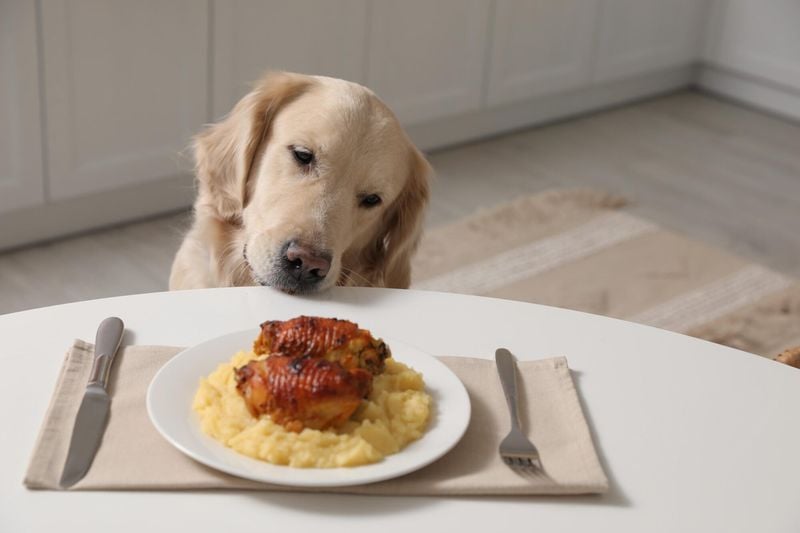
Most dog owners know they should keep their furry friends away from chocolate, but many common foods can actually harm or even kill dogs. Our pets’ digestive systems work differently from ours, making some everyday items dangerous to them.
Learning which foods to avoid sharing with your dog could save their life during meal times or when those puppy eyes beg for a taste of your snack.
1. Chocolate: The Sweet Danger

Chocolate contains theobromine and caffeine, compounds dogs can’t metabolize effectively. Even small amounts can cause vomiting, diarrhea, excessive thirst, and in severe cases, seizures or heart failure.
Dark and baking chocolates pose the highest risk because they contain more theobromine than milk chocolate. A 10-pound dog could get seriously ill from just one ounce of dark chocolate!
If your dog sneaks some chocolate, call your vet immediately. Don’t wait for symptoms to appear – faster treatment means better chances for recovery.
2. Grapes and Raisins: Tiny Fruits, Big Problems
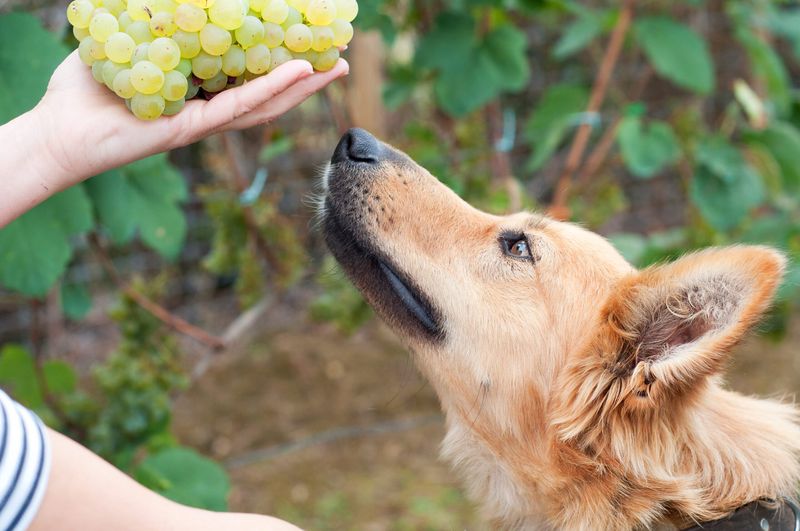
Veterinarians still don’t fully understand why grapes and raisins cause such severe reactions in dogs. What we do know is that they can trigger sudden kidney failure, even in small amounts.
Some dogs show no ill effects after eating them, while others suffer life-threatening reactions from just a few pieces. Signs of grape toxicity include vomiting, lethargy, decreased appetite, and reduced urination.
Never leave grapes or raisins where your dog can reach them, and check ingredient lists for these fruits in foods like cookies, breads, and trail mixes.
3. Onions and Garlic: Flavor for Us, Poison for Pups
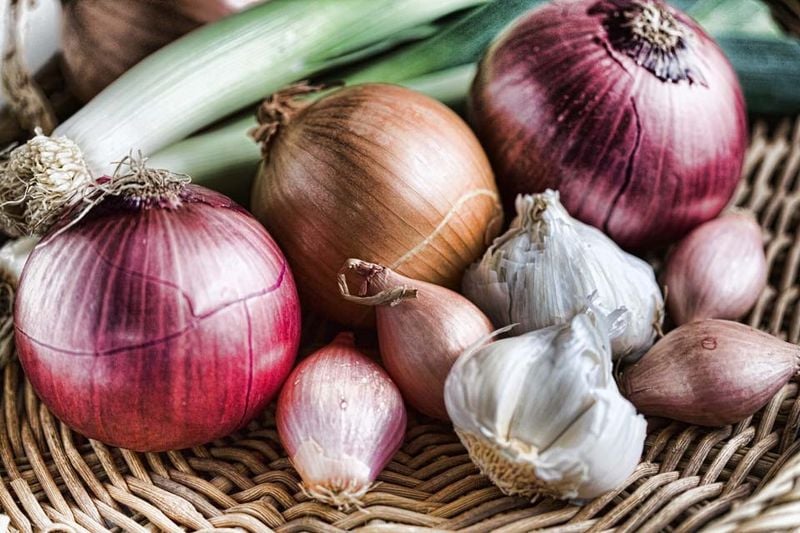
The entire allium family – onions, garlic, leeks, and chives – contains compounds that damage dogs’ red blood cells. This damage can lead to hemolytic anemia, where the body destroys red blood cells faster than it can make new ones.
Garlic is actually five times more potent than onions! Symptoms might not show up for several days after eating these foods, making it hard to connect the dots.
Watch for weakness, pale gums, reduced appetite, and orange or dark urine. Remember that many prepared foods contain these ingredients, including baby food, pizza, and spaghetti sauce.
4. Avocados: Not a Healthy Fat for Fido
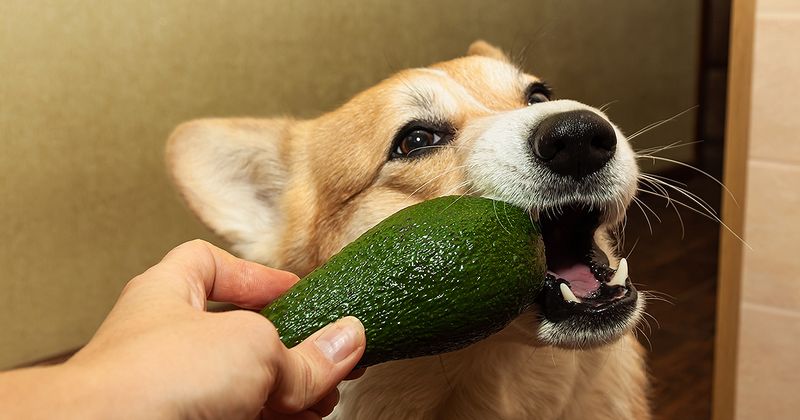
The culprit in avocados is persin, a fungicidal toxin that causes vomiting and diarrhea in dogs. While the flesh contains less persin than other parts, it’s still best to keep avocados away from your four-legged friend.
The biggest danger might actually be the large pit, which can cause choking or intestinal blockage if swallowed. Dogs who manage to get into avocado trees or eat large amounts of the fruit, leaves, or bark may develop breathing difficulties and fluid accumulation in the chest.
Skip the guacamole sharing and keep those avocado toast leftovers to yourself.
5. Macadamia Nuts: The Mystery Toxin
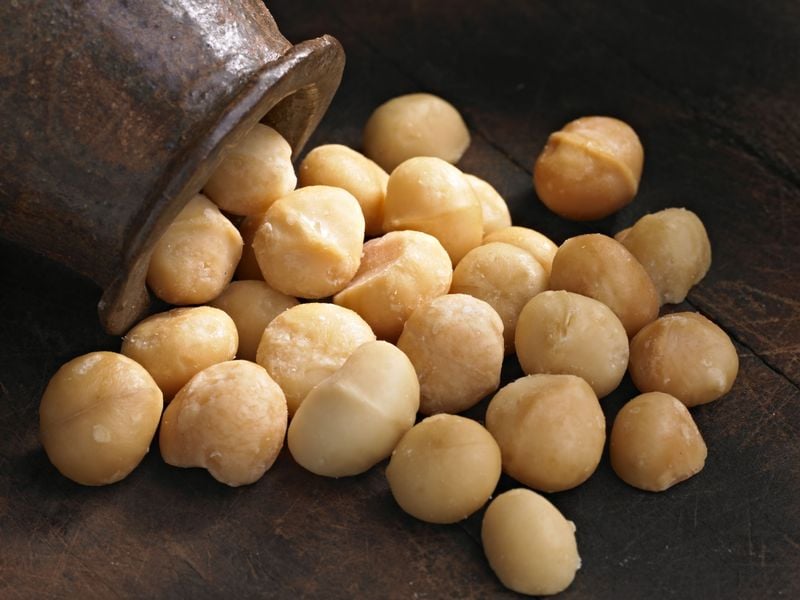
Scientists haven’t identified exactly what makes macadamia nuts toxic to dogs, but the effects are well-documented. As few as six raw or roasted macadamia nuts can make a dog sick.
Symptoms appear within 12 hours and include weakness in the back legs, vomiting, fever, muscle tremors, and painful joints. The good news is that most dogs recover within 48 hours, but the experience is extremely uncomfortable for them.
Check ingredient lists carefully – these expensive nuts often appear in cookies, cakes, and high-end chocolates where you might not expect them.
6. Cooked Bones: A Dangerous Tradition
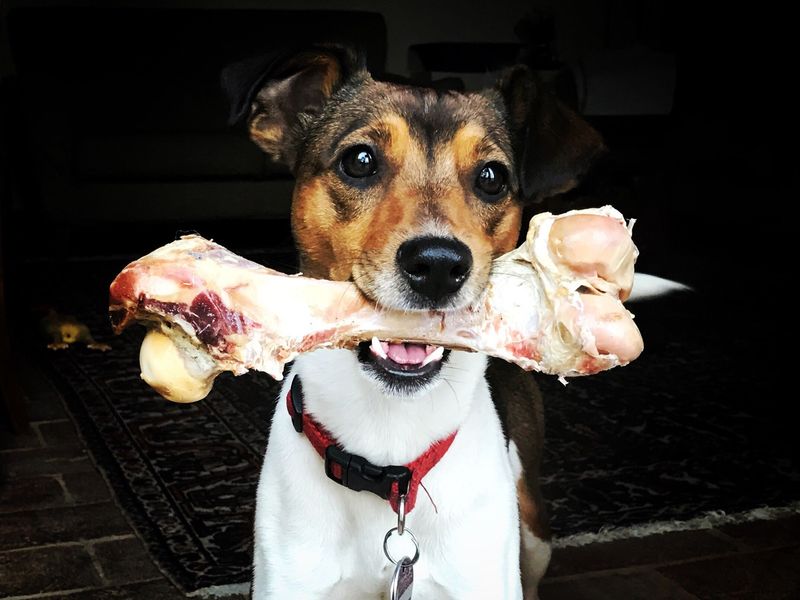
Many people grew up giving dogs leftover bones, but veterinarians strongly advise against this practice. Cooking makes bones brittle, causing them to splinter into sharp fragments that can puncture your dog’s digestive tract.
Chicken bones are particularly dangerous due to their small size and tendency to splinter. Bone fragments can cause choking, cuts in the mouth and internal organs, constipation, and even perforations that require emergency surgery.
If you want to give your dog something to chew, ask your vet about safer alternatives like specially designed dental chews or appropriately sized raw bones.
7. Alcohol: Even Small Amounts Can Be Fatal
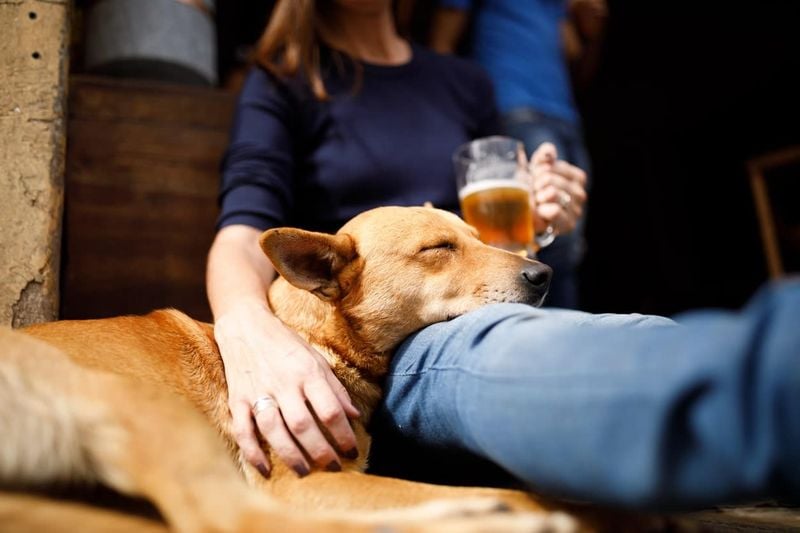
Dogs are far more sensitive to alcohol than humans. Their smaller bodies and different metabolism mean even a small amount can cause dangerous drops in blood sugar, body temperature, and blood pressure.
Beer, wine, liquor, and foods containing alcohol can all cause poisoning. Signs include disorientation, vomiting, restlessness, excessive panting, and in severe cases, seizures or respiratory failure.
Be careful with rum-soaked cakes, wine-based sauces, and unbaked dough containing yeast (which produces alcohol as it ferments). Keep alcoholic drinks out of reach, and clean spills immediately.
8. Xylitol: The Hidden Sugar Substitute Threat
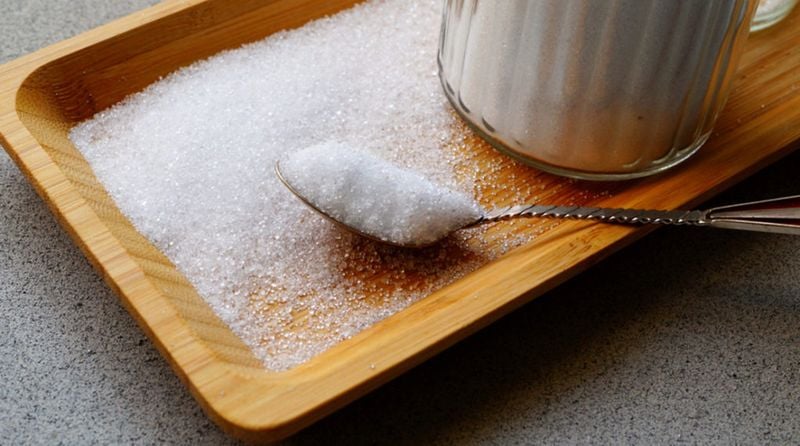
Found in sugar-free gum, candies, baked goods, and even some peanut butters, xylitol causes a rapid insulin release in dogs. This can lead to a dangerous drop in blood sugar levels within minutes to hours of consumption.
Just one piece of xylitol-sweetened gum can be toxic to a 10-pound dog. Symptoms include vomiting, loss of coordination, seizures, and in severe cases, liver failure and death.
Always check ingredient labels, especially on sugar-free products. Many brands of peanut butter now use xylitol, so verify before using it to hide medications or as a treat.
9. Yeast Dough: A Rising Problem

Raw bread dough creates two serious problems for dogs. First, the warm, moist environment of a dog’s stomach is perfect for yeast to multiply, causing the dough to expand painfully inside their digestive tract.
Second, as yeast ferments, it produces alcohol that gets absorbed into the bloodstream, potentially causing alcohol poisoning. Signs of trouble include a swollen abdomen, vomiting, weakness, and disorientation.
Keep unbaked bread dough well out of reach, and make sure your dog can’t access the kitchen counter while baking. If ingestion occurs, contact your vet immediately.
10. Ice Cream: Dairy Disaster for Doggy Digestion
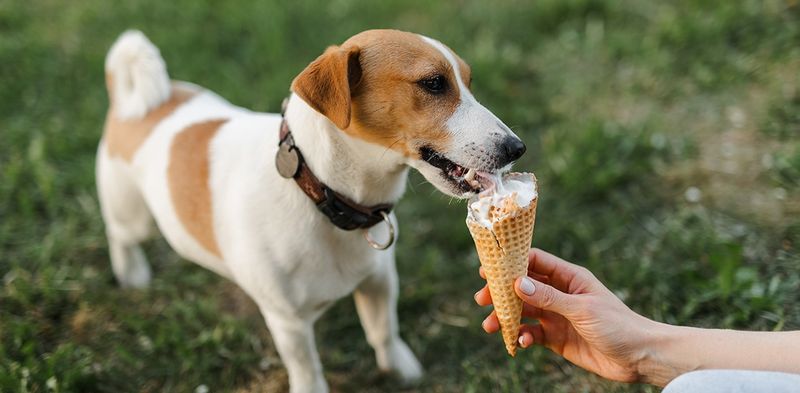
Many dogs are lactose intolerant, lacking the enzyme needed to digest milk sugar properly. This makes ice cream a recipe for digestive upset, causing gas, bloating, and diarrhea.
Beyond lactose issues, ice cream contains high amounts of sugar that can contribute to obesity and dental problems. Certain flavors pose additional dangers – chocolate is toxic, and artificial sweeteners like xylitol can be deadly.
For a safer frozen treat, try freezing plain yogurt (which contains less lactose) mixed with dog-safe fruits like blueberries or banana slices. Commercial dog-friendly ice creams are also available.
11. Caffeine: More Than Just the Jitters

Coffee, tea, energy drinks, and chocolate all contain methylxanthines that dogs can’t metabolize effectively. These stimulants affect the central nervous system and heart, causing restlessness, rapid breathing, heart palpitations, and muscle tremors.
A large dog might survive consuming one or two caffeine pills, but a small dog could die from the same amount. Coffee grounds and tea bags are particularly dangerous due to their concentrated caffeine content.
Be mindful of less obvious sources like coffee-flavored desserts, chocolate-covered espresso beans, and some pain relievers that contain caffeine as an ingredient.
12. Fat Trimmings: A Heart-Stopping Habit
Those fatty bits you trim from your steak might seem like a nice treat for your dog, but they can trigger pancreatitis – a painful, potentially life-threatening inflammation of the pancreas. Fatty foods overwork this organ, which helps digest food and regulate blood sugar.
Symptoms of pancreatitis include vomiting, diarrhea, decreased appetite, and abdominal pain. Some dogs adopt a “prayer position” with their front end down and rear end up to relieve the discomfort.
Both cooked and uncooked fat can cause problems, so resist those begging eyes when you’re trimming meat or finishing a greasy meal.