The 30 Worst Dog Foods in the World

Selecting the right food for your dog requires understanding which products fail to meet basic nutritional standards. Many popular brands use low-quality ingredients, excessive fillers, or problematic processing methods that can compromise your pet’s health over time.
This guide examines thirty dog food products that consistently fall short in ingredient quality, nutritional value, or safety standards, helping you make informed decisions about what to avoid when shopping for your dog.
You’ll learn about specific formulas from both budget and premium brands that contain concerning levels of by-products, artificial additives, or unclear ingredient sourcing.
The brands covered range from widely available grocery store options to products marketed as high-end choices. Understanding common risks associated with low-quality dog food and learning to evaluate ingredient lists will equip you to identify problematic formulations regardless of price point or marketing claims.
1. Purina Beneful (dry kibble formula)
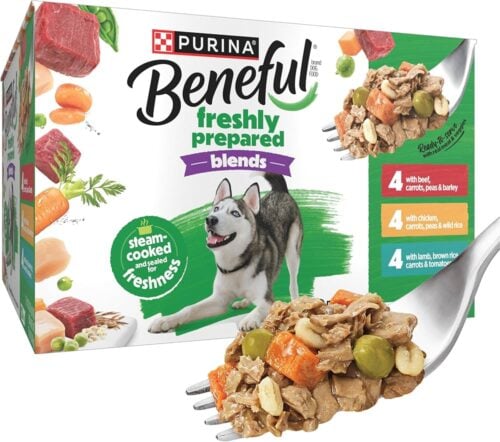
Purina Beneful appears on multiple lists of dog foods to avoid. The brand is known for its colorful kibble and widespread availability in stores.
The main concern with Beneful involves its ingredient list. While it contains chicken as a protein source, the formula relies heavily on corn, soy, and wheat. These fillers can cause digestive issues in some dogs over time.
The product also includes questionable chicken and poultry by-products. These ingredients are lower-quality protein sources compared to whole meats. Additionally, the formula contains artificial colors and preservatives that serve no nutritional purpose for your dog.
The colorful kibble pieces come from synthetic dyes rather than natural ingredients. These artificial colors are added to appeal to pet owners, not to benefit your dog’s health.
Beneful offers various formulas including grain-free, puppy, and small breed options. However, the core ingredient concerns remain consistent across these varieties.
2. Kibbles ‘n Bits Original Blend
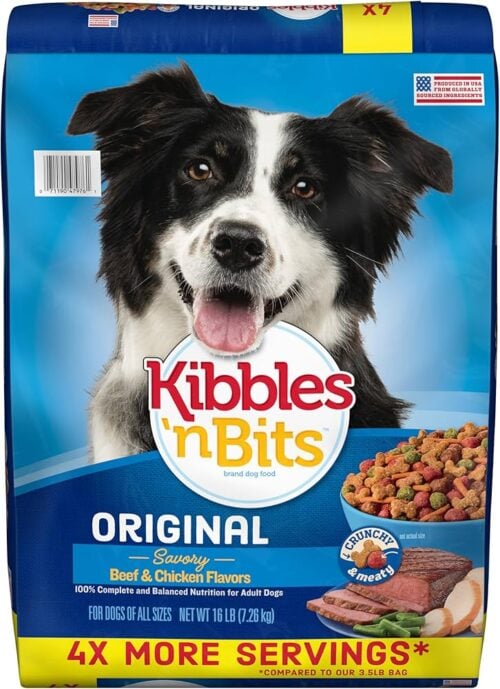
Kibbles ‘n Bits Original Blend has been a grocery store staple since the mid-1980s. The brand is known for its mixture of crunchy kibble and soft, meaty bits that dogs find appealing.
However, the ingredient list raises concerns for informed pet owners. Primary ingredients often include corn and soybean meal, which are not optimal protein sources for your dog. These plant-based fillers provide less nutritional value than quality animal proteins.
The formula also contains animal by-products, which AAFCO defines as non-rendered, clean parts other than meat derived from slaughtered mammals. These are essentially leftover ingredients from human food processing.
Many nutrition experts consistently rank this brand poorly. Multiple sources list Kibbles ‘n Bits among the worst dog food brands available in stores today.
While the price point is attractive and your dog may enjoy the taste, the nutritional quality doesn’t meet modern standards for optimal canine health. Your dog deserves ingredients that support long-term wellness rather than just filling their bowl affordably.
3. Pedigree Complete Nutrition Adult Dry
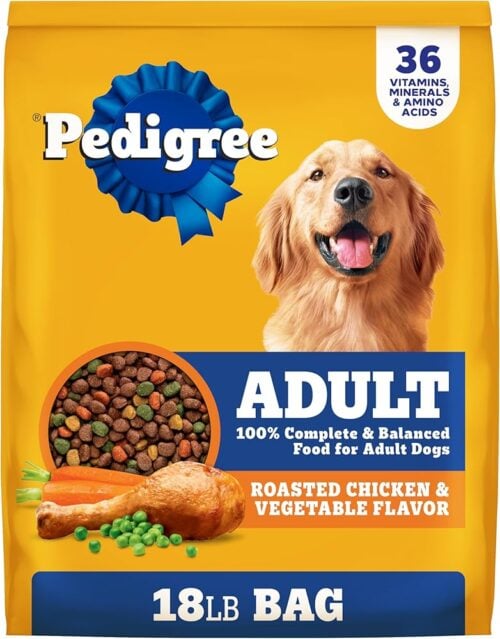
Pedigree Complete Nutrition Adult Dry Dog Food relies heavily on corn as its primary ingredient. This grain-based formula pushes meat proteins further down the ingredient list, which means your dog gets less animal protein than you might expect.
The product contains meat and bone meal, a rendered ingredient of lower biological value compared to whole meats. While Pedigree markets this food as containing 36 vitamins and minerals, the base ingredients remain questionable for optimal canine nutrition.
You’ll find artificial food dyes in the kibble, ingredients that serve no nutritional purpose for your pet. These colorings exist purely for human visual appeal since dogs don’t process color the same way you do.
The formula includes added sugars and flavor enhancers to increase palatability. Your dog may enjoy the taste, but these additions don’t contribute to their health. The protein content sits at minimum levels for adult maintenance rather than providing the robust nutrition active dogs need.
4. IAMS ProActive Health (some grain-heavy formulas)
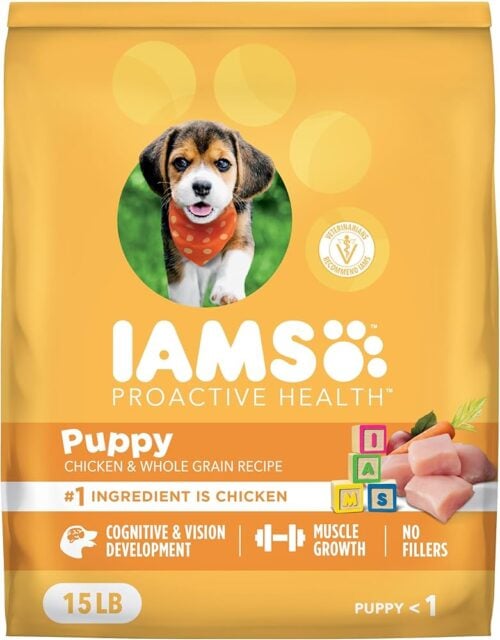
IAMS ProActive Health includes several formulas that rely heavily on grain fillers rather than quality protein sources. While chicken or lamb appears as the first ingredient in most formulas, the ingredients that follow raise concerns about overall nutritional value.
The grain-inclusive recipes feature corn and sorghum as prominent ingredients. These fillers provide calories but limited nutritional benefits compared to meat-based proteins. The formula delivers 25% protein and 14% fat, meeting AAFCO minimum standards while keeping costs around $0.23 per 100 grams.
Your dog may struggle with these formulas if they have grain sensitivities. The canned varieties use unnamed meat by-products as protein sources, which creates uncertainty about ingredient quality and digestibility.
IAMS pioneered life-stage specific nutrition and remains widely available at budget-friendly prices. However, the grain-heavy composition makes certain formulas less suitable if you prioritize premium ingredients or need to avoid grain-based fillers for your dog’s health.
5. Ralston Purina Dog Chow
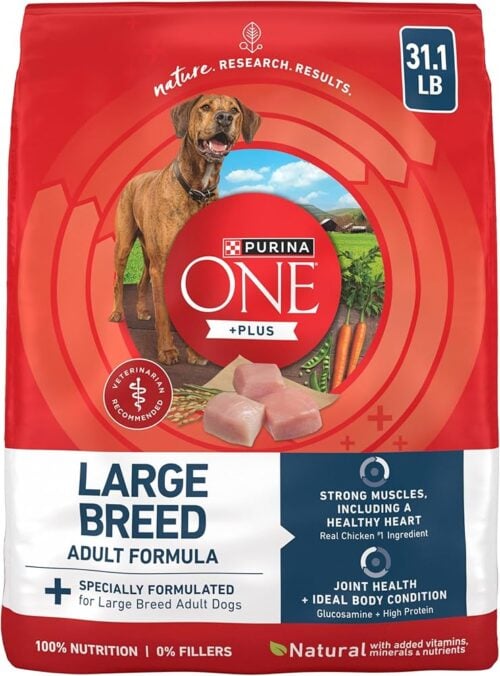
Purina Dog Chow ranks among the dog food brands commonly recommended to avoid due to its reliance on low-quality ingredients and fillers. The formula contains corn, wheat, and soy as primary ingredients rather than quality animal proteins.
These grain-based fillers provide minimal nutritional value for your dog. They’re used primarily to reduce manufacturing costs while bulking up the product.
The protein sources in Dog Chow often come from meat and bone meal or poultry by-products. These are lower-quality ingredients compared to whole meat sources you’ll find in premium foods.
Multiple pet owners have reported digestive issues after feeding Purina Dog Chow, including vomiting and diarrhea. While individual dogs may react differently to any food, these concerns appear with notable frequency.
The brand uses artificial colors and preservatives to extend shelf life and improve appearance. Your dog doesn’t benefit from these synthetic additives, which serve mainly cosmetic or preservation purposes.
For the price point, you can find better options that prioritize meat-based proteins and avoid excessive grain fillers.
6. Alpo Prime Cuts (wet food variants)
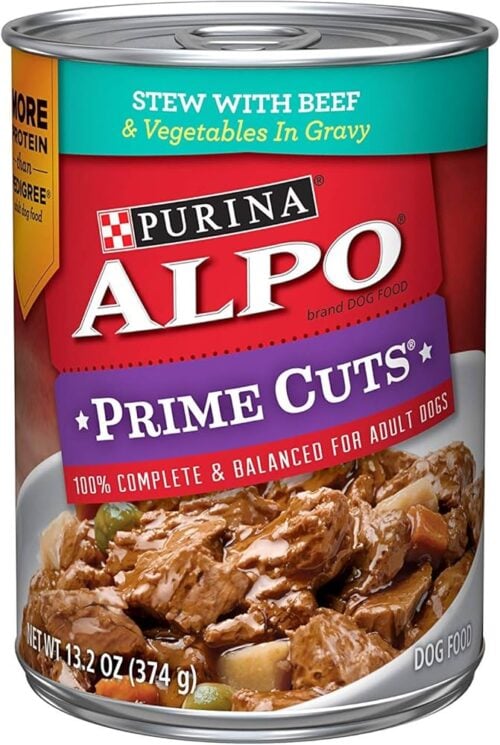
Alpo Prime Cuts wet food variants rank among the poorest choices for small breed dogs due to their budget-focused formulation. These products contain low-quality ingredients that fail to deliver adequate nutrition for your pet.
The brand’s approach to wet food emphasizes cost reduction over nutritional value. When you examine Alpo Prime Cuts with Beef in Gravy, you’ll find it receives low scores for both ingredient quality and safety.
The wet food formulas rely heavily on fillers and unnamed meat sources. This means you cannot verify the actual protein quality your dog receives in each meal.
Alpo positions itself at the low-cost end of the wet dog food market, which directly impacts ingredient selection and processing standards. Your dog deserves better protein sources and more transparent labeling than what these variants provide.
If you’re feeding your dog Alpo Prime Cuts wet food, consider transitioning to a higher-quality alternative with clearly identified meat sources and fewer filler ingredients.
7. Gravy Train Original

Gravy Train Original consistently appears on lists of dog food brands to avoid due to its ingredient quality and nutritional concerns. The brand receives a one-star rating from reviewers for using limited amounts of named and unnamed by-product meals as its primary animal protein source.
When you examine the ingredients, you’ll find questionable amounts of real meat. The formula contains high levels of soy, cornstarch, artificial colors, and preservatives instead of quality protein sources your dog needs.
Gravy Train completely lacks proper nutrition and ingredients for healthy canine development and maintenance. The brand has also faced recall issues throughout its history.
While dogs often find the taste appealing and the price remains affordable, the low-quality ingredients and artificial additives make it questionable for health-conscious pet owners. Your dog deserves better nutritional value than what this budget brand provides.
8. Nutro Ultra (certain mystery-meat recipes)
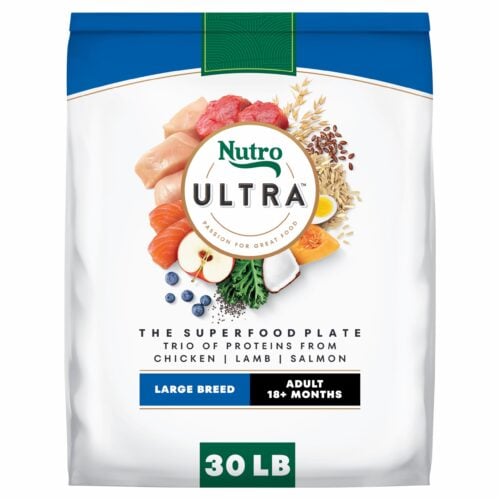
Nutro Ultra generally receives high marks from reviewers, with most recipes earning 5-star ratings. However, you should examine ingredient labels carefully before purchasing any formula in this line.
The concern centers on certain recipes that lack transparency about meat sources. While chicken appears as the primary flavor across the Nutro Ultra range, some formulas include vague terms like “meat meal” or “animal by-products” without specifying the exact protein source. This ambiguity makes it difficult for you to know what your dog is actually consuming.
High-quality dog foods list whole meat sources as the first ingredient rather than generic meat by-products or fillers. When you see non-specific protein listings, it raises questions about ingredient quality and sourcing practices.
Nutro experienced a serious recall in 2007 involving melamine-contaminated vegetable protein. While this was a Menu Foods manufacturing issue affecting multiple brands, it underscores the importance of scrutinizing ingredient sourcing.
Check each Nutro Ultra recipe individually. Those featuring clearly identified proteins like “chicken” or “lamb meal” typically meet quality standards, but formulas with ambiguous meat descriptions warrant caution.
9. Eukanuba Adult Maintenance (by-product heavy variants)
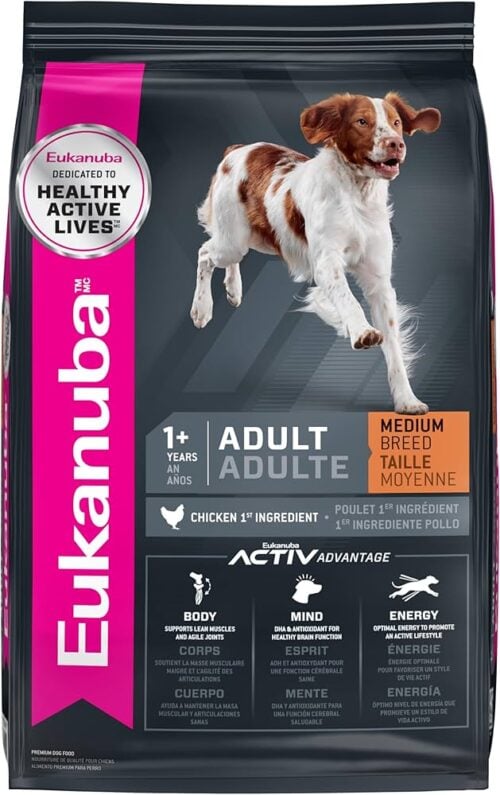
Eukanuba Adult Maintenance has raised concerns among pet owners due to its ingredient composition. The formula lists corn as its primary ingredient, which provides minimal nutritional value compared to animal-based proteins your dog needs.
Certain variants contain poultry by-products as protein sources. By-products are secondary animal parts that remain after processing meat for human consumption. While not necessarily harmful, they offer lower biological value than whole meat proteins.
The carbohydrate content in Eukanuba Active formulas averages 39%, which is higher than optimal for many dogs. High carbohydrate levels can contribute to weight gain and blood sugar fluctuations in less active pets.
The formula also includes unnamed animal proteins like fish oil, making it difficult to identify specific ingredients if your dog has sensitivities. You need clear ingredient labeling to avoid potential allergens.
These variants rely heavily on added vitamins and minerals to meet nutritional standards. This suggests the base ingredients lack sufficient natural nutrients your dog would get from higher-quality whole food sources.
10. Science Diet Adult (some low-quality ingredient lines)
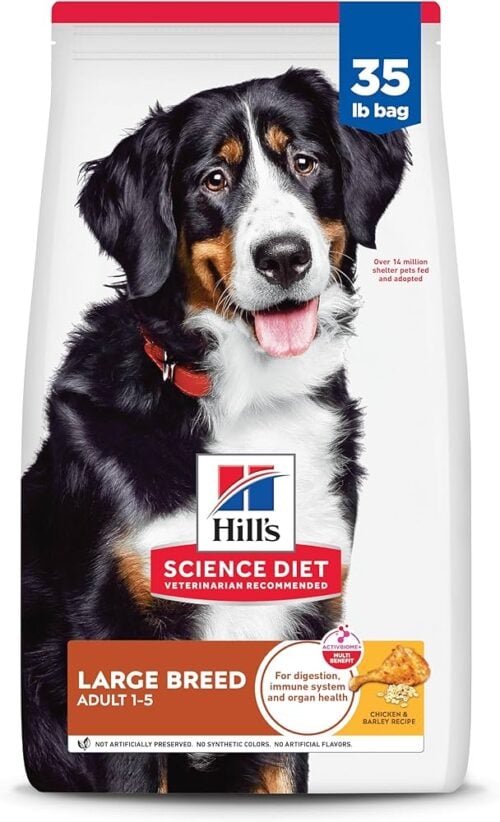
Science Diet Adult occupies a complicated position in the dog food market. While Hill’s markets their products as scientifically formulated, certain ingredient lines raise concerns for quality-conscious pet owners.
The primary protein source in many formulas comes from chicken by-product meal rather than whole meat. By-products can include less desirable parts like beaks, feet, and feathers, which offer lower biological value than muscle meat.
You’ll also find corn and wheat appearing high on ingredient lists. These grains serve as inexpensive fillers that bulk up the food but provide minimal nutritional benefit for your dog. Some dogs develop sensitivities to these ingredients over time.
Consumer Reports tested multiple dog food brands including Hill’s Science Diet for nutrients and contaminants. The brand does maintain consistent quality control, but ingredient quality varies across their different product lines.
The Adult formula costs more than many competitors while using similar base ingredients. Your money might be better spent on foods with named meat proteins listed first and minimal grain fillers.
11. Ol’ Roy (Walmart-brand dry dog food)
Ol’ Roy is Walmart’s house brand and ranks among America’s top-selling dog foods due to its extremely low price point. However, this budget-friendly option receives consistently poor ratings from pet nutrition experts.
The main concern with Ol’ Roy centers on its ingredient quality. You’ll find low-quality fillers like corn, wheat, and soy dominating the ingredient list. Instead of whole meat proteins, this food relies heavily on meat and bone meal or poultry by-product meal as its primary protein sources.
The formula also contains artificial flavors, preservatives, and colors that offer no nutritional benefit to your dog. These cheap ingredients help keep costs down but provide minimal actual nutrition for your pet’s long-term health.
Pet food analysis experts rate the entire Ol’ Roy line at just 1 star, reflecting significant concerns about ingredient quality and nutritional value. While the low price might seem attractive, you’re ultimately getting what you pay for with this Walmart exclusive brand.
12. 4Health Super Premium (ingredient-opaque variants)
4Health positions itself as affordable nutrition for budget-conscious pet owners. The brand is sold exclusively at Tractor Supply Co. However, certain Super Premium variants lack transparency in their ingredient sourcing and processing methods.
You’ll find that some formulas use vague terms like “meat meal” without specifying the animal source. This makes it difficult to identify potential allergens or assess protein quality. The ingredient list may also include generic fats and unspecified by-products.
While 4Health uses real meat or meat meals as first ingredients, the opacity around specific variants raises concerns. You can’t verify whether the proteins come from quality sources or rendering facilities.
The FDA has noted correlations between certain grain-free formulas and canine heart disease. Some 4Health recipes contain ingredients like peas and legumes that have been linked to DCM cases.
If you choose 4Health, stick to variants with clearly labeled ingredients and avoid formulas that use ambiguous terminology.
13. Nature’s Recipe (certain highly processed recipes)
Nature’s Recipe markets itself as a natural dog food option, but certain formulas contain questionable ingredients that may not align with their health-focused branding. The brand was founded in 1981 and is now produced by Big Heart Pet Brands, which manufactures products for multiple companies.
While Nature’s Recipe emphasizes real meat as the first ingredient in most formulas, their highly processed recipes can fall short nutritionally. Some formulas contain below-average levels of protein and fat, which are essential nutrients your dog needs for optimal health.
The brand claims to avoid artificial colors, flavors, corn, and wheat fillers. However, the ingredient profile varies significantly across different products. You should carefully examine labels before purchasing, as their more processed recipes may contain fillers and lower-quality ingredients that don’t support your dog’s nutritional requirements.
When selecting Nature’s Recipe products, focus on their less processed formulas and verify the protein and fat content meets your dog’s needs.
14. Hill’s Ideal Balance (some artificial additive formulas)
Hill’s Ideal Balance markets itself as a natural dog food option, but certain formulas contain artificial additives that contradict this positioning. You’ll find some varieties include artificial preservatives and synthetic colors that your dog doesn’t need.
The brand operates under the Hill’s Pet Nutrition umbrella, which also produces Science Diet and Prescription Diet formulas. While Hill’s has a strong veterinary reputation with some product lines, Ideal Balance formulas with artificial ingredients fall short of truly natural standards.
When you examine ingredient panels on specific Ideal Balance products, you may encounter artificial colors used solely for aesthetic appeal. These additives serve no nutritional purpose for your dog. Some formulas also rely on synthetic preservatives rather than natural alternatives like mixed tocopherols or vitamin E.
The inconsistency across Hill’s Ideal Balance line creates confusion. Some formulas genuinely avoid artificial additives, while others include them despite the “natural” branding. You need to read labels carefully rather than trusting the product name alone.
Better options exist if you’re seeking genuinely natural dog food without artificial preservatives, colors, or flavors.
15. Victor Select (low-protein, high filler recipes)
Victor Select presents a mixed picture for dog owners. While some Victor formulas earn high ratings for using named meat meals, not all recipes in their lineup meet the same standards.
The nutrition across Victor’s recipes varies significantly, with certain formulas providing below-average nutritional profiles. Some recipes contain excessive carbohydrate proportions alongside smaller amounts of protein and fat than your dog needs.
These lower-quality options rely heavily on plant-based fillers to bulk up the food. When you choose the wrong Victor formula, your dog may not receive adequate animal protein for muscle maintenance and energy.
The brand offers 17 dry food formulas, meaning you need to carefully read labels before purchasing. The inconsistency across their product line makes it challenging to trust the brand name alone. Your best approach involves examining each recipe’s ingredient list individually rather than assuming all Victor products deliver the same quality.
16. Diamond Naturals (recalls and inconsistent batches)
Diamond Naturals has faced quality control issues that raise concerns about batch consistency. Pet owners have reported their dogs experiencing digestive problems and illness after consuming this food, with symptoms disappearing when switching brands.
The brand has a history of recalls involving serious contaminants like aflatoxin and salmonella. These incidents stem from Diamond Pet Foods manufacturing multiple brands within the same facilities, which increases cross-contamination risks.
Recent consumer reports suggest formulation changes that may affect your dog’s health. Multiple dog owners have documented expensive emergency vet visits linked to Diamond Naturals, with the common thread being this specific food.
Diamond Naturals receives a 4.2 out of 5 star rating from some reviewers, but inconsistent batch quality undermines this score. You need to monitor official recall channels regularly if you choose this brand.
The pattern of reported illnesses connected to specific batches indicates quality control gaps during manufacturing. Your dog deserves consistent, safe nutrition without the guesswork of whether each bag meets safety standards.
17. Taste of the Wild (contaminated-batch concerns in select runs)
Taste of the Wild earned its place on this list due to serious safety incidents tied to contaminated production batches. In July 2019, the FDA announced a major recall after routine testing detected aflatoxin B1 levels up to 70 times the allowable limit in select formulas. This mycotoxin can cause acute liver failure in your dog.
The contamination occurred at facilities operated by Diamond Pet Foods, the manufacturer behind Taste of the Wild. While the brand has maintained a cleaner record in recent years, this severe safety incident remains a defining moment in its history.
Beyond recalls, the brand faces ongoing legal challenges over alleged heavy metal contamination. A class action lawsuit claims products contain elevated levels of pesticides and other harmful contaminants that may cause digestive issues, skin problems, and neurological symptoms in pets.
Your dog’s safety depends on consistent quality control across all production batches. The batch-specific nature of these contamination issues makes it difficult to guarantee product safety, even when most formulas test clean.
18. Blue Buffalo Life Protection (recall history and filler use)
Blue Buffalo Life Protection has faced scrutiny for both recalls and ingredient choices. The brand recalled their Life Protection Formula Fish and Sweet Potato Recipe due to mold contamination in affected products.
While Blue Buffalo markets itself around natural ingredients, the formula contains fillers that provide limited nutritional value. You’ll find ingredients like brown rice and grain-based carbohydrates that serve primarily as inexpensive bulk additions rather than optimal protein sources.
The Life Protection Formula includes real meat as the first ingredient and meets AAFCO standards. However, the subsequent ingredients list reveals multiple grain fillers that dilute the overall protein density.
Your dog deserves food where protein sources dominate the ingredient panel. Blue Buffalo’s approach of mixing quality proteins with cost-effective fillers creates a product that sits between premium and budget categories. The recall history, though limited compared to some brands, raises questions about quality control standards during manufacturing.
19. Rachael Ray Nutrish (low meat-first-ingredient recipes)
Nutrish, which rebranded from Rachael Ray Nutrish in 2025, markets itself as a premium option with real meat as the first ingredient. However, not all their formulas deliver equal protein quality.
While the brand features real meat, poultry or fish with no artificial flavors, some recipes list meat as the first ingredient but follow it immediately with multiple plant-based fillers. The most common first five ingredients include chicken, chicken meal, dried potato, dried egg product, and egg whites. This means your dog gets less actual meat than the ingredient panel might suggest.
The dried potato and other carbohydrate fillers can push the meat content lower in the overall formula. When you see chicken listed first but it’s followed by several plant ingredients, remember that chicken contains significant moisture weight before cooking. After processing, the actual meat content drops substantially.
Post Holdings acquired the brand in 2023, along with several budget dog food lines. You’re paying for a premium-positioned product that may not deliver premium nutrition in every formula.
20. Canidae All Life Stages (vague ingredient sourcing)
Canidae All Life Stages presents a significant transparency issue when it comes to ingredient sourcing. While Canidae manufactures 69 dog food recipes using 160 unique ingredients, the company provides limited information about where these ingredients actually come from.
You won’t find clear details about which farms, regions, or countries supply their meat proteins. This lack of transparency makes it difficult to verify quality standards or trace ingredients if problems arise.
The ingredient safety scores for this line are low with many concerns. The processing methods raise additional questions about nutritional integrity. Your dog’s food undergoes multiple heating cycles, which can degrade essential nutrients.
The vague sourcing becomes particularly problematic when you’re trying to avoid specific allergens or quality issues. Without knowing where ingredients originate, you can’t make fully informed decisions about what enters your pet’s bowl. This opacity stands in contrast to brands that proudly detail their supplier relationships and ingredient origins.
21. Purina ONE SmartBlend (some corn-heavy recipes)
Purina ONE SmartBlend presents a mixed bag when it comes to ingredient quality. While the brand markets itself as providing high-protein diets from real meat, the reality of certain recipes tells a different story.
The Purina ONE SmartBlend dry formulas include several types of corn products, wheat, soybean, rice, rice flour, and brewers rice within the first five ingredients. This heavy reliance on grain-based fillers raises concerns about nutritional value.
Your dog deserves better than recipes that prioritize cheap carbohydrate sources over quality proteins. The SmartBlend dry recipes average 27% protein but contain 36% carbohydrates on a calculated basis. These high carbohydrate levels aren’t ideal for canine nutrition.
One review site gave Purina ONE SmartBlend a score of 1.6 out of 10, classifying it as very high risk. The extensive use of corn and other grain fillers in these formulas makes them a poor choice compared to meat-focused alternatives on the market.
22. Instinct Raw Boost (heavily processed hybrid formulas)
Instinct Raw Boost combines traditional kibble with freeze-dried raw pieces, marketed as a bridge between conventional and raw feeding. While this hybrid approach sounds appealing, the kibble portion undergoes ultra-processing that can cause significant loss of enzymes, vitamins, amino acids, and phytonutrients.
The freeze-dried raw pieces make up only a small fraction of the total food. You’re essentially paying premium prices for what remains predominantly processed kibble with a raw garnish.
Nature’s Variety produces all Instinct products in the United States from their St. Louis base. The formulas use named meat meals as the dominant protein source and earn high marks for ingredient quality on paper.
However, the multiple heating cycles required during kibble production diminish nutritional value regardless of ingredient quality. The company compensates by adding synthetic vitamin and mineral supplements, which don’t fully replace what processing destroys.
The positioning as a raw-feeding compromise works well from a marketing standpoint but doesn’t address the fundamental issue of heavy processing. Your dog receives neither the full benefits of true raw feeding nor the cost-effectiveness of standard kibble.
23. Merrick Lil’ Plates (small-batch inconsistency reports)
Merrick Lil’ Plates markets itself as a premium grain-free option designed specifically for small breed dogs. The kibble size is tailored to fit smaller mouths, and the recipes feature real meat as the primary ingredient.
Despite its appealing formulation, some pet owners have reported inconsistencies between batches. You may notice variations in kibble color, texture, or even your dog’s reaction to different bags of the same formula.
Like other dry dog foods, Lil’ Plates is ultra-processed, which means ingredients undergo multiple heating cycles during manufacturing. This processing can reduce nutritional value and potentially contribute to batch-to-batch variations in quality.
The Lil’ Plates product line includes six different recipes, each containing sweet potato as a key ingredient. While the brand has established a reputation for quality, the reported inconsistencies raise questions about manufacturing controls. Your small breed dog deserves reliable nutrition in every bag, and variability in product quality can make it difficult to assess whether this food consistently meets your pet’s needs.
24. Wellness Complete Health (high carbohydrate formulations)
While Wellness Complete Health is designed by nutritionists and veterinarians, certain formulations contain higher carbohydrate levels than optimal for canine nutrition. Dogs are primarily carnivores and thrive on protein-rich diets rather than carbohydrate-heavy meals.
Some Wellness Complete Health recipes rely on ingredients like potatoes, peas, and rice as primary components. These plant-based fillers increase the carbohydrate content significantly. Your dog may feel full from these ingredients, but they don’t provide the same nutritional value as animal proteins.
The brand does use natural ingredients without artificial additives, preservatives, or fillers, which is commendable. However, natural doesn’t always mean appropriate for your dog’s biological needs.
High-carbohydrate diets can contribute to weight gain, blood sugar fluctuations, and reduced energy levels in dogs. If you’re feeding Wellness Complete Health, check the guaranteed analysis panel on your specific formula. Look for recipes where protein sources appear first in the ingredient list and carbohydrates play a supporting role rather than dominating the formula.
25. Nature’s Variety Instinct (certain kibble lines with additives)
Nature’s Variety Instinct markets itself as a natural, holistic brand. However, some of their kibble lines contain ingredients that may not align with their premium positioning.
Certain formulas include synthetic vitamins and minerals that could be sourced from whole foods instead. You’ll also find some lines containing legumes as primary protein sources, which can be less digestible than animal proteins for many dogs.
The Nature’s Variety Instinct Raw Boost combines kibble with freeze-dried raw pieces, but the kibble portion still relies on processed ingredients. Some dogs experience digestive upset when transitioning to these formulas.
While Instinct focuses on natural ingredients free of fillers, their kibble lines still undergo high-heat processing that destroys many nutrients. This necessitates synthetic supplementation after cooking.
You should examine individual product labels carefully, as ingredient quality varies across their different lines. Some formulas contain more plant-based proteins and starches than others, which may not suit all dogs’ nutritional needs.
26. Pedigree Chopped Ground Dinner (low-quality wet formula)
Pedigree Chopped Ground Dinner is manufactured by Mars Petcare and comes in multiple flavor variants including chicken, beef, and filet mignon. The nutritional profile shows below-average quality for canned dog food with concerning ingredient choices.
The formula relies heavily on meat by-products and unnamed proteins rather than quality whole meats. Water and meat byproducts serve as primary ingredients, which indicates lower nutritional density than premium alternatives. The product contains artificial additives and demonstrates higher fat content than necessary for most dogs.
When you examine the ingredient list, you’ll find excessive carbohydrate content that can contribute to digestive issues in some dogs. The protein quality and digestibility fall short compared to higher-quality wet foods that prioritize meat-based proteins.
While the product markets itself as suitable for all breeds and life stages, the ingredient quality doesn’t support optimal canine nutrition. Each 13.2-ounce can positions itself as a budget-friendly option, but the compromised ingredients make it a poor choice for your dog’s long-term health.
27. AvoDerm Natural (excessive fillers in some lines)
AvoDerm Natural markets itself on premium ingredients and avocado-based nutrition for coat health. However, several of their formulas contain concerning levels of filler ingredients that reduce nutritional value.
The brand is produced by Breeder’s Choice Pet Foods, a California company with over 30 years in the industry. While they’ve built recognition for skin and coat formulas, not all their recipes maintain the same quality standards.
Some AvoDerm lines rely heavily on grain-based fillers like corn and wheat. These ingredients provide calories but limited nutritional benefit for your dog. You’ll find better protein sources and digestibility in their higher-tier formulas, but budget-conscious options can be problematic.
The ingredient lists vary significantly across their product range. Their grain-free options typically perform better than conventional recipes, but you need to read labels carefully before purchasing.
If you choose AvoDerm, stick to their premium lines that prioritize animal proteins over plant-based fillers. The lower-cost varieties may not provide the nutrition your dog needs despite the brand’s reputation.
28. NUTRO Wholesome Essentials (by-product inclusions in select SKUs)
NUTRO Wholesome Essentials appears in multiple formulas for different life stages. While the brand promotes natural ingredients, certain recipes contain animal by-products that may concern you.
By-products are parts of animals not typically consumed by humans. These can include organs, bones, and other tissues. The nutritional value varies significantly depending on which specific by-products are used.
Nutro is manufactured by Mars, Incorporated after being acquired in 2007. The company positions itself as a natural pet food brand, which makes the inclusion of by-products in select SKUs inconsistent with consumer expectations. You’ll find that some formulas contain chicken by-product meal or similar ingredients.
These by-product ingredients appear primarily in specific stock-keeping units rather than across the entire product line. When shopping for your dog, you should carefully review the ingredient panel of each individual formula. The recipes meet AAFCO nutrient profiles for various life stages, but ingredient quality remains a consideration for informed pet owners.
29. Mars Authority (store-brand, low-cost formulations)
Authority is PetSmart’s private-label brand manufactured by Mars Petcare. The budget-friendly positioning means you’ll find lower-cost ingredients throughout the formulas.
Many Authority recipes rely heavily on grain fillers like corn, wheat, and soy as primary ingredients. These provide bulk but less nutritional density compared to meat-based proteins. You’ll often see meat by-products listed rather than named whole meats.
The affordable price point comes with trade-offs in ingredient quality. Store brands typically use less expensive protein sources and more plant-based fillers to keep costs down.
Authority formulas frequently contain artificial colors, flavors, and preservatives. These synthetic additives offer no nutritional benefit to your dog and exist purely for shelf stability and visual appeal.
The brand does offer different product lines at various price points, but even the premium options use questionable ingredients. If you’re feeding Authority, check your specific formula’s ingredient list carefully. The first five ingredients reveal what your dog actually gets in each bowl.
30. Freshpet Select (mold/microbial risk in rare batches)
Freshpet Select has faced recalls due to potential Salmonella contamination in select products. In March 2022, certain batches of Freshpet Select Fresh From the Kitchen recipes were pulled from shelves because of bacterial concerns.
The refrigerated nature of these products creates unique challenges. Fresh pet foods contain high moisture and protein levels, which can promote bacterial growth if storage conditions aren’t optimal. You need to handle these products like raw meat, maintaining proper refrigeration at all times.
Reports of mold issues have also emerged from some pet owners, though these incidents appear limited to specific batches. The company’s minimal processing approach, while marketed as beneficial, requires stricter handling protocols than traditional kibble.
Affected products have included the Small Dog Bite Size Beef & Egg Recipe and Fresh From the Kitchen Home Cooked Recipe. These recalls involved specific lot codes and sell-by dates, making it crucial for you to check your purchased products carefully.
If you choose Freshpet, refrigerate it immediately and follow expiration dates strictly. The microbial risks, though infrequent, are serious enough to warrant careful attention to product handling and storage.
Common Risks Associated With Low-Quality Dog Food
Poor-quality dog food can compromise your pet’s health through inadequate nutrition, harmful additives, and chemical contaminants. These products may lead to immediate digestive problems and contribute to serious long-term health conditions.
Nutritional Deficiencies and Health Impacts
Low-quality dog foods often contain excessive fillers and inadequate protein sources, which can deprive your dog of essential nutrients. When manufacturers use low-quality ingredients and harmful fillers, they prioritize profit over nutritional value.
Common deficiencies include:
- Protein deficiency: Poor muscle development and weak immune function
- Essential fatty acids: Dull coat, dry skin, and inflammation
- Vitamins and minerals: Weakened bones, poor vision, and compromised organ function
Foods containing more carbohydrates than protein can cause digestive problems and eventually lead to obesity in your dog. Nutritional imbalances may manifest as lethargy, frequent infections, and poor wound healing. Over time, these deficiencies compromise your dog’s overall vitality and can shorten their lifespan.
Potential Contaminants and Additives
Inferior dog food brands may contain chemical preservatives, artificial colors, and contaminated ingredients that pose serious health risks. The FDA has documented over 500 pet illnesses linked to problematic commercial foods since 2014, ranging from digestive upset to serious heart conditions.
Concerning additives include:
- BHA, BHT, and ethoxyquin (chemical preservatives)
- Artificial colors like Red 40 and Yellow 5
- Rendered meat by-products of unknown origin
- Melamine and other industrial contaminants
These substances can trigger allergic reactions, cause gastrointestinal distress, and accumulate in your dog’s system over time. Some preservatives have been linked to cancer and organ damage in animal studies. Contaminated ingredients may introduce bacteria, heavy metals, or toxic substances that cause acute illness.
Behavioral and Long-Term Effects
The quality of your dog’s diet directly influences their behavior, energy levels, and susceptibility to chronic diseases. Poor nutrition can manifest as hyperactivity, aggression, anxiety, or lethargy depending on the specific deficiencies or additives present.
Inadequate diets contribute to allergies, skin problems, and obesity, which become increasingly difficult to manage as your dog ages. Long-term consumption of substandard food increases the risk of diabetes, heart disease, kidney failure, and joint problems.
Chronic conditions linked to poor diet:
- Pancreatitis from excessive fat content
- Dental disease from sugary fillers
- Cognitive decline from insufficient omega-3 fatty acids
- Shortened lifespan from cumulative health damage
Dogs fed low-quality food may develop food sensitivities that persist even after switching to better nutrition. The cumulative effect of years on inferior diets can be irreversible, making prevention through informed food choices essential for your dog’s long-term wellbeing.
How To Evaluate Dog Food Ingredients
Reading a dog food label requires looking beyond the brand name and package design to understand what your pet actually consumes daily. The ingredient list, nutritional adequacy statement, and manufacturer transparency reveal whether a product meets your dog’s dietary needs.
Red Flags on Ingredient Lists
Ingredients appear in descending order by weight, so the first five items indicate the primary composition of the food. Meat by-products, meat meal from unspecified sources, and generic terms like “animal fat” suggest lower-quality protein sources that lack transparency about their origin.
Excessive fillers such as corn, wheat, and soy often appear near the top of ingredient lists in lower-quality dog foods. These ingredients provide calories but minimal nutritional value compared to whole meat proteins. Artificial colors like Red 40, Blue 2, and Yellow 5 serve no nutritional purpose and only make food visually appealing to humans.
Chemical preservatives including BHA, BHT, and ethoxyquin raise concerns among veterinary nutritionists. Natural preservatives like mixed tocopherols (vitamin E) and ascorbic acid (vitamin C) offer safer alternatives. Sugar and sweeteners have no place in dog food, as they contribute to obesity and dental problems without providing essential nutrients.
Deciphering Marketing Claims
Terms like “premium,” “gourmet,” and “natural” carry no regulated meaning in pet food labeling. The AAFCO (Association of American Animal Food Control Officials) does not define these marketing buzzwords, allowing manufacturers to use them freely on packaging.
The phrase “made with real chicken” only requires a small percentage of chicken in the formula. When evaluating dog food brands, look for specific meat sources listed as the first ingredient rather than vague claims on the front panel. “Grain-free” products became trendy but may contain high levels of peas, lentils, and potatoes as substitutes, which some research has linked to canine dilated cardiomyopathy.
A nutritional adequacy statement indicates whether the food meets AAFCO standards for specific life stages: growth, maintenance, or all life stages. Products lacking this statement or marked “for intermittent or supplemental feeding only” should not serve as your dog’s primary diet.
Consulting Veterinary Recommendations
Your veterinarian understands your dog’s specific health conditions, age, activity level, and breed-related nutritional needs better than generic feeding guidelines. Board-certified veterinary nutritionists can provide specialized guidance for dogs with allergies, kidney disease, or other medical conditions requiring therapeutic diets.
Consumer Reports tested 58 dog foods for nutrients and contaminants, revealing significant variations in quality across brands and price points. Independent testing helps verify whether products deliver on their nutritional claims and remain free from dangerous heavy metals or bacterial contamination.
Reputable manufacturers provide transparent feeding trial data and maintain quality control standards beyond minimum requirements. Contact customer service to ask about sourcing practices, manufacturing facilities, and recall history before committing to a brand for long-term feeding.