The Best Nutrition Tips for Keeping Apartment Dogs Healthy and Happy

Apartment living can be a cozy and wonderful experience for both dogs and their owners. However, it poses unique challenges when it comes to ensuring our four-legged friends eat healthily and stay fit.
It’s essential to provide nutrition that caters to the specific needs of apartment dogs, who may have limited space to roam and exercise. Here are seven tailored tips to keep your apartment dog healthy and content.
1. Choose High-Quality, Nutrient-Dense Food
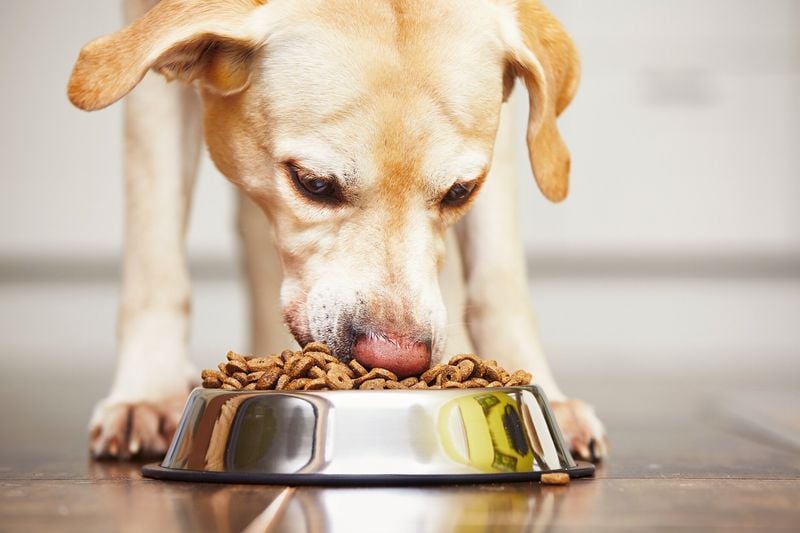
In the realm of canine cuisine, quality trumps quantity. Choosing nutrient-dense food means providing your apartment dog with meals that deliver maximum health benefits without unnecessary calories. A diet rich in protein, healthy fats, and essential vitamins aids in maintaining a healthy weight and boosting overall well-being.
Opt for foods with real meat as the first ingredient, avoiding those filled with fillers or artificial additives. This way, your furry companion gets all they need for everyday vitality. Remember, a well-fed dog is a happy dog, even in the confines of an apartment. Consider a balanced diet as a foundation for their thriving life.
2. Stick to a Regular Feeding Schedule
Routine reigns supreme in the world of feeding schedules. Consistency is key, not just for your sanity but for your dog’s digestion too. Feeding your dog at the same time daily helps regulate their internal clock and reduces the likelihood of begging or scavenging.
Setting a routine aids in efficient digestion and minimizes the risk of stomach upsets. This is particularly important in apartments, where quick access to an outdoor space may be limited. Maintaining a schedule is a simple step towards a healthier, more content pup, nestled comfortably in their urban abode.
3. Measure Portions Carefully
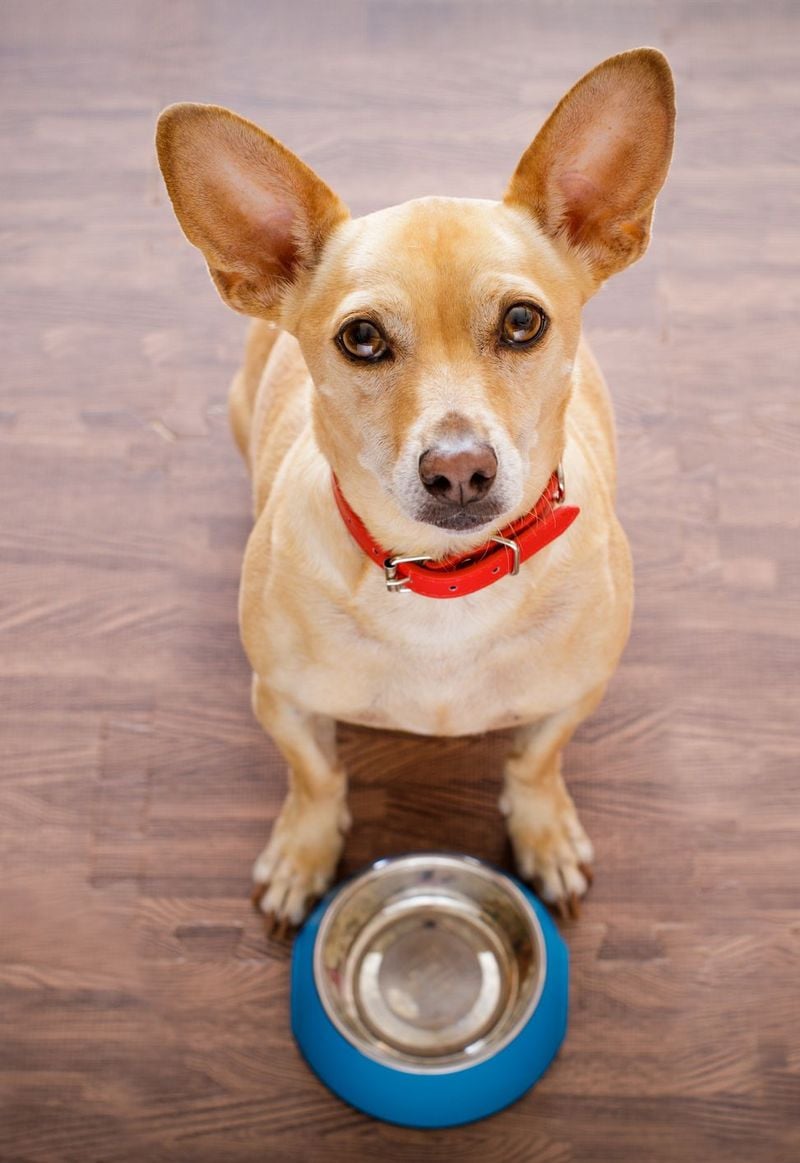
Precision is paramount when it comes to portion control. Apartment dogs may not have the luxury of vast spaces to burn off excess calories, making portion management crucial. Measuring your dog’s food ensures they receive the right amount of nutrients without overindulging.
Too little can leave them hungry and unsatisfied, while too much leads to unwanted weight gain. Use measuring cups or scales for accuracy, ensuring you fill their bowl with love and precision. This careful attention to detail can help maintain your pet’s ideal weight, paving the way for a healthier, happier life in the apartment.
4. Limit Treats (And Choose Healthy Ones)
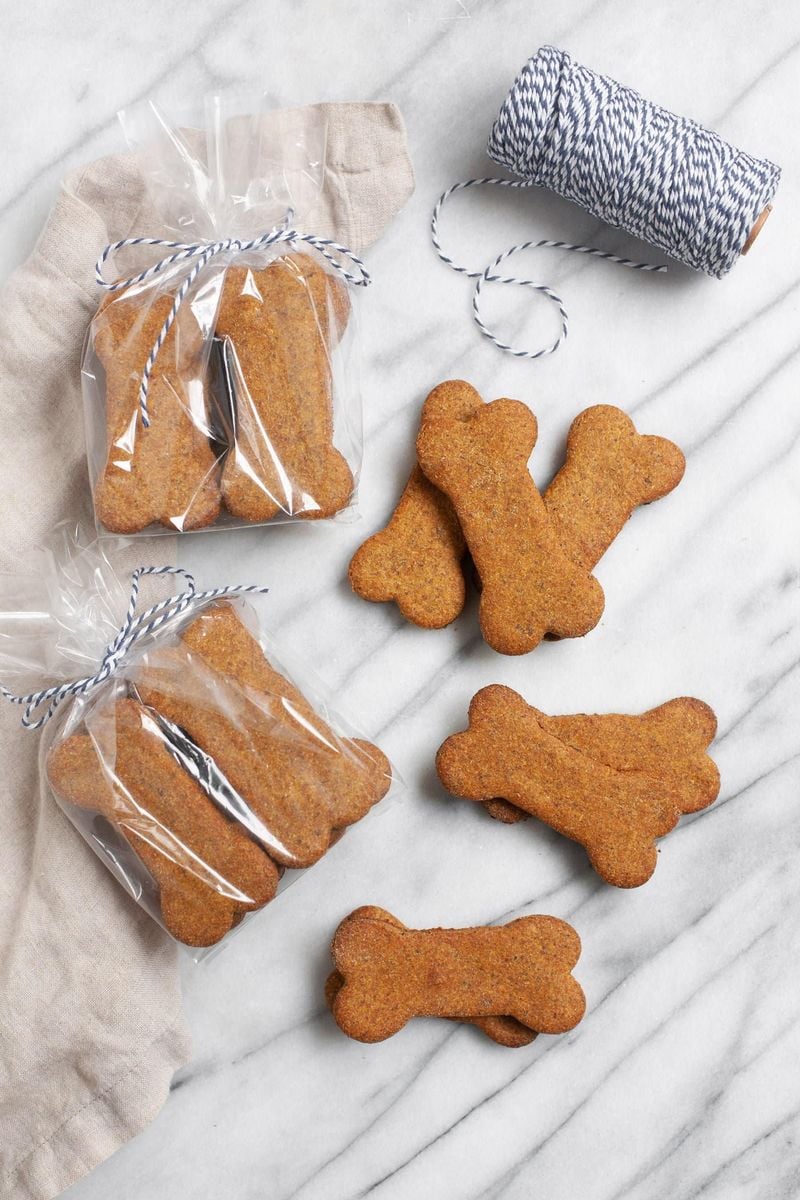
The art of treating requires restraint and wisdom. While those puppy eyes might be hard to resist, it’s crucial to limit treats to maintain a balanced diet. Opt for low-fat, single-ingredient treats like freeze-dried liver or dehydrated sweet potato. These options keep snack time healthy and guilt-free.
Indulgence without overdoing it ensures your dog gets the joy without the unnecessary calories. In a confined space, health-conscious treating keeps your furry friend on track with their wellness goals, making every treat a moment of joy rather than regret.
5. Incorporate Digestive Support
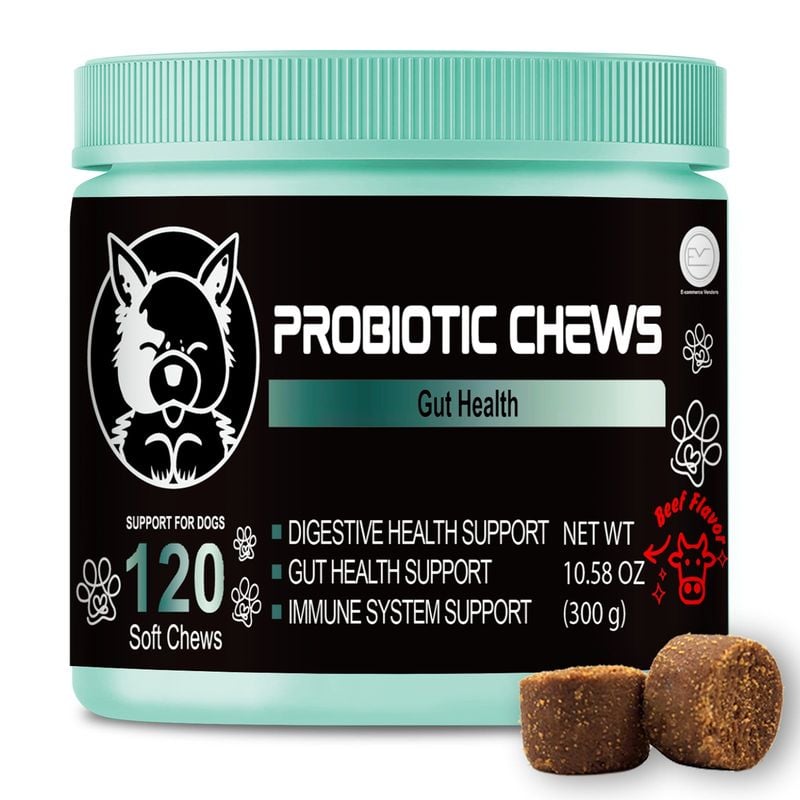
A happy tummy makes for a happy dog, particularly in close quarters. Incorporating digestive aids like a spoonful of plain pumpkin or a daily probiotic can work wonders. These additions help regulate bowel movements and minimize the dreaded indoor gas—something every apartment dweller can appreciate.
Supporting digestion contributes to overall health, making sure your pup feels good inside and out. Such thoughtful care ensures your dog enjoys life to the fullest, even within the smaller confines of apartment living.
6. Ensure Constant Access to Clean Water
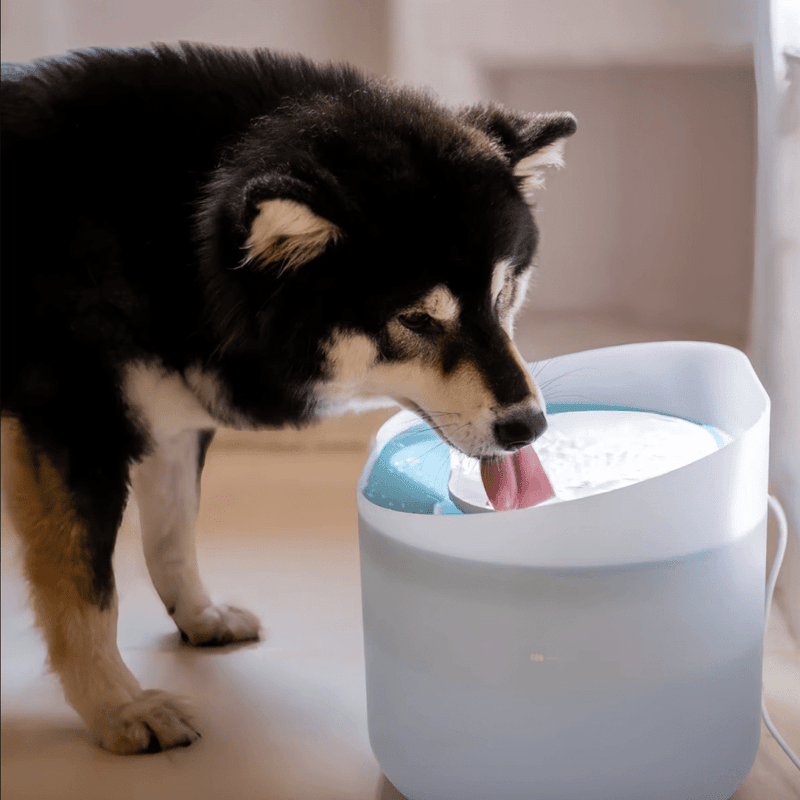
Hydration isn’t just for athletes; it’s vital for apartment dogs too. Ensuring your pet always has access to clean, fresh water is fundamental to their health. This is especially critical if they consume dry kibble or if your apartment tends to be on the warm side.
A hydrated dog is a happy dog, with every sip playing a role in their energy levels and bodily functions. Consider investing in a dog water fountain, which not only keeps water fresh but also entices your pet to drink more often.
7. Adjust Diet Based on Activity Level

In the dance of daily life, activity levels set the rhythm for dietary needs. An active pup zipping around the apartment requires a different caloric intake than one who prefers lounging. Tailor their diet to reflect these energy expenditures.
This means tweaking portion sizes and nutrient compositions as needed, ensuring they receive just what they need. A dynamic approach to feeding not only supports their physical health but also contributes to mental well-being, providing the energy required for both play and rest.