10 Mistakes You’re Probably Making With Your Dog’s Diet (I Used to Make Them, Too)
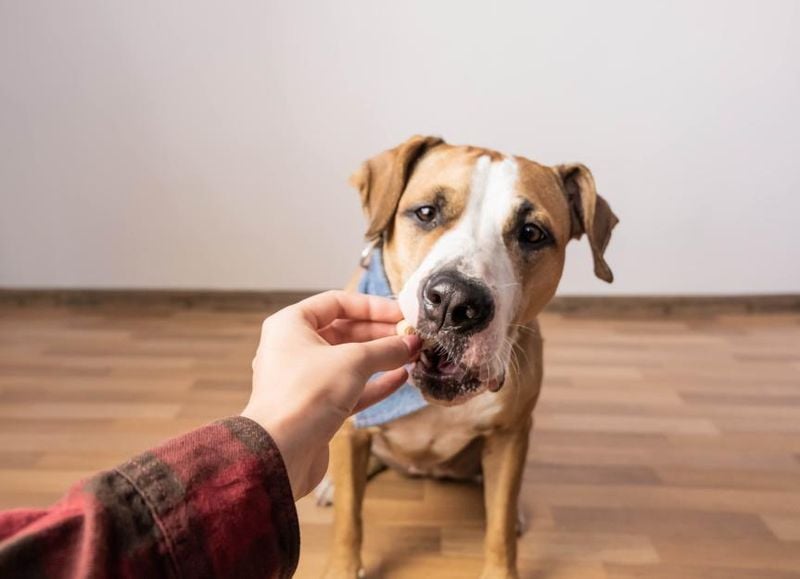
Feeding your dog seems like it should be simple, scoop the food, fill the bowl, and watch them eat with tail-wagging excitement.
But even the most devoted dog parents unknowingly make mistakes that affect their dog’s energy, weight, and overall health. I know, because I used to make almost every one of them.
The good news is that with just a few adjustments, you can improve your dog’s nutrition dramatically. These common slip-ups aren’t about being careless—they’re about not being given the right information in the first place.
If you’ve been wondering whether your dog’s diet could be better, read on. You’re probably not alone in making these mistakes—but now you can start fixing them.
1. Feeding by Eye, Not by Measurement
Relying on guesswork when feeding your dog may seem convenient, but it often leads to overfeeding or underfeeding. Without proper measurement, you risk providing too many calories, especially with calorie-dense kibble. This habit can lead to weight gain, causing health issues down the line.
Using a measuring cup ensures portion accuracy, allowing you to adhere to dietary guidelines. An appropriately measured diet supports a healthy weight and energy level. It’s a small change that can make a big difference.
Next time you fill your dog’s bowl, reach for that measuring cup. Your pet’s waistline will thank you, and you’ll ensure they receive just the right amount of nutrition.
2. Assuming All ‘Dog Food’ Is Equal
Commercial dog foods vary widely in quality, despite appearing similar. Some are packed with fillers, artificial colors, or low-quality proteins. These ingredients might satisfy hunger but can lack essential nutrients.
A nutritious diet relies on high-quality ingredients that support overall health. Always read labels carefully to ensure you’re providing a balanced meal. Look for foods with real meat, vegetables, and minimal additives.
Choosing the right dog food is crucial. Don’t just grab the first bag you see—research and select a brand that meets your dog’s specific needs. Your furry companion deserves nothing less than the best.
3. Giving Too Many Treats Without Adjusting Meals
Dogs love treats, and giving them can strengthen your bond. However, excessive treats without meal adjustments can add up quickly. It’s easy to lose track of how many extra calories your pet is consuming.
To prevent weight issues, balance treats with reduced meal portions. This adjustment helps maintain a healthy weight while still allowing for those rewarding moments.
Keep a treat journal or use treat-sized rewards instead of full-sized ones. Your dog will appreciate the treat without the added weight, and you’ll enjoy a healthier, happier pet.
4. Not Tailoring the Diet to Your Dog’s Age or Size
Nutritional needs vary greatly depending on your dog’s age and size. Puppies, seniors, and small or large breeds each require distinct dietary considerations to thrive.
Feeding a one-size-fits-all diet can lead to developmental issues or exacerbate health problems. Tailoring your dog’s diet helps ensure they receive the necessary nutrients for their life stage.
Consult your vet to determine the best food for your dog’s specific age and size. A personalized diet plan supports their growth, health, and longevity, giving them the best quality of life.
5. Feeding Human Food Without Understanding the Risks
Sharing food with your pet might seem harmless, but some human foods can be toxic to dogs. Foods like onions and grapes pose significant health risks, even in small amounts.
Understanding these dangers is crucial to avoid accidental poisoning. Educate yourself on safe human foods for dogs and always check before sharing something new.
Consider preparing dog-safe versions of your favorite meals, ensuring your canine friend can safely enjoy a treat. Protecting your pet from harmful foods keeps them healthy and avoids unnecessary vet visits.
6. Ignoring Food Allergies or Sensitivities
Persistent itching, ear infections, or digestive problems can indicate food allergies or sensitivities in dogs. Often overlooked, these issues might worsen without dietary adjustments.
Identifying and eliminating triggers is key to alleviating discomfort. Consult with your vet to explore potential allergens in your dog’s diet.
Switching to hypoallergenic food or single-protein sources may resolve these issues. Addressing allergies not only improves your dog’s quality of life but also boosts their overall health and happiness.
7. Switching Foods Too Quickly
Abruptly changing your dog’s food can upset their digestive system, leading to discomfort. Sudden changes can cause diarrhea, vomiting, or refusal to eat.
Gradual transitions over a week allow your pet’s system to adapt. Mix small amounts of new food with the old, increasing the ratio slowly.
Patience is key. A careful transition minimizes digestive upset and ensures your dog maintains their appetite. This approach fosters a smooth dietary change and a happier, healthier pet.
8. Forgetting to Check Expiry Dates and Storage
Stale or expired dog food loses nutritional value and may harbor mold or bacteria. Neglecting storage and expiry dates could compromise your pet’s health.
Ensure kibble is stored in a cool, dry place, and always check expiry dates before feeding. Proper storage maintains freshness and nutritional integrity.
Regular checks prevent health risks and ensure your dog receives the best nutrition possible. A little vigilance goes a long way in keeping your pet safe and healthy.
9. Believing Grain-Free Is Always Better
Grain-free diets have gained popularity but aren’t necessary for most dogs. Some formulations have been linked to heart issues in recent studies, raising concern among pet owners.
Evaluating your dog’s specific needs is important before opting for grain-free. Consult your vet to explore what diet truly benefits your pet.
Just because something is trendy doesn’t mean it’s right for your dog. A balanced diet tailored to their health needs should always be the priority.
10. Not Asking the Vet About Supplements
Supplements can enhance your dog’s diet but should be chosen carefully. Guesswork in supplementing might lead to nutrient duplication or deficiencies.
Discuss your dog’s needs with your vet to determine necessary supplements. Tailored advice ensures your pet receives the support they truly need.
Remember, more isn’t always better. Properly selected supplements promote health without the risk of imbalance. A vet-guided approach offers peace of mind and optimal nutrition for your pet.