12 Subtle Ways You’re Making Life Harder for Your Dog
Our furry friends rely on us for everything from food to love, but sometimes we accidentally make their lives tougher without realizing it. Even the most caring dog owners can slip into habits that confuse, stress, or harm their pets.
Understanding these common mistakes can help us become better pet parents and ensure our dogs live their happiest, healthiest lives.
1. Mixed Signals in Training

Dogs thrive on consistency, but many owners send confusing messages without realizing it. One day “jump” means no treats, the next day it earns praise. Your pup isn’t being stubborn – they’re genuinely confused!
Family members using different commands for the same behavior creates mental chaos for your dog. When “come,” “here,” and “over” all mean the same thing, your dog struggles to connect the dots.
Establish clear, simple commands everyone uses consistently. Write them down if needed. Your dog will learn faster, feel more confident, and experience less stress when they understand exactly what you want.
2. The Vanishing Walk Routine

Regularly canceling or shortening walks devastates your dog’s mental health. Those outdoor adventures provide crucial physical exercise and environmental stimulation their brains desperately need.
Dogs build their day around anticipated routines. When walks become unpredictable, anxiety builds as they never know when they’ll next experience the neighborhood smells and socialization they crave.
Even on busy days, maintain a minimum walking schedule. A consistent 15-minute walk beats an occasional 45-minute adventure followed by days of nothing. Your dog’s behavior problems often disappear when their exercise needs are predictably met.
3. Portion Distortion Problems
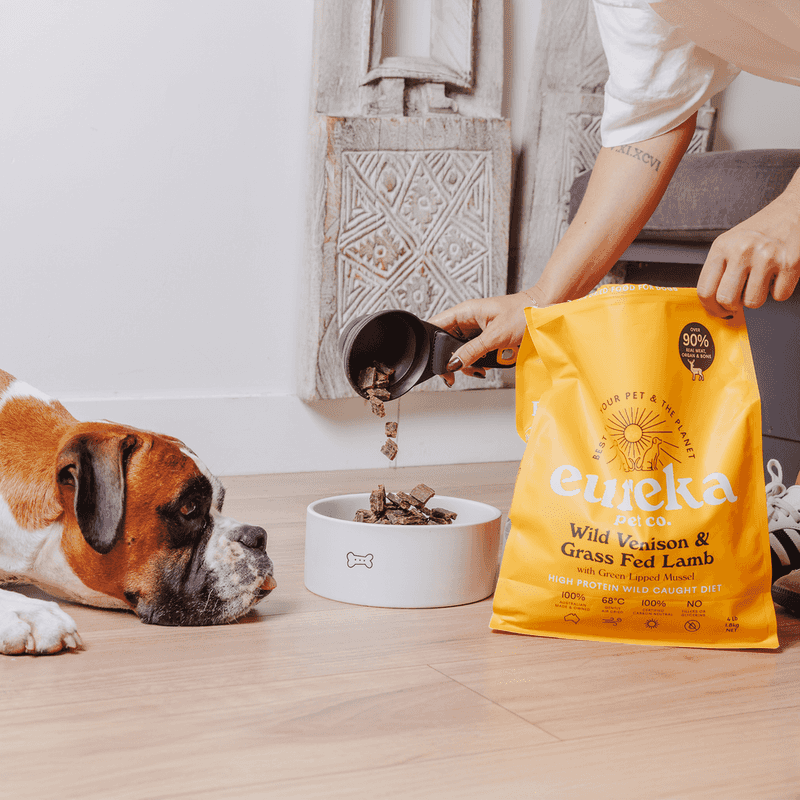
Many dogs gobble food so enthusiastically that owners struggle to recognize when they’re feeding too much or too little. Those extra treats add up fast, leading to weight gain that stresses joints and shortens lifespans.
Underfeeding creates its own problems, from nutritional deficiencies to behavior issues stemming from hunger. Your dog can’t tell you they’re getting improper nutrition until health problems emerge.
Measure food precisely using actual measuring cups, not random scoops. Adjust portions based on activity level and weight changes. Ask your vet to assess your dog’s body condition score annually to ensure they’re receiving exactly what they need.
4. Table Scraps Trouble

Those pleading puppy eyes make it nearly impossible to resist sharing your dinner. Unfortunately, human food treats often contain ingredients toxic to dogs, like onions, garlic, or artificial sweeteners.
Even safe human foods disrupt your dog’s nutrition balance. They’re designed for balanced canine diets, not human meal supplements. Regular table scraps create picky eaters who reject their own healthy food.
Fatty foods can trigger painful pancreatitis, requiring hospitalization. Instead, keep dog-specific treats handy for rewarding good behavior. If you must share, offer plain vegetables like carrots or green beans that provide crunch without calories or dangerous ingredients.
5. Solitary Confinement Syndrome

Dogs are pack animals who experience genuine distress when left alone for extended periods. Many develop separation anxiety, destroying furniture not out of spite but from genuine panic about your absence.
Working long hours while leaving your dog home alone forces them to hold their bladder uncomfortably. They also miss crucial exercise and mental stimulation during those lonely hours.
Consider a midday dog walker if you’re gone more than 6-8 hours regularly. Doggy daycare provides socialization a few days weekly. Even a neighbor checking in breaks up the monotony. These investments prevent the behavior problems and emotional suffering that extended isolation creates.
6. Dental Health Neglect
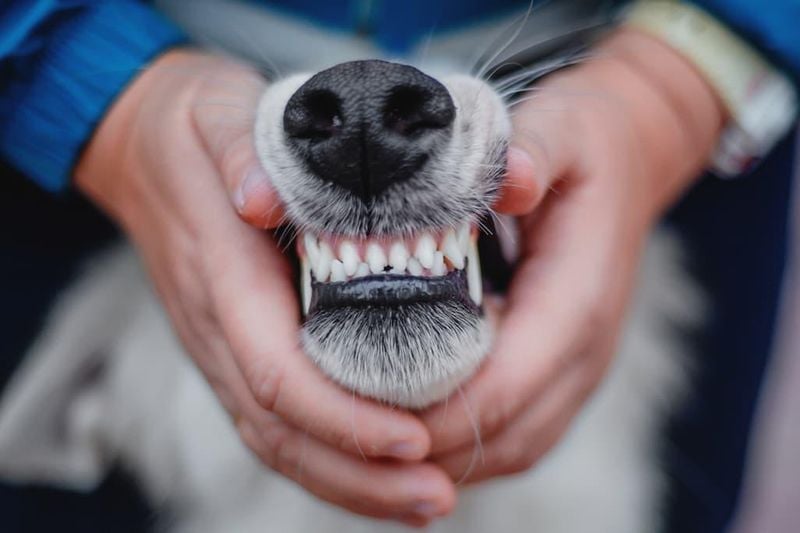
Many owners never brush their dog’s teeth, assuming bad breath is normal. That odor actually signals painful dental disease that silently damages your dog’s health and quality of life.
Bacteria from dental disease enter the bloodstream, potentially harming vital organs like the heart and kidneys. Dogs hide pain instinctively, so they’ll continue eating despite severely infected teeth.
Start slow with tooth brushing using dog-specific toothpaste (never human toothpaste). Dental chews and water additives help between brushings. Regular veterinary dental checkups catch problems early. Your dog will feel better, eat more comfortably, and likely live longer with proper dental care.
7. Skipping Wellness Checkups

Annual vet visits often get postponed when dogs appear healthy. This misses the purpose of preventive care – catching problems before symptoms appear. Dogs age faster than humans, making yearly exams crucial.
Many serious conditions develop silently. Heart disease, kidney problems, and cancer progress without obvious signs until they’re advanced. Regular blood work detects internal changes before your dog shows suffering.
Preventive care actually saves money by addressing small issues before they become emergencies. Schedule annual exams even when your dog seems perfectly fine. Early detection dramatically improves treatment outcomes for most canine health conditions.
8. Dismissing Subtle Distress Signals

Dogs communicate discomfort through subtle body language that’s easy to miss. Excessive panting, lip licking, yawning, or avoiding eye contact often signal stress, not tiredness or disinterest.
Many owners inadvertently reward anxious behaviors by providing comfort without addressing the underlying cause. This reinforces the anxiety rather than helping your dog overcome it.
Learn to recognize your dog’s unique stress signals. Remove them from uncomfortable situations before they escalate to growling or snapping. A certified dog behaviorist can help decode these signals and develop strategies to build confidence in situations your dog finds challenging.
9. Sound Sensitivity Overload
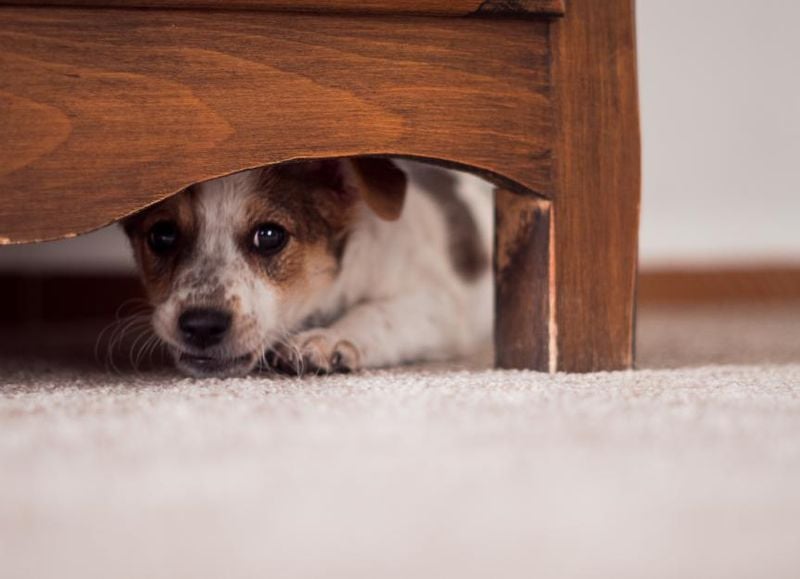
Many owners don’t realize their normal household volume overwhelms their dog’s sensitive hearing. Vacuum cleaners, blenders, and loud music cause genuine distress to canine ears.
Forcing dogs to endure frightening sounds like fireworks or thunderstorms without support creates lasting phobias. Their panic response isn’t attention-seeking – it’s genuine fear they can’t control.
Create quiet retreats where your dog can escape overwhelming noises. Use white noise machines to muffle startling sounds. For predictable loud events, talk to your veterinarian about anti-anxiety medications or products like ThunderShirts. Gradual desensitization helps many dogs overcome noise phobias with patience.
10. Punishment Over Redirection
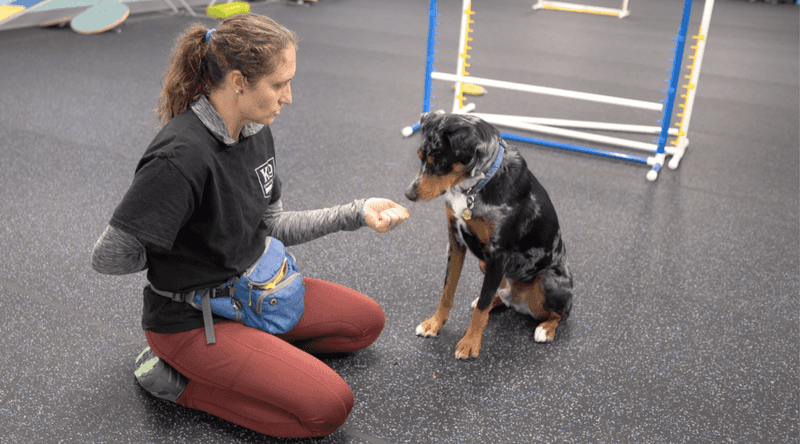
Scolding a dog for natural behaviors like chewing or digging fails to address their fundamental needs. These activities fulfill important physical and psychological drives your dog can’t simply turn off.
Harsh corrections damage your relationship without teaching alternative behaviors. Your dog learns to fear you rather than understanding what they should do instead.
Replace punishment with redirection to appropriate outlets. Provide sturdy chew toys instead of yelling about destroyed shoes. Create a designated digging area if your dog loves excavating. Teaching incompatible behaviors (like “sit” instead of jumping) creates lasting positive change while preserving trust.
11. Boredom Brain Drain
Dogs need mental challenges as much as physical exercise. Without mental stimulation, even well-exercised dogs develop destructive behaviors out of sheer boredom and frustration.
Working breeds like Border Collies and German Shepherds particularly suffer without mental tasks. Their intelligence becomes a liability when not properly channeled, leading to obsessive behaviors like shadow-chasing or excessive barking.
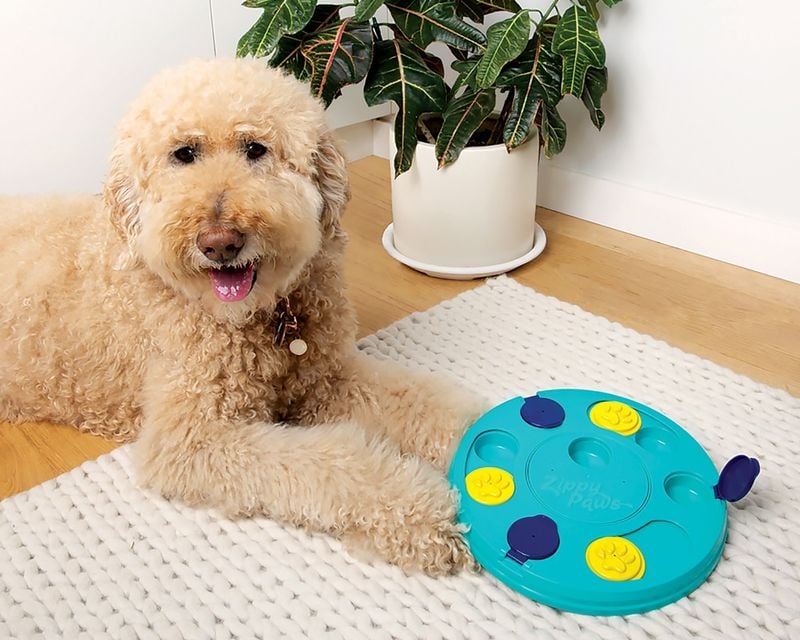
Rotate puzzle toys that dispense treats when manipulated correctly. Practice new tricks weekly. Hide treats around the house for “find it” games. Even five minutes of brain games daily dramatically reduces problem behaviors while strengthening your bond.
12. Suppressing Natural Dog Behaviors
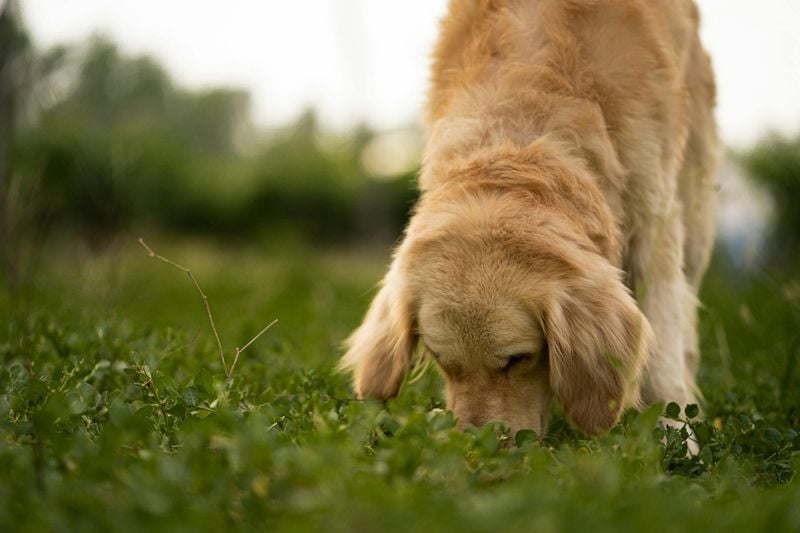
Dogs need to sniff, dig, bark, and run – these aren’t bad behaviors but essential expressions of their dogness. Constantly restricting these natural instincts creates frustration and stress.
Many owners rush walks without allowing proper sniffing time. This sensory exploration is like reading the daily newspaper for dogs, providing crucial mental stimulation and environmental updates.
Schedule “dog time” where your pet can just be a dog. Designate sniffing walks separate from exercise walks. Allow digging in specific areas. Accept some normal barking as communication. These accommodations acknowledge your dog’s natural needs while maintaining reasonable household boundaries.