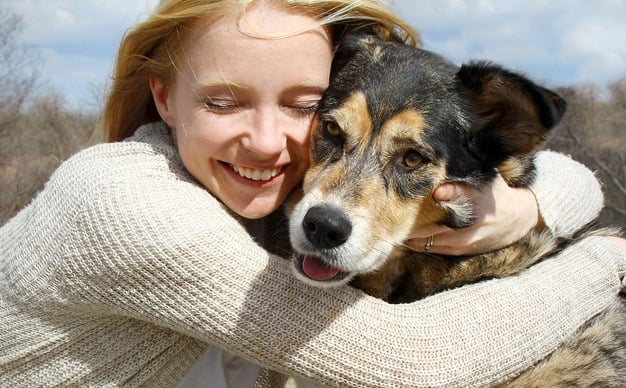
12 Things Your Senior Dog Craves From You in Their Golden Years
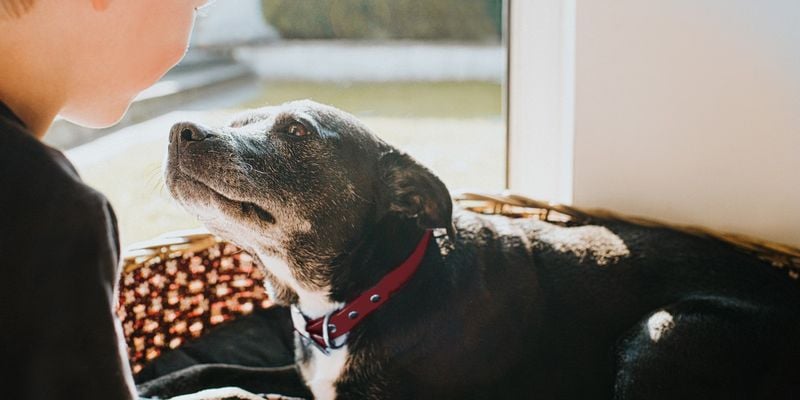
There’s something uniquely moving about growing old alongside your dog. As the years pass, that once hyper little pup becomes slower, gentler, and more in need of your presence in ways that go beyond toys and treats.
Senior dogs may not be able to run as far or hear as well, but their emotional needs only deepen with time. In their golden years, your dog starts to show you what really matters—connection, comfort, and compassion.
They become more sensitive to changes in your mood and even more attuned to your absence. What they crave most isn’t complicated—it’s thoughtful care, gentle adjustments, and your continued love.
Let’s explore what your senior dog quietly hopes you’ll give them as they age.
1. Predictable Routines

Uncertainty can be stressful when the senses begin to fade. Senior dogs flourish when their days follow a familiar rhythm—waking, walking, eating, and resting all in a reliable order.
This predictability helps reduce confusion and anxiety, especially if cognitive changes start to set in. Skipping meals or changing walk times too often can leave them feeling unsettled or even forgotten.
Simple actions like feeding them at the same time each day or taking them on their usual route mean more than you think. Routines tell your senior dog, “I’m still here, and you still matter.” It’s a powerful way to bring peace to a heart that once ran wild, and now simply wants consistency and comfort.
2. Extra Patience
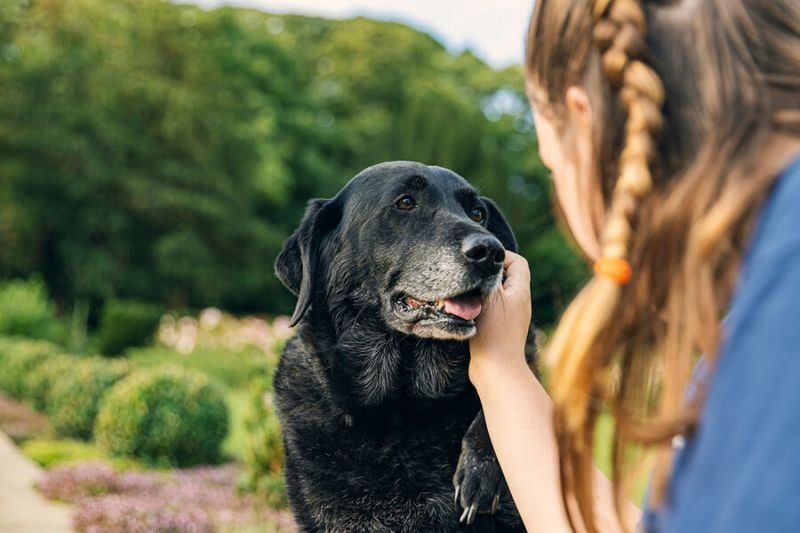
It might take them longer to stand up, respond to their name, or even find the door. These aren’t signs of defiance—they’re signs of aging that deserve grace, not frustration.
Old dogs often struggle with arthritis, fading eyesight, and hearing loss. That once eager-to-please attitude might be hidden under layers of physical discomfort and mental fog.
Your patience sends a clear message: they’re still worth waiting for. Raising your voice or pushing them along only adds confusion and stress. Instead, slow your pace, soften your tone, and offer them the time they need. In their world, patience from you isn’t just kindness—it’s love made visible.
3. Gentle Affection
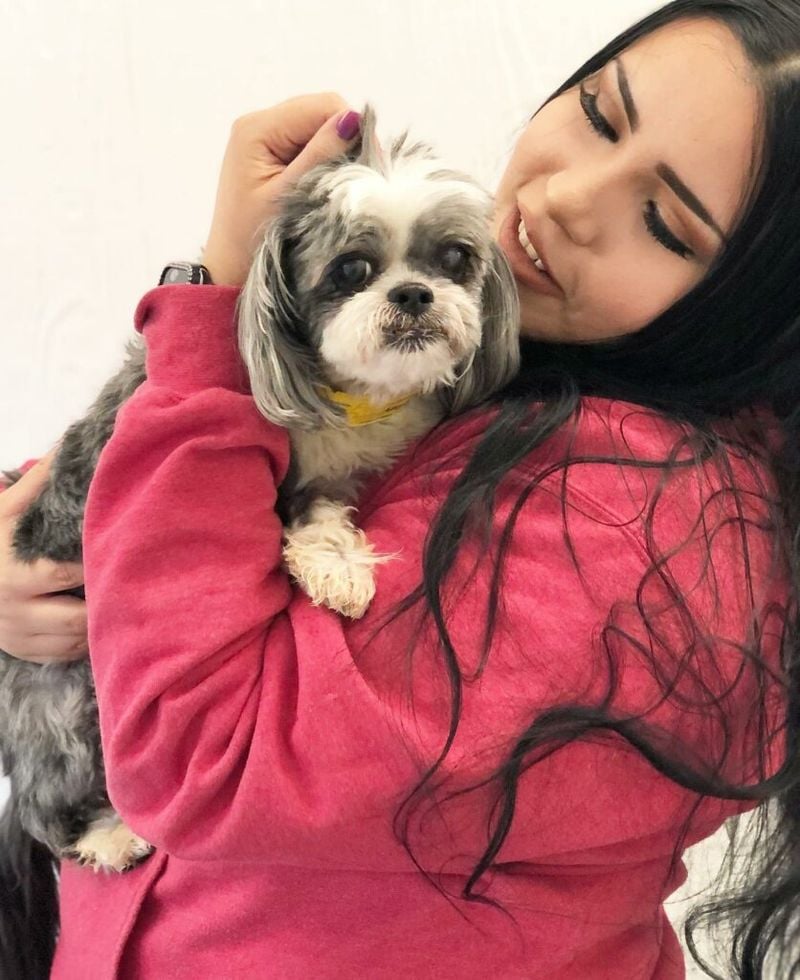
Touch remains one of the most powerful ways to reassure your aging dog. Even if they’re no longer chasing balls or jumping into your lap, they still seek closeness and calm connection.
Their bodies may be more sensitive now, so deep scratches or boisterous petting might cause discomfort. What they truly long for are soft strokes, quiet cuddle sessions, and the warmth of your hand resting gently on their side.
Many older dogs become even more emotionally attached as they age. Just being near you—feeling your breath, hearing your heartbeat—can mean the world. Affection doesn’t have to be loud or energetic. In their golden years, they crave a quiet kind of love that says, “I’m with you. I always will be.”
4. Shorter, Softer Walks
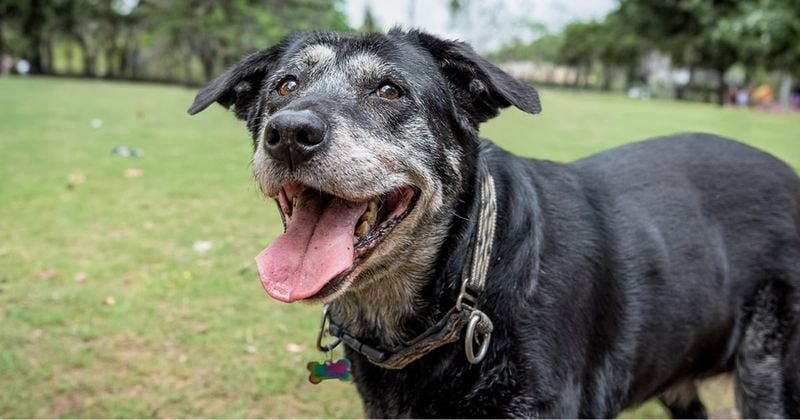
Long treks that once thrilled your dog may now feel overwhelming. Aching joints, weakened muscles, and lower stamina mean that they can’t handle what they used to—and that’s okay.
Instead of pushing them to keep up, let the walk become about joy, not distance. Choose grassy paths instead of pavement, let them stop and sniff as long as they want, and don’t be afraid to turn back early.
These walks aren’t just for exercise—they’re opportunities for connection and exploration at a slower pace. Let your senior dog set the tempo. What they crave now isn’t speed or intensity—it’s the chance to move comfortably by your side, enjoying the world without pain or pressure.
5. Warm and Cushioned Sleeping Spots
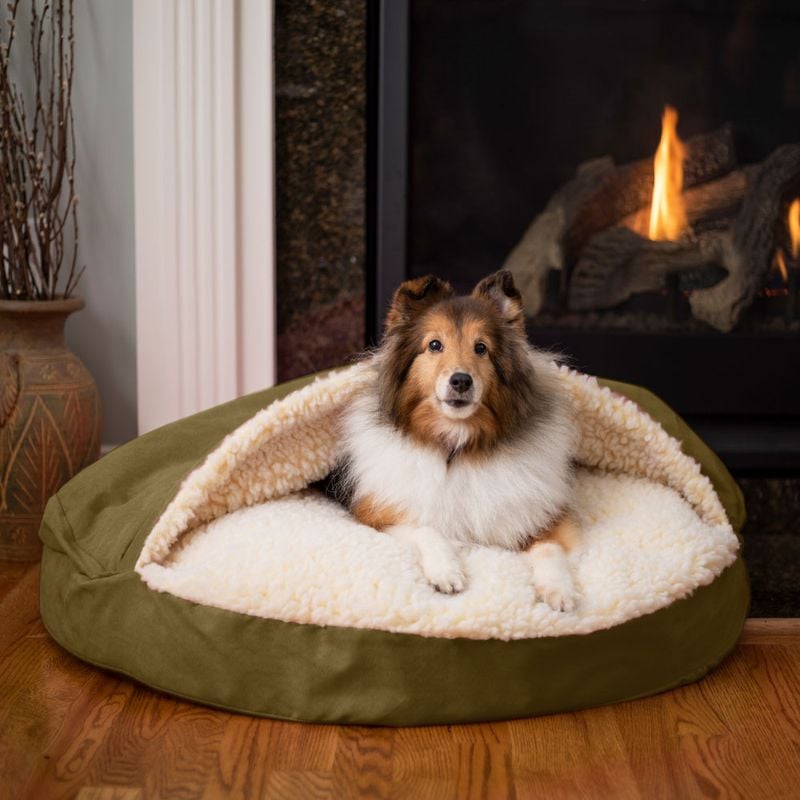
Hard floors and chilly corners no longer cut it. As dogs age, their joints become stiff and sore, and the surfaces they once ignored can become sources of discomfort and pain.
A thick, orthopedic bed can make all the difference. Position it away from cold drafts, elevate it slightly if needed, and make sure it’s easy for them to climb onto.
They may sleep more often now, and each nap should be truly restful. A warm, soft space is more than a luxury—it’s essential for their physical comfort and emotional security. Giving them a cozy retreat tells them their comfort matters to you, now more than ever.
6. A Diet That Fits Their Needs
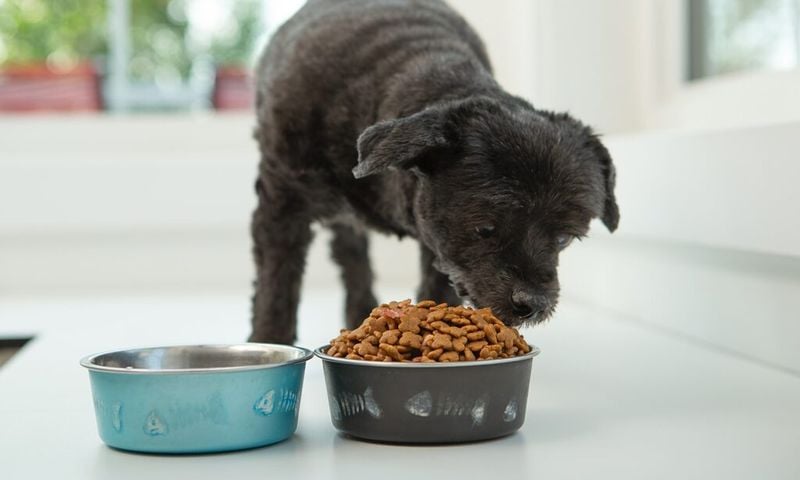
The same food they thrived on in their younger years may not be ideal anymore. Aging dogs often face changes in metabolism, dental health, and digestive sensitivity that require nutritional adjustments.
They may benefit from a senior-specific formula with fewer calories, more fiber, and added supplements like glucosamine or omega-3s. These tweaks help support joint health, brain function, and organ performance as their bodies begin to slow down.
Mealtime becomes a source of comfort and care when you tailor it to their needs. Serving food that’s easy to chew and digest shows that you’re paying attention. To your senior dog, a thoughtful diet isn’t just fuel—it’s proof that you still want them to feel good every single day.
7. Mental Stimulation
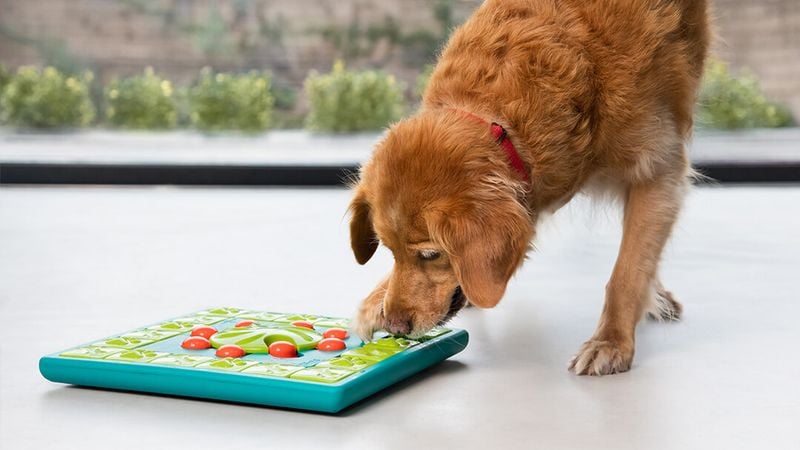
Just because they’re older doesn’t mean they’ve lost their curiosity. While their bodies may not be as spry, their minds still enjoy engagement, problem-solving, and gentle excitement.
Snuffle mats, treat puzzles, and slow-paced training exercises can offer valuable brain activity. Even short sessions where they get to sniff a new smell or discover a hidden treat can be deeply satisfying.
Without stimulation, senior dogs may become withdrawn or confused. A little enrichment helps them stay sharp and emotionally grounded. Keep it low-pressure and fun—no need for challenges that cause stress. What they crave is a chance to stay connected to the world in ways that feel safe and rewarding.
8. Frequent Vet Check-Ups
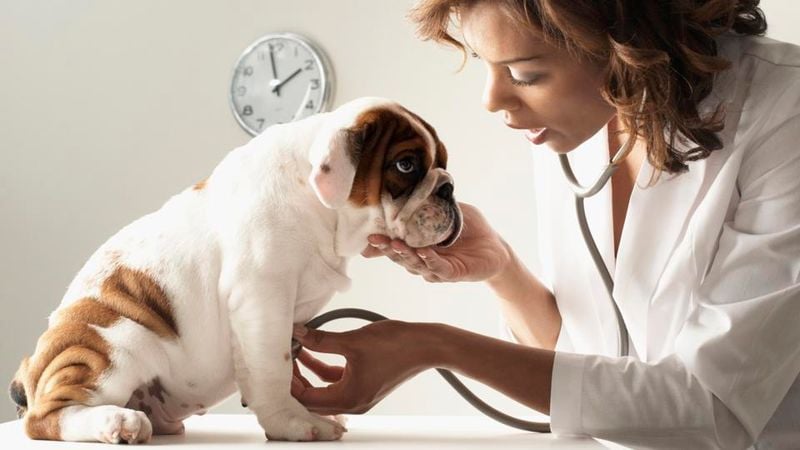
They can’t tell you when something hurts—or when something’s wrong. That’s why regular visits to the vet become increasingly important as your dog enters their later years.
Many age-related conditions—like arthritis, kidney disease, or cognitive decline—develop slowly and quietly. Catching these early gives your dog the best chance at a comfortable, happy life with fewer complications.
Even if they seem fine on the surface, proactive check-ups offer peace of mind for both of you. Monitoring weight, mobility, and organ function helps guide your caregiving. Your senior dog depends on you to be their advocate. Keeping up with their health tells them they’re still a priority.
9. Protection From Young, Rowdy Pets
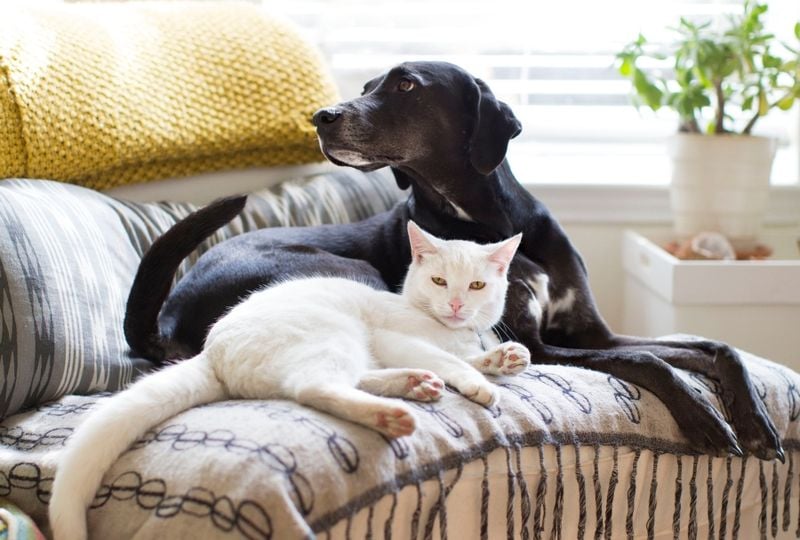
Energetic puppies or overly playful dogs can overwhelm an aging companion. What once might have sparked joy now creates stress or even physical pain.
Senior dogs often don’t have the stamina—or tolerance—for sudden jumps, rough play, or loud chaos. They may growl or retreat, not out of aggression, but because they’re asking for peace.
It’s your job to create a safe space for them. Give them quiet areas to retreat to, and supervise interactions with younger pets. Redirect high-energy play away from your senior dog. More than ever, they need your protection—not just from harm, but from overstimulation. Let them age in peace, surrounded by calm.
10. Freedom From Stairs and Slippery Floors
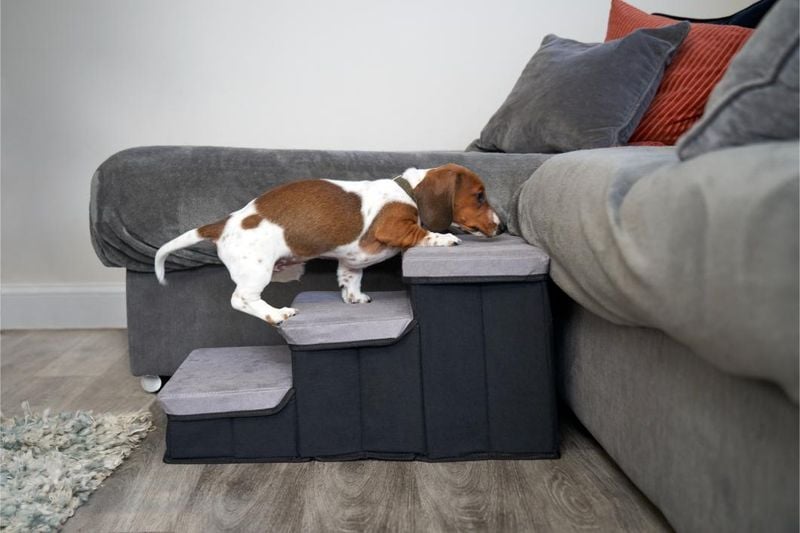
Surfaces that never caused trouble before can suddenly feel like obstacle courses. Climbing stairs becomes a painful task, and hardwood floors become dangerous slipping hazards.
They may hesitate before attempting a step, or avoid certain rooms altogether. You might notice them struggling to get up or losing traction while walking. These are signs they need help, not discipline.
Rugs, stair gates, and ramps can be simple yet meaningful fixes. Making the environment more accessible reduces their stress and preserves their independence. Your senior dog doesn’t want to feel helpless. What they crave is a home that adapts to their changing needs—quietly and compassionately.
11. Understanding When They Withdraw
If they start spending more time alone, don’t take it personally. With age comes the need for more rest, more quiet, and sometimes more emotional space.
They might retreat to a favorite corner or sleep more deeply than usual. This doesn’t mean they love you any less—it means their energy is limited, and recovery is essential.
Respecting their space is a form of love. Still offer affection and time together, but let them lead. When they seek solitude, honor that request. Your understanding makes them feel safe. What they want now isn’t constant attention—it’s the freedom to rest without guilt, in a home filled with trust.
12. Reassurance That They’re Still Your Everything
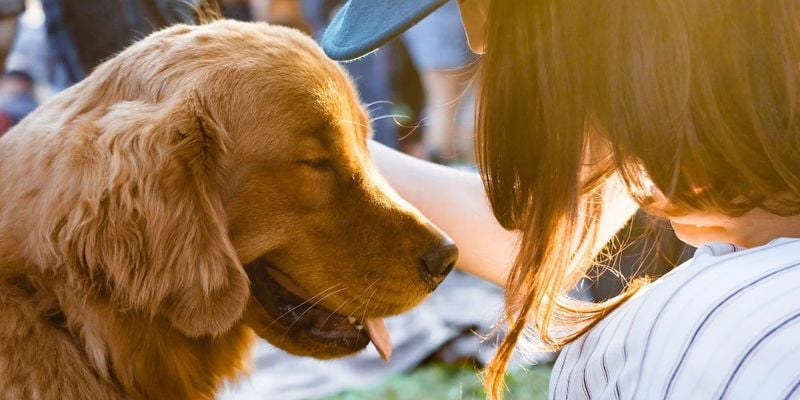
A slowing body can make them feel like they’re fading into the background. They don’t run to the door as fast or play fetch with the same fire—but their heart is still yours.
Senior dogs are deeply intuitive. They notice when your attention shifts, and they can sense when they’ve become less of a focus. That’s why your reassurance means so much.
Tell them they’re a good dog. Include them in your daily rituals. Sit beside them and remind them with every touch, every word, that your bond is just as strong. What they crave most in these years is to know that their place in your heart hasn’t changed.