15 Essential Steps to Prepare Your Home for a New Puppy
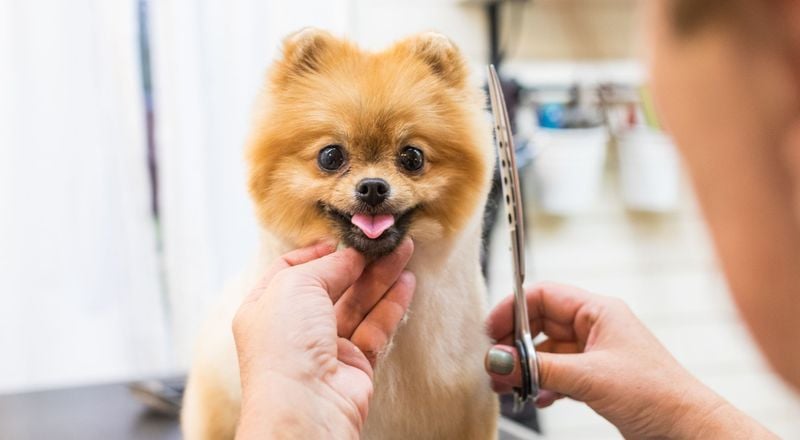
Welcoming a new puppy into your home is an exciting time filled with anticipation and joy. However, it also requires careful planning to ensure a safe and nurturing environment for your furry friend.
This guide will walk you through 15 essential steps to get your home ready for your puppy’s arrival. From safety measures to creating comfortable spaces, each step is designed to help your puppy thrive in its new home.
1. Puppy-Proof Your Home
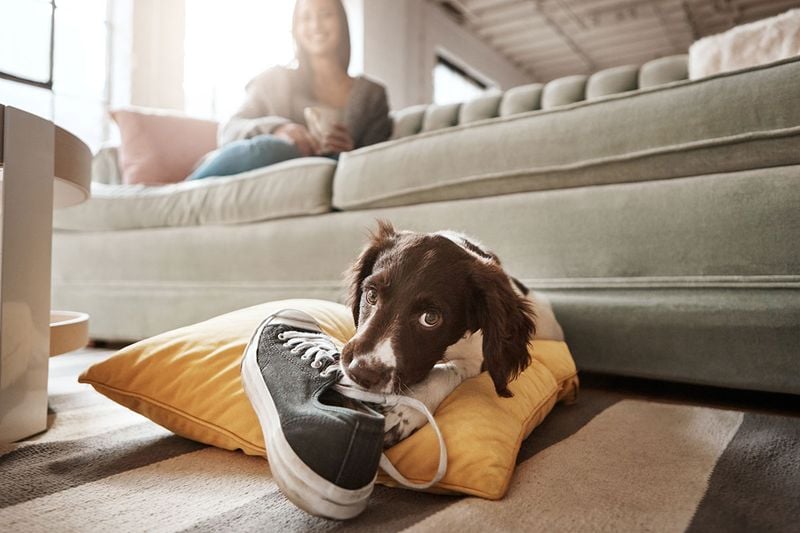
Safety first! Puppies are curious creatures, exploring with their noses and mouths. Remove any harmful plants and ensure electrical cords are well-hidden. Dangerous areas, like stairs or balconies, can be made off-limits with baby gates.
Household items that may seem innocuous can be hazardous to a puppy. Secure any cleaning supplies or small objects. Puppies have a knack for finding trouble, so a thorough sweep of your home is necessary.
Think of it as baby-proofing but for a four-legged toddler. You’ll be grateful for the peace of mind knowing your pet can’t access anything harmful. A little preparation goes a long way in ensuring safety.
2. Set Up a Puppy Zone
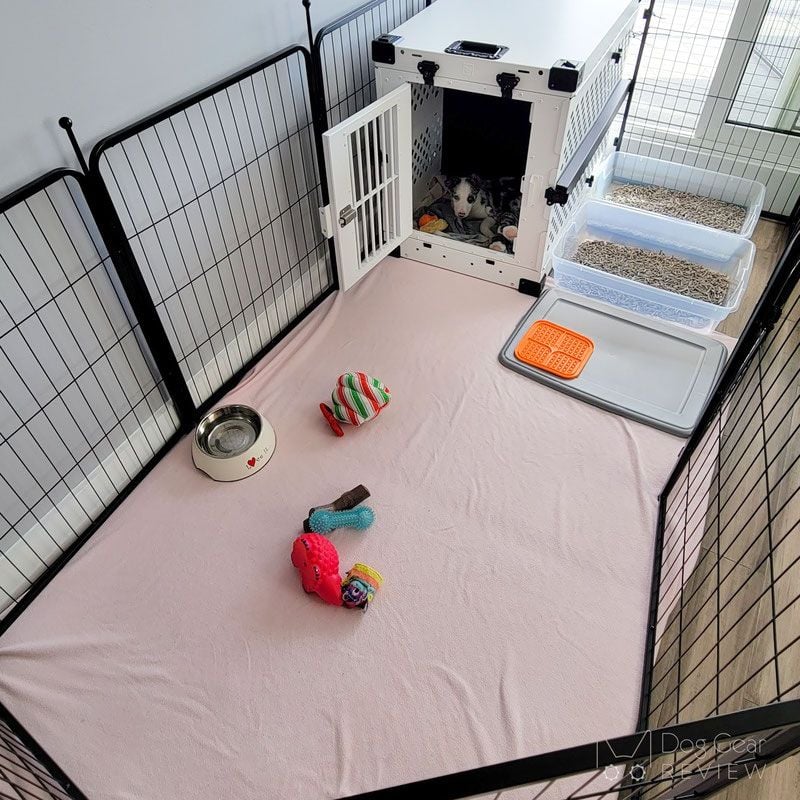
Creating a dedicated puppy zone is like setting up a personal playground for your furry pal. Choose a quiet, safe area where your puppy can feel comfortable and secure. It could be a corner of a room or a designated playpen.
Fill this space with toys and a soft bed, offering a sense of ownership and security. This helps in minimizing stress as your puppy adjusts to its new surroundings.
A puppy zone is also crucial for unsupervised times, keeping your pet safe from household hazards. By providing this sanctuary, you promote positive behaviors and build a trusting relationship.
3. Buy Food and Water Bowls
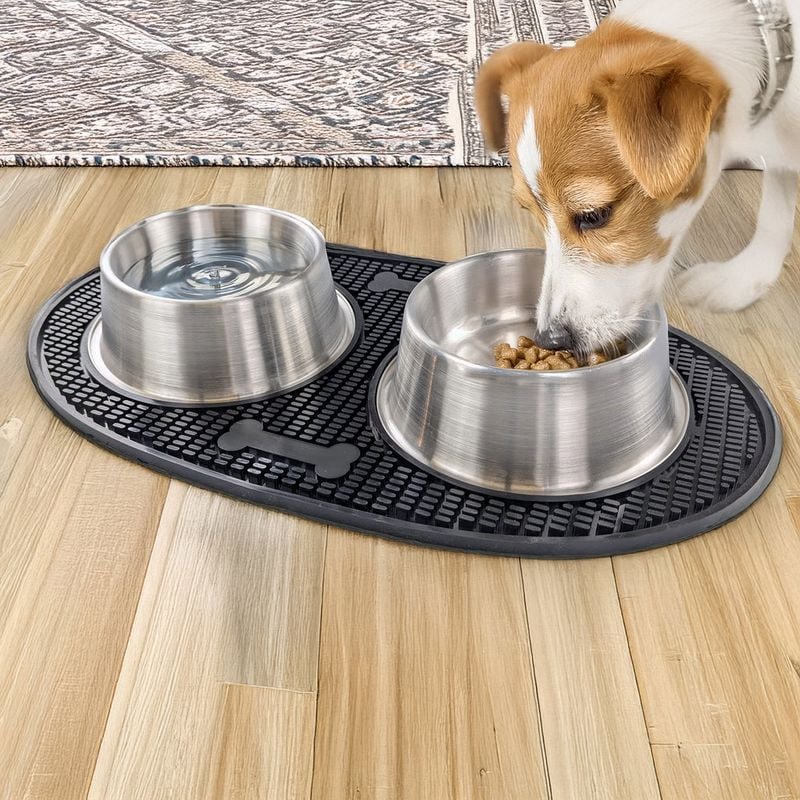
Mealtime should be enjoyable for your puppy, and the right bowls make all the difference. Stainless steel or ceramic bowls are preferred since they’re durable and easy to clean. Ensure they have a non-slip base to avoid messy spills.
Consider the bowl’s size relative to your puppy’s breed. Larger breeds may require bigger bowls to accommodate their needs. Regular cleaning is essential to maintain hygiene.
These bowls are not just practical; they reflect your care for your pet’s well-being. Choose ones that match your style but prioritize function and safety. A simple choice that impacts your puppy’s daily routine.
4. Stock Up on Puppy Food

Nutritional needs are vital for a growing puppy. Choose high-quality puppy food recommended by a veterinarian or breeder to provide essential nutrients. Puppies require a specific diet for growth and development.
Explore different brands and consider whether you want dry kibble, wet food, or a combination. Make sure the ingredients align with your puppy’s specific health needs.
Having a stocked pantry means you’re always prepared for mealtime. This foresight ensures you’re feeding your puppy the best possible diet, setting the foundation for a healthy, happy life. Keep an eye on preferences and adjust as they grow.
5. Choose a Comfortable Bed
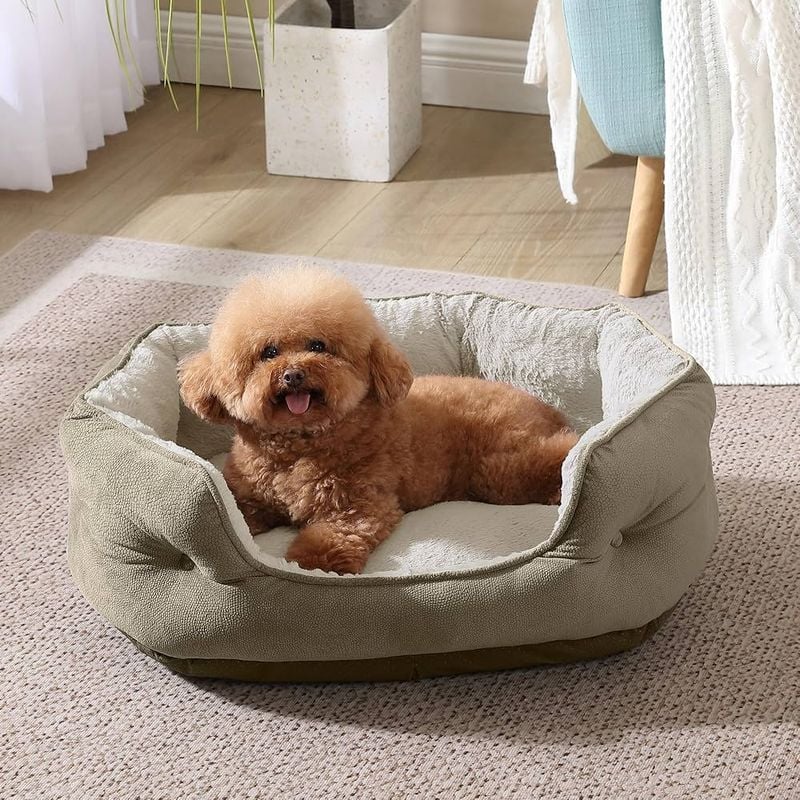
Sleep is essential for a puppy, and a comfortable bed offers rest and security. Opt for a chew-resistant, washable design, perfect for any accidents or chewing phases. Place it in a cozy, draft-free spot.
Your puppy will appreciate a space that’s all its own, a place to retreat when tired. The bed should be just the right size—not too big or too small—so your puppy feels snug.
Think of it as your puppy’s personal haven, a spot where dreams are as sweet as the naps they take. Investing in the right bed is a simple joy with lasting benefits.
6. Get a Crate for Training
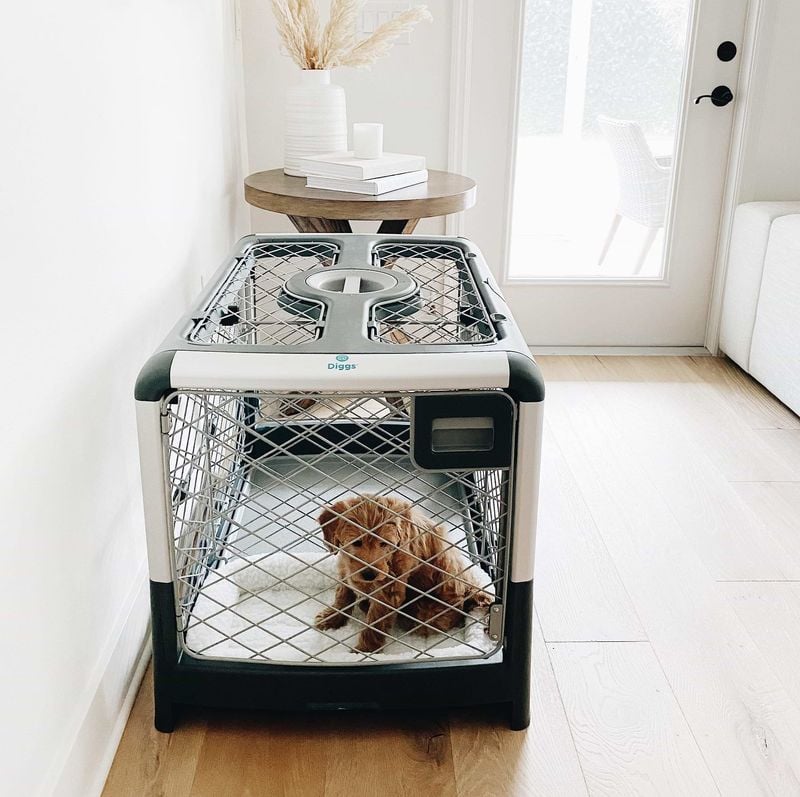
Crate training is a beneficial practice, giving your puppy a den-like space to relax. A crate provides safety and aids in housebreaking by teaching boundaries. It’s a gentle introduction to personal space.
Select a crate that accommodates your puppy’s growth. It should be large enough to stand, turn around, and lie down comfortably. Include a soft blanket or pad for added comfort.
Crates also make travel easier, reducing anxiety when on the move. Think of the crate as your puppy’s own room—a secure place they can trust and retreat to. Consistency in crate training fosters independence and security.
7. Invest in Puppy Pads or Potty Gear
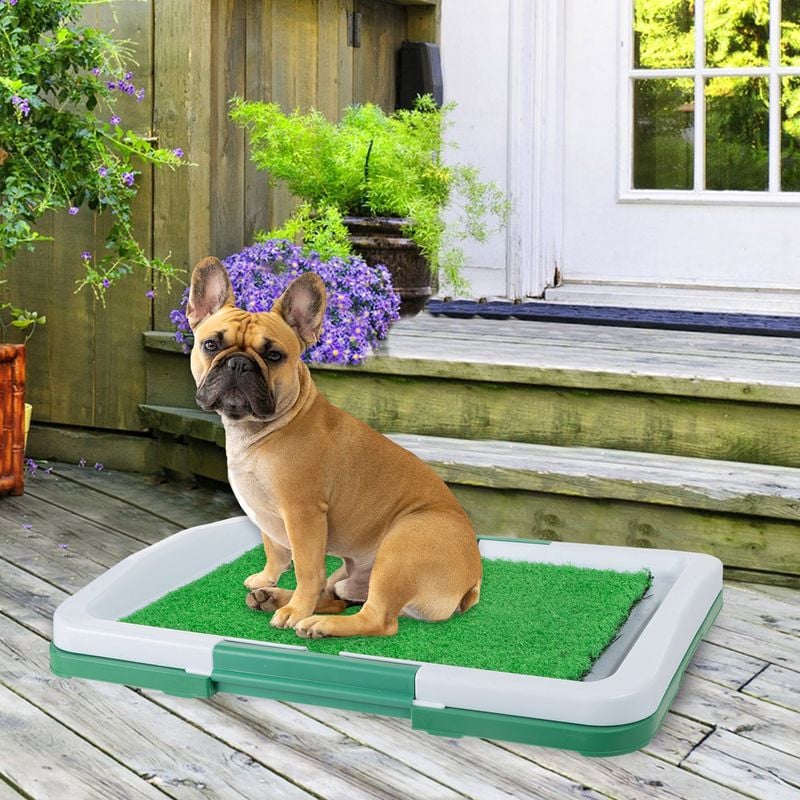
Housebreaking a puppy requires patience and the right equipment. Stocking up on puppy pee pads helps manage those early training days. Consider a potty tray or designate an outdoor area for their use.
These tools provide a consistent routine, reinforcing where it’s appropriate to go. Accidents happen, but with the right setup, they become teachable moments. Encourage success with praise and treats.
Potty gear is not just practical; it’s a part of building a trusting relationship. Start training as soon as possible, and remain patient. Your efforts will lay a foundation for good habits and a happy household.
8. Buy Chew Toys and Teething Aids
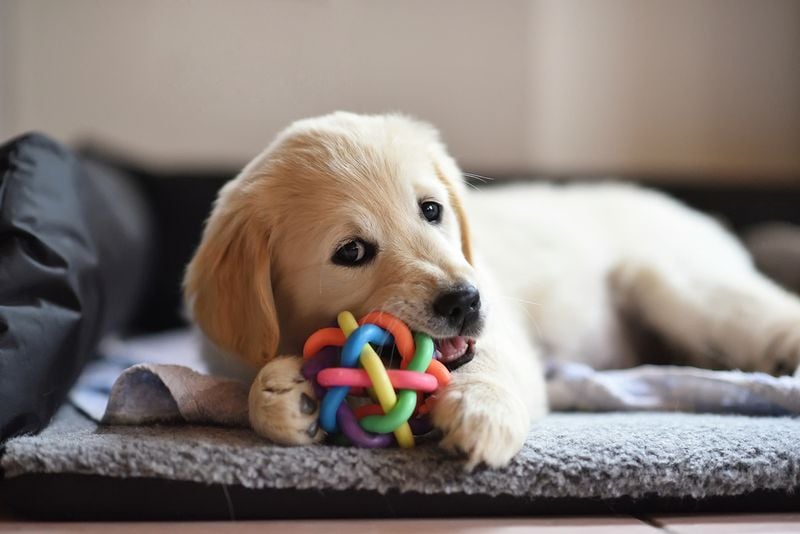
Teething can be a challenging time, but chew toys make all the difference. Stock up on safe options to relieve sore gums and keep your puppy entertained. A variety of toys prevents boredom and furniture damage.
Choose items specifically designed for puppies, avoiding anything small enough to swallow. Rotating toys maintains interest and keeps your puppy engaged.
Not just toys, these are tools for growth and comfort. Chew toys become companions, aiding in dental health and emotional well-being. Provide a selection that suits your puppy’s needs and watch them delight in discovery.
9. Schedule a Vet Visit

A healthy start begins with professional care. Schedule a vet visit within the first week of bringing your puppy home. This check-up ensures vaccinations are up to date and offers a chance to discuss any health concerns.
Your vet is a partner in your puppy’s well-being. They provide insights into diet, behavior, and preventative care. Microchipping might also be discussed, adding an extra layer of security.
Trust is built through regular visits, establishing a health routine that benefits both you and your puppy. Consider this initial appointment a step towards a lifelong relationship with your pet’s healthcare provider.
10. Find a Trusted Trainer or Class

Positive behaviors are nurtured through training. Finding a trusted trainer or enrolling in a puppy obedience class builds a strong foundation for lifelong learning. Positive reinforcement techniques create trust and understanding.
Classes provide socialization, an essential aspect of development. Learning with others, your puppy gains confidence and learns essential commands.
Training is not just about obedience; it’s a bonding experience, strengthening your relationship. By investing in professional guidance, you set the stage for a well-behaved and happy companion. Choose a trainer who aligns with your values and see the joy in shared achievements.
11. Get a Collar and ID Tag
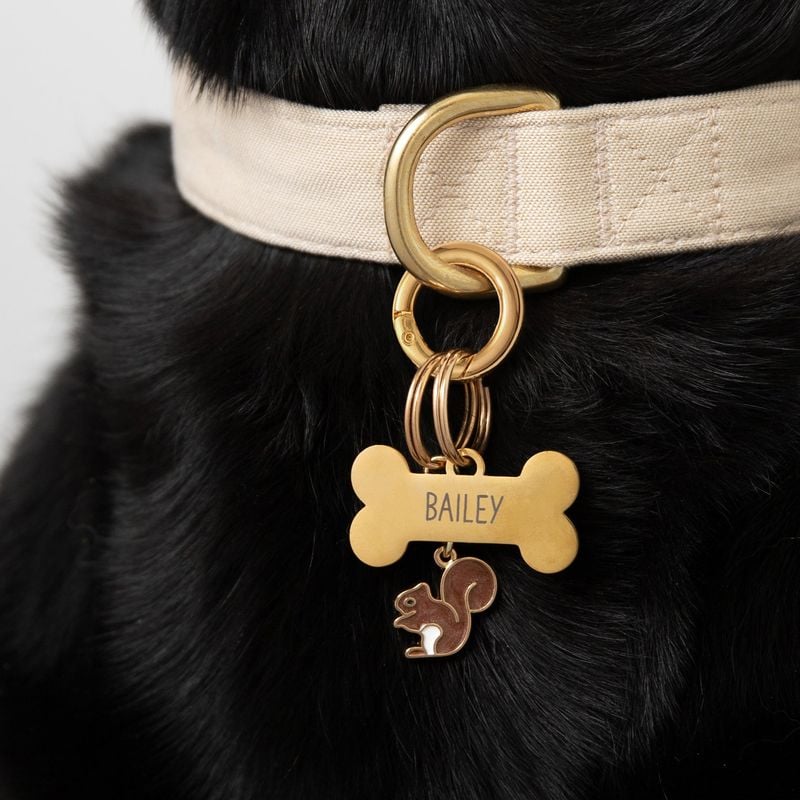
Identity is key! A comfortable collar with an ID tag is a simple yet essential way to keep your puppy safe. The tag should have your phone number and possibly the puppy’s name.
Collars come in various styles and materials, but comfort is paramount. Ensure it fits properly, allowing room for growth but not too loose.
This small accessory carries significant peace of mind. It’s a visible sign of ownership and responsibility. By choosing a well-fitted collar and an eye-catching tag, you add a layer of safety and care to your puppy’s daily adventures.
12. Install Baby Gates
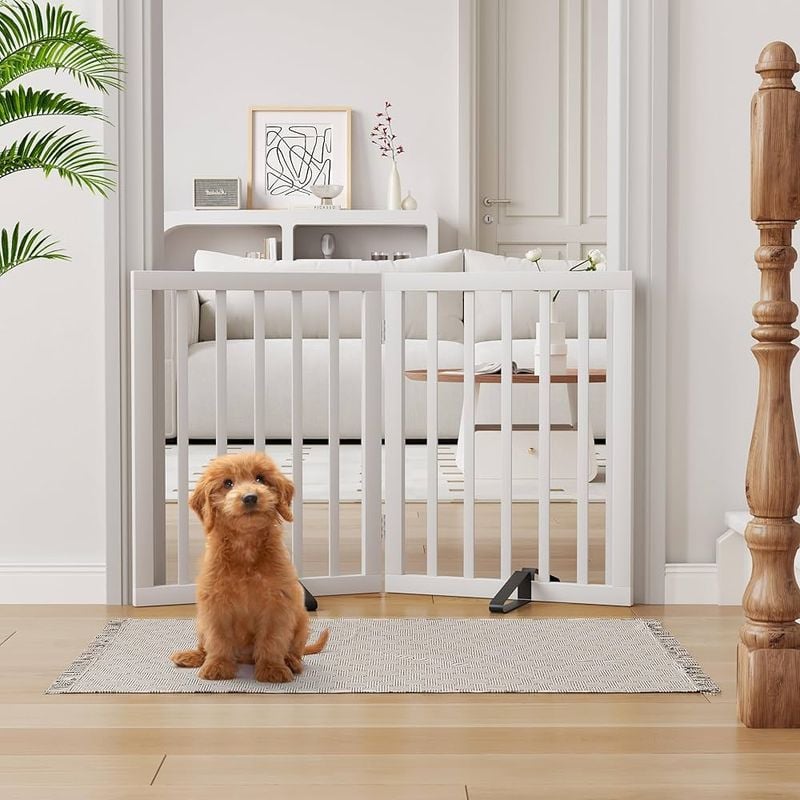
Creating boundaries is part of a safe home. Installing baby gates keeps puppies away from dangerous areas like stairs or kitchens, giving you peace of mind.
These gates are easy to install and adjust as needed. They provide a clear signal of off-limit areas, helping in training and safety. Gates can also create a safe space where your puppy can roam freely.
Think of them as guardians of safety, protecting your puppy from potential hazards. With strategic placement, you ensure a harmonious environment, where exploration is both exciting and secure.
13. Create a Feeding and Potty Schedule
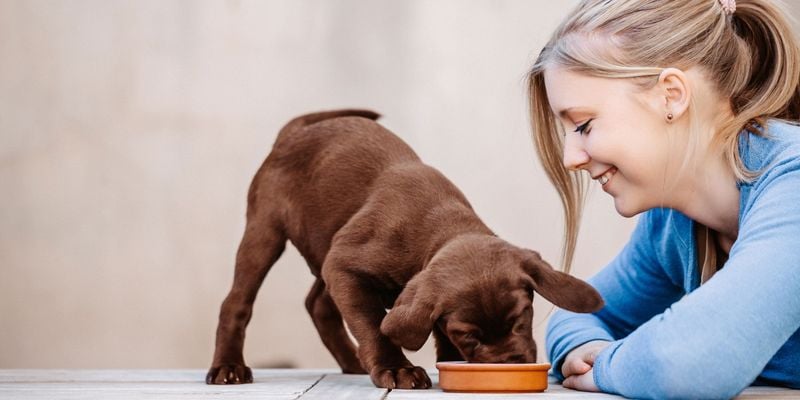
Routine is comforting for puppies. Establishing a feeding and potty schedule helps with training and reduces anxiety. Consistent meal times set expectations and aid in digestion.
Potty breaks should follow meals, play, and naps, reinforcing good habits. Consistency is key, helping your puppy understand what to expect and when.
This shared routine fosters trust and strengthens your bond. As your puppy adapts, adjust the schedule to fit their growing needs. Providing structure makes your home a predictable and comforting place, where your puppy can thrive.
14. Gather Grooming Supplies
Grooming is an important aspect of puppy care, and having the right supplies makes it a breeze. Brushes, puppy shampoo, nail clippers, and a toothbrush are essentials to start with.
Regular grooming sessions promote a healthy coat and skin. They also offer bonding time, where trust is built through gentle handling.
Think of grooming as an opportunity to introduce positive touch. By starting early, you establish a routine that makes grooming enjoyable for both you and your puppy. These supplies are more than tools; they are part of a commitment to care and love.
15. Prepare Your Family
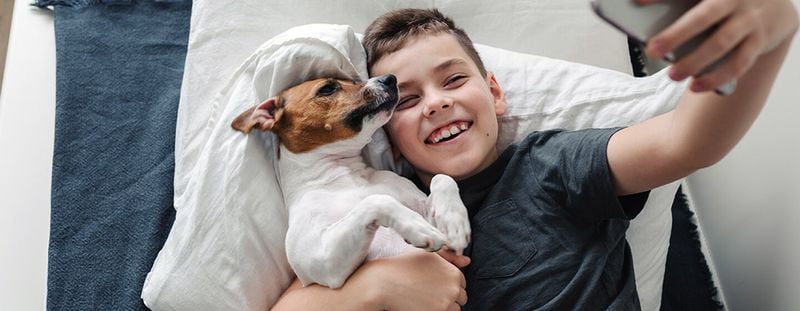
Welcoming a puppy is a family affair. Preparing your household involves assigning responsibilities and setting rules. Discussions ensure everyone is on the same page about handling and care.
Consider the puppy’s needs in your daily routine. Who will feed, walk, and play with the puppy? Clarifying these roles prevents confusion and ensures consistent care.
A united family approach builds a supportive environment for your puppy. This shared responsibility enriches family bonds and teaches empathy and teamwork. Preparing your family means creating a loving home where your new puppy can flourish.