8 Emotional Reasons Dogs Are Smarter Pets Than Cats
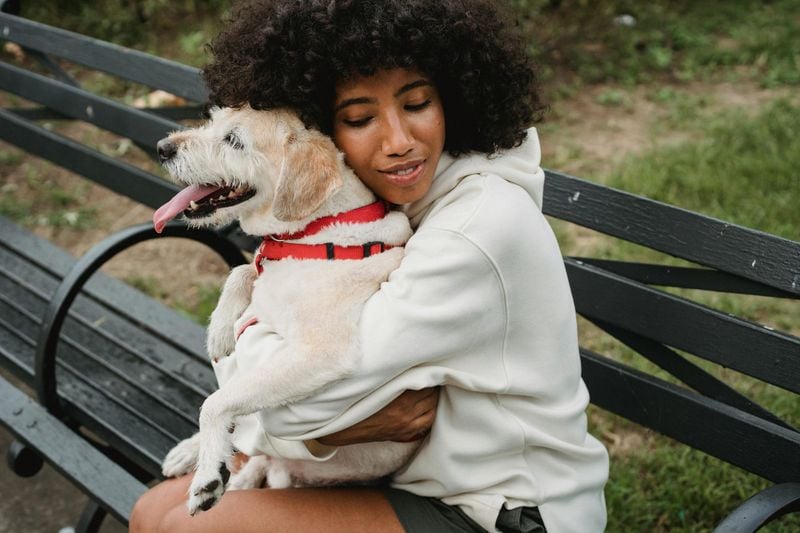
Ever wondered why your dog seems to know exactly when you’re feeling down? Dogs aren’t just our best friends—they’re emotional geniuses in furry packages.
While cats certainly have their charms, dogs possess remarkable emotional intelligence that often makes them seem like the smarter pet choice.
Their ability to connect with humans on a deep emotional level goes beyond simple tricks and commands.
1. Emotional Mind-Readers
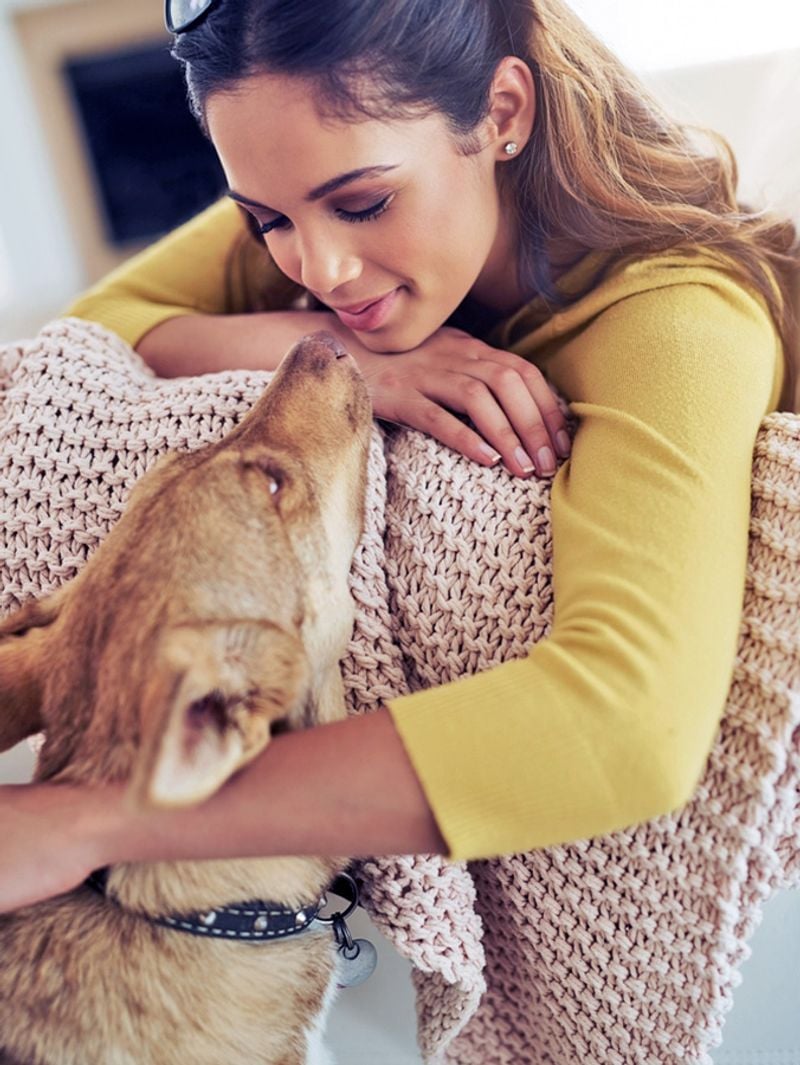
Dogs can detect subtle changes in your facial expressions, body language, and even your scent when you’re experiencing different emotions. This isn’t just cute—it’s an advanced form of intelligence that helps them respond appropriately to your needs.
Your furry friend actually processes emotional information similarly to humans, using the same brain regions we do when interpreting emotional signals. They’ll approach when you’re sad, play when you’re happy, and stay alert when you’re anxious.
This emotional radar develops naturally in dogs through thousands of years of evolution alongside humans, making them uniquely equipped to be our emotional companions in ways cats simply haven’t evolved to match.
2. Connection Seekers
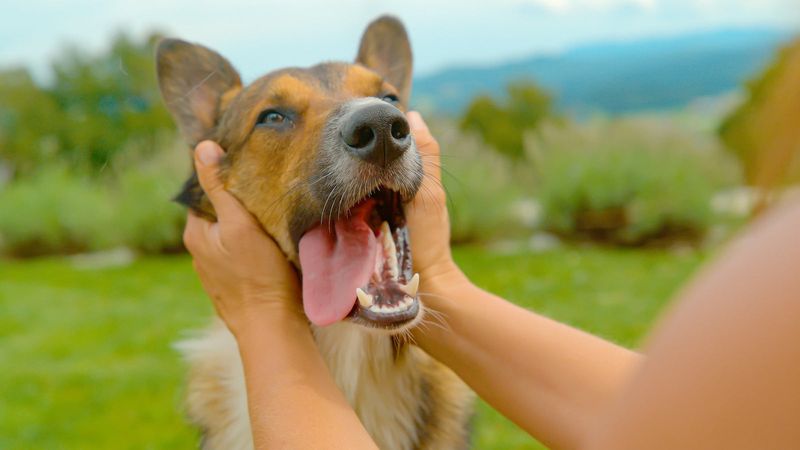
Unlike their feline counterparts who often prefer independence, dogs actively seek human connection as a biological need. They’ll follow you from room to room, not just for treats, but because your presence genuinely matters to them.
Research shows dogs experience a surge of oxytocin—the bonding hormone—when interacting with their humans, the same chemical reaction that bonds mothers to babies. This chemical response creates a feedback loop of positive feelings that strengthens their desire for human connection.
This deep-rooted need to connect drives dogs to learn human communication systems, making them appear more emotionally intelligent than cats who haven’t evolved with the same social dependencies.
3. People-Pleasers With Purpose

Dogs have an innate drive to make their humans happy—a trait that actually enhances their cognitive development. When your dog brings you a toy or performs a trick just to see you smile, they’re engaging in sophisticated social cognition.
This desire to please creates a feedback loop where dogs become increasingly attuned to human reactions. They’ll experiment with behaviors, notice which ones earn positive responses, and repeat those actions—essentially teaching themselves through your emotional feedback.
Unlike cats who typically act based on their own desires, dogs have evolved to find fulfillment in human approval, which constantly pushes them to learn new behaviors and better understand human emotions.
4. Furry Empathy Experts
When you’re crying, have you noticed how your dog might bring you their favorite toy? That’s not coincidence—it’s empathy in action. Dogs don’t just recognize your emotions; they feel compelled to respond to them in meaningful ways.
Studies show dogs will often approach a crying person rather than someone who’s humming or talking, demonstrating their ability to distinguish emotional distress. They’ll often match their behavior to your emotional state, becoming quiet when you’re sad or playful when you’re happy.
This level of emotional responsiveness requires sophisticated processing that goes beyond simple conditioning, showing a genuine understanding of human emotional states that most cats don’t demonstrate consistently.
5. Bond Builders
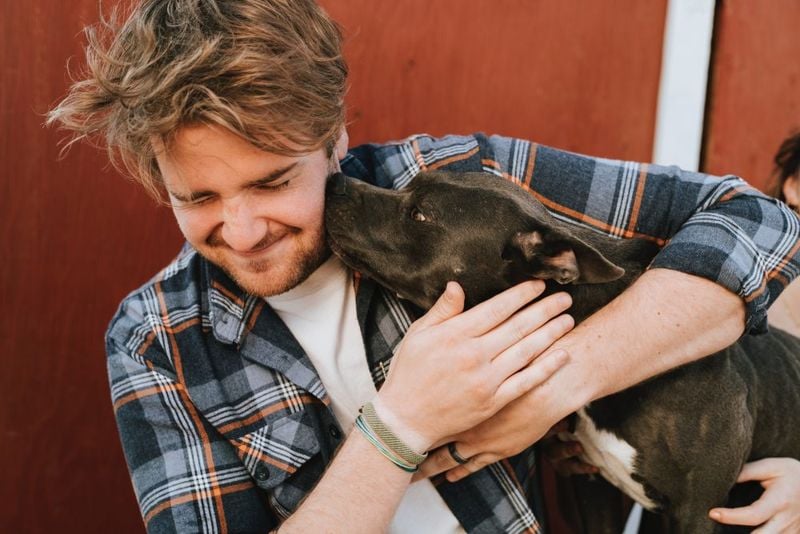
The secure attachment dogs form with their humans mirrors the psychological bonds between parents and children. Your dog doesn’t just like you—they form a deep psychological attachment that influences their sense of security in the world.
Researchers using the “Strange Situation Test” (originally designed for human infants) found dogs show the same patterns of secure attachment as children do. They use their owners as a secure base for exploration and show distinct stress responses when separated.
This attachment system requires sophisticated emotional processing and memory, allowing dogs to build complex emotional maps of their relationships—a cognitive skill that makes them particularly responsive to human emotional needs compared to more independent cats.
6. Communication Champions

A typical dog can learn hundreds of human words and commands, showing language comprehension that goes beyond simple training. They’re actually processing the meaning behind your words, not just responding to sounds.
Dogs naturally understand pointing gestures—something even chimpanzees struggle with—suggesting they’ve evolved specifically to comprehend human communication. When you point to something, your dog understands you’re trying to direct their attention to an object or location.
Even more impressive, they can learn words through inference, similar to how children learn language. If you introduce a new toy with a new name among familiar objects, many dogs can deduce which item the new word refers to—a sophisticated linguistic skill cats rarely demonstrate.
7. Emotional Growth Catalysts
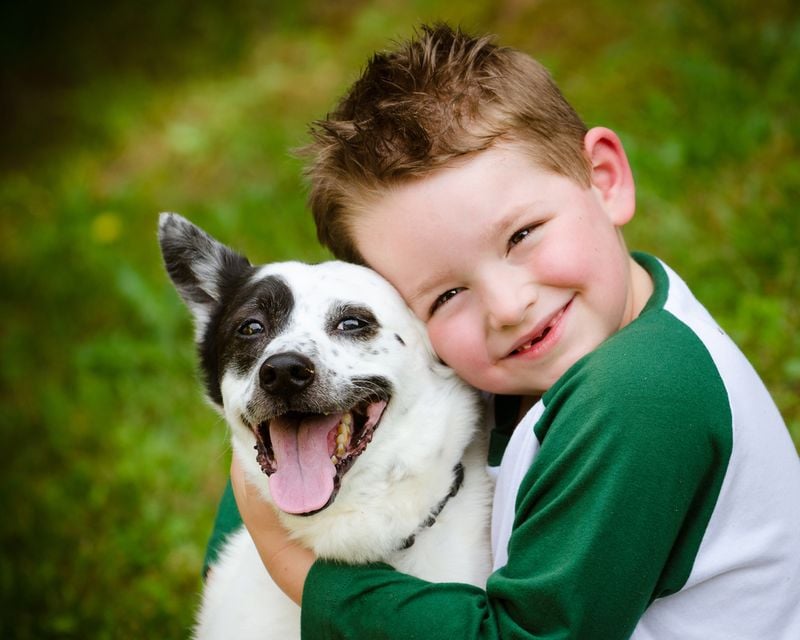
Dogs don’t just have emotions—they help develop ours too. Children who grow up with dogs often show higher emotional intelligence and empathy toward others, learning valuable lessons about caring for another being’s needs.
For adults, the responsibility of caring for a dog provides emotional regulation benefits. The routine of walking, feeding, and caring for a dog creates stability that can help manage anxiety and depression, while their constant emotional feedback helps humans become more attuned to nonverbal cues.
Unlike cats who require less interaction, dogs demand engagement that exercises our emotional muscles daily. Their need for consistent care and connection pushes us to develop greater emotional awareness and responsibility.
8. Silent Comfort Providers
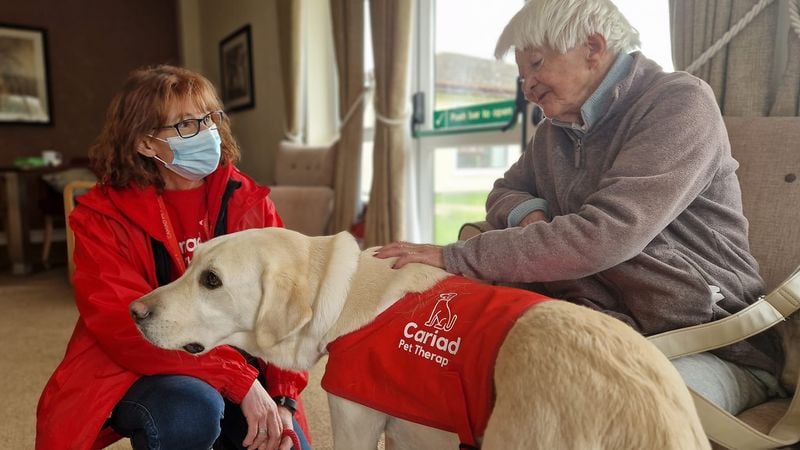
Perhaps the most remarkable emotional intelligence dogs display is their ability to provide comfort without words. They instinctively know when to lie beside you during illness, grief, or anxiety—offering their presence as silent support.
This isn’t random behavior. Dogs can detect subtle physiological changes that occur during emotional distress, from stress hormones to heart rate variations. They’ll often adjust their own behavior in response—becoming gentler, staying closer, or even placing their body weight against you in ways that provide pressure therapy.
While cats may cuddle when they want affection, dogs actively modify their comfort-giving behaviors based on your specific emotional needs—a sophisticated emotional response that demonstrates their unique understanding of human emotional states.