The 10 Most Adorable Dogs With the Worst Teeth

Dogs bring joy with their wagging tails and adorable faces, but some breeds face serious dental challenges despite their cuteness. Small breeds often struggle with overcrowded teeth, while others have genetic predispositions to dental disease.
Knowing which adorable pups commonly experience teeth troubles helps owners stay proactive about dental care, preventing pain and health complications down the road.
1. Yorkshire Terrier: Tiny Jaws, Big Problems

Yorkies may have silky coats and spunky personalities, but their miniature mouths create major dental headaches. These pint-sized pups often retain baby teeth while adult teeth emerge, creating a crowded, double-row appearance that traps food and bacteria.
Tartar builds up quickly on their tiny teeth, leading to gum disease as early as age two. Despite their feisty attitudes, many Yorkies suffer silently with painful teeth.
Regular brushing becomes challenging when these little divas decide they’ve had enough of your dental care attempts. Professional cleanings are typically necessary every 6-12 months to keep those tiny chompers functioning properly.
2. Chihuahua: All Attitude, Awful Teeth
Famous for their sassy personalities, Chihuahuas pack major dental issues into those tiny apple-shaped heads. Their mouths are simply too small for their teeth, creating overcrowding that’s practically guaranteed.
Food particles get trapped between tightly packed teeth, creating the perfect environment for bacteria to flourish. Many Chi owners discover their pup’s breath could wilt flowers long before noticing the underlying dental disease.
Rotting teeth often require extraction, with some senior Chihuahuas ending up completely toothless! Fortunately, these mighty mites adapt well to soft food diets and continue their reign as the world’s smallest big-personality dogs.
3. Pug: Squished Face, Squished Teeth
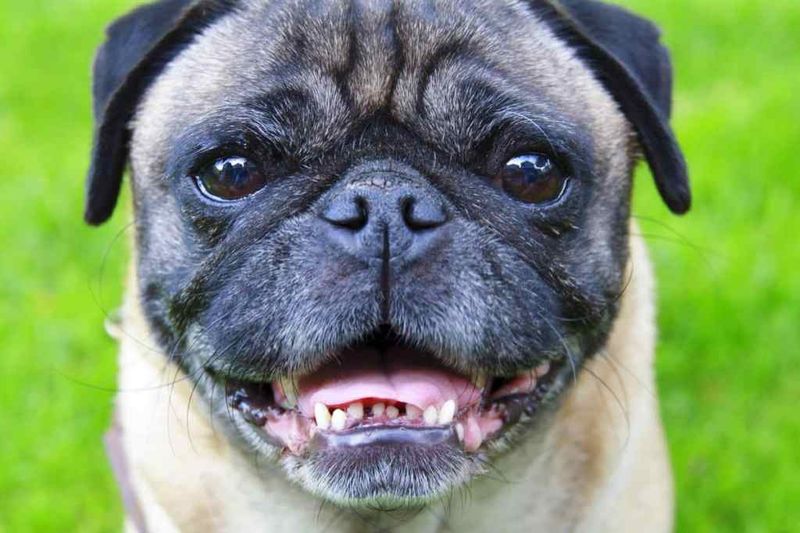
Those adorably wrinkled faces and expressive eyes make pugs irresistible, but their brachycephalic (flat-faced) structure creates a dental nightmare. Their shortened jaw crams normal-sized teeth into half the space, creating bizarre angles and overlaps.
Food gets trapped in these dental crevices, causing chronic bad breath and gum inflammation. Their trademark underbite might look cute, but it prevents teeth from aligning properly during chewing.
Pugs often struggle with teeth cleaning due to their breathing challenges when stressed. Their dental issues frequently lead to early tooth loss, though these happy-go-lucky dogs rarely let missing teeth dampen their enthusiasm for life’s pleasures.
4. Dachshund: Long Body, Lingering Dental Disease
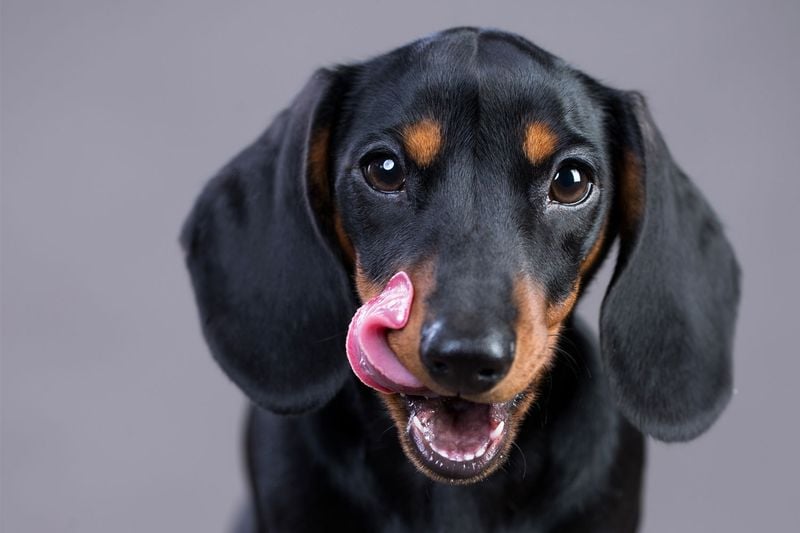
Dachshunds capture hearts with their sausage-shaped bodies and soulful eyes, but their narrow, elongated jaws create unique dental challenges. Their teeth often grow at odd angles, creating perfect hiding spots for plaque and bacteria.
Wiener dogs are particularly prone to periodontal disease, with studies showing nearly 80% develop serious gum issues by age three. Their stubborn personalities make tooth brushing sessions feel like negotiating with tiny furry dictators.
Senior dachshunds frequently develop loose teeth that require extraction. Early dental care is crucial for these long-bodied companions, as dental disease can potentially affect their notoriously vulnerable spinal health through spreading bacteria.
5. Toy and Miniature Poodles: Brilliant Minds, Bothersome Mouths
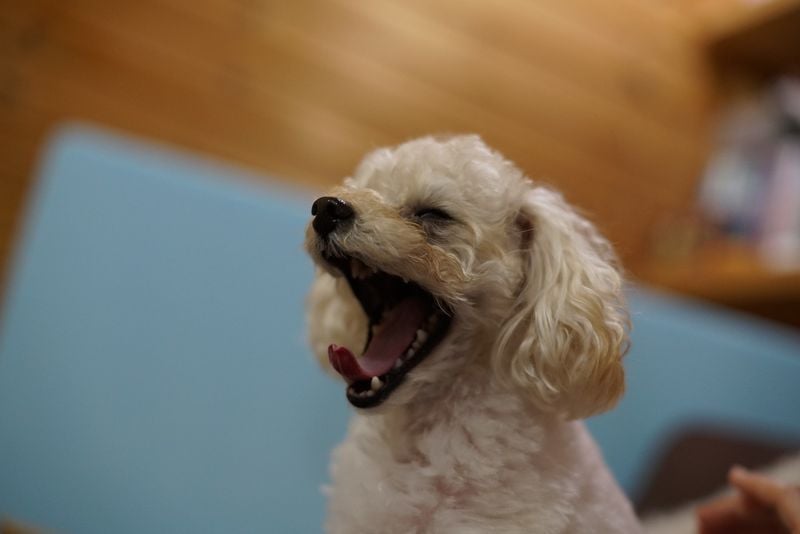
Toy and Miniature Poodles boast incredible intelligence wrapped in curly, hypoallergenic packages. Unfortunately, their sophisticated brains are paired with problematic mouths prone to excessive tartar buildup and early tooth decay.
Their small jaws create crowding issues, while their long lifespans mean dental problems compound over time. Many poodle owners notice their pup’s breath turning foul around age two, signaling the beginning of periodontal trouble.
These proud pooches often hide dental pain until it becomes severe. Regular professional cleanings are essential, as these elegant dogs can lose up to half their teeth by age ten without proper care, despite their otherwise healthy lifestyles.
6. Shih Tzu: Royal Appearance, Rotten Teeth Reality
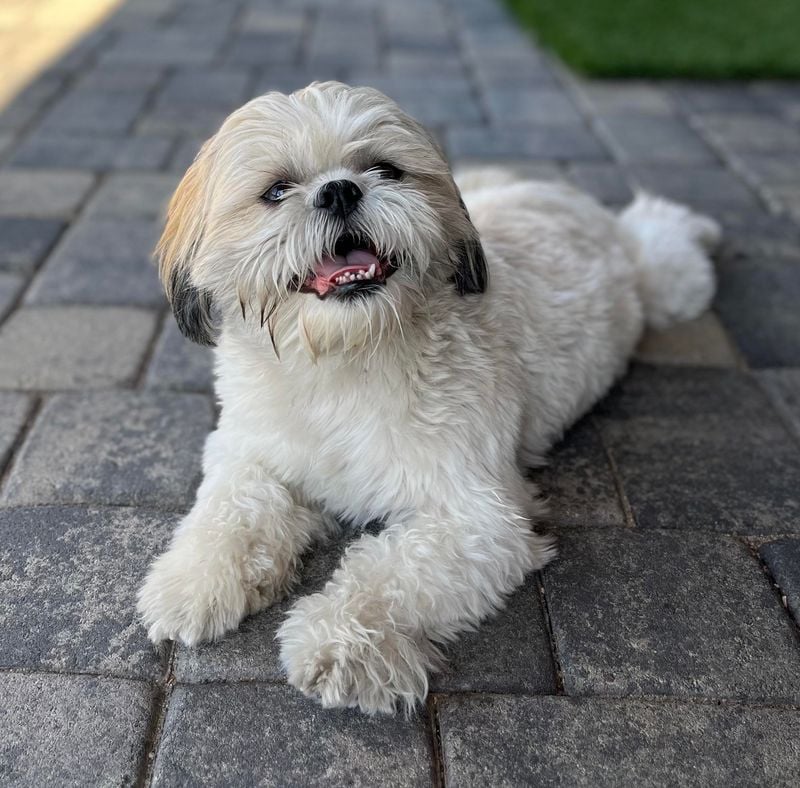
Shih Tzus carry themselves with regal dignity, their flowing coats and sweet faces masking serious dental disasters underneath. Their shortened faces and small jaws create a perfect storm for dental disease, with teeth often growing in bizarre patterns.
Food particles lodge between their crowded teeth, creating a breeding ground for bacteria. Many Shih Tzu parents discover their imperial companion’s dental issues only after noticing extremely bad breath or seeing them struggle to eat hard kibble.
These ancient Chinese companions often require multiple tooth extractions by middle age. Surprisingly resilient, most Shih Tzus adapt quickly to fewer teeth, continuing their centuries-old tradition of being loving lap dogs even with a compromised dental situation.
7. Maltese: Snow-White Fur, Problematic Pearly Whites
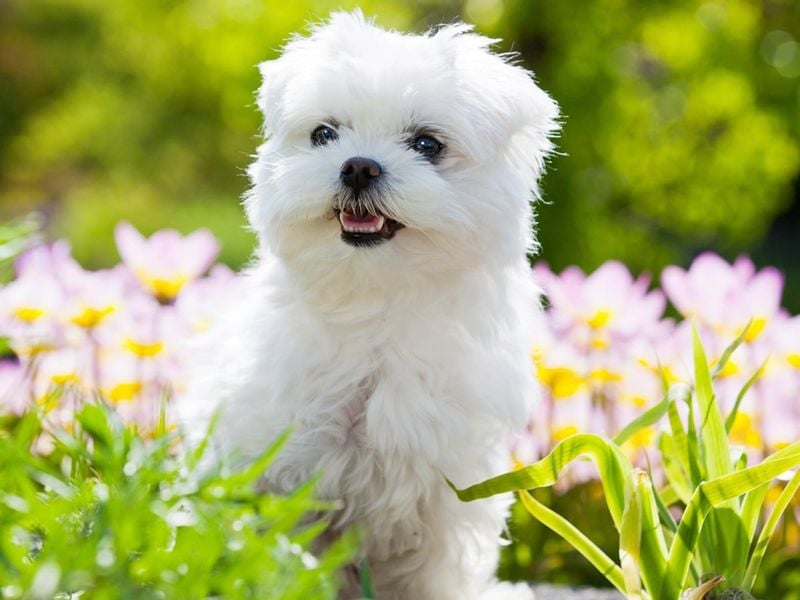
Maltese dogs enchant with their silky white coats and button-black eyes, but beneath those angelic exteriors lurk significant dental challenges. Their tiny mouths struggle to accommodate all adult teeth, creating overcrowding that traps food particles against the gumline.
Teeth roots are often shallow in this ancient breed, leading to premature tooth loss even with decent care. Their pure white appearance creates a stark contrast to the yellowish-brown tartar that rapidly accumulates on their teeth.
Many Maltese develop something called “Maltese mouth” – severe periodontal disease requiring multiple extractions. Owners should begin dental care routines from puppyhood, as these elegant companions often need professional cleanings several times yearly to maintain oral health.
8. Pomeranian: Fluffy Fox Face, Frightful Fangs
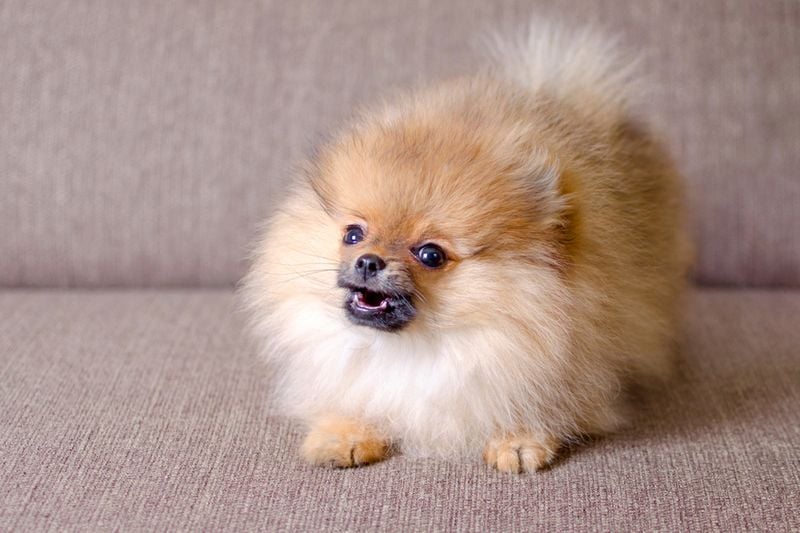
Pomeranians pack enormous personalities into tiny, fox-like packages topped with spectacular fur. Sadly, their dental situation rarely matches their fabulous appearance, with teeth often overcrowded in their miniature mouths.
These spunky little dogs frequently retain baby teeth alongside adult teeth, creating double rows that collect food and bacteria. Their thick double coats draw attention away from their mouths, allowing dental disease to progress unnoticed until severe.
Poms often develop loose teeth by middle age, with many seniors sporting adorably gummy smiles after necessary extractions. Their spirited temperaments rarely diminish even when dental pain is present, making regular checkups crucial for catching problems these brave little fluffballs would otherwise endure silently.
9. Cavalier King Charles Spaniel: Gentle Soul, Gingivitis Struggles
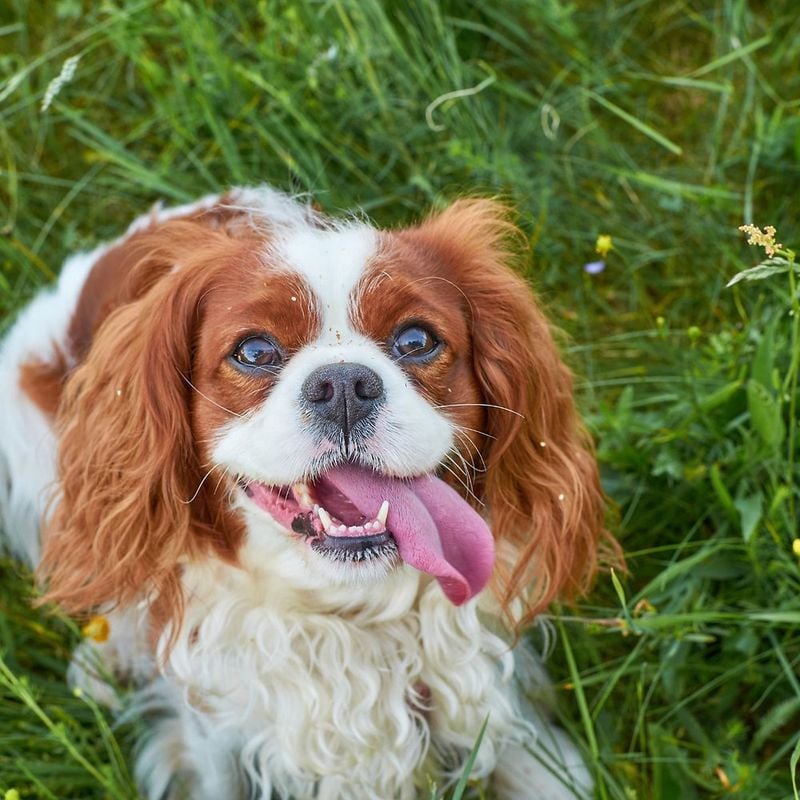
Cavalier King Charles Spaniels melt hearts with their soulful eyes and sweet expressions, but their mouths tell a different story. Their relatively flat faces combined with full-sized teeth create crowding issues that trap food particles against gums.
These gentle companions often develop severe gingivitis by age three, with their gums bleeding easily during play or chewing. Their famously kind temperaments mean they rarely complain even when dental pain becomes significant.
Many Cavaliers need teeth extracted before middle age. Their tendency toward heart issues makes dental care especially important, as bacteria from infected gums can enter the bloodstream and potentially worsen existing cardiac conditions in this beloved breed.
10. Bulldog: Wrinkled Wonder, Worrisome Teeth
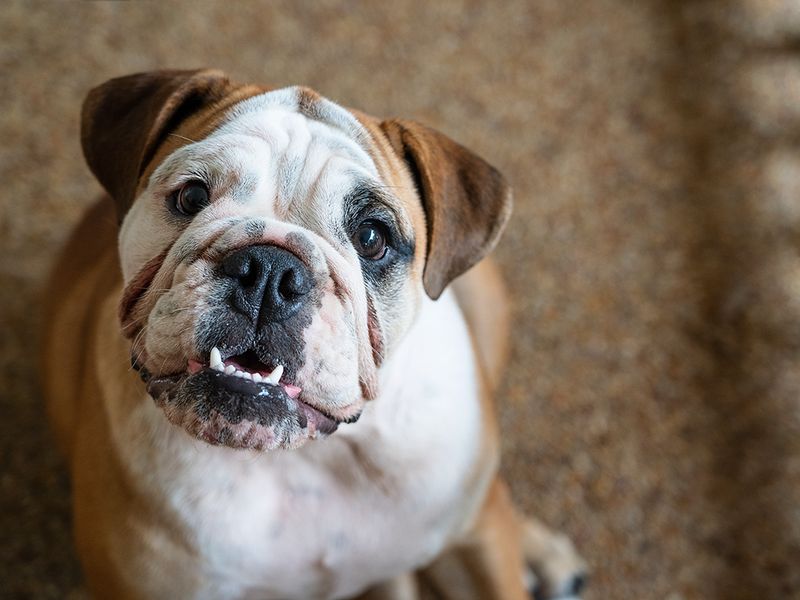
Bulldogs charm with their wrinkled faces and stocky builds, but their extreme brachycephalic structure creates dental chaos. Their lower jaws typically extend beyond their upper jaws, creating pronounced underbites where teeth jut out at odd angles.
Food regularly gets trapped in the twisted arrangement of their teeth, causing chronic halitosis and gum inflammation. Their facial wrinkles can trap moisture against their teeth and gums, creating perfect bacterial breeding grounds.
Many bulldogs struggle to keep their tongues fully in their mouths, further complicating dental health. Despite these challenges, these lovable lugs maintain their happy-go-lucky attitudes, though regular dental care is essential to prevent the painful abscesses these tough pups would otherwise stoically endure.