7 Simple Nutrition Habits That Could Add Years to Your Dog’s Life
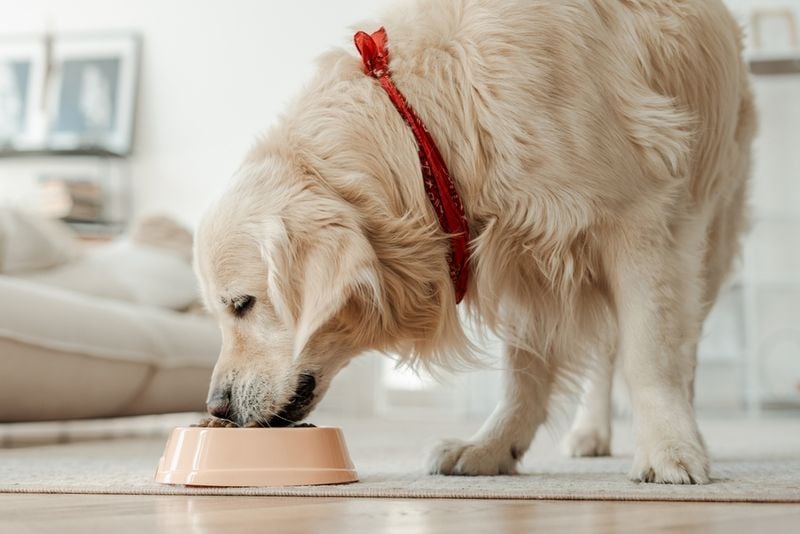
Our furry friends deserve the best care we can give them, especially when it comes to what goes in their food bowls. Just like humans, dogs thrive when they eat well and maintain healthy nutrition habits.
Making a few simple changes to how you feed your dog can potentially add extra healthy years to their life, giving you more time to enjoy walks, cuddles, and adventures together.
1. Choose Premium Dog Food with Real Ingredients
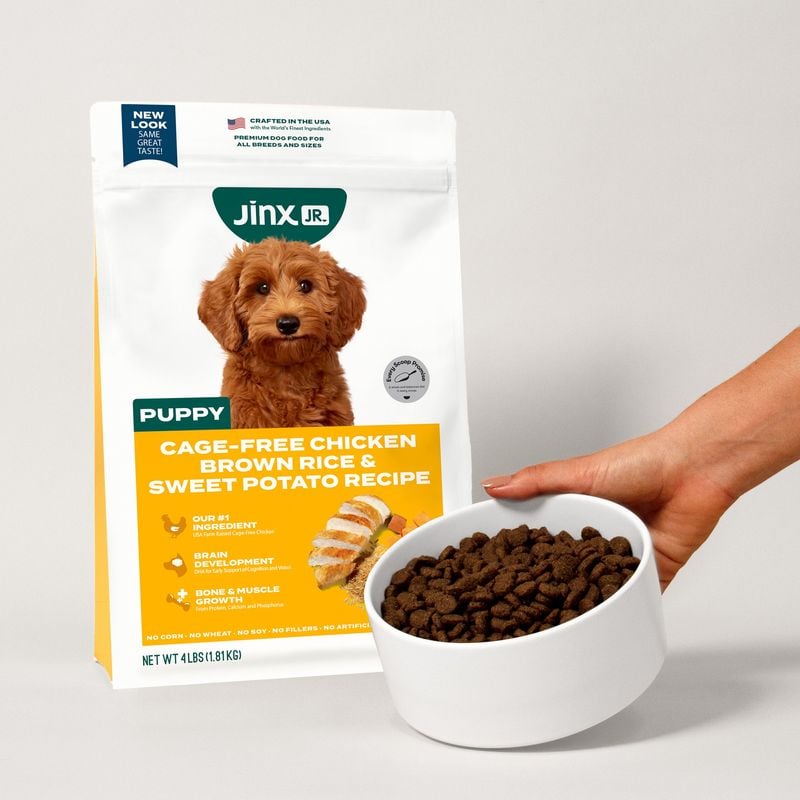
Reading dog food labels should become your new hobby. Look for products listing real meat as the first ingredient, not meat by-products or fillers like corn and wheat. Quality protein supports muscle maintenance while proper nutrients keep your pup’s coat glossy and immune system strong.
Many budget foods use artificial preservatives and colors that offer zero nutritional value. The investment in better food pays off through fewer vet visits and health issues down the road.
Remember that your dog’s nutritional needs change with age, activity level, and health conditions. Consult your vet about which formulation best suits your four-legged friend’s specific requirements.
2. Keep Your Pup at a Healthy Weight

Those puppy eyes begging for extra treats are hard to resist, but maintaining your dog’s ideal body weight might be the single most important factor for longevity. Veterinarians report that over half of pets are overweight, which can shorten lifespan by up to two years!
You should be able to feel your dog’s ribs without pressing hard, and see a defined waistline when viewing from above. Excess pounds stress joints and organs, leading to diabetes, heart disease, and arthritis.
Measure food portions using an actual measuring cup rather than eyeballing it, and adjust amounts based on activity level and age.
3. Boost Health with Omega-3 Fatty Acids
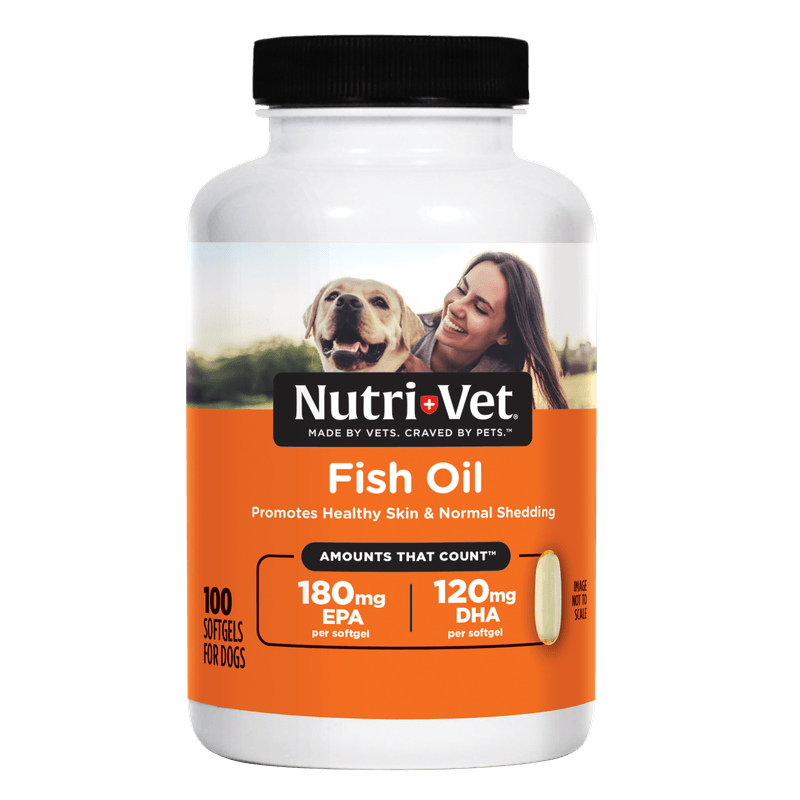
Fish oil isn’t just good for humans – it works wonders for dogs too! Adding omega-3 fatty acids to your dog’s diet improves skin health, reduces inflammation, and supports brain function. The glossy coat you’ll notice is just a bonus compared to the internal benefits.
Salmon, sardines, and fish oil supplements specifically formulated for dogs are excellent sources. For a 50-pound dog, about 1000mg of fish oil daily provides optimal benefits.
Beyond coat improvements, omega-3s help manage arthritis pain in older dogs and may even slow cognitive decline in senior pups. Always introduce supplements gradually and with veterinary guidance.
4. Establish Regular Feeding Times
Free-feeding (leaving food out all day) might seem convenient, but it often leads to overeating and obesity. Dogs thrive on routine, and scheduled meals help regulate their digestive systems and energy levels throughout the day.
Most adult dogs do well with two meals daily – breakfast and dinner. Puppies need more frequent feedings to support their rapid growth and high energy needs. Consistent timing helps with housetraining too, as dogs typically need to eliminate 20-30 minutes after eating.
An added bonus: regular mealtimes make it easier to spot when your dog’s appetite changes – often the first sign of illness that requires veterinary attention.
5. Add Fresh Produce for Vital Nutrients
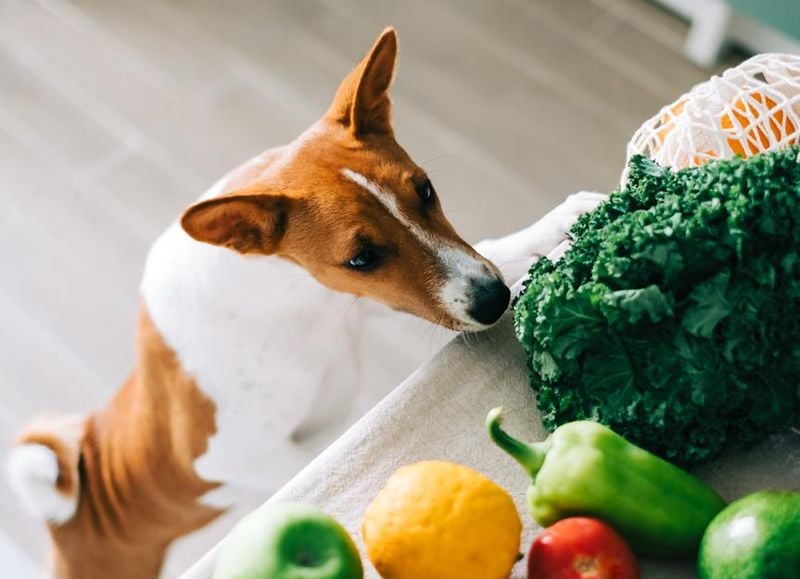
Brightening up kibble with fresh fruits and vegetables introduces natural antioxidants, fiber, and phytonutrients that commercial foods often lack. Carrots, blueberries, and pumpkin make excellent low-calorie treats while providing immune-boosting benefits.
Start small – about 10% of your dog’s diet can come from dog-safe produce. Always research before offering new foods, as some human favorites like grapes, onions, and avocados are toxic to dogs.
Frozen blueberries make refreshing summer treats, while steamed sweet potatoes provide digestive benefits. The fiber in fresh produce supports gut health, which scientists now recognize as crucial for overall wellbeing and longevity.
6. Replace Commercial Treats with Healthier Alternatives
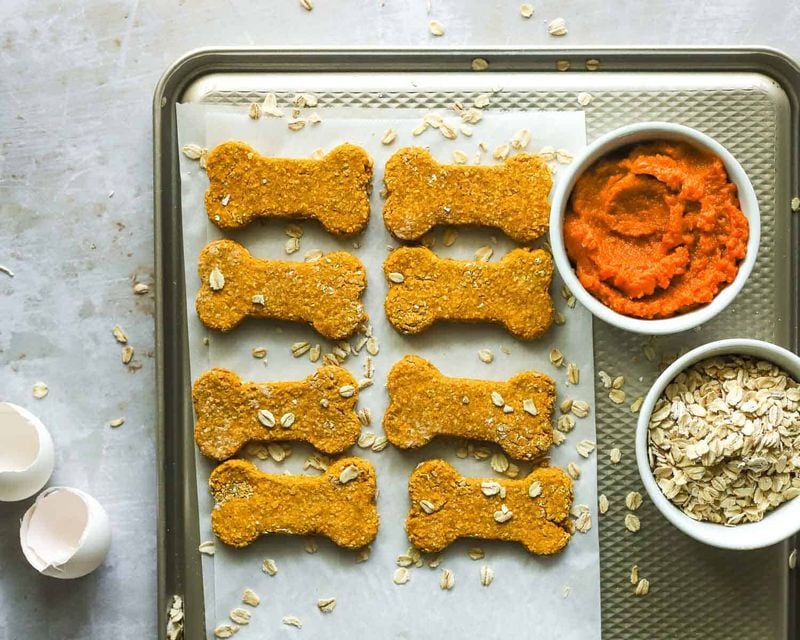
Many store-bought dog treats resemble fast food – high in calories, artificial preservatives, and mysterious ingredients. Reading labels often reveals shocking amounts of sugar, salt, and chemicals that contribute to obesity and inflammation.
Small pieces of cooked chicken, turkey, or dehydrated sweet potatoes provide protein and nutrients without the processed junk. For training sessions requiring many rewards, try using single pieces of regular kibble or tiny bits of carrots to prevent calorie overload.
Homemade treats let you control exactly what goes into your dog’s body. Simple recipes using pumpkin, peanut butter (xylitol-free), and oats create treats your dog will love without compromising their health.
7. Prioritize Fresh, Clean Water Access
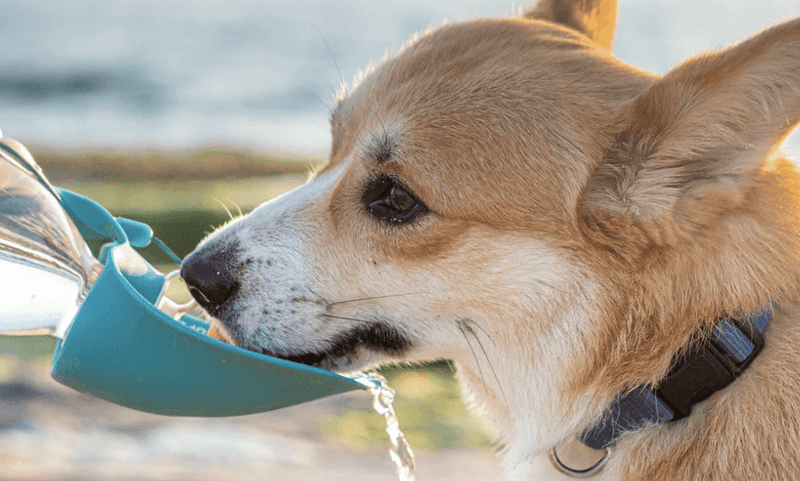
Water might seem too basic to mention, but proper hydration affects every aspect of canine health. Kidneys, digestive system, temperature regulation, and cognitive function all depend on adequate water intake. Many dogs don’t drink enough, especially seniors or those eating primarily dry food.
Wash water bowls daily to prevent bacterial growth that can cause digestive issues. Some dogs prefer running water, making pet fountains worth considering for reluctant drinkers.
Strategic placement of multiple water stations throughout your home increases consumption. During hot weather or increased activity, adding ice cubes or a splash of low-sodium chicken broth to water can encourage drinking and prevent dangerous dehydration.