
These 13 Dog Behaviors Are Actually Emotional Check-Ins

Dogs have amazing ways of communicating with us that go beyond simple barks and tail wags. When your furry friend displays certain behaviors, they’re often checking in on your emotional state or trying to connect with you.
Understanding these subtle signals can strengthen your bond and help you respond better to your dog’s needs. These emotional check-ins show just how tuned in our canine companions really are to our feelings.
1. Silent Stare
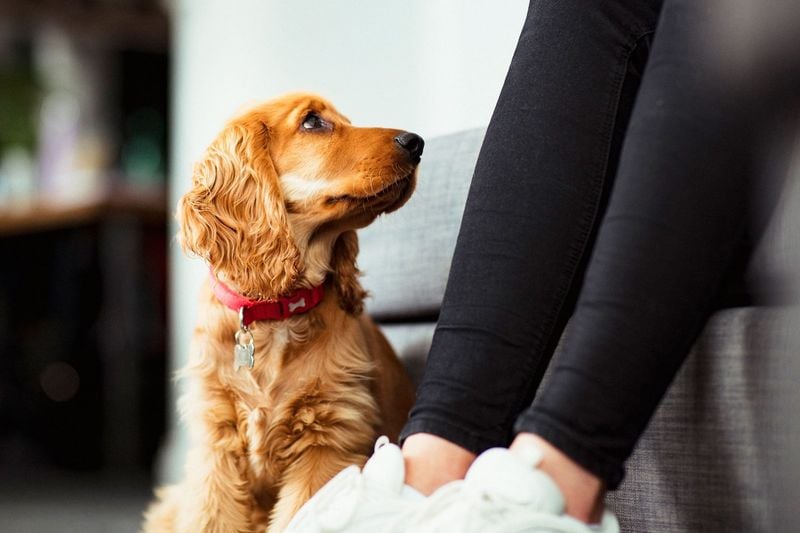
Your dog’s unwavering gaze isn’t just about begging for food. This focused attention serves as their way of reading your emotional state and connecting with you on a deeper level.
Studies show dogs can detect subtle changes in your facial expressions and body language during these quiet moments. They’re essentially taking your emotional temperature, checking if you’re happy, sad, or stressed.
Next time your dog locks eyes with you, try to appreciate this moment of connection. Responding with a gentle smile or soft words acknowledges their check-in and strengthens your bond. This silent communication is one of the most powerful ways dogs show they care.
2. Leaning Gently Into You
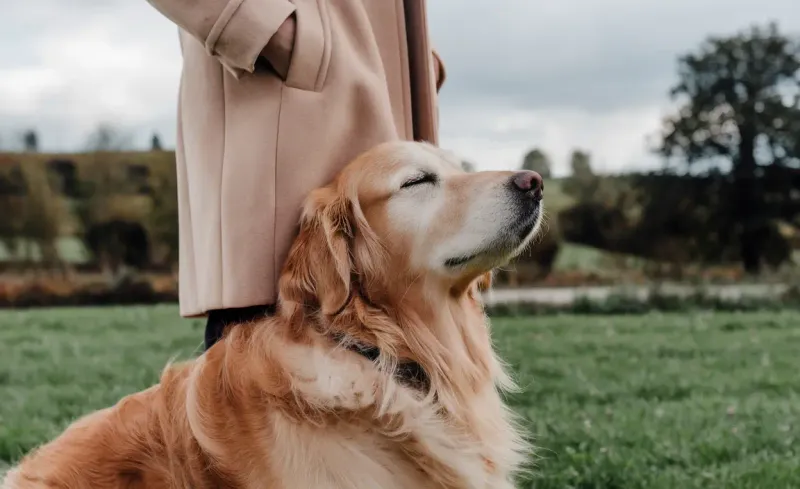
That sweet moment when your dog presses their body against yours isn’t just about physical comfort. Dogs lean into their humans as a genuine display of trust and emotional connection.
This behavior serves multiple purposes – they’re simultaneously seeking reassurance while also offering support. Many trainers and behaviorists consider leaning a form of canine empathy, especially when you’re feeling down or anxious.
The pressure from their warm body releases oxytocin in both of you, creating a mutual calming effect. Your pup is essentially saying, “I’m here with you” in the most physical way they know how. It’s their version of a heartfelt hug.
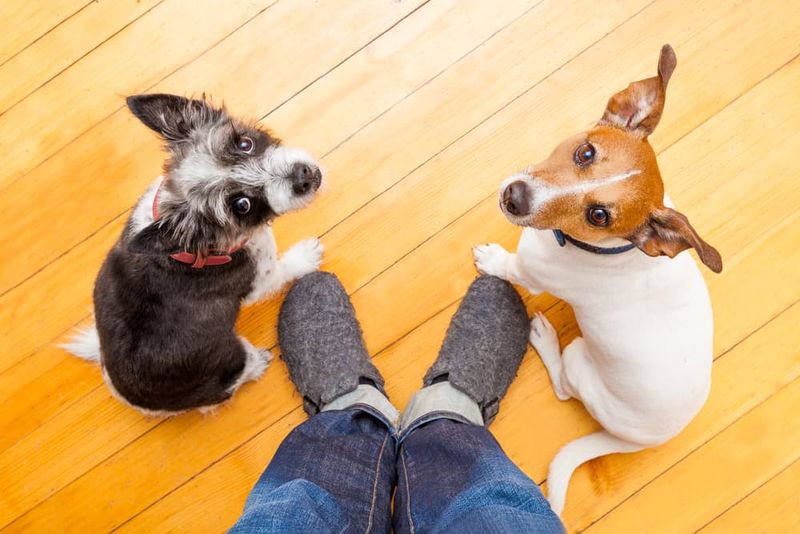
3. Strategic Sit (In Your Line of Sight)

When your dog plants themselves directly in your field of vision, they’re not being stubborn or demanding. This calculated positioning is their way of checking your emotional availability. Dogs are masters at reading human attention patterns.
By positioning themselves where you can’t miss them, they’re gauging your responsiveness and emotional state. Are you focused on work, feeling stressed, or open to interaction?
The strategic sit often happens during transitions in your day – when you finish a task or enter a new room. Your dog is essentially asking, “How are you feeling now? Are you ready to connect?”
This behavior shows remarkable social intelligence and their desire to stay emotionally synchronized with you.
4. Soft Sigh and Flop
That dramatic sigh followed by your dog flopping down nearby speaks volumes about their emotional state. This behavior is their way of releasing tension while staying connected to your energy.
The audible sigh often happens when they sense the household mood shifting – perhaps you’ve finally sat down after being busy, or the evening is winding down. It signals contentment but also serves as a check-in, as they’re watching for your reaction.
Their chosen flop location matters too. Dogs typically position themselves where they can monitor your movements while displaying vulnerability.
This combination of relaxation while maintaining awareness shows how they balance their need for rest with their desire to stay emotionally tethered to you.
5. Pacing or Circling Nearby
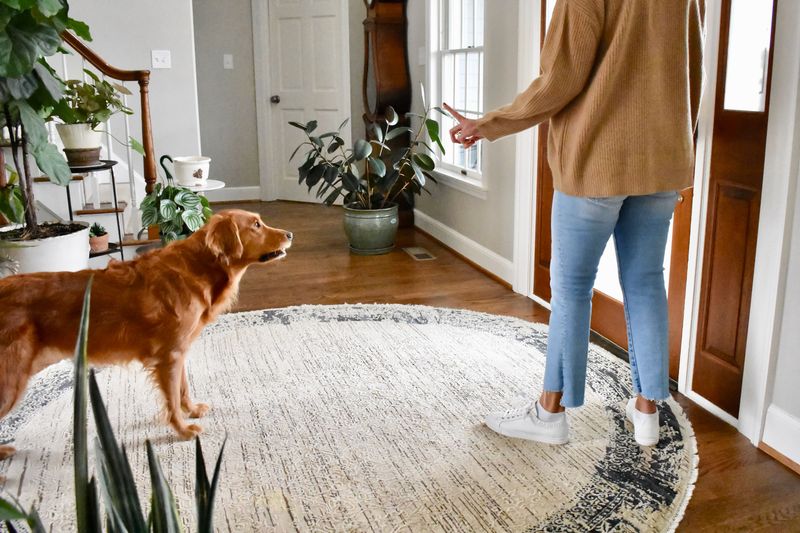
Your dog’s seemingly restless movement around you often carries deeper meaning than simple anxiety. This circling behavior serves as an active form of emotional monitoring, especially during times of change or uncertainty.
Dogs pace to gather information about your state of mind through scent, sound, and visual cues. They’re checking if you’re worried, excited, or calm – and adjusting their own emotional responses accordingly.
Many owners notice increased pacing when they’re feeling stressed or preparing to leave. Rather than discouraging this behavior, recognize it as your dog’s effort to stay emotionally aligned with you.
Their orbital movements create a protective space while allowing them to assess your needs, showing their remarkable sensitivity to your emotional wellbeing.
6. Bringing a Toy But Not Dropping It
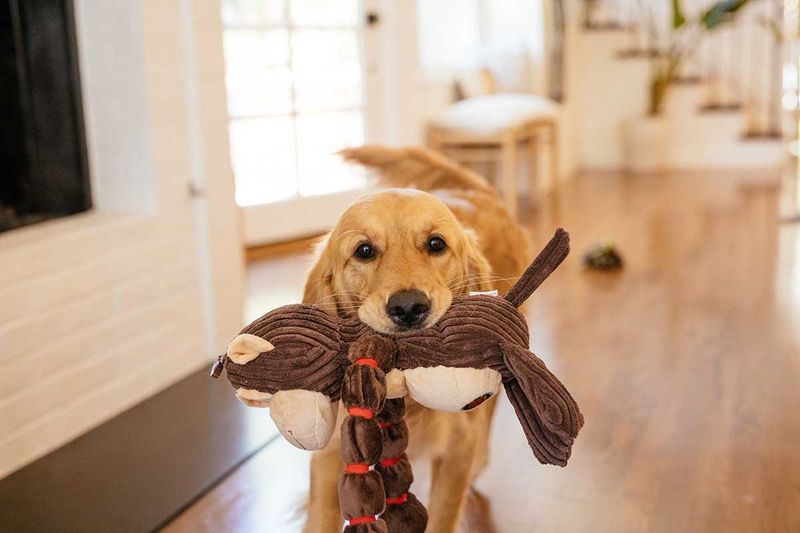
When your dog approaches with their favorite toy held firmly in their mouth but refuses to release it, they’re engaging in a nuanced emotional check-in. This isn’t simply interrupted play – it’s a deliberate social gesture.
The toy serves as a social buffer, giving them a reason to approach while gauging your mood. By holding onto it rather than dropping it for a game of fetch, they’re actually focused more on your emotional state than on playing.
Watch their eyes – they’re studying your face and body language. Many behaviorists see this as an evolved form of emotional intelligence.
Your dog is essentially asking, “Are you in the right headspace for interaction?” while giving you the option to engage or simply acknowledge their presence without demands.
7. Resting Their Head on You
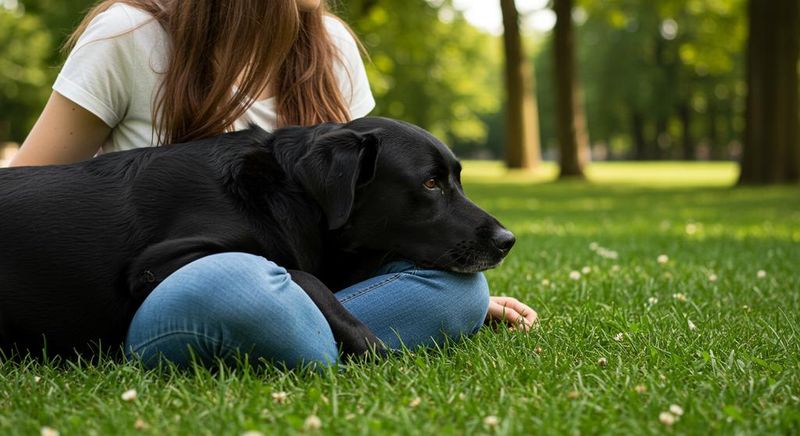
The gentle weight of your dog’s head on your lap or leg creates an immediate physical connection that goes beyond seeking attention. This deliberate point of contact allows them to literally feel your breathing patterns and muscle tension.
Dogs can detect subtle physiological changes through this touch – your heartbeat, body temperature, and even microscopic tremors when you’re anxious. The pressure also triggers oxytocin release in both of you, creating a feedback loop of bonding chemicals.
Many dogs specifically choose this behavior when their humans are sad or stressed. They instinctively know the head rest provides comfort while allowing them to monitor your emotional state. It’s their way of saying, “I’m monitoring how you’re feeling, and I’m here with you through it.”
8. One-Ear-Up Pose
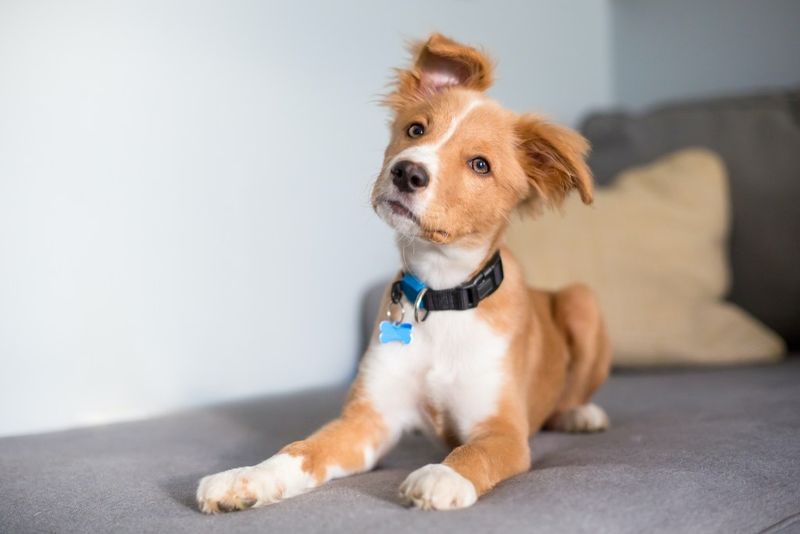
The adorable head tilt with one ear perked up isn’t just a cute photo opportunity. This distinctive posture represents your dog actively processing both your emotional cues and your verbal communication.
The raised ear is physically optimized to capture sound frequencies, while the tilted head adjusts their field of vision to better read your facial expressions. Research suggests this posture helps dogs process complex human emotions by gathering multi-sensory information simultaneously.
Many owners notice this behavior increases when they’re experiencing strong emotions or speaking in different tones. Your dog is essentially saying, “I’m trying to fully understand what you’re feeling right now.”
This concentrated effort to comprehend your emotional state shows remarkable empathy and social intelligence.
9. Slow Blinking
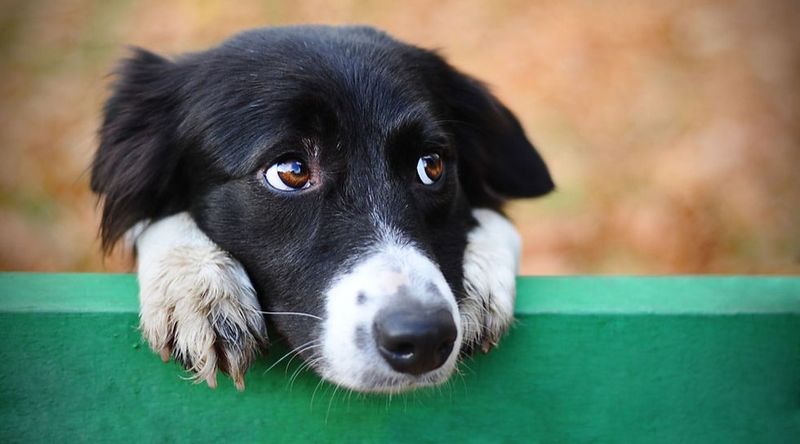
Those languid, deliberate blinks your dog gives you might seem like sleepiness, but they’re actually performing a sophisticated emotional check-in. Similar to the famous “slow blink” in cats, this eye behavior signals trust and emotional openness.
By temporarily closing their eyes in your presence, they’re demonstrating vulnerability and comfort with you. It’s particularly meaningful because dogs rely heavily on visual information for safety.
Many behaviorists interpret this as your dog saying, “I feel secure enough with you to briefly let my guard down.” The slow blink often happens during quiet moments of connection.
Try responding with your own slow blink – this mutual exchange creates a powerful moment of nonverbal communication that strengthens your bond while confirming emotional safety for both of you.
10. Licking the Air or Lips
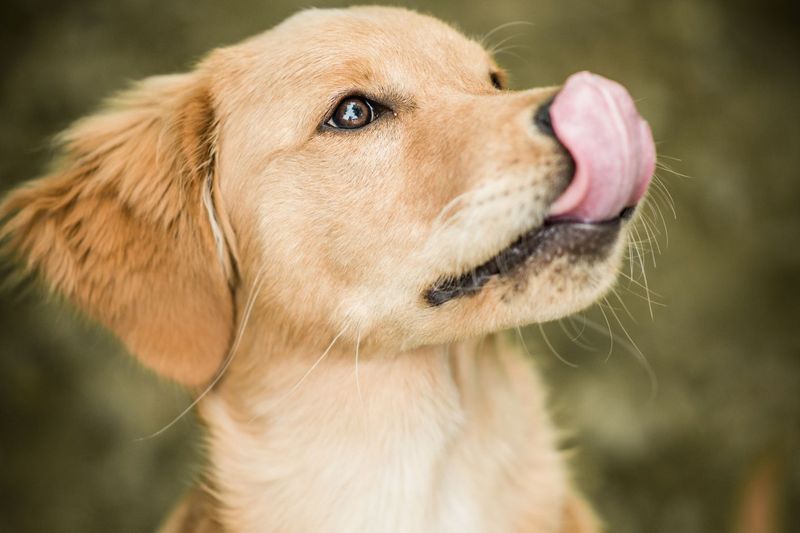
Those quick tongue flicks aren’t always about food or thirst. This subtle mouth movement serves as a stress-monitoring system for your emotional state and the overall environment.
Canine behaviorists identify lip licking as a calming signal – a way dogs diffuse tension and check for emotional stability. You might notice increased licking when voices are raised or when you’re showing signs of stress.
Your dog is essentially taking your emotional temperature while self-soothing. The behavior stems from puppyhood when they would lick their mother’s mouth to request regurgitated food.
In adult dogs, it has evolved into a sophisticated social tool. Recognizing this behavior as their attempt to gauge and possibly improve the emotional atmosphere can help you respond appropriately to their concern.
11. Following You From Room to Room Silently
Your canine shadow isn’t just being clingy when they follow you throughout the house without making a sound. This quiet tracking behavior represents their ongoing emotional monitoring system at work.
Dogs who shadow their humans are collecting continuous data about your emotional state through scent, sight, and sound. They’re not necessarily seeking attention – they’re maintaining an unbroken emotional connection.
Many owners notice this behavior increases during times of illness or emotional upheaval. Research suggests this following behavior evolved from pack animals needing to stay synchronized with group movements and emotions.
Your dog is essentially saying, “I’m keeping our emotional connection active by staying aware of your state.” This persistent but undemanding presence shows their deep investment in your wellbeing.
12. Yawn Mimicking

When your dog yawns right after you do, they’re not just tired – they’re demonstrating a fascinating form of emotional mirroring. This contagious yawning indicates a high level of empathy and emotional attunement.
Research shows dogs are more likely to catch yawns from their owners than from strangers, suggesting a special emotional connection. The mimicry helps synchronize your emotional states and strengthens your bond.
It’s their way of saying, “I’m so connected to you that I physically respond to your signals.” Interestingly, dogs who yawn after their humans show higher scores on other measures of empathy too.
This subtle behavior reveals how deeply they’re monitoring your emotional cues and physiological states. Next time it happens, appreciate this small but significant sign of your shared emotional wavelength.
13. Gentle Nose Nudges

That soft bump from your dog’s nose isn’t merely attention-seeking behavior. These deliberate nudges serve as tactile emotional check-ins, creating a moment of connection while gathering information about your state of mind.
Dogs have incredibly sensitive noses that can detect subtle changes in your body chemistry when you’re stressed, sad, or even ill. The physical touch also allows them to gauge your responsiveness and emotional availability.
Many owners notice increased nudging during times of emotional distress. The location of the nudge matters too – hands are about engagement, while nudges to your face or neck suggest deeper concern.
Your dog is essentially asking, “How are you feeling right now?” while simultaneously offering comfort through physical contact. This gentle gesture bridges the communication gap between species.


