6 Healthy Feeding Habits That Extend Your Dog’s Lifespan

Every dog owner dreams of a long, healthy life for their furry friend. While genetics play a role, your dog’s diet is a vital factor in its longevity.
Adopting the right feeding habits can significantly enhance your pet’s quality of life and extend those happy years together. Here, we explore six key feeding practices that contribute to a dog’s health and wellbeing.
1. Stick to a Consistent Feeding Schedule
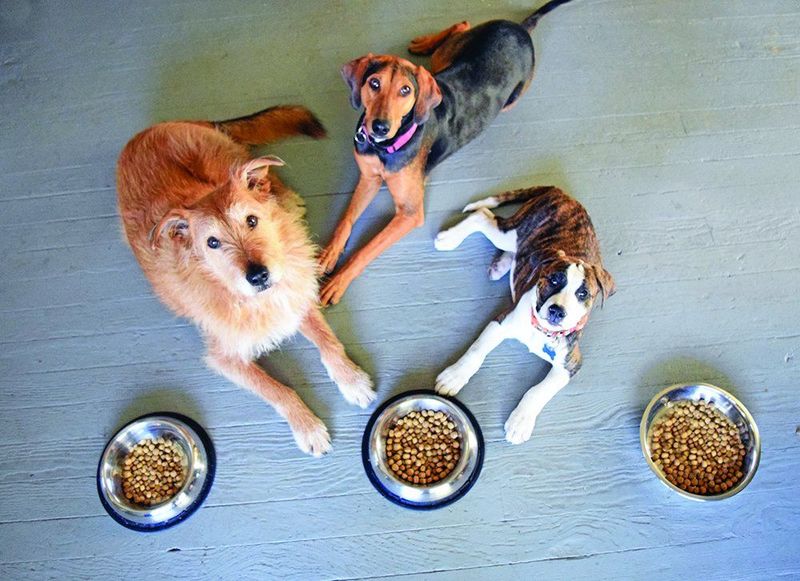
Dogs thrive on routine. Feeding your dog at the same times every day supports healthy digestion, stabilizes metabolism, and reinforces positive behavior patterns.
Avoid free-feeding, which can lead to overeating and weight gain. Routine meals help establish a predictable schedule that dogs find comforting.
This practice not only aids in maintaining a balanced weight but also strengthens the bond between you and your pet.
Consistency in feeding times can make training easier. Dogs are more likely to listen and respond when they know meal times are consistent. This creates a harmonious household environment.
2. Portion Control Is Key
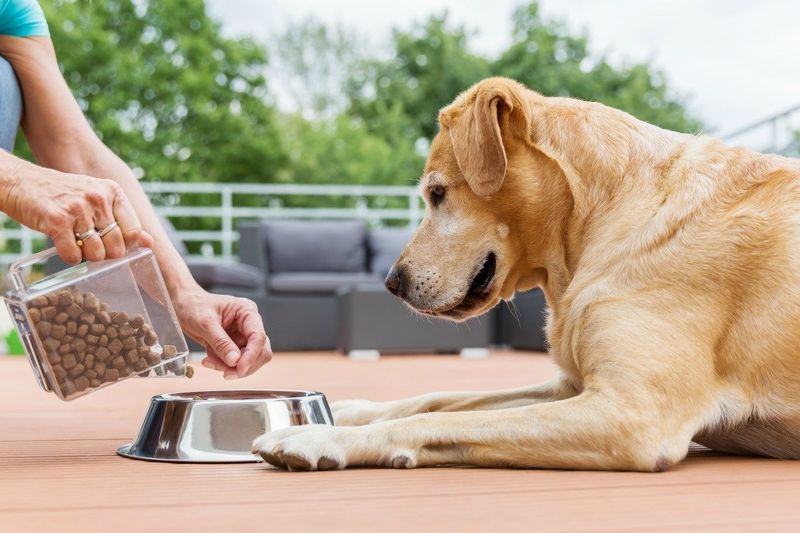
Overfeeding is one of the leading causes of obesity-related health problems in dogs. Use your dog’s age, breed, activity level, and weight as guides, and consult your vet regularly to adjust portion sizes as needed.
Appropriate portion control prevents excessive calorie intake, reducing risks of diabetes and heart disease.
By managing portions, you ensure your dog maintains a healthy weight, leading to increased energy levels and improved joint health.
This practice also helps in monitoring food allergies. Knowing exact amounts can aid in identifying triggers.
Remember, a healthy diet is balanced, not excessive.
3. Choose High-Quality, Balanced Foods
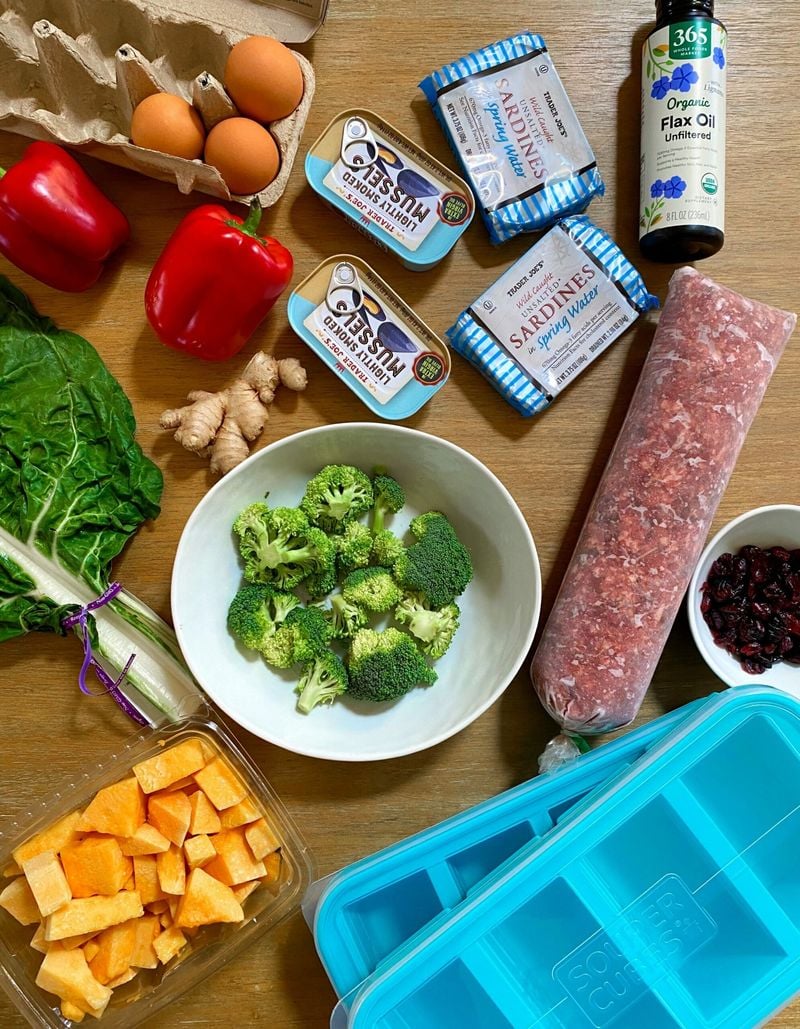
Avoid filler-heavy kibble. Opt for foods rich in lean protein, healthy fats, and essential vitamins. Whole-food-based diets—whether commercial or home-prepared with veterinary guidance—can promote longevity and energy.
High-quality foods support a glossy coat, strong teeth, and vibrant energy levels.
When selecting dog food, look for labels that list meat as the first ingredient, indicating higher quality.
Incorporating a diverse range of nutrients helps in supporting immune function. Variety keeps meals exciting, reducing picky eating habits.
Choose brands committed to quality and transparency.
4. Limit Treats and Table Scraps
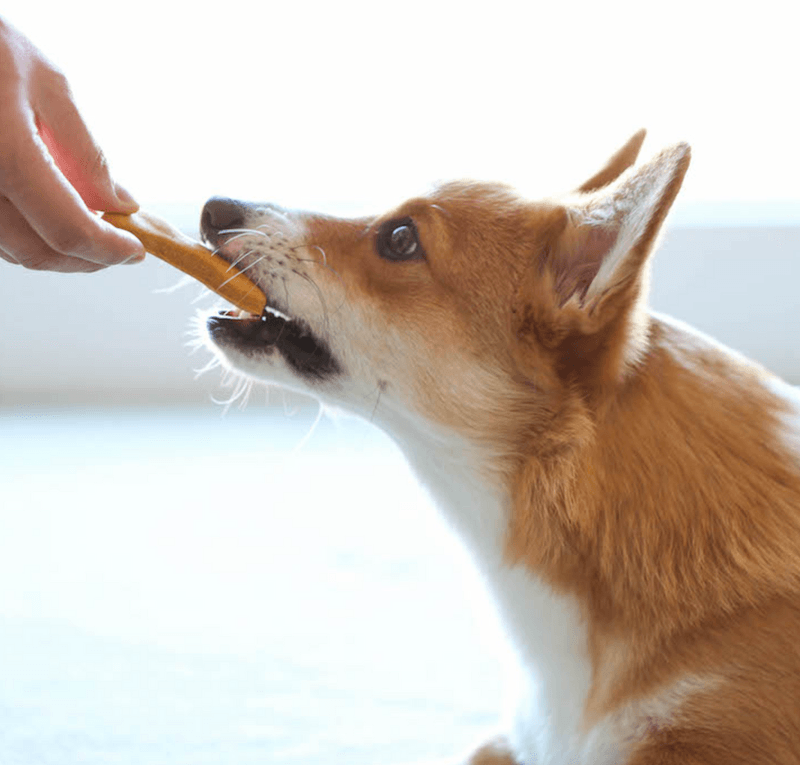
It’s tempting to spoil your pup, but too many treats (especially human foods) can disrupt their nutritional balance and increase the risk of pancreatitis or other diseases. Use healthy, low-calorie options instead.
Limiting treats teaches discipline and encourages better eating habits. A treat should be a reward, not a regular expectation.
By controlling treats, you prevent weight gain and related health issues. Choose natural treats that provide nutritional benefits.
Engage your dog with toys or walks as alternative rewards. This stimulates their mind and body, enhancing wellbeing.
5. Incorporate Hydration Into the Routine
Always provide access to fresh, clean water. Wet foods can also support hydration, especially for older dogs or those in hot climates. Dehydration can lead to kidney problems and other health issues.
Hydration is crucial for digestion and nutrient absorption. Dogs playing or exercising in the sun lose fluids more quickly.
Encourage drinking by placing bowls in different areas and keeping water bowls clean. Consider interactive water fountains to entice drinking.
Hydrated pets are happier and healthier, with improved skin and coat conditions.
6. Monitor for Food Sensitivities

Allergies and intolerances can go unnoticed. If your dog shows signs of itching, gastrointestinal upset, or chronic ear infections, consider working with a vet to identify triggers and tailor their diet accordingly.
Food sensitivities can lead to discomfort and behavioral changes. Early detection is key.
Regular vet check-ups allow for dietary adjustments. An elimination diet might be necessary to pinpoint issues.
Being proactive ensures your dog enjoys meals without adverse reactions, maintaining its vitality and happiness.