17 Ways to Show Your Dog You Understand Their Needs
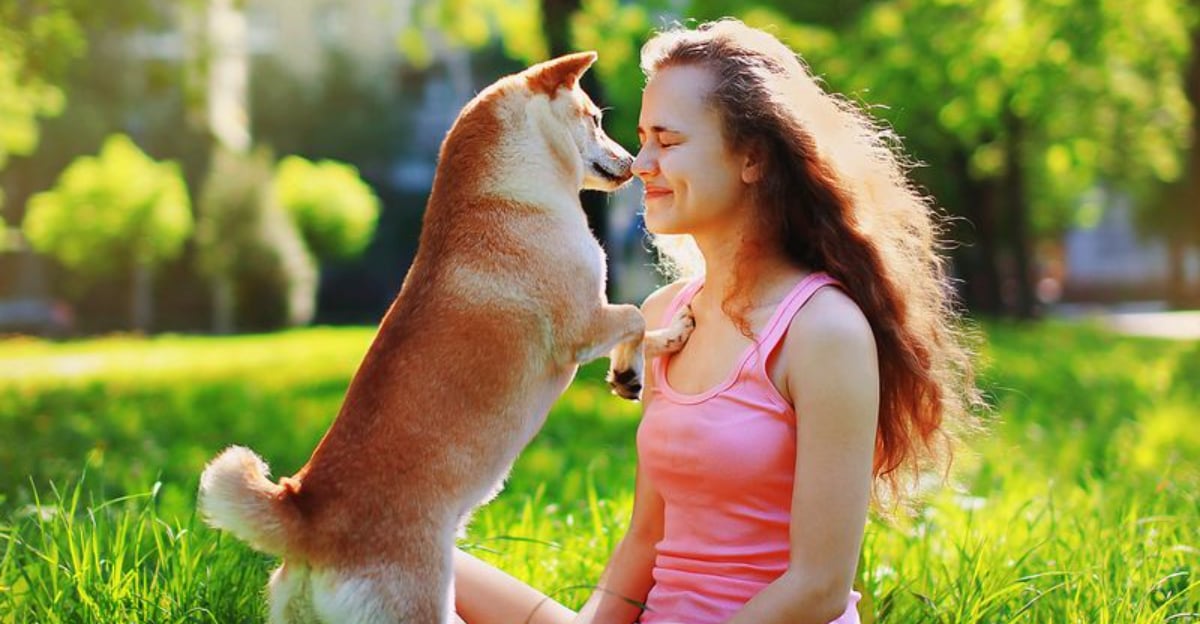
Dogs communicate with us every day, but sometimes we miss their subtle signals. Building a strong bond with your furry friend means truly understanding what they need to feel happy, healthy, and secure.
When you make the effort to see the world from your dog’s perspective, you’ll create a relationship based on trust and mutual respect.
1. Learn Their Body Language
Dogs speak volumes without saying a word. A wagging tail doesn’t always mean happiness—it could signal nervousness or excitement. Watch how your pup holds their ears, the position of their tail, and the look in their eyes.
Take note when they freeze, yawn when not tired, or lick their lips without food nearby—these are stress signals. The more you observe these signals, the better you’ll respond to their needs.
Your dog will feel understood when you recognize their discomfort in crowds or their joy when meeting a friendly dog. This silent communication builds trust between you.
2. Stick to a Routine
Dogs thrive on knowing what comes next in their day. Regular meal times, consistent potty breaks, and predictable walk schedules help your dog feel secure and less anxious about when their needs will be met.
Morning walks followed by breakfast, afternoon playtime, and evening cuddles create a rhythm your dog can count on. This predictability is especially important for rescue dogs who may have experienced chaos before coming to your home.
When changes must happen, try to keep parts of the routine intact so your dog maintains some sense of normalcy and control in their world.
3. Provide Enrichment Toys
Mental stimulation is just as important as physical exercise for dogs. Puzzle toys, treat-dispensing balls, and snuffle mats tap into your dog’s natural problem-solving abilities and keep boredom at bay.
Rotate toys weekly to maintain interest and challenge. Some dogs love toys that squeak or crinkle, while others prefer toys they can take apart or ones that dispense treats as rewards for figuring them out.
When you provide these mental workouts, you’re acknowledging your dog’s intelligence and need for brain games. This mental exercise often results in a calmer, more satisfied pet who’s less likely to develop destructive habits.
4. Make Eye Contact (Gently)
Soft eye contact builds connection between you and your dog. Unlike with humans, staring directly can feel threatening to dogs, but gentle glances communicate love and attention.
Try the “soft eyes” technique—look at your dog with relaxed eyelids and a calm expression. When your dog meets your gaze voluntarily, it shows they trust you and feel safe.
Many dog trainers recommend playing the “eye contact game” where you reward your pup with treats or praise when they choose to look at you. This positive association helps your dog understand that connecting with you is valuable and rewarding.
5. Respect Their Space
Every dog needs a sanctuary where they can retreat when feeling overwhelmed or tired. Whether it’s their crate, bed, or favorite spot under the table, this space should be off-limits to children and other pets when your dog is using it.
Watch for signs your dog wants alone time—they might walk away from interaction, hide, or go to their special place. Teaching children and visitors to honor this boundary shows your dog you understand their need for occasional solitude.
This respect builds trust and prevents stress-related behaviors like growling or snapping when your dog feels cornered or unable to escape unwanted attention.
6. Use Positive Reinforcement
Dogs flourish when good behavior earns rewards instead of bad behavior earning punishment. Praise, treats, toys, and affection tell your dog exactly what you like, making communication clear and fun.
When your dog sits politely instead of jumping, reward them immediately so they connect the action with the positive outcome. This approach builds confidence rather than fear and strengthens your bond through shared success.
Remember that timing matters—rewards should come within seconds of the desired behavior. Your excitement and genuine happiness when your dog gets it right are powerful motivators that show you appreciate their efforts to please you.
7. Play Their Favorite Games
Every dog has games they absolutely love. Some go crazy for fetch, others prefer tug-of-war, and some enjoy hide-and-seek with their favorite toys or treats.
Taking time to play these preferred games shows you value what brings your dog joy. Pay attention to the play style your dog naturally gravitates toward—some dogs love rough-and-tumble play while others prefer gentler games.
Playing together releases endorphins for both of you, creating positive associations and strengthening your bond. Even just 10-15 minutes of focused playtime daily can make a huge difference in your dog’s happiness and behavior.
8. Let Them Sniff on Walks
A dog’s nose is their window to the world. While we experience life primarily through sight, dogs gather information through scent. Allowing your dog to stop and sniff during walks gives them mental stimulation and satisfaction.
Consider having different types of walks—sometimes for exercise where you keep a steady pace, and other times for “sniffari” adventures where your dog leads the way with their nose. This balance meets both their physical and mental needs.
Rushing your dog past interesting smells is like forcing someone to sprint through an art museum without looking at the paintings. Patience during sniff time shows you understand what makes your dog’s world rich and meaningful.
9. Provide a Safe Space
Creating a designated haven for your dog offers security when life gets overwhelming. This might be a crate with comfortable bedding, a corner with their favorite blanket, or a specific room where they can retreat.
During thunderstorms, fireworks, or when guests visit, this safe space becomes crucial for your dog’s emotional wellbeing. Add items with your scent and their favorite toys to make it extra comforting.
Never use this space for punishment or timeout. When your dog chooses to go there, respect their need for downtime and teach others in your household to do the same—this shows you understand when they need a break from stimulation.
10. Use a Gentle, Consistent Voice
Dogs are incredibly sensitive to our tone of voice. Using a calm, gentle tone helps your dog feel secure, while harsh or loud voices can create anxiety and confusion.
Consistency matters too—using the same words for commands helps your dog understand exactly what you want. Your dog will appreciate knowing that “sit” always means the same thing, regardless of who says it or where you are.
Many dogs respond especially well to a higher-pitched, cheerful voice for praise and a lower, steady tone for direction. Paying attention to how your voice affects your dog’s response shows you’re tuned in to their emotional needs.
11. Practice Consent-Based Petting
Not all dogs enjoy being touched the same way or at the same times. Consent-based petting means asking your dog if they want affection before giving it.
Try the “pet, pause, wait” method—briefly pet your dog, pause, then see if they nudge you for more or move away. Watch for signs they’re enjoying touch: leaning in, relaxed muscles, and soft eyes versus pulling away, tensing up, or showing whale eye (when you can see the whites of their eyes).
Respecting when your dog doesn’t want physical affection builds trust. They’ll learn you won’t force unwanted handling, making them more likely to seek affection when they do want it.
12. Take Time to Train Together
Training isn’t just about teaching commands—it’s about learning to communicate clearly with each other. Short, positive training sessions build your dog’s confidence and strengthen your connection.
Focus on one skill at a time, using rewards your dog truly values. Some dogs work for treats, while others prefer toys or praise.
Remember that training is a two-way street—you’re learning to read your dog while they learn to understand you. Celebrating small victories together creates trust and mutual respect. Even five minutes of training a few times daily can be more effective than long, frustrating sessions.
13. Watch for Signs of Pain or Discomfort
Dogs often hide pain as a survival instinct, making it crucial to notice subtle changes in their behavior. A dog who suddenly avoids stairs, seems stiff after resting, or shows less enthusiasm for walks may be experiencing discomfort.
Other signs include changes in appetite, unusual aggression when touched in certain areas, excessive licking of one spot, or altered sleeping patterns. Being attentive to these changes shows you’re committed to their wellbeing.
Quick veterinary attention for these symptoms demonstrates you take their health seriously. Remember that behavior changes often have physical causes—your once-cuddly dog who now growls when picked up might be hurting, not suddenly stubborn.
14. Adjust to Their Age and Energy Level
A puppy needs different care than a senior dog, and a border collie has different exercise needs than a bulldog. Tailoring activities to your dog’s specific age, breed, and individual energy level shows deep understanding of their needs.
Young dogs often need multiple play sessions and training throughout the day, while older dogs may prefer shorter, gentler activities with more rest time. Watch for cues that your dog is satisfied versus when they need more stimulation.
Being flexible as your dog ages demonstrates your commitment to their changing needs. The high-energy pup who once needed hour-long runs may eventually appreciate slow sniffy walks and more mental enrichment as they grow older.
15. Give Them Purpose
Dogs evolved alongside humans as working partners, and many still crave having a job to do. Even companion dogs benefit from activities that make them feel useful and engaged.
For herding breeds, games like gathering toys into a basket can satisfy instinctual drives. Retrievers often love carrying items for you, while scent hounds enjoy finding hidden treats. These purposeful activities tap into your dog’s natural abilities.
Simple tasks like carrying their leash or helping pick up their toys can give your dog a sense of contribution to your shared life. Recognizing this need for purpose shows you understand their desire to work with you as a team.
16. Be Present During Vet Visits
Veterinary visits can be stressful for dogs, but your calming presence makes a world of difference. Speaking soothingly and offering gentle touches helps your dog feel protected in an unfamiliar environment.
Before appointments, help your dog associate the carrier or car with positive experiences through treats and short practice trips. During exams, position yourself where your dog can see you and maintain a relaxed demeanor—dogs pick up on our anxiety.
Advocating for your dog by requesting gentle handling or breaks when needed shows you’re their trusted guardian. This support during vulnerable moments strengthens your bond and demonstrates your commitment to their wellbeing even in challenging situations.
17. Celebrate Their Unique Personality
Every dog has quirks that make them special—whether it’s your retriever who carries a toy everywhere or your terrier who arranges their bed just so before sleeping. Embracing these traits rather than trying to change them honors your dog’s individuality.
Notice what makes your dog happiest and incorporate more of those elements into their life. Some dogs love meeting new people while others prefer the company of just their family.
Taking joy in your dog’s particular preferences and accepting them for exactly who they are creates a relationship based on authentic appreciation. This unconditional acceptance is perhaps the greatest gift we can offer our canine companions.