16 Things You Should Know In Case Your Dog Passes Away at Home
Losing a dog is one of the most heartbreaking experiences a pet owner can face—especially when it happens unexpectedly at home.
In that moment, you’re not just grappling with sorrow; you’re also faced with decisions you may never have prepared for.
What should you do first? Who should you call? And how can you handle your pet’s remains respectfully while also taking care of your own grief?
This guide walks you through the practical and emotional steps to take in the event your dog passes away at home. From confirming their passing to honoring their memory, every step is here to support you during this incredibly painful time.
You’re not alone, and it’s okay to take it one moment at a time.
1. Stay Calm and Take a Moment to Grieve

Before taking action, allow yourself a moment of stillness and emotional processing. You just lost a family member. This intimate pause is essential for your emotional well-being, providing a space to let initial grief wash over you in a healthy way.
Breathing deeply and sitting quietly in your dog’s favorite spot can be a comforting tribute. Remembering happy times and treasuring memories can be a gentle first step in the healing process. Allow the tears to flow.
Give yourself permission to feel the loss and embrace your grief. It’s okay to take this time; there’s no rush. Embracing the pain acknowledges the love shared.
2. Confirm That Your Dog Has Passed
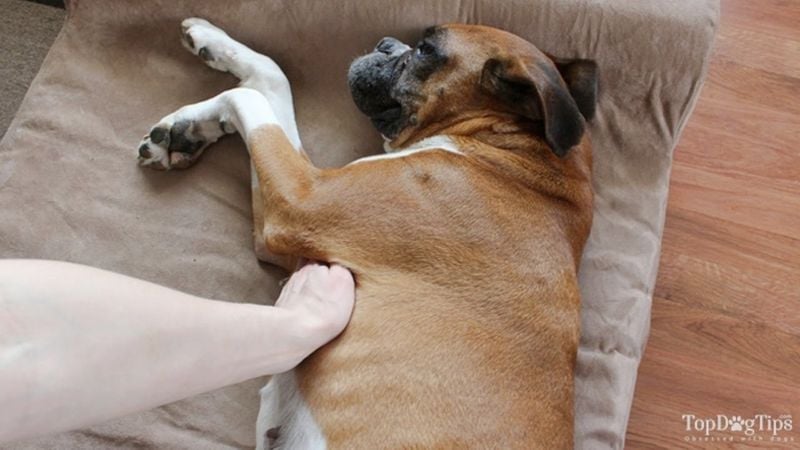
Check for breathing, heartbeat, and unresponsive pupils. If in doubt, contact your vet immediately. These are clear indicators of life, and confirming these signs can ensure peace of mind.
Gently place a hand on your pet’s chest, feel for a heartbeat, and observe any chest movements. Shine a light into your dog’s eyes to check for pupil reaction. These steps, though difficult, are crucial in understanding their condition.
If uncertainty remains, always reach out to a veterinary professional. This can provide clarity and guidance during such an emotionally charged moment, ensuring you’re making the right decisions.
3. Call Your Veterinarian

Even after death, your vet can guide you through next steps, including handling the body and available services. Your veterinarian remains a reliable resource during this time.
Making a call to the vet provides not only practical guidance but also emotional support. They can offer insights into handling legal requirements and help explore aftercare options.
Veterinarians often have connections with local cremation and burial services, easing the burden on you. With their expertise, they can help clarify any legal or procedural concerns, ensuring your beloved pet receives the dignity they deserve.
4. Prepare the Body for Aftercare

Wrap your dog in a clean blanket or towel and place them in a cool, quiet place. This act of care can be deeply soothing, allowing you to honor their memory.
Selecting a peaceful spot in your home is symbolic of the love and care you shared. It’s a respectful gesture that provides a sense of closure.
Using a favorite blanket or towel adds a personal touch. This simple act can provide comfort, knowing your pet is resting peacefully, wrapped in love. It’s a gentle transition from life to the next stage, honoring their presence in your life.
5. Cool the Body If You Need Time

If cremation or burial can’t happen right away, use ice packs beneath the body to slow decomposition. This allows you the time needed to make decisions.
Placing ice packs under the body is a practical step, helping to preserve your dog temporarily. This method can be especially useful if you’re waiting for family or coordinating with services.
Taking this step ensures your pet’s remains stay as they are until you can proceed with final arrangements. It offers a sense of agency and peace of mind during a challenging time, allowing you to focus on honoring their memory.
6. Check Local Pet Burial or Cremation Laws

Regulations vary depending on your location; your vet or local animal control can help clarify legal options. Understanding these laws is crucial for compliance and respect.
Researching the specific rules in your area ensures you’re following legal guidelines, which can differ significantly. This step can prevent future complications.
Connecting with local authorities or online resources can provide clear answers to your questions. This ensures that you’re taking the right steps and can proceed with confidence, knowing you’re respecting both the law and your pet’s legacy.
7. Decide on Burial or Cremation
Make arrangements based on your personal, cultural, or religious beliefs and what’s allowed where you live. This decision is deeply personal and reflects your connection to your pet.
Considering your options carefully allows you to choose a path that feels right for both you and your family. Whether it’s a backyard burial or professional cremation.
Reflecting on your beliefs and circumstances can guide you to a choice that resonates. This decision is a significant part of the healing process, offering closure and honoring your pet’s memory fittingly.
8. Contact a Pet Cremation or Burial Service

Many offer home pickups and respectful handling of remains. Some even offer paw print keepsakes or urns. These services can alleviate much of the logistical burden.
Reaching out to a professional service can provide a sense of relief. They handle the practical aspects, allowing you to focus on mourning.
These services often offer personalized options, from memorials to keepsakes, adding a personal touch to the process. It’s a way to honor your pet and create lasting memories, providing comfort during such a difficult time.
9. Notify the Microchip Company
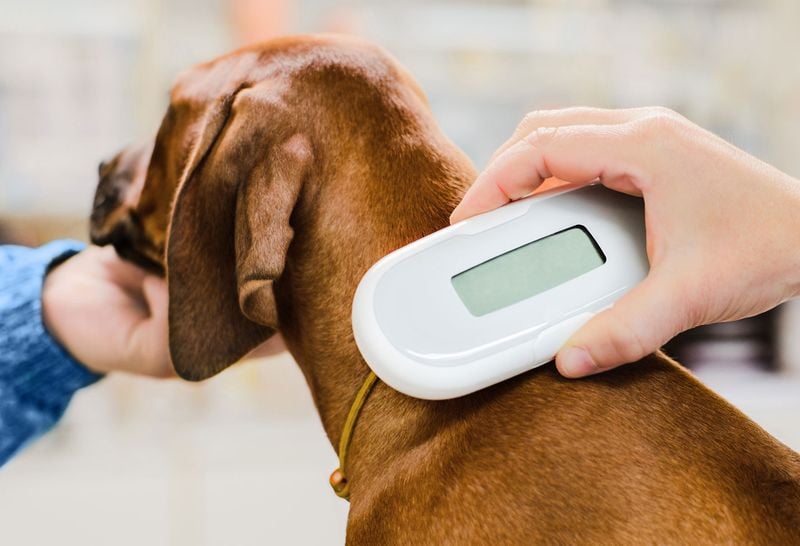
If your dog was microchipped, inform the company so their records are updated and avoid future confusion. Keeping records accurate ensures no unexpected reminders.
Updating the microchip information is a simple but essential task that can prevent future issues, such as mistaken identity or unwanted contact.
This step is part of closing the chapter on your pet’s life, ensuring all records are consistent and final. It’s a small action that respects their memory and your peace of mind, enabling you to focus on the emotional aspects of grieving.
10. Cancel Any Pet Subscriptions

End any recurring orders—like food, grooming services, or vet wellness plans—to avoid emotional reminders and financial loss. This task can be surprisingly challenging but necessary.
Going through subscriptions and services related to your pet can be a painful reminder of their absence. However, it’s a practical step that needs to be addressed.
Handling these cancellations can help prevent the emotional impact of unexpected deliveries or charges, allowing you to move forward without unnecessary distress. It’s a way to manage both your emotional and financial well-being during this time.
11. Tell Close Friends and Family

Let loved ones know so they can support you and avoid awkward questions or assumptions later. Sharing the news can be hard, but it’s an important step.
Communicating your loss to family and friends can provide comfort through shared memories and stories. Their support is invaluable during this time.
By informing those close to you, you reduce the chance of painful misunderstandings or unexpected questions. It allows your circle to offer their love and sympathy, helping you through your grief journey with their support and understanding.
12. Remove or Store Pet Belongings When Ready
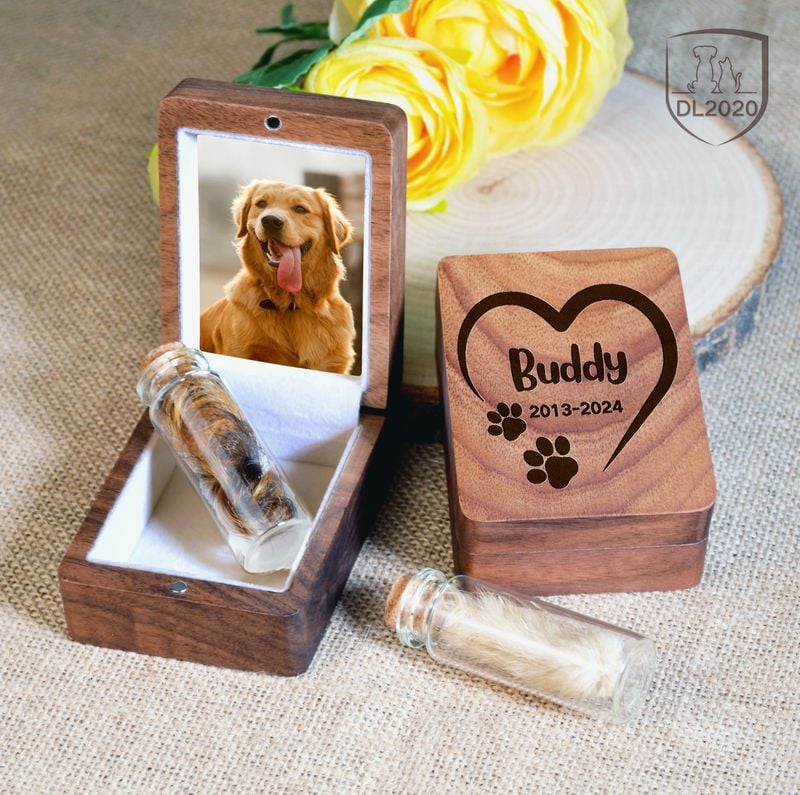
You don’t have to rush. Store items like collars, bowls, and toys until you’re ready to deal with them emotionally. This process can take time.
Taking down your pet’s belongings is a deeply personal process. It can be comforting to hold onto these items until you’re ready to decide their fate.
Whether you choose to keep them as mementos or donate them, it’s important to move at your own pace. This is a step toward healing, allowing you to handle your emotions and grief in your own time, when you feel ready.
13. Talk to Your Children (or Other Pets)
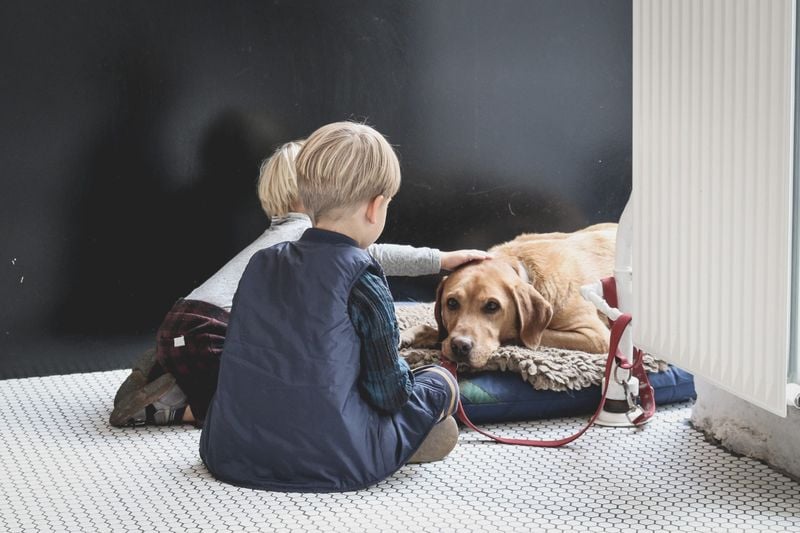
Use age-appropriate language with kids and monitor other pets for behavioral changes or signs of grief. Talking about loss is essential for healing.
Explaining the situation to your children in a way they understand helps them process their feelings. This conversation can be filled with warmth and honesty.
Other pets may also sense the absence and exhibit changes in behavior. Offering extra affection and monitoring their needs can support them through the transition. This ensures that everyone in the family, including furry members, is cared for during this time of loss.
14. Seek Support if You’re Struggling
Grieving a pet is real and valid. Consider grief counseling or support groups—many specialize in pet loss. This support can be a lifeline.
Finding a dedicated space to share your feelings and hear from others who understand can be incredibly healing. It’s important to know you’re not alone.
Support groups can be found online or in person, providing varied ways to connect with those who share similar experiences. This community can offer solace and understanding, helping you navigate the complex emotions that come with losing a beloved pet.
15. Create a Memorial

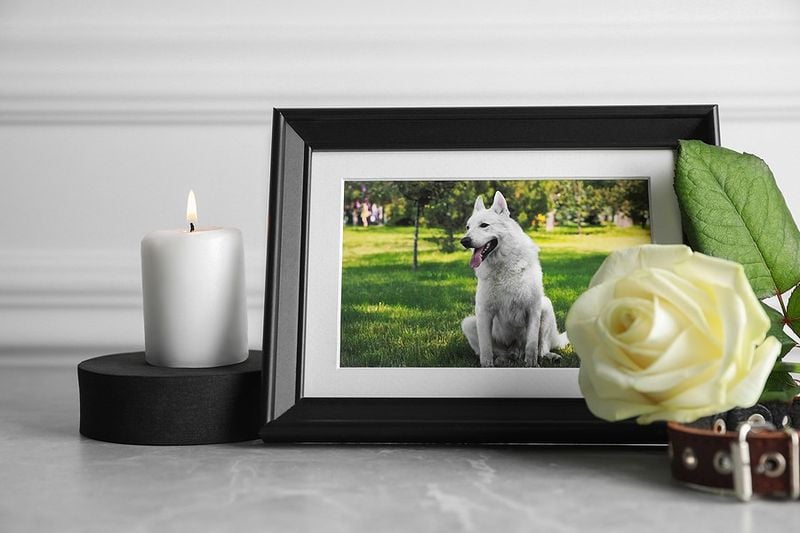
Write a tribute, plant a tree, or frame your favorite photo. Honoring their memory can help the healing process. These gestures celebrate the joy they brought.
Creating a memorial offers a tangible way to commemorate your pet’s life and legacy. It’s a heartfelt tribute that reflects your unique relationship.
Whether through art, nature, or keepsakes, these acts of remembrance can provide comfort and a sense of closeness. They serve as a lasting reminder of the bond you shared, supporting you in cherishing their memory forever.
16. Don’t Rush Into Getting Another Pet
Give yourself time. A new pet should come from a place of readiness, not to fill a painful void. This decision requires careful reflection.
Rushing into adopting another pet might mask your grief rather than heal it. Allow yourself to fully process the loss first.
When the time feels right, the decision should be based on a genuine desire to welcome a new family member, not as a replacement. This ensures a healthy transition for both you and a potential new pet, honoring the love you had and the love you’re ready to give again.