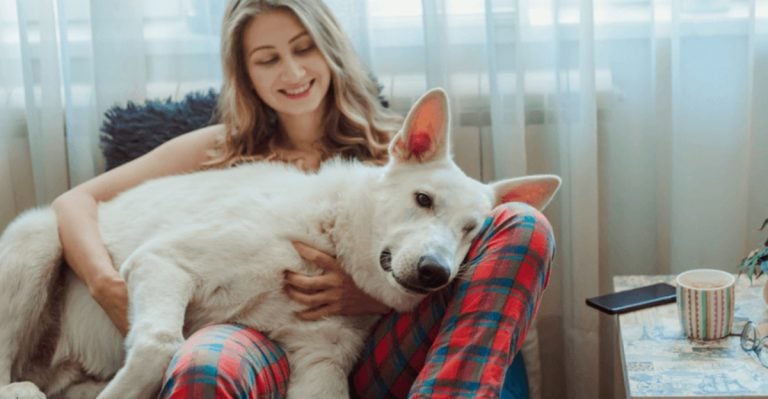
7 Rules Smart Owners Follow (and 7 Mistakes They Avoid) to Raise Great Dogs
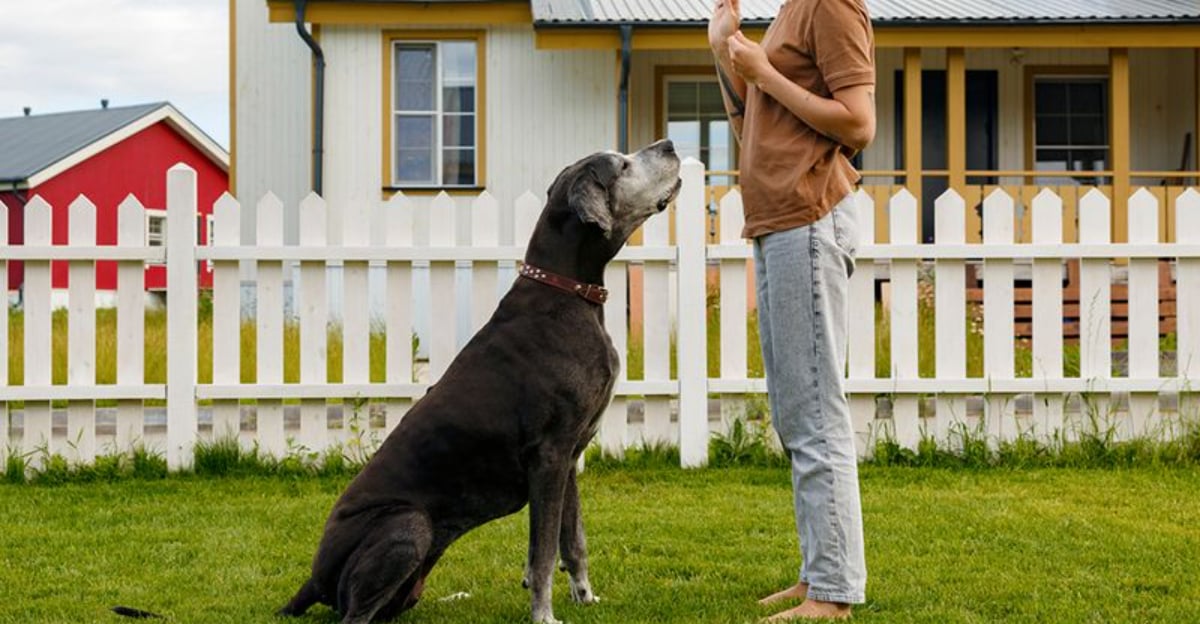
Raising a well-behaved, happy dog isn’t just luck – it’s about making smart choices day after day. Whether you’re bringing home a new puppy or working with an adult dog, the way you train and care for your furry friend shapes their behavior for life.
The good news? By following a few key rules and avoiding common mistakes, you can help your dog become the amazing companion you’ve always wanted.
1. Set Clear Rules Early
Dogs thrive when they understand boundaries. From day one, decide what’s allowed in your home – can your pup sleep on furniture? Are certain rooms off-limits? Will table scraps be permitted?
Consistency matters more than the actual rules themselves. When everyone in your household enforces the same expectations, your dog won’t get confused by mixed messages. Remember that changing rules later is much harder than establishing them at the start.
Clear boundaries actually help dogs feel secure rather than restricted. They’re happier knowing exactly what behaviors earn praise and which ones don’t meet your standards.
2. Use Positive Reinforcement
Rewarding good behavior works better than punishing mistakes. When your dog sits nicely or comes when called, immediately offer treats, praise, or playtime. This creates a positive connection in their brain between the action and something wonderful happening.
Timing matters tremendously with rewards. The treat or praise must come within seconds of the good behavior for your dog to make the connection. Clickers can help mark the exact moment your dog does something right.
Rewards don’t always need to be food. For many dogs, enthusiastic praise, a favorite toy, or extra attention works just as well once they understand what you want.
3. Socialize Your Dog Regularly
Meeting new people, animals, and experiencing different environments helps your dog become confident rather than fearful. Start socialization early but continue throughout your dog’s life to maintain those skills.
Quality matters more than quantity. One positive interaction with a friendly dog teaches more than ten stressful encounters. Watch your dog’s body language during social situations and remove them if they show signs of being overwhelmed.
Dog parks aren’t the only option for socialization. Quiet walks in different neighborhoods, pet-friendly stores, outdoor cafes, or having friends visit can all help your dog learn to be comfortable in various situations.
4. Provide Daily Exercise and Mental Stimulation
A tired dog is usually a well-behaved dog. Most behavior problems stem from excess energy with nowhere to go. Different breeds need different amounts of exercise – a Border Collie requires more activity than a Basset Hound.
Mental exercise tires dogs out just as effectively as physical activity. Puzzle toys, training sessions, and sniff walks where your dog can explore interesting scents all provide crucial mental stimulation.
Vary your routine to keep things interesting. Try new walking routes, different games, or rotating toys to prevent boredom. Even five minutes of training exercises scattered throughout the day can make a huge difference in your dog’s behavior.
5. Practice Obedience Training Consistently
Short, regular training sessions beat occasional marathon efforts. Five minutes of practice several times daily builds habits faster than a single weekly hour-long session. Keep training upbeat and end before your dog gets bored or frustrated.
Basic commands like sit, stay, come, and leave it aren’t just for show – they’re safety tools. A solid recall command could save your dog’s life if they ever slip their leash near traffic.
Training never truly ends with dogs. Even well-trained adult dogs benefit from refresher sessions that reinforce good habits. The mental workout keeps their minds sharp, especially as they age, while strengthening your communication bond.
6. Teach and Encourage Calm Behavior
Many owners accidentally reward excitement but forget to acknowledge calmness. When your dog is quietly lying down, occasionally offer gentle praise or a treat. This teaches them that relaxed behavior gets attention too.
Create a special place where your dog can go to settle down. A bed or mat that becomes their designated calm spot helps them understand when it’s time to relax. Practice sending them to this spot during normal days, not just when visitors arrive.
Recognize that calmness is a skill that must be taught, not something dogs naturally understand. Young puppies especially need help learning to self-regulate their excitement and energy levels through consistent guidance.
7. Stay Patient and Persistent
Dogs learn through repetition, not overnight miracles. Some may need hundreds of practice attempts before fully understanding a new command or behavior. Your consistent patience signals to your dog that you’re a reliable leader worth listening to.
Celebrate small improvements rather than expecting perfection. If your previously reactive dog can now walk past another dog at 20 feet instead of 50, that’s significant progress worth acknowledging.
Every dog learns at their own pace. Factors like breed, age, past experiences, and individual personality all affect how quickly they pick up new skills. Comparing your dog’s progress to others only leads to frustration for both of you.
Now that you know what works, here’s what to avoid.
1. Never Use Physical Punishment
Hitting, alpha rolls, or other physical punishments damage trust without teaching better behavior. Dogs punished this way often become fearful or aggressive, making problems worse instead of better.
Studies consistently show that punishment-based methods create more behavioral issues than they solve. When dogs associate you with unpredictable negative experiences, they become anxious around you rather than confident and cooperative.
Effective alternatives exist for every unwanted behavior. Redirecting to appropriate toys, teaching incompatible behaviors, or using brief time-outs work better than physical corrections. These positive approaches build a relationship based on trust rather than fear.
2. Avoid Reinforcing Bad Habits
Attention, even negative attention, can accidentally reward unwanted behaviors. When your dog jumps up and you respond by pushing them down while saying their name, they might interpret this as the play or interaction they wanted.
Timing matters tremendously. Giving treats when your dog is barking at the mailman teaches them barking earns rewards, even if you meant to distract them. Wait for a moment of quiet before rewarding.
Consistency across all family members prevents mixed messages. If one person allows counter surfing while another scolds for it, your dog learns the behavior is sometimes okay, making it nearly impossible to eliminate.
3. Don’t Skip Routine and Structure
Dogs find comfort in predictable patterns. Knowing roughly when meals, walks, and playtime happen helps them feel secure rather than anxious about what comes next.
A structured day reduces problem behaviors by meeting needs proactively. Many dogs who seem “naughty” are actually responding to unmet needs for exercise, mental stimulation, or bathroom breaks that a routine would address.
Routines should include regular quiet time too. Teaching your dog to settle during certain parts of the day prevents them from demanding constant attention. This balance of activity and calmness creates a well-adjusted pet who can adapt to your lifestyle.
4. Don’t Expect Dogs to Know Better
Dogs don’t understand our rules naturally – they must be taught what we consider appropriate behavior. Your pup doesn’t chew shoes out of spite; they simply haven’t learned that shoes aren’t dog toys.
Prevention beats correction every time. Rather than repeatedly scolding your dog for getting into the trash, simply put the trash can where they can’t access it. This sets them up for success instead of failure.
Realistic expectations based on age and training history matter tremendously. A 12-week puppy physically cannot hold their bladder for 8 hours, and a newly adopted adult dog won’t immediately understand your household rules without patient teaching.
5. Never Let Boredom Win
Bored dogs become destructive dogs. Without proper outlets for their energy and intelligence, they’ll find their own entertainment – usually something you won’t appreciate, like redesigning your couch cushions.
Enrichment doesn’t require expensive toys. Cardboard boxes with treats hidden inside, muffin tins with tennis balls covering kibble, or a towel rolled with treats inside all provide mental challenges. Even feeding meals in puzzle toys instead of bowls makes everyday activities more engaging.
Rotate toys regularly to keep them interesting. Dogs quickly grow bored with the same objects, but bringing toys back after a week or two makes them exciting again.
6. Avoid Overly Harsh Training Tools
Shock collars, prong collars, and choke chains often create fear rather than understanding. These tools may stop behaviors temporarily through discomfort but don’t teach dogs what they should do instead.
Modern training offers gentler alternatives that work better long-term. Front-clip harnesses, head halters, or properly fitted flat collars paired with positive reinforcement create willing cooperation without risking physical or psychological harm.
Research consistently shows that aversive tools increase stress hormones and can trigger aggression in some dogs. The temporary convenience these tools might offer isn’t worth the potential damage to your relationship and your dog’s wellbeing.
7. Don’t Compare Your Dog to Others
Every dog develops at their own pace based on breed, temperament, history, and individual personality. The neighbor’s perfectly behaved Border Collie and your enthusiastic Labrador puppy have different natural tendencies and learning styles.
Focus on progress, not perfection. Your dog’s improvement compared to their own past behavior matters more than how they stack up against other dogs. Celebrating small wins maintains your motivation and positive attitude during training.
Comparisons create unrealistic expectations that frustrate both you and your dog. Instead, learn about your specific dog’s breed traits and individual personality to set appropriate goals that build on their natural strengths.