Pit Bull or Not? These 17 Breeds Keep People Guessing
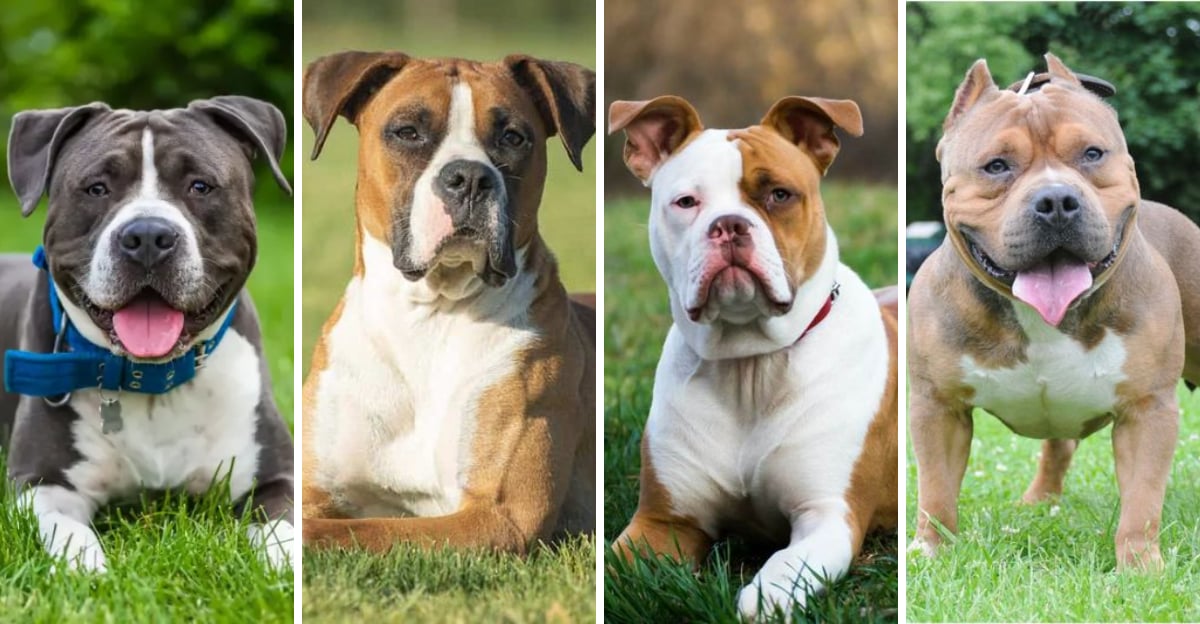
When you spot a muscular dog with a broad head walking down the street, you might quickly label it a pit bull. This common mistake happens because many breeds share similar physical traits but aren’t actually pit bulls at all.
Breed identification matters for apartment policies, insurance rates, and even local laws that might unfairly target certain dogs based on looks rather than behavior.
1. American Bulldog: The Hardworking Farm Companion
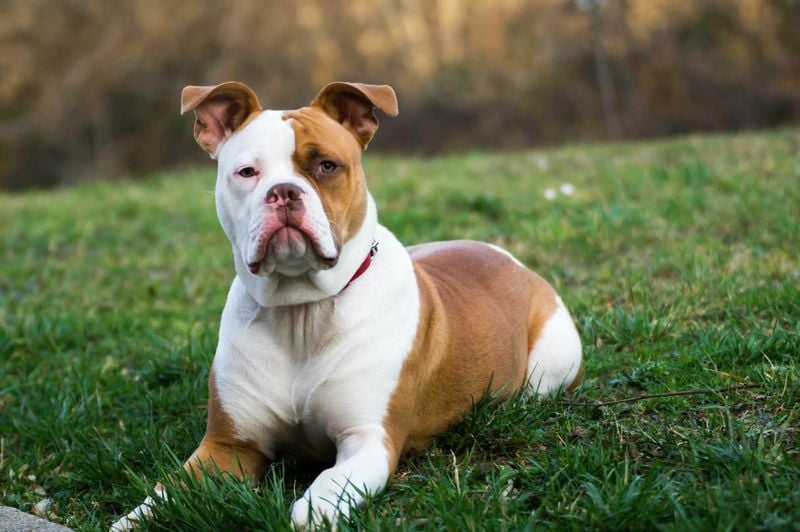
Standing tall with powerful shoulders and a distinctive white coat often splashed with patches, American Bulldogs frequently face pit bull misidentification. Originally bred as farm dogs, they helped with cattle, hunting, and property protection.
Their square jaws and muscular build create confusion, but their longer legs and larger size set them apart from true pit bulls. Weighing up to 120 pounds, these gentle giants tower over the compact American Pit Bull Terrier.
Despite their imposing appearance, well-socialized American Bulldogs show remarkable patience with children and loyalty to their families. Their working dog heritage gives them an energetic spirit that thrives with regular exercise and consistent training.
2. Bull Terrier: The Egg-Headed Charmer
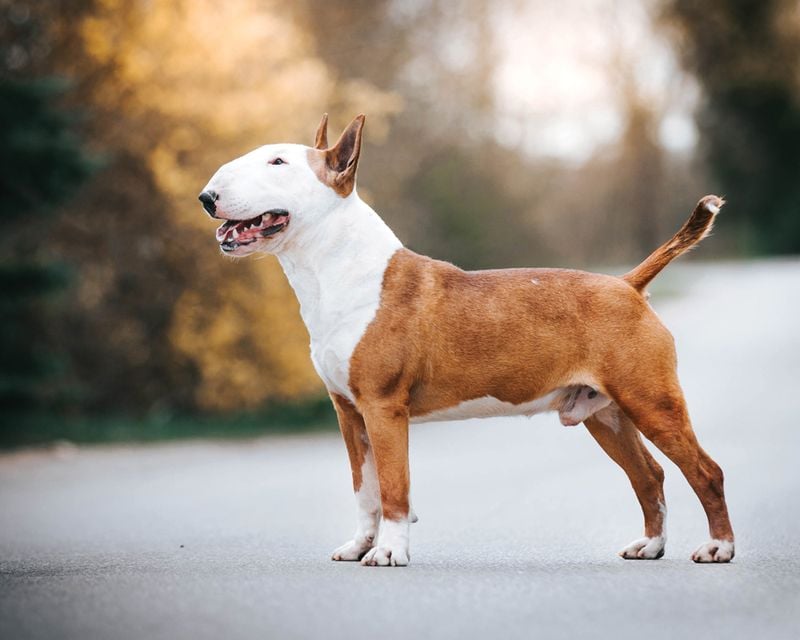
Recognizable by their egg-shaped heads and tiny triangle eyes, Bull Terriers stand out in the canine world with their unique profile. Their mischievous personality often surprises people expecting the stereotypical aggressive behavior associated with bully breeds.
The sloping facial profile and oval head shape should immediately distinguish them from pit bulls, yet many people still confuse them. These medium-sized dogs typically sport white coats, though colored and patterned varieties exist too.
Famous as the Target mascot and Spuds MacKenzie from Bud Light commercials, Bull Terriers bring clownish energy to homes. They combine stubborn determination with surprising sensitivity, requiring owners who balance firm training with affectionate guidance.
3. Staffordshire Bull Terrier: The Smaller Lookalike
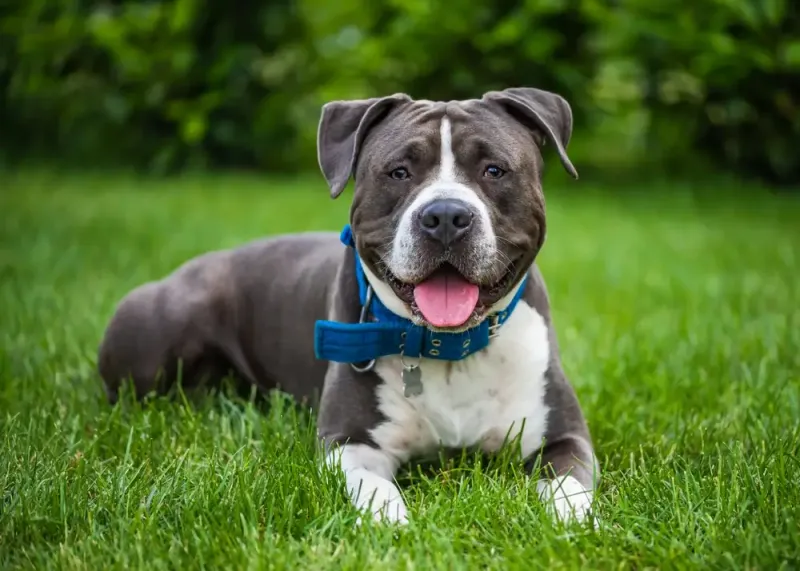
Nicknamed ‘Staffies,’ these compact powerhouses pack impressive muscle onto frames standing just 14-16 inches tall. Their cheerful demeanor contradicts their tough appearance, earning them the nickname ‘nanny dogs’ in England for their patience with children.
Staffies’ broad heads and muscular bodies create the most common pit bull confusion. The key differences? Staffies typically weigh 24-38 pounds – significantly smaller than American Pit Bull Terriers – and have a more rounded head shape.
Originally bred for the cruel sport of bull-baiting, modern Staffies have transformed into loving family companions. Their tenacity now shows in their unwavering loyalty and determination to please their people rather than in fighting rings.
4. American Bully: The Muscular Fashion Statement
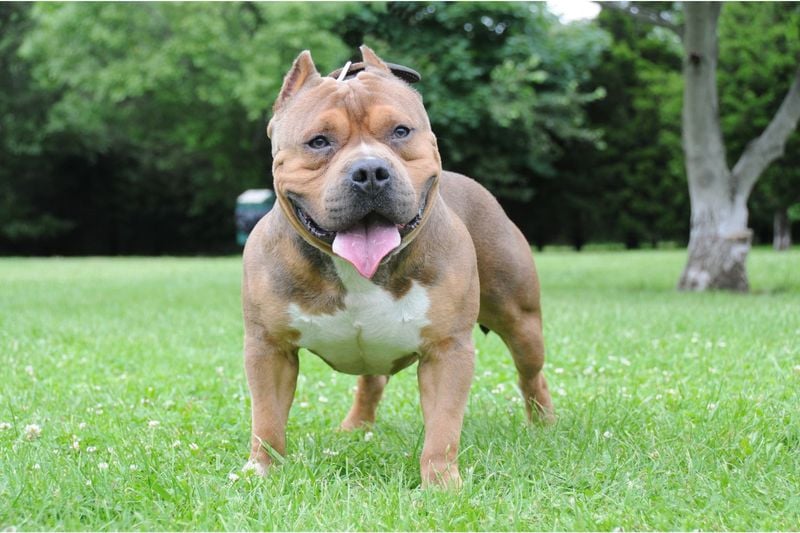
Born from selective breeding in the 1990s, American Bullies represent one of the newest breeds confused with pit bulls. Their exaggerated muscles, massive heads, and wide chests make them look intimidating, but they were specifically bred to eliminate aggressive tendencies.
American Bullies come in four size varieties: Pocket, Standard, Classic, and XL. Their stocky, low-to-the-ground stance and extreme musculature distinguish them from traditional pit bulls, which have more athletic, less bulky proportions.
Behind their tough exterior lies a gentle, family-oriented dog that craves human affection. Though often acquired for their impressive appearance, responsible owners understand these dogs need proper socialization, not encouragement of guardian behaviors.
5. Boxer: The Bouncy Athlete
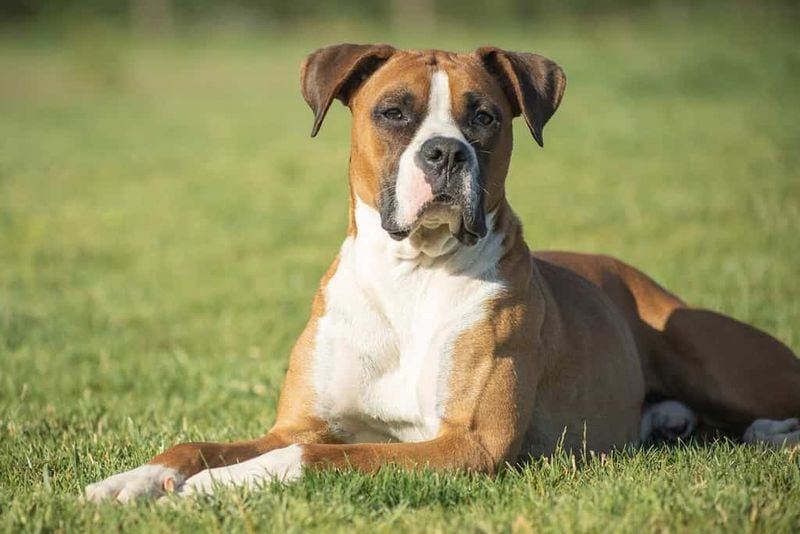
With their playful bouncing movement and distinctive pushed-in faces, Boxers bring joyful energy wherever they go. Their name comes from their tendency to use their front paws like a boxer, standing on hind legs and “punching” during play.
While their muscular bodies sometimes trigger pit bull comparisons, Boxers have unique underbite jaws, longer legs, and more rectangular faces. Their characteristic head tilt when curious adds to their expressive charm.
German in origin, these dogs were developed from now-extinct bullenbeissers used for hunting large game. Modern Boxers maintain their athletic abilities but channel them into family fun. Their perpetual puppy-like enthusiasm lasts well into adulthood, making them wonderful companions for active households.
6. Cane Corso: The Italian Bodyguard
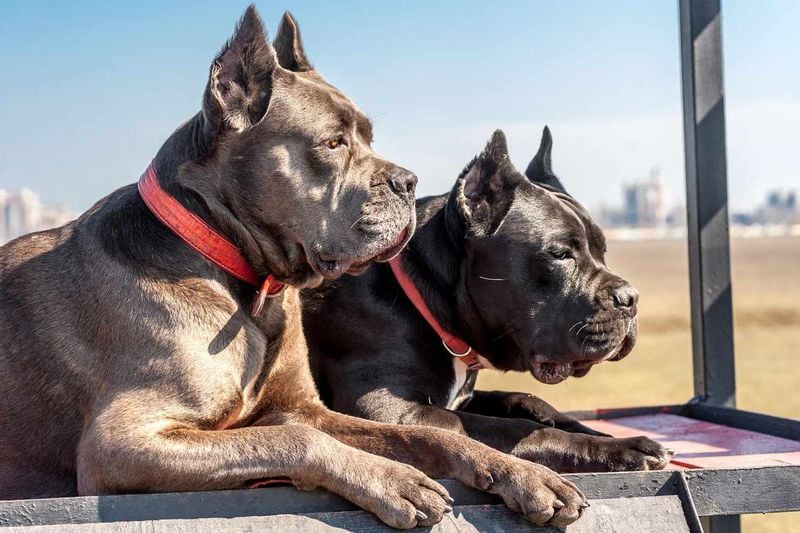
Majestic and imposing, the Cane Corso traces its lineage to ancient Roman war dogs. These Italian mastiffs stand considerably taller than pit bulls, with males reaching 28 inches at the shoulder and weighing up to 110 pounds.
Their massive rectangular heads, wrinkled foreheads, and athletic builds sometimes lead to breed confusion. However, Corsos possess a distinctly different silhouette with longer muzzles, larger overall size, and more substantial bone structure than any pit bull type.
Historically used as property guardians, hunters, and farm dogs, today’s Cane Corsos maintain their protective instincts. Their confident, reserved demeanor around strangers differs markedly from the typically more socially outgoing pit bull breeds, requiring early socialization to develop into balanced companions.
7. Presa Canario: The Canary Islands Guardian
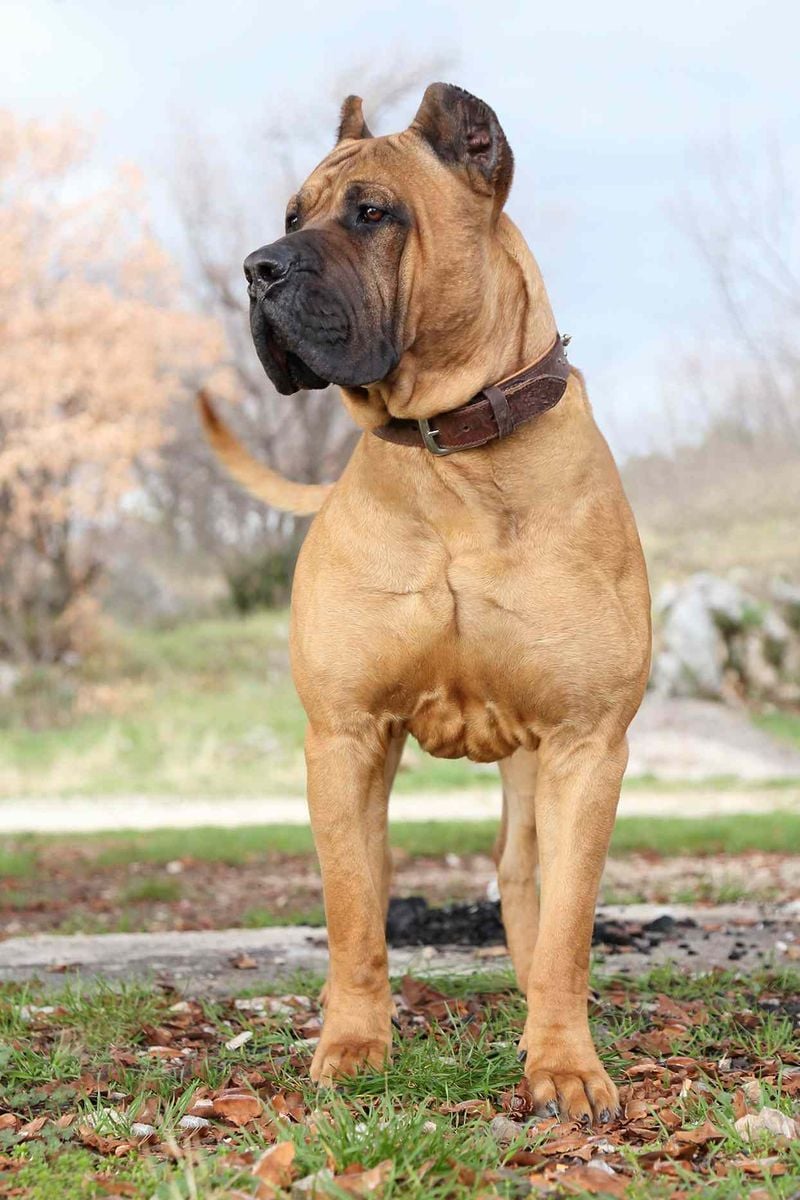
Hailing from Spain’s Canary Islands, the powerful Presa Canario developed as a working dog managing cattle and guarding farms. Their imposing presence – standing up to 26 inches tall and weighing 100-130 pounds – creates an immediate impression of strength.
Presas feature broad, square heads and muscular necks that might trigger pit bull comparisons, but their significantly larger size and different proportions set them apart. Their almond-shaped eyes typically show an attentive, serious expression reflecting their guardian heritage.
Unfortunately, irresponsible breeding has sometimes emphasized aggression in these dogs. Well-bred, properly socialized Presas should display confidence rather than unprovoked aggression. Their natural protective instincts make early training essential, as they’re not recommended for first-time dog owners.
8. Dogo Argentino: The White Hunter
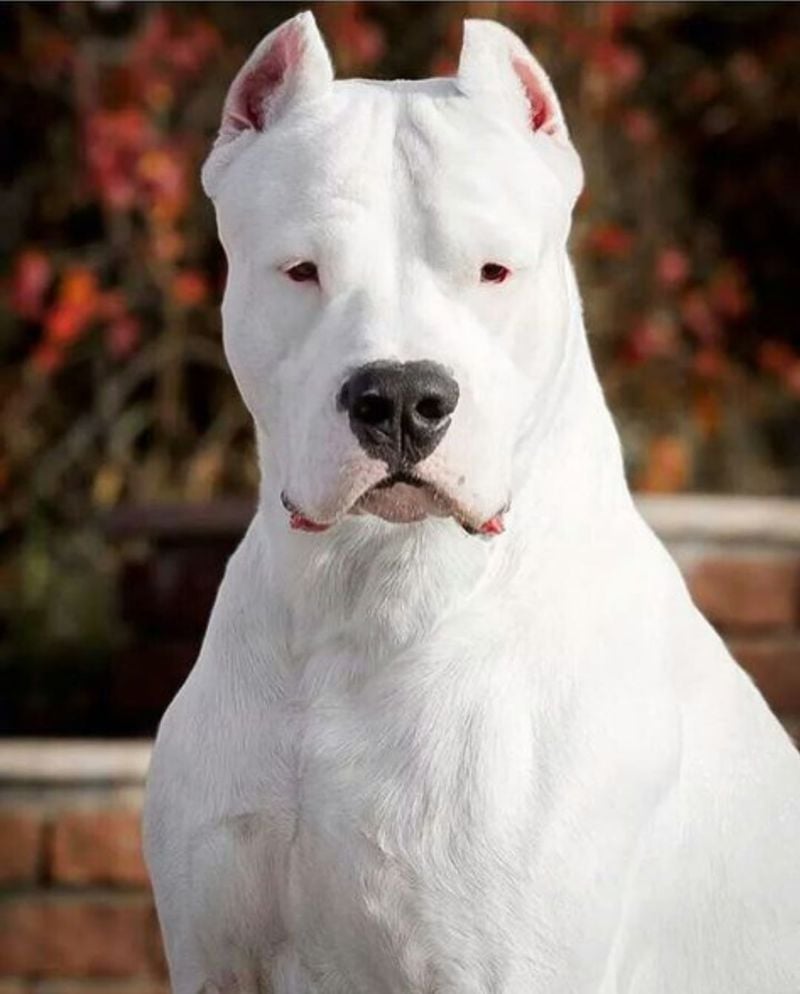
Developed in Argentina specifically for big game hunting, the Dogo Argentino’s pure white coat and muscular physique make it unmistakable – or so you’d think. Many people still confuse these athletic hunters with white pit bulls despite significant differences.
Dogos stand much taller at 24-27 inches and weigh 80-100 pounds, substantially larger than pit bulls. Their heads feature a more rounded shape and longer muzzle, while their bodies show the athletic build necessary for tracking wild boar through challenging terrain.
These dogs combine strength with remarkable agility and endurance. Their hunting heritage gives them strong prey drive, while their development included selecting for reduced dog aggression so they could hunt in packs. With proper training, they transition between fierce hunter and gentle family companion.
9. American Mastiff: The Gentle Giant
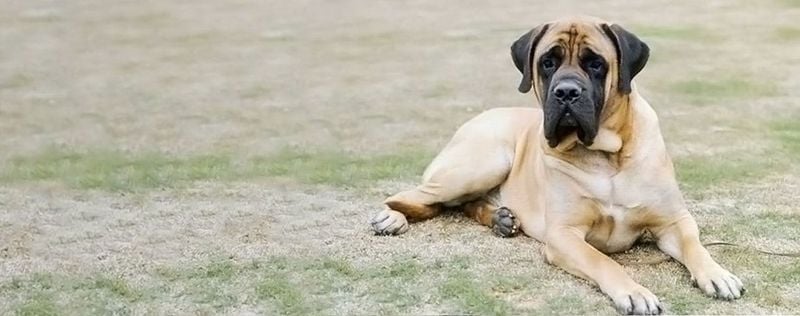
Created by crossing the English Mastiff with the Anatolian Mastiff, the American Mastiff offers a drier-mouthed alternative to traditional mastiff breeds. These giants can reach 200 pounds, dwarfing pit bulls that typically max out around 60 pounds.
Despite their massive size difference, their broad heads and muscular builds sometimes lead to breed confusion. American Mastiffs feature distinctive flews (upper lips) that hang down over their lower jaw and a more rectangular body shape than the more compact pit bull types.
Known for their calm, steady temperament, these gentle giants form deep bonds with their families. Their protective nature emerges naturally without aggression, making them excellent companions despite their intimidating size. They mature slowly, maintaining puppy-like behavior until around age two.
10. Rottweiler: The Confident Guardian
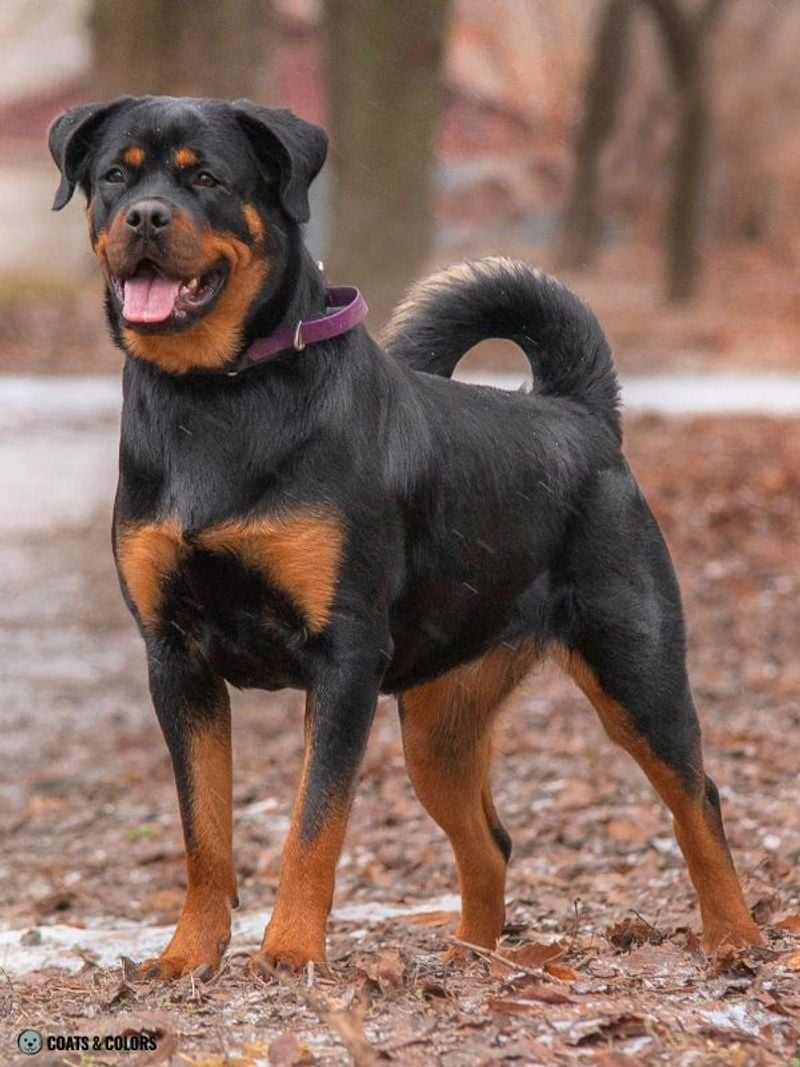
Sporting their distinctive black and mahogany coats, Rottweilers bring centuries of working heritage to their role as family protectors. Descended from Roman drover dogs, they later became butchers’ dogs, pulling carts and guarding livestock in Germany.
Their broad heads, muscular necks, and powerful bodies sometimes lead to pit bull confusion. However, Rottweilers have a unique head shape with a more pronounced stop (forehead), different coloration, and typically weigh 80-135 pounds – much heavier than pit bulls.
Behind their serious expression lies an intelligent, trainable dog that thrives with clear boundaries. Proper socialization reveals their playful side, especially with family members. Their confidence and natural protective instincts make them excellent guardians without needing to show aggression.
11. Boerboel: The South African Farmhand
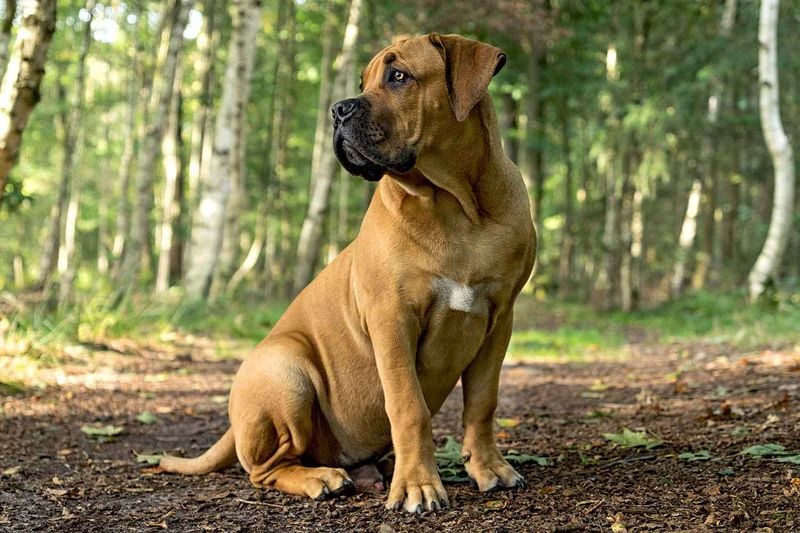
Developed by Dutch settlers in South Africa, Boerboels protected homesteads from predators as large as lions. Their name translates to “farm dog” in Afrikaans, reflecting their primary purpose as farm guardians and working companions.
Massive and imposing, Boerboels stand 24-27 inches tall and weigh 150-200 pounds. Their blocky heads and muscular builds might trigger pit bull comparisons, but their significantly larger size, looser skin, and different facial structure set them apart.
Despite their intimidating appearance, well-bred Boerboels show remarkable discernment – calm and gentle with family while remaining alert to genuine threats. Their intelligence demands mental stimulation alongside physical exercise, and their strong-willed nature requires consistent, confident handling from an experienced dog owner.
12. Alapaha Blue Blood Bulldog: The Southern Rarity
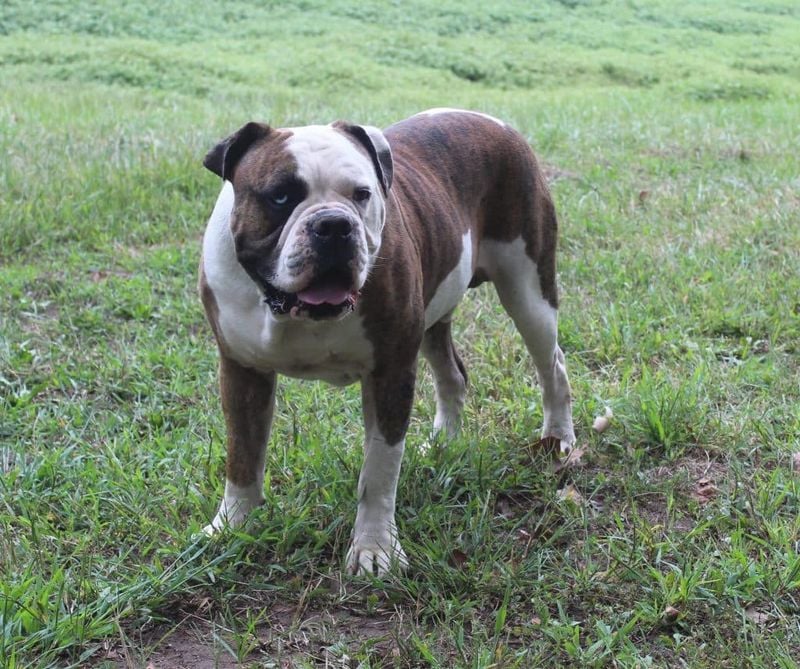
Preserved by a single family for generations, the Alapaha Blue Blood Bulldog nearly vanished before dedicated breeders revived this rare southern treasure. Their plantation heritage as catch dogs and guardians gives them a working background similar to pit bulls.
Their broad heads, muscular necks, and sturdy builds create visual similarities to pit bulls, leading to frequent misidentification. Alapahas typically feature white coats with patches of color and distinctive “glass” eyes (blue) in some individuals.
Named after the Alapaha River in Georgia, these dogs combine protective instincts with surprising gentleness toward family members. Their rarity means many people encounter them for the first time and immediately assume “pit bull” without recognizing this distinct American breed with its own unique history and characteristics.
13. Olde English Bulldogge: The Healthier Revival
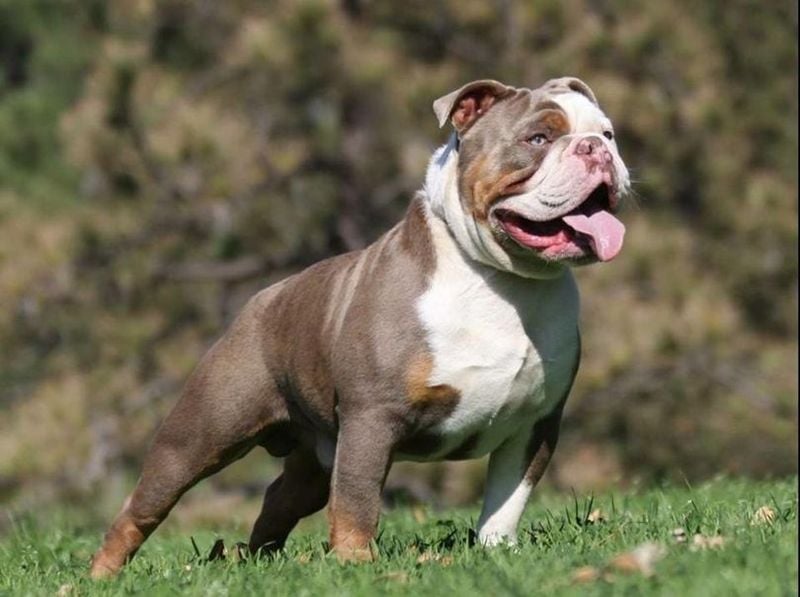
Created to resurrect the working abilities of the original bulldog before extreme breeding changed the modern English Bulldog, the Olde English Bulldogge combines several breeds including American Bulldog and English Bulldog. Their athletic build contrasts sharply with the modern Bulldog’s exaggerated features.
Their muscular bodies and broad heads often trigger pit bull comparisons. However, Olde English Bulldogges typically have more wrinkled faces, wider stances, and undershot jaws that distinguish them from pit bull breeds.
Developed in the 1970s, these dogs aim to maintain the strength and courage of working bulldogs while eliminating health problems that plague modern show bulldogs. Their balanced temperament combines confidence with surprising sensitivity, making them responsive to training and deeply bonded to their families.
14. Bandog: The Modern Guardian Mix
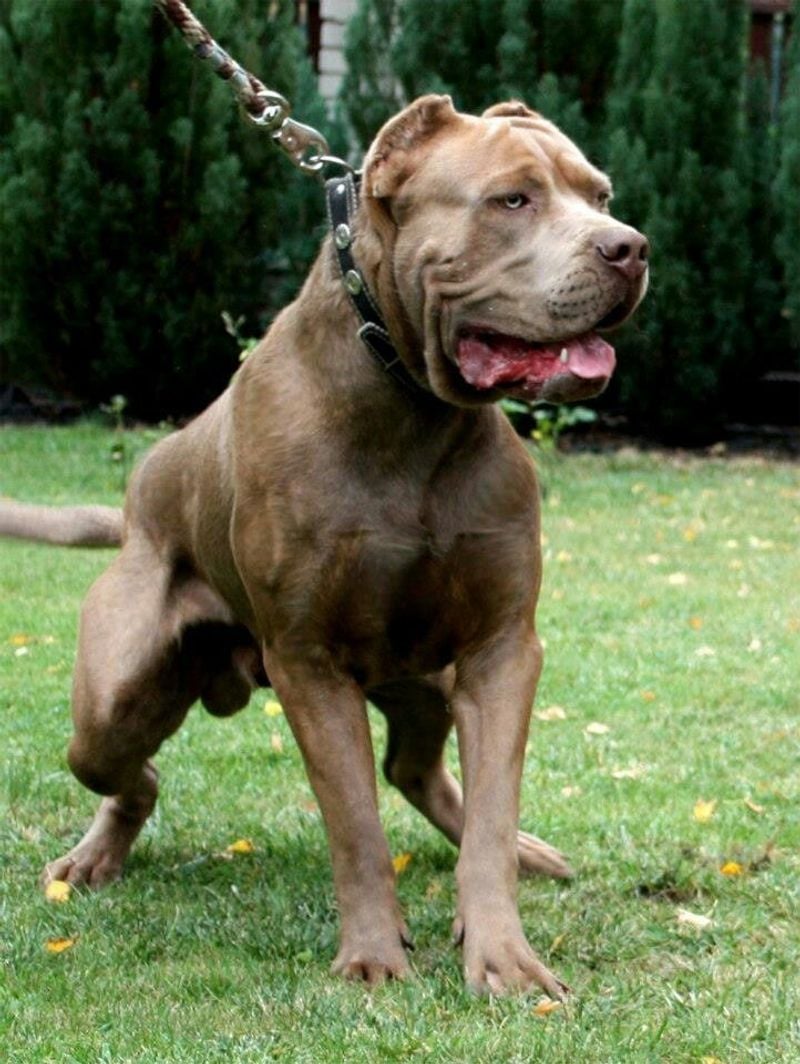
More of a type than a specific breed, Bandogs represent modern attempts to create the ultimate guardian dog through crossing mastiffs with bulldog types. The term “Bandog” dates back to Middle English, describing dogs kept tied or “banded” during the day and released at night to guard property.
Their variable appearance depends on the specific breeds used in each line, but all feature substantial size, muscular builds, and powerful heads that might trigger pit bull comparisons. Most Bandogs significantly outweigh pit bulls, often reaching 100-140 pounds.
Temperamentally, well-bred Bandogs should show clear-headed confidence rather than random aggression. Their protective instincts make early socialization crucial, as does experienced handling. Not recommended for first-time owners, these dogs excel with clear boundaries and consistent training.
15. Tosa Inu: The Japanese Fighting Dog
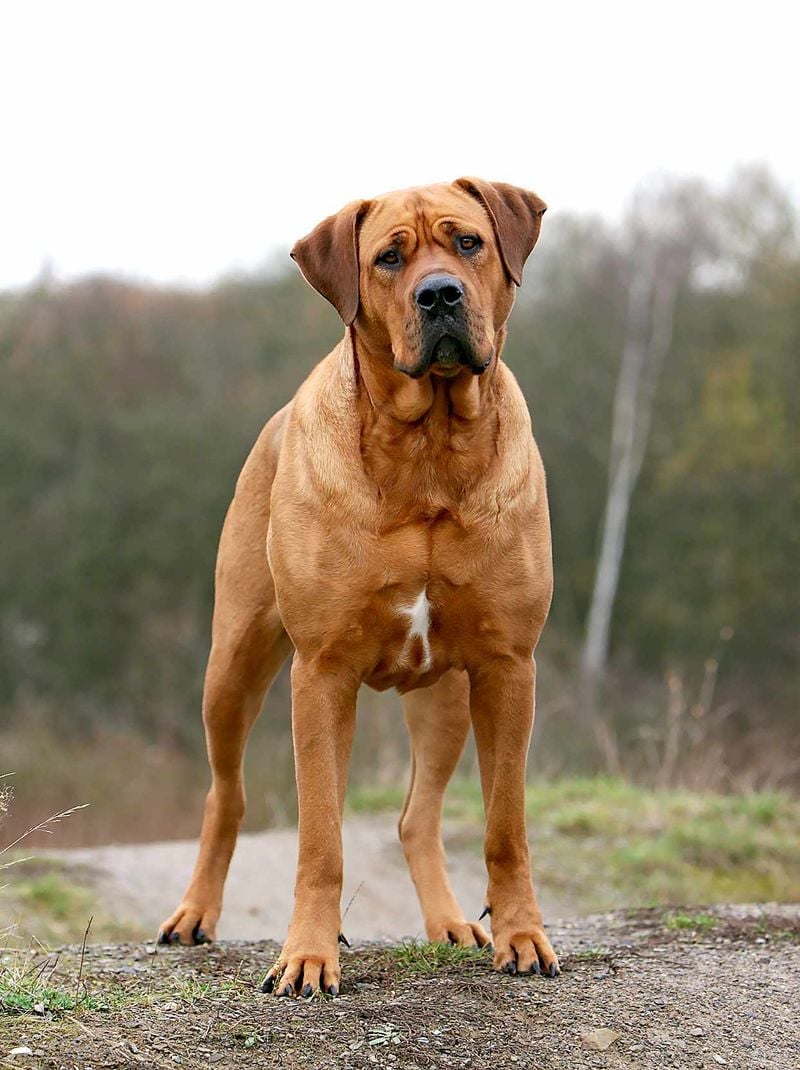
Developed in Japan’s Tosa region during the 19th century, these massive dogs combined native Shikoku fighting dogs with imported Western breeds including Mastiff, Great Dane, and Bulldog. Their creation aimed to produce the ultimate fighting dog for regulated matches.
Tosas feature massive heads, loose skin, and substantial bodies weighing 100-200 pounds – dramatically larger than pit bulls. Their distinctive wrinkled foreheads, deep-set eyes, and hanging jowls create a solemn expression reflecting their dignified Japanese heritage.
Despite their fighting background, well-bred Tosas display remarkable calm and quiet temperaments outside the ring. In Japan, they’re admired for stoic silence even when injured. Banned in many countries due to their fighting history, responsible ownership requires understanding their power and potential.
16. Ambullneo Mastiff: The Designer Guardian
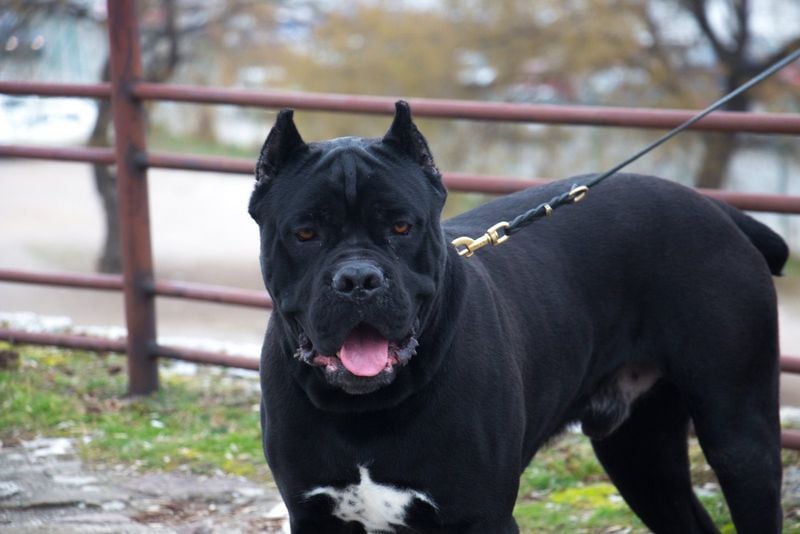
A recent designer breed developed in the 1980s, Ambullneo Mastiffs combine several bulldog and mastiff varieties including American Bulldog, Neapolitan Mastiff, and English Bulldog. Their creation aimed to produce the ultimate family guardian with imposing looks but stable temperament.
Weighing 90-150 pounds, these dogs feature massive heads, muscular bodies, and loose skin that creates distinctive wrinkles. Their significantly larger size and different proportions should distinguish them from pit bulls, yet confusion persists.
Their guardian heritage gives them natural protective instincts, but responsible breeding emphasizes stable temperament over aggression. These relatively rare dogs require experienced handling and thorough socialization. Their moderate exercise needs make them more adaptable to family life than some higher-energy breeds on this list.
17. Ca de Bou: The Mallorquin Bulldog
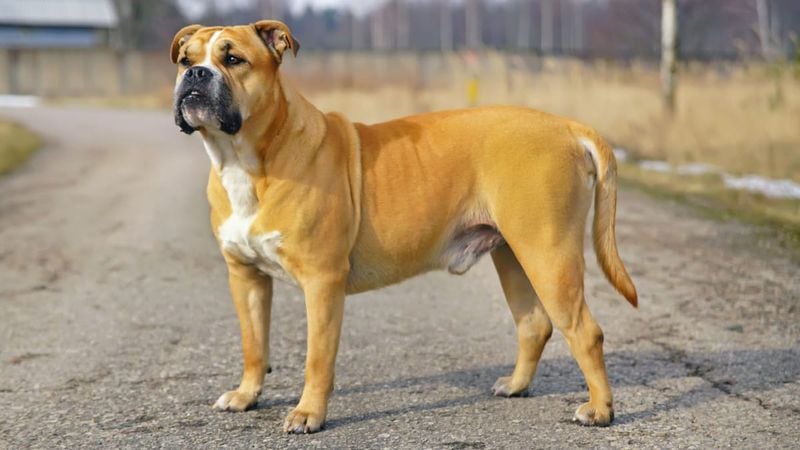
Hailing from Spain’s Balearic Islands, the Ca de Bou (pronounced “ka day bow”) served historically as both a fighting dog and a cattle driver. The name translates to “bull-dog” in Catalan, reflecting their original purpose working with bulls in slaughterhouses.
Their substantial heads, muscular bodies, and strong jaws sometimes trigger pit bull comparisons. However, Ca de Bous feature more wrinkled faces, different proportions, and typically stand taller at 20-23 inches while weighing 66-90 pounds.
Recognized by the FCI but rare outside Spain, these dogs combine powerful builds with balanced temperaments when properly bred. Their serious, reserved nature with strangers contrasts with their loyalty to family. Early socialization proves essential to develop their potential as stable companions.