17 Popular Dog Breeds People Regret Getting: Here’s Why
Bringing a dog into your home is a big decision that shouldn’t be taken lightly. While all dogs need love and care, some breeds have specific needs that many owners aren’t prepared for.
What looks adorable in photos or seems perfect based on a TV show might actually be a challenging match for your lifestyle. Before you choose a furry friend, it’s worth knowing which popular breeds often lead to owner regret and why.
1. Border Collie: Too Smart for Their Own Good
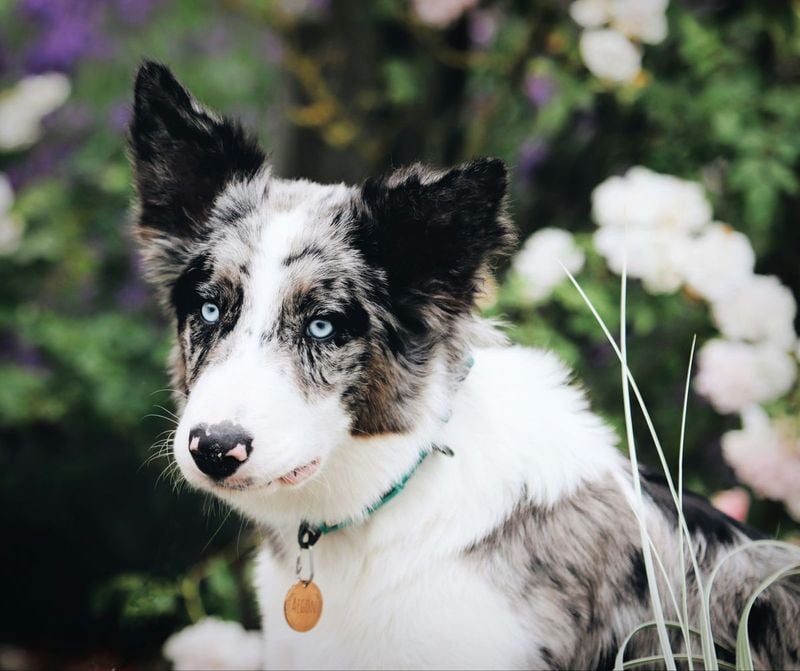
Border Collies rank among the most intelligent dog breeds on the planet. Their razor-sharp minds need constant stimulation, or they’ll find their own entertainment—usually by destroying your home.
Originally bred to herd sheep all day long, these dogs have boundless energy that a simple walk around the block won’t satisfy. Many owners are shocked when their Border Collie develops destructive behaviors like chewing furniture, digging holes, or obsessively chasing shadows.
Without proper mental and physical exercise (we’re talking 2+ hours daily), these dogs can become anxious and neurotic. They’re working dogs at heart, not couch potatoes.
2. Siberian Husky: Escape Artists Extraordinaire
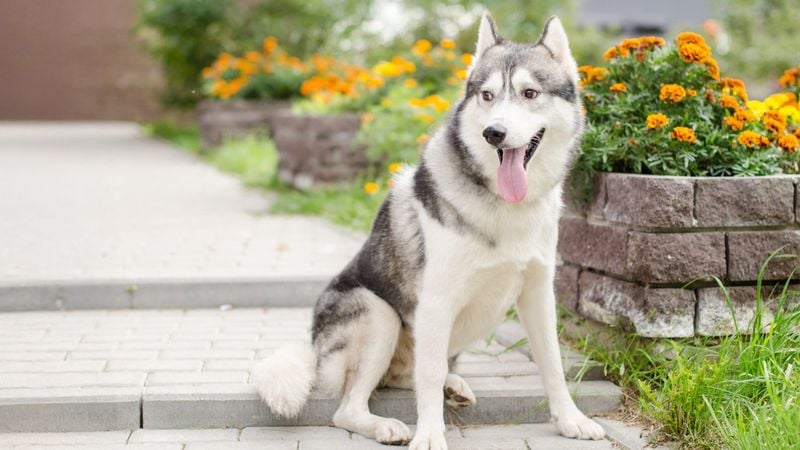
Those striking blue eyes and wolf-like appearance make Huskies Instagram favorites, but their stubborn independence drives owners crazy. Bred to run for miles pulling sleds in freezing temperatures, these dogs have energy reserves that seem endless.
Huskies are notorious escape artists who can jump fences, dig under barriers, or slip through the tiniest openings. Their thick double coat sheds constantly—imagine tumbleweeds of fur rolling across your floors daily.
The Husky’s distinctive “talking” (howling conversations) charms online viewers but quickly irritates neighbors. Many end up in shelters when owners realize they’ve adopted a furry Houdini with vocal opinions about everything.
3. Chow Chow: Fluffy but Fierce
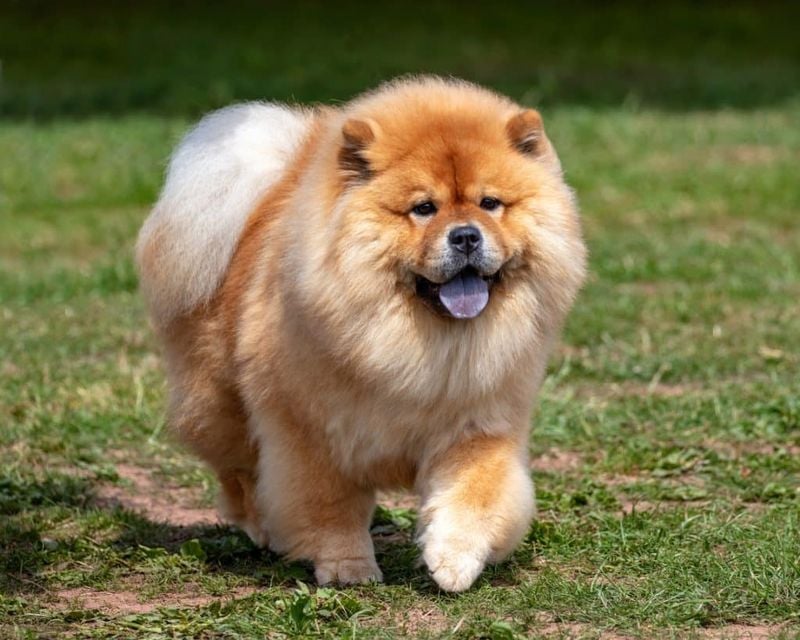
Those adorable teddy bear looks hide a surprisingly aloof and sometimes aggressive temperament. Chow Chows typically bond closely with one person while remaining suspicious of everyone else—including family members.
Their thick lion-like mane requires extensive grooming several times weekly. Skip a few sessions and you’ll face painful mats that can cause skin problems. These ancient Chinese dogs were bred as guard dogs, not family pets.
Early socialization is absolutely crucial, yet even well-trained Chows can remain standoffish. Their strong-willed nature makes training challenging, especially for first-time dog owners. Many people surrender these fluffy guardians when they realize their new pet doesn’t enjoy cuddles or meeting new friends.
4. Dalmatian: Not Just a Disney Dream
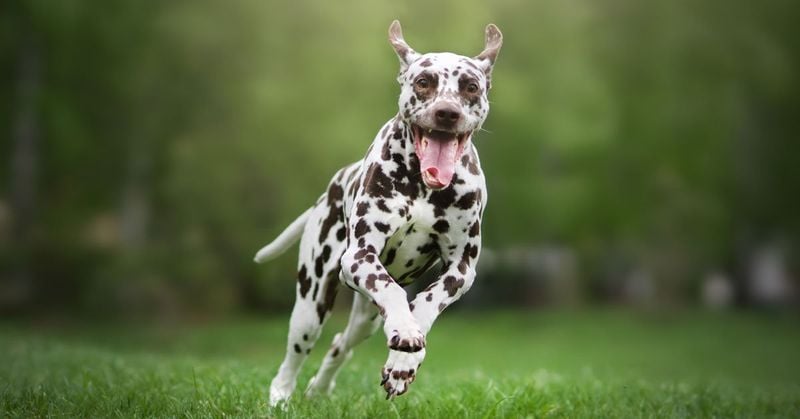
Thanks to “101 Dalmatians,” these spotted dogs enjoy endless popularity. The reality? Dalmatians were bred as carriage dogs that ran alongside horses for miles—they need TONS of exercise to stay balanced.
Without proper outlets, their high energy transforms into destructive behavior and anxiety. These dogs also shed constantly, leaving white hairs embedded in everything you own. Many Dalmatians have genetic hearing problems, with about 30% suffering from deafness in one or both ears.
Their protective nature can make them suspicious of strangers without proper socialization. Families often surrender these beautiful dogs when they discover the spotted puppies grow into athletic, demanding adults requiring much more than occasional walks.
5. Jack Russell Terrier: Tiny Terror with Endless Energy

Don’t let their small size fool you—Jack Russells pack the energy of three dogs into one compact body. Originally bred to hunt foxes, these terriers have a prey drive that sends them chasing after anything that moves, including neighborhood cats and squirrels.
Their intelligence combined with stubbornness makes training a challenge. Many owners find themselves outsmarted by these clever little escape artists. Jack Russells can jump surprisingly high and dig with remarkable determination.
Without proper exercise and mental stimulation, they become destructive and develop behavioral problems like excessive barking. Many families surrender these dogs when they realize that cute movie dog (like Eddie from Frasier) requires hours of daily activity to stay balanced.
6. Akita: Powerful Guardian with Strong Opinions
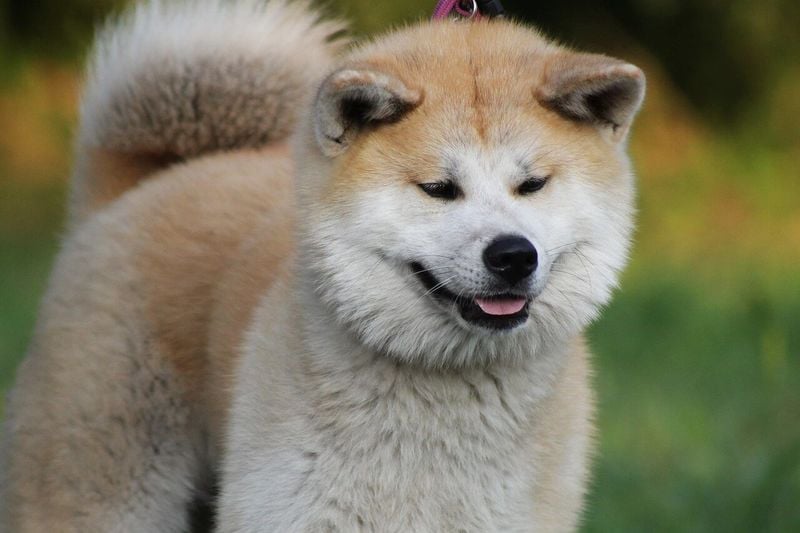
Akitas possess an imposing presence that commands respect. Originally Japanese hunting dogs, they maintain strong protective instincts that can quickly turn problematic without proper training and socialization.
These powerful dogs often show aggression toward other animals, especially dogs of the same sex. Their strong prey drive makes them unsafe around smaller pets. Akitas shed massively twice yearly, releasing their entire undercoat in what owners call a “fur explosion.”
Perhaps most challenging is their stubborn independence. Akitas aren’t people-pleasers like Labradors—they consider commands as suggestions. Many owners surrender these majestic dogs when they realize they’ve welcomed a strong-willed, 100+ pound guardian that requires experienced handling.
7. Beagle: The Nose That Never Rests
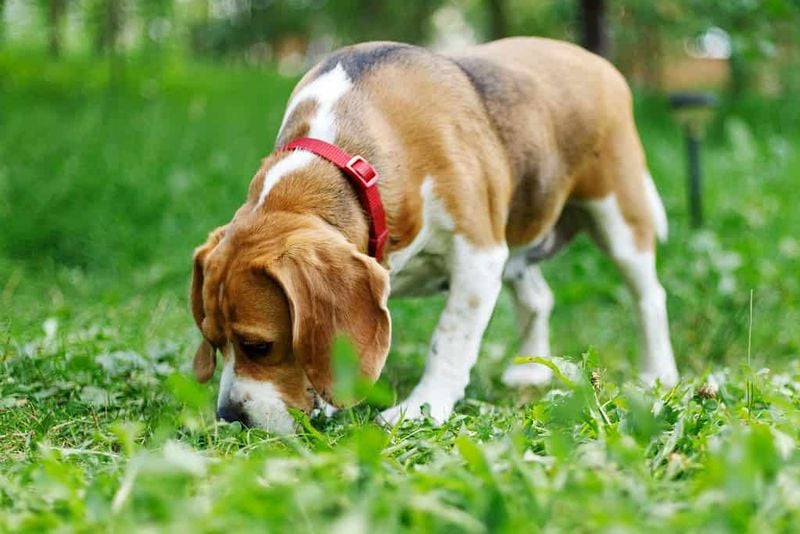
Those floppy ears and soulful eyes melt hearts, but Beagles follow their noses more than your commands. Bred for hunting rabbits, their powerful sense of smell means they’re constantly distracted by every interesting scent—making recall nearly impossible once they’ve caught a trail.
Beagles are notorious for their vocal habits. Their howling can reach impressive volumes that neighbors rarely appreciate. These dogs also rank among the most difficult breeds to housetrain, with some taking over a year to become reliable.
Their food motivation leads to counter surfing and garbage raiding. Many owners surrender these hounds when they discover their cute puppy grows into a stubborn adult with selective hearing and a talent for finding (and rolling in) disgusting smells.
8. Shiba Inu: The Cat-Like Canine
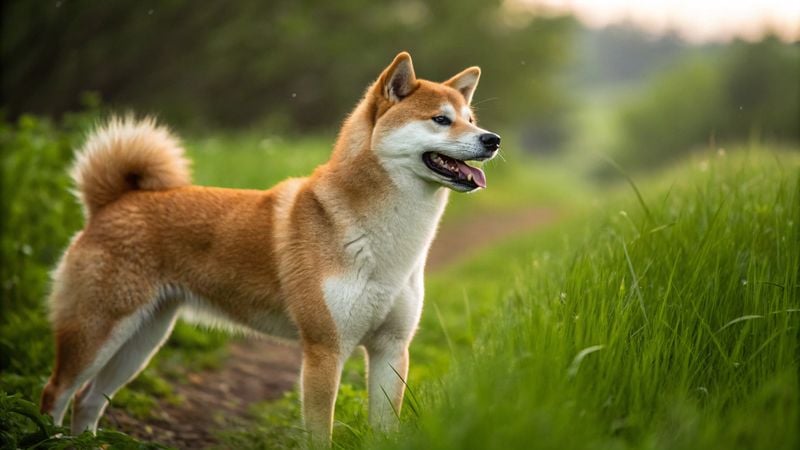
Made famous by memes, the fox-faced Shiba Inu attracts owners with its adorable appearance. Many quickly discover these ancient Japanese dogs possess cat-like independence and stubborn personalities that challenge even experienced trainers.
Shibas are known for their dramatic “Shiba scream”—a high-pitched vocalization when they’re unhappy about something (like bath time). Their strong prey drive makes them unreliable off-leash, as they’ll chase small animals with lightning speed.
Extremely clean by nature, they groom themselves like cats but still shed profusely twice yearly. Their aloof nature often surprises owners expecting an affectionate companion. Many Shibas end up in rescue when families realize they’ve adopted a beautiful but headstrong dog that refuses to follow rules.
9. Great Dane: Gentle Giant with a Short Lifespan
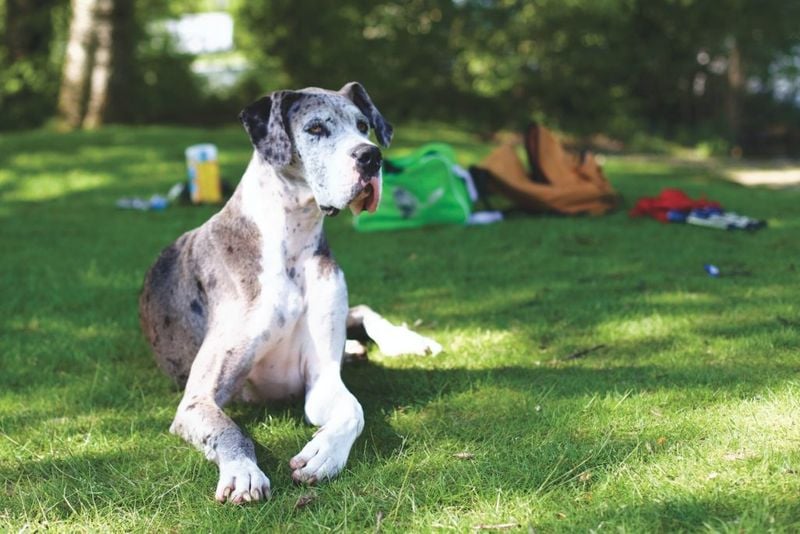
Great Danes capture hearts with their gentle nature and impressive size. Unfortunately, that massive frame comes with significant health problems and one of the shortest lifespans among dog breeds—typically just 7-10 years.
Their enormous size means everything costs more: food, medications, even routine procedures at the vet. These giants are prone to bloat, a potentially fatal condition requiring emergency surgery. Joint problems plague many Danes as they age, often requiring expensive treatments.
Despite their generally calm nature as adults, young Great Danes are clumsy “bull in a china shop” puppies for nearly two years. Many owners surrender these magnificent dogs when they face the heartbreak of serious health issues or can’t manage the financial burden of a 150+ pound pet.
10. Bulldog: Breathing Problems and Vet Bills
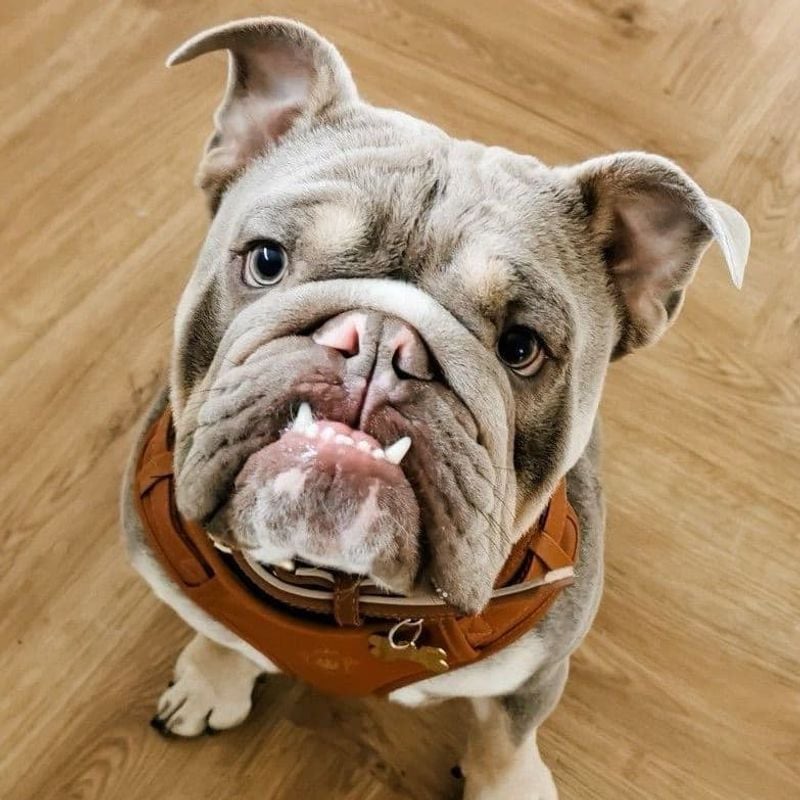
Those wrinkled faces and stocky bodies may look adorable, but both English and French Bulldogs suffer from serious health issues. Their flat faces cause chronic breathing difficulties, with many unable to exercise normally or tolerate heat without risking heatstroke.
The wrinkled skin folds require regular cleaning to prevent painful infections and terrible odors. Most Bulldogs cannot reproduce naturally—they typically require artificial insemination and cesarean deliveries, which breeders pass on through high purchase prices.
Expect frequent vet visits for skin issues, eye problems, and respiratory distress. Many owners surrender these dogs when they realize their cute companion requires specialized care and potentially thousands in medical expenses throughout a relatively short lifespan.
11. German Shepherd: Working Dog, Not Family Pet
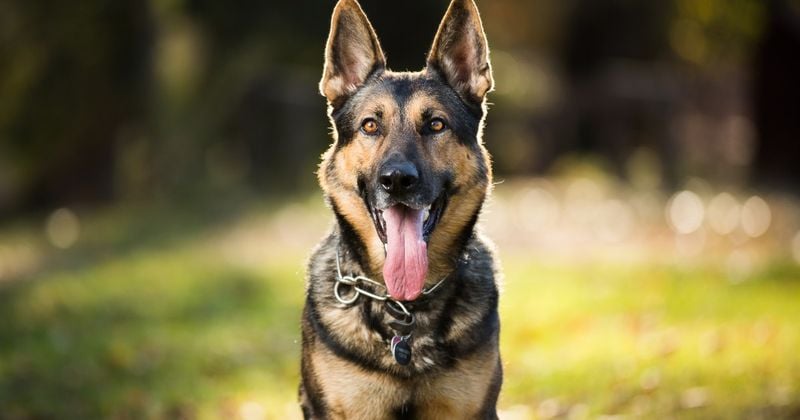
German Shepherds excel as police and military dogs for good reason—they’re intelligent, powerful, and intensely driven. Without proper training and regular mental challenges, these working dogs become frustrated and destructive.
Their thick double coat sheds constantly year-round, with dramatic “blowouts” twice yearly that cover everything in fur. Many develop serious hip dysplasia that can lead to painful mobility issues requiring expensive treatments.
Perhaps most surprising to unprepared owners is their neediness. German Shepherds form intense bonds with their families and can develop separation anxiety when left alone. Many end up in shelters when owners realize they’ve adopted a working dog that needs a job, not just a pet that’s content lounging around the house.
12. Pomeranian: Small Dog, Big Attitude
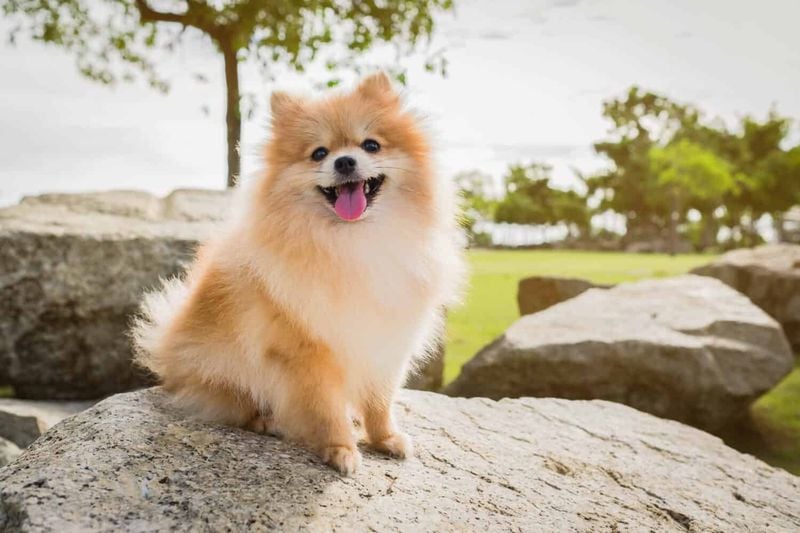
These fluffy little dogs pack surprising attitude into tiny packages. Pomeranians often develop “small dog syndrome,” becoming snappy and territorial without proper training. Many owners inadvertently encourage bad behavior by treating them like babies rather than dogs.
Their gorgeous double coat requires extensive grooming to prevent painful mats. Skip regular brushing sessions and you’ll end up with an expensive groomer visit and possibly a shaved dog. Poms are notorious barkers who alert to EVERYTHING—delivery people, neighbors, leaves blowing past the window.
Despite their tiny size, they shed tremendously. Their fragile build makes them poor choices for homes with young children, as rough handling can cause serious injuries. Many end up in shelters when owners tire of the constant yapping and grooming demands.
13. Cocker Spaniel: High Maintenance Beauty

Those silky ears and soulful eyes hide high-maintenance needs that surprise many owners. The Cocker’s beautiful coat requires professional grooming every 4-6 weeks, costing hundreds of dollars annually. Without proper care, their fur quickly becomes a matted, painful mess.
Their floppy ears trap moisture, making them prone to chronic ear infections that require regular cleaning and medication. Many Cockers develop serious eye problems that can lead to blindness without proper treatment.
The breed has unfortunately suffered from poor breeding practices, leading to health and temperament issues. Some develop “rage syndrome,” unpredictable aggression that occurs without warning. Many owners surrender these dogs when they realize the beautiful show dog they admired requires constant grooming and medical attention.
14. Australian Shepherd: Too Smart for Suburban Life
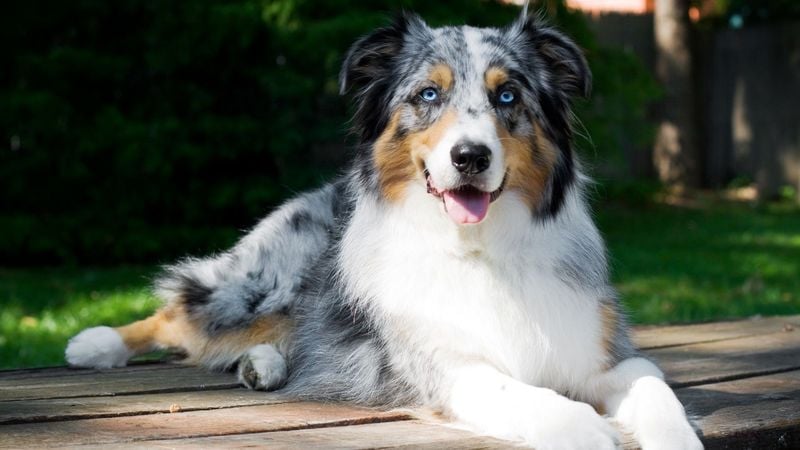
Australian Shepherds rank among the most intelligent breeds, which becomes problematic without proper outlets. These herding dogs need jobs—without one, they’ll invent their own, often by herding children, other pets, or even the vacuum cleaner.
Their boundless energy requires several hours of daily exercise. A bored Aussie quickly becomes destructive and may develop obsessive behaviors like tail-chasing or shadow-stalking. Their herding instinct can manifest as nipping at heels and chasing moving objects.
That beautiful merle coat sheds constantly and requires regular brushing. Many Aussies carry the MDR1 gene mutation that makes certain common medications potentially fatal. Families often surrender these dogs when they discover their adorable puppy grows into an intelligent workaholic that needs constant engagement.
15. Weimaraner: The Velcro Dog That Never Stops
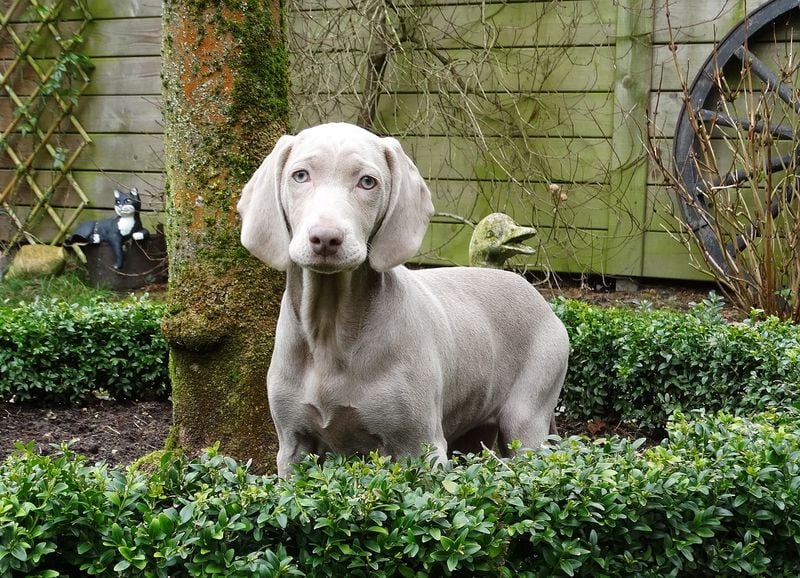
Known as “gray ghosts,” Weimaraners combine stunning looks with challenging needs. These hunting dogs require massive amounts of exercise—a quick walk won’t cut it. Without proper outlets, their anxiety transforms into destructive behavior.
Weimaraners develop intense attachment to their owners, earning them the nickname “velcro dogs.” This often manifests as severe separation anxiety when left alone, leading to howling, escape attempts, and destruction. Their short coat might seem low-maintenance, but they shed significantly year-round.
Their hunting instinct makes them poor companions for homes with cats or small pets. Many owners surrender these elegant dogs when they realize they’ve adopted an athletic, needy companion that requires hours of daily exercise and struggles with being left alone even briefly.
16. Poodle: Intelligence That Demands Attention
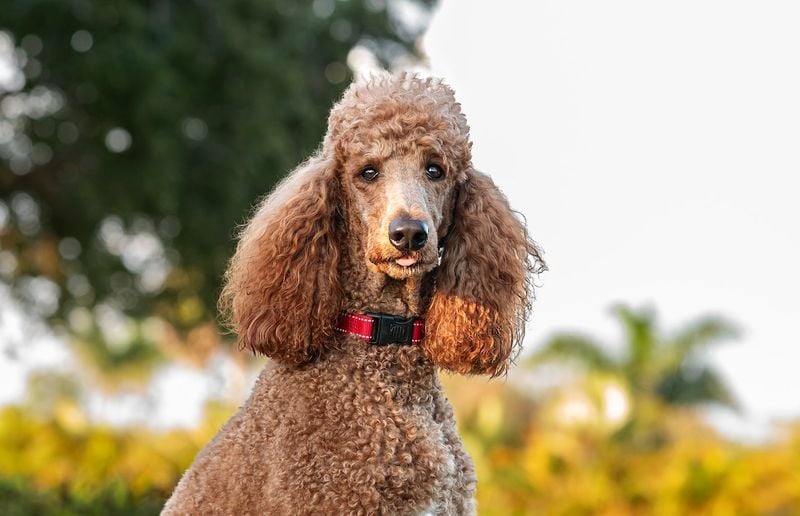
Poodles rank among the smartest breeds, which becomes problematic when owners can’t meet their mental stimulation needs. Their non-shedding coat requires professional grooming every 4-6 weeks, costing hundreds annually. Without regular grooming, their curly hair forms painful mats that must be shaved.
Standard Poodles need significant exercise despite their elegant appearance. All Poodle varieties can develop behavioral problems when bored, including excessive barking and destructive chewing. Their intelligence makes them masters at finding trouble when understimulated.
Health issues like hip dysplasia and eye problems are common in poorly bred lines. Many owners surrender these dogs when they realize their “hypoallergenic” pet requires expensive grooming appointments, extensive training, and constant mental engagement to stay balanced.
17. Boxer: Eternal Puppy with Health Concerns

Boxers win hearts with their playful personalities, but that puppy-like energy lasts well into adulthood. These powerful dogs remain boisterous and bouncy for years, knocking over furniture and children with their exuberant play style.
Health problems plague the breed, with cancer rates alarmingly high—many Boxers don’t live beyond 8-10 years. Their short snouts make them prone to breathing difficulties and heat intolerance. Drooling is constant, especially after drinking water, leaving slime trails throughout the house.
Their high exercise needs clash with their inability to tolerate extreme temperatures. Many families surrender these lovable clowns when they face expensive medical bills or can’t manage their combination of strength and endless energy, especially as health issues develop in middle age.