Dry vs. Wet vs. RawL Which Dog Diet Is the Best?

Choosing the right diet for your dog is one of the most important decisions you’ll make as a pet parent. Food impacts your dog’s energy levels, immune system, skin, coat, and even behavior.
With so many options, dry kibble, wet food, and raw diets, it can feel overwhelming to figure out what’s best. Each has its fans and skeptics, along with its own benefits and drawbacks.
This article breaks down everything you need to know about each type of dog diet. From nutritional value and convenience to cost and vet opinions, you’ll be equipped to make the smartest choice for your furry companion.
1. What Is a Dry Dog Food Diet?
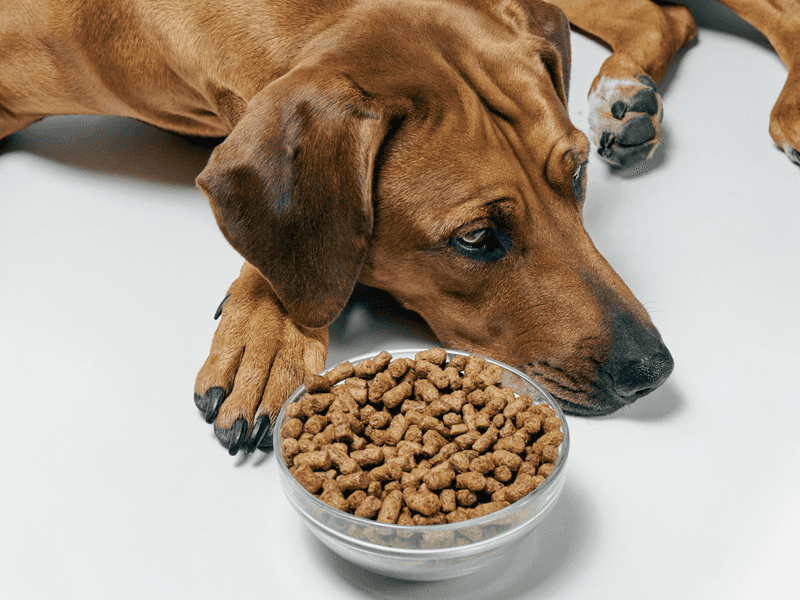
Dry dog food, commonly known as kibble, is a staple in many households. It’s typically composed of grains, meat meal, and additives, offering a balanced diet. One of its biggest advantages is the long shelf life, making it convenient for storage and travel.
The processing involves cooking and extrusion, which not only aids in digestibility but also ensures the food is bacteria-free. While the upfront cost might seem high, bulk buying often reduces the price.
Available in pet stores globally, dry dog food is both affordable and versatile. However, it’s essential to keep fresh water nearby as kibble can lead to dehydration.
2. What Is a Wet Dog Food Diet?
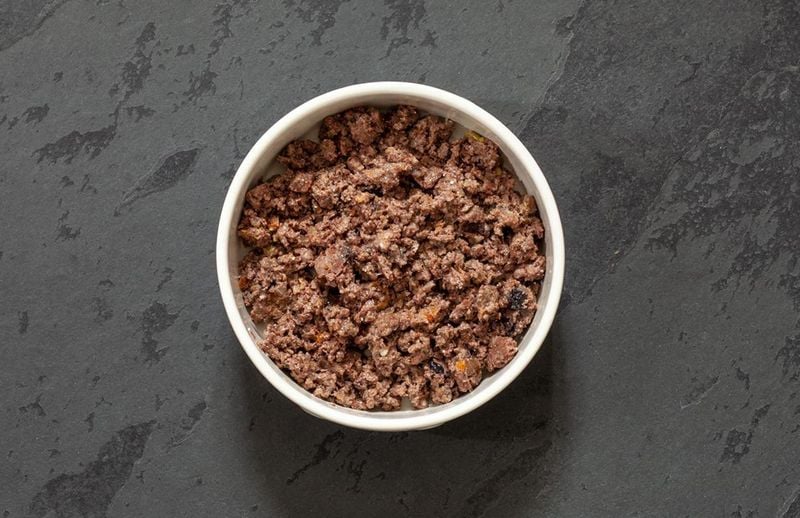
Wet dog food, often found in cans or pouches, stands out for its high moisture content. This makes it particularly appealing for dogs, as the rich aroma and texture are hard to resist. It’s a popular choice for dogs needing extra hydration in their diet.
While the texture is a hit with dogs, it can be a challenge for owners. Once opened, it requires refrigeration and has a shorter shelf life compared to kibble.
Despite being pricier, many owners find it worth the expense for picky eaters or those with dental issues. Store it properly to maintain its freshness and nutritional value.
3. What Is a Raw Dog Food Diet?
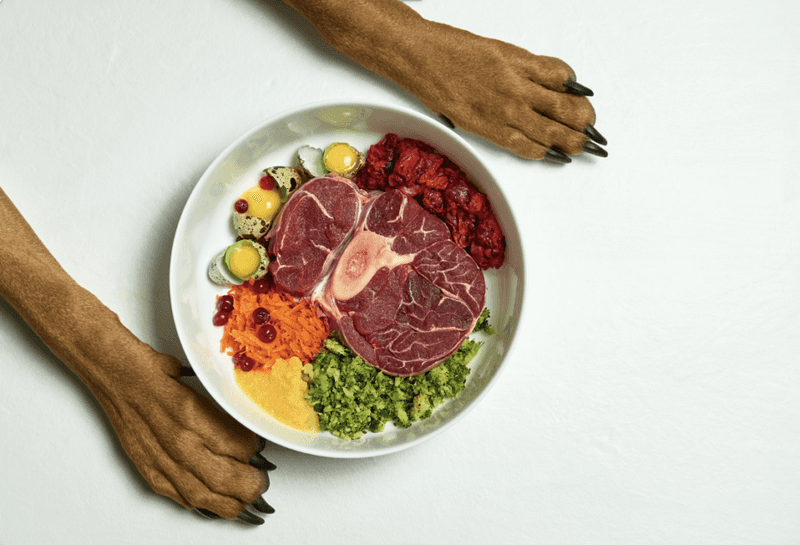
Raw dog food is inspired by the ancestral diet of dogs, often referred to as the BARF (Biologically Appropriate Raw Food) diet. It’s composed of uncooked meat, bones, organs, and vegetables, aiming to provide a natural and unprocessed diet.
While some swear by its benefits, such as healthier coats and energy, preparation requires strict hygiene practices. There’s a risk of bacterial contamination if not handled carefully.
Although raw feeding can be costlier and time-consuming, many believe it ensures balanced nutrition when well-planned. Remember, it’s crucial to consult a vet to tailor the diet to your dog’s needs.
4. Nutritional Comparison
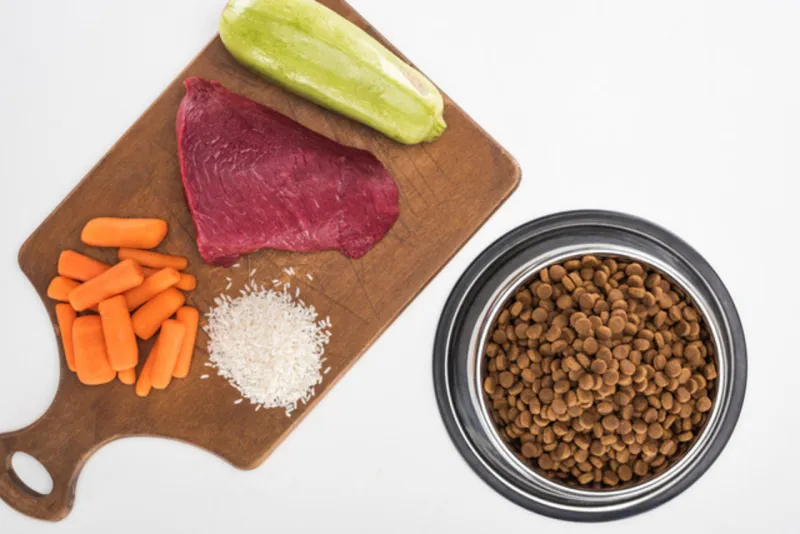
The nutritional content of dog food varies widely between dry, wet, and raw diets. Dry kibble often contains higher carbohydrates due to grains, while wet food is richer in protein and moisture. Raw food stands out for its natural ingredients, providing balanced nutrients without fillers.
Protein is essential for muscle health, and raw diets are typically rich in it. However, wet food can also meet these needs with quality ingredients.
It’s crucial to check for artificial additives or preservatives, which might affect digestibility. Each diet offers unique benefits, so understanding your dog’s specific nutritional requirements is key to choosing the best option.
5. Pros and Cons of Dry Dog Food

Convenience is the hallmark of dry dog food. It’s easy to store, measure, and serve, making it a favorite among busy pet owners. The hard texture can also promote dental health by reducing plaque buildup.
However, fillers and allergens can be a concern. Some formulations might include corn or soy, which aren’t ideal for sensitive dogs. Potential dehydration is another drawback, necessitating constant access to fresh water.
Despite these cons, affordability makes it an attractive option for budget-conscious pet parents. Weighing the pros and cons will help determine if kibble aligns with your dog’s needs.
6. Pros and Cons of Wet Dog Food

Wet dog food’s high moisture content makes it a great choice for hydration, especially in hot climates or for dogs not keen on water. The palatability factor is high, often making it the go-to for fussy eaters.
On the downside, it’s more expensive than kibble and can spoil quickly once opened. This necessitates careful storage and prompt consumption.
Additionally, the soft texture doesn’t aid dental health like dry food. Weighing these aspects can help decide if wet food is the right fit for your furry friend, balancing taste with practicality.
7. Pros and Cons of Raw Dog Food
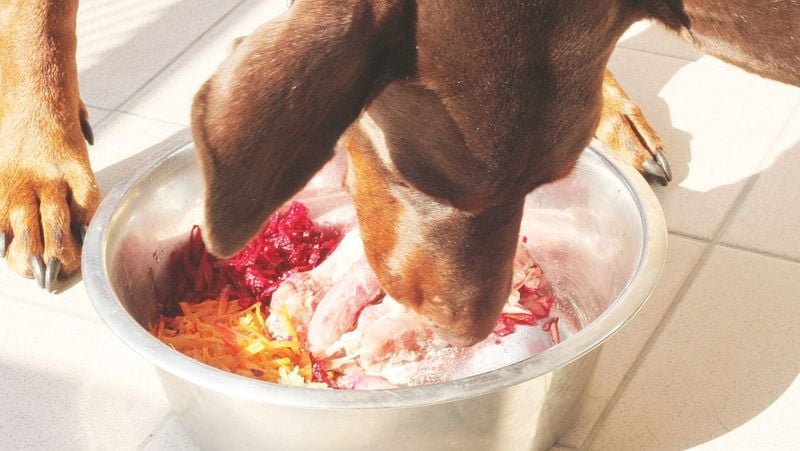
Raw dog food offers fresh ingredients that many believe contribute to shinier coats and cleaner stools. Feeding raw is often viewed as returning to a dog’s natural diet, potentially enhancing vitality and health.
However, the preparation demands meticulous attention to hygiene to avoid bacterial contamination. An unbalanced diet might arise if not planned correctly, requiring guidance from professionals.
While potentially cost-prohibitive, some pet parents see the benefits outweighing the drawbacks. Weighing these pros and cons allows for a clear decision on whether raw feeding suits your dog’s lifestyle and health goals.
8. Suitability by Dog Age and Health

Different stages of a dog’s life call for varied dietary needs. Puppies require nutrient-dense diets for growth, while seniors need food tailored to lower activity levels. Adult dogs benefit from a balanced diet supporting their daily activities.
For dogs with specific health concerns like allergies or dental issues, diet plays a crucial role in management. Choosing the right type of food can alleviate symptoms or provide necessary nutrients.
Each dog’s age and health status must be considered when selecting a diet. Consulting with a veterinarian ensures that the chosen food aligns with your dog’s needs and promotes optimal health.
9. Cost Breakdown

Understanding the cost of dog food is essential for budgeting. Dry food generally offers the most cost-effective option, particularly when bought in bulk. Wet food can be pricier, with raw diets often being the most expensive.
While dry food provides savings, the nutritional value should also be evaluated. Wet food, although more expensive, might be necessary for dietary reasons.
Raw diets come with preparation costs, but some see it as an investment in their pet’s health. Weighing the cost against benefits helps make an informed decision on the best diet for your dog’s well-being.
10. Convenience and Storage

Convenience is a significant factor when choosing dog food. Dry kibble wins with its ease of storage and long shelf life. It’s perfect for travel and quick feeding sessions.
Wet food requires more careful storage and refrigeration once opened. It’s less convenient for travel but ideal for at-home feeding.
Raw food demands the most attention with special storage and preparation needs. Understanding each diet’s logistics helps in deciding the most convenient option for your lifestyle and your dog’s needs, ensuring freshness and ease of feeding.
11. Veterinarian and Expert Opinions

Veterinarians often recommend a balanced diet tailored to individual dog needs. Many suggest dry or wet food, citing ease of use and complete nutrition as benefits. Raw diets are more contentious, with some vets concerned about safety and nutritional balance.
In certain cases, a raw diet might be advised for dogs with specific health issues, but this requires careful planning and professional guidance.
Pet owners should engage in open discussions with their vets to determine the most suitable diet. A well-informed choice, supported by expert advice, ensures a healthy and happy canine companion.
12. Combining Diets (Hybrid Feeding)
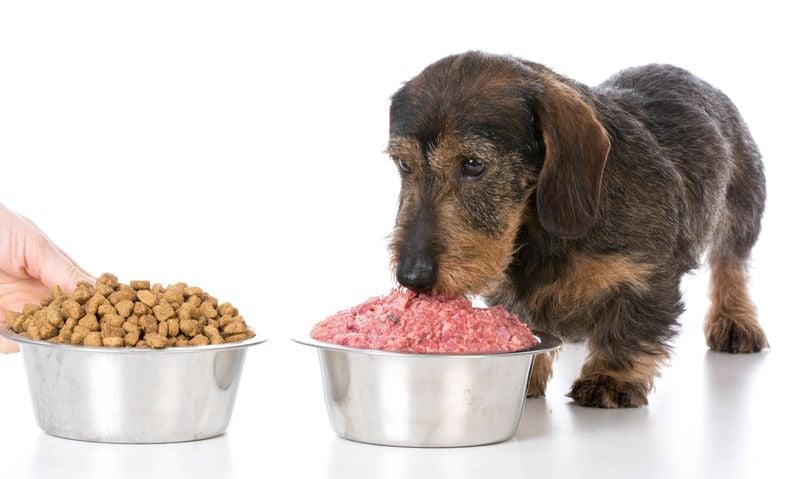
Mixing different types of dog food can offer the best of both worlds. Combining dry and wet foods can enhance flavors and improve nutrition, appealing to picky eaters.
Occasional raw meals might be introduced, providing variety and nutritional benefits. However, it’s crucial to ensure balance to prevent digestive issues.
Understanding the right proportions and combinations is key to safe hybrid feeding. Consulting with a veterinarian can help tailor a plan that maximizes benefits while minimizing risks, ensuring a satisfying and nutritious diet for your dog.
13. Transitioning Between Diets
Switching your dog’s diet requires patience and care. Gradually introducing new food over a week minimizes digestive upsets. Start by mixing a small amount of new food with the old, slowly increasing the proportion.
Monitor your dog closely for signs of digestive distress, such as vomiting or diarrhea. If symptoms persist, reverting to the original diet and consulting a vet is advisable.
A smooth transition ensures your dog adapts comfortably to the new diet, maintaining health and satisfaction. Proper planning and observation are key to a successful dietary change for your furry friend.
14. Final Verdict: Which Diet Is Best?

Determining the best diet for your dog depends on individual needs. Each diet—dry, wet, or raw—offers unique benefits and potential drawbacks. Understanding your dog’s preferences, health, and lifestyle is crucial.
While some dogs thrive on kibble, others might need the hydration and taste of wet food. Raw diets can be beneficial but require careful planning.
Ultimately, the best diet is one that suits your dog’s unique requirements. Consulting with a vet ensures an informed choice, tailored to enhance your pet’s health and happiness. The decision rests on balancing all these factors according to what’s best for your canine friend.