European Doberman vs American Doberman: 10 Key Differences
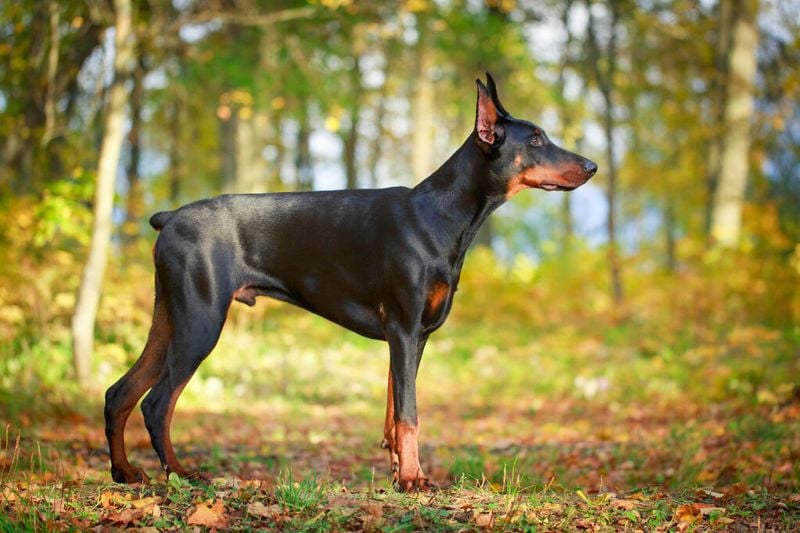
The Doberman Pinscher, an iconic breed known for its loyalty and intelligence, comes in two primary varieties: the European Doberman and the American Doberman.
Although they share a common ancestry, these two variants exhibit distinct characteristics that set them apart.
From physical attributes to temperament, understanding these differences can guide prospective owners in choosing the right companion for their lifestyle.
1. Physical Appearance
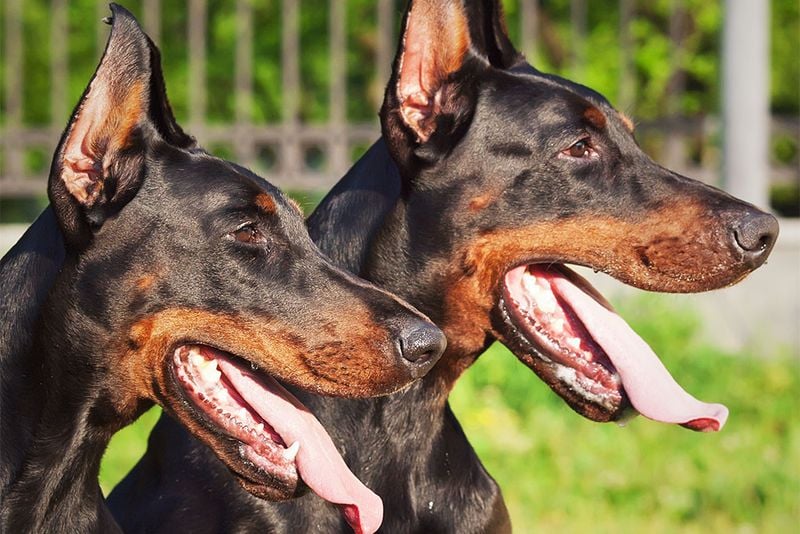
European Dobermans boast a robust and muscular physique, with thicker bones adding to their imposing stance. Their American counterparts, however, display a sleeker, more refined silhouette, reflecting elegance and grace. The difference is not merely superficial; it’s the result of breeding focuses that prioritize different traits.
While European breeders emphasize strength and working capability, American breeders often prioritize aesthetics. This divergence in breeding goals has led to the distinct physical appearances we see today. Both types, nevertheless, exude confidence and nobility, traits quintessential to the Doberman breed.
2. Head and Facial Structure
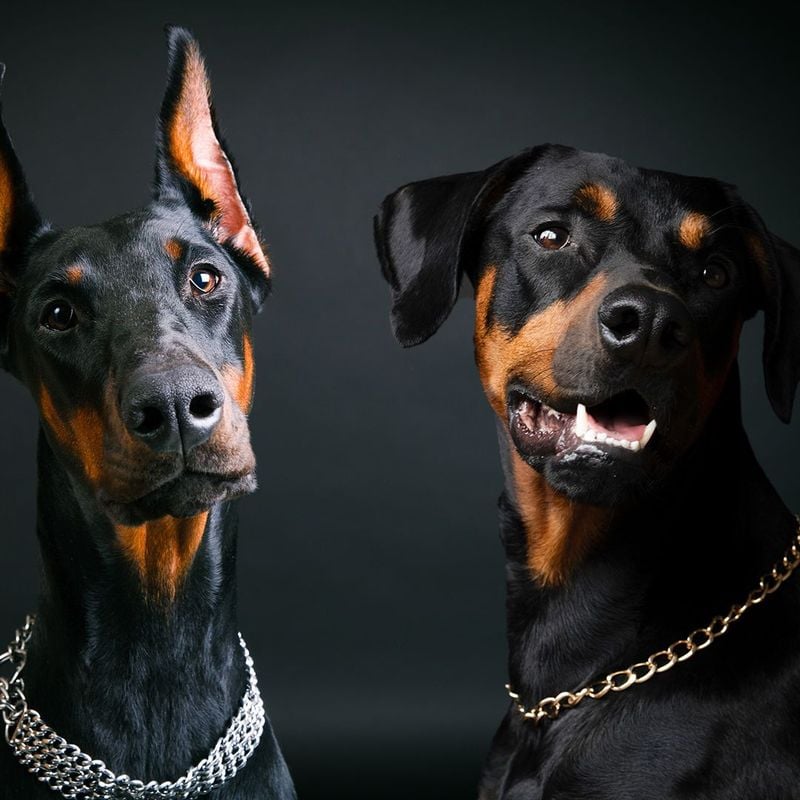
The head of a European Doberman presents a blockier and broader appearance, with a pronounced stop that adds to its intense look. In contrast, the American Doberman’s head is narrower, with a smooth facial slope that contributes to a refined expression.
These structural differences highlight the variances in breeding standards between continents. European Dobermans often convey a more formidable demeanor, while American Dobermans project elegance. This distinction in head and facial structure is not just about looks—it also influences perceptions of temperament and personality at first glance.
3. Temperament
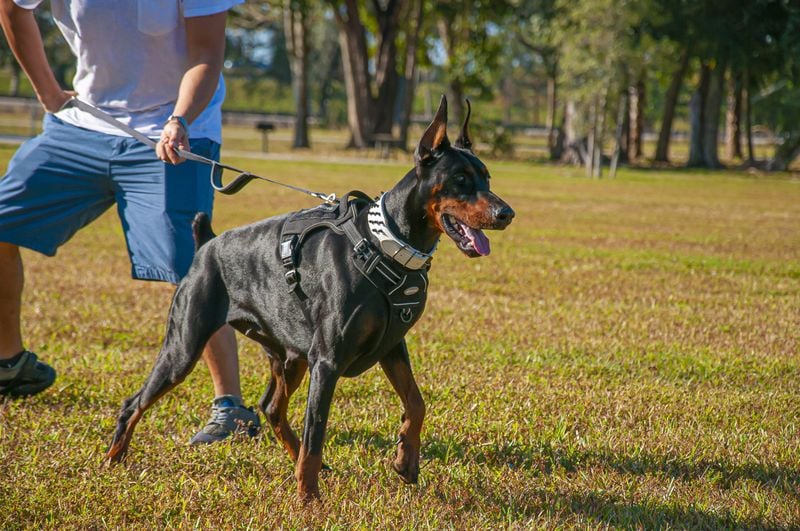
Renowned for their intense working drive, European Dobermans thrive in environments where their energy and alertness are put to the test. Meanwhile, American Dobermans, selectively bred for a more family-oriented lifestyle, exhibit a calmer demeanor.
This divergence stems from breeding priorities—European breeders favor dogs with high energy and work potential, while American breeders often focus on temperament suited to companionship. Regardless of the line, both Dobermans maintain a deep loyalty to their families, making them excellent companions.
4. Energy and Drive
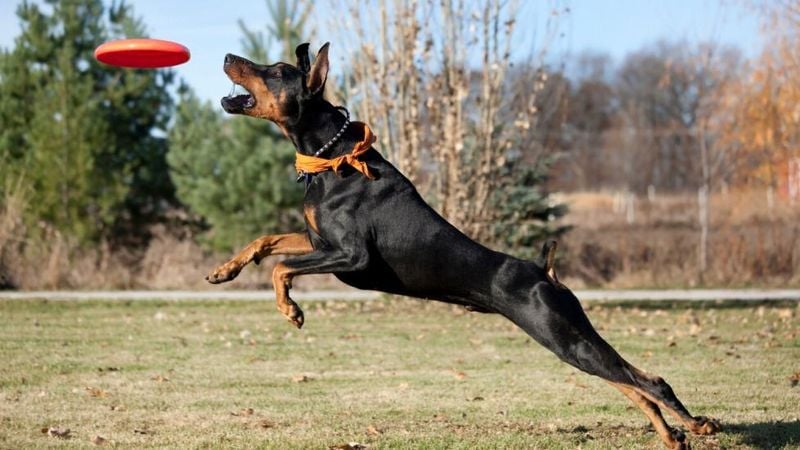
European Dobermans possess a drive and energy almost unmatched, needing mental and physical challenges to stay happy. This high energy suits them well for roles in work and sport, where they excel. On the flip side, American Dobermans, although still active, display a more moderate energy level.
Their lifestyle aligns well with family homes, where a lower drive is often beneficial. The American variety adapts easily to a more relaxed pace, while still enjoying regular exercise. Both types provide loyal companionship but cater to different lifestyles with their distinct energy levels.
5. Work vs. Show Line Origins
European Dobermans are historically bred with working capabilities in mind, adhering to FCI standards. This heritage is visible in their physical prowess and mental acuity. Conversely, American Dobermans are often bred to conform to AKC show standards, where appearance and companionship are prioritized.
The focus on different breeding goals has led to distinct lineages, each with unique strengths. While one excels in performance, the other shines in the show ring. Both contribute to the Doberman’s reputation as a versatile and adaptable breed, each in its own way.
6. Training Requirements
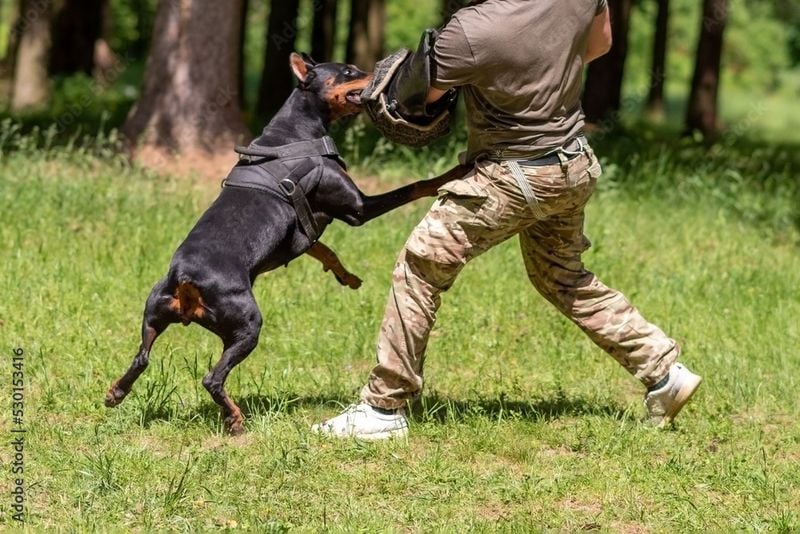
Rigorous training is often a necessity for European Dobermans, given their high drive and protective instincts. They require structured routines to channel their energy positively. American Dobermans, on the other hand, tend to be more adaptable to casual training.
This flexibility makes them suitable for families seeking a less intense training regime. Both lines benefit from early socialization and training, but their differing needs reflect their unique temperaments. Each Doberman type, with proper guidance, can become a well-mannered and obedient companion.
7. Health Differences
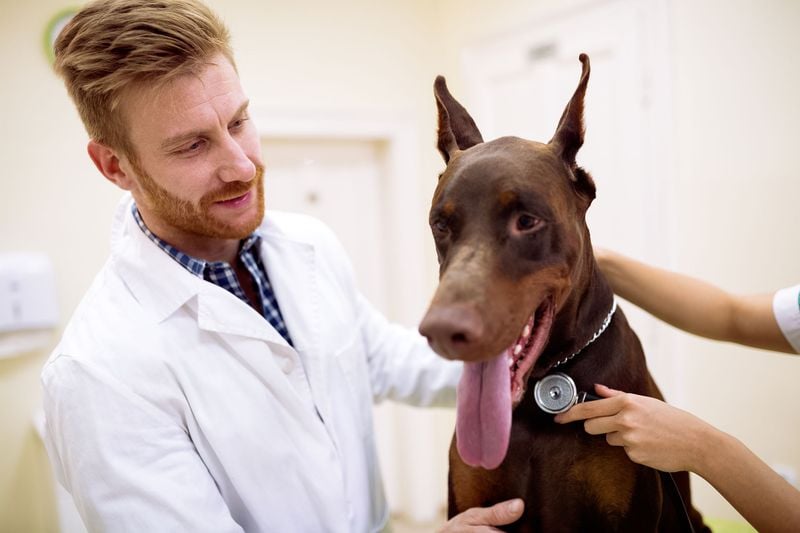
Some breeders assert that European Dobermans face fewer genetic health issues due to stricter breeding regulations in Europe. However, both types are susceptible to similar hereditary conditions, such as hip dysplasia and cardiomyopathy.
The debate on health often centers around breeding practices and genetic testing. Both European and American Dobermans require regular vet check-ups to maintain their health. Regardless of type, responsible breeding and awareness of potential health challenges are crucial for ensuring a long, healthy life for these loyal companions.
8. Size and Weight
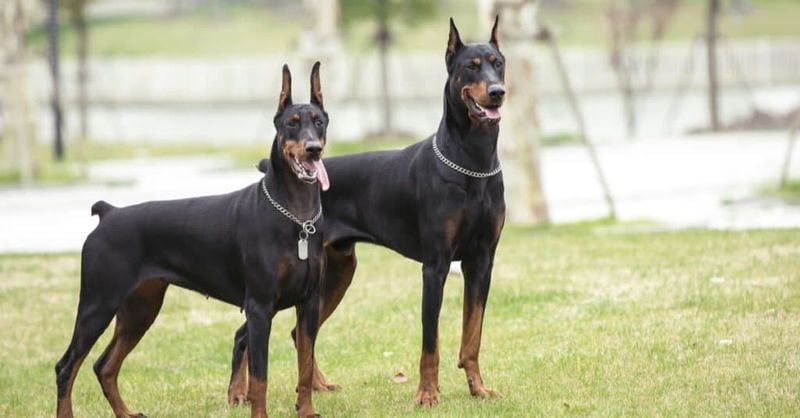
In terms of size, European Dobermans typically stand taller and weigh more than their American counterparts. Males can often exceed 100 pounds, whereas American males usually range from 75 to 90 pounds.
These size differences arise from the varying breeding objectives across continents. Europeans tend to favor a more robust animal, while Americans often aim for a more graceful build. Despite these variations, both sizes maintain the Doberman’s iconic athleticism and agility, traits admired by enthusiasts worldwide.
9. Protectiveness and Guarding Instinct
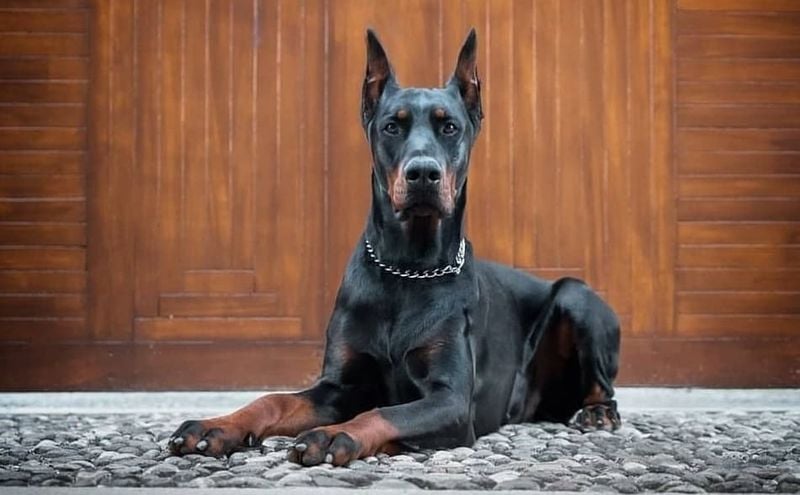
With an intense guarding instinct, European Dobermans are often the choice for protection sports and security roles. Their natural alertness and responsiveness make them exceptional guardians. In contrast, American Dobermans possess a more measured approach to guarding, typically being more relaxed.
This difference is rooted in their breeding backgrounds, with Europeans focusing on protective capabilities, while Americans prioritize companionship. Nonetheless, both types are vigilant and loyal, offering unique approaches to family protection.
10. Legal and Breeder Recognition
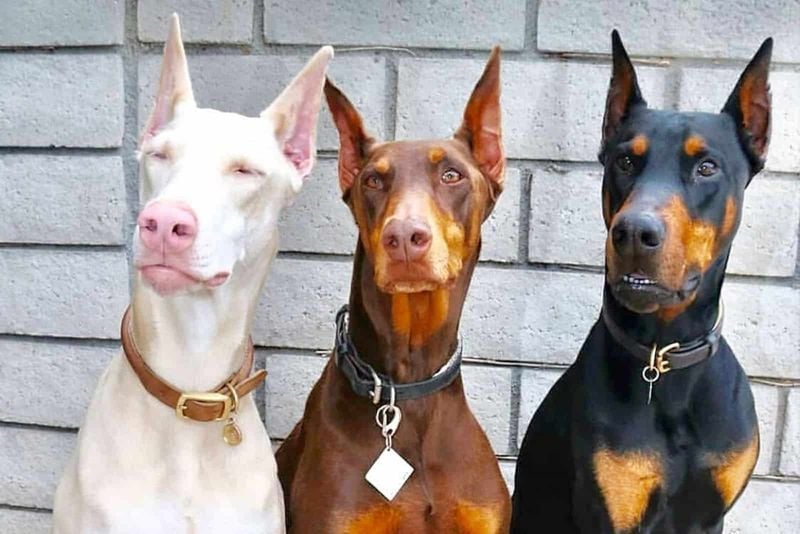
The FCI and AKC set different standards for Dobermans, affecting appearance and temperament. This divergence influences how breeders are regulated and recognized across continents.
While FCI standards emphasize working ability, AKC focuses on show qualities. These differing priorities shape the breed’s presence in Europe and America, creating distinct lines that adhere to specific guidelines. Both standards contribute to the global understanding of the Doberman breed, each offering a unique interpretation of its characteristics.