Ranked: 18 Dogs With the Most Powerful Jaws on the Planet
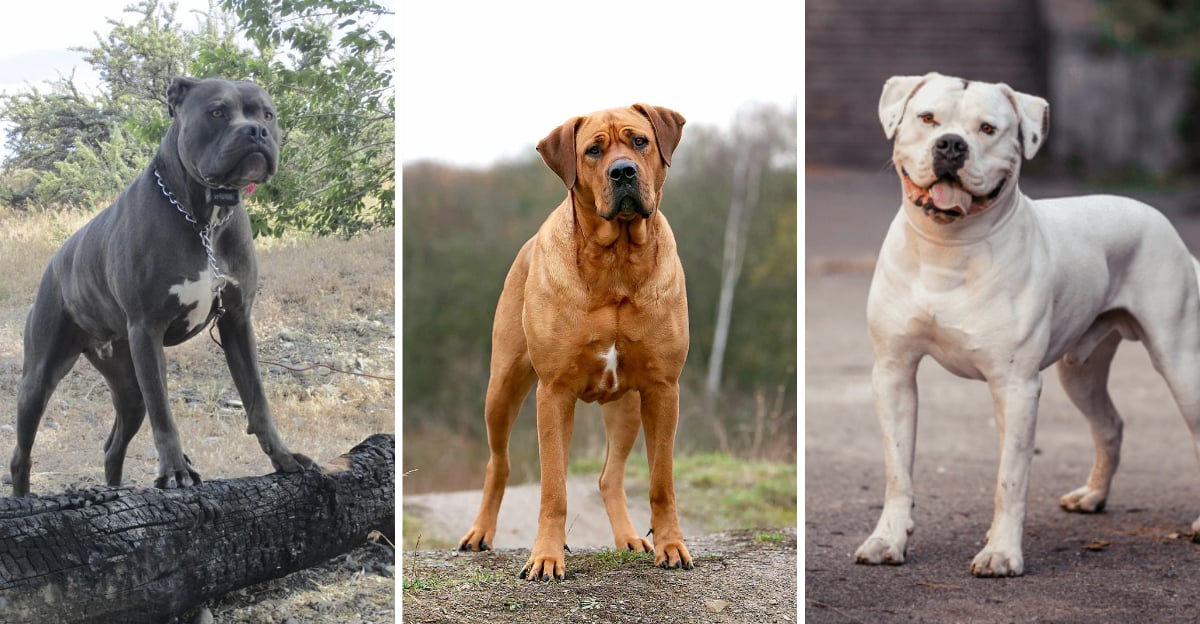
Dogs have been our loyal companions for thousands of years, but some breeds pack more power in their bite than others. A dog’s jaw strength is measured in pounds per square inch (PSI), and the differences between breeds can be surprising.
From working dogs to protectors, these canines have developed impressive bite forces that reflect their history and breeding purpose.
1. Kangal – The Shepherd’s Guardian (743 PSI)
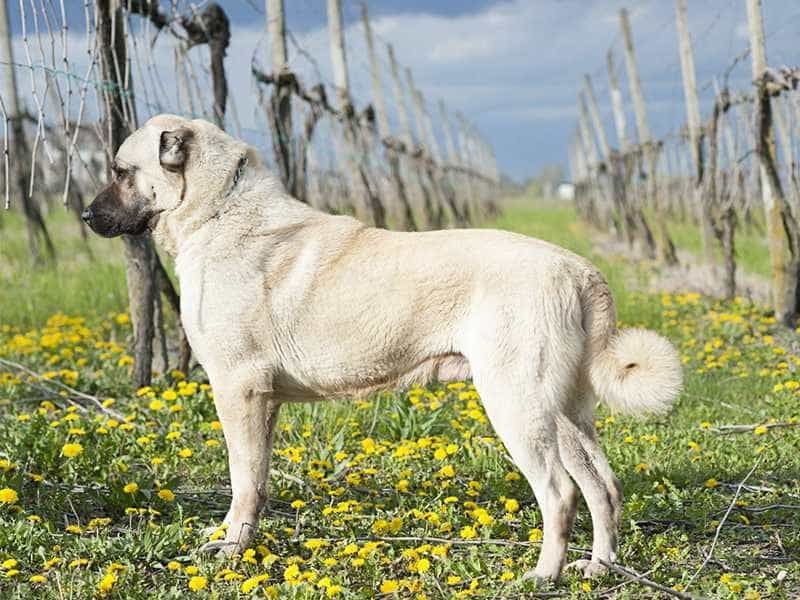
Originating from Turkey, the Kangal holds the crown for the strongest dog bite on Earth. These majestic guardians were bred to protect livestock from predators like wolves and bears, explaining their astonishing jaw power.
Despite their intimidating strength, Kangals are known for their gentle disposition with family members. They’re calculated defenders rather than aggressive attackers, using their powerful jaws only when truly necessary.
Interestingly, Turkish laws once prohibited exporting these national treasures, considering them vital to the country’s agricultural heritage. Their incredible bite force helps them fulfill their ancestral role as fearless protectors of vulnerable sheep flocks.
2. Bandog – The Medieval Powerhouse (730 PSI)
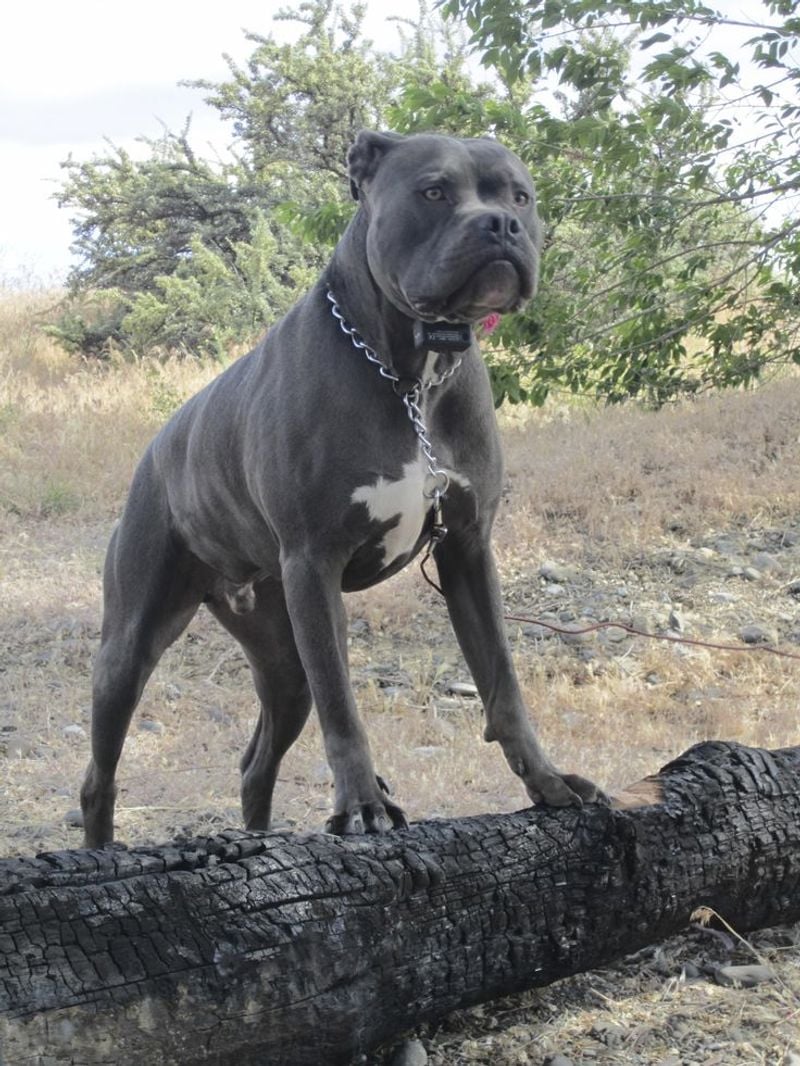
The Bandog combines the strength of a Mastiff with the agility of a bulldog, creating a formidable guardian with a bite force that rivals the Kangal. These muscular dogs were originally bred in medieval England as night watchdogs, chained during the day and released at night to patrol estates.
Their name derives from ‘band dog’ or ‘bound dog,’ referring to their historical tethering when not working. Modern Bandogs maintain their protective instincts but can be loyal family companions with proper training.
Few people realize these dogs aren’t an official breed but rather a type created through specific crossbreeding for function over form. Their jaw strength makes them exceptional deterrents for would-be intruders.
3. Cane Corso – The Roman War Dog (700 PSI)
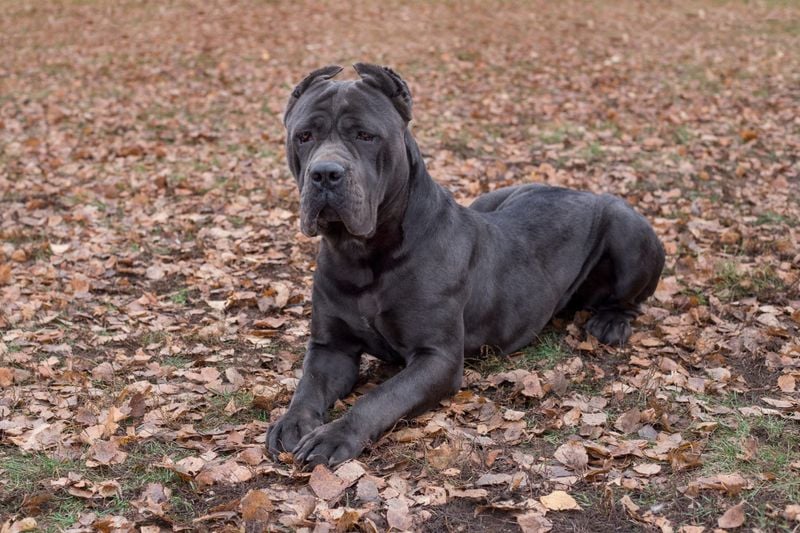
Ancient Romans relied on these powerful molossers for warfare, hunting, and guarding. The Cane Corso’s name translates roughly to ‘bodyguard dog,’ perfectly describing their historical purpose and explaining their incredible 700 PSI bite force.
What makes these Italian mastiffs remarkable is their balanced temperament. They combine extreme physical power with surprising sensitivity to their owners’ needs. Their imposing presence alone often prevents confrontations.
The breed nearly vanished after World War II when their traditional roles disappeared with modernization. Thankfully, dedicated enthusiasts revived these magnificent dogs in the 1970s. Today’s Corsos maintain their protective instincts while adapting beautifully to family life.
4. Dogue de Bordeaux – The French Powerhouse (556 PSI)
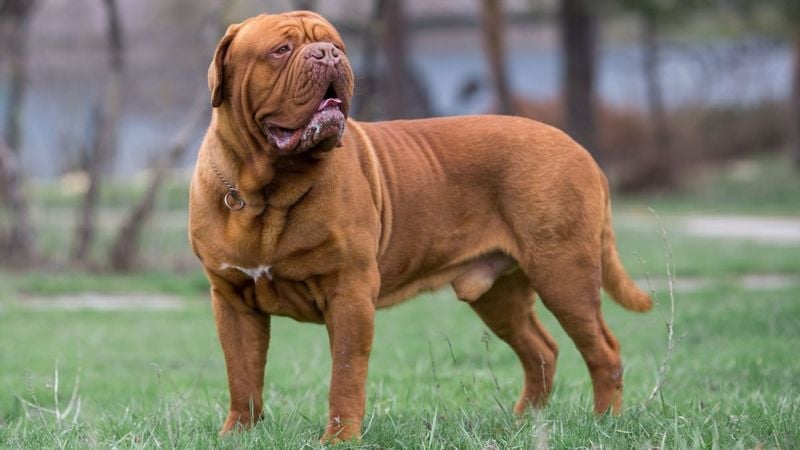
With their distinctive wrinkled faces and massive heads, these French mastiffs pack serious power in their jaws. Featured in the film ‘Turner & Hooch,’ these ancient guardians trace their lineage back to Roman war dogs and were later used for hunting wild boars.
Their imposing appearance hides a surprisingly tender nature. Dogue de Bordeaux owners often describe these giants as ‘heart dogs’ – deeply attached to their families and surprisingly gentle with children despite their formidable strength.
These dogs faced near-extinction during the French Revolution when many were killed alongside their aristocratic owners. Their resilience and utility helped them survive through history. Their powerful bite makes them excellent property guardians who rarely need to use their strength.
5. Tosa Inu – Japan’s Canine Sumo Wrestler (556 PSI)
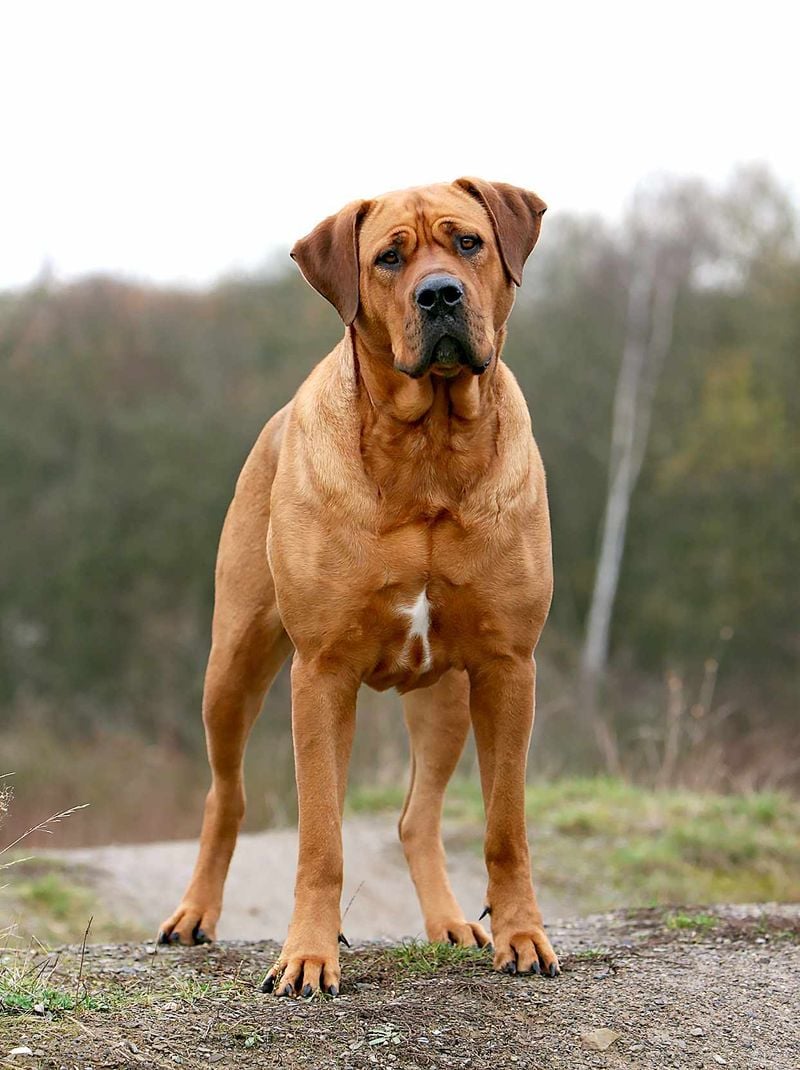
Revered in Japan as living national treasures, Tosa Inus were specifically bred for the fighting ring. Their development combined native Japanese dogs with imported breeds like Mastiffs and Great Danes to create the ultimate canine competitor with jaw strength measuring 556 PSI.
Surprisingly, despite their fighting heritage, well-raised Tosas display remarkable self-control and dignity. Japanese breeders valued silent fighters who showed determination without excessive aggression or noise – qualities that translate well to their role as family guardians.
So respected are these dogs in their homeland that they participate in formal competitions resembling sumo wrestling matches. Their ownership is restricted in many countries due to their potential power, making them rare outside Japan.
6. English Mastiff – The Ancient Giant (552 PSI)
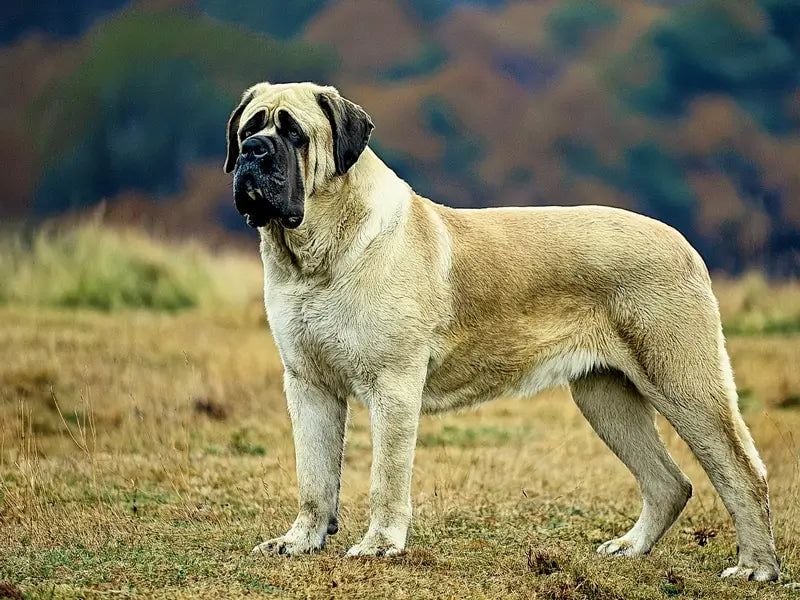
As one of history’s oldest breeds, English Mastiffs were described by Julius Caesar himself after witnessing their courage in battle. These gentle giants combine a 552 PSI bite force with surprisingly calm temperaments, making them the quintessential ‘gentle giant.’
The Guinness World Record for heaviest dog belongs to an English Mastiff named Zorba, who weighed an astonishing 343 pounds. Their massive heads house powerful jaw muscles that can exert tremendous pressure when needed, though they rarely display aggression.
During bear-baiting days in medieval England, these dogs faced dangerous predators in brutal sports. Today’s Mastiffs retain their protective instincts but prefer lounging with family over confrontation. Their imposing size alone serves as an effective deterrent to potential threats.
7. Dogo Argentino – The White Hunter (500 PSI)
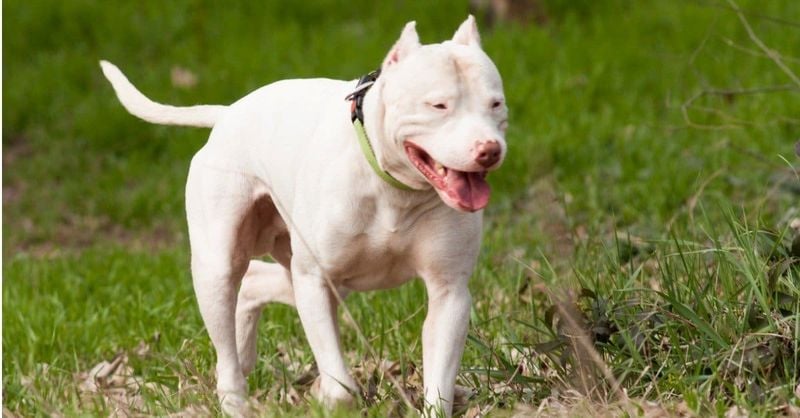
Created specifically for big game hunting, the Dogo Argentino combines strength, courage, and a 500 PSI bite force. Dr. Antonio Nores Martinez developed this breed in Argentina during the 1920s, seeking the perfect companion for hunting wild boar and puma.
Their striking all-white coats serve a practical purpose – hunters can easily distinguish them from prey in dense underbrush. Despite their hunting prowess, these dogs form incredibly strong bonds with their human families and can be surprisingly gentle with children.
The breed nearly disappeared when Argentina banned dog fighting, their secondary use. Thankfully, dedicated breeders preserved them for their original hunting purpose. Modern Dogos excel in search-and-rescue work, using their powerful bodies and determined nature to save lives.
8. Rottweiler – The Roman Cattle Driver (328 PSI)
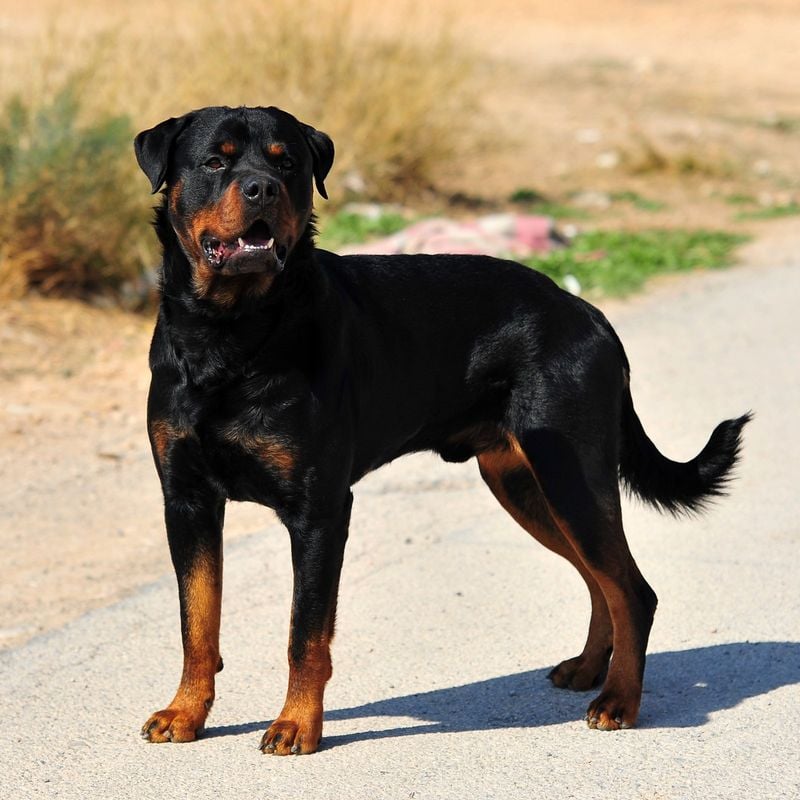
Following Roman legions across Europe, Rottweilers drove cattle to feed armies and protected camps from raiders. Their name comes from the German town of Rottweil, where they continued their droving duties for centuries. Their powerful 328 PSI bite helped control stubborn livestock.
Behind their intimidating appearance lies an intelligent, trainable dog with a surprising sense of humor. Police and military units worldwide value Rottweilers for their courage, strength, and ability to remain calm under pressure.
After nearly facing extinction when cattle driving was outlawed, Rottweilers found new purpose as police and service dogs. Their exceptional memory allows them to remember commands after just a few repetitions, making them highly trainable despite their independent nature.
9. American Bulldog – The Versatile Farmhand (305 PSI)
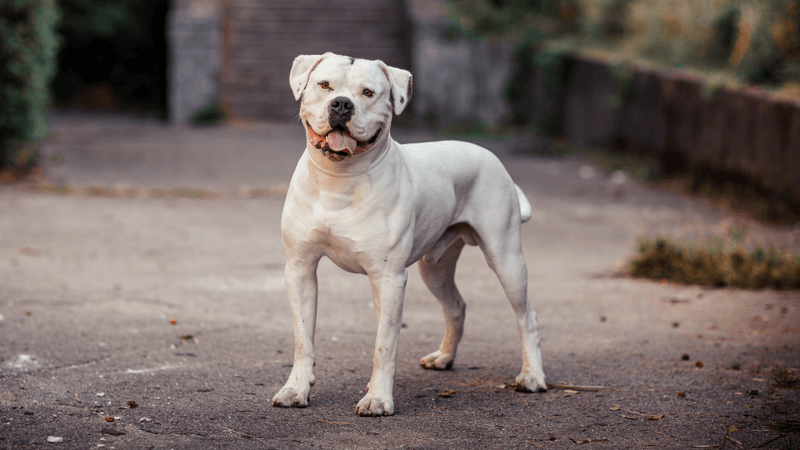
Brought to America by working-class immigrants, these powerful dogs became indispensable on Southern farms. Their versatility made them valuable for everything from hunting wild pigs to guarding property, with their 305 PSI bite providing the necessary strength for these demanding jobs.
Unlike their English Bulldog cousins, American Bulldogs maintained their athletic working abilities. They combine impressive strength with surprising agility, capable of leaping several feet in the air from a standing position.
During the World Wars, these dogs nearly disappeared as farming became mechanized. A handful of dedicated breeders, particularly John D. Johnson and Alan Scott, saved the breed from extinction. Today’s American Bulldogs still excel at farm work while also serving as loving family companions.
10. German Shepherd – The Versatile Working Dog (238 PSI)
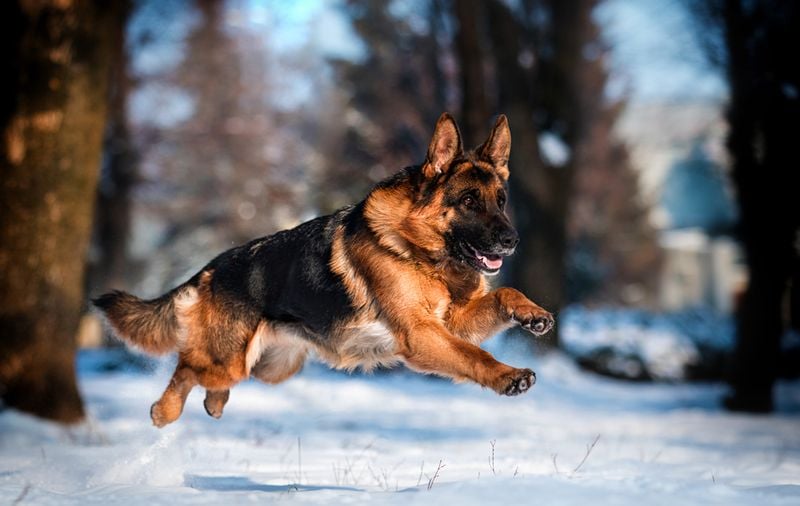
Created in 1899 by Captain Max von Stephanitz, German Shepherds were designed as the ultimate herding dog. Their 238 PSI bite strength comes paired with exceptional intelligence, making them ideal for police, military, and service work around the world.
German Shepherds consistently rank among the top three most intelligent dog breeds. Their ability to learn complex tasks and make independent decisions sets them apart from many other powerful breeds.
During World War I, these dogs served as messengers, rescuers, and sentries. Their versatility continues today as they excel in everything from disability assistance to search-and-rescue operations. Their bite strength is particularly valuable in police work, where controlled aggression can subdue suspects without causing permanent injury.
11. Doberman Pinscher – The Tax Collector’s Guardian (228 PSI)
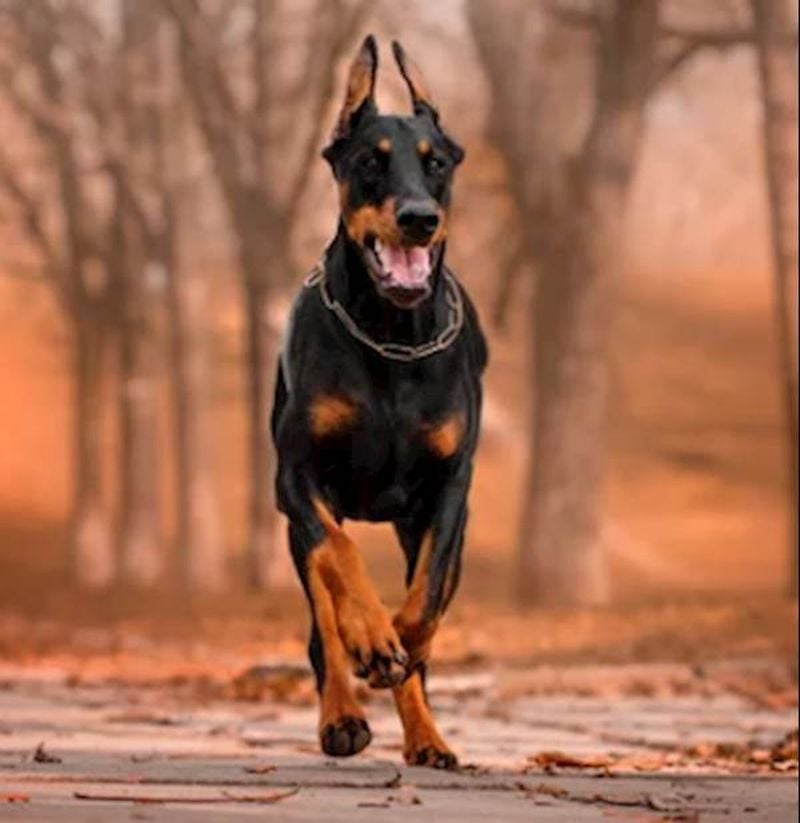
Created by tax collector Karl Friedrich Louis Dobermann, who needed protection during his dangerous money-collecting rounds, these sleek guardians combine speed with a 228 PSI bite. Their elegant appearance disguises their working heritage as personal protection dogs.
Dobermans possess an almost supernatural ability to sense danger. Military records from World War II document numerous instances where these dogs alerted Marines to Japanese soldiers hiding in jungle caves, saving countless lives.
Despite their intimidating reputation, well-bred modern Dobermans are known for their loyalty and affection toward family members. Their intelligence ranks them among the top five smartest breeds, capable of understanding new commands in fewer than five repetitions. Their powerful jaws and athletic builds make them formidable protectors.
12. Belgian Malinois – The Elite Military K9 (195 PSI)
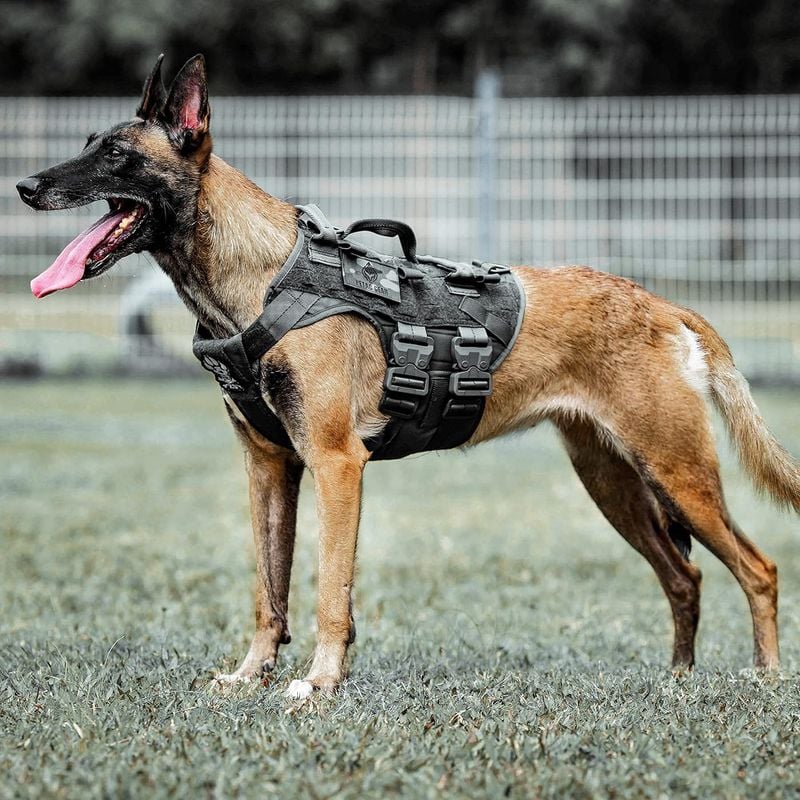
Though their 195 PSI bite falls lower on our list, Belgian Malinois make up for it with unmatched work ethic and intensity. These dogs gained fame when Cairo, a Navy SEAL Malinois, participated in the raid that eliminated Osama bin Laden.
Originally bred as herding dogs in Belgium, these tireless workers can maintain focus for hours longer than most breeds. Their combination of intelligence, agility, and determination makes them preferred military and police partners worldwide.
A well-trained Malinois can detect explosives, track suspects over miles of difficult terrain, and apprehend dangerous individuals with precision. Their relatively lighter build compared to other powerful breeds gives them exceptional agility and speed, making them versatile tactical partners in high-risk situations.
13. Chow Chow – The Ancient Chinese Guardian (220 PSI)
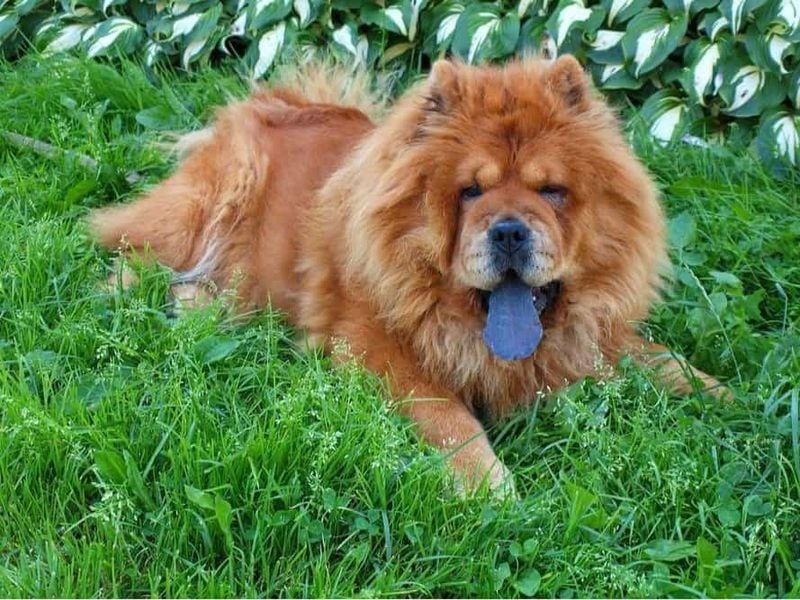
Behind that fluffy teddy-bear appearance lies one of history’s oldest breeds with a surprisingly powerful 220 PSI bite. These distinctive blue-tongued dogs served as palace guardians for Chinese emperors and later as all-purpose working dogs.
Their aloof, cat-like personality stems from centuries of independent guardian work. Unlike many dogs that seek constant human interaction, Chows maintain a dignified reserve that reflects their noble heritage.
Ancient Chinese artifacts dating back to the Han Dynasty (206 BC) depict these distinctive dogs. Their name comes from the Cantonese slang term for ‘miscellaneous items’ used by British merchants who transported them on clipper ships. Despite their cuddly appearance, their powerful jaws and protective nature make them serious guardians.
14. Alaskan Malamute – The Arctic Powerhouse (235 PSI)
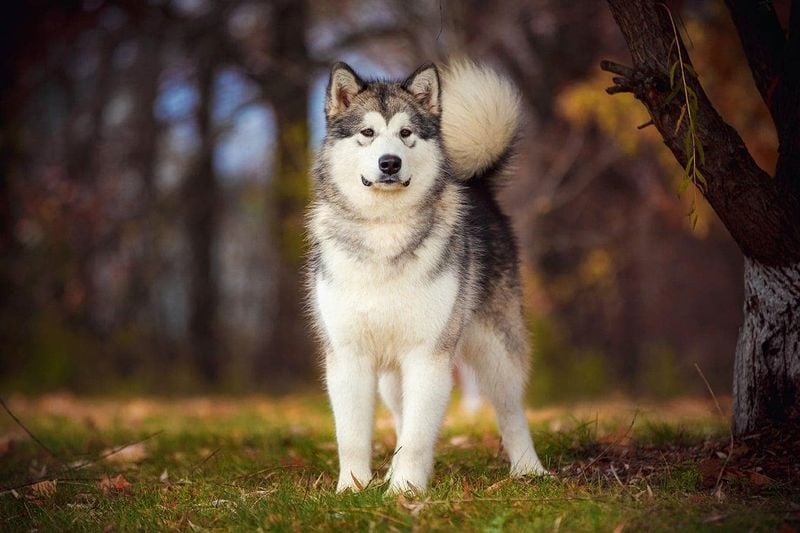
Developed by the Mahlemut Inuit people, these Arctic working dogs needed powerful 235 PSI jaws to survive in one of Earth’s harshest environments. Their bite strength helped them hunt seals, protect camps from polar bears, and crack bones for nutritious marrow during scarce winter months.
Malamutes differ from Siberian Huskies in their size and purpose – they’re freight haulers rather than racers. A team of Malamutes can pull thousands of pounds across ice and snow, making them crucial for Arctic survival for thousands of years.
These dogs possess remarkable problem-solving abilities, often figuring out complex escape routes from secure enclosures. Their powerful jaws, originally needed for survival in the Arctic, now make them excellent playmates who enjoy tug-of-war games that would destroy toys designed for average dogs.
15. Great Dane – The Apollo of Dogs (238 PSI)
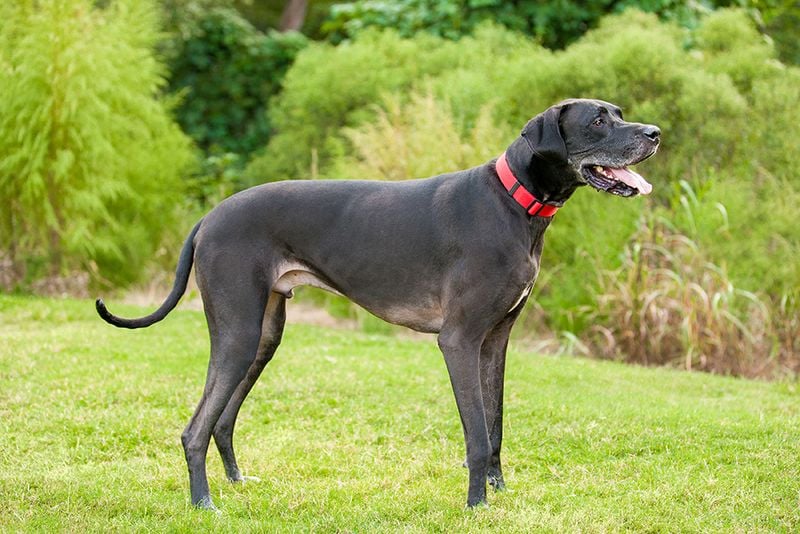
Originally bred to hunt wild boar in Germany, these gentle giants combine imposing size with a respectable 238 PSI bite force. Their German name ‘Deutsche Dogge’ reflects their status as the national dog of Germany, though English speakers know them as Great Danes.
Zeus, the tallest dog ever recorded, was a Great Dane measuring an astounding 44 inches at the shoulder. Despite their massive size, these dogs are known as ‘apartment-friendly’ due to their surprisingly low exercise needs and quiet demeanor indoors.
Once fierce hunters, centuries of selective breeding have transformed Great Danes into gentle companions who often seem unaware of their enormous size. Their powerful jaws remain from their hunting heritage, though modern Danes prefer using them for carrying around favorite toys rather than subduing wild boar.
16. Pit Bull – The Misunderstood Athlete (235 PSI)
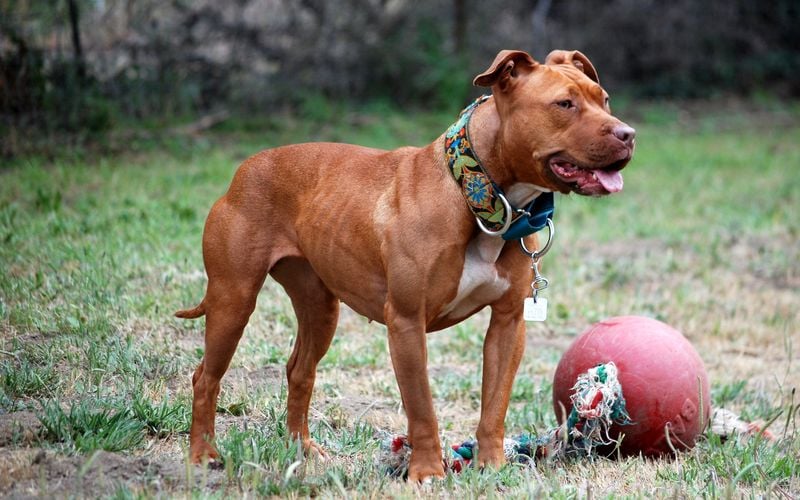
American Pit Bull Terriers combine a 235 PSI bite with remarkable jaw strength that allows them to hold on with determination. Originally bred in England for bull-baiting, these dogs later became all-purpose farm dogs and family companions in America.
Contrary to popular belief, Pit Bulls consistently score above average in temperament tests conducted by the American Temperament Test Society. Their natural affinity for people made them popular family dogs throughout most of American history, including with presidents and celebrities.
Sergeant Stubby, the most decorated war dog of World War I, was a Pit Bull who saved his regiment from surprise gas attacks. Their powerful jaws, originally bred for work rather than aggression, make them enthusiastic participants in modern dog sports like weight pulling and agility.
17. Boxer – The Playful Powerhouse (230 PSI)
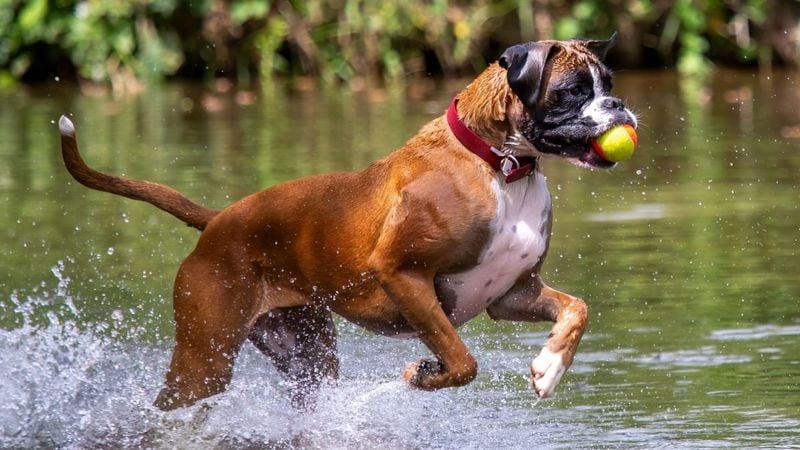
Developed in Germany from extinct bullenbeissers (‘bull biters’), Boxers combine a 230 PSI bite with boundless energy and playfulness. Their name comes from their tendency to stand on hind legs and ‘box’ with their front paws during play.
World War I saw these dogs serving as messengers, carrying vital information across battlefields. Their intelligence and trainability made them valuable military assets, while their loyalty earned them a place as beloved companions.
Despite their powerful jaws, Boxers have exceptionally precise bite control – they can hold an egg in their mouth without breaking it. This combination of strength and gentleness makes them excellent family dogs. Their expressive faces, with wrinkled foreheads and soulful eyes, communicate their emotions with almost human-like clarity.
18. Labrador Retriever – The Gentle-Mouthed Retriever (230 PSI)
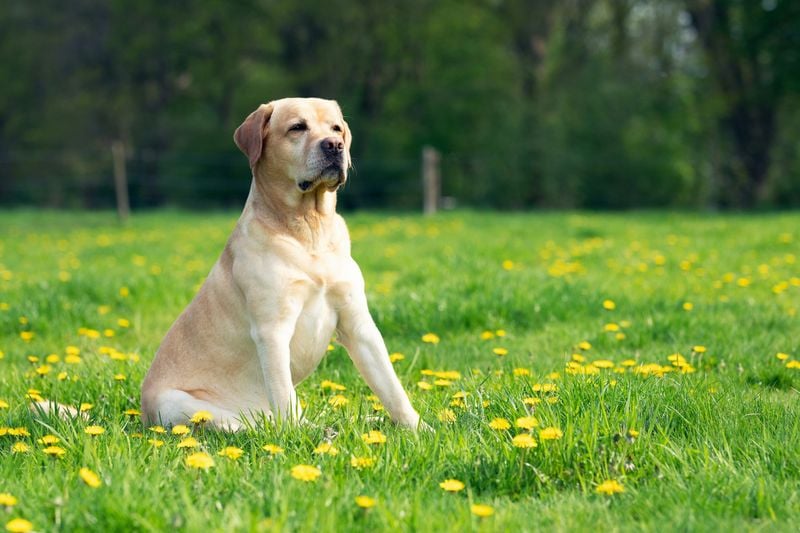
America’s most popular dog combines a surprisingly powerful 230 PSI bite with exceptionally soft mouth control. Developed in Newfoundland (not Labrador) to help fishermen retrieve nets and escaped fish, these versatile dogs needed strength without damaging what they carried.
Labs excel at what behaviorists call ‘bite inhibition’ – the ability to control jaw pressure precisely. This allows them to retrieve game birds for hunters without puncturing delicate skin, demonstrating remarkable control of their substantial bite force.
Their water-resistant double coat and webbed feet make them natural swimmers capable of working in icy waters. Modern Labs serve as everything from guide dogs to search-and-rescue workers. Their powerful but controlled bite strength makes them perfect for carrying items gently – whether delivering slippers or rescuing drowning swimmers.