7 Ways Dogs Say They’re Scared & 7 Ways You Can Reassure Them
Understanding our furry friends’ fears is essential for providing them with the love and care they need. Dogs express fear in various ways, and recognizing these signals can help us respond appropriately.
Equally important is knowing how to reassure them, offering comfort and safety.
This guide explores seven common signs that dogs exhibit when they’re scared and provides seven methods to reassure them, ensuring a happier, more secure environment for your pet.
1. Tucked Tail and Lowered Body
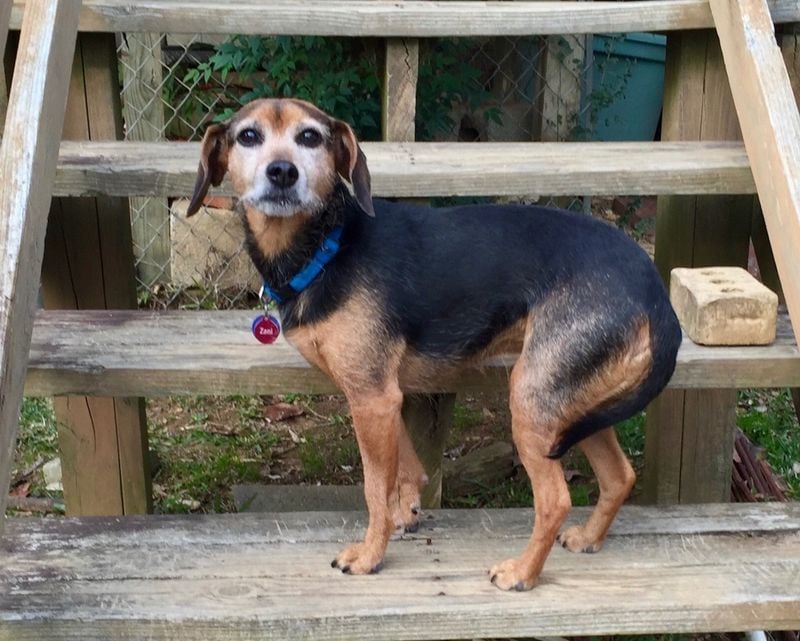
A drooping tail and compact posture aren’t just signs of submission. When a dog tucks their tail between their legs and shrinks their body, they’re trying to become invisible. This response is deeply rooted in their instinctive need to protect themselves from perceived threats. It’s like they’re saying, “Please don’t notice me.”
Imagine a child hiding behind their mother’s legs when meeting someone new. Dogs do similarly when faced with unfamiliar or daunting situations. They may also avert their gaze, further indicating their discomfort. Recognizing this body language is key in reassuring a scared dog.
2. Trembling or Shaking

A tremor can be more than just a chill. Dogs often shake or tremble when they’re anxious or afraid, a behavior sometimes mistaken for being cold. This can happen during thunderstorms, fireworks, or unfamiliar environments. It’s an involuntary response reflecting their inner turmoil.
Just like humans might shiver when anxious, dogs do too. The trembling often stops when they feel safe and secure again. Observing this behavior allows owners to intervene early, offering comfort before the fear escalates. Understanding this signal helps in providing the necessary reassurance to calm their nerves.
3. Lip Licking and Yawning
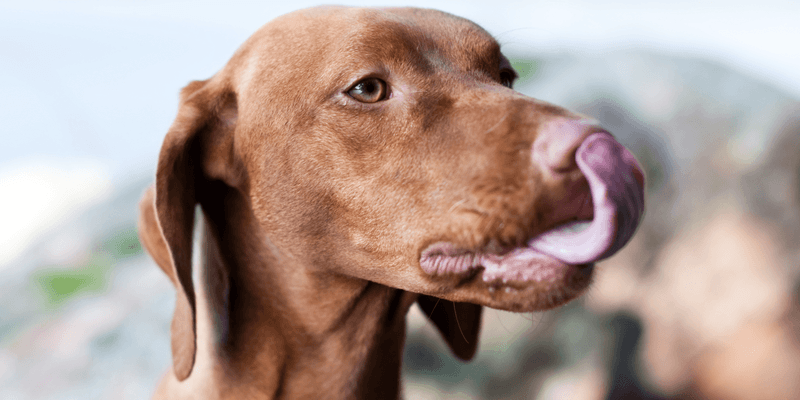
Not all yawns are due to fatigue. Dogs often lick their lips and yawn as subtle indicators of stress or discomfort. These signals are often overlooked, but they reveal much about a dog’s emotional state. During stressful situations, you may notice your dog repeating these actions, indicating uncertainty or anxiety.
This behavior is akin to a person biting their nails when nervous. Paying close attention to such cues helps in responding appropriately. Offering a soothing presence or removing the stressor can be beneficial. Acknowledging these signals aids in creating a more comfortable environment for your pet.
4. Panting When It’s Not Hot
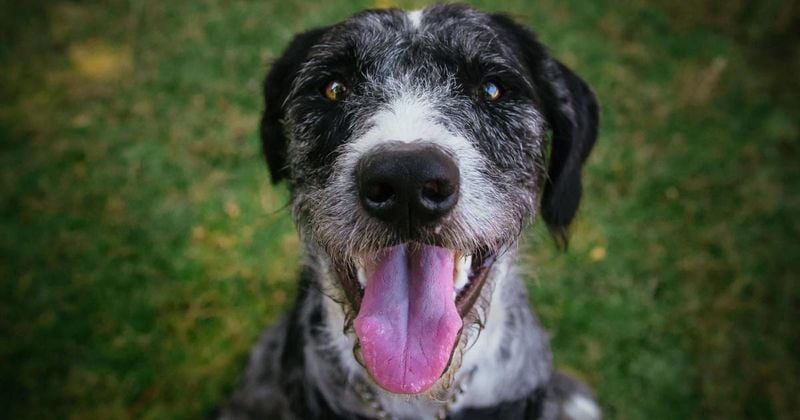
Panting isn’t always a response to heat. When a dog pants heavily without physical exertion or high temperatures, it can be a sign of emotional distress. Anxiety can cause their heart rate to increase, leading to excessive panting as they try to calm down.
This behavior is especially prevalent during intense situations like vet visits. Recognizing abnormal panting helps in identifying fear triggers. Providing a calm environment and gentle reassurance can significantly reduce their stress levels. Understanding these signs plays a crucial role in comforting an anxious dog and ensuring their well-being.
5. Pacing or Restlessness
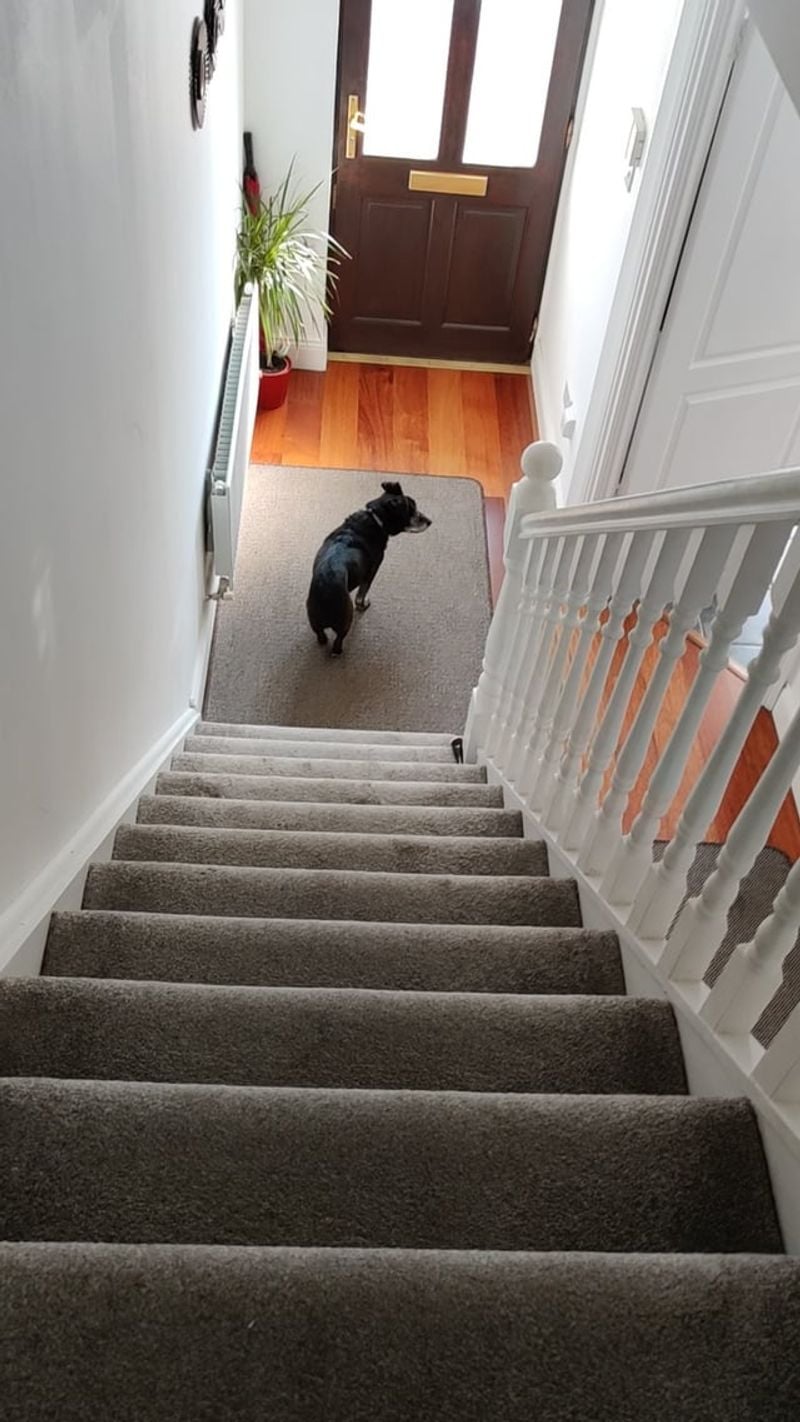
Endless pacing is more than just a quest for exercise. Dogs that pace back and forth or can’t seem to relax are likely feeling anxious or trapped in a stressful situation. This restlessness is a dog’s way of expressing discomfort.
Much like humans might pace when worried, dogs do the same. This behavior often stops once they feel secure. Observing these actions allows for timely intervention, helping the dog find a peaceful state. Recognizing this pattern aids owners in offering the right comfort and reducing the dog’s anxiety.
6. Hiding or Seeking Shelter
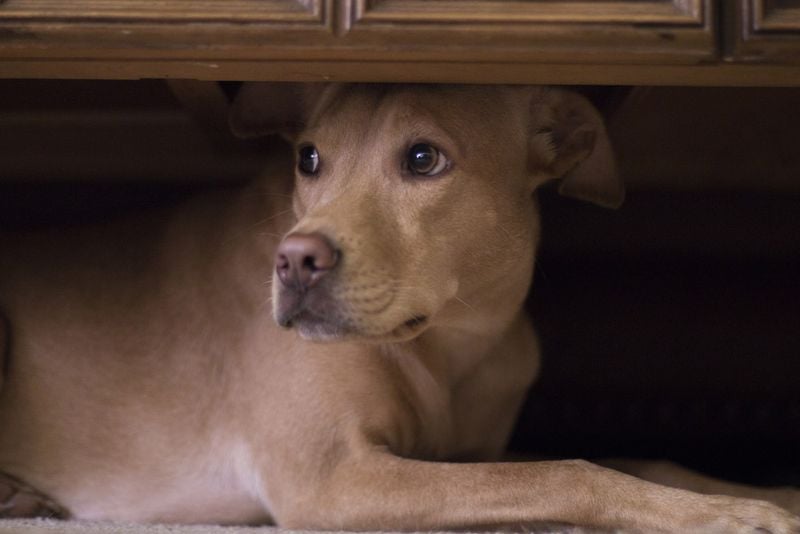
A cozy hiding spot can be a refuge for a frightened dog. When dogs seek shelter under furniture or retreat to confined spaces, they’re trying to escape something scary. It’s a natural response to fear, much like a child hiding under a blanket.
This behavior is common during loud noises like thunderstorms or when strangers visit. Recognizing this need for a safe space allows owners to provide comfort. Offering a quiet, secluded area can alleviate their fear. Understanding this instinctive behavior is key in creating a secure environment for them.
7. Growling or Barking

Growling isn’t always aggressive. When a dog growls or barks when feeling cornered, it’s often out of fear rather than hostility. They’re essentially warning others to stay away as they perceive a threat.
This vocalization is a defense mechanism, similar to a person shouting in fright. It’s crucial not to punish this behavior, as it’s a way for them to communicate unease. Instead, acknowledging their fear and addressing the cause can help alleviate their anxiety. Understanding this communication helps in ensuring their comfort and safety.
8. Use a Calm, Gentle Voice
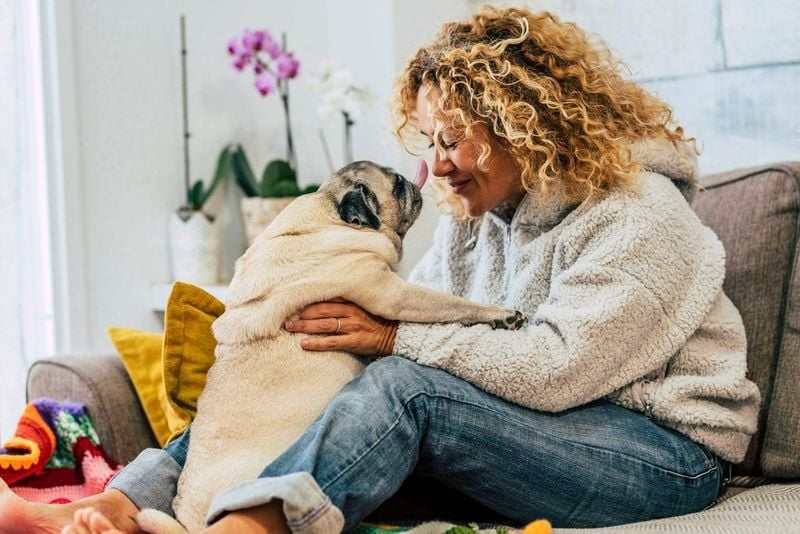
Speaking softly can be incredibly reassuring. Dogs respond well to calm, gentle tones, which convey safety and security. This approach can soothe an anxious pet, much like a lullaby calms a baby.
It’s essential to maintain a composed demeanor, as dogs can pick up on their owner’s emotions. By using a soothing voice, you’re telling them everything is alright. This method is particularly effective during stressful events, helping to ease their fears. Engaging in this practice fosters trust and strengthens the bond between you and your dog.
9. Avoid Punishment
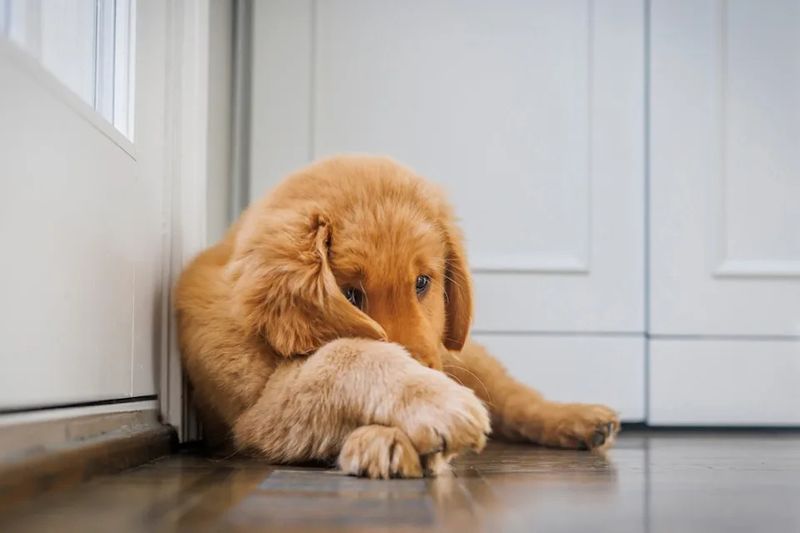
Scolding a scared dog can worsen their fear. Instead, offering reassurance without punishment is vital in building trust. Negative reactions only confirm the dog’s anxiety, making them more fearful in the future.
Providing comfort and understanding helps in alleviating their distress. By acknowledging their fear and guiding them away from the trigger, you create a supportive environment. This approach encourages positive behavior and strengthens your relationship with your pet. Recognizing the importance of empathy over discipline is crucial in reassuring a scared dog.
10. Provide a Safe Space

A safe retreat can work wonders for a frightened dog. Creating a designated area where they feel secure, like a crate with a blanket or a quiet room, provides comfort during stressful times.
This refuge acts as a sanctuary for them to relax and escape any fears. It’s akin to having a personal hideaway where they can unwind. Ensuring this space is quiet and free from stressors is essential. Offering a safe haven not only alleviates anxiety but also helps in building their confidence and sense of security.
11. Offer Treats or Toys

Distraction can be a powerful tool. Offering treats or toys to a scared dog can shift their attention away from the fear trigger. This method not only distracts but also positively reinforces calm behavior.
It’s similar to giving a child a toy to soothe them during a stressful moment. By associating treats with a sense of safety, dogs begin to feel more at ease. This approach helps in reducing anxiety and provides an enjoyable experience for them. Utilizing this technique fosters a positive environment and promotes emotional well-being.
12. Use Touch Carefully
Physical touch can be comforting, but only when welcomed. Some dogs seek solace in gentle petting, while others may shy away. It’s important to watch their reactions to ensure the touch is soothing.
Like humans, dogs have preferences; respecting these helps in building trust. Forcing contact can increase anxiety, so it’s crucial to approach with sensitivity. Observing their body language guides the interaction, ensuring it’s comforting. Acknowledging their comfort levels is key to effective reassurance, strengthening the bond between you and your dog.
13. Block Out the Fear Source
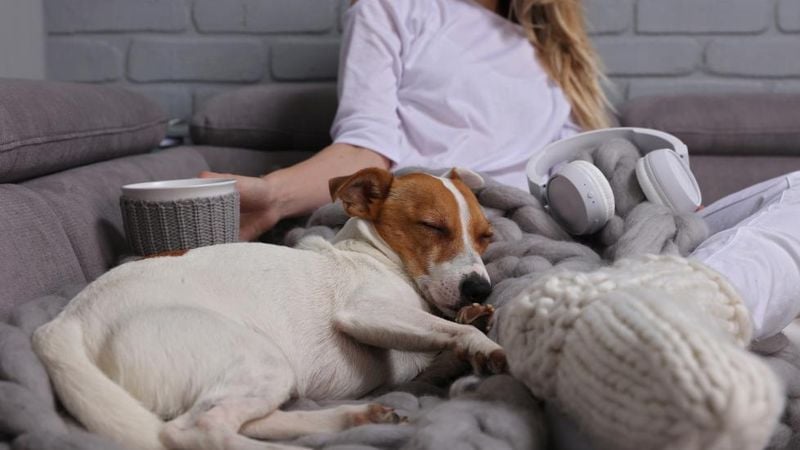
Sometimes, shielding from the source of fear is best. Closing windows, playing gentle music, or dimming the lights can help reduce stimuli that trigger anxiety in dogs.
Creating a serene environment can significantly ease their distress. It’s like wearing noise-canceling headphones in a chaotic world. This method helps dogs feel secure and less exposed to overwhelming situations. By minimizing the fear source, you foster a calming atmosphere. Understanding the importance of controlling the environment is essential in providing comfort to your pet.
14. Model Calm Behavior
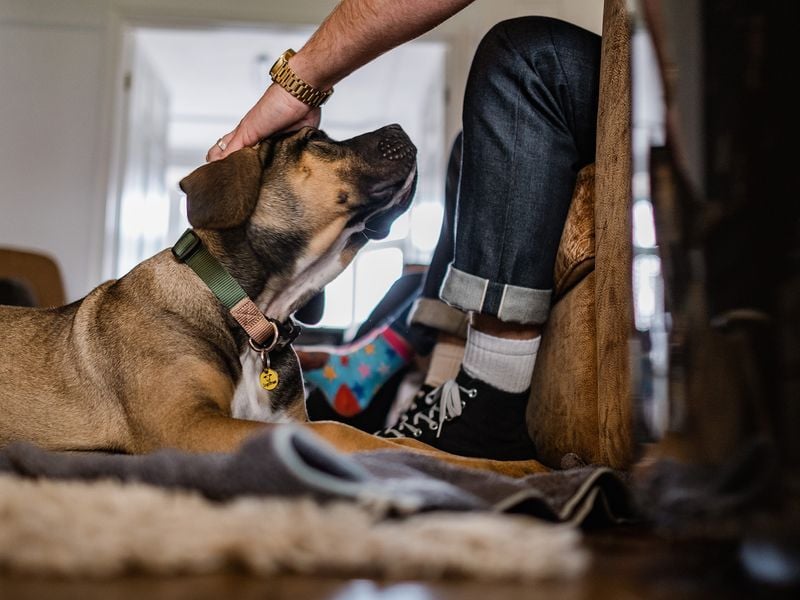
Your demeanor influences your dog. Dogs are highly attuned to their owner’s emotions, mirroring the energy around them. Maintaining calmness helps them feel safe and reassured.
It’s similar to how children look to adults for cues in uncertain situations. Demonstrating calm behavior sets a positive example for your dog. By staying relaxed and composed, you convey that there’s no reason to be afraid.
This strategy reinforces confidence and security, enhancing the bond with your pet. Acknowledging the impact of your behavior encourages a tranquil environment for them.