8 Mistakes You’re Making Every Time You Leave Your Dog Home Alone
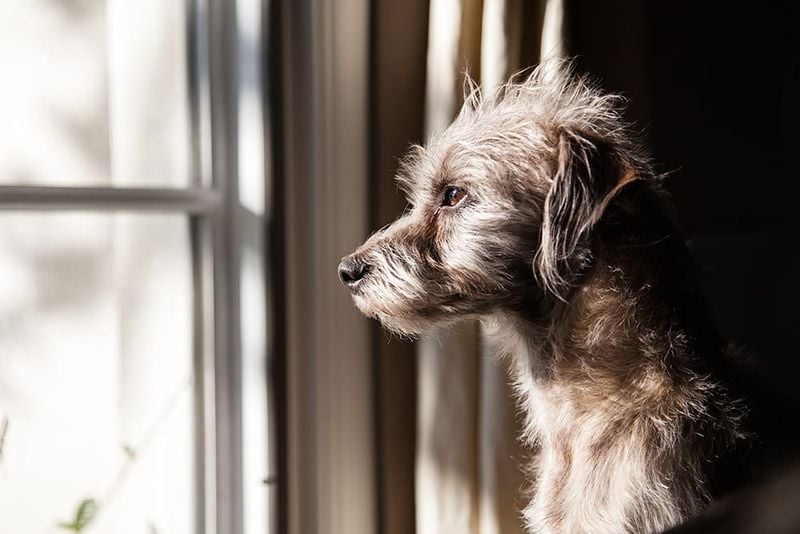
Leaving your dog home alone is sometimes unavoidable, but how you handle these departures can make a huge difference in your pet’s wellbeing. Many pet parents unknowingly create stress for their furry friends through simple oversights.
Understanding these common mistakes can help make time apart easier on your canine companion and give you peace of mind while you’re away.
1. Leaving Without a Proper Walk
Skipping that pre-departure walk might save you time, but it’s setting your pup up for a restless day. Dogs need to burn energy and take care of their bathroom needs before spending hours alone.
A tired dog is generally a well-behaved dog. Without adequate exercise, your furry friend might resort to destructive behaviors out of boredom or excess energy.
Even a quick 15-minute jaunt around the block can make a significant difference. Your shoes, furniture, and sanity will thank you for investing those few extra minutes before heading out the door.
2. Not Creating a Safe, Comfortable Space
Your home might be cozy for you, but is it dog-friendly when nobody’s around? Many owners forget to consider their pet’s perspective during alone time.
Temperature matters tremendously – a house that’s too hot or cold can cause serious discomfort or even health risks. Access to fresh water is non-negotiable, and comfortable resting spots away from drafts or excessive sun are essential.
Consider creating a dedicated zone with your dog’s favorite bed, toys, and perhaps an item of clothing carrying your scent. This personal sanctuary provides security and comfort during those lonely hours.
3. Forgetting to Leave Entertainment
Imagine being stuck in a room for hours with absolutely nothing to do. Sounds boring, right? That’s exactly how your dog feels without proper entertainment options.
Mental stimulation is just as important as physical exercise for dogs. Puzzle toys, treat-dispensing gadgets, and safe chew items can keep your pup’s mind engaged and prevent destructive behaviours that stem from boredom.
Rotate toys regularly to maintain interest, and consider hiding treats around your home (at dog level) for an exciting scavenger hunt. Background noise from a radio or TV can also provide comforting sound in an otherwise quiet house.
4. Making a Big Deal When You Leave or Return
Those dramatic goodbye rituals might seem loving, but they’re actually signaling to your dog that something concerning is happening. Excessive fussing before departure raises anxiety levels in your pet.
Similarly, over-the-top greetings when you return home reinforce the idea that separations are a major event. Your excitement can inadvertently reward jumping, barking, and other overexcited behaviors.
Try keeping departures and arrivals low-key. Begin practicing short departures without fanfare, gradually increasing time away. This teaches your dog that your coming and going is normal, not cause for panic or excessive celebration.
5. Punishing Post-Absence Misbehavior
Coming home to discover your favorite shoes chewed to bits is frustrating, but punishing your dog hours after the deed accomplishes nothing except creating fear and confusion. Dogs simply cannot connect delayed punishment with earlier actions.
Destructive behaviors while alone often signal boredom, anxiety, or insufficient exercise, not spite or revenge, as many owners assume. Your pet isn’t “teaching you a lesson” for leaving; they’re expressing distress.
Instead of punishment, focus on prevention through proper exercise, containment in safe areas, and gradually building tolerance for alone time. Address the root cause rather than the symptom.
6. Ignoring the Signs of Separation Anxiety
That destroyed doorframe isn’t just bad behavior – it might be a cry for help. Separation anxiety affects many dogs and manifests through destructive actions, excessive barking, inappropriate elimination, or escape attempts.
Warning signs often appear before you leave: following you obsessively, panting, pacing, or showing distress when you grab your keys or put on shoes. Many owners mistake these signals for ordinary misbehavior rather than recognizing the underlying anxiety.
For severe cases, consult your veterinarian about behavior modification plans or possible medication. Milder cases may respond to counter-conditioning techniques that help your dog associate your departure with positive experiences instead of panic.
7. Leaving Them Alone for Too Long
Even the most well-adjusted dog has limits to how long they can comfortably stay alone. Adult dogs typically need bathroom breaks every 4-6 hours, while puppies require much more frequent opportunities.
Beyond bathroom needs, extended isolation can lead to psychological distress. Dogs are social creatures who thrive on companionship and interaction. Regular 8+ hour absences, day after day, can contribute to behavior problems and diminished quality of life.
If your schedule demands long absences, consider hiring a dog walker, enrolling in doggy daycare, or asking a trusted neighbor to provide a midday break. Your dog’s physical and emotional health depends on reasonable alone time limits.
8. Forgetting a Security Check
That innocent-looking trash can could become a dangerous buffet for your curious canine. Many owners fail to dog-proof their homes before leaving, overlooking hazards that seem obvious in hindsight.
Common dangers include accessible medications, toxic foods (like chocolate or grapes), small objects that could be swallowed, electrical cords that might be chewed, and unsecured trash containers. Even seemingly harmless items like certain houseplants can cause serious health problems if ingested.
Before leaving, do a quick sweep at dog-level. Put away dangerous items, secure cabinets containing chemicals, and consider restricting access to rooms with many hazards. This five-minute check could prevent an emergency vet visit later.