Feed Your Pup Like Royalty on a Budget: 8 Vet-Approved Tricks

Keeping your furry friend healthy doesn’t have to drain your wallet. Many pet parents struggle with the rising costs of quality dog food while wanting the best for their four-legged family members. The good news?
Veterinarians agree that with some smart strategies, you can provide top-notch nutrition without the royal price tag. These expert-backed tips will help you balance your budget while keeping your pup’s tail wagging at mealtime.
1. Buy in Bulk (But Smartly)
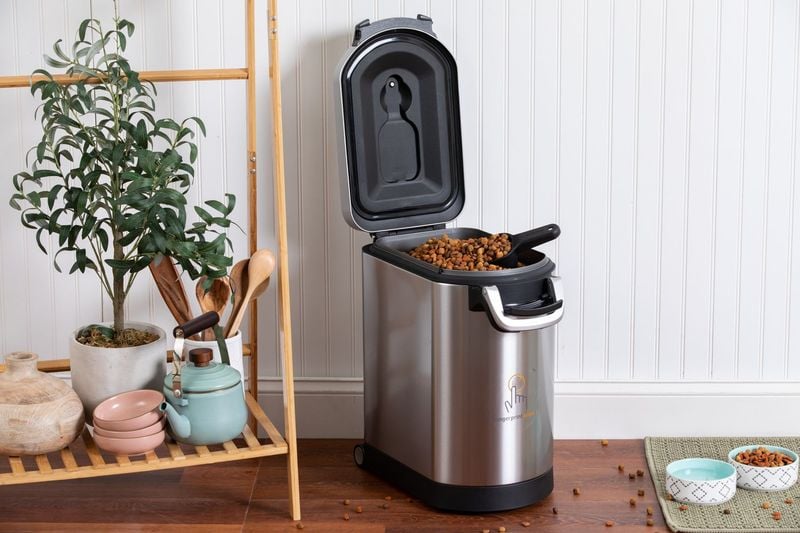
Warehouse clubs and online pet retailers offer significant savings when you purchase larger quantities of kibble. The key is proper storage to maintain freshness. Invest in an airtight container that blocks light and moisture, two enemies of nutritional quality.
Calculate the per-pound cost before assuming the biggest bag is the best deal. Sometimes mid-sized packages offer better value, especially with premium brands. Watch for seasonal sales and stock up when prices drop.
Pro tip: Many retailers offer additional discounts when you set up auto-deliveries. Just be sure your pup actually likes the food before committing to 40 pounds of it!
2. Incorporate Nutrient-Dense Add-ins
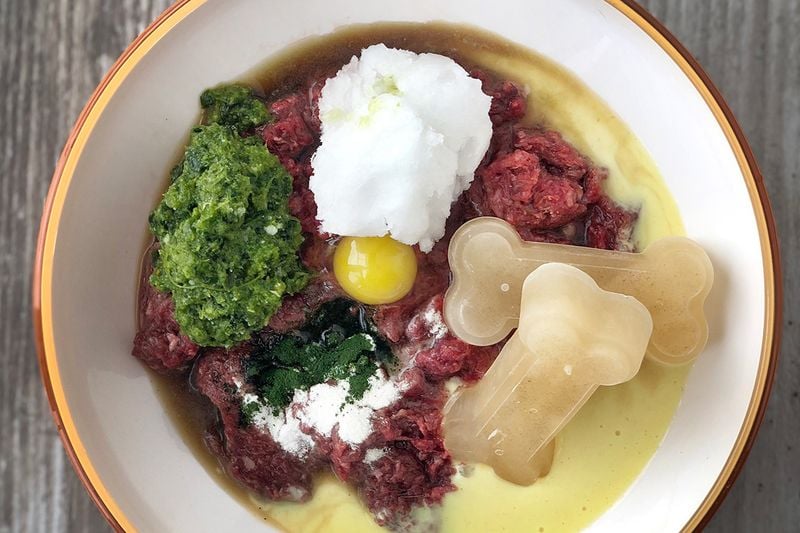
Transform basic kibble into gourmet meals with affordable, nutritious add-ins from your own kitchen. Plain canned pumpkin (not pie filling) provides fiber for digestive health, while eggs deliver complete protein and essential fatty acids at pennies per serving.
Frozen vegetables like green beans or carrots make excellent low-calorie treats that add vitamins without breaking the bank. Plain yogurt introduces beneficial probiotics that support gut health – just ensure it’s free from artificial sweeteners.
Remember: human food additions should make up no more than 10% of your dog’s daily intake to maintain balanced nutrition. A tablespoon of these power-packed ingredients goes a long way!
3. DIY Dog Food – Safely

Homemade dog food can be economical when done right. Start with a vet-approved recipe that includes lean protein sources like chicken thighs, which are typically cheaper than breasts but still nutritious. Balance proteins with budget-friendly complex carbohydrates such as brown rice or sweet potatoes.
Batch cooking saves time and money – portion meals into freezer-safe containers for easy defrosting. Many grocery stores discount meat approaching its sell-by date, perfect for immediate cooking.
Safety first: Always research which ingredients are toxic to dogs. And consider a multivitamin supplement recommended by your vet to ensure complete nutrition, as homemade diets can sometimes miss crucial micronutrients.
4. Avoid Overfeeding

Measuring matters! Most pet parents unknowingly overfeed their dogs by eyeballing portions. Use a dedicated measuring cup for precision – you’ll be surprised how quickly those extra kibbles add up in both calories and cost.
Check the feeding guidelines on your dog food packaging, but remember they’re starting points, not gospel. Adjust based on your pup’s activity level, age, and metabolism. A sedentary senior needs fewer calories than an energetic young dog.
Treats count too! Factor them into your dog’s daily calorie allowance. Switching from store-bought treats to small pieces of carrots or apples can slash your treat budget while keeping your pup at a healthy weight.
5. Use a Rotation Diet

Variety isn’t just the spice of life – it’s smart economics! Rotating between 2-3 quality food brands prevents your dog from becoming fixated on one expensive option. When sales hit, stock up on whichever brand is discounted.
Rotation feeding also provides nutritional benefits. Different proteins and formulations offer varied amino acid profiles and micronutrients. Your dog’s digestive system becomes more adaptable, reducing the chance of tummy troubles if you need to switch foods suddenly.
Gradually transition between foods to avoid digestive upset. Mix increasing amounts of the new food with decreasing amounts of the old over 5-7 days. This simple strategy keeps both your wallet and your pup’s belly happy!
6. Subscribe and Save

Loyalty pays off when feeding your furry friend! Most major pet retailers and online merchants offer subscription programs with substantial discounts – often 5-15% off regular prices. These programs typically allow you to adjust delivery frequencies and quantities as needed.
Many premium pet food manufacturers have their own direct-to-consumer programs with even deeper discounts. Check their websites for first-time buyer promotions that can slash 20-30% off your initial order.
Don’t overlook veterinary loyalty programs either. Many clinics partner with science-backed brands, offering member pricing on prescription and wellness formulas. Ask your vet about patient discount programs during your next visit – you might be surprised by the savings!
7. Repurpose Leftovers (Dog-Safe Only)

Before tossing those plain rice or pasta leftovers, consider your canine companion! Many unseasoned, cooked grains make excellent meal extenders when mixed with regular dog food. Plain cooked chicken or turkey (no bones!) from your family meals can provide high-quality protein boosts.
Freezing small portions of dog-safe leftovers in ice cube trays creates perfect serving sizes. Thaw one cube at a time to mix with kibble for a special meal that reduces waste and stretches your dog food budget.
Always research before sharing: No onions, garlic, grapes, chocolate, or heavily spiced foods. And remember that leftovers should supplement – not replace – balanced dog food, making up no more than 10% of daily calories.
8. Choose Quality Over Marketing Hype

Flashy packaging and celebrity endorsements don’t necessarily mean better nutrition. Learn to decode ingredient lists – the first five ingredients constitute most of what’s in the bag. Look for named meat sources (like “chicken” not “meat meal”) in the top positions.
Mid-priced brands often provide nutrition comparable to premium labels at significant savings. The Association of American Feed Control Officials (AAFCO) statement ensures the food meets basic nutritional standards regardless of price point.
Skip foods with artificial colors, which add zero nutritional value and may trigger sensitivities in some dogs. Natural preservatives like mixed tocopherols (vitamin E) are healthier than artificial options like BHA or BHT, and often don’t significantly impact price.