8 Simple Tricks to Stop Your Dog from Eating Too Much
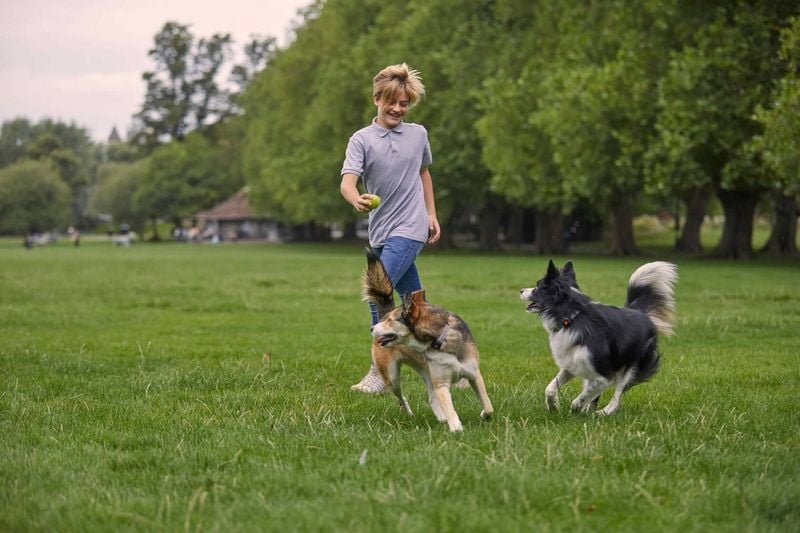
Dogs love food, but sometimes they don’t know when to stop. Overeating can lead to obesity, which brings serious health problems like joint pain, heart disease, and a shorter lifespan for our furry friends.
Managing your dog’s eating habits isn’t just about their weight, it’s about giving them a happier, healthier life. These practical strategies can help you take control of your pup’s portions without making mealtime a battle.
1. Set a Regular Feeding Schedule
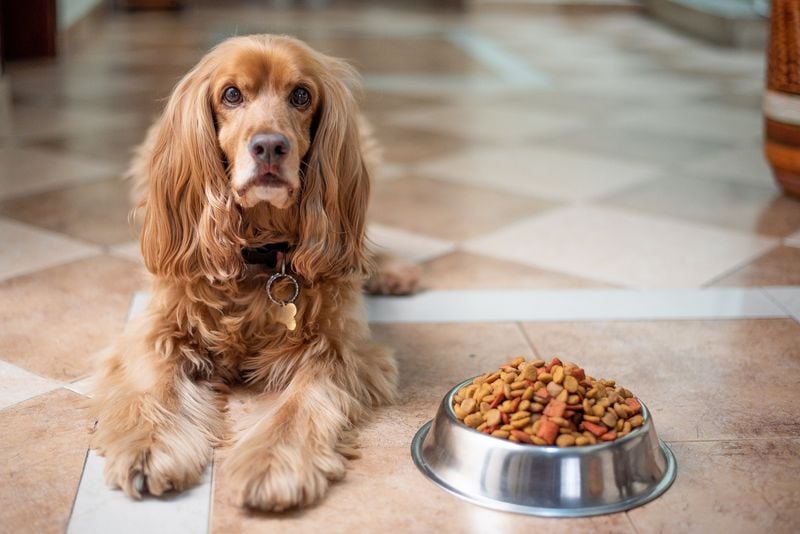
Consistency is your best friend when it comes to controlling your dog’s appetite. Dogs thrive on routine and quickly learn when it’s mealtime. Feed your furry companion at the same times every day—usually morning and evening works best for most pet parents.
When your dog knows exactly when food is coming, they’ll be less likely to beg throughout the day. Their digestive systems also adapt to regular timing, improving metabolism and helping them feel satisfied longer. Plus, a consistent schedule makes it easier to monitor how much they’re actually eating.
2. Measure Food Portions Carefully
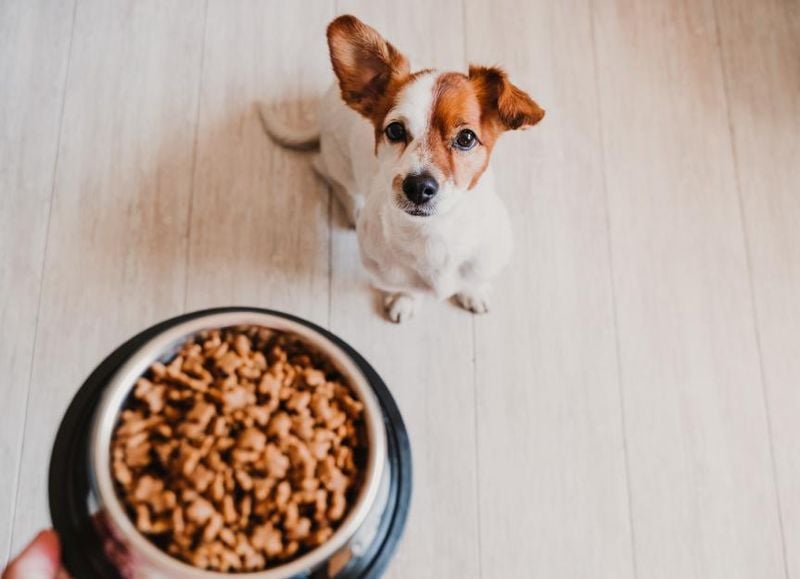
Guessing how much to feed your dog leads to overfeeding. Instead, use an actual measuring cup designed for pet food—not a coffee mug or drinking glass. The feeding guidelines on your dog food package provide a starting point based on your dog’s weight.
Remember that these are just guidelines! Active dogs might need more, while couch potatoes need less. Divide the daily amount into two meals to prevent hunger between feedings.
Consider investing in an automatic portion-control feeder if you tend to give in to those puppy eyes asking for extra kibble. These devices dispense exactly what your dog needs, no more and no less.
3. Try Puzzle Feeders and Slow Bowls
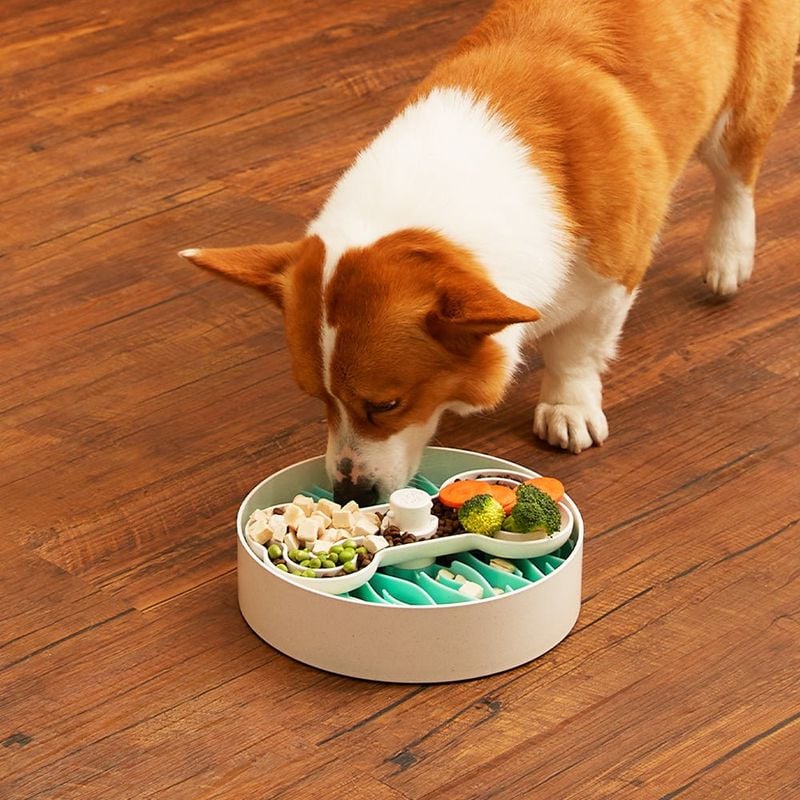
Fast eaters often don’t realize they’re full until they’ve already eaten too much. Puzzle feeders and slow-feed bowls turn mealtime into a fun challenge that forces your dog to work for their food. These special dishes have ridges, mazes, or compartments that prevent gulping.
Your dog will eat more slowly as they navigate the obstacles to reach their kibble. This slower pace gives their brain time to register fullness signals from their stomach. As a bonus, these feeders provide mental stimulation!
Start with simpler designs if your dog is new to puzzle feeders, then gradually increase the difficulty as they master each level.
4. Keep Treats Minimal and Nutritious
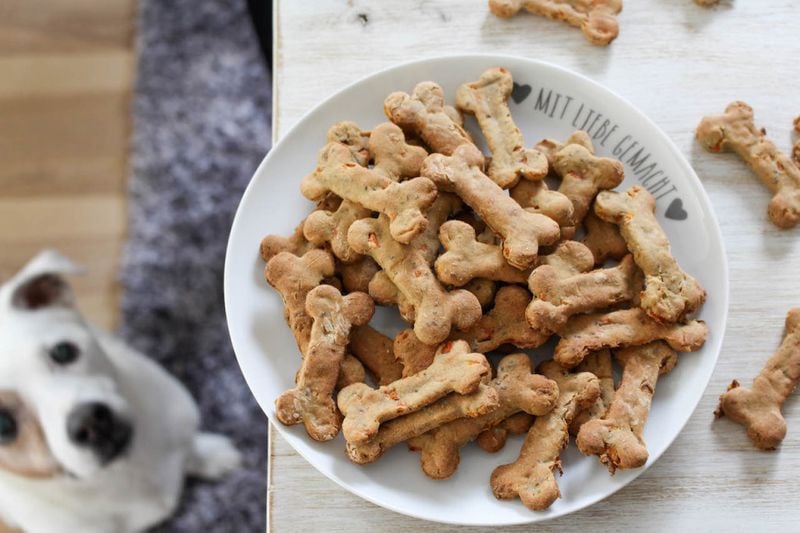
Many pet parents don’t realize treats can add significant calories to a dog’s diet. Those little snacks throughout the day add up quickly! Limit treats to no more than 10% of your dog’s daily calorie intake to prevent overfeeding.
Choose healthy options like small pieces of carrot, apple, or green beans instead of commercial treats loaded with fat and sugar. For training sessions, break treats into tiny pieces—your dog cares more about getting a reward than its size.
Have a family meeting to ensure everyone follows the same treat rules. Even well-meaning grandparents or children can sabotage your efforts if they’re sneaking extra goodies to your pup.
5. Establish a No-Table-Scraps Rule
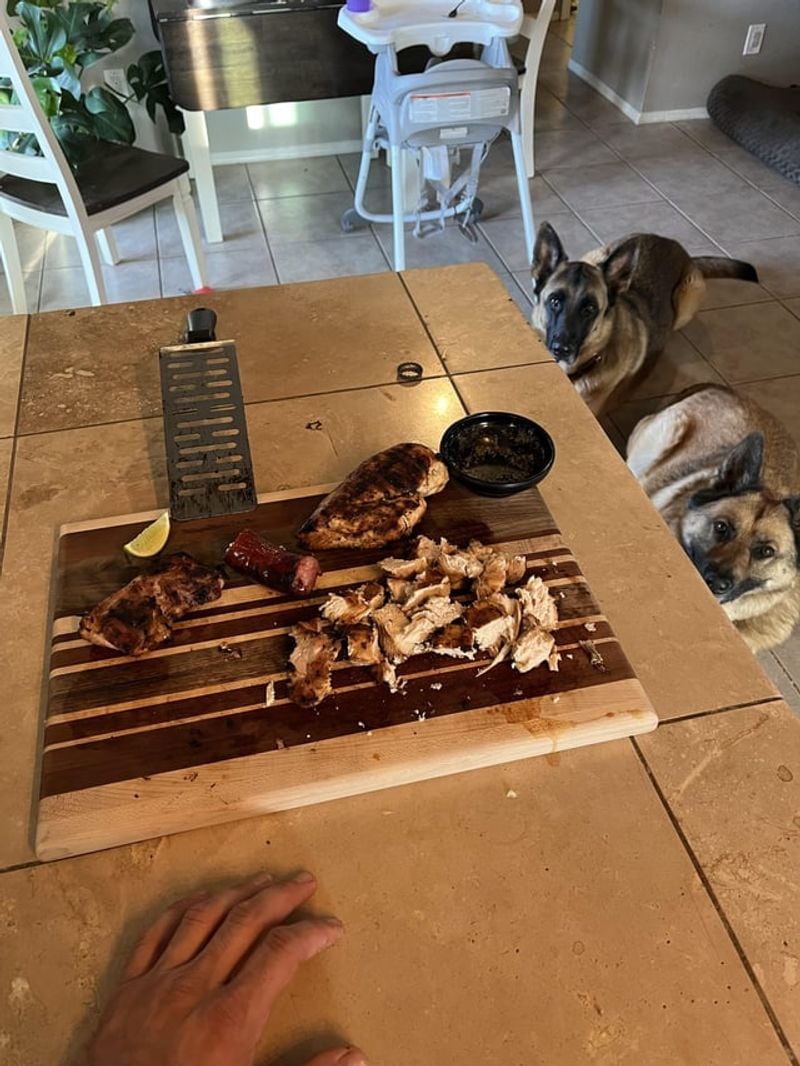
Your leftover steak might seem like a nice gesture, but feeding from the table creates bad habits fast. Human food is typically higher in calories and fat than dog food, contributing to weight gain. Some foods like onions, garlic, and certain artificial sweeteners can even be toxic to dogs.
Make a household rule: no feeding pets during human mealtimes. If your dog begs during dinner, try having them stay in their bed or crate until you’re finished eating.
For especially persistent beggars, consider feeding them their regular meal at the same time you eat. This way, they’ll be busy with their own dinner instead of eyeing yours.
6. Boost Daily Exercise
A tired dog is less likely to eat out of boredom. Regular physical activity burns calories and reduces food-seeking behaviors. Aim for at least 30 minutes of active exercise daily—more for high-energy breeds like Border Collies or Labradors.
Mix up your routine with walks, fetch games, swimming, or agility exercises to keep things interesting. Even indoor activities like hide-and-seek or tug-of-war can provide good workouts on rainy days.
Morning exercise is particularly effective for reducing daytime hunger. After a good workout, dogs typically rest rather than search for snacks. As a wonderful side benefit, you’ll also strengthen your bond while improving both your health and your dog’s!
7. Address Emotional Eating Behaviors

Just like humans, dogs sometimes eat when they’re anxious, bored, or seeking attention rather than actually hungry. Watch for patterns—does your dog seek food when left alone or during thunderstorms? These might be emotional triggers.
Provide alternative comforts during stressful times. A special toy, gentle petting, or a safe space can help anxious dogs cope without food. For boredom eaters, increase mental stimulation with training sessions, interactive toys, or scent games.
Never use food as your primary way to show affection. Instead, offer praise, playtime, or cuddles as rewards. Your dog will learn that love doesn’t always come in the form of treats.
8. Schedule Regular Veterinary Check-ups

Excessive hunger can sometimes signal underlying health issues like diabetes, thyroid problems, or intestinal parasites. Regular vet visits help catch these conditions early. Your veterinarian can also provide personalized feeding recommendations based on your dog’s age, breed, activity level, and health status.
During check-ups, ask for an honest assessment of your dog’s weight. Many owners don’t realize their pets are overweight until a professional points it out. Your vet can help create a safe weight-loss plan if needed.
Some medications can increase appetite or slow metabolism. If your dog takes regular medicine, discuss potential side effects with your vet and adjust feeding accordingly.