
These 16 Breeds May Not Be Right for Busy Owners
Bringing a dog into your life is a big decision that comes with years of responsibility. Some breeds need more attention, exercise, and care than others. If you work long hours or have a packed schedule, certain dogs might struggle with being left alone.
Here’s a look at 16 lovable but demanding breeds that may not fit well with a busy lifestyle.
1. Border Collie: The Workaholic Who Never Stops
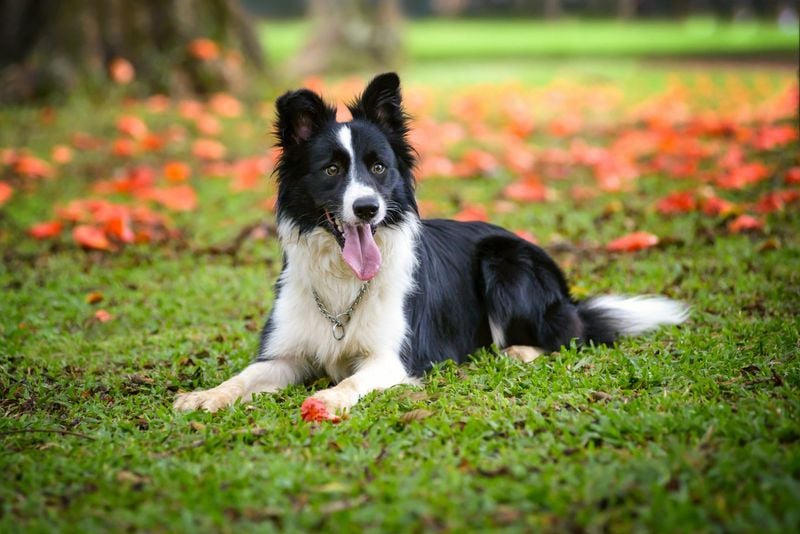
Considered the Einstein of the dog world, Border Collies have boundless energy that needs constant direction. Without proper stimulation, these brilliant herders can become destructive, chewing furniture or digging up your yard out of sheer boredom.
Their problem-solving abilities mean they’ll find ways to entertain themselves—usually not in ways you’d approve of! Daily runs, training sessions, and mental challenges are non-negotiable.
Border Collies thrive on having jobs to do and can become anxious or depressed without enough activity. Their intense work ethic makes them unsuitable for owners who can’t dedicate several hours daily to their exercise and training needs.
2. Labrador Retriever: The Friendly Giant Who Needs Movement
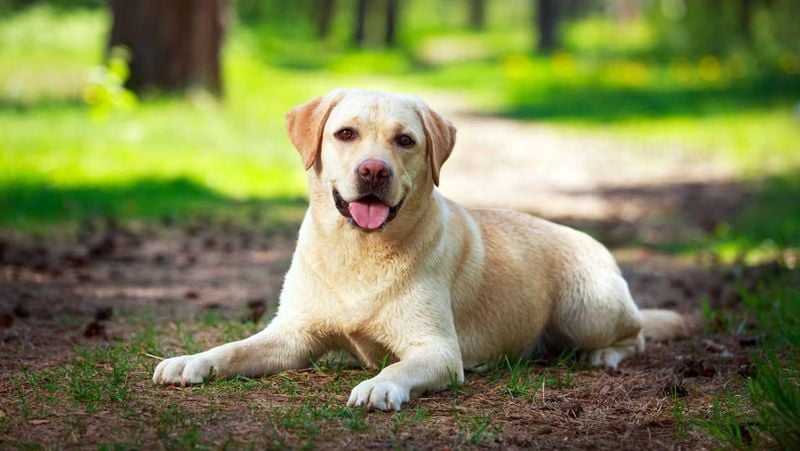
Labs might seem like the perfect family pet, but these popular retrievers require serious exercise commitments. Their friendly nature masks a high-energy working dog that can become destructive when bored, turning your couch cushions into confetti in minutes.
Young Labs especially need at least an hour of active play daily—a quick bathroom break won’t cut it. Their strong retrieval instincts mean they’re happiest when playing fetch or swimming.
Without proper exercise, Labs often develop behavioral problems like excessive barking or chewing. They also need consistent training throughout their lives, as their enthusiasm can quickly overpower their good manners when not regularly reinforced.
3. German Shepherd: The Loyal Protector Who Craves Companionship
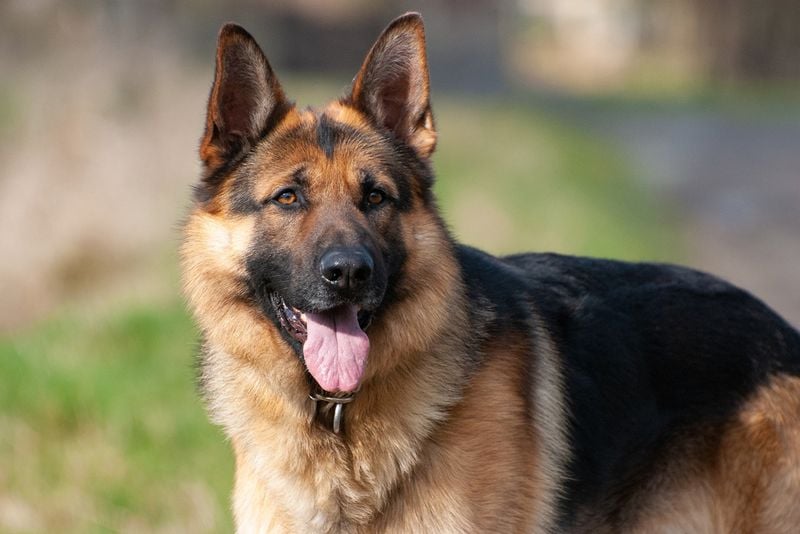
German Shepherds form incredibly strong bonds with their families and suffer when left alone for long periods. These intelligent guardians need both physical exercise and mental challenges to stay balanced and happy.
When bored or lonely, they can develop separation anxiety that manifests as destructive behavior, excessive barking, or even self-harm. Their thick double coat requires regular brushing to manage shedding—expect fur tumbleweeds around your home regardless.
Training is essential for these powerful dogs, as their protective instincts need proper channeling. German Shepherds thrive on having a purpose and can become anxious without clear leadership, making them challenging for owners who can’t provide consistent guidance and companionship.
4. Cavalier King Charles Spaniel: The Velcro Dog With Separation Issues
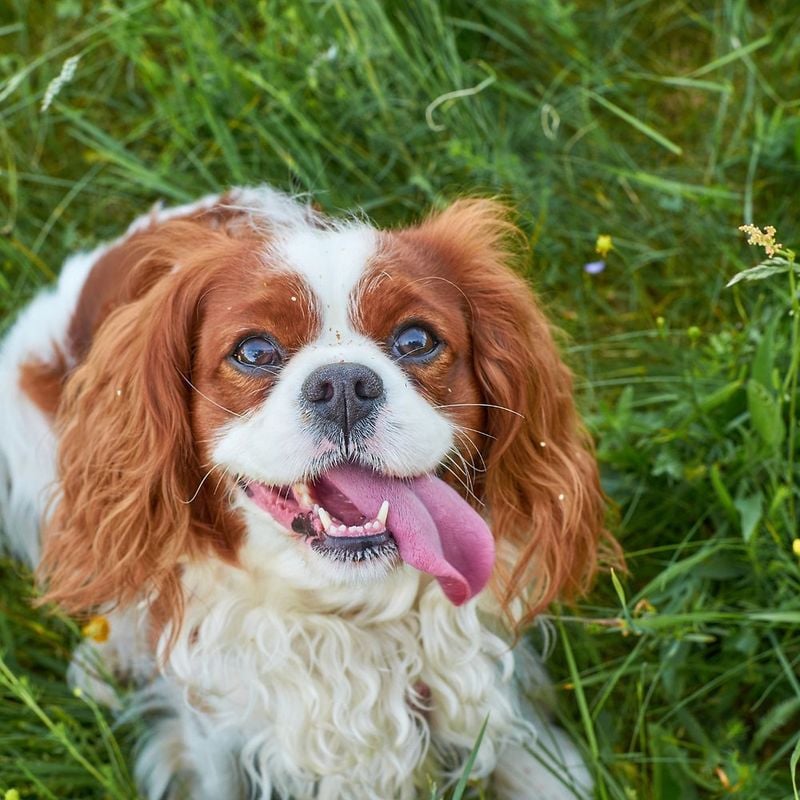
Don’t let their small size fool you—Cavaliers were bred specifically to be companion dogs and suffer tremendously when left alone. These sweet-natured spaniels can develop severe separation anxiety, often expressed through non-stop barking, destructive chewing, or house soiling.
Their need for human contact is almost constant. Cavaliers are happiest when curled up beside you and can become depressed without enough affection. Health concerns are another consideration, as the breed is prone to heart issues that may require regular vet visits and medication.
Their silky coats also need frequent brushing to prevent matting, adding another time commitment to your already busy schedule.
5. Australian Shepherd: The Mischief Maker Who Demands Attention
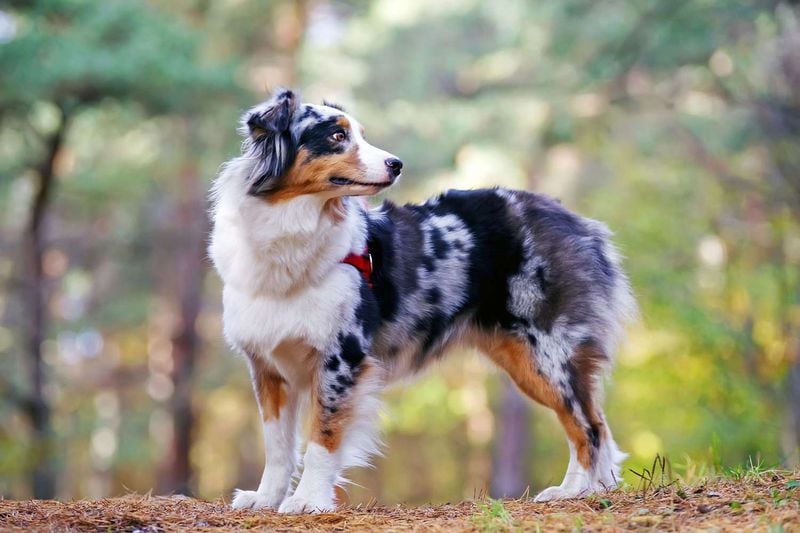
Australian Shepherds were developed to work all day alongside ranchers, making them unsuitable for homes where they’ll spend hours alone. These dogs are master problem-solvers who will find creative—and often destructive—ways to relieve boredom.
Without sufficient exercise and mental stimulation, Aussies commonly develop obsessive behaviors like chasing shadows or spinning in circles. Their herding instincts may lead them to nip at children’s heels or try to corral household pets.
Australian Shepherds also shed profusely and require regular grooming to prevent matting. Their incredible intelligence means they need an owner who can stay one step ahead of them—not an easy task when you’re rushing between work commitments!
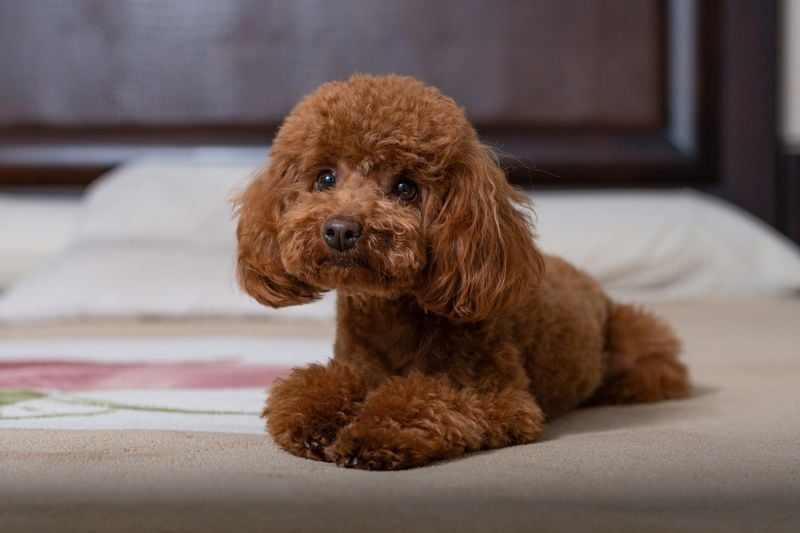
6. Toy Poodle: The Sophisticated Diva Who Needs Primping
Toy Poodles may be small, but their grooming requirements are enormous. Their continuously growing hair needs professional grooming every 4-6 weeks, costing both time and money.
Between appointments, daily brushing is necessary to prevent painful mats from forming. Beyond their maintenance needs, these intelligent dogs require mental stimulation and training.
Toy Poodles can become anxious and develop yappy, neurotic behaviors when their minds aren’t engaged regularly. Their small bladders mean they need frequent bathroom breaks throughout the day—something impossible for owners who work long hours.
Despite their refined appearance, Toy Poodles are active dogs who need regular exercise and play sessions to prevent them from becoming high-strung.
7. Vizsla: The Velcro Athlete Who Suffers Alone
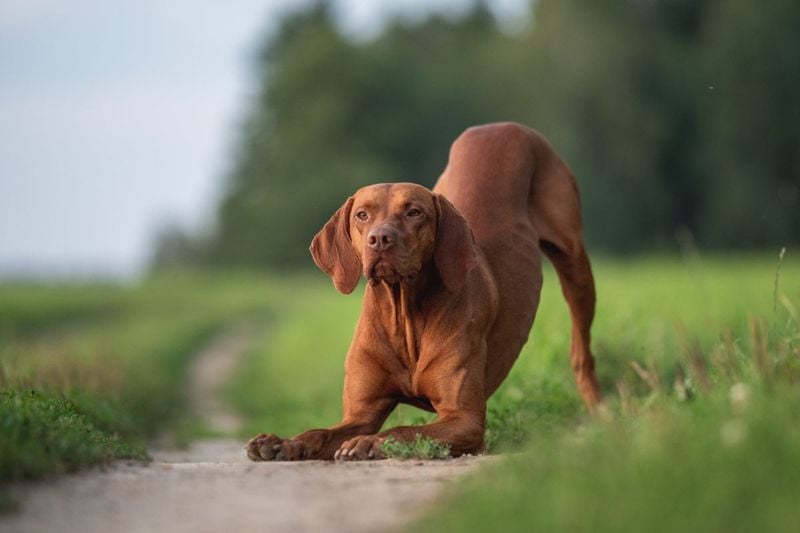
Vizslas take attachment to extreme levels, earning them the nickname “velcro dogs” for their inability to tolerate separation. Originally bred as hunting companions, they expect to be by your side constantly and can develop severe anxiety when left alone.
Their exercise requirements are among the highest of any breed. Adult Vizslas need at least 1-2 hours of vigorous activity daily—a tired Vizsla is a good Vizsla, while an under-exercised one will find destructive outlets for their energy.
Though their short coat might suggest low maintenance, Vizslas are emotionally demanding dogs who crave deep connection. Their sensitive nature means they don’t respond well to harsh corrections or inconsistent training, requiring owners who can provide gentle but firm guidance.
8. Bichon Frise: The Cotton Ball With High-Maintenance Needs
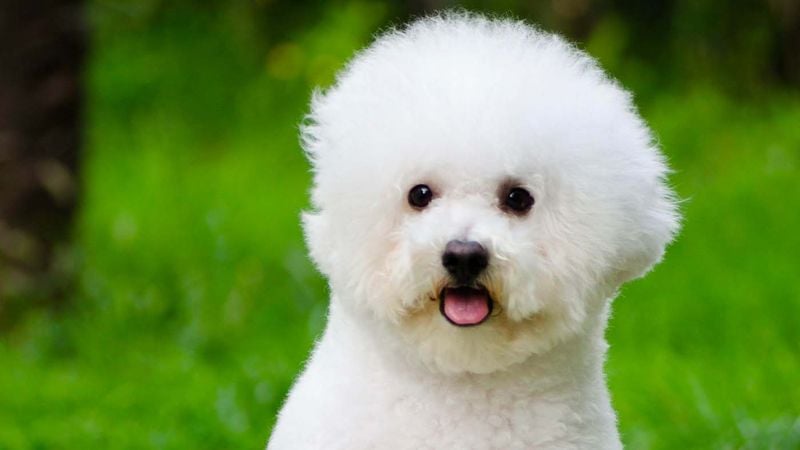
Beneath that adorable fluffy exterior lies a dog with significant grooming demands. Bichons require professional grooming every 4-6 weeks, plus daily brushing to prevent their curly coat from matting painfully against their skin.
These cheerful dogs were bred specifically for companionship and suffer from separation anxiety when left alone regularly. Their people-oriented nature makes them prone to developing behavioral problems like excessive barking or destructive chewing when they don’t receive enough attention.
Bichons are also notoriously difficult to housebreak, requiring consistent training and frequent potty breaks. Their white coat shows every bit of dirt and requires regular cleaning to maintain its pristine appearance—not ideal for owners with limited time for dog maintenance.
9. Jack Russell Terrier: The Energizer Bunny That Never Quits
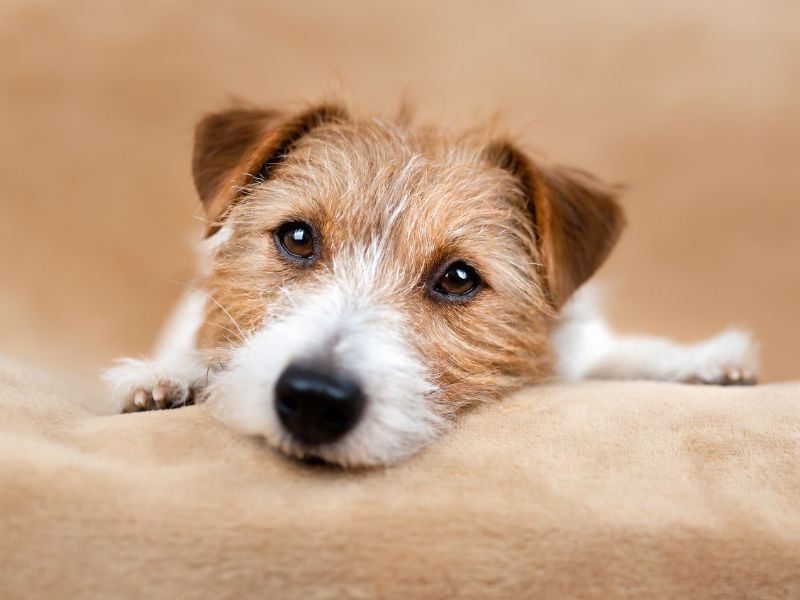
Jack Russells pack the energy of a much larger dog into a compact, muscular body. Bred to hunt foxes, these terriers have incredible stamina and can literally bounce off walls when under-exercised.
Their hunting instincts remain strong, making them prone to digging, chasing small animals, and barking at perceived threats. Jack Russells are notorious escape artists who will find ingenious ways to break out of yards or kennels when bored.
Mentally, they need as much exercise as physically—puzzle toys and training games are essential. Their independent, sometimes stubborn nature requires consistent training from an owner with patience and time.
Without proper outlets, a Jack Russell’s natural tenacity can quickly transform into destructive determination.
10. French Bulldog: The Flat-Faced Friend With Medical Needs
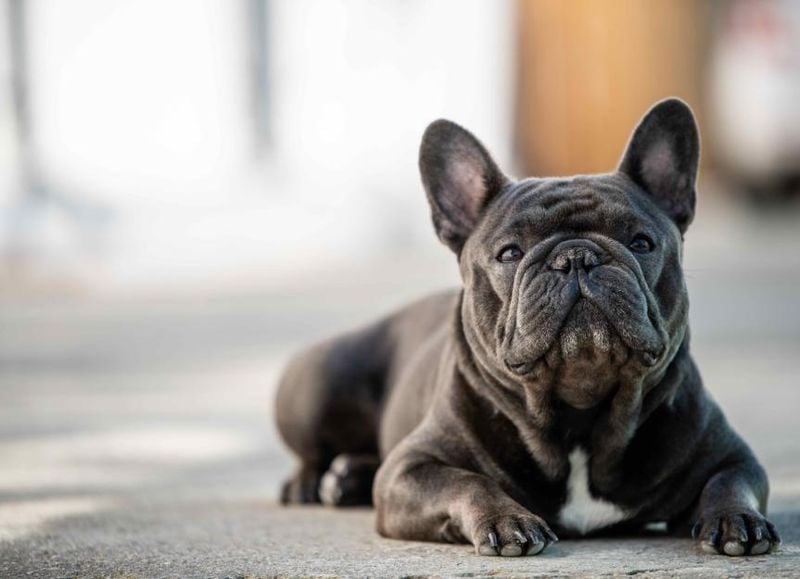
Don’t let their laid-back appearance fool you—Frenchies come with significant health concerns that demand time and financial commitment. Their brachycephalic (flat-faced) structure causes breathing difficulties that require careful monitoring, especially in hot weather or during exercise.
Many French Bulldogs suffer from allergies needing special diets and medication. Their facial wrinkles need regular cleaning to prevent skin infections, and their inability to swim means they require constant supervision around water.
Frenchies are also prone to separation anxiety and can become destructive when left alone. Their stubborn streak makes training challenging, requiring consistent, patient reinforcement.
While not high-energy, their special health needs make them unsuitable for owners who can’t provide regular care and monitoring.
11. Shih Tzu: The Imperial Lapdog With Royal Maintenance
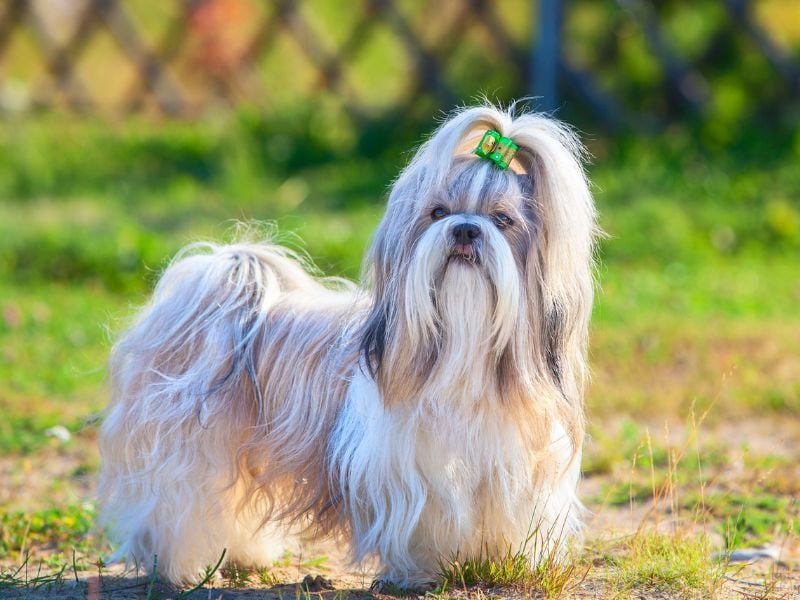
Shih Tzus were bred to be royal companions in Chinese palaces, and they still expect royal treatment. Their long, flowing coat requires daily brushing and regular professional grooming to prevent painful matting and skin infections.
Their flat faces can cause breathing difficulties and make them vulnerable to heat. Many Shih Tzus need special attention to clean facial folds and prevent eye problems common to the breed.
While not high-energy, these imperial lapdogs crave constant companionship and can become depressed when left alone regularly. Their stubborn streak makes housetraining particularly challenging, often requiring months of consistent work.
For busy owners, maintaining both their physical appearance and emotional well-being can become overwhelming.
12. Papillon: The Butterfly-Eared Brainiac Who Needs Mental Challenges
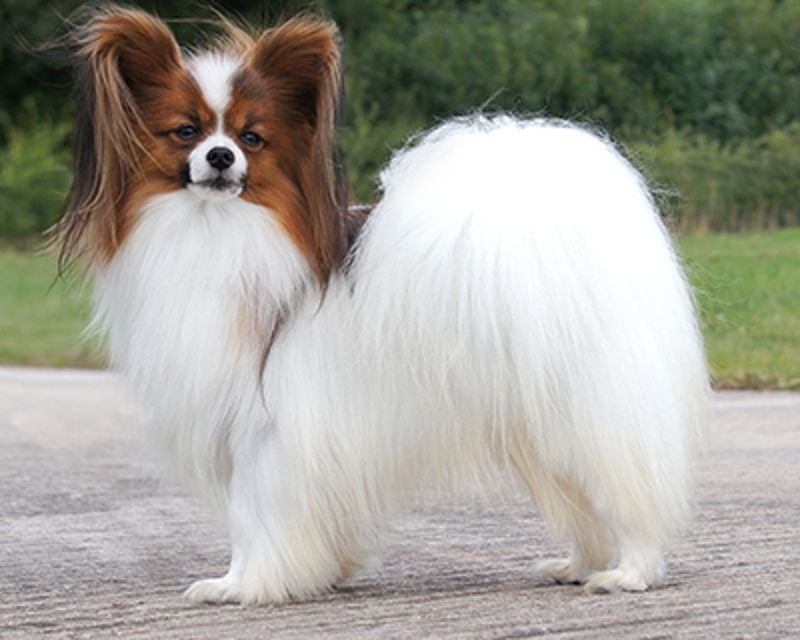
Papillons rank among the smartest toy breeds, with intelligence rivaling Border Collies and Poodles. This brainpower needs direction—without sufficient mental stimulation, these butterfly-eared dogs become frustrated and destructive.
Despite their dainty appearance, Papillons have surprising energy levels and require regular exercise. Their delicate bone structure makes them vulnerable to injury, especially in households with rambunctious children or larger pets.
Papillons form intense bonds with their owners and can develop separation anxiety when left alone frequently. Their long, silky ear fringe requires regular grooming to prevent matting, and their fine coat sheds more than you might expect from a toy breed.
For busy owners, meeting both their physical and considerable mental needs can be challenging.
13. Italian Greyhound: The Delicate Speedster With Special Requirements
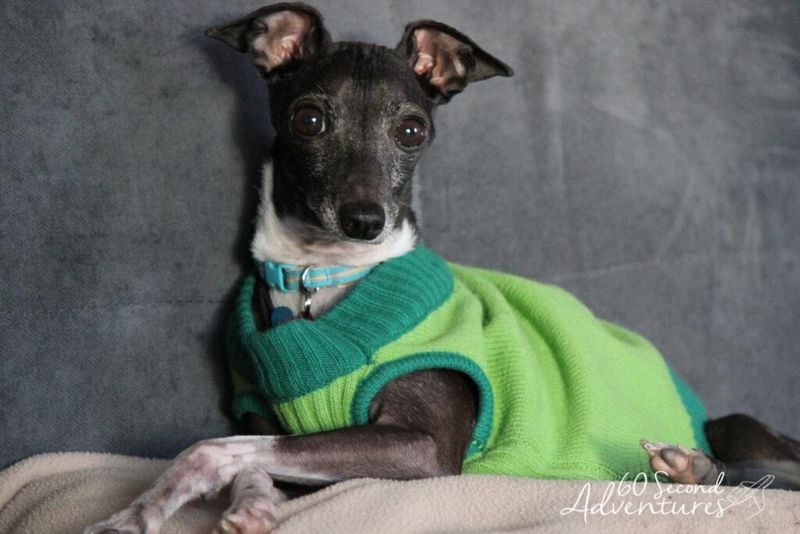
Italian Greyhounds combine incredible speed with extreme fragility. Their thin skin and delicate bones break easily, requiring constant supervision and a safe environment. Many owners find themselves “Iggy-proofing” their homes to prevent injuries.
These sensitive dogs struggle with housetraining and often refuse to go outside in cold or wet weather. Many Italian Greyhounds never become fully reliable indoors, necessitating constant vigilance. Their thin coats provide almost no insulation, requiring wardrobes of sweaters and coats for cold weather.
Italian Greyhounds form intense bonds with their people and commonly develop severe separation anxiety when left alone. Despite their small size, they need regular exercise to prevent them from racing through your home at top speed.
14. Cocker Spaniel: The Silky-Coated Sweetheart With High Upkeep
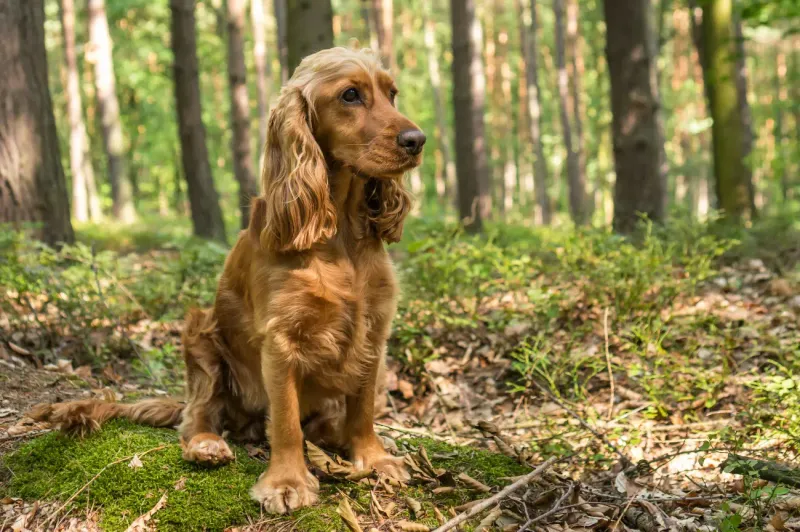
Cocker Spaniels sport one of the most beautiful—and high-maintenance—coats in the dog world. Their silky, flowing fur requires professional grooming every 4-6 weeks, plus daily brushing to prevent painful mats and tangles from forming.
Their long, floppy ears need weekly cleaning to prevent infections, and many Cockers suffer from chronic ear problems requiring medication.
Beyond physical maintenance, these sensitive dogs need consistent, gentle training to prevent nervous behaviors like submissive urination. Cockers were bred as hunting dogs and still retain energy and exercise needs that surprise many owners.
They form strong bonds with their families and can become anxious when left alone for long periods, sometimes developing destructive habits or excessive barking to cope with separation.
15. Maltese: The Living Cotton Ball With Constant Care Needs
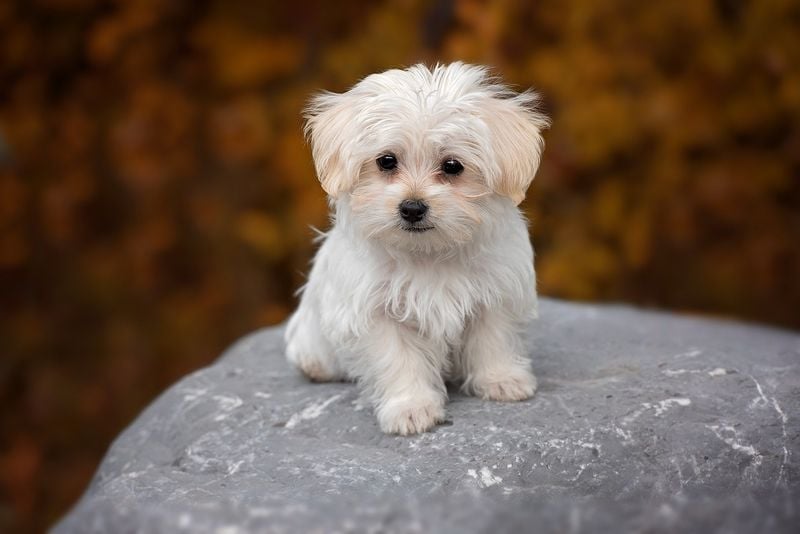
The Maltese’s stunning white coat requires daily brushing and regular professional grooming to maintain its signature look. Without this consistent care, their fine hair quickly becomes painfully matted against their skin.
Tear staining around the eyes needs daily cleaning to prevent discoloration and skin irritation. Many Maltese struggle with dental issues requiring regular brushing and professional cleanings. Housetraining can be challenging, as many Maltese resist going outdoors in unfavorable weather conditions.
Their small size makes them vulnerable to injury, requiring careful handling and supervision. Despite their diminutive stature, these dogs need regular play sessions and mental stimulation to prevent boredom behaviors like excessive barking or destructive chewing.
16. Chihuahua: The Tiny Diva With Outsized Needs
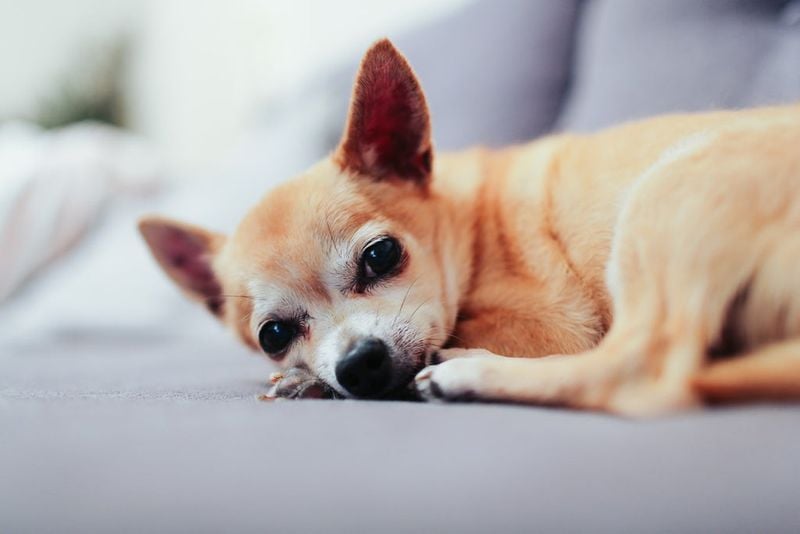
Chihuahuas may be the world’s smallest dog breed, but their needs are anything but small. These tiny pups often develop extreme attachment to one person and can become stressed or aggressive when that person isn’t available.
Their small bladders necessitate frequent bathroom breaks, making housetraining challenging for owners with long workdays. Chihuahuas are notoriously cold-sensitive and need sweaters and heated beds during cooler months.
Many Chihuahuas develop dental problems requiring special care and regular professional cleanings. Their fragile build makes them vulnerable to injury, especially in households with children or larger pets.
Despite their size, these feisty little dogs need proper training to prevent them from developing “small dog syndrome” with bossy, yappy behavior.


