
Everything You Need to Know About Feeding Dogs on a Rotational Diet

Feeding your dog can be a complex task, especially when considering a rotational diet.
This comprehensive guide covers everything you need to know about this feeding method, including its benefits, challenges, and how to implement it safely and effectively.
Whether you’re new to rotational feeding or looking to refine your approach, these 13 key talking points provide valuable insights and actionable tips.
What Is a Rotational Diet for Dogs?

A rotational diet for dogs is like a culinary adventure for your furry friend. It involves switching between different foods, such as proteins, brands, or formats, on a regular basis. Unlike fixed feeding plans where the diet remains constant, rotational feeding introduces variety. This approach seeks to mimic a more natural diet similar to what animals might experience in the wild.
The goal is to provide a balanced and varied nutritional profile. By rotating foods, you can potentially reduce the risk of allergies and food sensitivities while keeping mealtime exciting for your pet. This dynamic feeding method can enhance your dog’s overall health and well-being.
Benefits of a Rotational Diet

Rotational diets offer numerous advantages that can contribute to a dog’s overall health. One of the key benefits is nutritional variety, which helps ensure a balanced diet. By regularly changing foods, you can also reduce potential food sensitivities.
This feeding method encourages gut health and promotes a diverse microbiome, which are crucial for digestion. Additionally, the variety keeps dogs from getting bored with their meals, making dinnertime more enjoyable. The combination of these benefits makes rotational feeding an attractive option for many pet owners seeking to optimize their dog’s nutrition.
Common Myths and Misconceptions
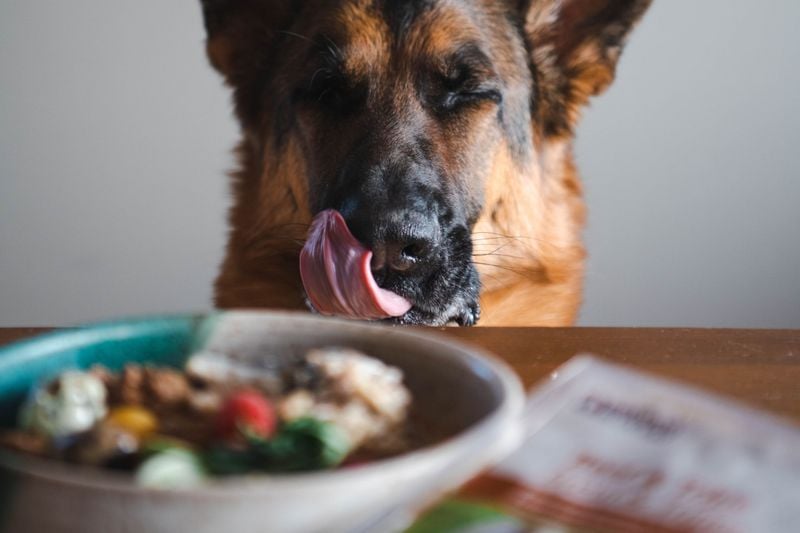
Despite its benefits, many misconceptions surround rotational feeding. Some believe that dogs require consistency in their diets, fearing that change might cause illness. However, dogs are more adaptable than we think, and introducing variety can be beneficial.
Another myth is that rotational diets are solely for picky eaters. In reality, most dogs can benefit from the variety and improved nutrition it offers. It’s important to dispel these myths to better understand how rotational diets can enhance a dog’s health and happiness.
Types of Rotation

There are various ways to implement a rotational diet, each offering unique benefits. Protein rotation involves switching between sources like chicken, lamb, or fish to provide nutritional diversity. Brand rotation can introduce different recipes and formulations.
Format rotation allows for a variety of textures, such as kibble, canned, or raw foods. Each type of rotation can contribute to a more balanced and enjoyable diet for your dog. By exploring these options, you can find the best combination that suits your pet’s needs and preferences.
How Often to Rotate

Determining the frequency of rotation is a key aspect of this feeding method. Some owners choose to rotate weekly, while others prefer monthly or with each new bag of food. Factors like a dog’s sensitivity, age, and lifestyle can influence this decision.
Finding the right timing ensures that your dog benefits from nutritional variety without experiencing digestive upset. Experimenting with different schedules can help you find the perfect balance for your furry friend.
Transitioning Between Foods
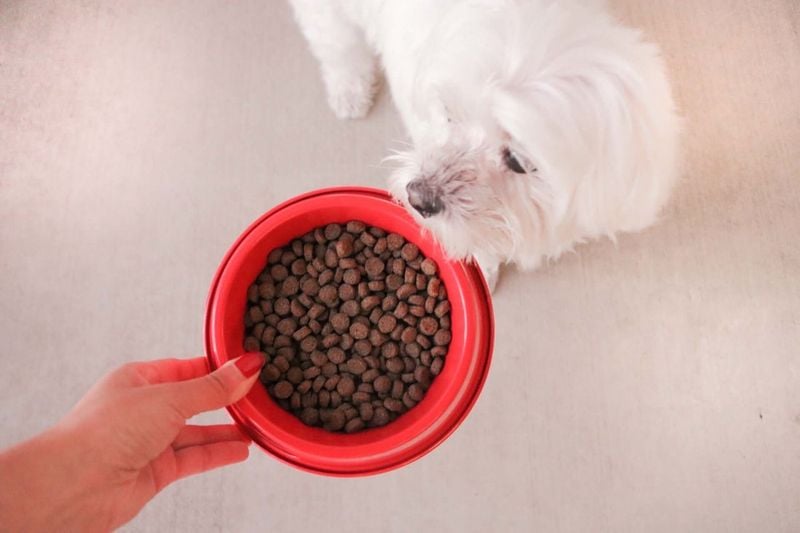
Transitioning between foods is crucial for the success of a rotational diet. A gradual mix over 5 to 10 days often works best, allowing your dog’s digestive system to adjust. Signs that a transition is too rapid may include loose stools, vomiting, or refusal to eat.
By paying attention to your dog’s response, you can ensure a smooth changeover. This careful approach helps maintain digestive health while reaping the benefits of a varied diet.
How to Start a Rotational Diet Safely

Beginning a rotational diet requires careful planning and observation. Start with brands you’re familiar with and choose limited ingredient formulas to minimize potential allergies. Keeping a food journal can track how your dog reacts to new foods.
This practice helps identify any issues early on, ensuring a safe transition. By taking these precautions, you can set your dog on the path to a more varied and balanced diet.
What to Look for in New Foods

Selecting the right foods is vital for a successful rotational diet. Ensure that new foods offer complete and balanced nutrition. Checking for AAFCO compliance can guarantee that the diet meets necessary standards.
Matching calorie and nutrient profiles with your dog’s needs further ensures health and satisfaction. These considerations help maintain the integrity of the rotational diet while providing optimal nutrition.
Risks and Challenges

While offering numerous benefits, rotational diets can also present challenges. Digestive upset may occur if transitions are too rapid or if the dog has specific food intolerances. Monitoring your pet’s reaction is crucial to avoid these issues.
Picky eating behavior might also develop if not monitored closely. Understanding these risks allows you to address them proactively, ensuring a successful diet plan for your dog.
Best Practices for Success

Achieving success with a rotational diet involves following certain best practices. Keep meals consistent during times of illness or travel to avoid unnecessary stress. Consulting with a veterinarian or pet nutritionist can provide valuable insights tailored to your dog’s needs.
Staying flexible and observant allows you to adjust the diet as needed. These strategies help ensure a positive experience for both you and your pet.
Foods to Avoid During Rotation
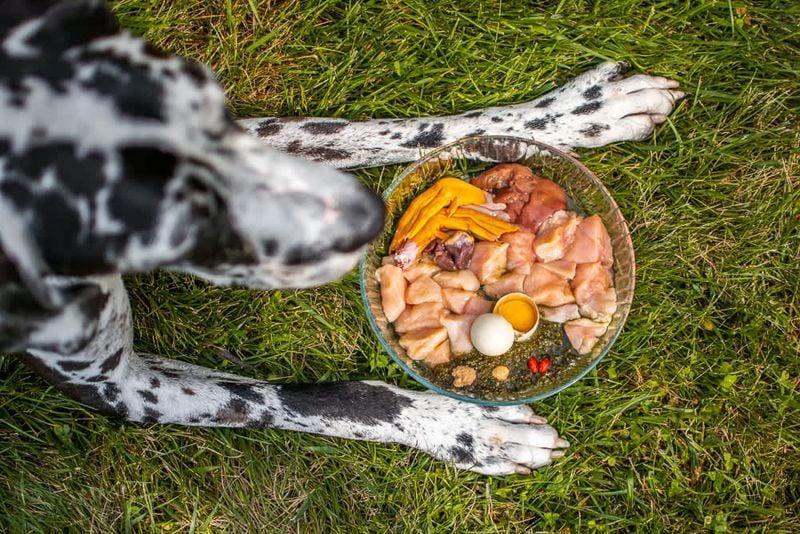
Certain foods should be avoided when implementing a rotational diet. Unverified boutique or raw brands may pose risks if their nutritional content is not fully understood. High-fat or rich novelty proteins should be tested carefully.
Additionally, making multiple changes at once, such as protein, brand, and format, can overwhelm a dog’s system. By avoiding these pitfalls, you can maintain a stable and healthy diet for your pet.
Supplements and Additions
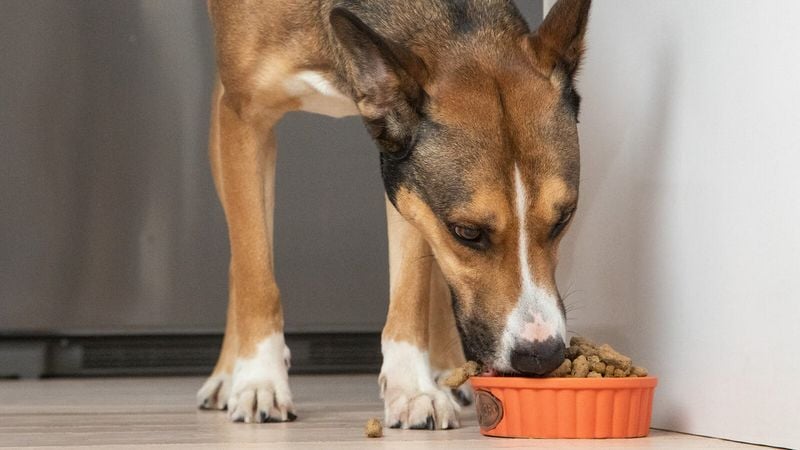
Supplementing a rotational diet with additional nutrients can enhance its benefits. Continuing probiotics or omega-3s supports overall health. However, it’s essential to balance fresh toppers with the base diet to maintain nutritional integrity.
Understanding the role of supplements and how they interact with the rotational diet ensures that your dog receives comprehensive nutrition.
Ideal for Specific Dog Types
Rotational diets are best suited for healthy adult dogs, offering them the variety they crave. Modifications can be made for senior dogs or puppies to accommodate their specific needs. However, dogs with chronic gastrointestinal issues may require vet supervision before starting a rotational diet.
This approach allows for tailored feeding strategies that cater to each life stage and health condition.


