
How Domestic Dogs Evolved From Wolves
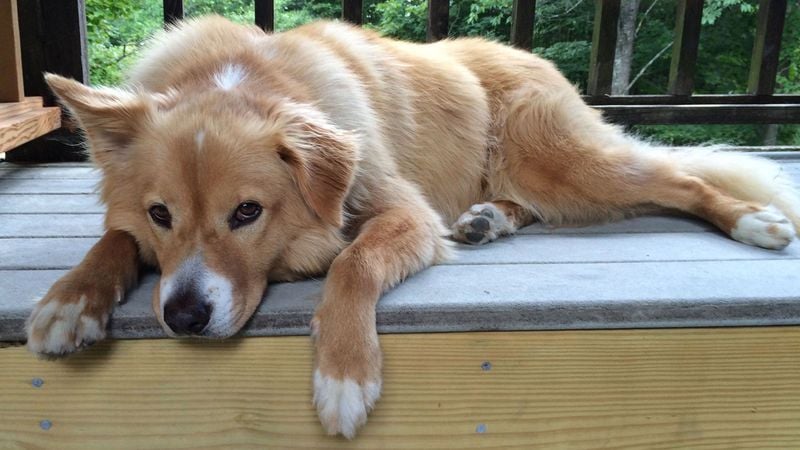
Unraveling the fascinating journey of how domestic dogs evolved from their wild wolf ancestors opens a window into the history of companionship between humans and animals.
Spanning thousands of years, this transformation involved complex genetic, behavioral, and physical changes, driven by both natural selection and human intervention.
Each talking point explores a unique aspect of this evolution, shedding light on how wolves, once fierce and independent, eventually transformed into the diverse and loyal canines we cherish today.
From shared ancestry to genetic modifications and the emergence of specific breeds, this journey uncovers the intertwined destinies of humans and dogs.
1. The Shared Ancestor Between Wolves and Dogs
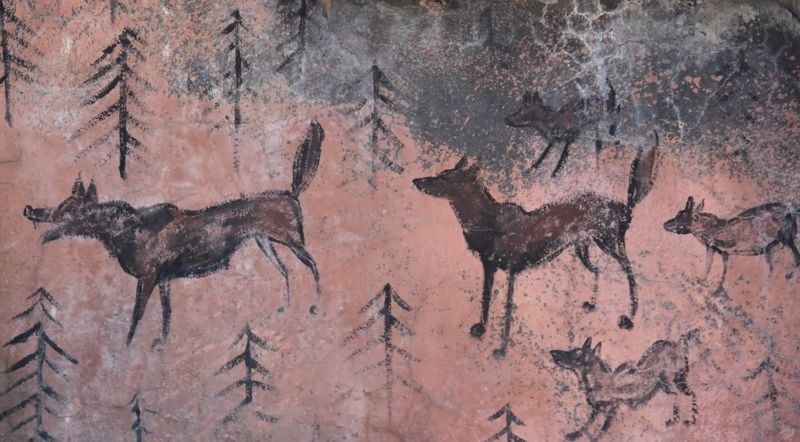
Both domestic dogs and gray wolves share a common ancestor, a prehistoric creature that roamed the forests and plains. This ancestor, known scientifically as Canis lupus, is the root from which both species diverged. Unlike popular myths, dogs didn’t directly evolve from the wolves we see today. Rather, they branched off from this shared lineage, leading to the development of distinct pathways.
The bond between early humans and these animals likely began with mutual respect and cautious interaction. Over time, an unspoken alliance formed, laying the groundwork for what would become one of the most meaningful relationships in human history.
2. The Domestication Timeline
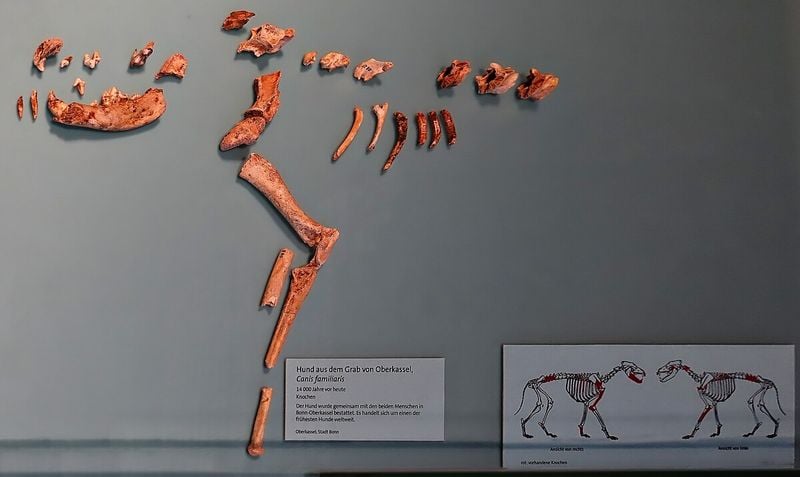
The journey of domestication began between 20,000 to 40,000 years ago, marking a significant shift in human-animal relationships. Archaeological discoveries, like the Bonn-Oberkassel dog in Germany, offer tangible evidence of this ancient bond. Similarly, remains found in Razboinichya Cave, Siberia, revel in the depth of this connection.
These sites highlight moments where humans and early dogs shared lives, hunting and surviving together. Such discoveries paint a vivid picture of evolving societies and the pivotal role that these early canines played.
Their presence in human settlements symbolizes a critical turning point in evolutionary history, where survival strategies intertwined.
3. Theories of Domestication
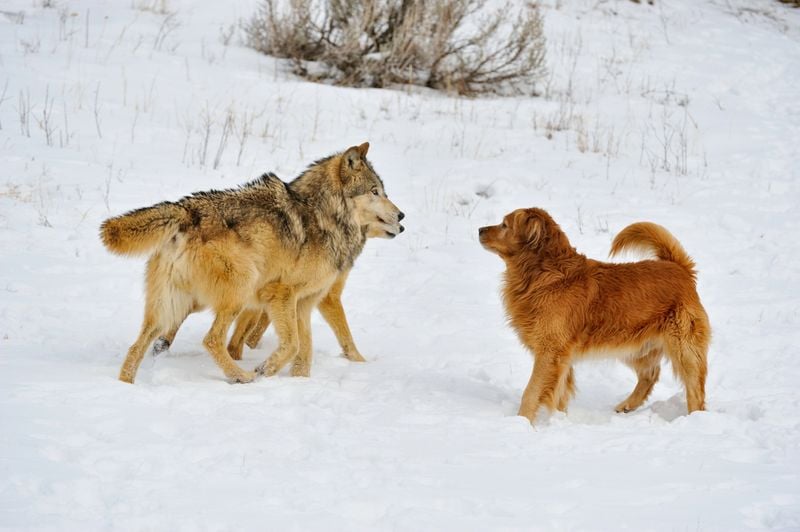
Two main hypotheses explain the domestication of dogs: self-domestication and human-initiated domestication. In the self-domestication scenario, wolves began scavenging near human campsites, gradually becoming more docile. This adaptation helped them thrive alongside humans.
On the other hand, human-initiated domestication suggests early humans raised wolf pups intentionally, selectively breeding them for tameness and utility.
Both theories reveal unique insights into the evolving dynamics of human-canine interaction. While the precise pathway remains a subject of scientific debate, both highlight the mutual benefits and evolving reliance between species, setting the stage for domestication.
4. Genetic Changes in Early Dogs
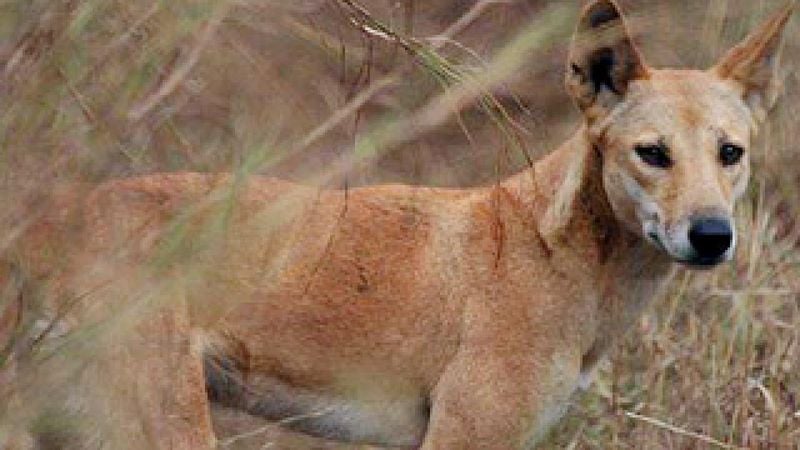
Genetic differences between wolves and early dogs played a crucial role in domestication. One notable adaptation is the increased tolerance for starch-rich diets among dogs, an evolutionary response to living with agricultural societies.
This genetic shift allowed dogs to thrive on human-provided food, which was rich in carbohydrates.
Such dietary adaptability underscores the intricate relationship between humans and their four-legged companions. These genetic changes also involved behavioral traits, leading to more manageable and cooperative animals.
This adaptability was essential for the survival of dogs in rapidly changing environments, shaping their evolutionary trajectory alongside humans.
5. Behavioral Shifts and Temperament
Early dogs were selected for traits like tameness, cooperation, and reduced fear, crucial for integration into human communities. This selection process marked a clear divergence from the independent and cautious nature of wolves.
Unlike their wild counterparts, these early canines exhibited a willingness to engage with humans, fostering trust and companionship.
These behavioral shifts were not only essential for survival but also laid the foundation for the complex social bonds that exist today between humans and dogs. The evolution of temperament highlights the intricate dance of adaptation, where emotional intelligence became a survival tool.
6. Physical Transformations
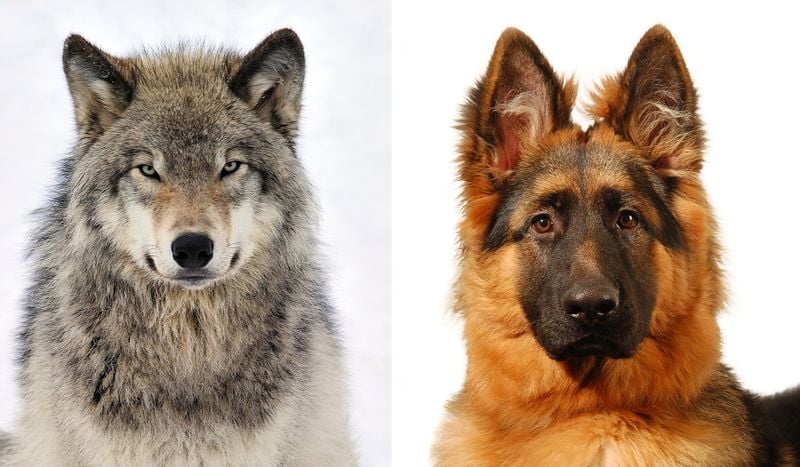
Domestication led to visible changes in dogs, such as smaller skulls, floppier ears, and curled tails—trademarks of neotenous traits. These physical transformations are side effects of selecting for friendliness and tameness.
The shorter snouts and varied coat colors further set domestic dogs apart from their wolf ancestors.
These traits not only made dogs more endearing to humans but also signaled deeper genetic shifts. By selecting for certain behaviors, humans inadvertently influenced physical attributes.
This evolution showcases how domestication is a multifaceted process, affecting both appearance and behavior, reflecting the close bond with humans.
7. Role of Dogs in Early Human Societies
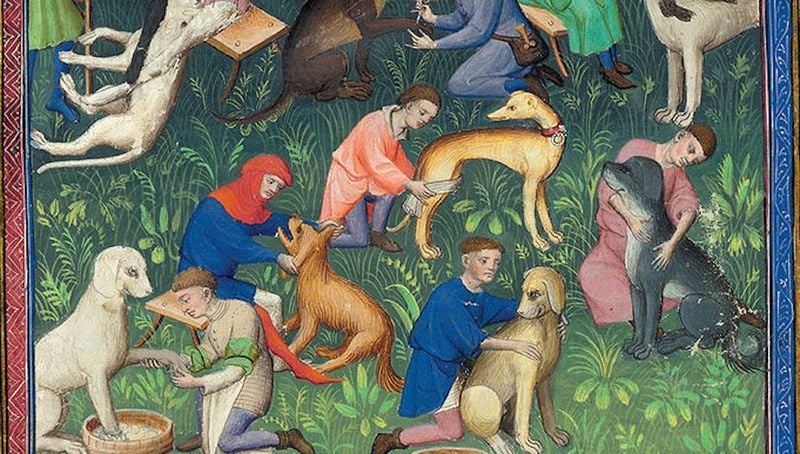
In early human societies, dogs quickly became indispensable allies. They assisted in hunting, herding livestock, guarding settlements, and offering companionship. This partnership provided mutual benefits, strengthening the bond between species.
Dogs’ keen senses and protective instincts complemented human skills, creating a dynamic survival team.
By working together, humans and dogs could achieve what neither could do alone. The emergence of these roles underscores the profound impact of domestication on both human evolution and societal development.
Through these roles, dogs became integral to the daily lives and cultural practices of our ancestors.
8. Diversification into Breeds
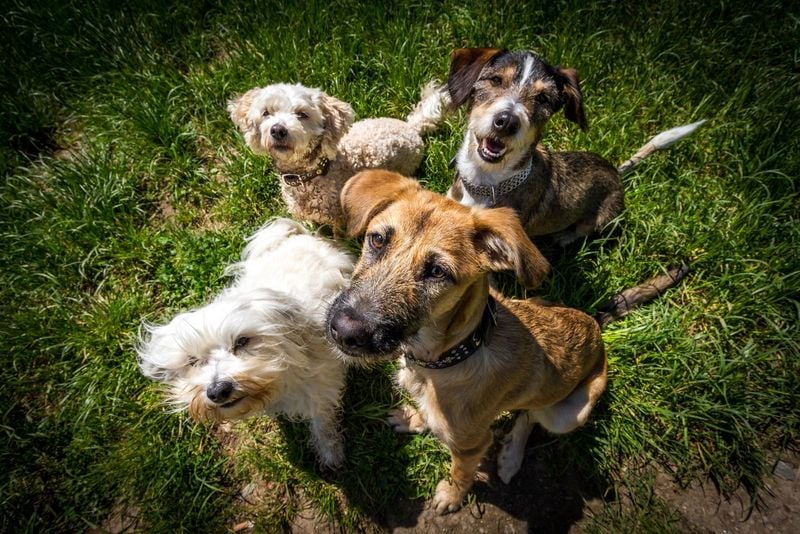
The diversification of dogs into various breeds accelerated over the past few thousand years, driven by selective breeding. Distinct breeds emerged as humans sought dogs for specific roles like hunting, herding, or companionship.
This intentional selection led to the vast array of dog breeds we see today, each with unique physical and behavioral traits.
The variety reflects human ingenuity and the adaptation of dogs to diverse environments and tasks. It highlights the transformative power of selective breeding, shaping dogs to meet human needs while preserving their essential canine essence.
Today, this diversity enriches human life with an array of loyal companions.
9. Modern Genetic Evidence
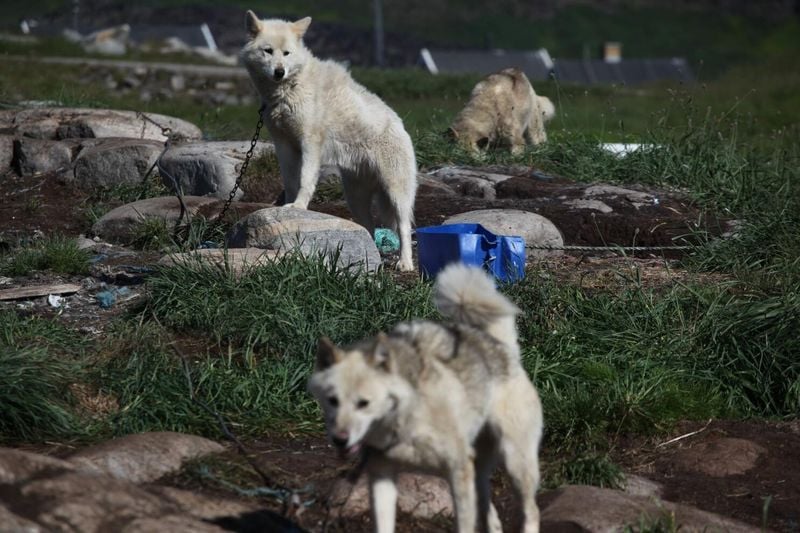
Modern genetic studies have delved into the mitochondrial DNA of wolves and dogs, unveiling the divergence lines and domestication origins across Eurasia. These studies provide a genetic roadmap of evolution, tracing the journey from wild wolves to domestic dogs.
The DNA evidence supports multiple domestication events, emphasizing a complex history of interaction and adaptation.
This genetic insight not only enriches our understanding of dog evolution but also highlights the shared history of migration and settlement with humans. It serves as a reminder of the intertwined paths that have led to the rich tapestry of dog breeds and their global distribution today.
10. Remaining Wolf-like Traits in Dogs
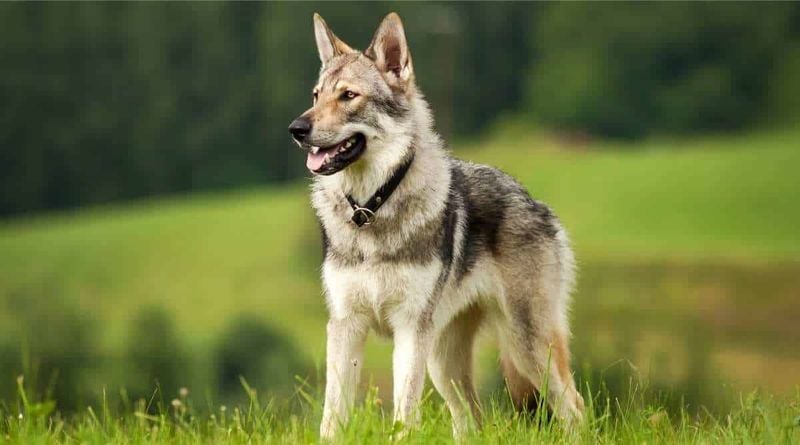
Despite domestication, dogs retain several wolf-like traits, such as pack instincts and territorial marking. These behaviors link them to their wild ancestors, grounding them in their natural heritage.
However, selective breeding has transformed dogs into a species uniquely attuned to human life. Traits like loyalty, social bonding, and communication have evolved to fit seamlessly into human society.
This duality highlights the remarkable adaptability of dogs, balancing their instincts with the demands of domesticated life. As a result, dogs remain both a reflection of their wild lineage and a testament to their capacity for change and connection with humans.


