What to Do If You Have a Dog and a Coyote Shows Up In Your Yard (And What Not to Do)
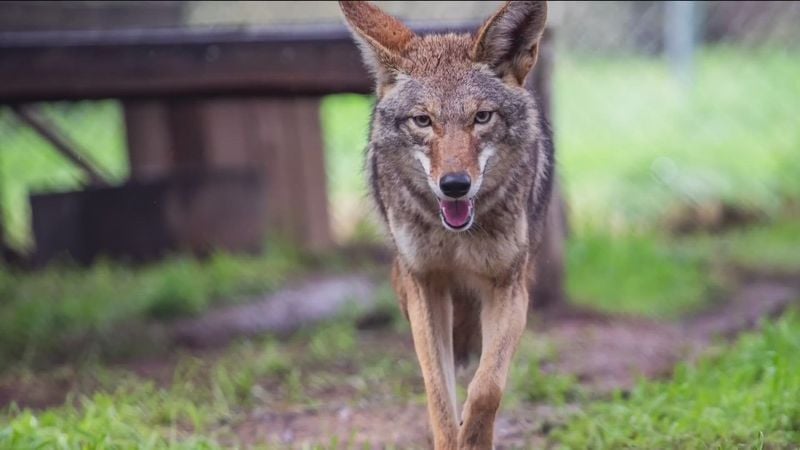
Encountering a coyote in your yard can be a startling experience, especially if you have a dog. Knowing how to handle such situations is crucial to ensure the safety of both your pet and the wildlife.
This post provides practical advice on what to do and what not to do if a coyote pays a visit. With ten helpful actions and seven things to avoid, you’ll be better prepared to protect your canine companion and maintain peace in your neighborhood.
Immediately Bring Your Dog Inside
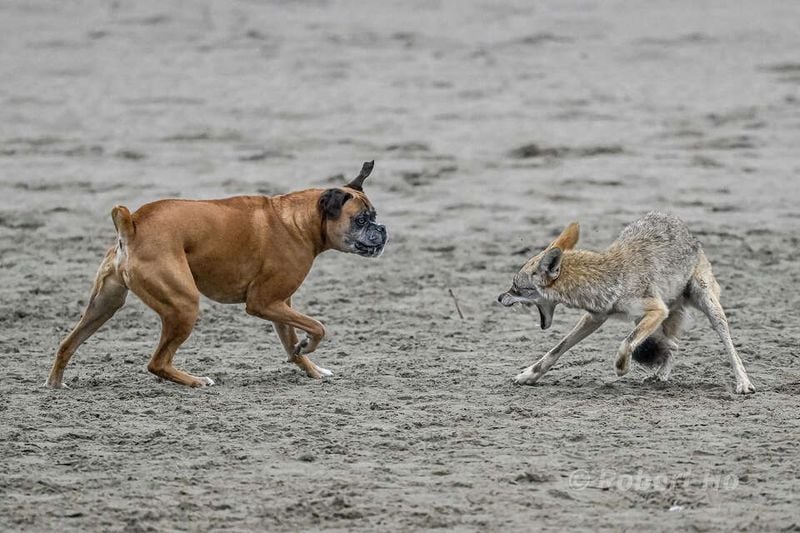
Don’t wait to see what happens—remove your dog from danger right away. Coyotes, though often shy, can become bold if cornered or threatened, especially when they perceive smaller animals as prey. Imagine the surprise of your dog encountering a wild coyote! Quickly ushering your pet inside not only prevents direct confrontation but also minimizes stress for both you and your furry friend.
By acting swiftly, you eliminate the risk of an unpredictable encounter. Secure your home’s door, and make sure no other pets are outside. Sometimes, just the sight of a human is enough to discourage a coyote from entering.
Keeping your dog indoors is the safest course of action.
Make Loud Noises to Scare the Coyote

Bang pots, yell firmly, clap, or use a whistle or air horn. Coyotes are generally wary of humans, and loud, unexpected sounds can deter them quickly. Picture a coyote slinking away at the sudden cacophony of noise from your back porch!
Creating a ruckus serves to assert your presence and territory, driving the coyote to retreat. This method is simple yet effective; often, it’s the immediate response that counts.
Employing noise as a deterrent works best when paired with visible gestures. Be consistent with your efforts if the coyote seems persistent. This way, you send a clear message that your yard is off-limits.
Keep Eye Contact and Appear Big
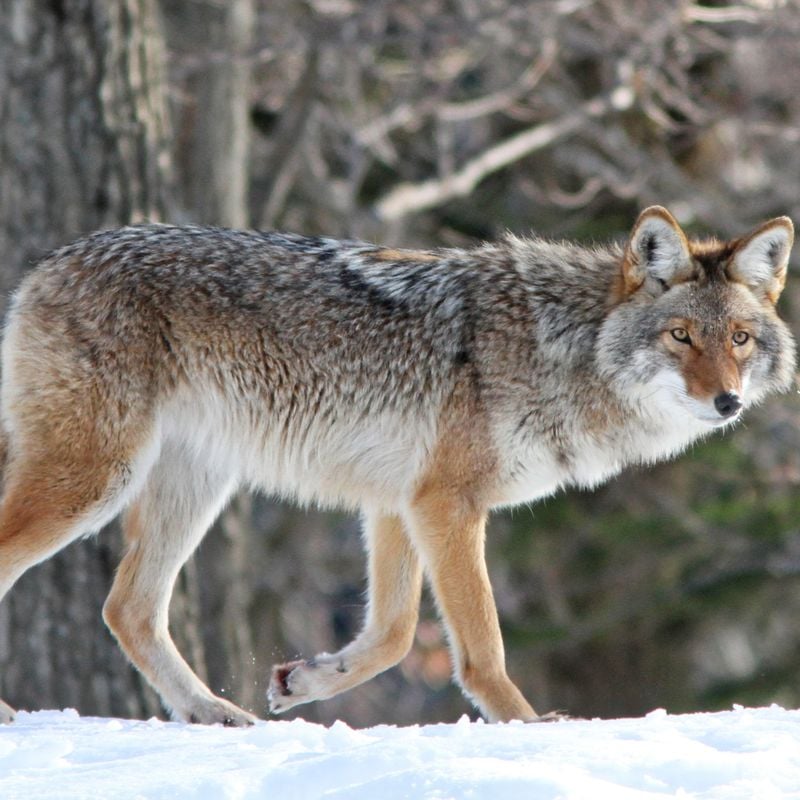
Stand tall, wave your arms, and don’t turn your back as you back away slowly. It’s about showing dominance without aggression. Imagine the coyote evaluating you, deciding its next move. Maintaining eye contact signifies confidence and control, essential when dealing with wildlife.
A relaxed stance can embolden a coyote, but projecting size and presence often persuades it to back off. Slowly backing away while facing the animal ensures you’re not seen as prey.
This technique is particularly useful when in open spaces, as it buys you time to reach safety. Remember, confidence can deter even the boldest of coyotes.
Secure All Pets and Small Animals
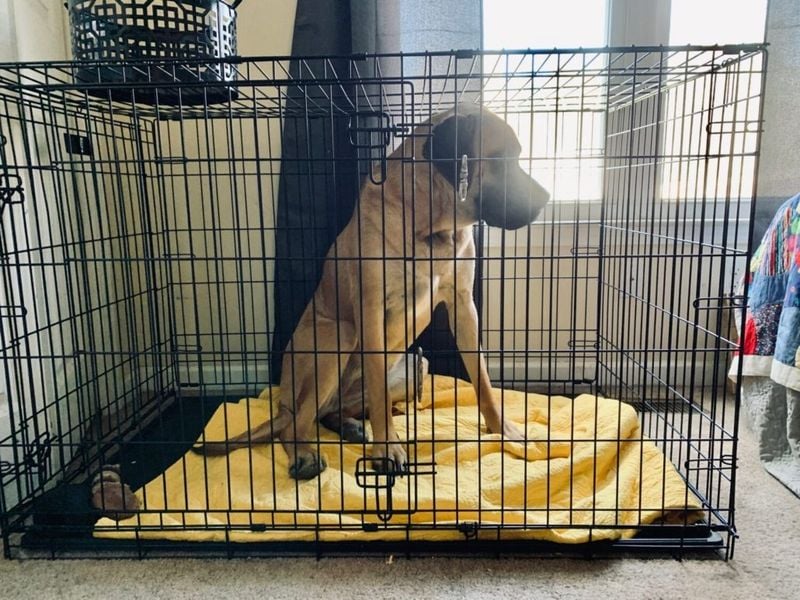
Ensure all animals, including cats and rabbits, are safely indoors or in protected enclosures. Coyotes are opportunistic hunters, and even the smallest opening can be an invitation. Consider the vulnerability of your pets—securing them not only protects them but also reduces stress on you.
Urban and suburban areas aren’t immune to wildlife visitors, making vigilance key. Double-check that kennels or hutches are secure, as coyotes can be surprisingly resourceful.
It’s about creating a fortress for your furry companions. Keep windows closed and latched, especially at night or when coyotes are most active. Safety is the priority, ensuring peace of mind for the whole household.
Use Motion-Activated Lights or Sprinklers

Install deterrents to make your yard less welcoming to coyotes. Think of these as your silent sentinels, ready to spring into action. Motion-activated lights or sprinklers can surprise and discourage nocturnal visitors from lingering.
Darkness is a coyote’s ally, but sudden bursts of light or water can disrupt their stealthy approach. This method is environmentally friendly and avoids direct confrontation.
By altering the landscape dynamics, you create an unpredictable environment for unwanted guests. These devices are particularly effective when strategically placed in entry points or paths frequented by wildlife. Let technology be your ally in keeping coyotes at bay.
Remove Attractants
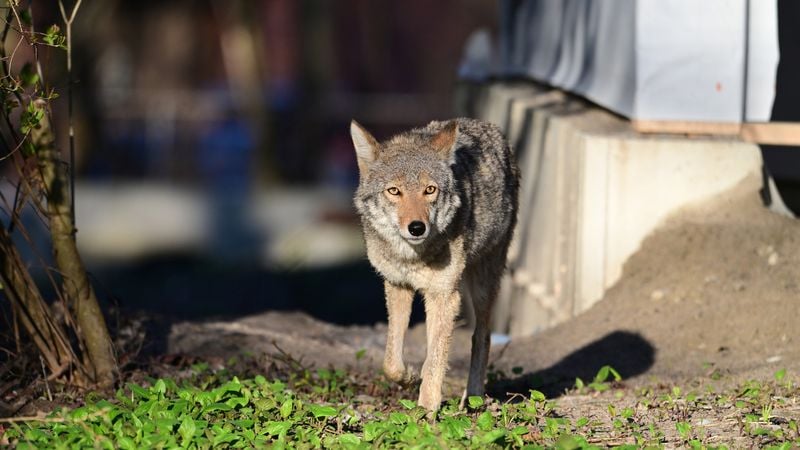
Secure trash cans, clean up pet waste, and don’t leave dog food outside. Imagine a coyote on a scavenger hunt, drawn by the scent of food. Removing these temptations is crucial in deterring visits.
Coyotes are opportunistic and will seize any chance for an easy meal. By eliminating food sources, you reduce the likelihood of repeat visits.
This isn’t just about trash—fallen fruit, birdseed, and even compost can attract wildlife. Ensuring a clean yard helps maintain the balance between nature and suburbia. Prevention is better than cure; a little effort now can save future headaches and safe-keep your home.
Seal Entry Points in Fences
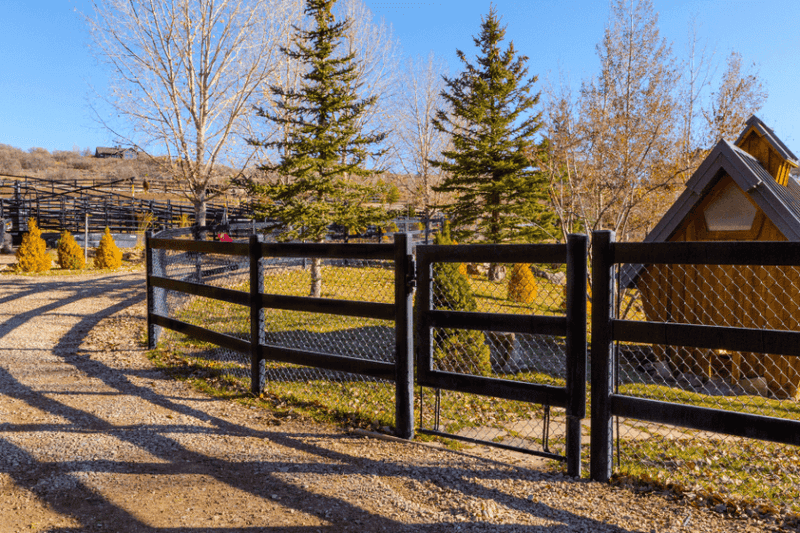
Check for holes or gaps in your fence and close them off—coyotes can squeeze through small spaces. Picture your yard as a sanctuary; even the smallest breach can compromise its safety.
Coyotes, with their slender frames, are adept at slipping through narrow openings. This makes regular fence inspections vital for pet owners.
It’s not just about closing gaps; consider adding extensions or rollers on top to prevent climbing. This proactive approach not only enhances security but also grants peace of mind. A well-fortified boundary serves as both a physical and psychological deterrent to unwelcome wildlife.
Report Aggressive Coyotes to Authorities
If a coyote behaves boldly or doesn’t scare easily, contact your local animal control or wildlife services. Imagine a coyote boldly approaching without fear—such behavior signals a potential danger.
Authorities have the expertise to assess and manage wildlife interactions safely. Reporting helps them track and address issues before they escalate.
Your vigilance contributes to community safety, ensuring a coordinated response to wildlife concerns. Providing specific details aids in swift and effective action. Remember, community involvement is key to coexisting with wildlife while ensuring everyone’s safety.
Train Your Dog to Recall Instantly
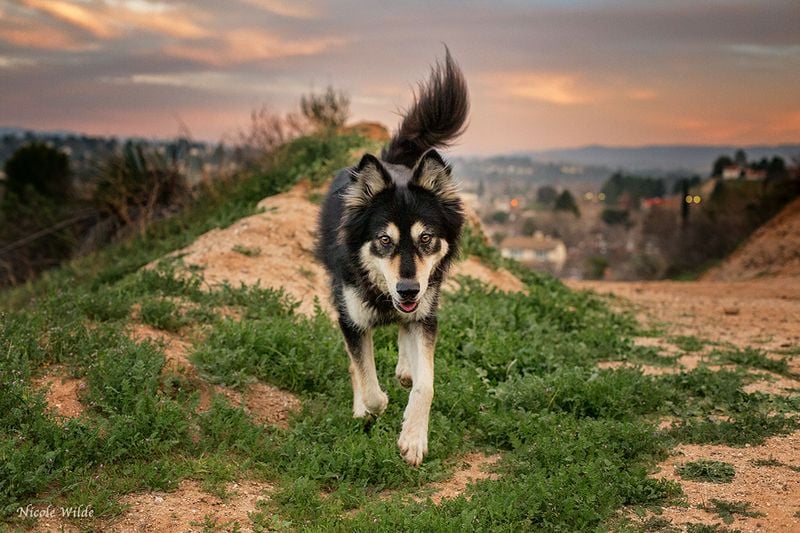
Teach your dog a strong recall command in case they ever spot a coyote while outside. The bond between you and your dog is strengthened when they respond to your call, regardless of distractions.
A reliable recall can prevent dangerous situations from escalating. Training sessions should be positive, using treats and consistency to reinforce behavior.
Such preparation is not just about discipline; it’s about ensuring your dog’s safety and your peace of mind. Outdoor adventures become less worrisome when your pet showcases impeccable recall skills. This skill is invaluable, especially in areas where wildlife encounters are possible.
Walk Dogs on a Leash at Dawn and Dusk
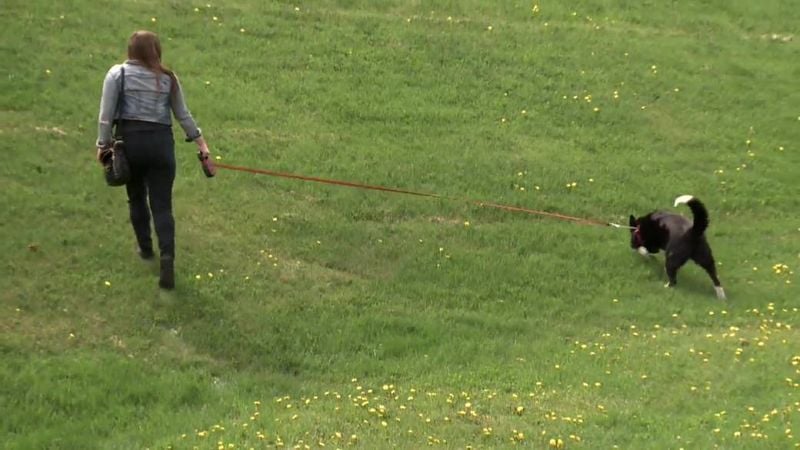
Coyotes are most active during these times—stay alert and keep your dog close. Picture the serene beauty of dawn or dusk walks, with the added awareness of potential wildlife.
A leash serves as a physical connection, ensuring control and safety for both you and your furry companion. Walking during these hours requires heightened vigilance, as coyotes may perceive smaller pets as prey.
Choosing well-lit paths and staying aware of surroundings further mitigates risks. Such measures allow you and your dog to enjoy the tranquility of nature while staying secure. It’s about balancing enjoyment with awareness.
Do Not Run Toward or Away From the Coyote
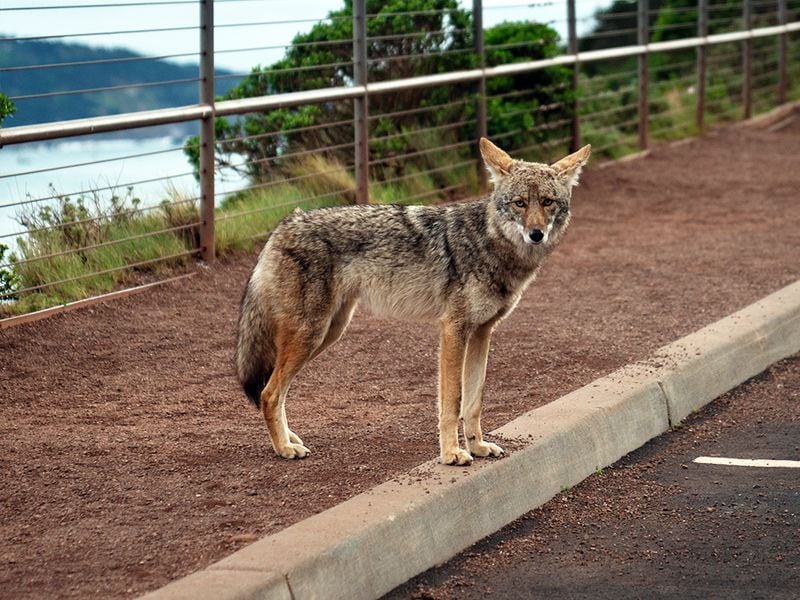
Running may trigger a chase response—remain calm and move slowly. Imagine the instinctual urge to flee, tampered by the need for caution.
Coyotes, like many predators, react to erratic movements. Staying composed sends a message of non-threat, reducing the likelihood of pursuit.
This calm approach is essential in de-escalating encounters with wildlife. It’s about self-control and understanding animal behavior. By moving steadily and without haste, you present yourself as a non-prey entity. This strategy helps in avoiding unnecessary conflicts and ensures both your safety and the coyote’s.
Don’t Leave Your Dog Outside Alone
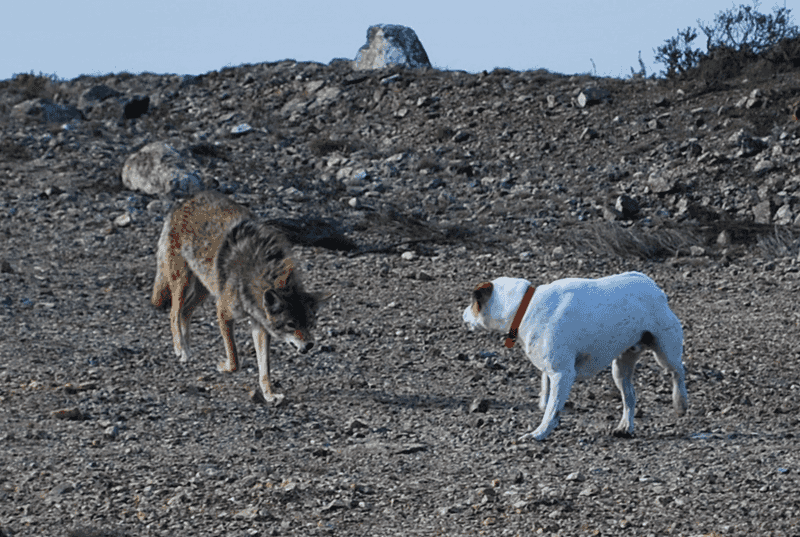
Even in a fenced yard, small or medium dogs are at risk. Imagine the peace of mind knowing your pet is safe indoors, away from potential dangers.
Coyotes are opportunistic and can view unattended pets as easy targets. Supervising outdoor time is essential in ensuring your dog’s safety.
If you must leave your pet outside, ensure it is in a secure area with no access points for wildlife. This precaution helps prevent tragic encounters and keeps your furry friends secure. Trusting in your vigilance can protect against unexpected threats from wildlife.
Never Try to Feed or Approach the Coyote
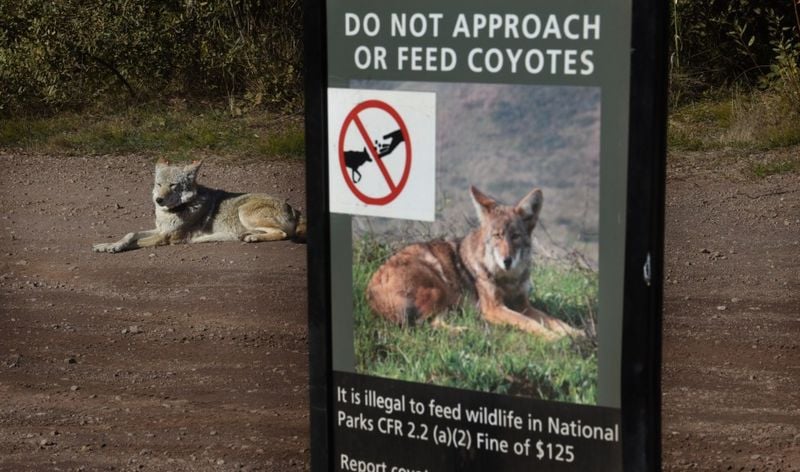
Habituating coyotes to people is dangerous for everyone—including your pets. Consider the long-term consequences of treating wildlife as domestic animals.
Feeding fosters dependency and diminishes a coyote’s natural wariness of humans, increasing potential conflicts.
Wild animals thrive best when left to their own devices, maintaining their role in the ecosystem. Encouraging natural behaviors ensures they remain cautious and less likely to encroach on human spaces. Remember, respect for nature includes maintaining safe boundaries and preserving the inherent wildness of coyotes.
Don’t Assume Your Fence Is Coyote-Proof
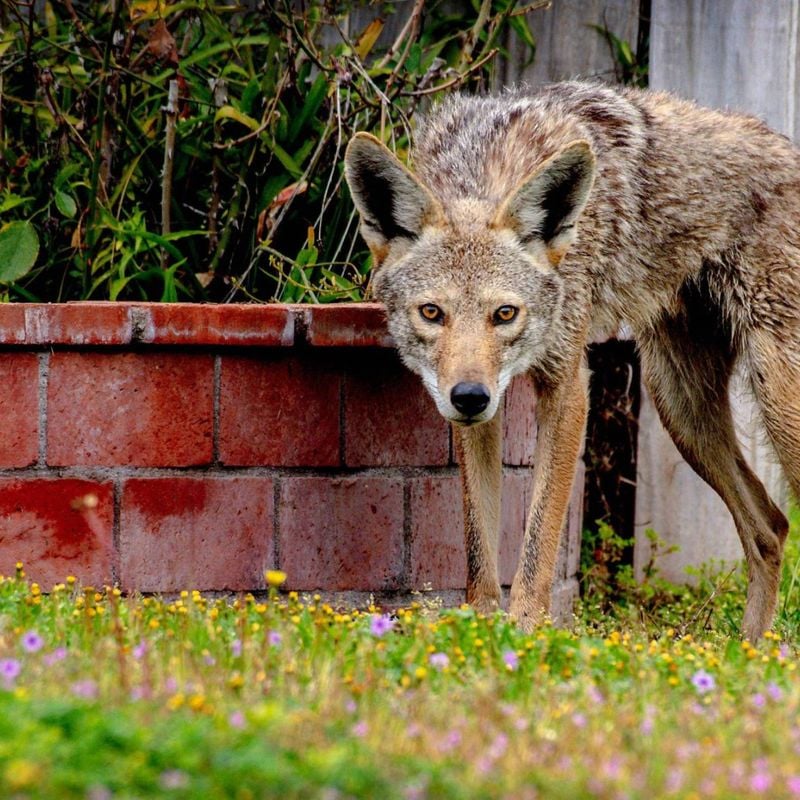
Coyotes can climb or jump over 6-foot fences—consider adding coyote rollers or extenders. Picture the surprise of a coyote scaling what seems like an impenetrable barrier.
Investing in additional deterrents enhances your yard’s protection. These modifications can transform a fence from a mere boundary to a formidable obstacle.
A proactive approach involves understanding the adaptability of wildlife. By reinforcing your fence, you contribute to a safer environment for your pets and deter persistent coyotes. Awareness of potential breaches and taking steps to fortify them is key in wildlife management.
Don’t Leave Food Out—Even Birdseed
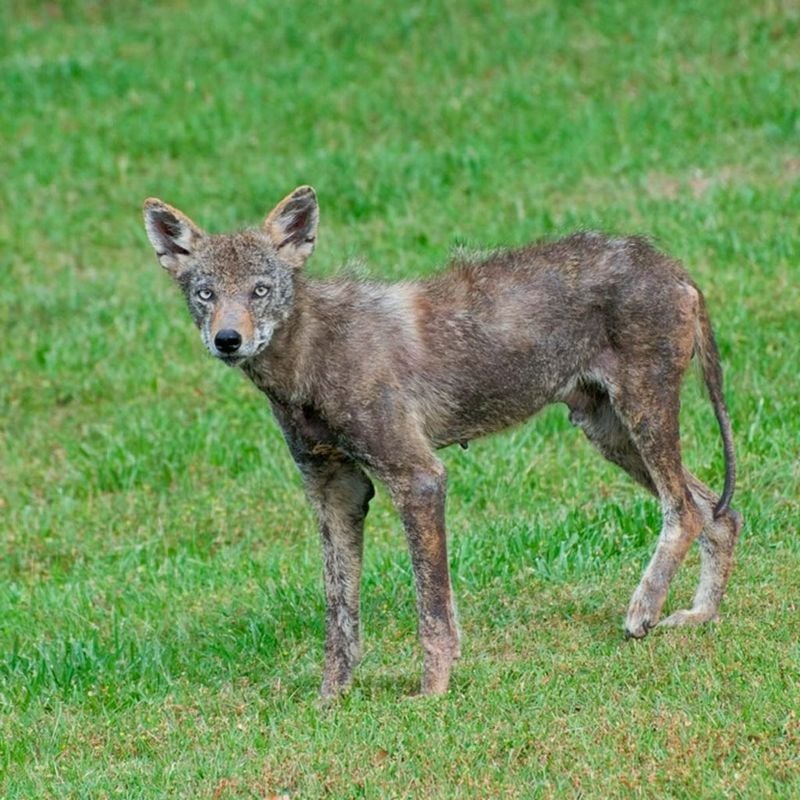
Any food source, including fallen fruit or bird feeders, can attract coyotes. Consider the allure of an easy meal for a wandering coyote.
This awareness helps in minimizing unintentional invitations to your yard. By removing food sources, you create a less appealing environment for wildlife.
This not only reduces coyote visits but also discourages other critters that may pique their interest. A conscious effort to maintain a clean and food-free yard helps in preserving the balance between nature and residential areas. It’s about preventing the unintended consequences of feeding wildlife.
Avoid Letting Dogs Off-Leash in Unfenced Areas
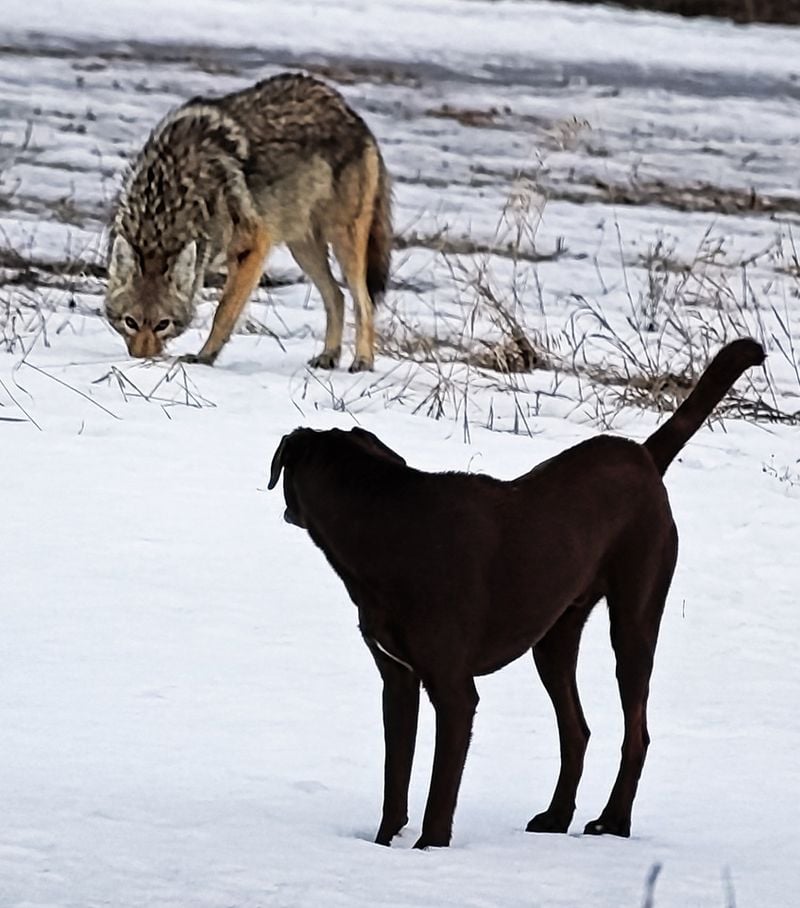
Even obedient dogs may chase a coyote—and get ambushed by more. Imagine the thrill of freedom, suddenly overshadowed by potential danger.
Leashes provide a physical boundary, ensuring that curiosity doesn’t lead to perilous situations. Coyotes, though solitary, may have companions nearby, posing unexpected threats.
Maintaining control during outdoor excursions is key to preventing unfortunate incidents. By keeping your dog leashed, you mitigate risks and safeguard their wellbeing. It’s about enjoying nature responsibly, understanding the dynamics of local wildlife, and ensuring every adventure is a safe one for your pet.
Don’t Use Lethal Traps or Poison
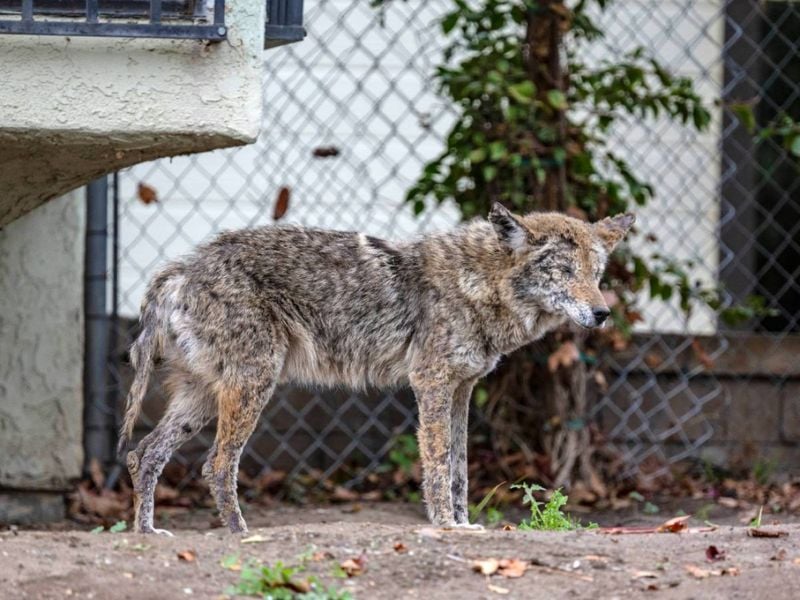
It’s illegal in many areas and poses a huge risk to your own pets. Consider the unintended consequences of setting lethal traps in an attempt to manage wildlife.
Such measures can inadvertently harm non-target animals, including pets and beneficial wildlife. Non-lethal methods, like deterrents and exclusion, offer safer and more humane solutions.
Embracing coexistence with wildlife means adopting strategies that ensure mutual safety. By rejecting lethal control, you contribute to a balanced ecosystem and protect your community. Utilizing humane practices reflects respect for nature and acknowledges the complexity of wildlife management.