Bernese Mountain Dog vs. Greater Swiss Mountain Dog: 10 Giant Differences
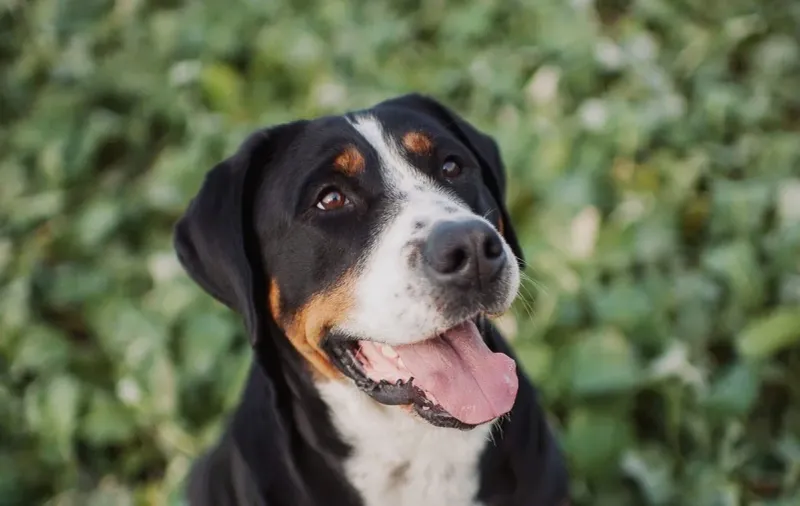
At first glance, it’s easy to confuse the Bernese Mountain Dog with the Greater Swiss Mountain Dog. They’re both stunning, tricolor giants bred in the Swiss Alps for working in cold climates.
But beneath the similar markings lies a world of difference in size, temperament, coat care, and energy levels. Whether you’re choosing a family dog, a loyal companion, or a working partner, understanding these distinctions can make all the difference.
These two breeds have unique strengths and challenges, and knowing what sets them apart will help you pick the best fit for your lifestyle. Let’s break down the 10 biggest differences between these majestic mountain dogs.
1. Coat Length and Texture
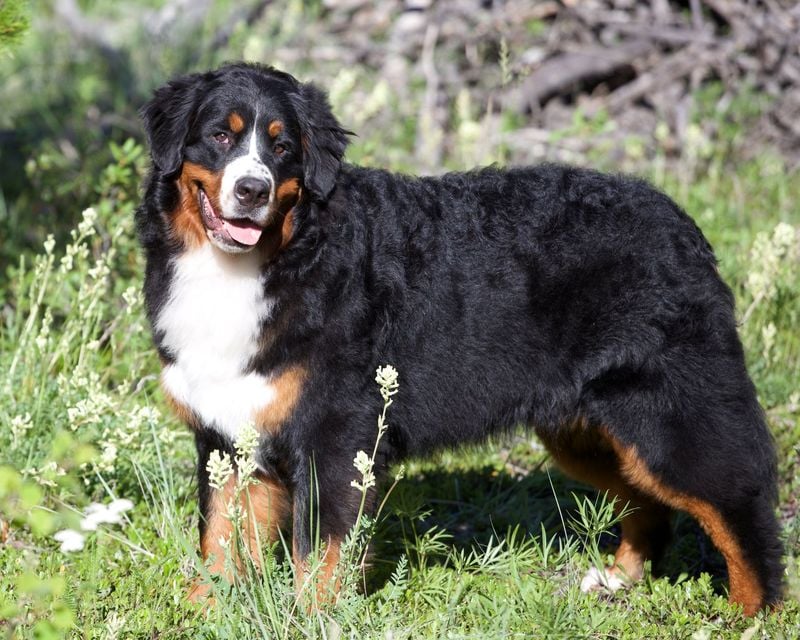
One has a luxurious, flowing mane that waves in the breeze, while the other boasts a sleek, tight coat built for rugged endurance. The Bernese Mountain Dog has a long, silky double coat that’s as soft to the touch as it is beautiful.
In contrast, the Greater Swiss Mountain Dog features a shorter, dense coat that lies flat against the body. It’s less prone to tangles and matting, which means less hassle for owners. While both coats are weather-resistant and perfect for chilly mountain climates, the Bernese’s fluffier fur gives them a more cuddly appearance.
That beauty comes at a price, though—expect more grooming needs with a Berner compared to their Swiss cousin.
2. Shedding and Grooming Needs
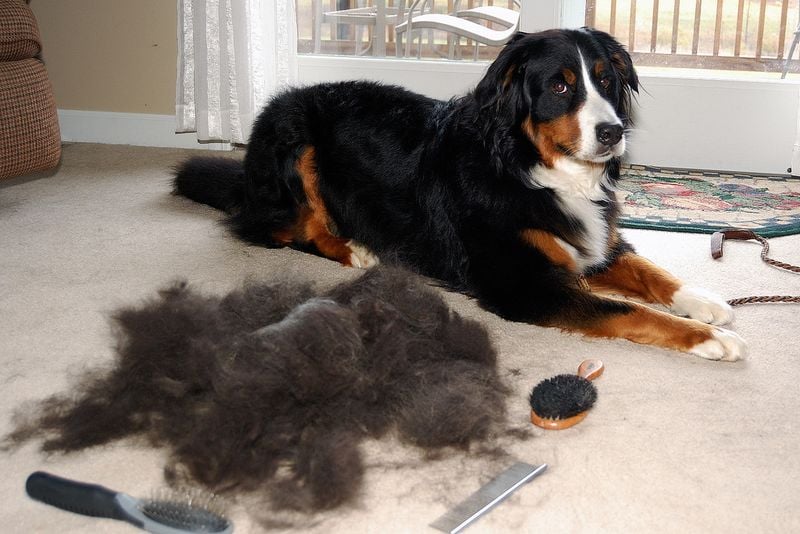
Fluffy as they are, Berners are notorious shedders. Their long outer coat and soft undercoat shed throughout the year, with especially heavy blowouts during seasonal changes.
Regular brushing—at least several times a week—is essential to keep their coats from matting and to manage the endless tumbleweeds of fur around your home. The Greater Swiss Mountain Dog, on the other hand, is much easier to manage in this department.
With a short, flat coat, Swissies only need a quick weekly brushing and occasional baths. Their shedding is more manageable, making them a better fit for owners who want a cleaner home without constant vacuuming or lint rollers.
3. Size and Build
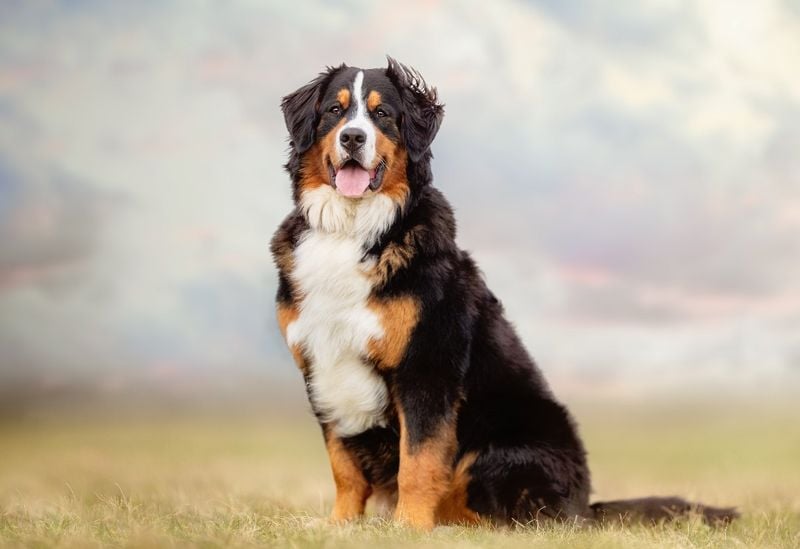
Powerful and statuesque, both breeds command attention—but Swissies take it up a notch. They are generally taller and heavier, often tipping the scales at 130 pounds or more, with thick bones and strong muscles.
Berners have a slightly smaller frame, usually weighing in between 80 to 110 pounds. They appear more “fluffy” due to their long coat, but they’re not quite as physically imposing as the Greater Swiss Mountain Dog.
If you’re looking for sheer bulk and muscle, the Swissie wins. But if a big dog with a softer, cuddlier look is more your style, the Bernese might be the better pick.
4. Temperament
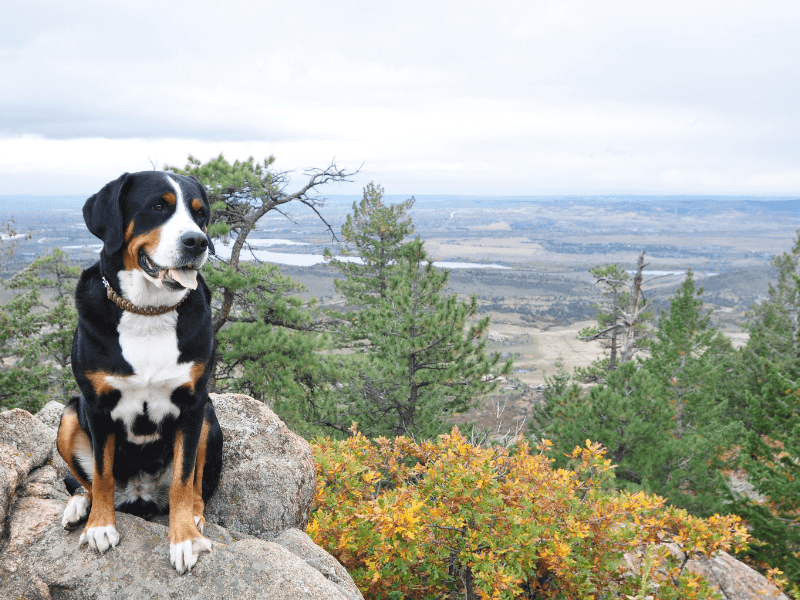
Gentle and loving, the Bernese Mountain Dog has a reputation as a sweet-natured companion who just wants to be by your side. They thrive on affection and tend to bond deeply with their families.
The Greater Swiss Mountain Dog also loves their people but brings a bolder, more confident personality to the table. They’re alert, self-assured, and make excellent watchdogs without being aggressive.
Swissies are less likely to be shy or sensitive, while Berners can be more emotionally delicate and may not handle stress or harsh training as well. Both are loyal, but they express it in very different ways.
5. Energy Levels
Laid-back and easygoing, the Bernese Mountain Dog is content with moderate exercise and lots of lounging. They’re happiest when they can go on a walk and then snooze on your feet.
Greater Swiss Mountain Dogs, however, come with a bit more bounce. They were bred to pull carts and herd livestock, and that working drive still runs strong. Swissies need daily mental and physical challenges to stay happy and well-behaved.
If you’re an active person or have a big yard for them to roam, a Swissie will thrive. If you prefer cozy evenings and leisurely walks, a Berner might be your soulmate.
6. Trainability
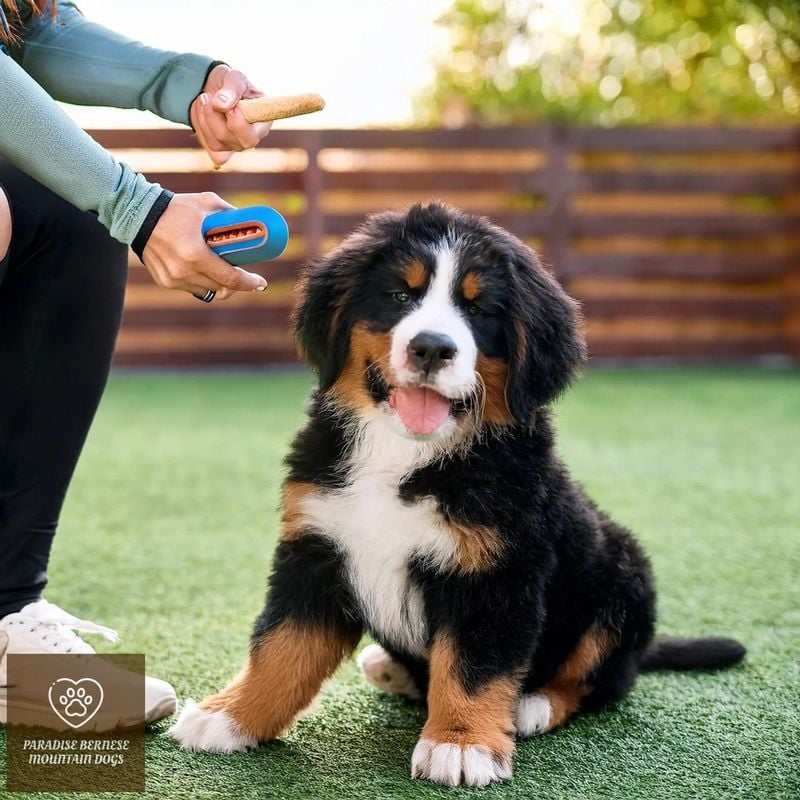
Eager to please and sensitive to your tone, Bernese Mountain Dogs usually take well to positive reinforcement. They respond to gentle guidance and quickly catch on to new commands, especially when treats or praise are involved.
Greater Swiss Mountain Dogs are intelligent but can be more independent. Their stubborn streak means they may test your patience if training feels repetitive or boring.
While both breeds benefit from early socialization and consistency, Swissies may need firmer leadership and structured routines. If you’re a first-time dog owner, Berners are often more forgiving during the learning process.
7. Drooling
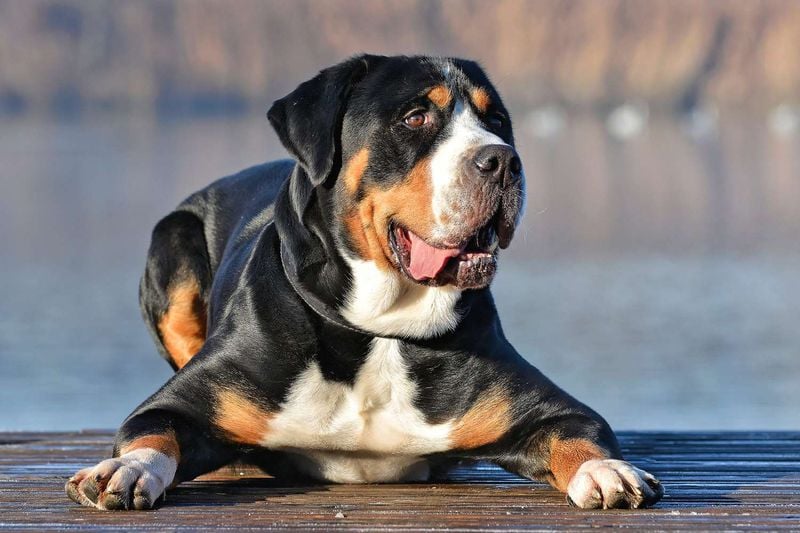
Wiping slobber off your clothes and furniture might be part of life with a Greater Swiss Mountain Dog. Their large, loose lips mean that drool—especially after drinking or eating—is a regular occurrence.
Bernese Mountain Dogs, on the other hand, don’t typically have the same drooling issue. Their tighter lips help keep things cleaner, making them a bit more manageable in this particular department.
If drool is a dealbreaker for you, the Berner might have a slight edge. But if you can handle a little slobber in exchange for loyalty and strength, the Swissie’s not a bad trade.
8. Vocalization and Barking
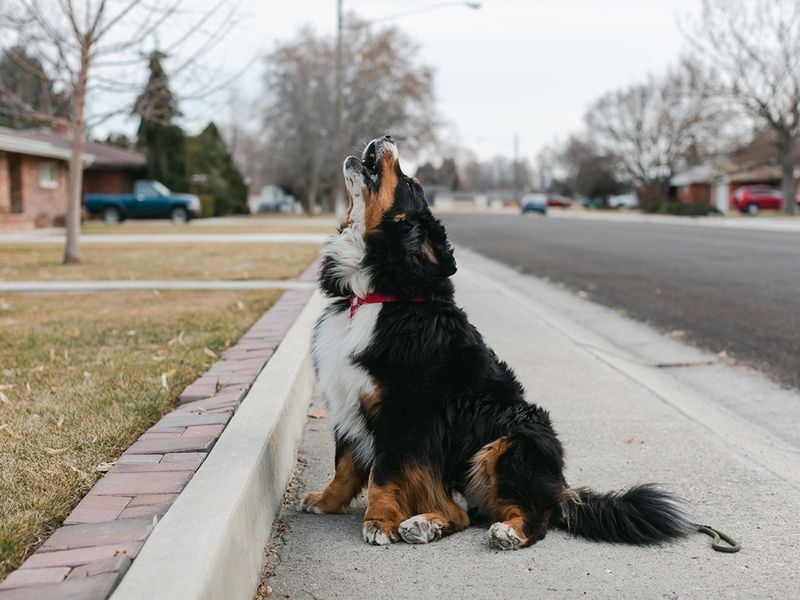
Vigilant and confident, Greater Swiss Mountain Dogs take their role as protectors seriously. They have a deep, booming bark and aren’t afraid to use it when someone approaches the home or when something seems off.
Bernese Mountain Dogs are more reserved. They tend to be quiet observers and typically don’t bark unless they have a strong reason to—like a stranger coming too close.
While both breeds are alert and aware of their surroundings, Swissies are the more vocal of the two. If you want a natural deterrent with a commanding bark, the Swissie might be your go-to.
9. Heat Tolerance
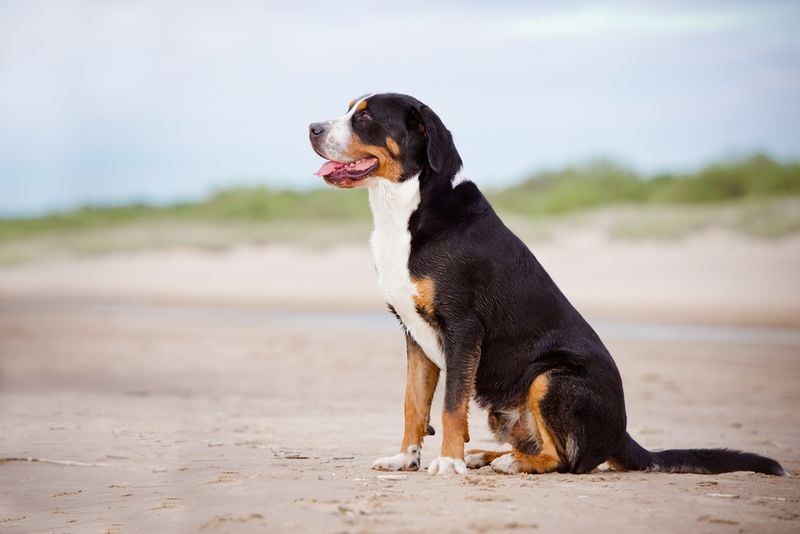
Thick, luxurious fur comes with a downside. Bernese Mountain Dogs struggle in warm weather and are best suited to cooler climates. Their double coats trap heat, making summer outings tricky without proper precautions.
Greater Swiss Mountain Dogs, though still bred for the cold, fare a bit better in moderate heat. Their shorter coat allows for slightly more comfort in warmer weather, but they’re not hot-weather dogs by any means.
If you live somewhere with long, humid summers, both breeds will need extra care—but the Swissie might have a slight advantage when it comes to cooling down.
10. Life Expectancy and Health Issues
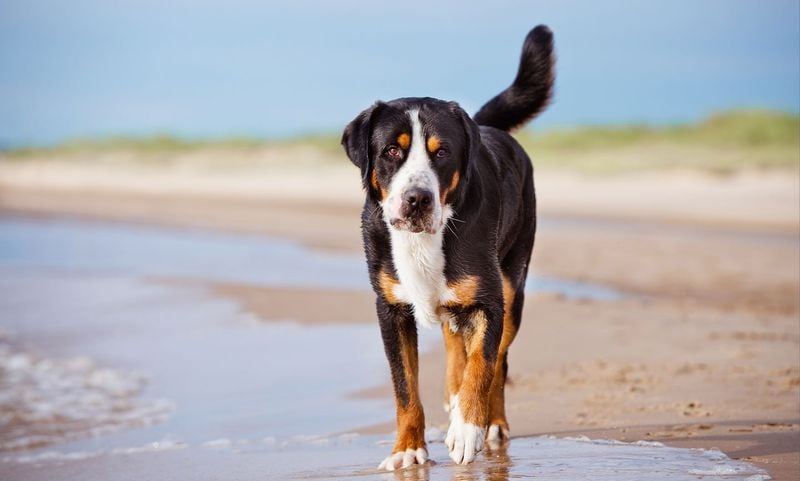
Unfortunately, the Bernese Mountain Dog has one of the shortest average lifespans among dog breeds—often only 6 to 8 years. They’re prone to several health issues, including cancer, hip dysplasia, and joint problems.
Greater Swiss Mountain Dogs generally live longer, averaging 8 to 11 years. They’re not immune to health concerns, but they tend to have fewer genetic risks overall.
Choosing between them means balancing heart and heartbreak. Berners may give you less time but fill it with deep emotional connection, while Swissies offer longevity and rugged strength with a spirited heart.