17 Ways To Help Your Dog Stop Scratching Themselves

When your dog won’t stop scratching, it’s more than just annoying—it can be heartbreaking. Watching them twist into impossible positions or scratch themselves raw is a clear sign something’s wrong.
Whether it’s a sudden flare-up or a chronic issue, there’s always an underlying cause behind the constant itching. From parasites to allergies to dry skin, the possibilities can feel overwhelming.
But the good news is, most of them are fixable with a little detective work and the right strategy.
This guide covers 17 practical, vet-informed ways you can help soothe your dog’s skin, stop the scratching, and get them back to feeling like their happy, comfortable selves. Let’s start with the most common culprit—fleas.
1. Rule Out Fleas First
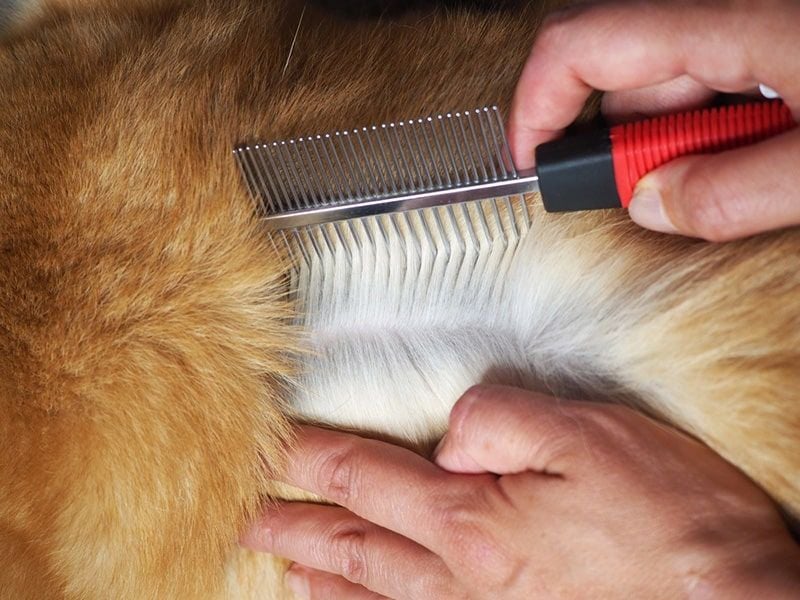
One of the biggest myths about fleas is that you’d easily spot them. In reality, many dogs react severely to just one or two, and you might never see a single bug. Flea saliva can trigger an intense allergic reaction, leading to nonstop scratching and irritated skin.
To check, try using a fine-tooth flea comb—especially around the base of the tail, groin, and belly. Look for flea dirt (tiny black specks) or live fleas. Even if you don’t find any, it’s smart to start a flea treatment plan anyway, just to be safe.
Your vet can recommend fast-acting oral or topical preventatives. Tackling fleas early not only soothes your dog’s skin, but also prevents a full-blown infestation in your home.
2. Check for Mites or Mange

Skin parasites like mites are sneaky and often go undetected for too long. While fleas are easy to treat, mites require a more targeted approach—especially if they’re causing mange, a condition that leads to hair loss, inflammation, and relentless itching.
Mites like Demodex live deep in hair follicles and aren’t visible to the naked eye. Sarcoptic mange mites, on the other hand, are highly contagious and can even spread to humans. If your dog’s scratching is intense and accompanied by red patches or crusty skin, a vet visit is non-negotiable.
Your veterinarian may perform a skin scraping to confirm the diagnosis. Treatment often involves medicated dips, oral medications, or prescription shampoos. Left untreated, mange can worsen quickly and cause serious skin damage.
3. Try a Hypoallergenic Diet

Chronic itching without obvious signs of fleas or mites might point to a food allergy. Common triggers include beef, chicken, dairy, soy, and grains—but every dog is different. Food allergies can show up as skin irritation, frequent ear infections, and yes—constant scratching.
An elimination diet is the gold standard for identifying culprits. Your vet might recommend a novel protein source or a hydrolyzed protein diet that’s less likely to cause a reaction. Stick with it for at least 8–12 weeks and resist feeding treats or table scraps during the trial.
Once the itching subsides, you can slowly reintroduce ingredients one by one to find the offender. This process takes patience but could provide permanent relief and dramatically improve your dog’s quality of life.
4. Bathe with an Oatmeal Shampoo
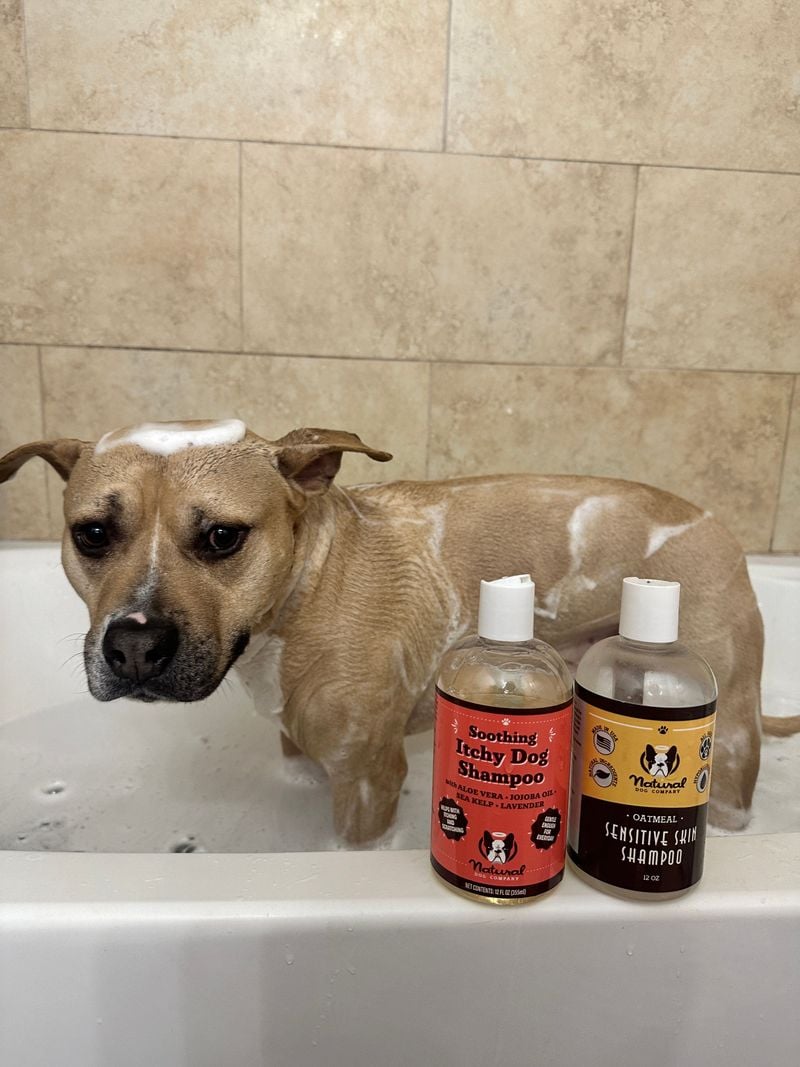
If your dog’s scratching seems tied to dry or irritated skin, a gentle oatmeal bath might be just what they need. Colloidal oatmeal has natural anti-inflammatory properties and forms a soothing barrier over irritated skin.
This kind of shampoo won’t strip essential oils like harsher formulas can. Instead, it calms the skin and provides instant relief. It’s especially helpful for seasonal flare-ups or mild cases of itching due to environmental allergens or dryness.
Be sure to use only vet-approved or dog-specific oatmeal shampoos—human products can disrupt your dog’s pH balance. Follow up with a good rinse and towel dry. Even a weekly bath can make a noticeable difference in your pup’s scratching behavior.
5. Use a Medicated Shampoo
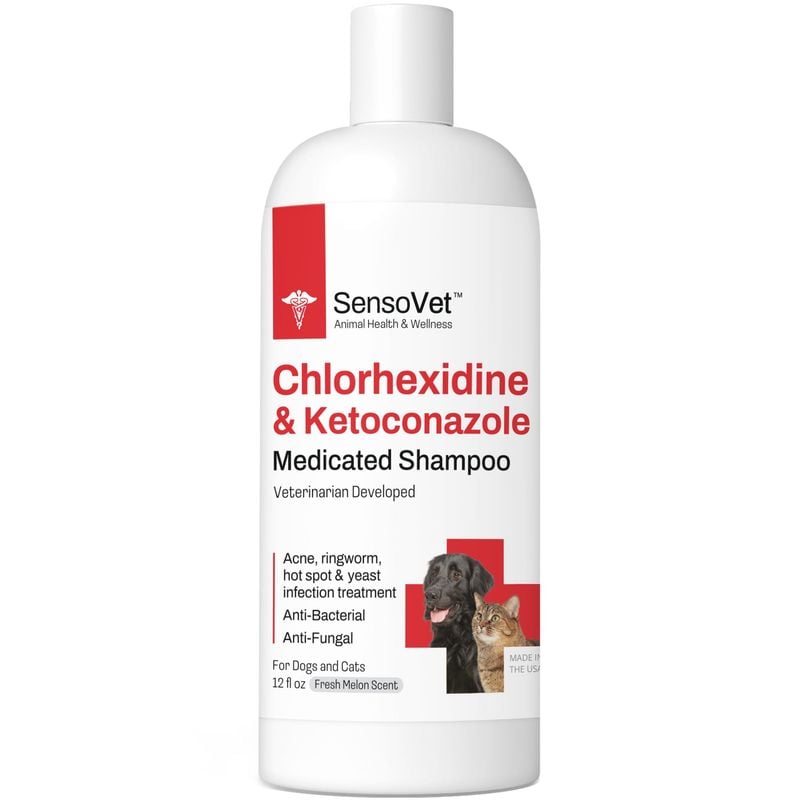
Sometimes regular shampoos aren’t enough—especially if your dog is dealing with yeast, bacteria, or skin infections. Medicated shampoos contain active ingredients like chlorhexidine, miconazole, or ketoconazole that target these deeper issues directly.
You’ll often notice greasy, flaky, or foul-smelling skin in these cases. That’s when a prescription or over-the-counter medicated formula can make all the difference. These shampoos not only relieve itching but also help heal the root problem by restoring skin balance.
It’s important to follow instructions carefully. Some need to sit on the skin for several minutes before rinsing. Always consult your vet first to determine which type is appropriate—especially if your dog has sensitive skin or other medical conditions.
6. Add Omega-3 Fatty Acids

Itchy skin often stems from inflammation, and omega-3s are a powerful way to reduce that from the inside out. Fish oil supplements are rich in EPA and DHA—two key anti-inflammatory compounds that promote healthier skin and coats.
Over time, you may see reduced shedding, fewer hot spots, and a noticeable drop in scratching. These fatty acids also support joint health and brain function, so the benefits go far beyond the skin.
You can find omega-3s in liquid, capsule, or chew form. Be sure to choose a product specifically made for dogs, with appropriate dosing guidelines. It’s also wise to talk to your vet before starting any supplement, especially if your dog is on other medications.
7. Wipe Paws After Walks
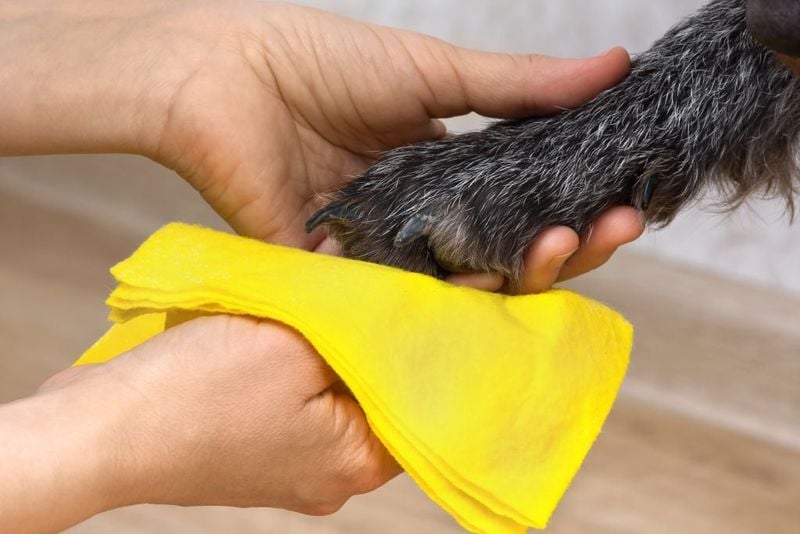
Environmental allergens like pollen, grass, or even road salt can cling to your dog’s paws and belly, causing itchiness that flares up after every walk. Even if the rest of their body looks fine, the irritation often starts where contact is closest.
A simple wipe-down with a damp cloth or hypoallergenic grooming wipe can prevent these allergens from lingering on your dog’s skin. Pay special attention to the spaces between their toes and around the pads.
During high-pollen seasons or in areas with lots of lawn chemicals, daily paw care becomes even more essential. This small habit helps reduce allergic reactions and makes a noticeable difference in your dog’s scratching routine. It’s a quick fix that works wonders.
8. Try a Canine Antihistamine

Sometimes the itching stems from an allergic reaction, and that’s where antihistamines can help. Medications like Benadryl (diphenhydramine), Zyrtec (cetirizine), or Apoquel are commonly used to block the histamine response that triggers itchiness.
While these treatments aren’t cures, they often bring fast relief, especially during seasonal allergy flare-ups or after insect bites. Some dogs respond well, while others don’t see much improvement—results can vary.
Never give your dog an antihistamine without checking with your vet first. Dosage matters, and some over-the-counter options may contain xylitol or other harmful additives. When used correctly, these meds can significantly cut down on scratching and help your dog feel comfortable again.
9. Treat for Yeast Infections
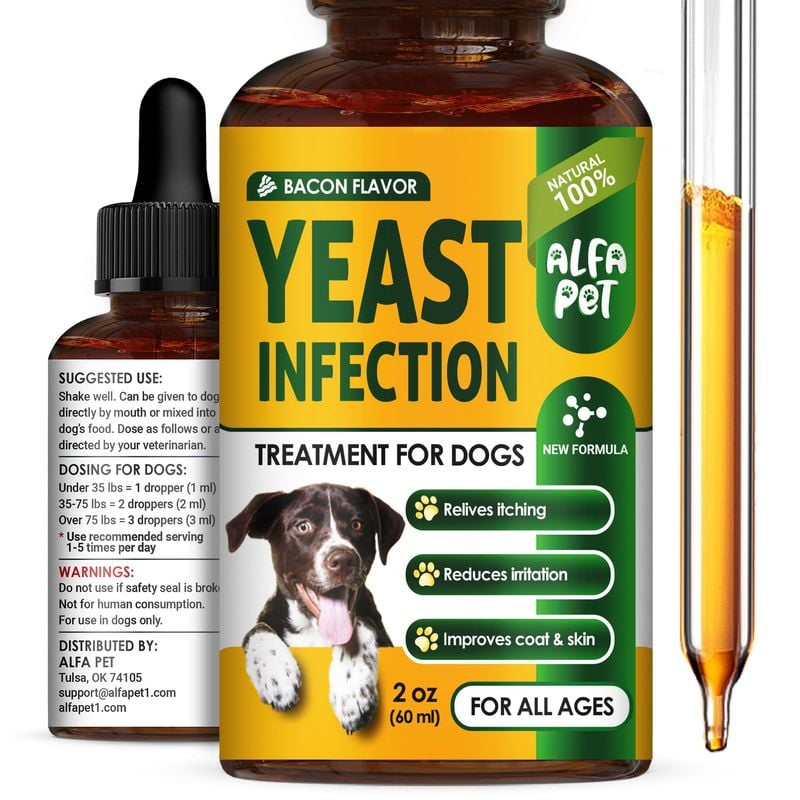
A funky, musty smell, darkened skin, or oily patches could signal a yeast overgrowth. These infections often thrive in warm, moist areas like your dog’s ears, armpits, or paws—and the itching they cause can be relentless.
Yeast isn’t always visible right away, but if your dog is constantly licking or scratching in specific spots, it’s worth investigating. Vets can confirm a yeast issue with a skin test and recommend antifungal treatments like medicated wipes, shampoos, or oral medications.
Home remedies won’t work here—yeast infections need targeted care to prevent them from returning. Stick with the prescribed routine even after symptoms improve. Treating yeast early stops your dog’s discomfort from spiraling into chronic skin problems.
10. Inspect for Contact Allergies
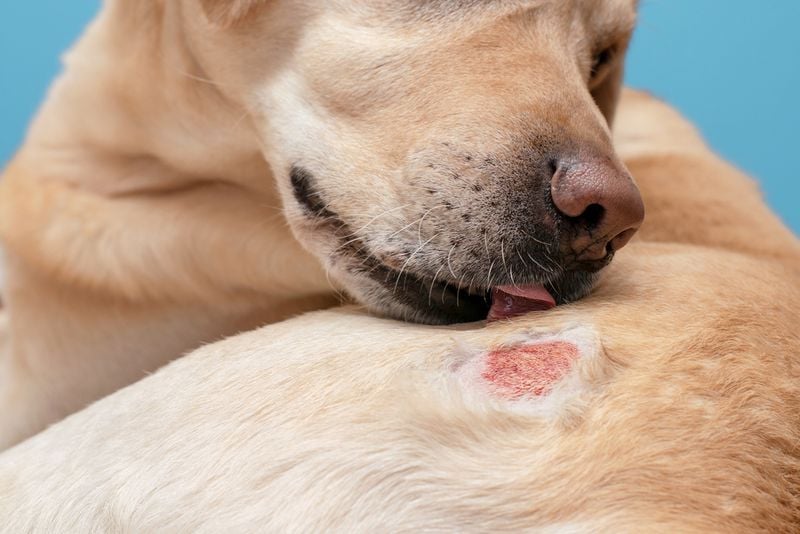
Not all allergic reactions come from food or fleas—sometimes, your dog’s skin is reacting to something in the environment. New cleaning products, synthetic fabrics, yard chemicals, or even plastic bowls could all be irritants.
Symptoms usually show up as red, itchy skin where your dog’s body touches the source—like their chin, belly, or paws. If the scratching started after a recent change in detergent, bed material, or flooring cleaner, that’s a major clue.
Switching to stainless steel or ceramic bowls, washing bedding in fragrance-free detergent, or using pet-safe cleaning products can help. If the itching fades after making these swaps, you’ve likely found the culprit. Identifying contact allergens brings fast relief and prevents repeated flare-ups.
11. Keep Nails Short
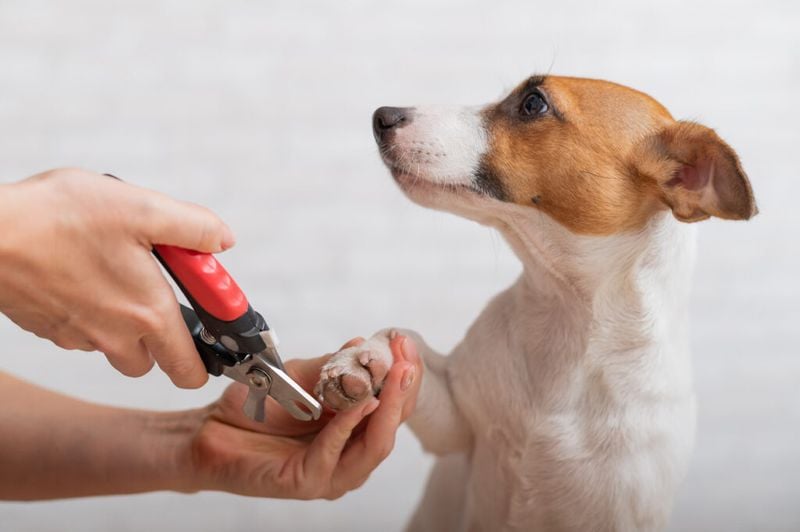
Long nails don’t just make walking uncomfortable—they can turn innocent scratching into a painful cycle of skin damage. When nails are too long, each scratch becomes more intense, often breaking the skin and inviting infection.
Even gentle scratching can cause wounds if your dog’s nails are sharp or jagged. If your pup’s itching is persistent, check their paws and trim those claws as part of your care routine.
Regular nail trims reduce trauma and keep your dog from unintentionally hurting themselves. If you’re not confident with clippers, groomers or vets can handle it safely. Keeping nails short is a simple but crucial step in managing itch-related injuries.
12. Moisturize Dry Skin
Cold weather, indoor heating, and frequent bathing can all dry out your dog’s skin, leaving it itchy and tight. Just like humans, dogs benefit from a little extra moisture to keep their skin barrier healthy and hydrated.
Coconut oil is a popular natural option—many dogs love the taste, and it’s safe if they lick it. You can apply it directly to dry patches or mix a small amount into their food with your vet’s okay.
There are also vet-approved lotions and sprays designed specifically for canine skin. Avoid using human moisturizers, which often contain ingredients that can be harmful if ingested. A well-moisturized coat reduces flaking and helps your dog feel more at ease.
13. Consider a Skin Supplement
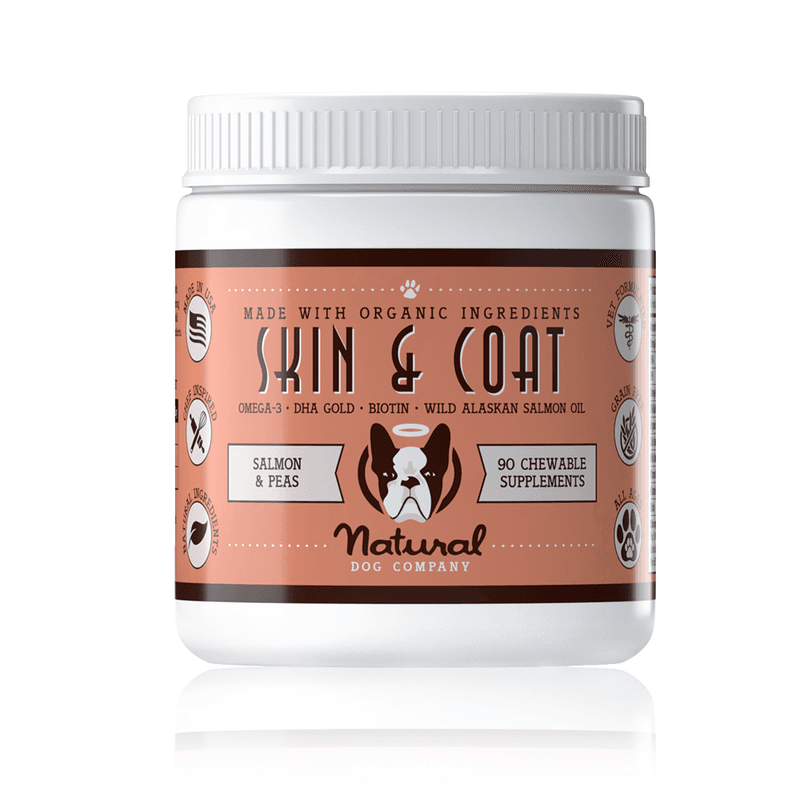
Beyond omega-3s, there are full-spectrum skin and coat supplements made just for dogs. These often include ingredients like biotin, zinc, and vitamins A and E—all of which contribute to skin health and reduce inflammation.
Your dog may not be getting enough of these nutrients from their food alone, especially if they’re on a restrictive or lower-quality diet. Supplementing with the right blend can support a stronger skin barrier, reduce dryness, and minimize allergic flare-ups.
Look for products labeled specifically for skin support and approved by veterinarians. Some come in tasty chew form, making daily use easy. While results take time, many owners notice improvements in just a few weeks, including less scratching and a shinier coat.
14. Get a Full Blood Panel

Sometimes the scratching isn’t skin-deep—it’s a symptom of a larger internal issue. Conditions like hypothyroidism, Cushing’s disease, or liver imbalances can manifest through itchy skin, hair thinning, or dull coat quality.
If you’ve tried shampoos, diet changes, and supplements with no improvement, it’s time to dig deeper. A full blood panel can reveal metabolic or hormonal imbalances that aren’t visible on the surface. These underlying issues often require medication to manage.
Your vet may recommend additional tests depending on your dog’s age, breed, and health history. While it might feel like a big step, finding a medical cause is a huge relief—and the first move toward long-term relief for your itchy pup.
15. Use an E-Collar (Cone) Temporarily

When your dog’s scratching is causing bleeding, sores, or hair loss, they may need immediate help to stop the cycle. A cone, or Elizabethan collar, keeps them from reaching irritated spots long enough for treatments to work.
It’s not a permanent fix, but it gives the skin time to heal without further damage. Some dogs adapt quickly, while others struggle at first—look for soft or inflatable versions for added comfort.
Make sure to pair the collar with vet-approved treatment. Using a cone without addressing the cause won’t solve the problem. But as a temporary tool, it protects your dog from making things worse and speeds up the recovery process dramatically.
16. Switch to a Gentle Detergent
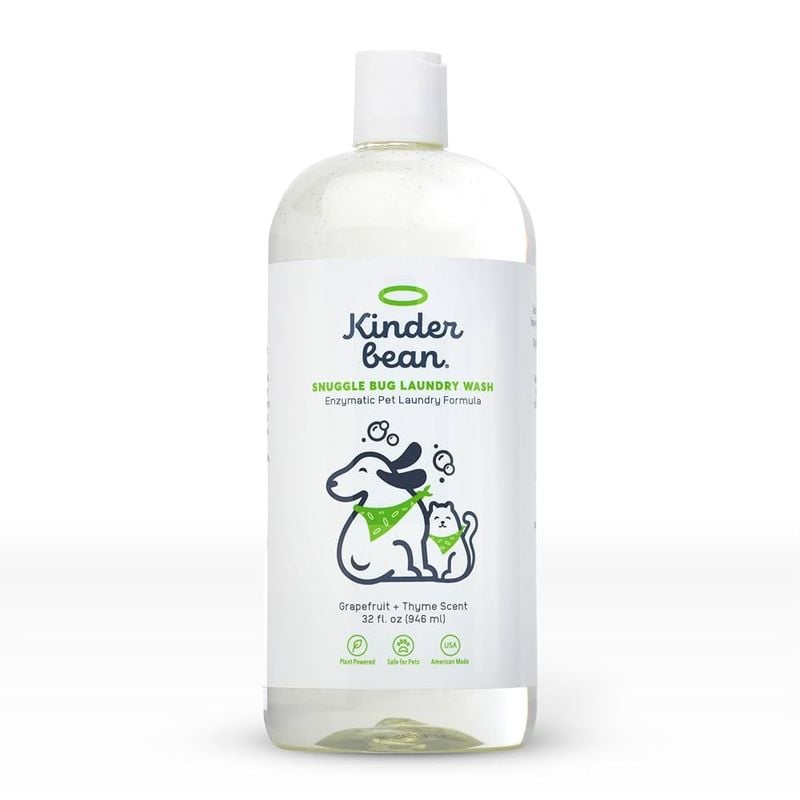
What you wash your dog’s bedding, blankets, and even your clothes with can have a direct impact on their skin. Harsh laundry detergents loaded with fragrance and chemicals may leave residues that trigger itching.
This is especially true for dogs with sensitive skin or allergies. If you’ve noticed your dog scratching more after rolling in their bed or snuggling into your couch, the detergent could be to blame.
Choose a fragrance-free, dye-free detergent labeled hypoallergenic or made for babies. Wash their bedding regularly, and consider giving their favorite lounging spots a detergent upgrade too. Often, such a simple switch makes a surprisingly big difference in your dog’s comfort.
17. See a Veterinary Dermatologist

When all else fails, it’s time to bring in a specialist. A veterinary dermatologist can offer advanced testing like intradermal allergy testing, biopsies, or skin cultures to get to the bottom of chronic scratching.
They’re trained to detect patterns and causes that general practitioners may overlook. If your dog has been through multiple treatments with little success, a specialist can provide fresh insights and long-term strategies.
This step is especially important for dogs suffering from long-term skin issues, frequent infections, or severe allergic responses. Getting the right diagnosis is the first step toward lasting relief—and seeing your dog finally rest without scratching is worth every effort.