15 Major Red Flags in Dog Behavior
Your dog can’t tell you what’s wrong—but their behavior often speaks volumes. Sometimes it’s subtle, like avoiding your gaze. Other times, it’s loud and clear, like growling at familiar people or chewing the couch to bits.
While not every odd behavior is cause for alarm, certain changes can signal physical pain, emotional stress, or deeper psychological problems that need to be addressed.
Understanding these red flags can help you catch issues early—before they become serious. Whether you’re a new dog parent or a seasoned pro, keeping an eye on behavioral shifts is key to your dog’s wellbeing. The signs below aren’t just quirks.
They’re your dog’s way of saying, “Something’s not right.” And they deserve your attention.
1. Sudden Aggression
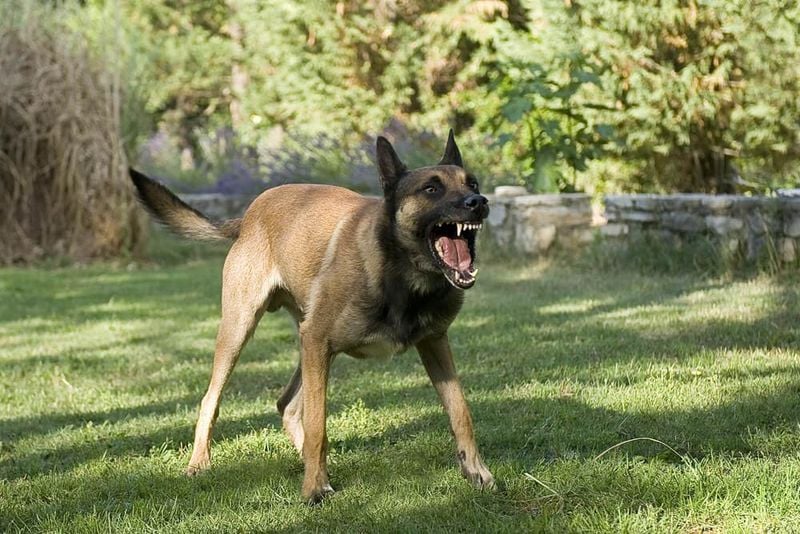
A dog that was once gentle but now growls, snarls, or even bites could be reacting to more than just annoyance. Sudden displays of aggression may point to pain, neurological issues, or fear that’s gone unaddressed.
It’s crucial not to punish the behavior without investigating the root cause. Medical conditions, such as arthritis or dental disease, can make dogs lash out when touched. Past trauma can also bubble up unexpectedly if a trigger is reintroduced.
Aggression is a dog’s way of saying, “I don’t feel safe,” or “Something hurts.” Always rule out physical issues with a vet first. Then consider consulting a behaviorist to work on trust, boundaries, and emotional recovery.
2. Excessive Hiding or Isolation
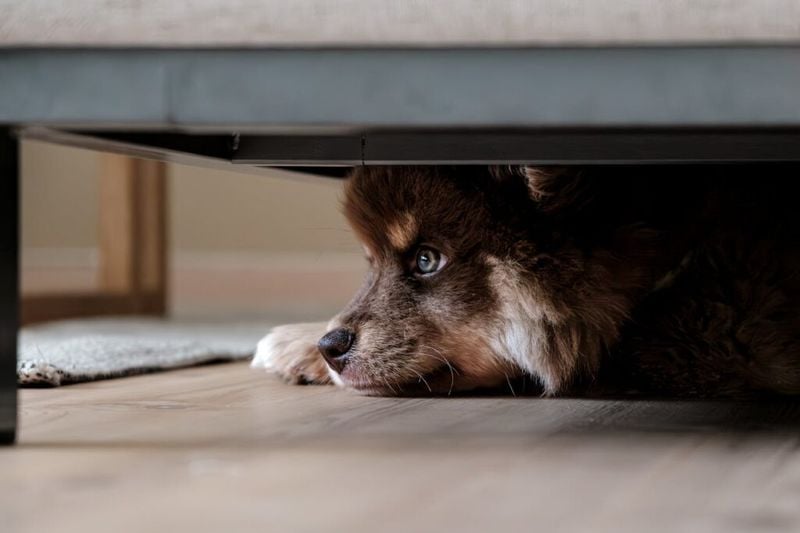
When your dog suddenly prefers solitude over playtime or cuddles, it’s worth paying attention. This withdrawal isn’t about being independent—it’s often a sign of emotional or physical distress.
Fear, depression, or illness can make dogs seek out quiet, dark corners. If a once-social pup now hides under beds or avoids family members, something may be wrong beneath the surface. Dogs instinctively mask pain, so hiding may be their only safe outlet.
Look for patterns—do they retreat after specific events or noises? Or is it constant? If this shift persists beyond a day or two, it’s time to speak to your vet or a behavior specialist.
3. Unusual Lethargy

It’s not just a lazy day if your energetic dog becomes uninterested in everything. Unexplained fatigue, especially if it comes on suddenly, can be a warning sign.
Dogs may become lethargic due to illness, infections, or even poisoning. Other times, it’s the emotional weight of anxiety or grief that zaps their energy. Pay close attention if your dog refuses walks, ignores toys, or seems mentally “checked out.”
Trust your instincts—dogs are creatures of habit, and drastic slowdowns are rarely normal. If your pup seems off for more than 24 hours, book a vet appointment to rule out underlying conditions.
4. Destructive Chewing or Digging

What might look like mischief could actually be a cry for help. Destructive behaviors—especially if new or escalating—often stem from anxiety, stress, or insufficient stimulation.
Dogs left alone too long, or not given enough exercise, might chew furniture, scratch at doors, or dig holes obsessively. These behaviors can also show up after major life changes, like a move or the loss of another pet.
Rather than punishment, look deeper. Ask yourself if your dog’s emotional or physical needs are being met. Increasing mental enrichment, daily exercise, and reducing time alone can make a huge difference.
5. Excessive Barking or Whining
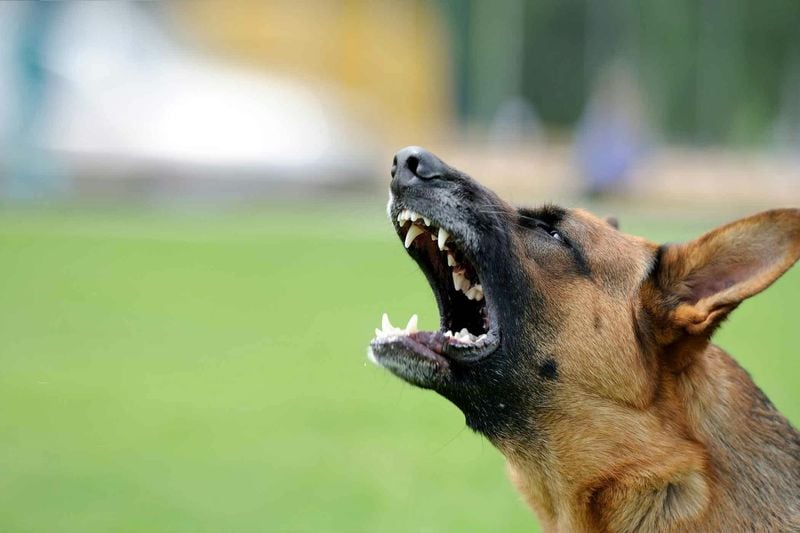
Constant vocalizing isn’t just annoying—it may be your dog’s way of saying they’re distressed. Persistent barking, whining, or howling often signals an unmet need.
It might be separation anxiety, fear of certain sounds, or even a medical problem that’s making them uncomfortable. Dogs that bark relentlessly when alone or become vocal in response to minor triggers are often overwhelmed emotionally.
Before trying to quiet them with commands or gadgets, observe what’s triggering the noise. Understanding the context can reveal a great deal. If nothing’s obvious, consider involving a vet or trainer for help decoding the message.
6. Tail Tucked Between Legs

A dog’s tail speaks volumes. When it’s tightly tucked, they’re not just being submissive—they’re likely afraid, uncomfortable, or feeling insecure.
This posture can appear after loud noises, scolding, or encounters with strangers. But if it’s a recurring behavior, it might mean your dog feels unsafe in their environment more often than not. Chronic fear like this can lead to stress-related health problems.
Don’t ignore the signs. Instead, gently build your dog’s confidence with positive reinforcement, predictable routines, and safe spaces where they can decompress.
7. Avoiding Eye Contact
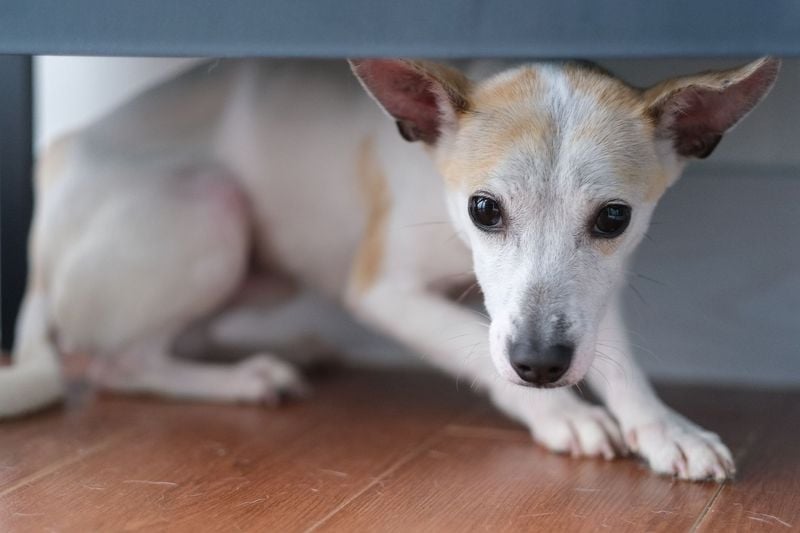
Looking away can be more than shyness—it’s often a sign your dog feels intimidated, uneasy, or even scared. While avoiding eye contact can be polite behavior among dogs, in excess it signals discomfort with humans.
You might notice this after a scolding or during training sessions. If your dog routinely ducks their head, turns away, or avoids your gaze entirely, it may point to a lack of trust or confidence.
Approach with gentleness and patience. Build trust using rewards, play, and quiet presence. Eye contact should feel safe—not stressful. If progress stalls, a professional trainer can help restore the bond.
8. Pacing or Restlessness
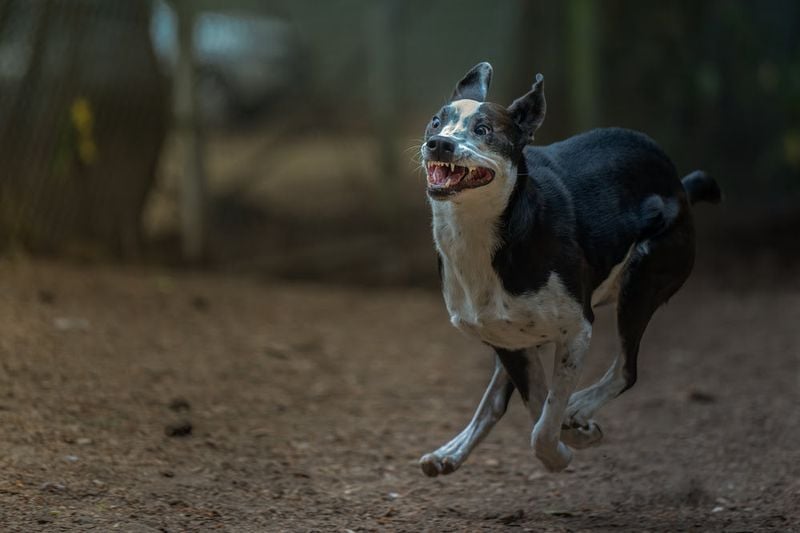
Constant movement with no clear purpose is rarely just a quirk. Dogs that pace back and forth—especially at night or when alone—might be coping with anxiety, pain, or even cognitive dysfunction.
Stressful environments, loud noises, or major changes at home can trigger this behavior. Older dogs may also pace due to confusion or declining brain function, similar to early dementia in humans.
It’s important to rule out medical issues and examine environmental stressors. If pacing persists, your vet may suggest calming aids or behavior therapy. Comfort, routine, and a sense of safety can help ground an unsettled dog.
9. Sudden House Soiling
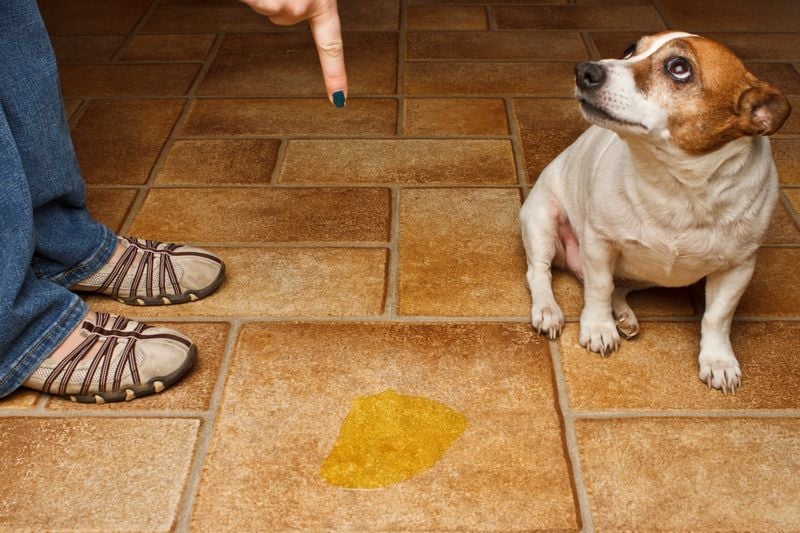
Accidents in the house—especially after years of reliable behavior—should never be dismissed as stubbornness. Dogs may lose control due to urinary tract infections, age-related decline, or even emotional turmoil.
It’s especially concerning if the behavior appears suddenly and without any clear trigger. Anxiety, trauma, and fear can all disrupt a dog’s normal toileting habits, just like illness can.
Avoid shaming or punishment. Instead, schedule a vet check to rule out physical causes. If the issue is behavioral, positive reinforcement and consistency will help retrain without damaging your dog’s confidence.
10. Loss of Appetite
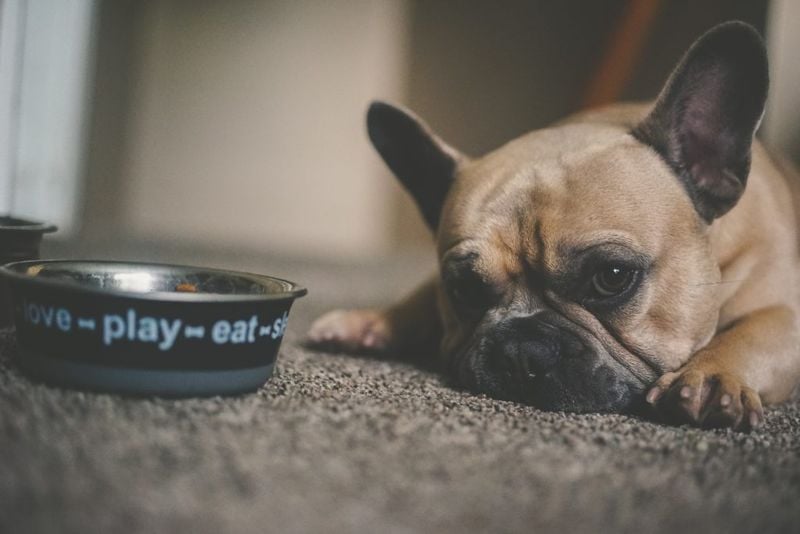
Skipping a meal here or there might not be cause for concern—but a sudden refusal to eat should never be ignored. Appetite loss is often a first clue that something’s wrong.
Pain, dental issues, nausea, stress, or even depression can kill a dog’s desire for food. If they also seem listless, drool more than usual, or paw at their mouth, it could be something serious.
Monitor the change closely. If your dog goes more than 24–48 hours without eating—especially if paired with other symptoms—contact your vet right away. Early detection can save lives.
11. Obsessive Licking or Chewing at the Body
Constant attention to one area of their body—especially to the point of redness or hair loss—is often a sign of something more than grooming. This behavior can be both medical and psychological in nature.
Allergies, fleas, or skin infections are common culprits. But repetitive licking may also serve as a calming mechanism in anxious dogs. It’s a habit that can escalate into open wounds if left unchecked.
Don’t just chalk it up to a quirky habit. Get a diagnosis from your vet and observe when the behavior occurs—it might be a clue to the emotional or physical trigger.
12. Unusual Stiffness or Limping
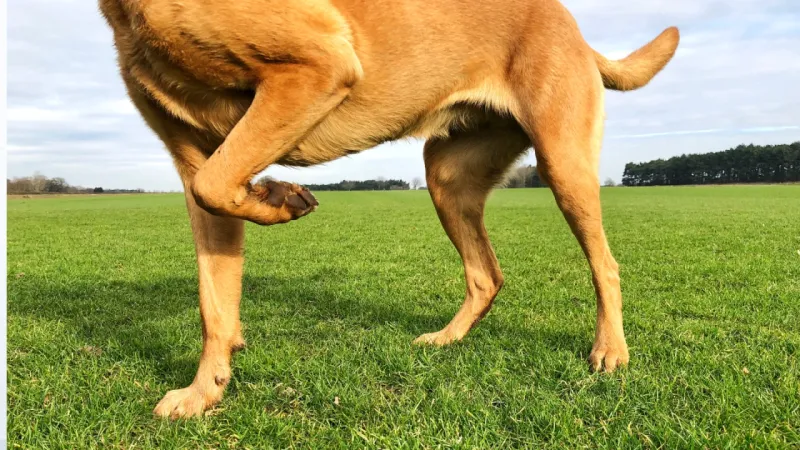
A dog that moves stiffly or limps without an obvious injury may be dealing with chronic pain, joint disease, or neurological problems. These changes can come on slowly or appear overnight after a fall or misstep.
You might notice hesitation going up stairs, difficulty rising after naps, or avoidance of play. Many dogs try to hide discomfort—so by the time limping appears, the problem could already be serious.
Ignoring mobility issues risks long-term damage. A vet check with X-rays or joint exams can provide clarity. Treatment options—like supplements, medications, or physical therapy—can drastically improve quality of life.
13. Increased Reactivity to Touch
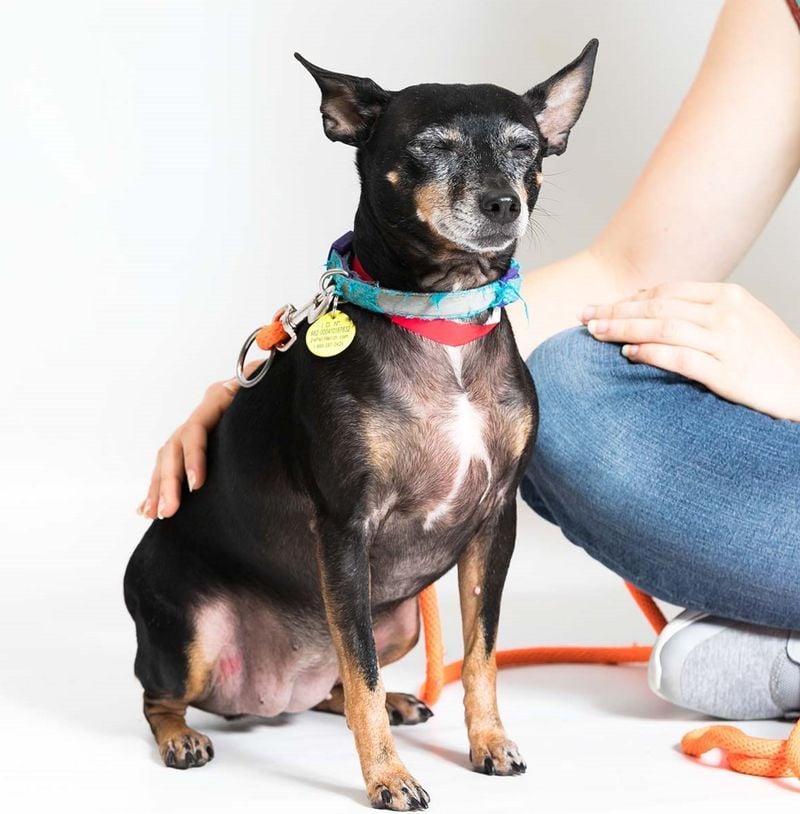
Flinching, growling, or pulling away when you reach out could mean your dog is in pain—or has developed a fear of being touched. This reaction is especially alarming if your dog was previously affectionate and relaxed.
Common causes include sore muscles, infected ears, dental pain, or skin irritation. But it can also signal a deeper emotional wound, especially in rescue dogs or those with past abuse.
Respect their space and observe closely. Reactivity is communication—not misbehavior. Don’t force contact. Instead, see a vet to check for physical problems, and work slowly to rebuild trust with gentle handling.
14. Compulsive Tail Chasing or Spinning
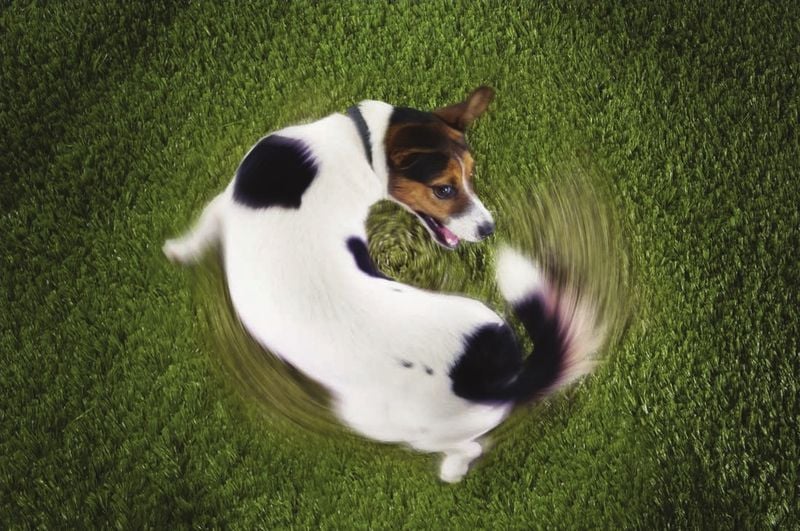
What begins as playful can become compulsive if your dog chases their tail repeatedly or spins in circles with no clear reason. These behaviors may seem funny—but they’re often rooted in anxiety or neurological issues.
Boredom, stress, and even past trauma can contribute to this loop-like behavior. In some cases, seizures or obsessive-compulsive tendencies may be involved, especially if it interferes with daily functioning.
Video the behavior to show your vet or trainer. They can help identify triggers and recommend treatment—whether behavioral redirection, enrichment, or medication. Early intervention is key before it becomes an ingrained habit.
15. Sudden Fear of Familiar People or Places

When your dog suddenly backs away from someone they’ve known for years—or refuses to enter a room they once loved—it’s a major warning sign. Fear without an obvious cause can signal cognitive decline, trauma, or vision loss.
Dogs remember negative associations, even subtle ones. A loud noise, fall, or startling encounter might have created a mental link to that person or space. In older dogs, these reactions may stem from confusion or brain changes.
Stay calm and observant. Don’t force them into feared situations. Instead, rebuild comfort slowly using positive reinforcement, gentle encouragement, and a trusted routine.