15 Natural Cures For Stomach Pain In Dogs

When your dog’s belly is out of sorts, it’s tough to watch them struggle. Vomiting, diarrhea, or general discomfort can pop up for many reasons—maybe they ate something questionable, or maybe they’re just sensitive to a new food.
While it’s always wise to check with your vet first, natural remedies can offer gentle support while your pup recovers. The key is choosing safe, vet-approved options that soothe the digestive system without causing more upset.
From pantry staples like pumpkin and rice to herbal helpers like chamomile and slippery elm, these natural cures can bring comfort to your furry friend. Here are 15 effective, holistic remedies to ease your dog’s stomach pain—naturally and safely.
1. Pumpkin (Plain Canned)
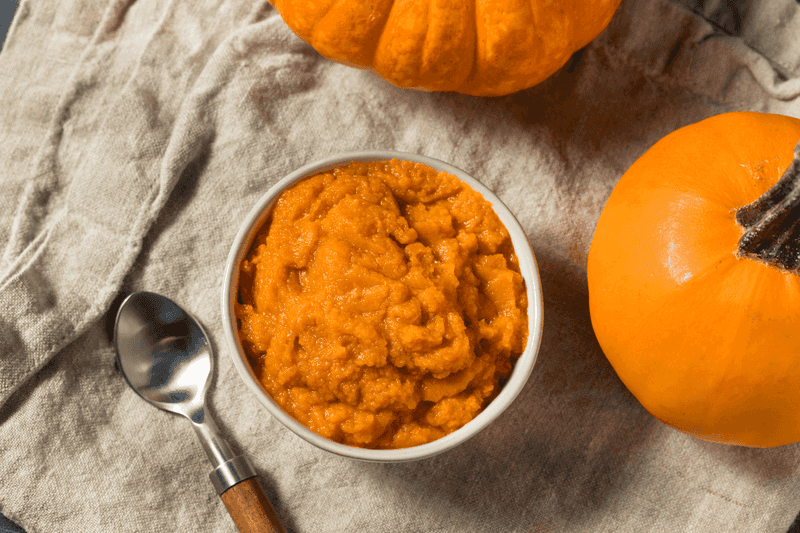
This bright orange squash does wonders for digestive issues in dogs. It’s loaded with soluble fiber, which helps absorb excess water in the digestive tract and bulk up loose stools.
On the flip side, it can also relieve mild constipation by regulating bowel movements naturally. Just a spoonful or two (depending on your dog’s size) can make a noticeable difference within a few hours.
Make sure you’re using plain canned pumpkin—not pumpkin pie filling, which contains spices and sugar. You can serve it alone or mix it into their regular food to make it more palatable.
Dogs tend to enjoy the taste, and it’s gentle enough for even the most sensitive stomachs. Plus, pumpkin is packed with vitamins A and C, supporting your dog’s overall health.
2. Slippery Elm Bark
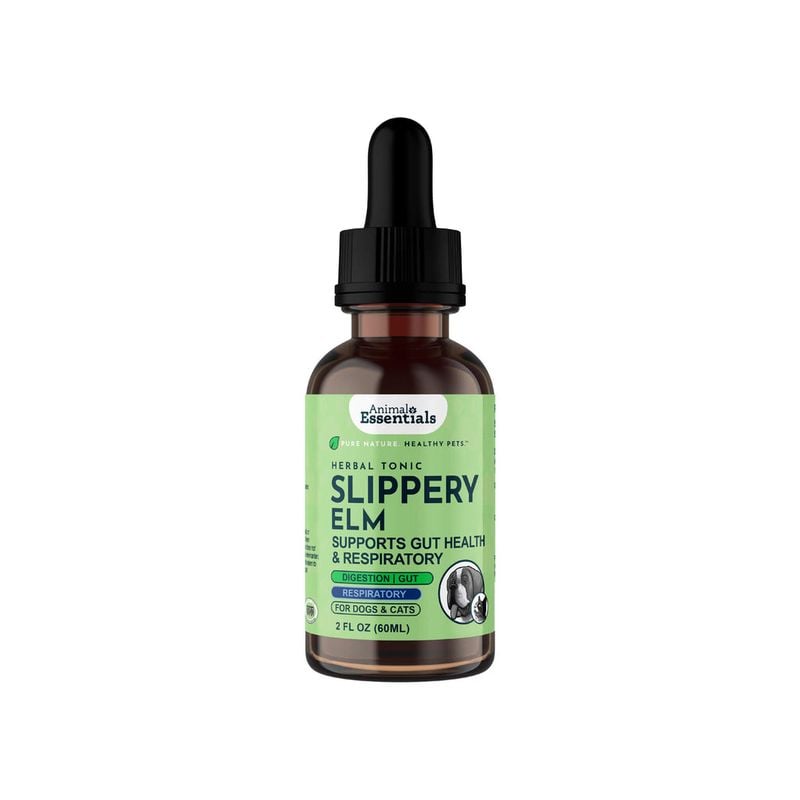
A go-to for herbalists and holistic vets, slippery elm bark acts like a soothing balm for the digestive system. It coats the lining of the stomach and intestines, helping to calm inflammation and protect against irritation.
It’s especially helpful for dogs suffering from diarrhea, vomiting, or acid reflux. The powder can be mixed with water to create a gel-like consistency that’s easy to dose and digest.
Look for dog-safe slippery elm supplements—human-grade versions are fine, but avoid those with added sweeteners. Start with small amounts and increase only as directed by your vet.
Natural, gentle, and effective, this bark is a stomach soother that’s been trusted for centuries. It’s like herbal Pepto-Bismol for pups—minus the pink color.
3. Ginger Root
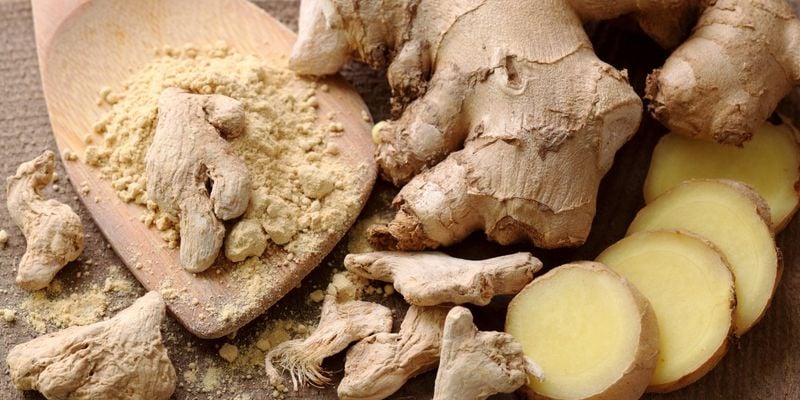
If your dog is nauseated or experiencing motion sickness, ginger might offer quick relief. This root contains natural anti-nausea compounds that work by relaxing the gastrointestinal muscles and supporting better digestion.
You can offer ginger in various forms—grated fresh into their food, steeped into a weak tea, or in powdered form (ideally mixed with a bland base like rice). Just be mindful of dosage, especially for smaller breeds.
Ginger may also help dogs who deal with gas, bloating, or sluggish digestion. It boosts circulation and encourages the stomach to empty more efficiently.
Avoid giving too much raw ginger, which can be strong and irritating. When used properly, this zesty root is both healing and flavorful for an unsettled tummy.
4. Bone Broth
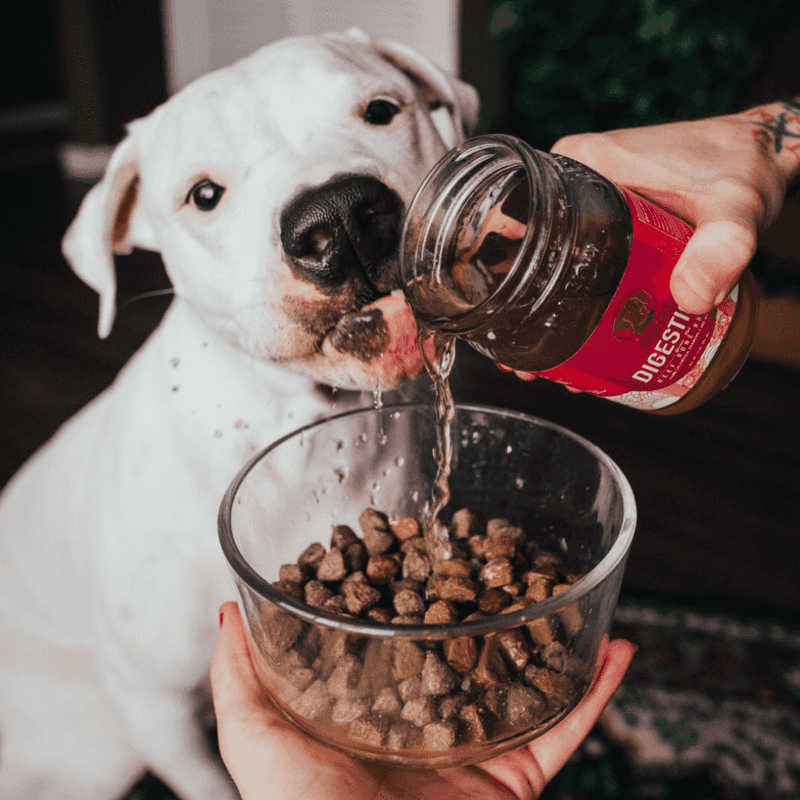
Comforting and nourishing, bone broth is a healing staple when your dog’s stomach is upset. It hydrates while delivering valuable minerals, amino acids, and collagen—all of which promote gut repair.
It’s especially helpful when your pup doesn’t feel like eating but still needs some nutrition. Bone broth is easy to digest and can stimulate appetite in dogs who’ve gone off their food.
You can make it yourself by simmering bones (like beef marrow or chicken backs) for hours, then straining out any solids and fat. Avoid onions, garlic, or seasonings that are toxic to dogs.
Serve it warm and plain, or pour it over rice or dry food. Dogs typically lap it up enthusiastically, even when they’re not feeling their best.
5. Chamomile Tea

Used for centuries to ease upset stomachs, chamomile is more than just a calming bedtime tea. It contains natural anti-inflammatory and antispasmodic compounds that help relax the muscles in the digestive tract.
For dogs, a weak brew of chamomile tea can reduce stomach cramps, gas, and even anxiety-induced nausea. It’s particularly helpful if your pup’s stomach issues are linked to stress.
Let the tea cool completely and offer a few spoonfuls, or mix it into their food or water. Avoid sweetened or flavored varieties—plain, organic chamomile is best.
In addition to easing stomach issues, chamomile may help your dog rest better, which supports faster healing. Think of it as gentle comfort in a cup.
6. Fennel Seeds
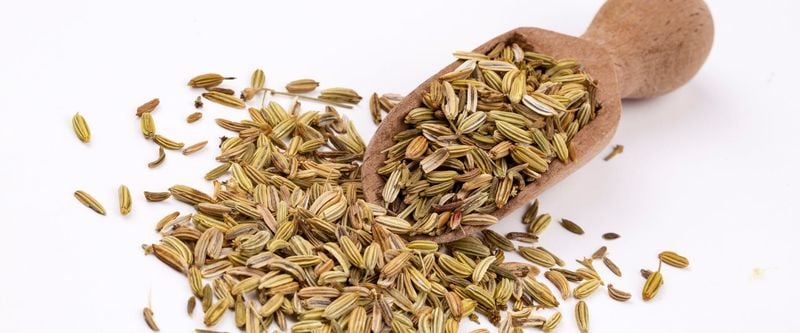
You might have these tucked away in your spice cabinet, and they could come in handy for your dog’s upset stomach. Fennel seeds help reduce bloating, gas, and indigestion by relaxing gastrointestinal muscles and improving bile flow.
To use it safely, steep a small amount in hot water, strain out the seeds, and let it cool before offering a teaspoon or two to your dog. You can also crush the seeds and mix them lightly into food.
Fennel is mild in flavor and generally well tolerated. For dogs prone to post-meal discomfort or occasional tummy gurgles, it can provide noticeable relief.
As with all herbs, moderation is key—too much can cause the opposite effect. A little goes a long way.
7. Probiotic Supplements
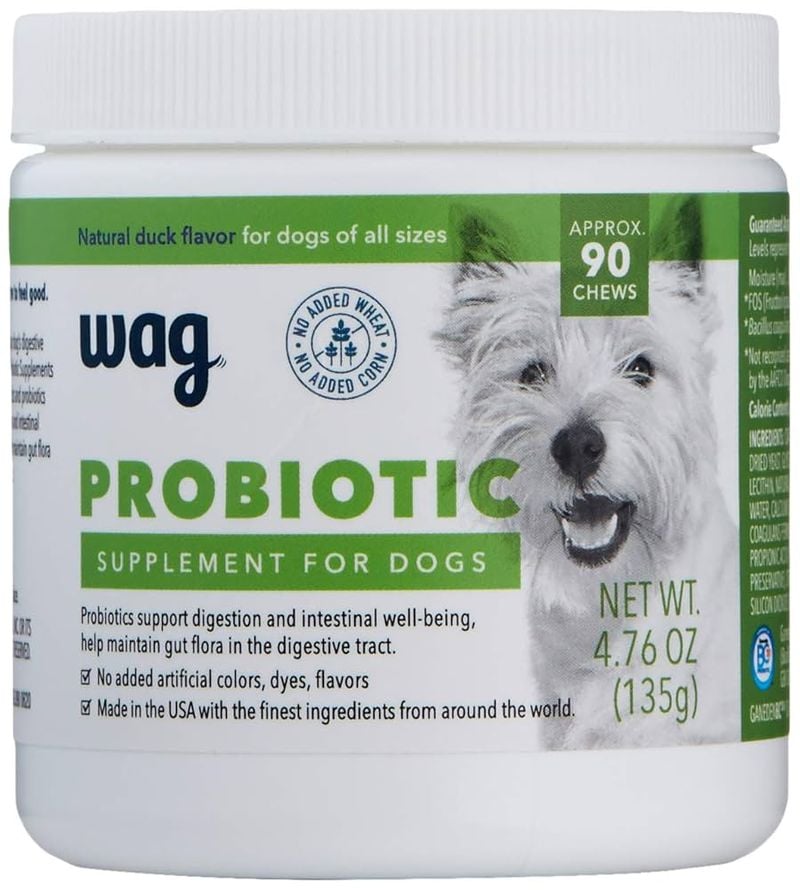
When your dog’s digestive system is out of balance, probiotics can help restore harmony. These beneficial bacteria work to rebuild healthy gut flora, especially after antibiotics, illness, or dietary changes.
You’ll find canine-specific probiotic supplements in chewable, powder, or capsule form. Look for one with multiple strains and a high CFU count to ensure potency.
Regular use can prevent recurring digestive troubles and support a stronger immune response. For dogs with sensitive stomachs, probiotics can be a long-term ally.
They’re especially useful during or after bouts of diarrhea, vomiting, or food allergies. Just be sure to introduce them slowly to avoid additional stress on the system.
Healthy gut = happy dog.
8. Plain Boiled Chicken and White Rice
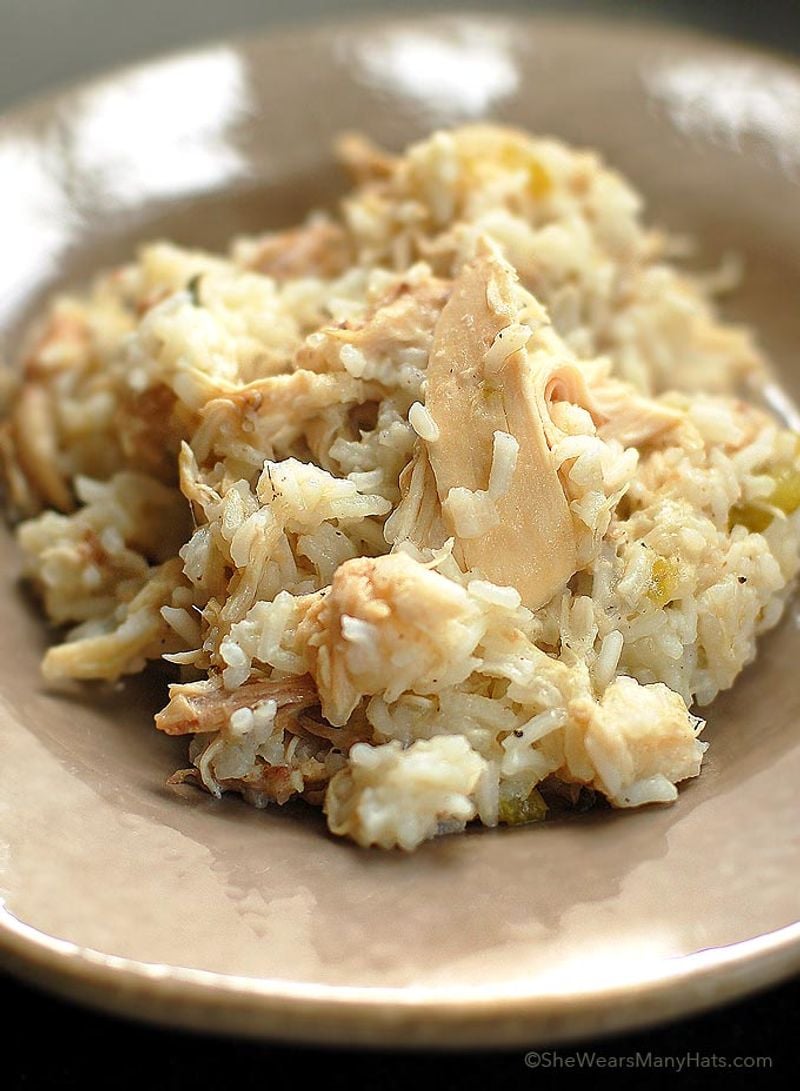
This time-tested remedy is often the first thing vets recommend for dogs with stomach upset. It’s bland, easy to digest, and unlikely to cause further irritation.
Boiled chicken should be skinless and boneless, cooked without any salt, seasoning, or oil. White rice should be plain and soft—not brown, which is harder to digest.
Feed small portions throughout the day, rather than one large meal. The combination provides a gentle energy source while allowing the stomach and intestines to calm down.
It’s not a long-term diet but works wonders during short recovery periods. Once your dog’s symptoms ease, gradually transition them back to their regular food.
Simple, soothing, and effective—this remedy is a staple for a reason.
9. Marshmallow Root
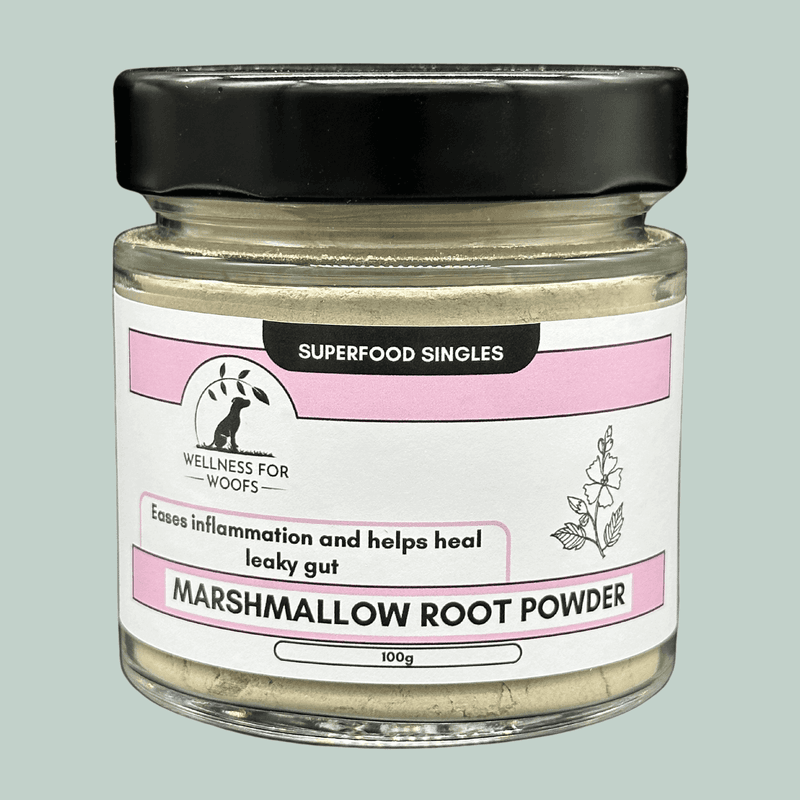
Not the fluffy campfire kind—this herbal remedy has a long history of soothing mucous membranes, especially in the gastrointestinal tract. Marshmallow root contains mucilage, a thick, slippery substance that coats and calms irritation in the stomach and intestines.
It’s ideal for dogs with gastritis, colitis, or general digestive inflammation. The root is often prepared as a tea or tincture, but you can also find it in powder or capsule form.
Always choose pet-safe formulations without alcohol or additives. Start with small doses and monitor for improvement.
Used correctly, marshmallow root creates a protective barrier that gives your dog’s stomach lining time to heal. It’s a natural comfort with powerful gut-supporting properties.
10. Licorice Root (DGL Form)

Dogs with stomach ulcers or acid reflux may benefit from this herbal remedy—as long as it’s in the DGL form (deglycyrrhizinated licorice), which removes compounds that affect cortisol levels.
Licorice root helps increase mucus production in the stomach lining, offering protection and promoting healing. It’s often used for gastric inflammation or minor intestinal irritation.
DGL licorice comes in chewable tablets or powders you can mix with food. Avoid any product with added sugar or flavoring meant for humans unless specifically approved by your vet.
It’s a powerful tool when used correctly, but always check with a professional before giving it long-term. A natural anti-inflammatory, it soothes the stomach and supports recovery.
Gentle but effective, this root is a stomach ally worth considering.
11. Yogurt with Live Cultures
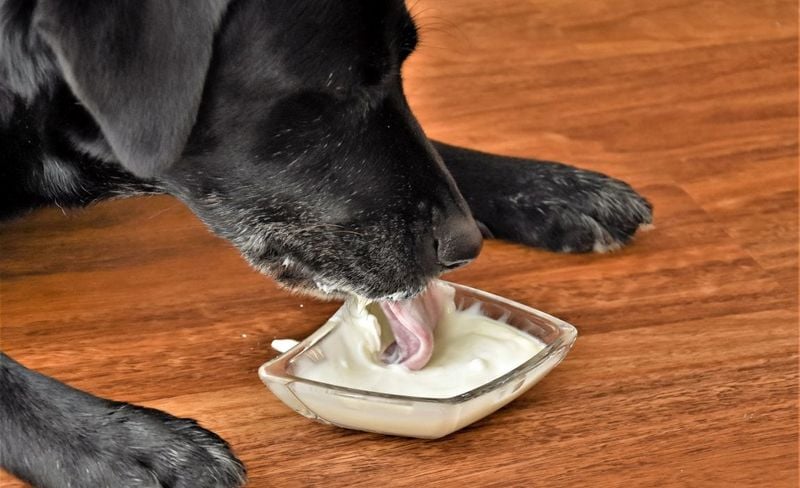
Adding a spoonful of plain yogurt to your dog’s food may seem simple—but it can pack a powerful probiotic punch. Yogurt contains live active cultures that help balance gut bacteria and improve digestion.
It’s especially helpful for dogs recovering from antibiotics, diarrhea, or general stomach upset. Make sure to choose unsweetened, unflavored yogurt with no xylitol, which is toxic to dogs.
Small dogs can start with a teaspoon, larger dogs with a tablespoon, once a day. You’ll often notice improved stool consistency and better appetite within days.
For dogs who tolerate dairy, it’s a tasty, cooling treat that promotes a healthy gut environment.
Just keep it in moderation—too much of a good thing can backfire.
12. Aloe Vera Juice (Pet-Safe, Inner Leaf Only)
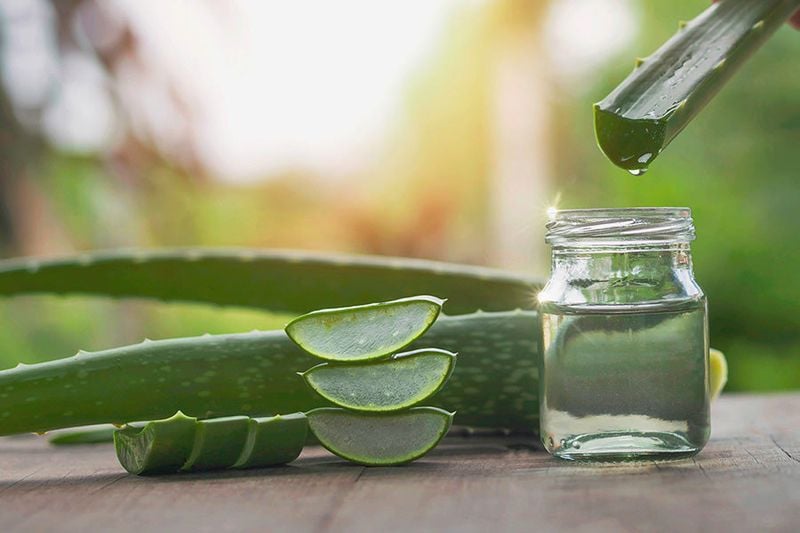
Aloe vera is known for soothing burns—but it also helps with digestive inflammation when used properly. The inner leaf gel (not the whole leaf) is safest for dogs and can ease acid reflux, gastritis, or irritation.
This juice contains compounds that calm inflamed tissue and help repair the digestive lining. It’s especially useful for dogs who’ve eaten something irritating or suffer from chronic GI issues.
Use only pet-safe aloe products with the latex (aloin) removed—this part is toxic. Start with a tiny amount, diluted in water or food, and monitor for any reaction.
It’s a natural healer with impressive gut benefits, but precision matters here.
When chosen carefully, aloe can be a gentle friend to an upset belly.
13. Apple Cider Vinegar (Diluted)

While it may seem counterintuitive to give something acidic to a dog with stomach pain, diluted apple cider vinegar can actually improve digestion. It helps stimulate stomach acid and digestive enzymes, which in turn support nutrient absorption and reduce bloating.
Add only a few drops to a bowl of water or food, and never serve it undiluted. It’s especially useful for dogs with low stomach acid or mild indigestion.
Make sure to use organic, raw ACV with the mother, which contains beneficial enzymes and bacteria. This isn’t a daily tonic—it’s for occasional use and only with your vet’s approval.
Used sparingly, it can reset your pup’s digestion and reduce gastrointestinal discomfort.
A little truly goes a long way.
14. Oatmeal (Plain, Cooked)
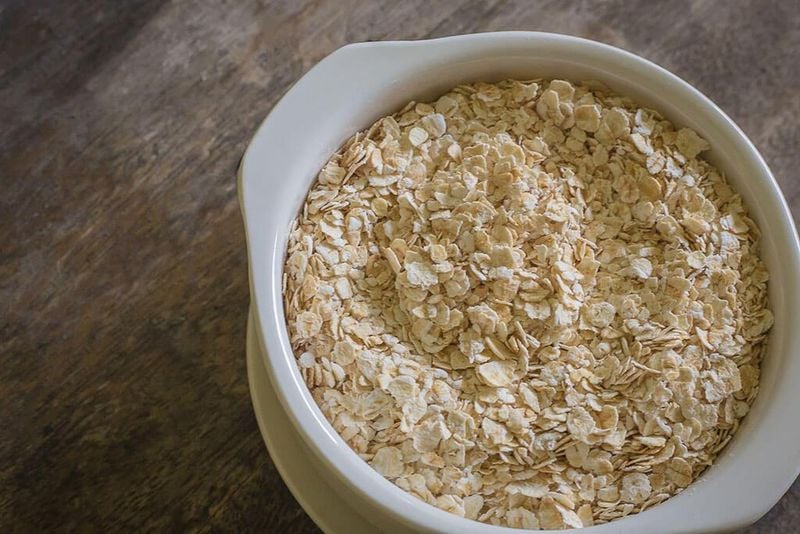
When your dog needs something soothing and gentle, oatmeal can offer soft nourishment. It’s rich in soluble fiber and helps firm up stool while calming inflamed digestive tissue.
Serve it fully cooked, unflavored, and cooled, without milk, sugar, or toppings. Rolled oats or steel-cut oats are best—instant varieties often contain additives.
For dogs with sensitive stomachs, oatmeal is filling yet non-irritating. It can also help if your dog has loose stools from a dietary indiscretion.
Small portions go a long way, and most pups enjoy the mild taste and smooth texture.
Just don’t make it a staple without vet guidance—it’s a tool for short-term tummy support, not a permanent diet change.
15. CBD Oil (Vet-Approved)
Cannabidiol, or CBD, has become a popular tool for managing canine pain and anxiety—but it also shows promise for digestive health. It works with the endocannabinoid system to reduce inflammation and restore balance in the gut.
For dogs with chronic nausea, irritable bowel, or stress-induced digestive problems, CBD may offer relief when other remedies fall short. But not all products are safe.
Use only vet-approved, THC-free CBD oils formulated specifically for pets. Dosage matters—too much can cause sedation or further upset.
Start slow and always consult your vet before introducing CBD, especially if your dog is on other medications.
When used responsibly, it’s a powerful, natural option that may ease persistent stomach troubles and help your dog feel calm and comfortable.