
7 Hidden Dangers of Bathing Your Dog Too Often and 5 Better Grooming Hacks
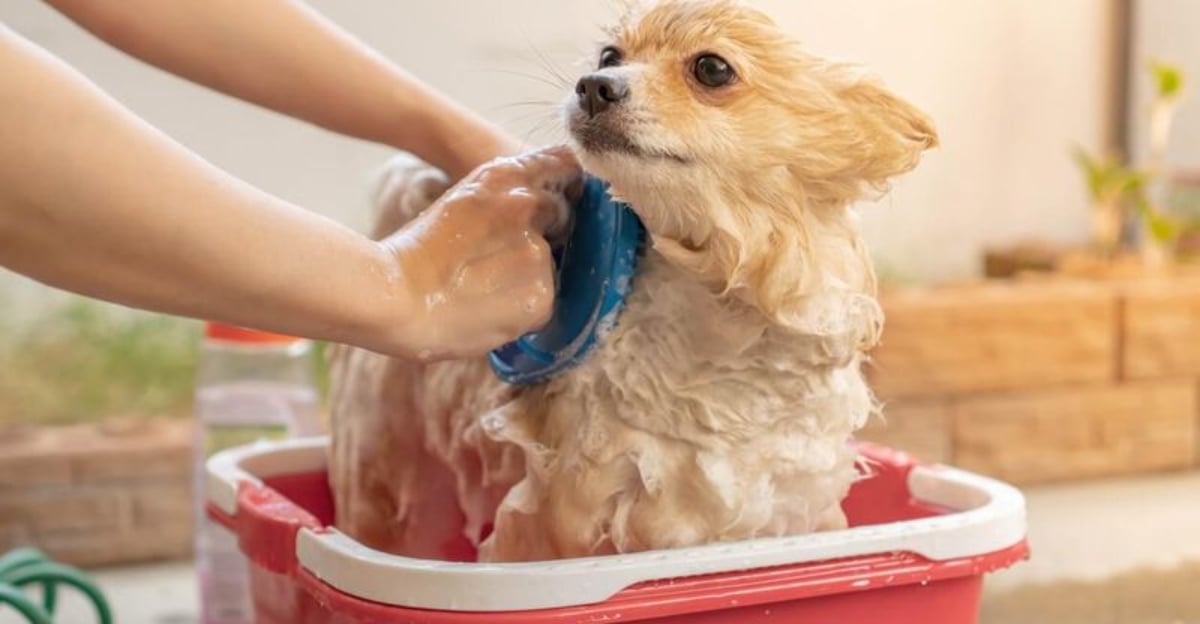
Taking care of your furry friend includes keeping them clean, but did you know that too many baths might actually harm your dog? Many pet owners think frequent bathing equals better hygiene, but this isn’t always true.
Understanding the right balance between cleanliness and your dog’s natural health needs can make a huge difference in their comfort and well-being.
1. Goodbye Natural Oils
Every time you shampoo your pup, you’re washing away the protective oils their skin naturally produces. These oils aren’t just there by accident – they help waterproof your dog’s coat and keep their skin healthy and moisturized.
Without these oils, your dog’s skin becomes dry and flaky. Think of it like washing your hands too much in winter – they crack and feel uncomfortable.
Dogs with naturally oily coats like Retrievers suffer the most from over-bathing. Their bodies work overtime trying to replace these oils, sometimes making the coat even greasier than before!
2. Skin Irritation Station
Many dog shampoos contain chemicals that can irritate your furry friend’s sensitive skin. Even products labeled “gentle” or “natural” might contain ingredients that cause redness, itching, or rashes when used too frequently.
Your dog can’t tell you when something burns or itches, so they scratch instead. This scratching creates a vicious cycle – irritated skin gets scratched, creating wounds that become more irritated.
Watch for signs like excessive scratching, redness, or your dog rubbing against furniture after baths. These behaviors often signal that your bathing routine is causing more harm than good.
3. Microbiome Mayhem
Your dog’s skin hosts a community of helpful bacteria that fight off harmful germs – this is their microbiome. Frequent bathing with soap disrupts this delicate ecosystem, leaving your pup vulnerable to skin infections and other problems.
The good bacteria act like tiny defenders, keeping bad bacteria and fungi in check. When you wash them away repeatedly, opportunistic nasties can move in and cause trouble.
Dogs with compromised microbiomes often develop hot spots, yeast infections, or strange odors between baths. Ironically, bathing to fix these issues often makes them worse by further damaging the skin’s natural defenses.
4. Shedding Surge
Notice more dog hair around the house after bath day? Over-bathing actually increases shedding in many dogs. When skin becomes dry and irritated, hair follicles loosen their grip on the fur.
Your dog’s coat has a natural growth and shedding cycle. Harsh shampoos and frequent washing disrupt this cycle, causing hairs to release before they normally would.
Breeds with double coats like Huskies and German Shepherds are especially prone to this problem. Their undercoats can become damaged from too many baths, leading to patchy fur and excessive shedding that no amount of vacuuming seems to conquer.
5. Most Dogs Don’t Need Frequent Baths
Contrary to popular belief, most dogs naturally keep themselves relatively clean. Their coats have evolved to repel dirt and shed debris without human intervention. Short-haired breeds like Beagles might only need bathing a few times per year unless they get particularly dirty.
Dogs have different odors than humans – what we perceive as “doggy smell” is often just their natural scent. This smell typically isn’t due to poor hygiene but is part of their identity and communication system.
Even active outdoor dogs usually need just a quick rinse to remove mud or debris. Full shampooing should be saved for truly smelly situations or medical needs.
6. Bath Time Stress
Many dogs find bath time extremely stressful. The slippery surfaces, unfamiliar sensations, and confined spaces can trigger anxiety that lasts long after the bath ends.
Forcing your nervous pup through frequent baths can create lasting fear associations. Dogs might begin hiding when they hear the bath water running or become anxious when you lead them toward the bathroom.
Stress hormones released during these frightening experiences can affect your dog’s immune system and overall health. For particularly anxious dogs, the psychological harm from frequent bathing might outweigh any hygiene benefits.
7. Long-Term Skin Problems
Chronic over-bathing can lead to persistent skin conditions that become increasingly difficult to treat. The skin’s protective barrier breaks down over time, leading to chronic dryness, inflammation, and vulnerability to environmental irritants.
Some dogs develop seborrhea, a condition where the skin produces either too much or too little oil in response to the constant stripping. Others might develop bacterial or yeast infections that require veterinary intervention.
Senior dogs suffer most from these effects, as their skin naturally produces fewer oils as they age. What might cause minor dryness in a younger dog can create painful cracking and inflammation in older pets.
While these seven reasons explain why too many baths can be harmful, the good news is that there are five gentler, more effective ways to keep your dog clean without reaching for the shampoo.
1. Wipe Down Wonder
Dog-specific wipes offer a perfect middle ground between full baths and no cleaning at all. These pre-moistened cloths remove surface dirt, pollen, and minor smells without stripping essential oils from your dog’s coat.
Keep a pack by the door for quick clean-ups after walks. Focus on paws, belly, and anywhere that’s gotten visibly dirty. For dogs who roll in smelly things, spot-cleaning the affected area prevents full-bath stress.
Unscented wipes work best for sensitive pups. The gentle cleaning action freshens your dog without disrupting their skin’s natural balance or triggering anxiety that comes with the bathtub experience.
2. Brush Rush Benefits
Regular brushing removes dirt, distributes natural oils, and prevents matting more effectively than frequent bathing. Just 5-10 minutes of brushing several times a week works wonders for most breeds.
Different coat types need different brushes. Short-haired dogs benefit from rubber curry combs that loosen dead hair and stimulate the skin. Long-haired breeds need slicker brushes to prevent tangles and remove debris caught in their fur.
Brushing also serves as a mini health check. While grooming, you’ll notice any new lumps, skin issues, or tender spots that might need veterinary attention before they become serious problems.
3. Dry Shampoo Magic
Canine dry shampoos offer freshness without water or stress. These powder or foam products absorb excess oil and neutralize odors between baths, extending the time needed between full washings.
Application is simple – just sprinkle or spray the product onto your dog’s coat, massage it in, and brush it out. The process takes just minutes and can be done while your pup enjoys a treat or some attention.
Look for products with natural ingredients like baking soda, cornstarch, and essential oils designed specifically for dogs. Human dry shampoos often contain ingredients that may irritate your dog’s sensitive skin or be harmful if ingested during self-grooming.
4. Water-Only Wash Wins
For dogs who get muddy but aren’t truly dirty, a simple water rinse works wonders. Lukewarm water removes surface dirt and debris without stripping away natural oils or disrupting the skin’s pH balance.
Rinsing is especially useful for dogs with allergies who pick up pollen or environmental irritants on their coats. A quick shower using just water can wash away these allergens without drying out the skin.
During hot weather, a gentle rinse also helps cool your dog down and remove sweat from their coat. Just be sure to dry them thoroughly afterward, especially in skin folds where moisture can lead to irritation.
5. Clean Gear, Clean Dog
Your dog’s bedding, collars, and toys harbor dirt, bacteria, and odors that transfer back to your pet. Washing these items weekly makes a bigger difference in your dog’s cleanliness than bathing them more often.
Machine-washable beds and blankets should be cleaned using fragrance-free detergent. Nylon collars and leashes can be soaked in warm, soapy water, while rubber toys can go in the dishwasher’s top rack.
Rotating between multiple beds or blankets ensures your dog always has clean resting places. This simple habit reduces allergens in your home and keeps your dog smelling fresh without stressing their sensitive skin with extra baths.


