The 30 Worst Dog Treats You Can Buy
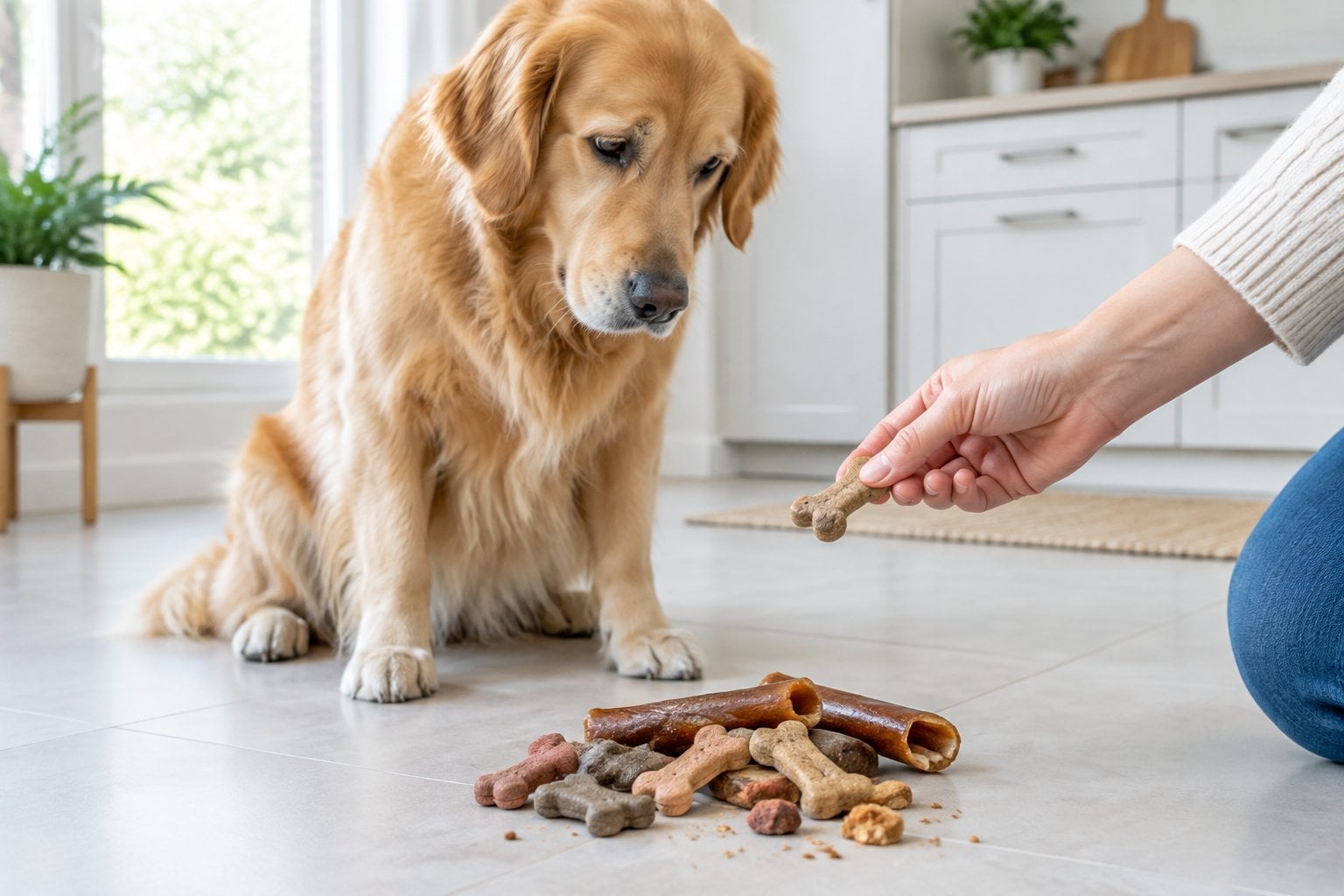
Not every treat on pet store shelves is good for your dog. Some products contain low-quality fillers, artificial preservatives, or additives that offer little nutritional value and may contribute to health problems over time.
Knowing which treats to avoid can help you protect your dog from unnecessary health risks and make smarter choices at the store. Ingredient lists can be misleading, and marketing claims do not always reflect what is actually inside the bag.
This guide reviews 30 dog treats and chews that fall short when it comes to quality and safety. You will find common offenders found in major pet store aisles, along with the reasons they rank among the worst options available.
1. Canine Carry Outs Beef Flavor Dog Treats
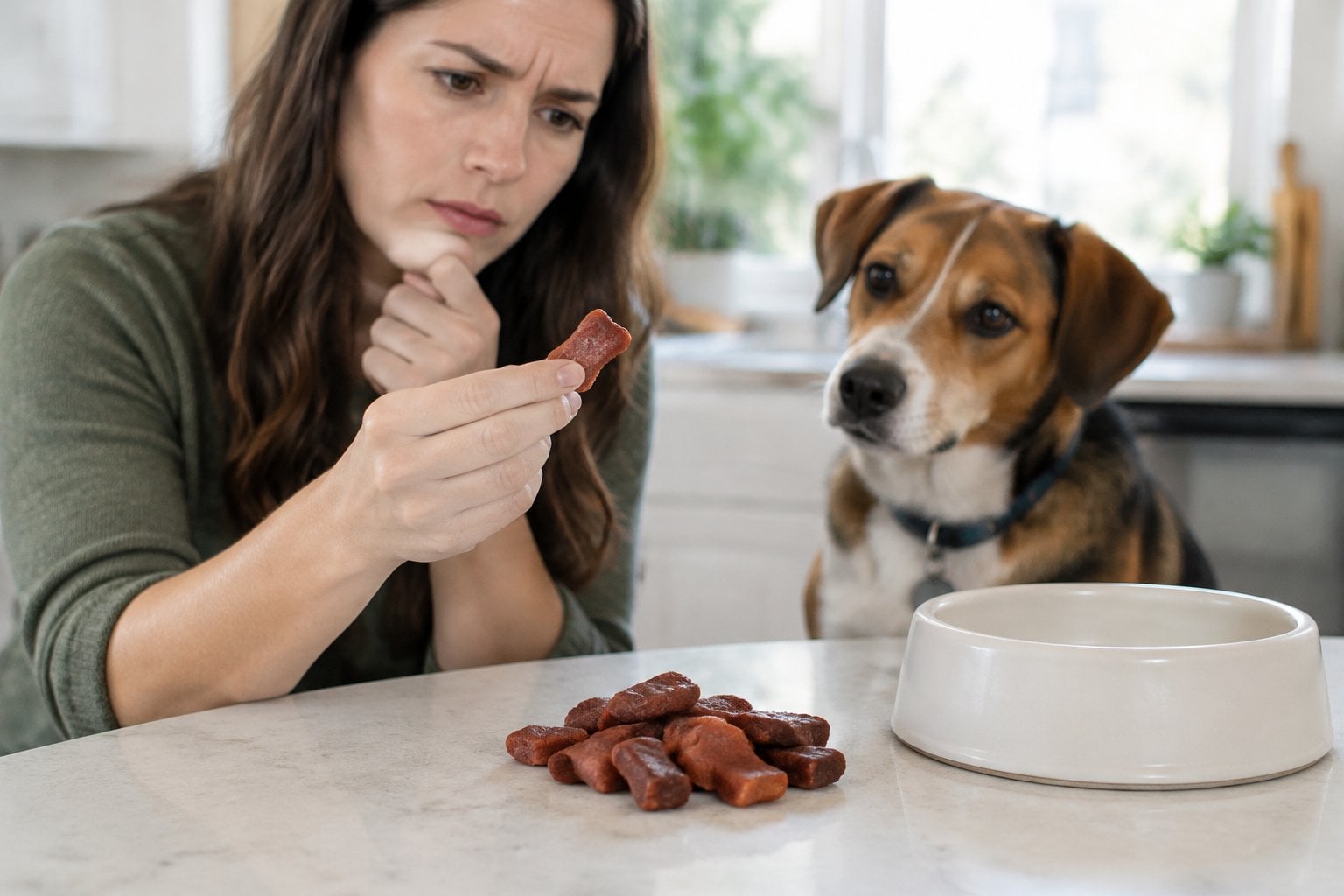
If you check the ingredient label on these treats, you’ll notice they lean on fillers such as soy and corn syrup alongside the beef. That puts them low on the quality scale compared to treats built mostly on whole meat.
You should also be aware of the artificial colors used in these treats, such as Red 40. These dyes serve no nutritional purpose and exist purely for visual appeal, mimicking the look of real meat to catch your eye rather than benefit your dog.
Added sugars and propylene glycol are additional concerns you’ll find in this product line. Propylene glycol keeps the treats soft and chewy, but it’s an additive you may want to avoid giving your dog regularly, especially if your pet has sensitivities.
Some owners say their dogs get an upset stomach after eating them, especially in larger amounts. If you’re looking for treats with cleaner ingredient lists and fewer artificial additives, you have better options available at most pet stores.
2. Ol’ Roy Strips Beef Flavor Dog Snacks
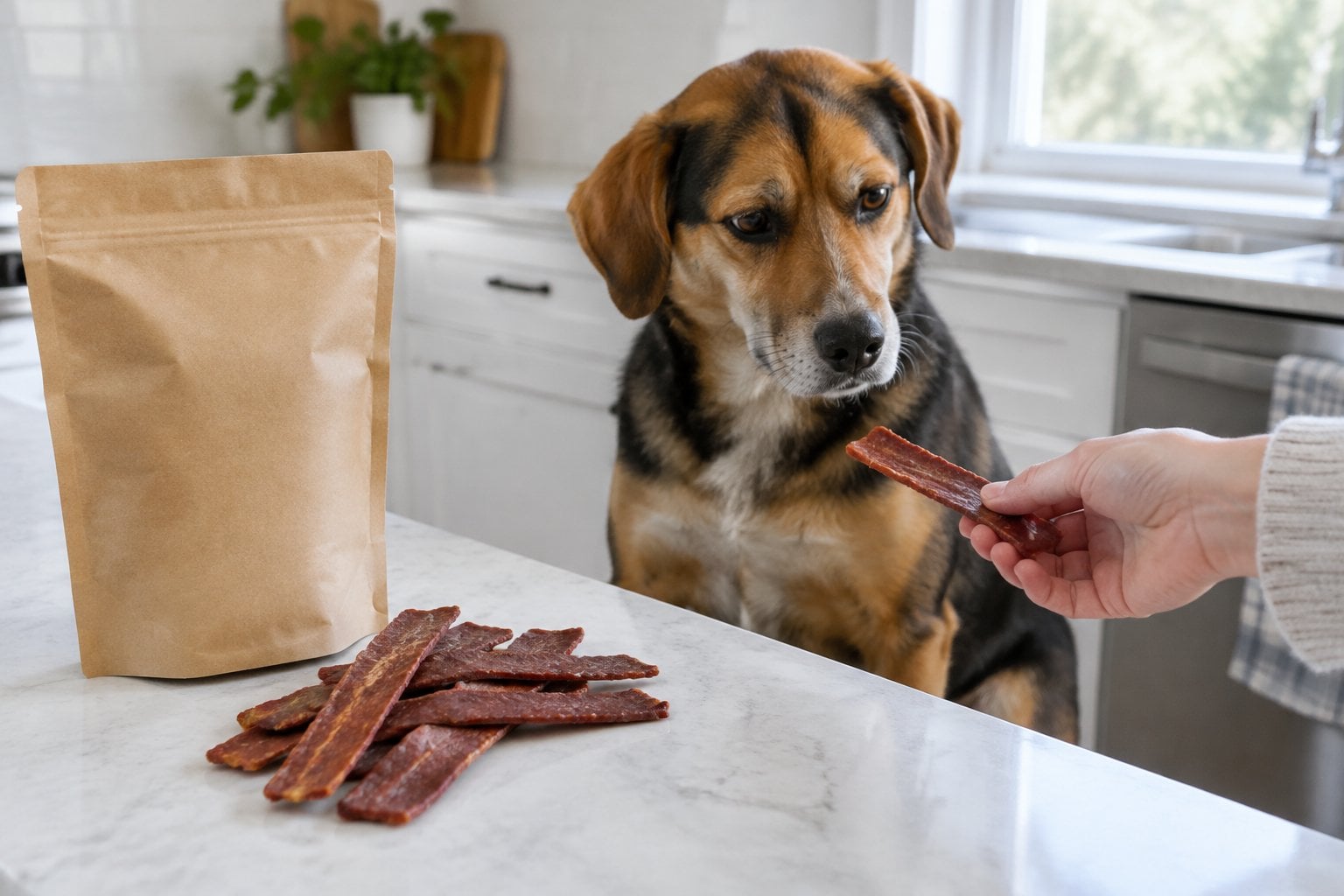
Ol’ Roy is Walmart’s store brand, and the Strips Beef Flavor Dog Snacks sit at the bottom of most quality rankings for dog treats. The ingredient list relies on by-products, fillers, and added flavoring rather than real beef, which tells you most of the taste and texture come from processing rather than whole food sources.
Corn syrup and added sugars appear high on the label, too. If your dog has sensitivities to grain or sugar, these strips can trigger digestive upset or contribute to weight gain over time.
The very low price is a clue: budget treats like these are built on cheaper ingredients than premium brands.
Artificial preservatives and coloring agents are common in this formula, which some vets caution against for dogs with allergies or sensitive stomachs.
If you’re looking for a treat that supports your dog’s long-term health, this isn’t one you should reach for regularly.
3. Purina Busy Bone Original Dog Chews
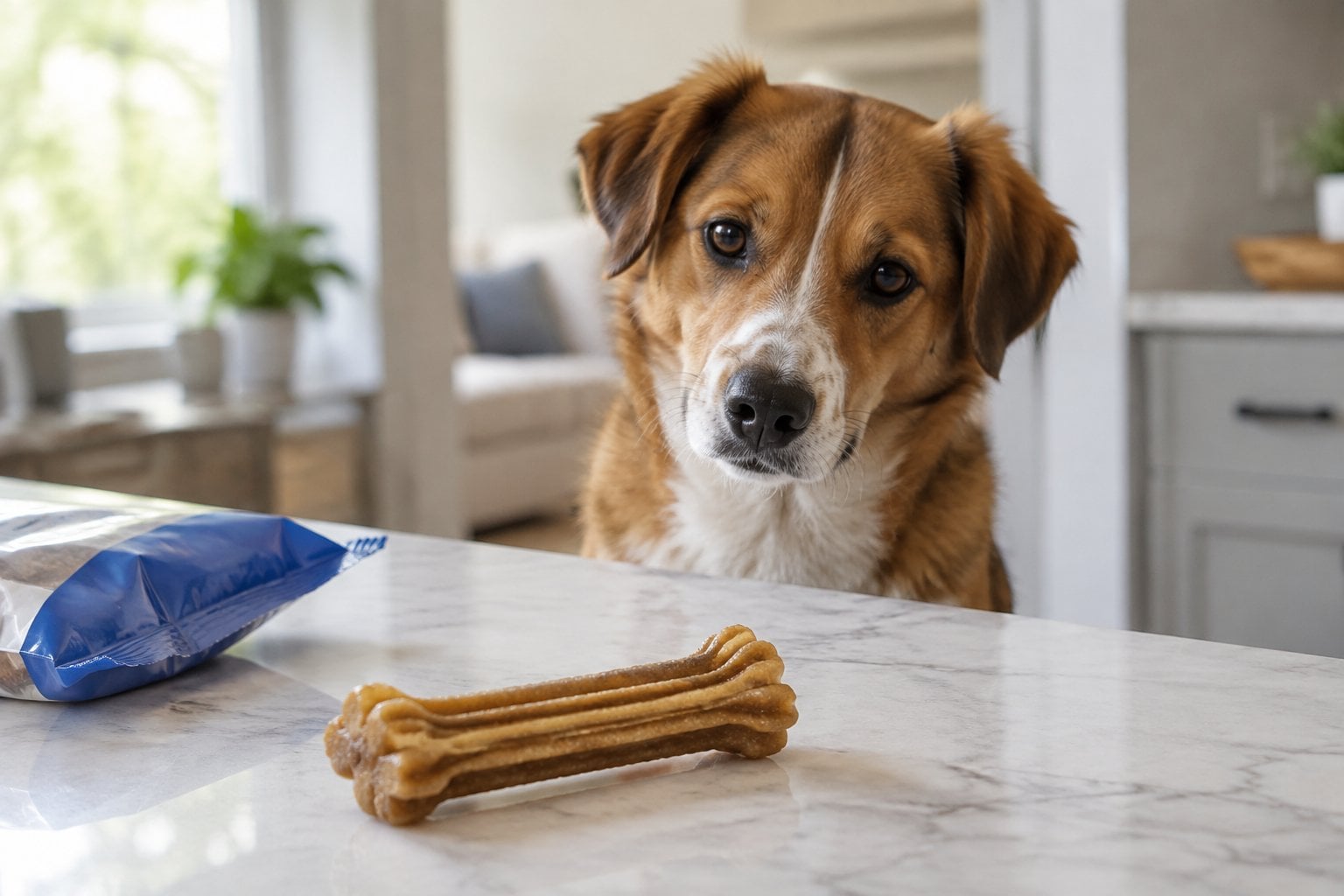
You’ll find these chews marketed as a long-lasting activity for large dogs over 35 pounds, with a meat-flavored center wrapped in a dense, twisted shell. The firm texture is designed to keep your dog occupied for an extended period, which is exactly where the concern starts.
Dense, hard chews like this one carry a known risk of tooth fracture, particularly on molars. Vets commonly caution against any chew too hard to leave an indent when pressed with a fingernail, and very dense chews like this one may not pass that test.
Because it’s meant to be gnawed on for a long time, you also need to watch for large pieces breaking off. Aggressive chewers can swallow chunks that are too big, leading to choking or an intestinal blockage.
The ingredient list leans heavily on processed starches and meat by-products rather than whole-food protein sources. If your dog has a sensitive stomach, you may notice gas, soft stool, or vomiting after giving this treat. Its size and hardness make it a poor match for small breeds, older dogs, or anything with existing dental issues.
4. Beggin’ Strips Original With Bacon Dog Treats
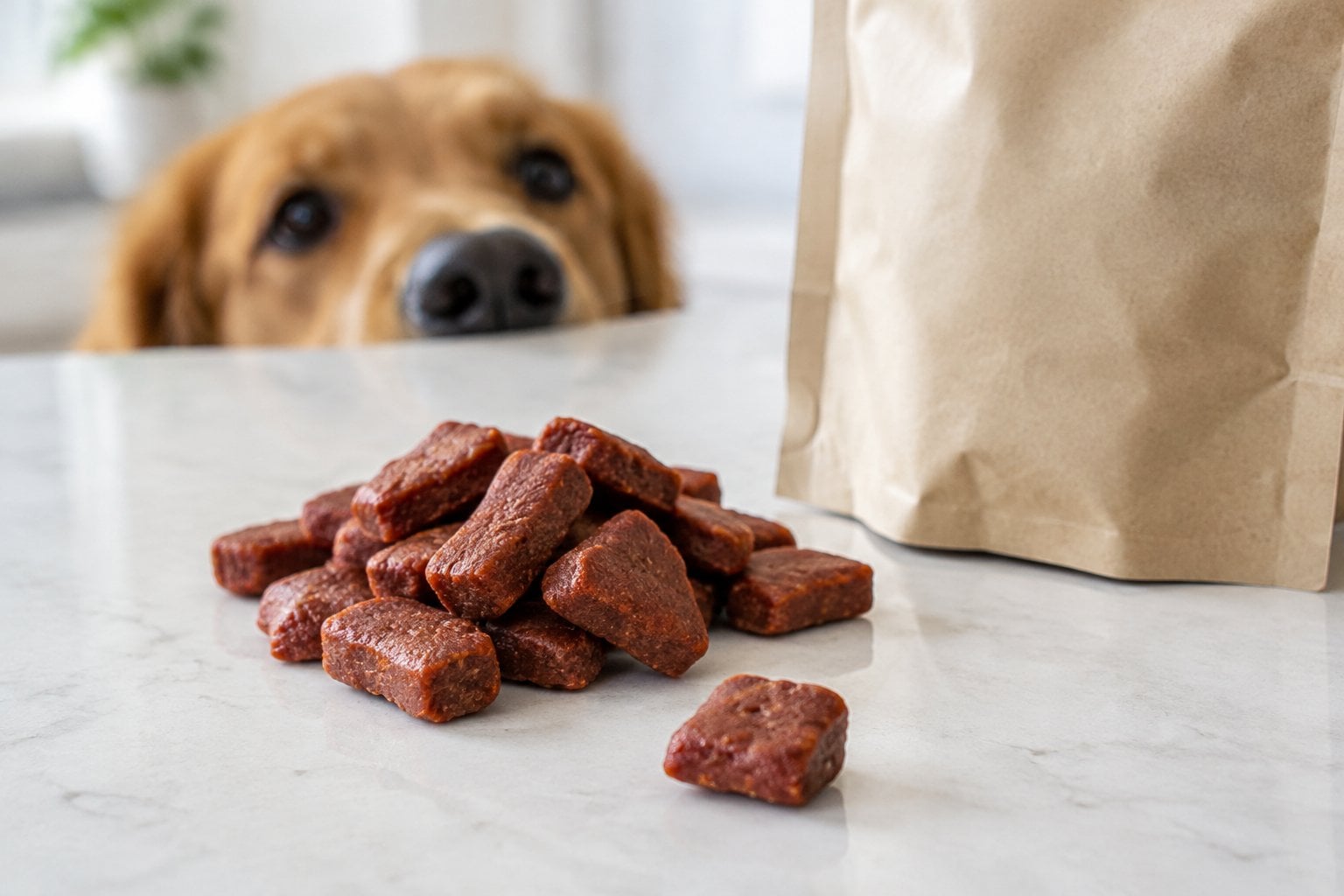
If you’ve ever picked up a bag of Beggin’ Strips, you’ve likely noticed how your dog reacts almost instantly. That response is by design. The product relies on a strong bacon flavor and meaty aroma to drive appeal, rather than nutritional value.
Check the ingredient list and you’ll find corn, soy, and wheat appear high up, alongside sugar and artificial colors like Red 40 and Yellow 5. These fillers add bulk without offering much benefit to your dog.
You should also be aware that soy and corn are common allergens in dogs. If your pet has a sensitive stomach or known food sensitivities, these treats can trigger digestive upset or skin irritation.
The texture is soft and chewy, which makes it easy to tear into smaller pieces. However, that same softness often means more preservatives are needed to maintain shelf stability.
For dogs with weight concerns, you’ll want to be cautious. The sugar content is higher than what you’d expect from a treat marketed as meat-based, and it adds calories without nutritional return.
5. Milk-Bone MaroSnacks Dog Treats
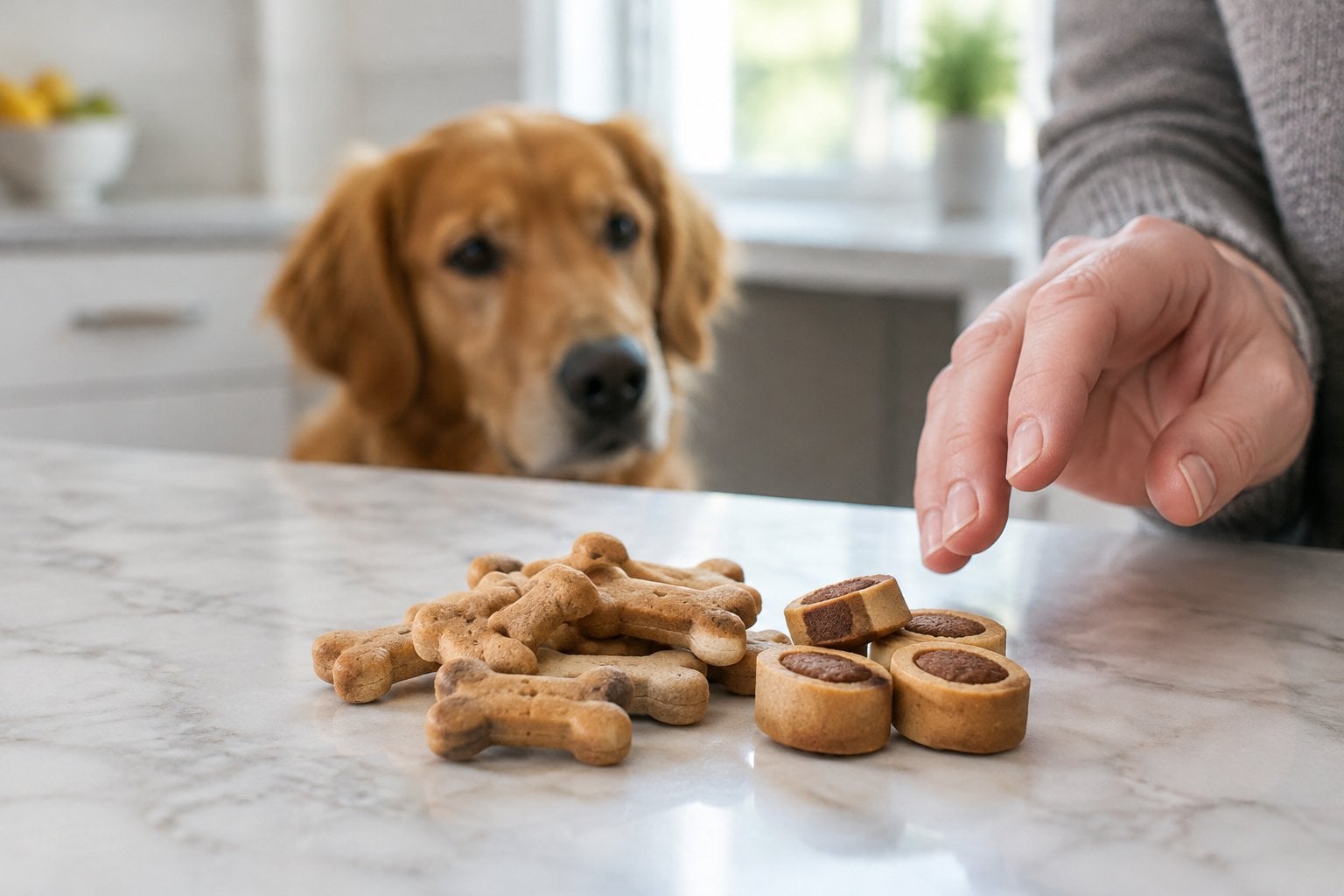
Milk-Bone MaroSnacks pair a crunchy biscuit shell with a center made from real bone marrow. The marketing emphasizes natural flavor, but the ingredient list tells a different story once you look past the first few items.
You’ll find corn flour, wheat flour, and animal fat positioned near the top of the label. These fillers add bulk and calories without offering much in the way of nutrition your dog actually needs.
If your dog has a grain sensitivity or wheat allergy, these treats can trigger digestive upset, itching, or other reactions. You should watch for soft stools or excessive scratching after feeding them.
The manufacturer itself recommends limiting these to supplemental feeding only, capping them at around 10% of daily caloric intake. That guidance signals these treats work best as an occasional reward, not a dietary staple you rely on regularly.
6. Milk-Bone Brushing Chews Daily Dental Dog Treats
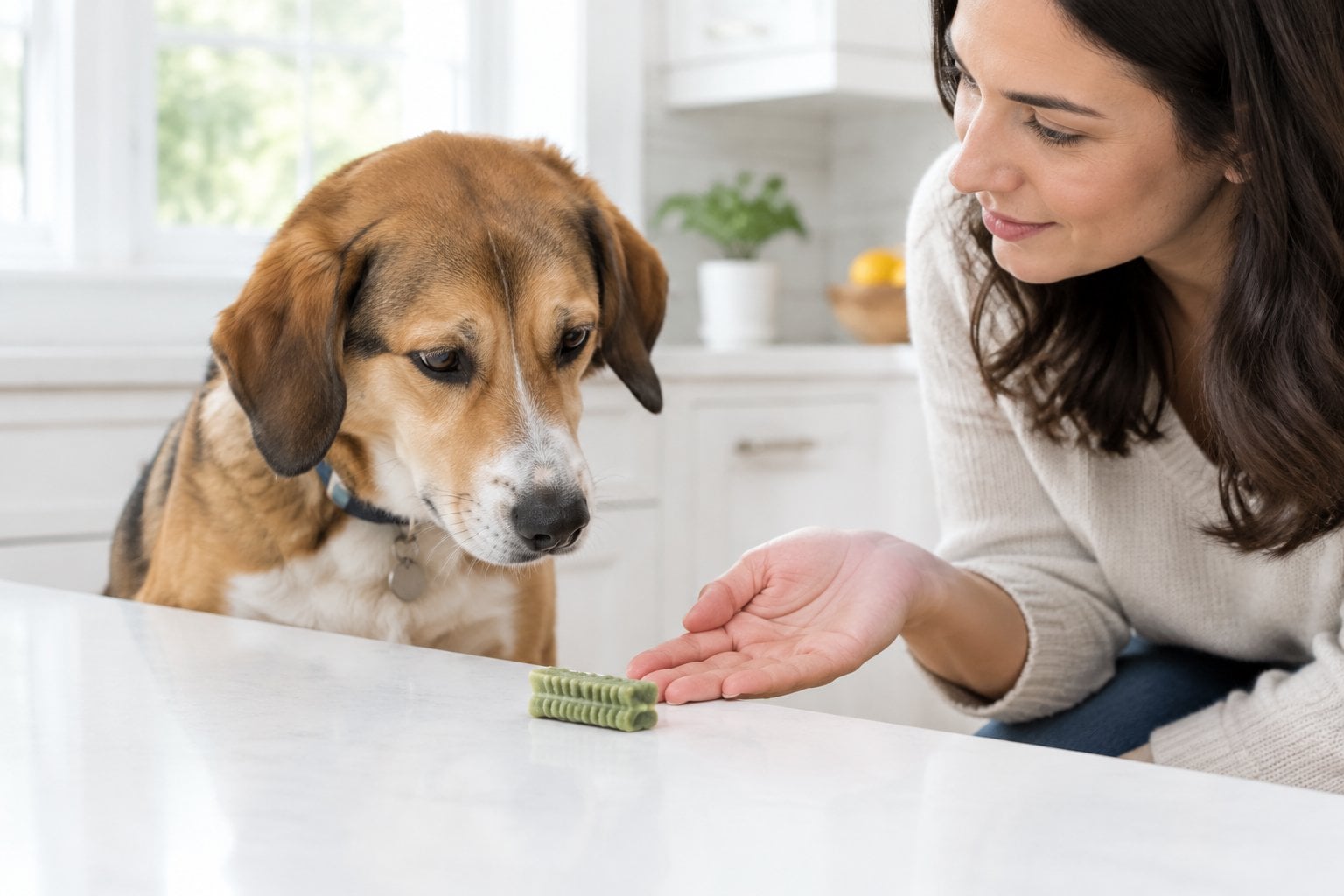
If your dog’s dental chew routine includes these, you should know what you’re actually feeding them. Milk-Bone Brushing Chews are built mostly on starches, glycerin, and gelatin. There’s limited animal protein in the early part of the ingredient list, which means the nutritional value leans heavily on starch and sweeteners rather than meat.
The marketing emphasizes the “twist design” and “nubs and ridges” that scrub teeth while your dog chews. In practice, the chew’s softness means your dog may finish it quickly, reducing the amount of actual brushing action against the teeth and gums.
For dogs with sensitivities to wheat or grain-based fillers, this can cause digestive upset or skin issues over time.
If you’re giving these daily as advertised, you’re also adding a steady stream of refined carbohydrates to your dog’s diet, which can contribute to weight gain if you’re not adjusting other meals accordingly.
7. Pedigree Dentastix Original Large Dog Treats
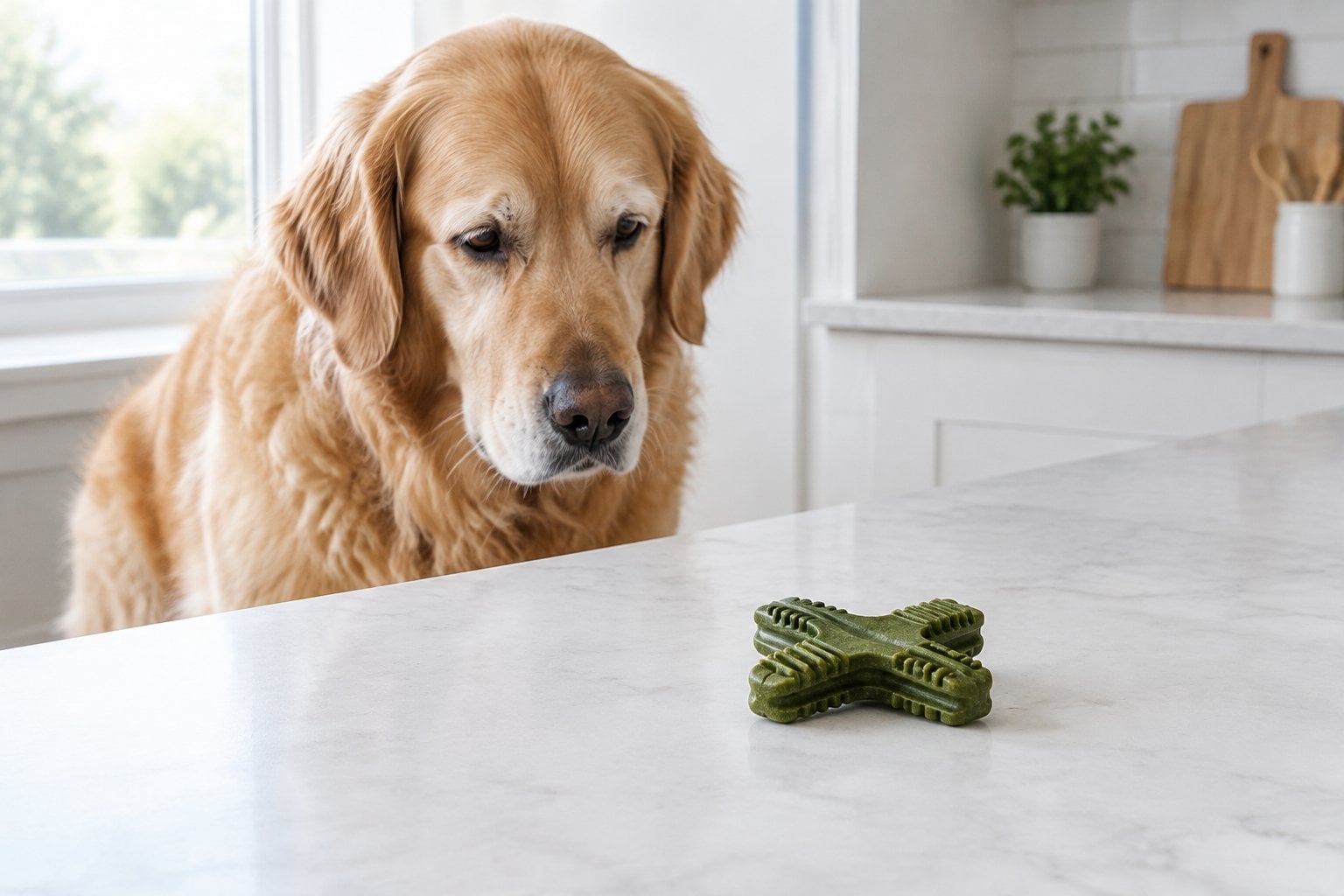
You will find Dentastix marketed heavily on dental benefits, but the ingredient list tells a different story. The treat relies on wheat flour, rice flour, and gelatin as primary components, with sweet-tasting ingredients like glycerin and sorbitol on the list. For a product positioned as a dental aid, the starch and sugar content works against the stated purpose.
Critics point out that a starch-heavy chew is an odd fit for a dental product, even with the X-shape design meant to scrape tartar.
You should also note the caloric density. The large size is calorie-dense, and the packaging recommends daily use, which adds up quickly for dogs already managing their weight.
If your dog has grain sensitivities, the wheat-heavy formula may cause digestive upset. Given the reliance on refined carbohydrates over named meat proteins, you’re paying mostly for convenience and marketing.
8. Rawhide retriever rolls
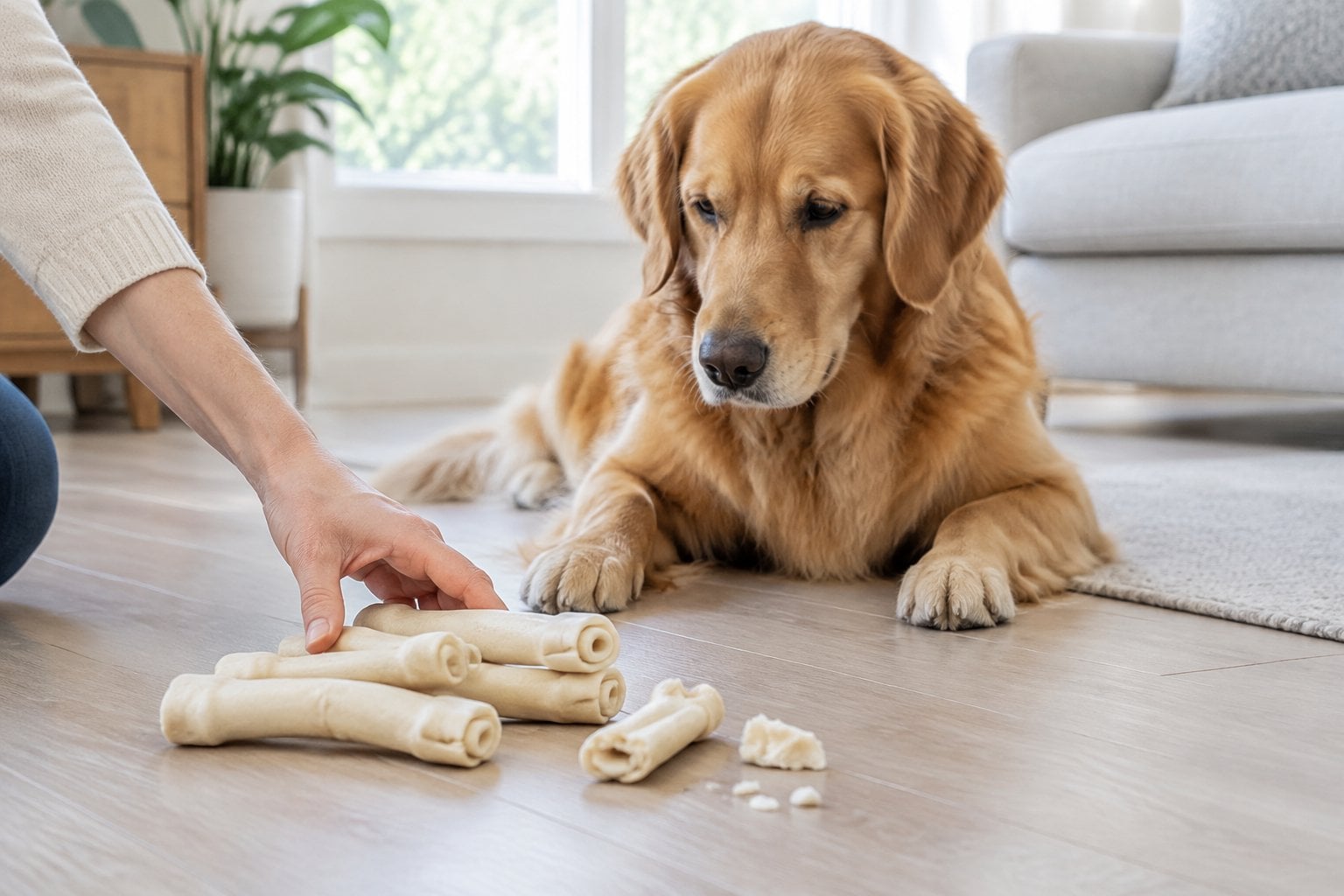
Rawhide retriever rolls are long, tightly wound chews marketed for larger dogs and extended chewing sessions. Their size and density are the exact features that make them risky. If your dog manages to tear off a large piece, that piece can lodge in the esophagus or block the intestines.
The rawhide used in these rolls goes through processing that often includes chemical treatments to clean and soften the hide. Residue from these processes can remain on the final product. Some rolls are also treated with artificial flavoring or preservatives to make them more appealing, which adds ingredients your dog doesn’t need.
Vets commonly see rawhide-related choking and blockage cases, and retriever rolls are frequently involved because of their thickness. Dogs that chew aggressively are at higher risk, regardless of breed size.
If you want to give your dog a long-lasting chew, look for alternatives specifically designed to break down safely, such as digestible dental chews. Monitoring your dog closely during rawhide use is essential, but avoiding it altogether removes the risk entirely.
9. Rawhide knots

Rawhide knots are among the most popular chews you can buy, but they carry real risks for your dog. The knotted ends are designed to be gnawed down over time, yet many dogs bite off large chunks instead of slowly working through them.
Those chunks don’t break down easily in your dog’s stomach. Rawhide softens into a slippery, stretchy mass when wet, which makes it difficult to pass through the digestive tract.
Vets commonly treat dogs for choking and intestinal blockages linked to rawhide. Surgery is sometimes required to remove pieces that get lodged, and smaller breeds face higher risk because their airways and intestines are narrower.
You should also consider how rawhide is processed. Many knots are treated with chemicals during tanning, and some imported products have been flagged for containing trace contaminants.
If you give your dog rawhide knots, always supervise them closely and take the chew away once it gets small enough to swallow. For a safer option, look for chews specifically designed to break down more easily in digestion.
10. Rawhide chips
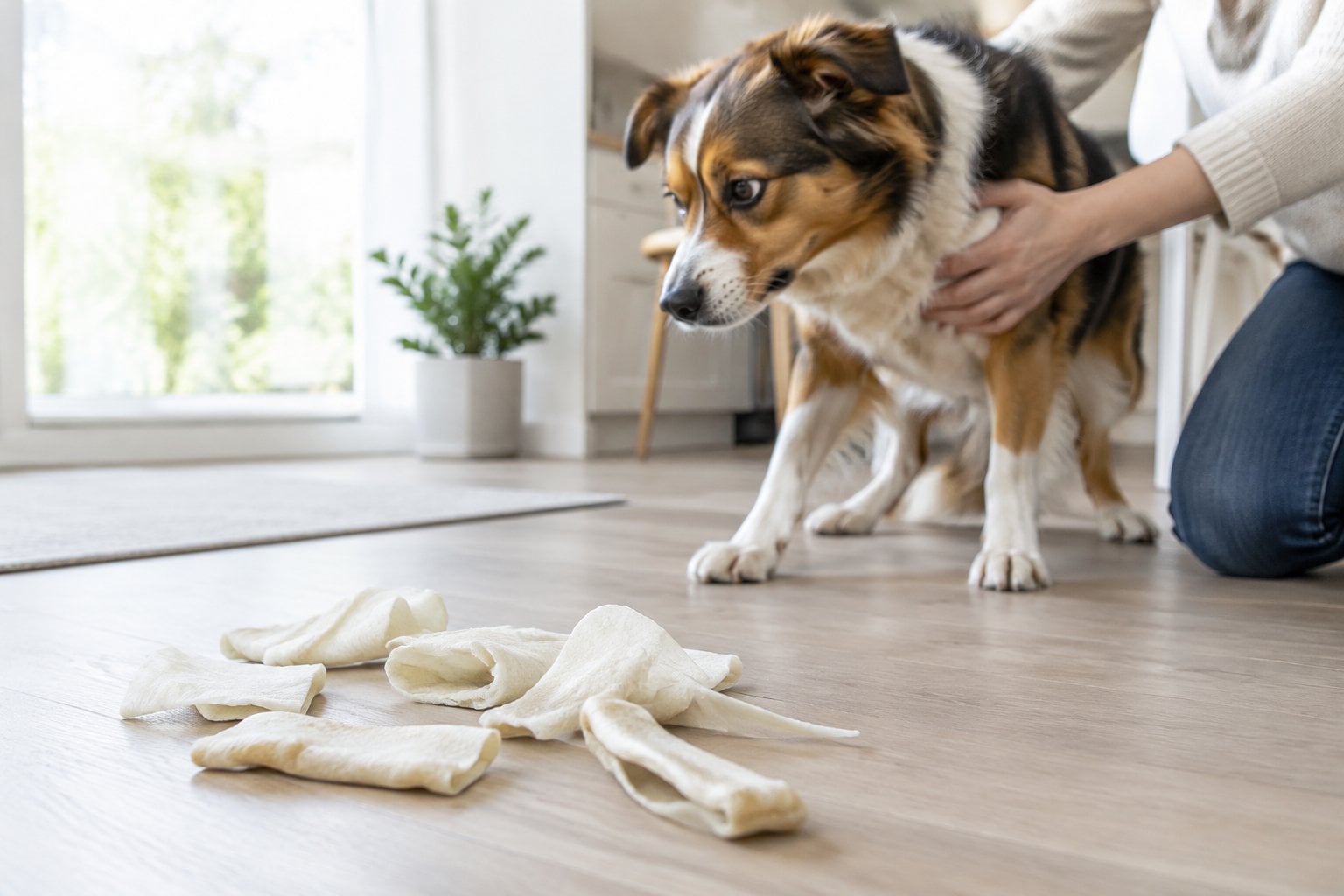
Rawhide chips are made from the inner layer of cow or horse hides, processed and dried into small pieces. You’ll find them marketed as a cheaper alternative to rawhide bones, but the processing methods raise similar concerns.
Many rawhide chips are treated with chemicals during manufacturing, including bleaching agents and preservatives. Some products are also sourced from overseas tanneries, where regulations on chemical use differ from domestic standards.
The main physical risk comes from how quickly chips break down in your dog’s mouth. Unlike larger rawhide bones, chips soften fast and can be swallowed in large pieces, which increases choking risk and the chance of gastrointestinal blockages.
Veterinarians frequently see dogs that require emergency treatment after swallowing rawhide chips whole, especially smaller breeds or dogs that tend to gulp their food.
Digestive upset is another common issue, since rawhide is difficult for dogs to break down fully. You may notice vomiting, diarrhea, or lethargy after your dog eats these chips.
If you choose to give your dog rawhide chips, supervision is essential, and you should remove any pieces that become small enough to swallow whole.
11. Smoked Ham Bones and Store-Bought Cooked Bones
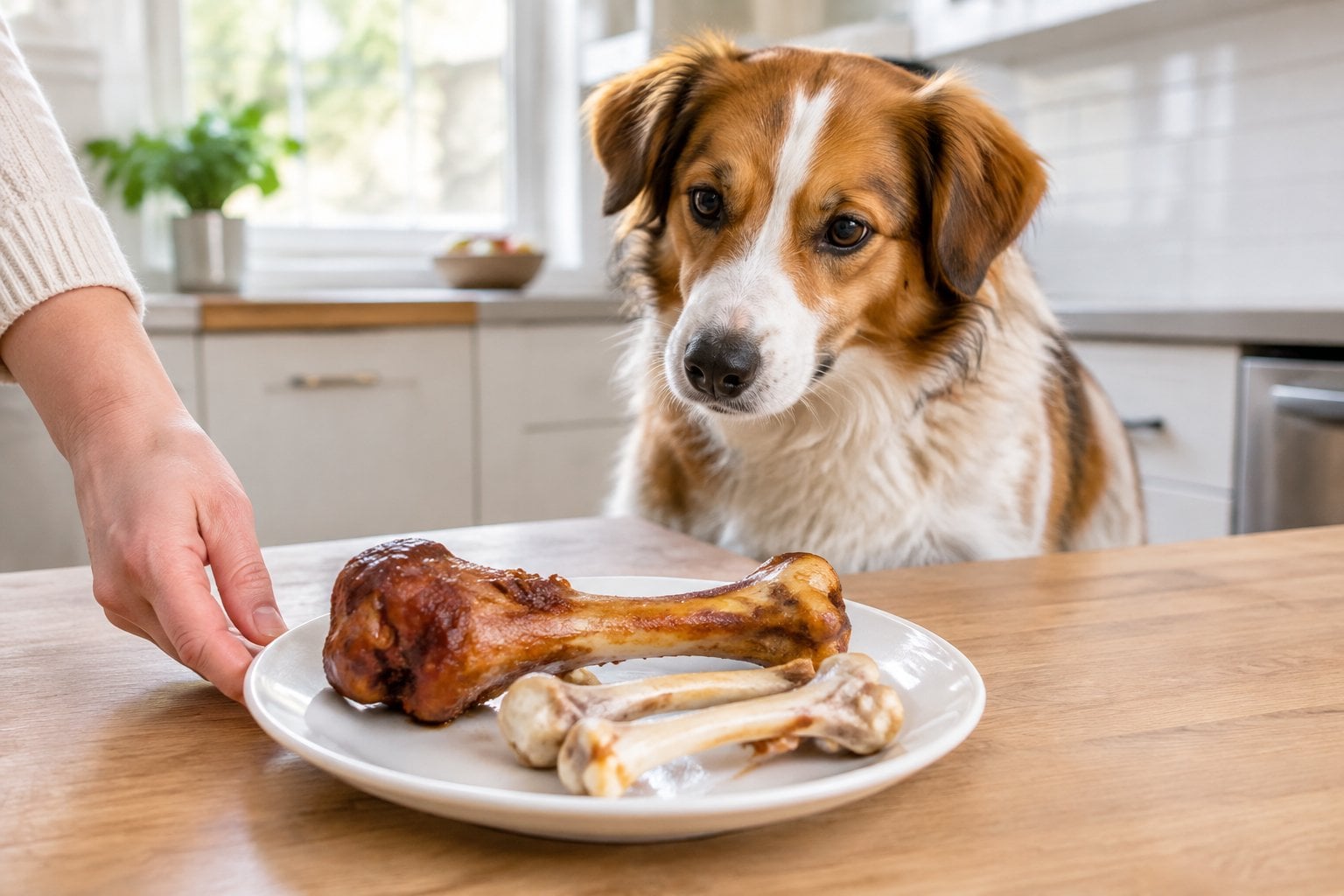
If you buy smoked ham bones from a pet store, you are giving your dog a product that has already been cooked before packaging. Cooking changes the structure of bone, making it brittle and prone to splintering under pressure from a dog’s jaw. Unlike raw bone, which can flex slightly, cooked bone tends to crack into sharp fragments.
These fragments create real risks. You may see your dog chip a tooth, cut their gums, or swallow a shard that gets lodged in the throat. Sharp pieces can also puncture the esophagus, stomach lining, or intestinal wall as they pass through the digestive tract, sometimes requiring emergency surgery to remove.
Many smoked bone products sold commercially carry warning labels advising supervision, but supervision does not prevent the bone from splintering once your dog starts chewing aggressively. You should also know that smoked bones are often coated in flavorings or preservatives that can upset your dog’s stomach, even if the bone itself does not break apart. Vets commonly list smoked and cooked bones among the chews most associated with emergency visits for obstructions and internal injuries.
12. Pig Ears
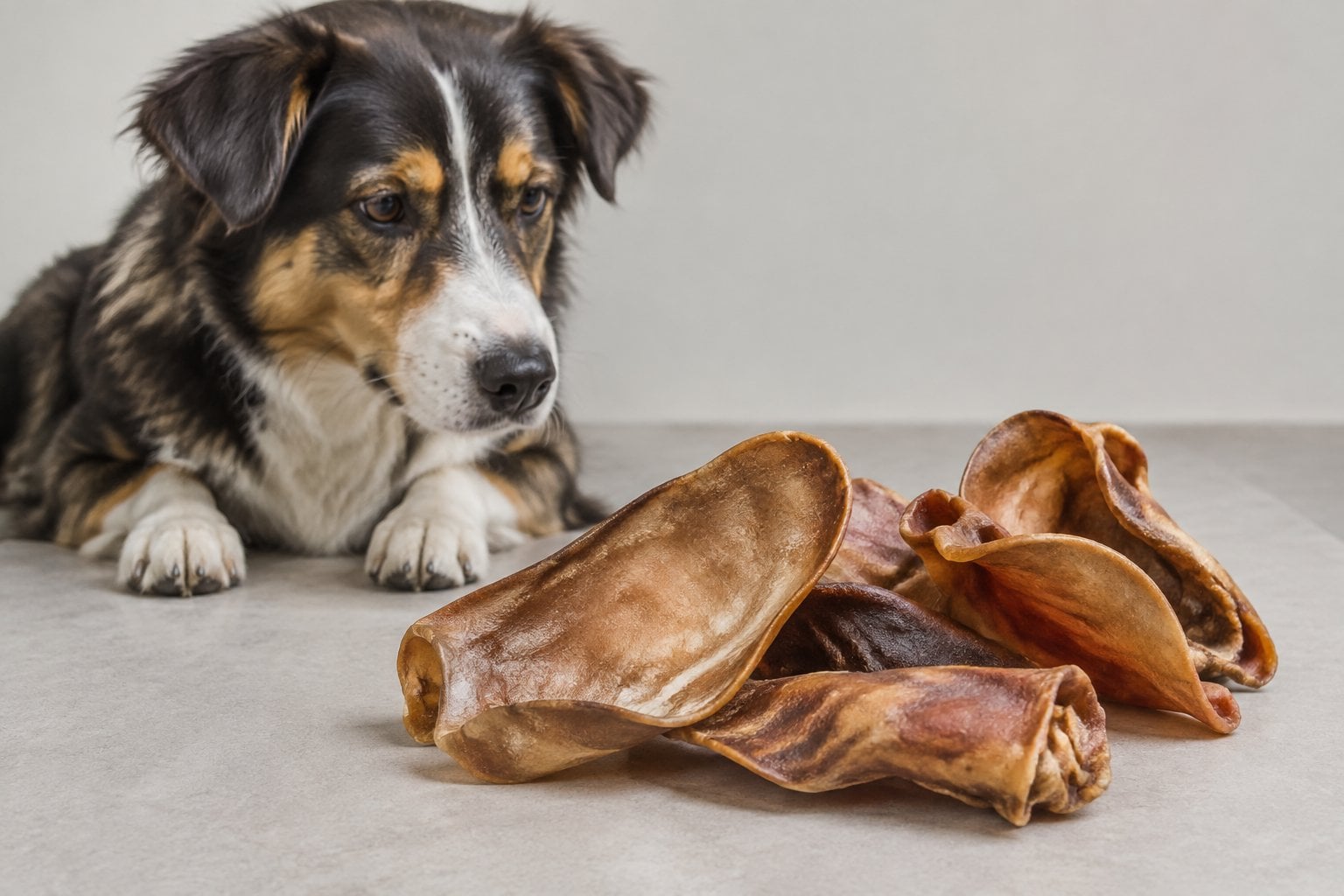
Pig ears are a popular single-ingredient chew, but their safety record has drawn repeated scrutiny. Multiple multistate Salmonella outbreaks linked to pig ear pet treats have been documented, with cases traced back to contaminated products sold under various brand names. If your dog eats a contaminated ear, you risk exposure too, especially when handling the product or cleaning up after your pet.
You should also know that pig ears are high in fat. Dogs with sensitive stomachs or a history of pancreatitis can react poorly to this type of rich, fatty chew. Vomiting, diarrhea, and lethargy are common complaints reported by owners after feeding them.
Choking and blockage risks exist as well. Pig ears soften quickly and some dogs tear off large chunks and swallow them whole. If your dog gulps rather than chews, you could end up dealing with a gastrointestinal obstruction that requires veterinary care.
Many brands lack consistent sourcing and processing standards, which makes contamination harder to predict. Even recalled batches have made it onto store shelves before action was taken.
13. Antlers sold as hard chews

Deer and elk antlers are marketed as long-lasting, natural chews, and that durability is exactly the problem. Antlers rank among the hardest chews you can buy, and that density puts your dog’s teeth at risk.
Veterinary dentists regularly report fractured premolars and molars linked to antler chewing. The most common injury is a slab fracture, where a large piece of the tooth’s enamel and dentin cracks off. These breaks often expose the sensitive pulp inside, leading to pain and infection that may not be obvious until the damage is advanced.
A simple rule used by many vets is the “kneecap test”: if you wouldn’t want to hit your kneecap with the chew, it’s too hard for your dog’s teeth. Antlers fail this test easily.
Beyond dental fractures, antler pieces can splinter into sharp fragments. These fragments pose choking hazards and can cause cuts or punctures inside the mouth, throat, or digestive tract.
Antlers also vary widely in hardness depending on the animal and how they were processed, so you can’t always predict risk by size or brand alone.
14. Horns sold as hard chews
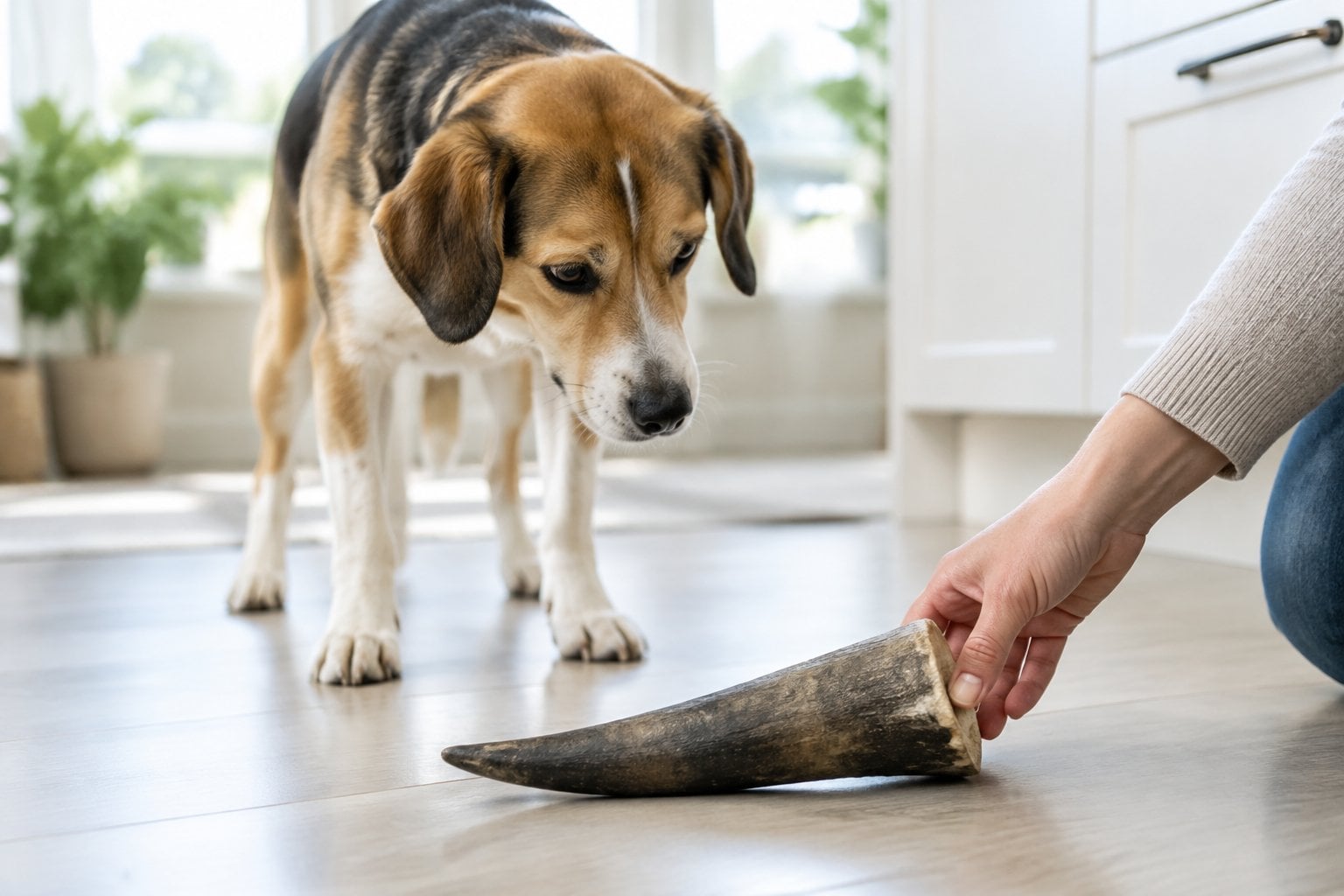
Horn chews, usually made from cow or water buffalo horn, are marketed as a long-lasting, natural alternative to antlers. You may see them labeled as odor-free or low-fat, which makes them appealing if you are trying to avoid rawhide or processed treats.
The problem is their density. Horn chews do not flex or give the way softer chews do, so they put a lot of force on your dog’s teeth with every bite.
Veterinary dentists commonly link this type of chew to slab fractures, where a large piece of the tooth, usually a upper fourth premolar, cracks off. These fractures often expose the pulp and require extraction or root canal treatment, both of which involve anesthesia and significant cost.
Horn chews also splinter as your dog wears them down, creating sharp edges. If swallowed, these fragments can scrape the throat or get stuck in the esophagus or intestines.
Because horn does not break down easily, it can sit in your dog’s stomach for a while, so you should watch for vomiting or reduced appetite if a chunk goes missing.
15. Hooves sold as dog chews
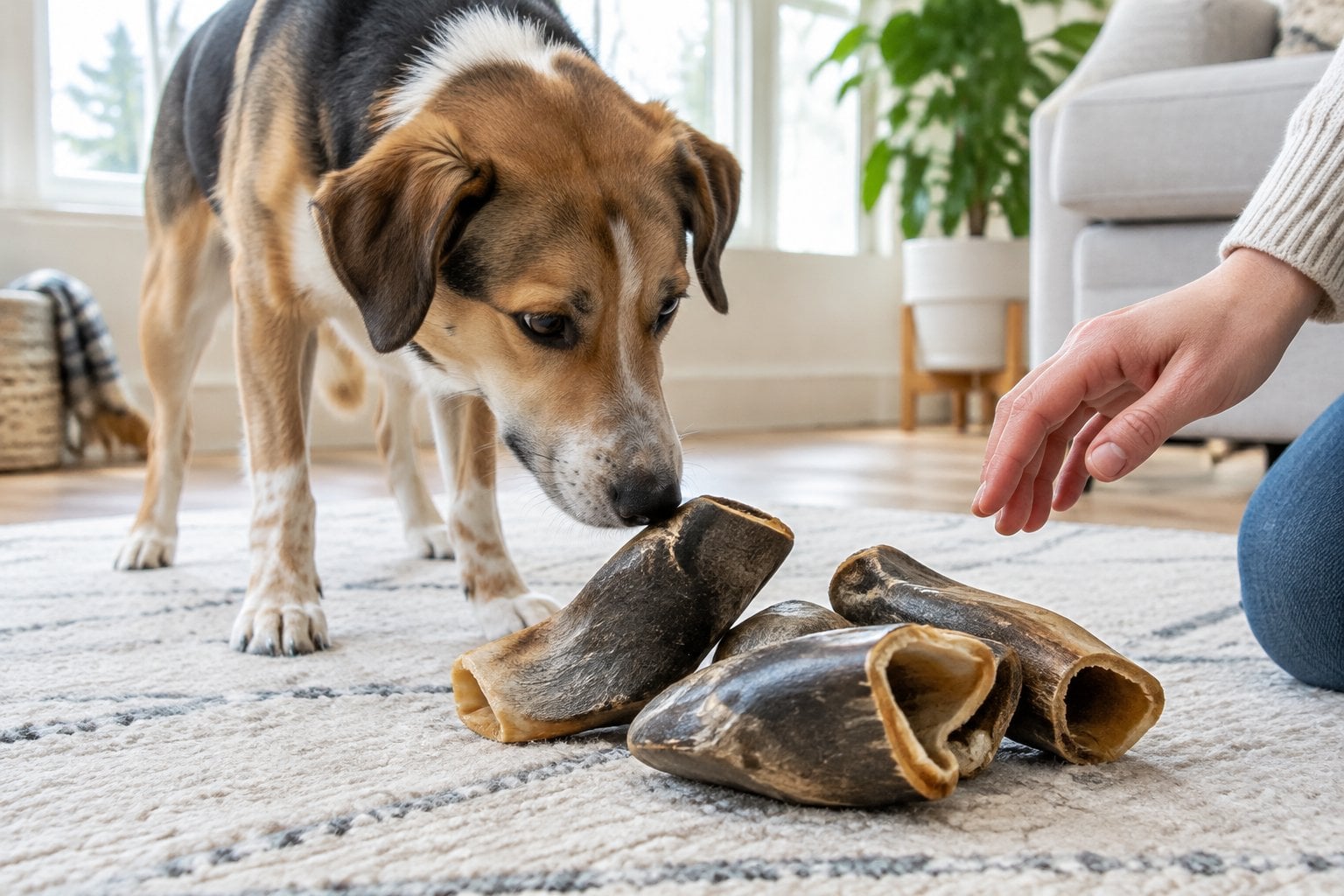
Cow hooves are marketed as a natural, long-lasting chew, but their structure makes them one of the riskier options on pet store shelves. The material is extremely hard and dense, which means it does not flex or soften the way some other chews do.
This hardness is the main concern. Veterinarians commonly treat dogs for fractured teeth, particularly the large upper carnassial teeth, after aggressive chewing on hooves.
Hooves also tend to splinter or crack into sharp-edged pieces as your dog works through them. Those fragments can cut the mouth, get lodged in the throat, or cause blockages if swallowed.
Hollow hooves present an additional hazard: your dog’s lower jaw can become wedged inside the curved cavity, leading to a stressful emergency extraction.
Processing adds another layer of risk. Many hoof chews are dried or baked without strict quality controls, and odor or bacterial contamination is a frequent complaint among buyers.
Unlike rawhide or bully sticks, hooves do not break down easily in the stomach, so any swallowed pieces are more likely to require surgical removal rather than passing on their own.
16. Bully sticks left unsupervised

Bully sticks are not the problem on their own. The risk comes from leaving your dog alone with one for extended periods.
As the stick wears down, it becomes small enough to swallow whole. A piece that size can lodge in your dog’s throat or get stuck further down in the digestive tract.
You may notice your dog gulping instead of chewing once the stick shrinks to a few inches. This is often a sign they are trying to swallow the remaining piece rather than continue working it down naturally.
Bully sticks also carry a notable odor and are highly digestible, which means dogs tend to work through them quickly compared to synthetic chews. That speed increases the chance of a piece breaking off and being swallowed before you notice.
Vets commonly recommend taking the stick away once it gets short enough to fit in your dog’s mouth. Monitoring the chew from start to finish, rather than handing it over and walking away, is the safest approach for any dog, regardless of size or chewing habits.
17. Large, hard nylon chew treats
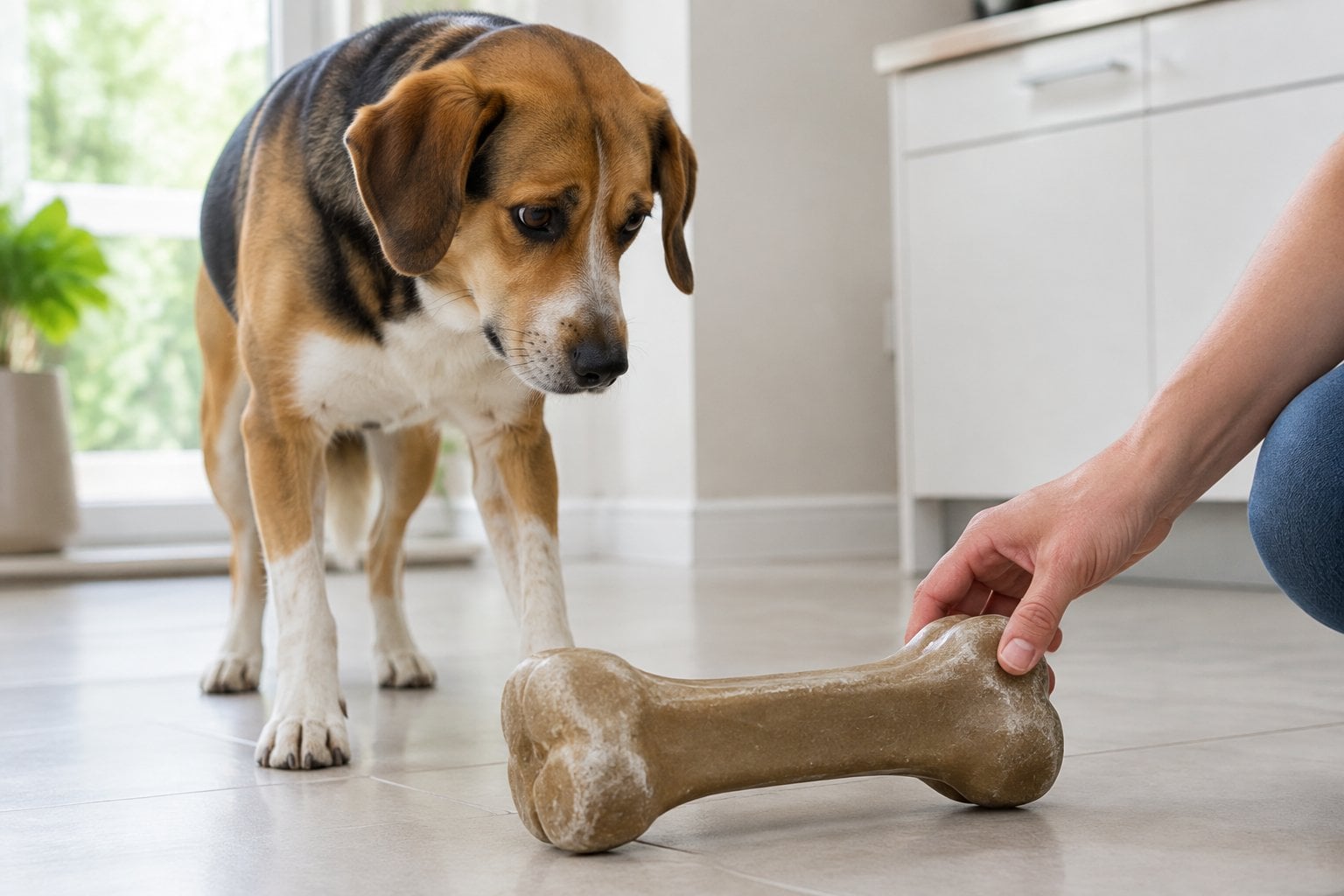
Nylon chews are marketed as nearly indestructible, and for the most part, that claim holds up. The problem is that this durability doesn’t translate to dental safety.
Veterinary dentists commonly warn that hard nylon products are a leading cause of slab fractures in dogs’ back molars. These breaks happen when a dog bites down at the wrong angle, and the tooth cracks rather than the chew.
Power chewers and bully breeds face the highest risk, since their bite force puts more pressure on each tooth. A fractured molar often requires extraction under anesthesia, which turns a cheap chew into an expensive vet bill.
Unlike natural chews that wear down or splinter in smaller pieces over time, nylon holds its shape and hardness for months or years. That means the same risky chewing pattern repeats every time your dog picks it up.
Sizing matters, but it doesn’t eliminate the underlying issue. Even a chew labeled for large dogs can still crack a tooth if your dog chews aggressively enough.
18. Treats containing xylitol
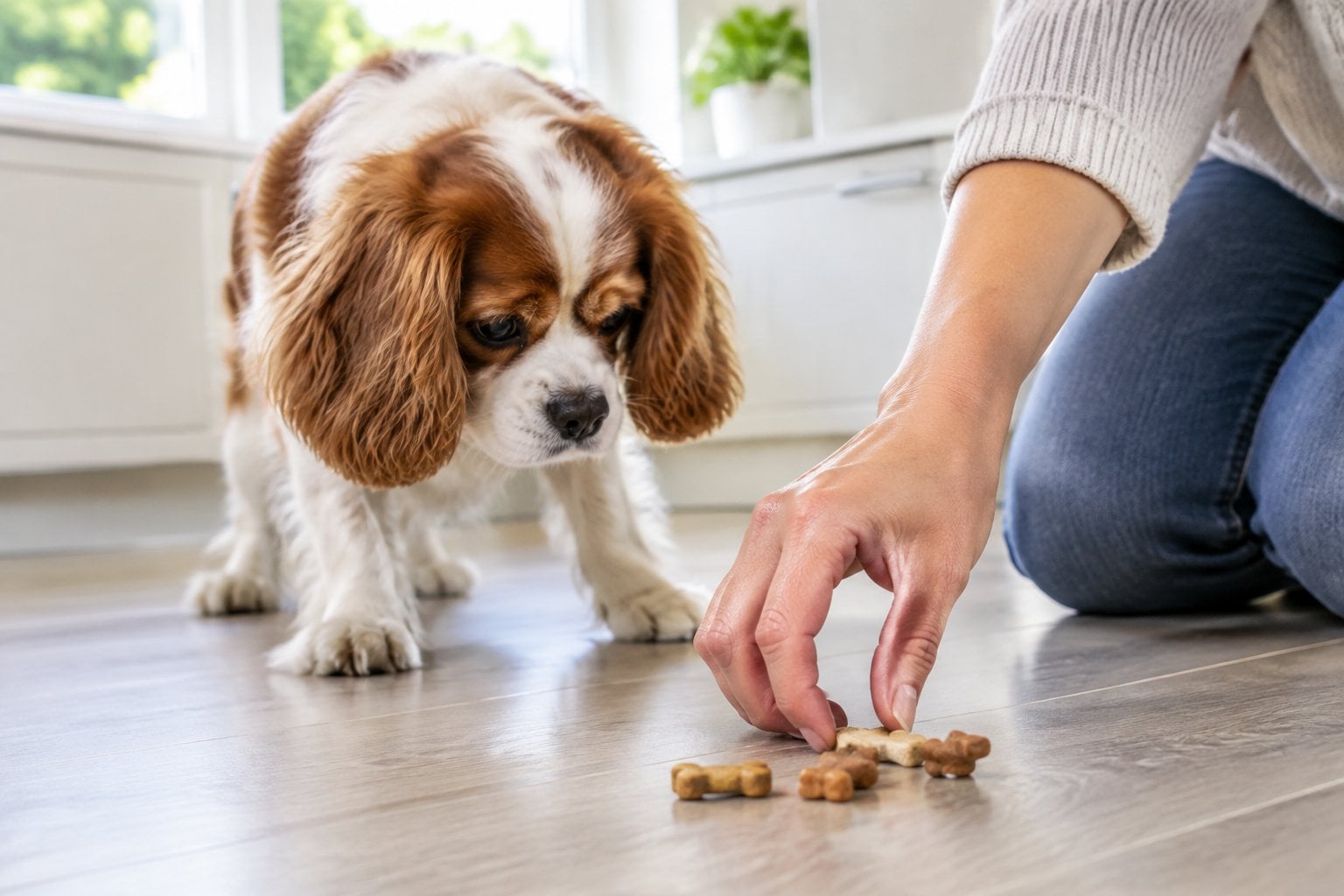
Xylitol is an artificial sweetener used in some low-sugar or “diet” baked goods marketed for dogs, including certain peanut butter-flavored biscuits and soft treats. You should check ingredient labels carefully, since xylitol can also appear under the name “birch sugar.”
Manufacturers sometimes add it to reduce sugar content, but it has no place in a product meant for canine consumption. Your dog’s body processes xylitol very differently than a human’s does, and even small amounts can trigger a rapid insulin release.
This can lead to a dangerous drop in blood sugar within minutes of ingestion. Symptoms you might notice include vomiting, weakness, loss of coordination, and seizures.
In more severe cases, xylitol exposure has been linked to liver failure, which can be fatal if not treated quickly. You should never assume a treat is safe just because it’s sold in a pet store, since some peanut butter dog treats and sugar-free jerky-style chews have been found to contain xylitol due to mislabeling or ingredient substitution by manufacturers.
If you buy any treat with a sweetener listed, verify it isn’t xylitol before giving it to your dog. Your safest approach is choosing treats with simple, transparent ingredient lists and avoiding anything labeled “sugar-free.”
19. Chicken Jerky Treats Made in China
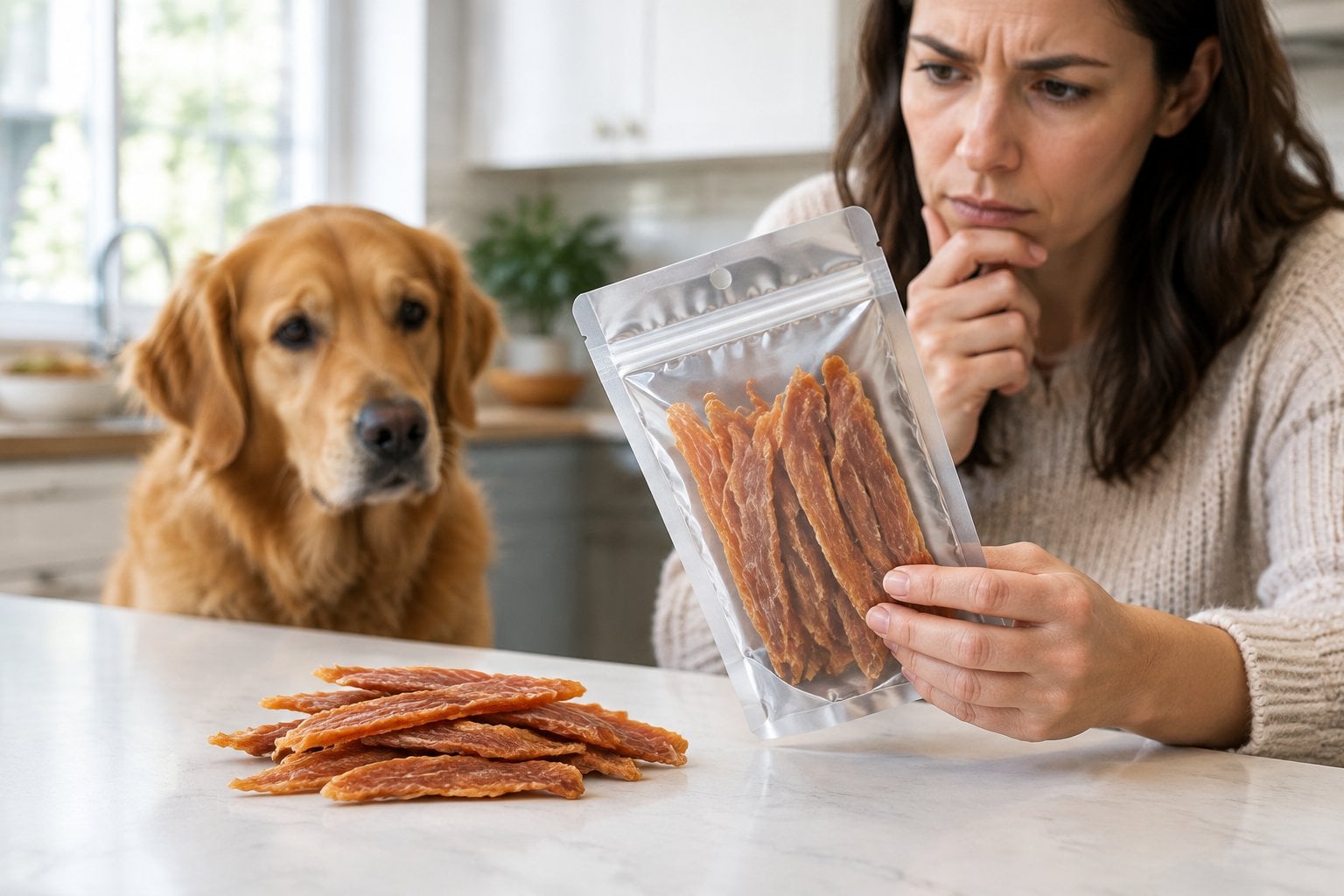
You should approach chicken jerky treats manufactured in China with caution. Starting in 2007, the FDA began receiving thousands of complaints linked to these products, reporting illnesses in dogs that included vomiting, diarrhea, decreased appetite, and increased thirst or urination.
In more severe cases, dogs developed kidney failure after regular consumption of these treats. Despite years of investigation, regulators never identified a single definitive contaminant responsible for every case.
If your dog eats jerky treats regularly, you may not immediately connect subtle symptoms like lethargy or reduced appetite to the product itself. That delay can allow health problems to progress before you seek veterinary care.
In 2013, several popular jerky brands made in China were pulled from shelves after New York state testing found residues of antibiotics that are not approved for poultry in the United States. You won’t always find clear country-of-origin labeling on packaging, which makes it harder to identify these products at a glance.
Choosing treats manufactured domestically, where sourcing and processing standards are more transparent, reduces your risk. Reading labels carefully and researching the manufacturer before purchasing jerky treats gives you better control over what you’re feeding your dog.
20. Raw-Coated and Freeze-Dried Raw Treats
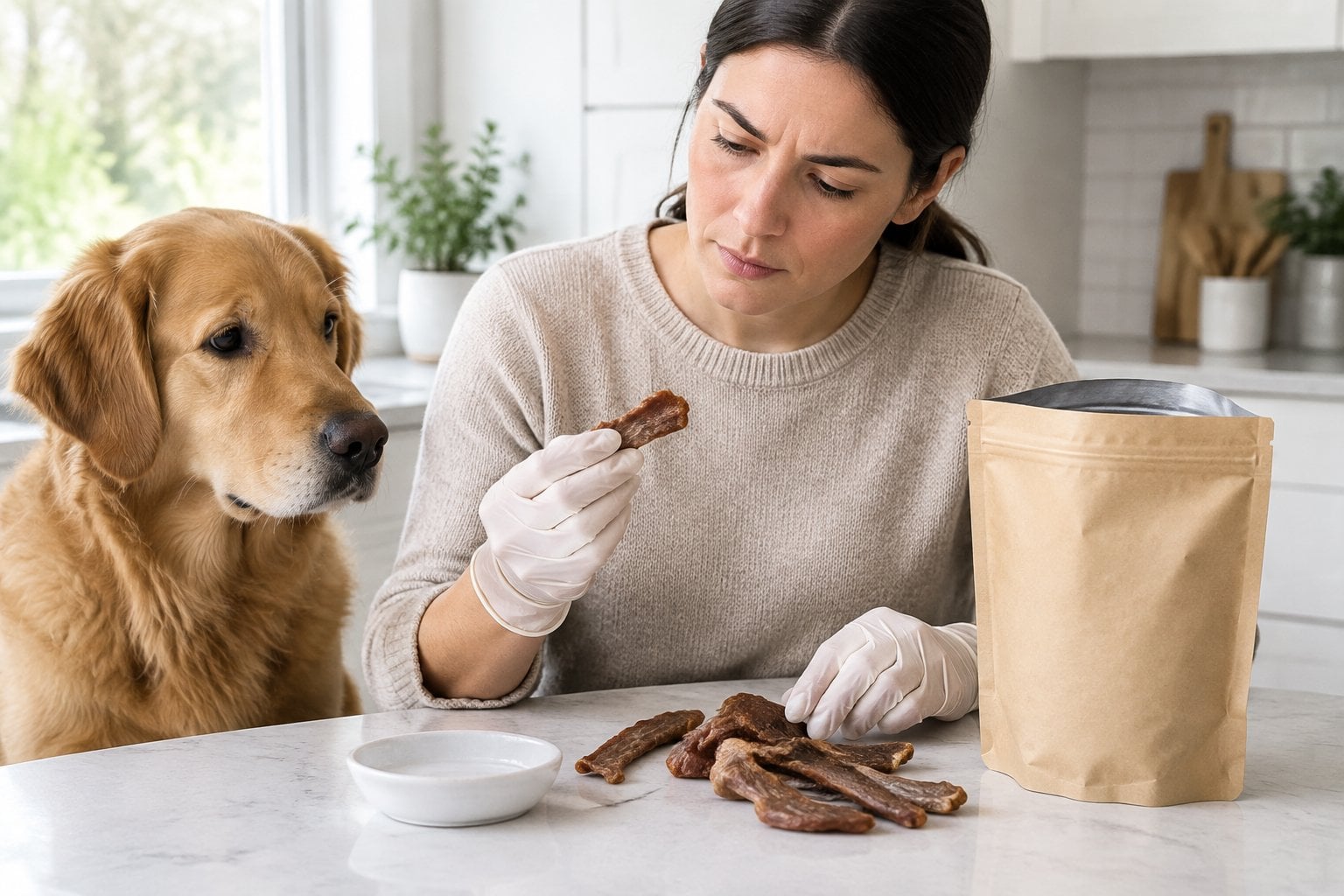
Raw-coated and freeze-dried raw treats are marketed as a cleaner, more natural option for your dog. The appeal is understandable: minimal processing, recognizable ingredients, and a texture that mimics fresh meat. But the raw component is exactly what makes these treats risky.
Freeze-drying removes moisture, not pathogens. Salmonella and Listeria can survive the process and remain present in the finished product. You’re handling these treats directly, so any contamination poses a risk to you as well as your dog.
The FDA has flagged raw and raw-coated pet products in multiple safety communications over the years. Several brands in this category have issued recalls after routine testing detected bacterial contamination. Dogs with compromised immune systems, puppies, and seniors are particularly vulnerable to illness from contaminated raw treats.
There’s also inconsistency across brands in sourcing and handling standards. Some products undergo high-pressure processing to reduce pathogen load, but not all manufacturers use this step. Without it, you’re relying entirely on freezer-level cleanliness during production, which isn’t something you can verify from the packaging.
21. Treats Preserved With BHA or BHT
If you check the ingredient list on many budget dog treats, you may notice BHA (butylated hydroxyanisole) or BHT (butylated hydroxytoluene) listed near the bottom. These are synthetic antioxidants used to keep fats from going rancid and extend shelf life.
You’ll often find them in dried jerky strips, basted rawhide chews, and shelf-stable biscuits that sit in warehouses for months before reaching store shelves. Manufacturers favor them because they’re cheap and effective at preservation.
The concern is that BHA has been classified by some health agencies as a substance reasonably anticipated to be a carcinogen based on animal studies. BHT raises similar questions, though research in dogs specifically is limited.
Neither additive is currently banned in pet food, and regulatory agencies allow them within certain limits. Still, many veterinarians and nutrition-focused brands recommend avoiding them when alternatives exist.
You can usually swap these treats for ones preserved with vitamin E (mixed tocopherols) or vitamin C instead. Reading labels carefully before buying is the easiest way to steer clear of BHA and BHT altogether.
22. Onion- or garlic-seasoned meat treats
Some jerky-style dog treats are flavored with onion or garlic powder to enhance taste for picky eaters. These seasonings belong to the allium family, which is toxic to dogs regardless of form, whether fresh, powdered, or dehydrated. Always check the ingredient label before buying any seasoned meat treat.
Onion and garlic contain compounds that damage red blood cells in dogs, leading to a condition called hemolytic anemia. Symptoms often don’t appear right away. You might not notice vomiting, lethargy, or pale gums until a day or two after your dog eats the treat.
Smaller breeds face higher risk because less of the toxic compound is needed to cause harm relative to their body weight. Even treats marketed as “natural” or “grain-free” can contain onion or garlic powder as a flavor enhancer, so you shouldn’t assume healthier packaging means safer ingredients.
Garlic is sometimes added in small amounts and marketed as beneficial for a dog’s coat or immune system. Veterinary toxicologists don’t support this claim, and the risk outweighs any unproven benefit. Your best option is to choose treats with a short ingredient list and no allium derivatives listed anywhere.
23. Heavily salted jerky treats
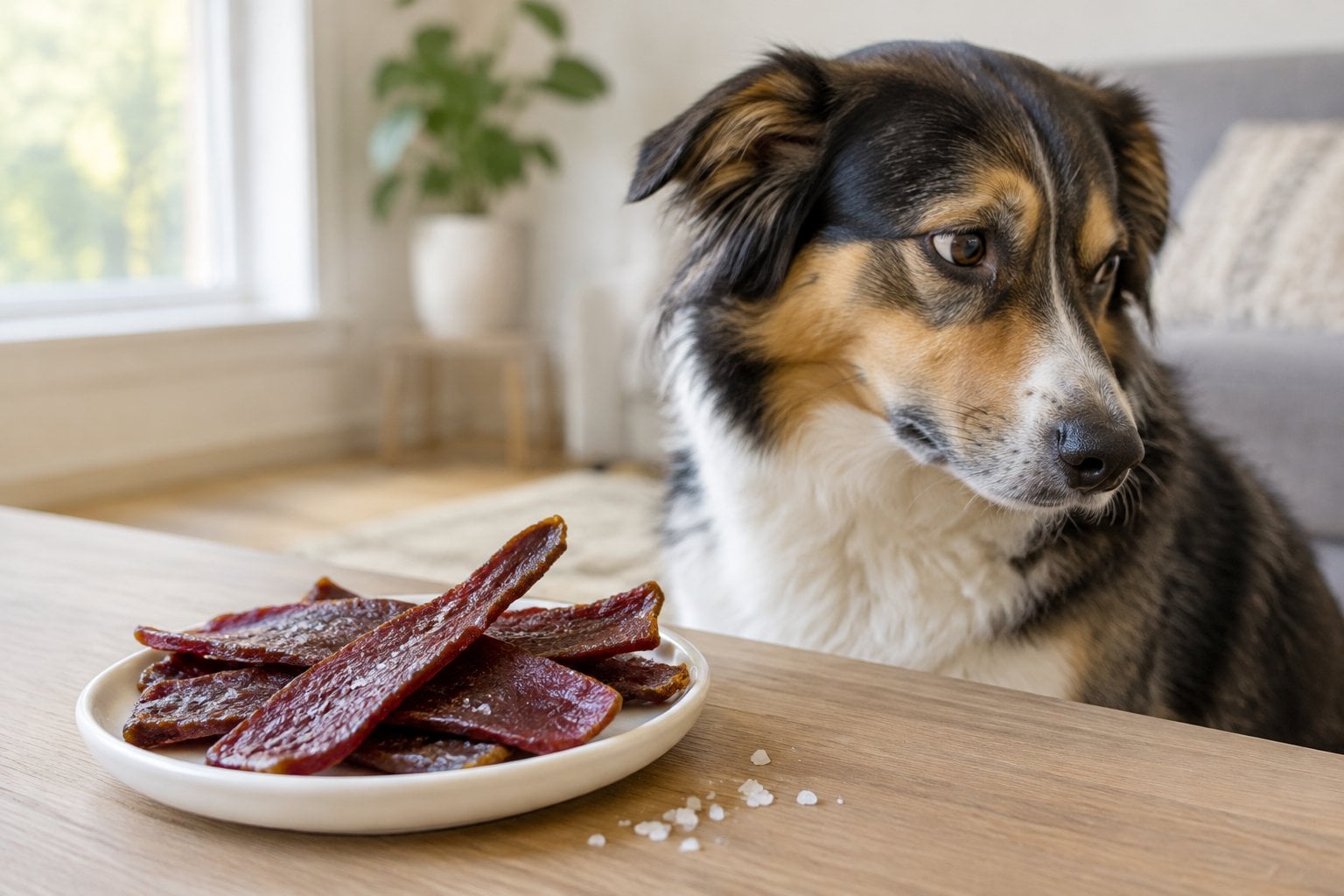
Jerky treats, especially imported varieties, often contain far more sodium than your dog needs. Manufacturers use salt as a preservative and flavor enhancer, which means a single piece can carry a significant portion of your dog’s daily sodium tolerance.
You should be cautious with chicken, duck, and sweet potato jerky products, particularly those made in China. The FDA has investigated jerky treats for years due to reports of illness linked to this category, including kidney problems and gastrointestinal distress in dogs who consumed them regularly.
Excess sodium intake can lead to increased thirst, frequent urination, and in severe cases, sodium ion poisoning. Symptoms you should watch for include vomiting, diarrhea, tremors, and lethargy after your dog eats a salty treat.
Smaller dogs face higher risk because their sodium threshold is lower relative to body weight. If you feed jerky treats, you should check the label for sodium content and avoid products that don’t disclose it. Choosing treats with transparent ingredient sourcing and lower salt levels protects your dog from unnecessary strain on their kidneys and cardiovascular system.
24. Fatty bacon-flavored treats
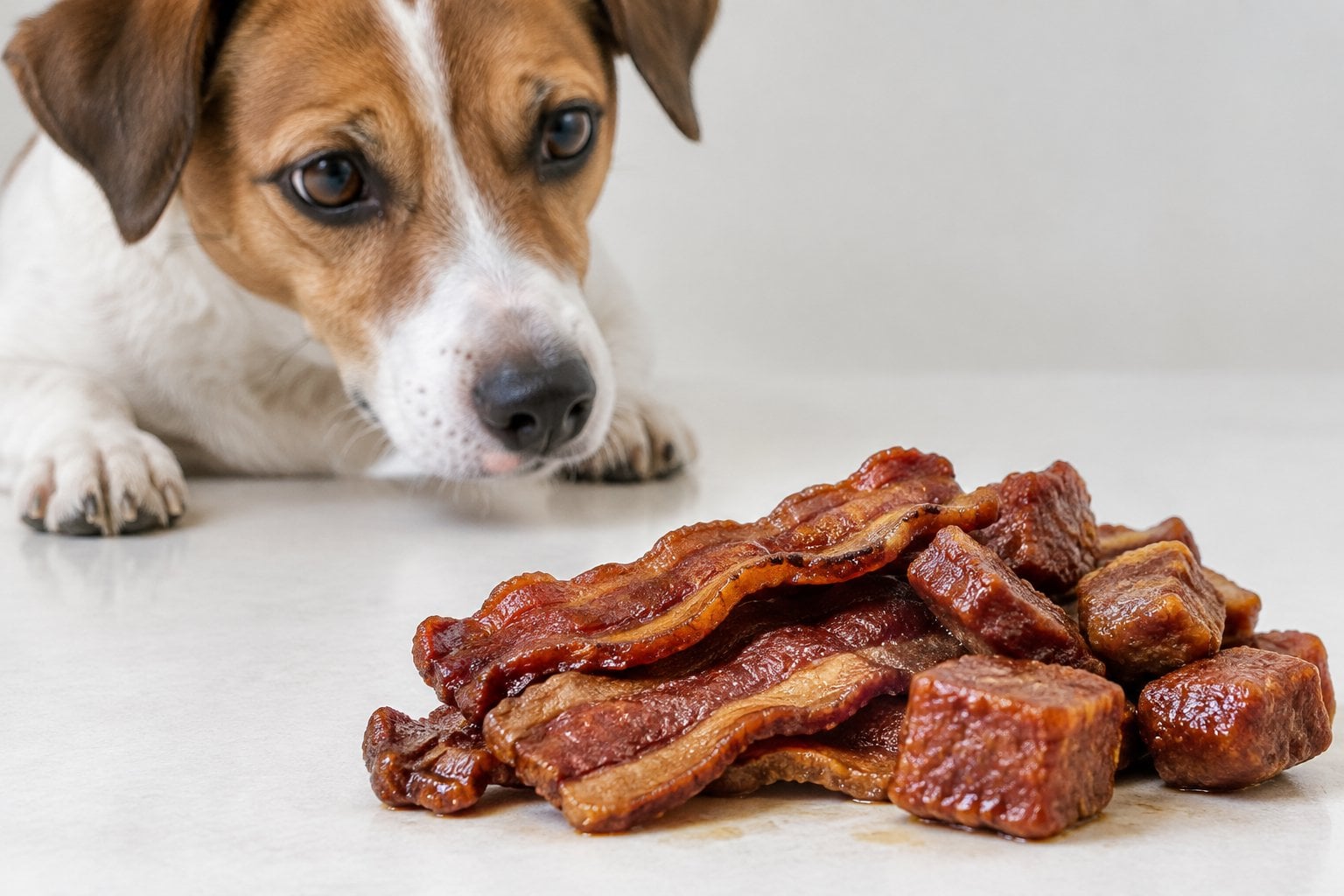
Bacon-flavored dog treats are often marketed as a high-reward option, but many of these products contain a significant amount of fat relative to their size. If you feed these treats frequently, you increase your dog’s risk of pancreatitis, a painful and sometimes serious inflammation of the pancreas.
Many bacon-flavored treats also rely on artificial smoke flavoring or “bacon fat” as a coating rather than actual meat. You may notice these products list fat or meat by-products high on the ingredient list, which can be a red flag for overall quality.
Dogs with a history of pancreatitis, obesity, or sensitive stomachs are particularly vulnerable to these treats. Even healthy dogs can experience digestive upset, including vomiting or diarrhea, if they consume too much fatty content at once.
You should also be cautious with bacon-flavored jerky-style treats, since some products in this category have been linked to recalls over the years due to contamination or inconsistent ingredient sourcing. Reading the label and checking for named fat sources rather than vague terms like “meat fat” gives you a clearer picture of what you’re actually feeding your dog.
25. Sugary frosted dog biscuits
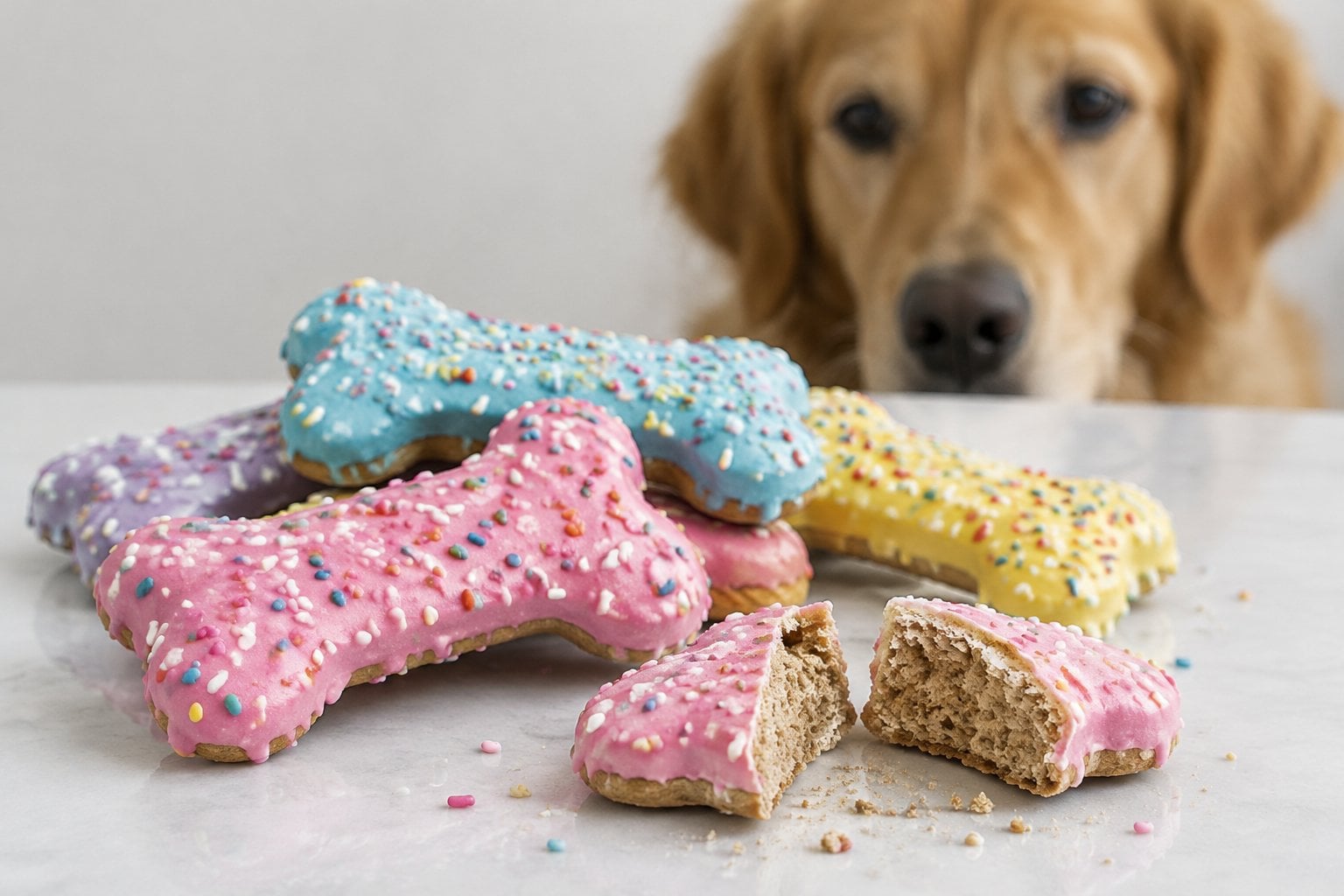
Frosted dog biscuits are designed to look appealing to you, not to benefit your dog. The bright icing is typically made from sugar, corn syrup, or similar sweeteners that serve no nutritional purpose for a canine diet.
Dogs don’t need added sugar in their food. Their bodies process sugar differently than ours, and regular consumption can contribute to weight gain and dental problems over time.
You’ll often find these biscuits marketed around holidays, with colorful frosting meant to catch your eye on the shelf. The problem is that the ingredient list usually places sugar or sweeteners near the top, sometimes above any meaningful protein source.
Dental health is a real concern here. Sticky frosting clings to teeth and gums, creating an environment where plaque and tartar build up faster than with plain biscuits.
Some frosted varieties also use artificial food dyes to make the icing more vibrant. These dyes offer no health benefit and have raised questions among veterinarians about long-term effects with frequent exposure.
If your dog has any tendency toward obesity or diabetes, these treats work against your efforts. You’re better off choosing biscuits without added sugar or frosting, since plain options satisfy the same chewing instinct without the extra calories.
26. Artificially colored novelty biscuits
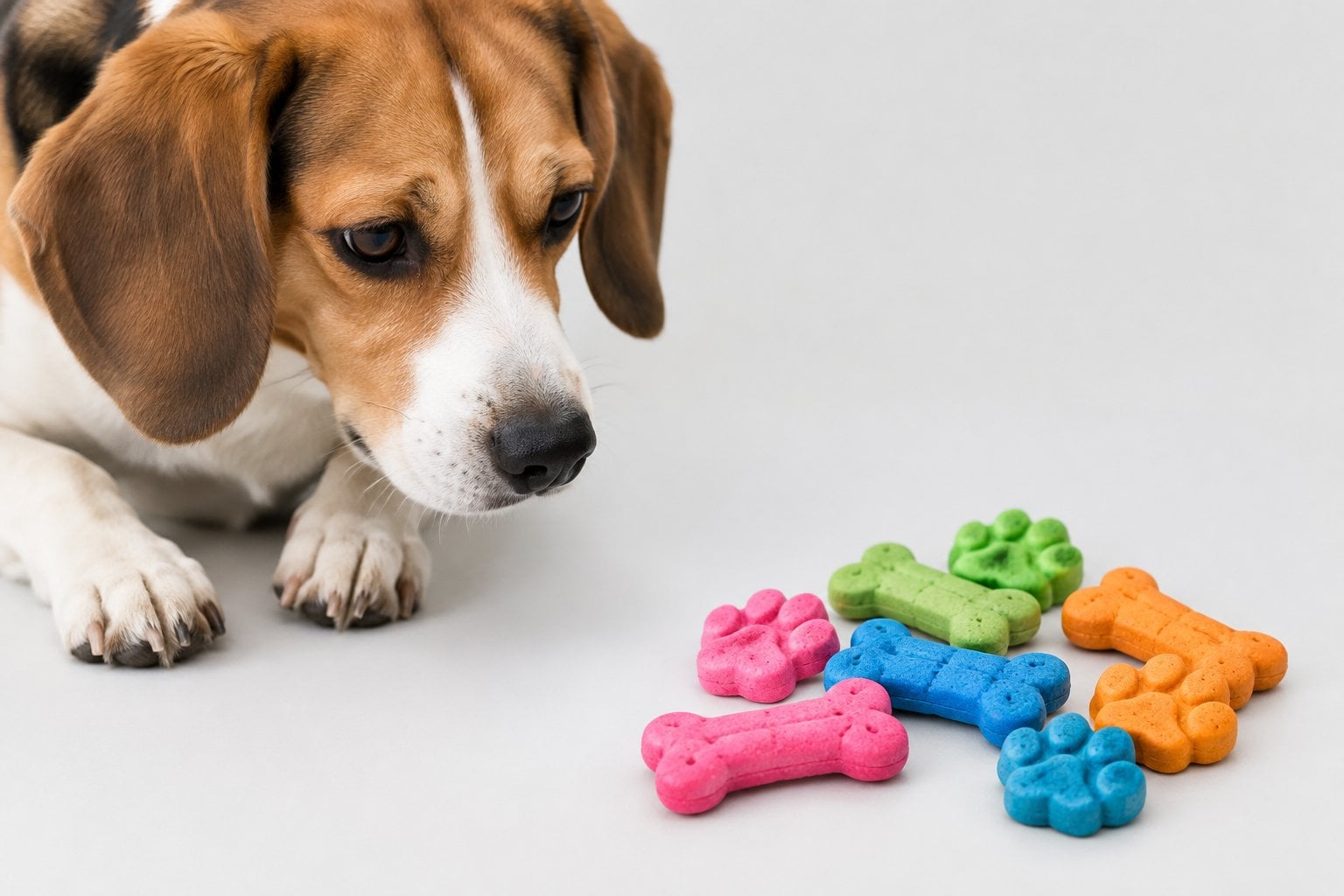
Bright blue, pink, and green dog biscuits shaped like bones, paw prints, or holiday figures might catch your eye on the shelf, but the coloring serves no nutritional purpose. These dyes exist purely for visual appeal to you, not your dog, since dogs don’t choose treats based on color.
Common additives in these products include Red 40, Yellow 5, and Blue 2, synthetic dyes that have drawn scrutiny for potential links to hyperactivity and allergic reactions in sensitive animals. While not every dog reacts negatively, there’s little upside to the risk when natural alternatives exist.
Many novelty biscuits pair these dyes with low-quality fillers like corn syrup or bleached wheat flour, further reducing their nutritional value. You’re often paying for appearance rather than substance.
Dogs with food sensitivities or skin conditions may be particularly vulnerable to artificial coloring agents. If you notice itching, digestive upset, or unusual behavior after introducing a colorful treat, the dye could be a contributing factor.
Choosing biscuits with natural coloring from sources like beet juice, turmeric, or spinach gives you a safer option without sacrificing visual variety.
27. Treats with propylene glycol
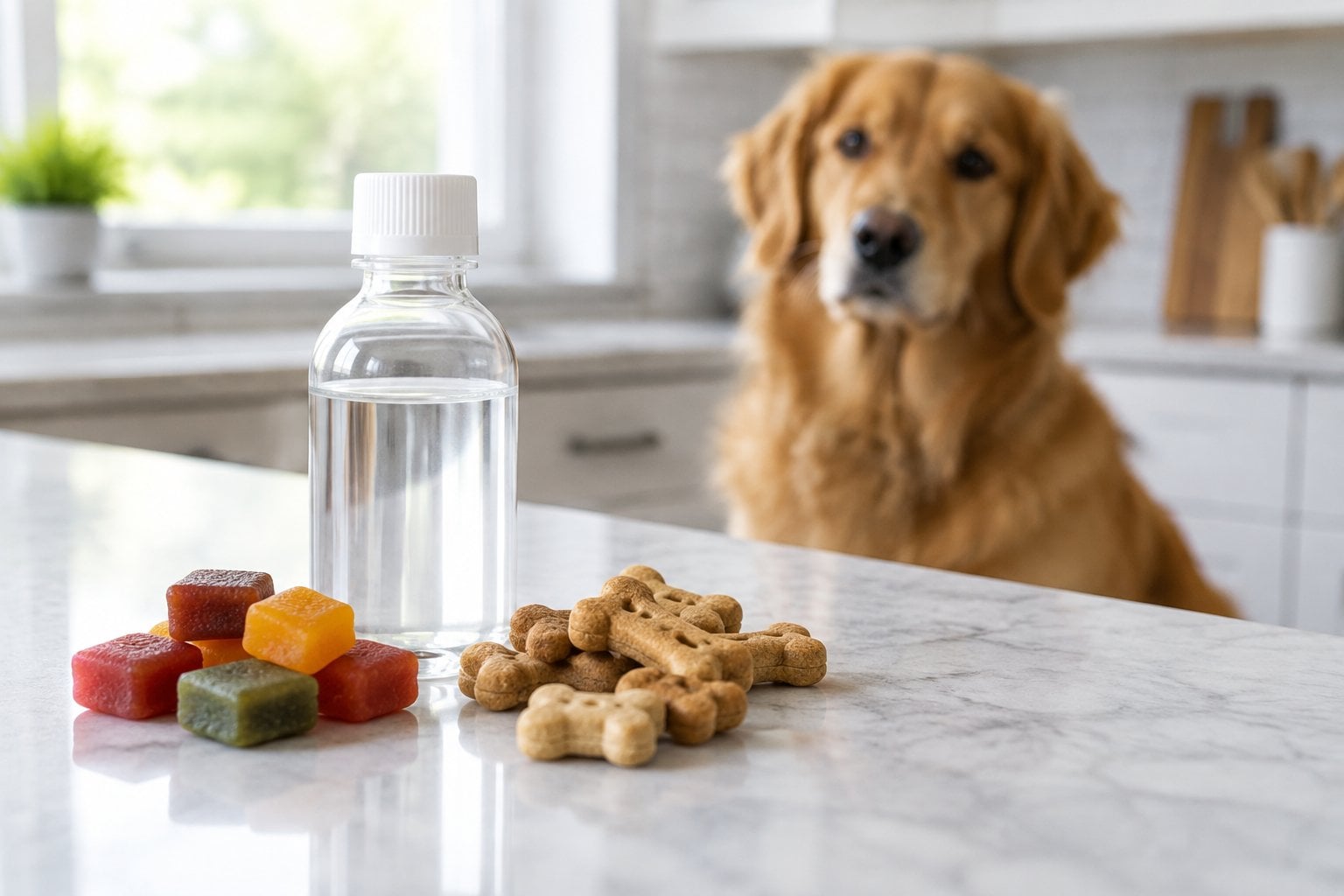
Propylene glycol shows up in soft, chewy dog treats as a humectant. It keeps the texture moist and pliable on store shelves for months at a time.
You’ll find it listed on bags of moist training treats, jerky-style strips, and soft chews meant to mask medication. Brands that produce semi-moist treats rely on it heavily to prevent the product from drying out or hardening in the package.
The FDA classifies propylene glycol as Generally Recognized As Safe for dogs, so it’s legal and common in canine products. That said, it’s worth knowing this is a different story for cats, since the same ingredient is banned in feline treats due to links with Heinz body anemia, a condition that damages red blood cells.
For dogs, the main concerns are different. Propylene glycol is a synthetic additive with no nutritional value, and it’s often found in treats that also contain artificial dyes, preservatives, and added sugars.
If you’re trying to feed your dog something closer to whole food, check the label before buying. Soft training treats are frequent offenders, so look for simpler ingredient lists if you want to avoid this one.
28. Treats with unspecified meat by-products
When you check the label and see “meat by-products” or “poultry by-products” without any further detail, you have no way of knowing what the treat actually contains. These vague terms can legally include organs, bone, and other animal parts not intended for direct human consumption. The ingredient itself isn’t automatically harmful, but the lack of specificity makes it impossible to assess quality or consistency.
You should be cautious with budget treats that rely heavily on this kind of labeling. Manufacturers often use unspecified by-products because they’re cheaper than naming a single, traceable protein source like chicken or beef. This also makes it harder for you to identify triggers if your dog has food sensitivities or allergies.
Unspecified by-products can vary from batch to batch, which means the nutritional content and quality aren’t guaranteed to stay consistent. If your dog has a reaction to a treat, you won’t know which specific protein caused it. Choosing treats with clearly named meat sources gives you more control over what you’re feeding and makes it easier to troubleshoot problems if they arise.
29. Duck and Sweet Potato Jerky Treats
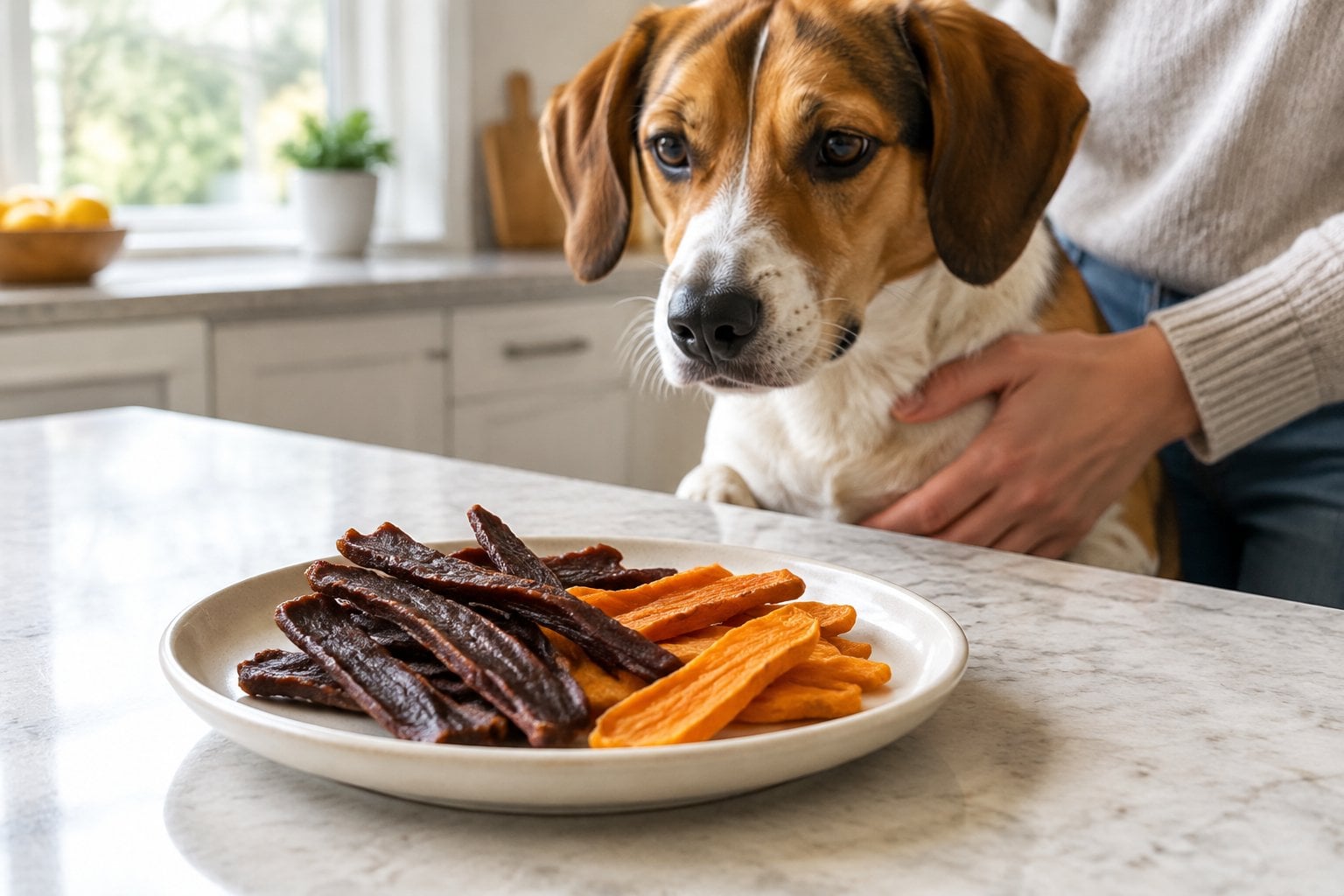
Duck and sweet potato jerky treats seem like a reasonable alternative if your dog has a chicken sensitivity. However, this category has a complicated history that you should know before buying.
Jerky treats, regardless of protein source, were at the center of a long-running FDA investigation into illnesses and deaths linked to jerky products, many of which were manufactured overseas. Duck jerky was specifically named in some of these reports. While the exact cause was never fully confirmed, the pattern was consistent enough that the FDA issued multiple public warnings over several years.
You should also watch for added preservatives, glycerin, and artificial flavorings that sometimes appear in lower-quality jerky brands. These additives offer no nutritional benefit and can contribute to digestive upset.
If you choose to give your dog this type of treat, look closely at sourcing and manufacturing location. Treats made domestically with minimal ingredients carry a lower risk than mass-produced imported versions. Moderation matters too, since jerky is calorie-dense and not meant to replace balanced meals.
30. Hard Compressed Dental Bones
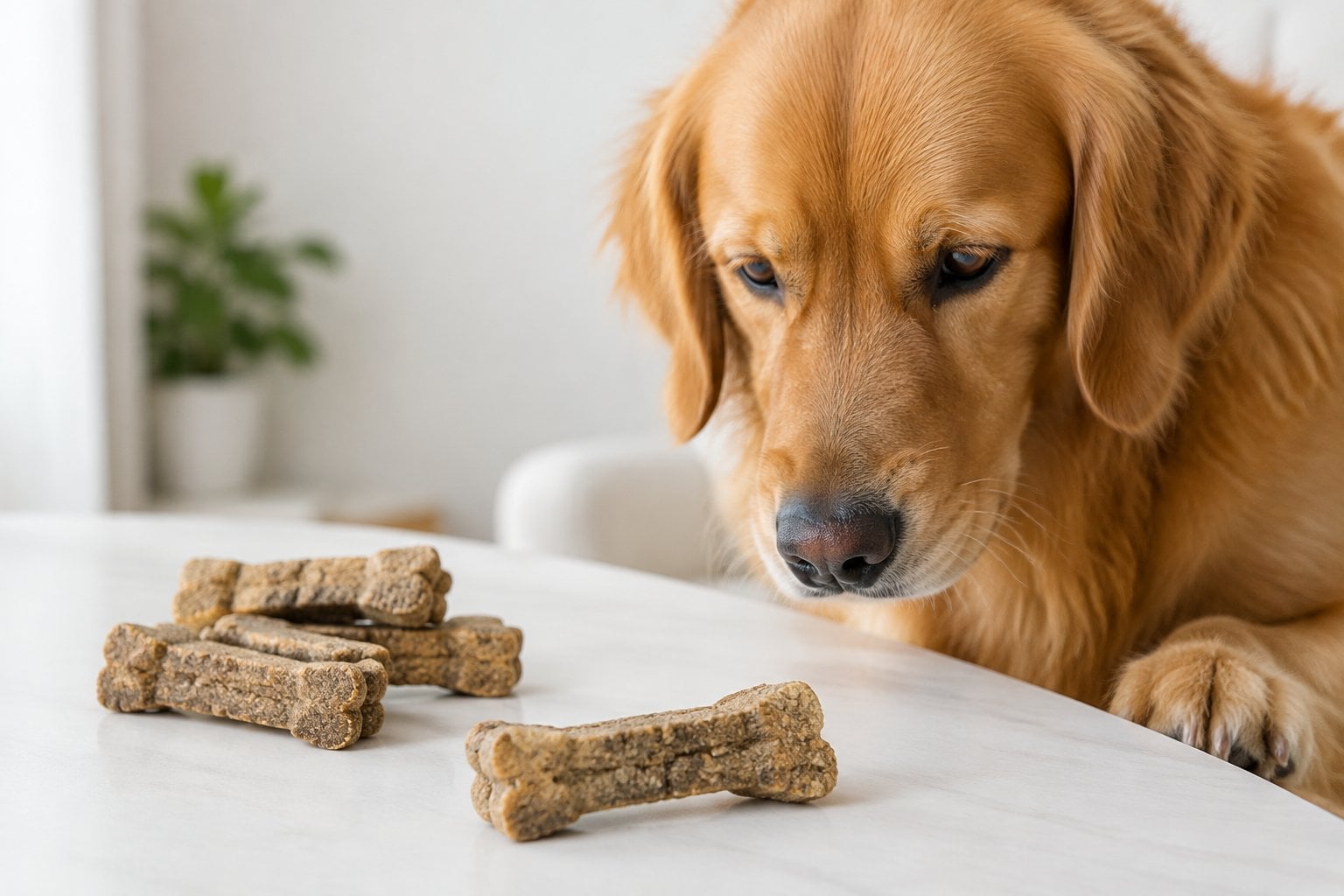
Hard compressed dental bones are dense, molded chews marketed to clean your dog’s teeth through repeated gnawing. Many are made by compacting starches, hide, or mineral fillers under high pressure, which creates a chew that feels more like stone than something digestible.
The main risk you take on with these bones is tooth fracture. Veterinary dentists commonly cite overly hard chews as a leading cause of slab fractures in dogs, especially in the large carnassial teeth used for heavy chewing. Unlike rubber or softer rawhide alternatives, compressed dental bones don’t flex or give when your dog bites down hard.
You also need to watch for how your dog actually chews the product. Aggressive chewers can break off large chunks rather than wearing the bone down gradually, which raises the chance of choking or an intestinal blockage. Because these bones are compressed rather than naturally pliable, pieces can stay firm even after being swallowed, making digestion harder on your dog’s system. If you choose one of these products, supervising your dog closely during use is a reasonable precaution.