The 25 Dog Food Brands With the Most Recalls
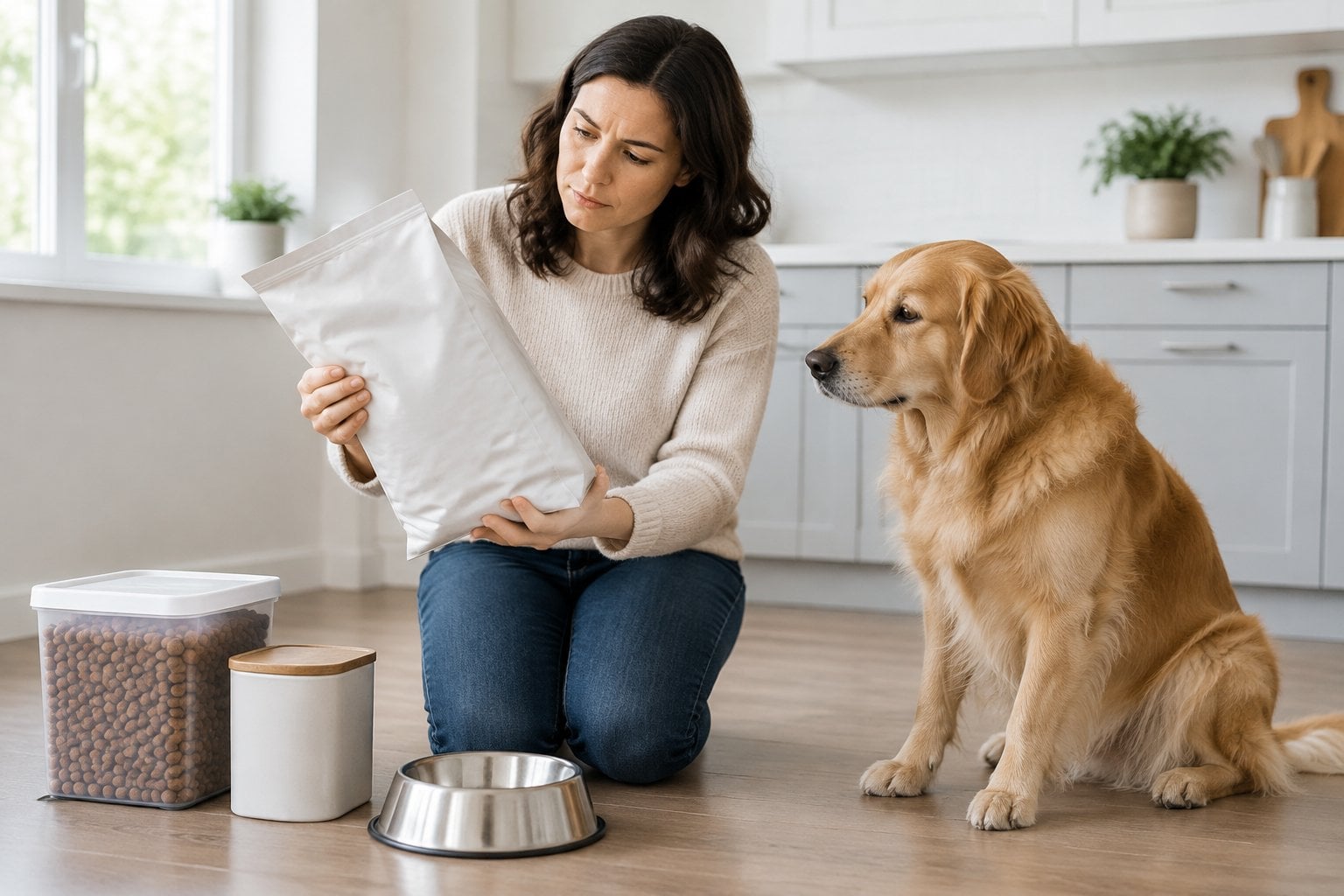
Dog food recalls happen more often than most owners realize, and some of the biggest names in the pet aisle have been part of them. Recalls have been triggered by salmonella, mold toxins, too much vitamin D, a euthanasia drug in meat ingredients, and bits of plastic or metal in cans.
A recall does not mean a brand is unsafe to feed today. Most recalls cover only a few lots, and companies usually fix the problem. But a brand’s recall history shows how it has handled safety in the past, and which problems are worth watching for.
These 25 well-known brands all have documented recalls or FDA warnings on record. Before you buy, you can check any product against the FDA’s list of pet food recalls and withdrawals, the most reliable place to confirm whether a lot is affected.
1. Purina
Purina, owned by Nestlé, is one of the biggest pet food makers in the world, so it is no surprise its name has come up in several recalls. In March 2016, Purina recalled some 10-ounce tubs of Pro Plan Savory Meals and Beneful Prepared Meals and Chopped Blends wet food made at its St. Joseph, Missouri plant. Batching errors had left them short on certain added vitamins and minerals, and the company said it knew of no dogs getting sick.
In 2023, Purina recalled some lots of Pro Plan Veterinary Diets EL Elemental, a prescription dry food, because of elevated vitamin D. Too much vitamin D can cause vomiting, increased thirst and, in serious cases, kidney problems.
Beneful also drew a wave of online complaints and a lawsuit in 2015, but that was not a recall, and no problem with the food was proven.
If you feed a Purina product, check the “best before” date and production code on the bag or can against current recall notices.
2. Hill’s Science Diet
Hill’s, owned by Colgate-Palmolive, is one of the brands vets recommend most often, which is why it shows up on lists of dog foods veterinarians recommend. Its biggest recall still caught many owners off guard.
In early 2019, Hill’s recalled dozens of canned Science Diet and Prescription Diet dog foods because a vitamin premix from a supplier contained too much vitamin D. The FDA received reports of dogs with signs of vitamin D toxicity, such as vomiting, loss of appetite, increased thirst and weight loss, and the recall led to class-action lawsuits.
Hill’s was also named in the 2007 melamine crisis, when one of its prescription cat foods was pulled from shelves.
If you buy Hill’s canned food, look at the lot code and date printed on the can and compare them with the recall notices from Hill’s or the FDA.
3. Iams
Iams has been around since 1946, and Mars, Incorporated has owned it in the U.S. since buying it from Procter & Gamble in 2014. Most of its recalls happened under P&G.
In 2007, some Iams canned and pouch foods were part of the huge melamine recall, because they were made by Menu Foods, the contract maker at the center of that crisis. In 2010, P&G recalled some Iams dry cat food over possible salmonella. Then in 2013, P&G recalled select lots of Iams and Eukanuba dry dog and cat food, again over possible salmonella contamination.
None of these recalls covered every Iams product. Each was limited to certain formulas and production dates, which is typical for large brands.
If you keep an older bag of Iams in storage, check the lot code and “best by” date, and remember that a recall usually covers only specific production runs, not the whole line.
4. Royal Canin
Royal Canin, owned by Mars, is a vet-clinic favorite known for breed-specific and prescription diets. Its recall record is short, but it includes two notable events.
In 2006, Royal Canin recalled certain foods because a vitamin premix from an outside supplier contained too much vitamin D3, and some sick dogs and cats were reported. In 2007, the company recalled some dog and cat foods after melamine was found in rice protein concentrate bought from a supplier. That was part of the same crisis that hit dozens of brands that year.
Both problems came from ingredients supplied by other companies, a pattern you will see again and again on this list. A brand is only as safe as the suppliers it buys from and the testing it does on what arrives.
If your dog eats a Royal Canin prescription diet, ask your vet clinic to tell you about any future notices, and check the lot number on the bag against FDA recall listings.
5. Blue Buffalo
Blue Buffalo, owned by General Mills since 2018, built its brand around natural ingredients, but it has had more recalls than its marketing might suggest.
In 2007, some Blue Buffalo products were pulled during the melamine crisis. In 2010, the company recalled several dry dog food formulas because of excess vitamin D. In 2017, it recalled one lot of Blue Wilderness Rocky Mountain Recipe Red Meat canned dog food over possible high levels of naturally occurring beef thyroid hormone, which can cause increased thirst, weight loss and restlessness. That same year it also recalled a lot of Homestyle Recipe canned food over possible aluminum.
Several of these recalls were limited to single lots, so they affected far fewer bags and cans than the headlines suggested.
If you feed Blue Buffalo, check your product name, lot code and “best by” date against the FDA list, especially for canned foods.
6. Diamond Pet Foods
Diamond Pet Foods makes its own brands plus food for many other labels, so its recalls tend to ripple across the pet aisle.
In late 2005, Diamond recalled dog and cat foods made at its Gaston, South Carolina plant after aflatoxin, a toxin from mold on corn, got into the food. Dozens of dogs died before the problem was found.
In 2012, salmonella at the same Gaston plant led to one of the largest pet food recalls ever. It covered Diamond’s own brands and other foods made there, including Kirkland Signature and Taste of the Wild, and health officials linked the outbreak to illnesses in people who handled the food.
Because Diamond makes food for other brands, the name on your bag may not tell the whole story. Check the production code on the bag, which often shows the plant where the food was made, and compare it with recall notices.
7. Nutro
Nutro, owned by Mars, markets itself on simple, non-GMO ingredients, and it has a few recalls on its record.
In 2007, some Nutro canned foods were pulled during the melamine recall, because they had been made by Menu Foods. In 2009, Nutro recalled some dry cat foods because of incorrect zinc and potassium levels. Later that year, it recalled select dry dog and cat foods after small pieces of melted plastic were found on a production line. The company traced the plastic to a worker’s protective cap and said only three products reached a small number of stores.
Nutro has had a quieter record since then, but the 2009 events show that recalls can come from mistakes inside the plant as well as from bad ingredients.
If you feed Nutro, check the UPC and “best by” date on your bag against current recall notices, and keep the bag until it is used up so you have the codes on hand.
8. Wellness
Wellness, made by Wellness Pet Company (formerly WellPet), is a premium natural brand with a handful of recalls.
In 2012, Wellness recalled one dry puppy formula, Complete Health Super5Mix Large Breed Puppy, because it had been made at Diamond’s Gaston plant during the salmonella outbreak. Later that year, it recalled some Small Breed Adult Health dry food because of excess moisture that could lead to mold.
In March 2017, Wellness recalled a limited number of cans of Wellness 95% Beef Topper for Dogs after the FDA told the company about three dogs with signs of high beef thyroid hormone. The company noted the topper was meant to be fed only as a supplement.
If you use Wellness toppers or canned food, check the “best by” date on the can against recall notices, and talk to your vet if your dog shows unusual thirst, weight loss or restlessness.
9. Gravy Train
Gravy Train is a budget brand that Post Holdings bought from J.M. Smucker in 2023, along with Kibbles ‘n Bits and Nature’s Recipe.
Its best-known problem came in February 2018. After a Washington, D.C. TV station had cans of Gravy Train tested and found pentobarbital, a drug used to euthanize animals, the FDA confirmed low levels of it in some lots. Smucker withdrew several canned products made at one plant, including Gravy Train, Kibbles ‘n Bits, Ol’ Roy and Skippy, and pointed to a single beef fat supplier.
The FDA said the levels it found were unlikely to harm pets, but pentobarbital should never be in pet food at all. The case led to new questions about where pet food meat comes from.
These products have long since left store shelves. If you buy Gravy Train today, check the lot code and date on the package against current FDA notices, as you would with any brand.
10. Merrick
Merrick, a Texas brand owned by Nestlé Purina since 2015, has had most of its recalls in treats rather than full meals.
In 2010 and 2011, Merrick recalled several beef treats over possible salmonella. In May 2018, the company recalled some Merrick Backcountry Great Plains beef jerky treats and Castor & Pollux Good Buddy beef treats because they might contain high levels of beef thyroid hormone. The FDA had shared a complaint about one dog whose health was temporarily affected.
Beef thyroid hormone can end up in treats when tissue from the neck area is used. Dogs that eat a lot of it may become very thirsty, lose weight, urinate more and seem restless.
If your dog gets Merrick treats, check the production codes on the bag against recall notices, and count treats as part of your dog’s diet when you check for symptoms.
11. Freshpet
Freshpet sells refrigerated dog food in rolls and bags, which means its safety concerns look a little different from those of kibble.
In June 2022, Freshpet recalled one lot of Freshpet Select Fresh From the Kitchen Home Cooked Chicken Recipe in 4.5-pound bags over possible salmonella. The company said the lot had been set aside to be destroyed, but a small part of it was shipped to stores by mistake, including some Walmart and Target locations. No illnesses were reported.
Because Freshpet food is perishable, how you store it matters as much as any recall. Spoilage at home is a bigger risk with fresh food than with dry kibble.
Keep Freshpet refrigerated, use it within the time printed on the package after opening, and throw it out if it smells off or the package looks puffy. Check the sell-by date and UPC against recall notices before feeding a new bag.
12. The Honest Kitchen
The Honest Kitchen makes dehydrated, human-grade dog food in a human-food facility, and its recall record is short.
In February 2013, the company recalled five lots of its Verve, Zeal and Thrive foods made in late 2012. The cause was not a problem in its own kitchen. A supplier had recalled a batch of human-grade parsley that might contain salmonella, and that parsley had gone into those lots. The company said it had no reports of illness.
The case shows how a single ingredient from a single supplier can lead to a recall, even for a brand with strict standards.
If you use The Honest Kitchen, the lot code is printed on the box. Keep the box until it is empty, follow the mixing directions, and store any leftover mixed food in the fridge the way you would fresh food.
13. Fromm Family Foods
Fromm Family Foods is a family-owned Wisconsin company whose history dates back to 1904. Its dry kibble has a clean record, but its canned foods have been recalled twice.
In March 2016, Fromm recalled three Gold canned pâté dog foods after its own testing found they lacked recommended levels of some vitamins and minerals and might contain too much vitamin D. The company said it had no reports of illness.
In August 2026, Fromm recalled specific lots of Turkey Pâté and Diner Classics Milo’s Meatloaf Pâté canned dog food over possible metal pieces, according to news reports of the FDA notice.
If you feed Fromm canned food, check the lot code and “best by” date on the can against the recall notice, and stop using any can that looks damaged or contains anything unusual.
14. Victor
Victor is made by Mid America Pet Food in Mount Pleasant, Texas, and it is popular with owners of sporting and working dogs.
In October 2023, the company recalled one lot of Victor Super Premium Dog Food Select Nutra Pro over possible salmonella. In December 2023, it expanded the recall to all dog and cat food made at its plant with “best by” dates before October 31, 2024. The expanded recall covered Victor plus other brands made there, including Wayne Feeds and Eagle Mountain.
The recall came as part of an FDA investigation into salmonella illnesses in people, a reminder that contaminated pet food can make the humans in the house sick too.
If you feed Victor, check the “best by” date on the bag. Wash your hands after handling any dry food, and keep the scoop and bowl clean.
15. Ol’ Roy
Ol’ Roy is Walmart’s store brand, made for the retailer by outside manufacturers, and its low price makes it one of the most widely sold dog foods in the country.
In 2007, some Ol’ Roy products were part of the melamine recall. In February 2018, certain canned Ol’ Roy products made by Smucker were withdrawn along with Gravy Train and Kibbles ‘n Bits after low levels of pentobarbital were found in some lots. The FDA said those levels were unlikely to harm pets.
Because different companies make different Ol’ Roy products, one recall may not affect the rest of the line. That also means it is worth knowing who made the food in your bag.
Check the lot code and date on the package against recall notices. If you are comparing budget foods, our look at the worst dog foods in the world covers more brands worth a second look.
16. Pedigree
Pedigree, owned by Mars, is one of the best-selling dog food brands in the U.S., and most of its recalls have involved foreign material.
In 2014, Mars recalled a small number of bags of Pedigree Adult Complete Nutrition dry food sold at Dollar General and Sam’s Club stores because of possible metal pieces.
In July 2026, Mars recalled two lots of Pedigree Can High Protein Chopped Chicken & Duck Flavor wet dog food that might contain metal and plastic pieces. According to the FDA recall notice, the lots had been sent to a third party to be destroyed but appear to have been fraudulently diverted and sold.
If you have 13.2-ounce cans of Pedigree High Protein, check the lot code on the bottom of the can. Hard or sharp objects can cause choking or injure a dog’s gut, so call your vet if your dog ate from an affected lot.
17. Stella & Chewy’s
Stella & Chewy’s is known for raw frozen and freeze-dried pet food, a category with its own contamination risks.
In July 2015, Maryland state testing found Listeria monocytogenes in a bag of Stella & Chewy’s Chicken Freeze-Dried Dinner Patties for Dogs. The company then recalled about 20 dog and cat products from the same production lot, most of them as a precaution. No pet or human illnesses were reported.
Raw diets are not cooked, so germs like listeria and salmonella can survive unless they are controlled in other ways. Stella & Chewy’s now uses high-pressure processing, a method meant to reduce harmful bacteria.
If you feed raw or freeze-dried food, check lot numbers against recall notices, wash your hands and surfaces after handling it, and keep it away from young children and anyone with a weak immune system.
18. Darwin’s Natural Pet Products
Darwin’s, made by Arrow Reliance Inc., sells raw dog food by mail and has been the subject of repeated FDA warnings.
The FDA cautioned pet owners about certain Darwin’s lots in 2018 and 2019 after testing found salmonella and other bacteria. In July 2025, the FDA issued an advisory not to feed certain lots of Darwin’s raw food. One lot of beef food tested positive for E. coli O157:H7 and was linked to a young child’s illness, and other lots tested positive for salmonella.
The FDA said it recommended that the company recall the lots, but the company had not done so at the time. That is why owners had to rely on the FDA’s advisory instead of a recall notice.
If you have Darwin’s food in your freezer, compare the lot numbers with the FDA’s advisory. Freezing does not kill these germs, so follow the FDA’s advice on throwing out affected food.
19. Kirkland Signature
Kirkland Signature is Costco’s store brand. Its dry dog food is made by Diamond Pet Foods, which ties its recall history closely to Diamond’s.
In 2012, several Kirkland Signature dry dog and cat foods were part of Diamond’s salmonella recall from its Gaston, South Carolina plant. Kirkland products were also caught up in the 2007 melamine recall.
Both cases came from problems at the companies that make the food, not at Costco. That makes it important to know which plant made your bag, not only the brand on the front.
If you buy Kirkland Signature pet food, check the production code and “best by” date on the bag against FDA notices. Costco also contacts members by mail or phone about some recalls, so make sure your contact details are up to date.
20. Sportmix
Sportmix, made by Midwestern Pet Foods, was at the center of one of the deadliest pet food recalls in recent years.
In late December 2020, Midwestern recalled several Sportmix dry dog and cat foods because of dangerous levels of aflatoxin, a toxin from mold that can grow on corn. The recall expanded in January 2021 to more products made at the same plant. By August 2021, the FDA said it was aware of more than 130 pet deaths and more than 220 illnesses that may be linked to the food, and it sent the company a warning letter.
Aflatoxin attacks the liver. Signs include sluggishness, loss of appetite, vomiting and yellow eyes or gums.
If you feed any Midwestern Pet Foods brand, check the lot code and expiration date against FDA notices. Call your vet right away if your dog shows any of these signs.
21. Evanger’s Dog & Cat Food
Evanger’s is a small, family-run pet food maker based in Wheeling, Illinois, and its best-known recall was a serious one.
In early 2017, Evanger’s recalled certain lots of its Hunk of Beef canned dog food after several dogs in one household became sick and one died. Testing found pentobarbital, a drug used to euthanize animals, in the food. The FDA traced the problem to beef the company had bought from a supplier, and the recall later grew to include more products.
Pentobarbital can get into pet food when meat from animals that were euthanized ends up in the supply chain, which should never happen.
If you buy Evanger’s, check the lot codes on the cans against FDA notices. Watch for signs like stumbling, extreme sleepiness or loss of balance after feeding, and call your vet right away if you see them.
22. Natural Balance
Natural Balance was co-founded by actor Dick Van Patten, and it became known for limited-ingredient diets. Its biggest recalls came in 2007.
That April, the company recalled its venison dog foods and a venison cat food after some pets vomited and developed kidney failure. Testing found melamine, which was traced to rice protein concentrate. A second recall later that month covered several canned foods, and the company said its canned-food maker had added rice protein without its knowledge.
In July 2007, a small lot of Natural Balance canned pet food was also recalled because it was made by Castleberry’s, the company tied to a large botulism outbreak in human canned foods.
If you feed Natural Balance, check the lot code and “best by” date against current recall notices, as you would for any brand.
23. Taste of the Wild
Taste of the Wild is a grain-free brand made by Diamond Pet Foods, and compared with many brands on this list, its recall history is short.
Its main recall came in 2012, when some Taste of the Wild formulas were pulled over possible salmonella. That recall was part of the larger action at Diamond’s Gaston, South Carolina plant, which affected many brands made there.
Taste of the Wild is also one of the grain-free brands named in the FDA’s investigation into a possible link between some diets and a heart disease called dilated cardiomyopathy (DCM). That was an investigation, not a recall, and no direct cause was proven.
If you feed Taste of the Wild, check the lot code and “best by” date on the bag against FDA notices, and keep an eye on Diamond recalls, since problems at its plants can affect several brands at once.
24. Cesar
Cesar, owned by Mars, is best known for its small trays of wet food for small dogs.
In October 2016, Mars recalled a limited number of Cesar Classics Filet Mignon Flavor wet dog food trays because small pieces of hard white plastic had gotten into the food during production. The recall covered two lot codes, plus the same flavor sold in variety packs. A small number of customers reported finding plastic, but Mars said it had no reports of injury or illness.
Mars said all other Cesar products were safe, and the brand has stayed off recall lists since then.
Small dogs can choke on hard pieces more easily than big dogs, so it is worth a quick look at wet food as you serve it. Check the lot code on the tray against recall notices if you buy multipacks.
25. Alpo
Alpo is one of the oldest dog food brands in the U.S., and it is now owned by Purina.
Its most notable recall came during the 2007 melamine crisis. Purina recalled all sizes and varieties of Alpo Prime Cuts in Gravy wet dog food with certain date codes, because they had been made with wheat gluten from a supplier that turned out to contain melamine. That crisis led to thousands of reports of sick pets and pushed the FDA to tighten its oversight of pet food ingredients.
Alpo has had a quiet record since then, but it shares a parent company and plants with other Purina brands, so recalls at Purina are worth following.
If you feed Alpo, check the date codes on the cans against recall notices. It is a good habit for every brand on this list: keep the package until it is used up, and look up the FDA’s recall list whenever you hear about a new problem.