The 30 Dog Breeds With the Most Expensive Vet Bills
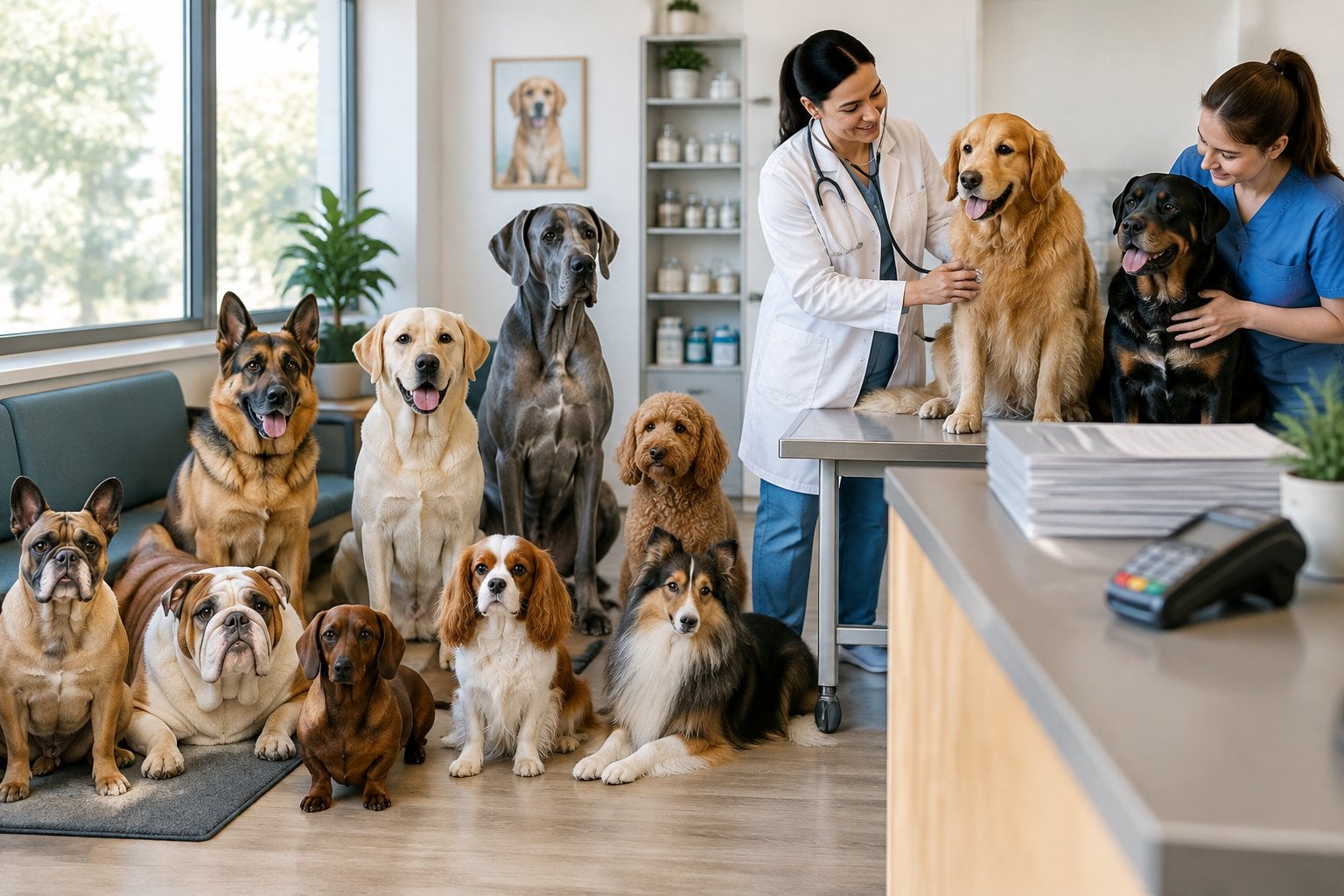
Buying a puppy is only the first cost of owning a dog. For many owners, the biggest expense comes later, at the vet’s office. Some breeds are born with body shapes or genes that make them far more likely to need surgery, specialist care or lifelong medicine.
Flat-faced dogs often struggle to breathe and may need airway surgery. Giant breeds are prone to bloat, joint disease and bone cancer, and every dose of medicine costs more when a dog weighs 150 pounds. Other breeds carry inherited heart, spine or immune problems that need years of treatment.
This list covers 30 dog breeds whose owners are most likely to face big vet bills, based on the health problems that vets, breed clubs and researchers report most often. It doesn’t mean every dog of these breeds will be sick, and a good breeder who health-tests their dogs can lower the odds. If you’re still choosing a breed, it’s worth reading about the most expensive dog breeds to own and the dog breeds that will save you a fortune in vet bills too.
1. French Bulldog
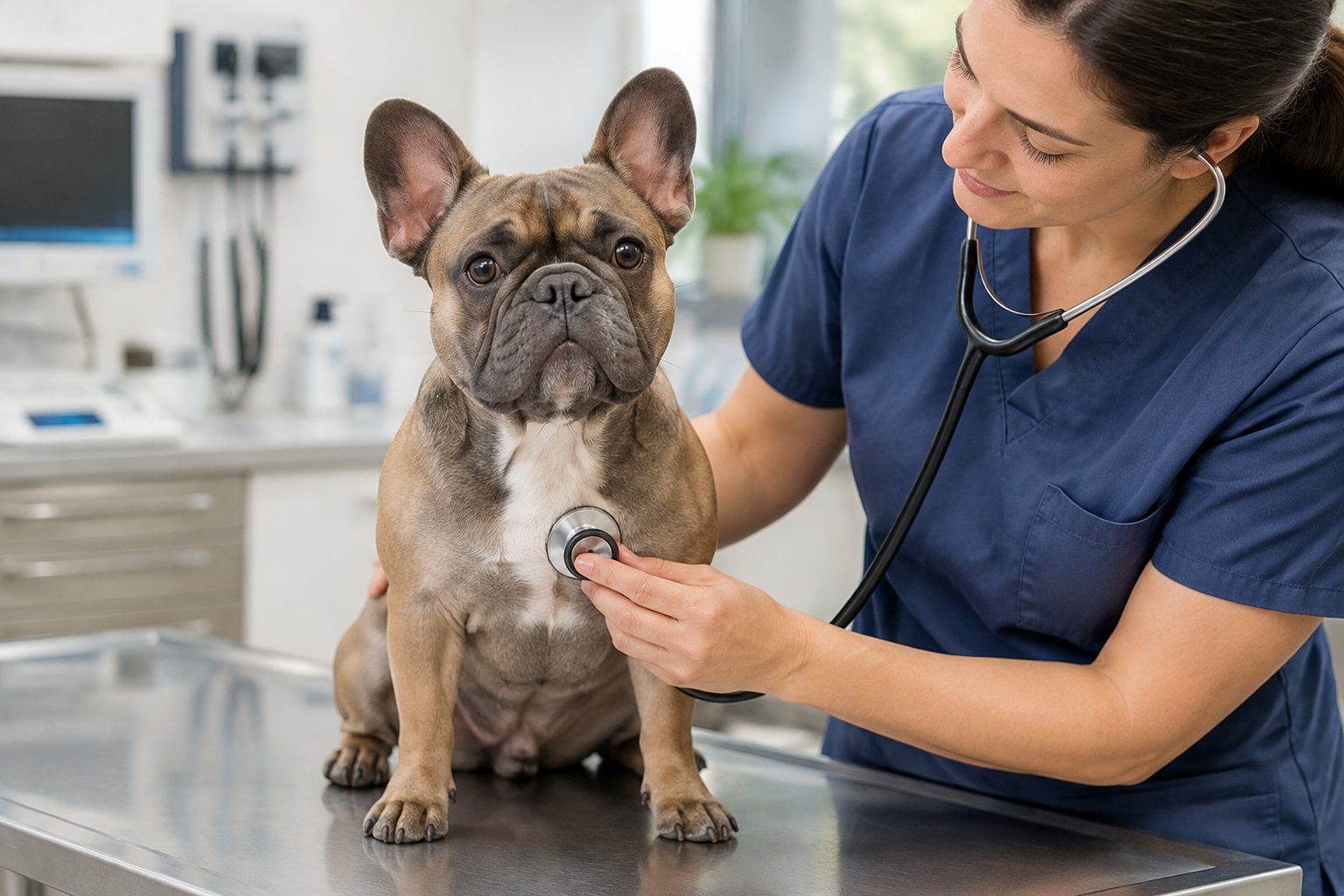
French Bulldogs are one of the most popular breeds in America, and they are also one of the most expensive to keep healthy. Their flat faces leave many of them with brachycephalic obstructive airway syndrome, or BOAS. Narrow nostrils, a long soft palate and a cramped windpipe make it hard for them to breathe, especially in heat or during exercise. Many need surgery to open the nostrils and trim the palate.
Frenchies also have a short, bent spine shape that puts them at higher risk of intervertebral disc disease, which can cause sudden pain or paralysis and may need emergency spinal surgery. Skin fold infections, allergies, ear infections and eye ulcers are common too.
Even having puppies is costly. Most French Bulldog litters are delivered by planned C-section, because the puppies’ large heads make natural birth risky.
2. English Bulldog
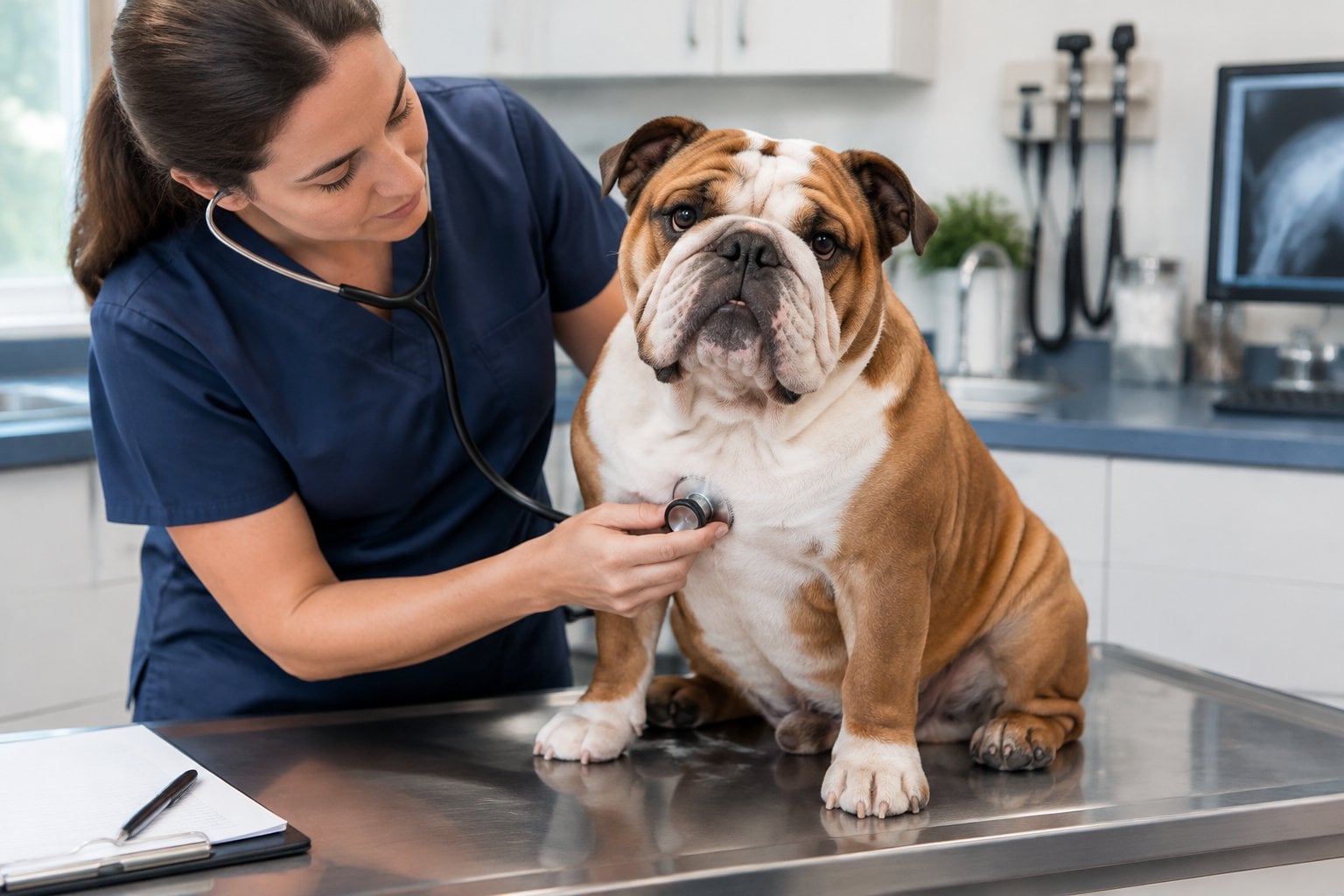
The English Bulldog has a long list of health problems, and nearly all of them come from the way the breed is built. Like other flat-faced dogs, Bulldogs often struggle to breathe and overheat easily. Airway surgery is common, and some Bulldogs need extra care during any operation because anesthesia is riskier for them.
Their heavy, wrinkled skin traps moisture, which leads to repeated skin and fold infections. Cherry eye, where a gland pops out of the corner of the eye, and entropion, where the eyelid rolls inward, often need surgery. Bulldogs also have some of the worst hip scores of any breed in the Orthopedic Foundation for Animals database.
Breeding is expensive as well. Studies of C-section rates have found that more than 80 percent of Bulldog litters are born by Caesarean section. Add allergies and frequent ear infections, and lifetime vet bills for a Bulldog can be much higher than for an average dog.
3. Bernese Mountain Dog
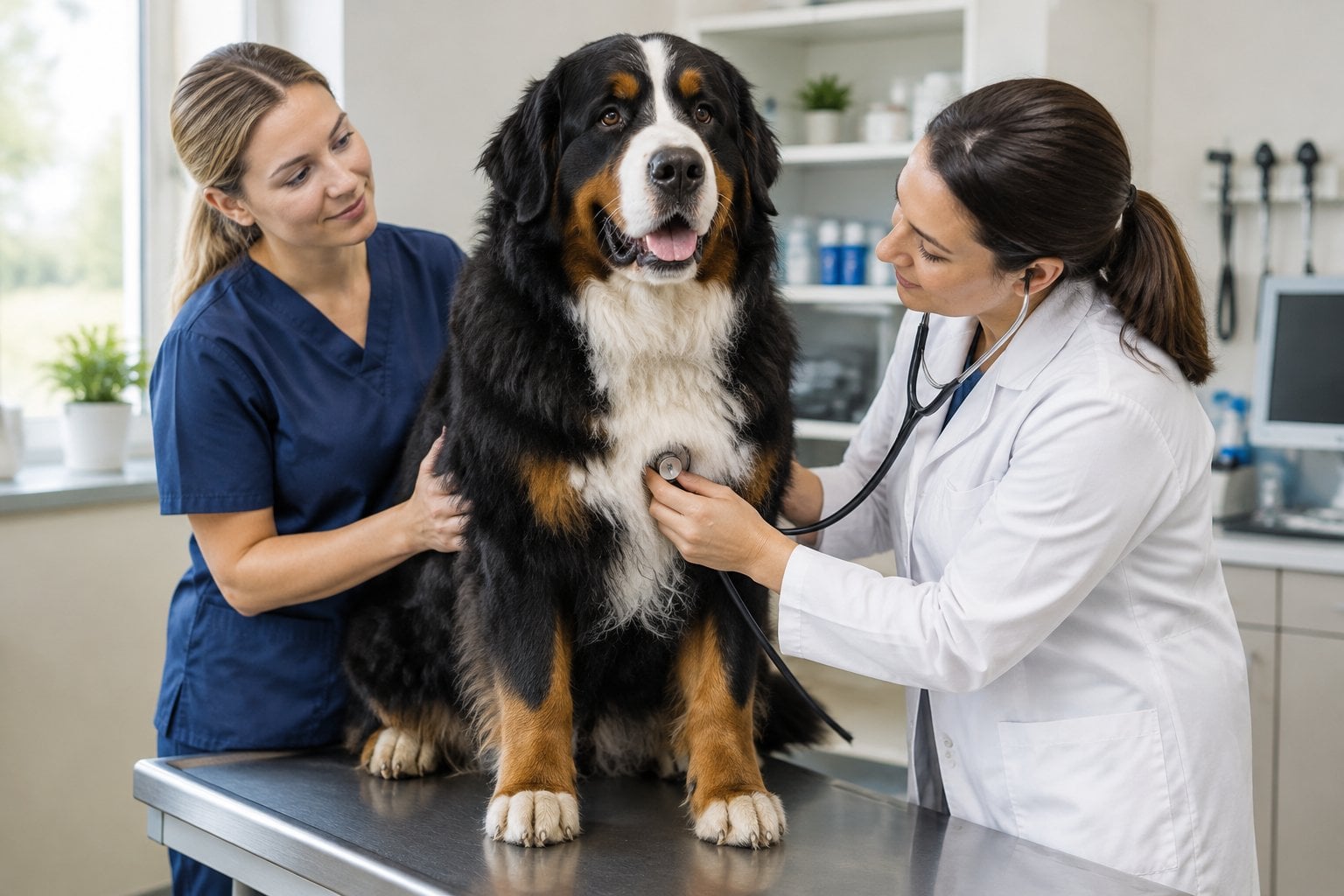
Bernese Mountain Dogs are gentle and loyal, but their short lives come with heavy medical costs. The AKC lists their life expectancy at just 7 to 10 years, and cancer is the leading reason. The breed is especially prone to histiocytic sarcoma, an aggressive cancer that is rare in most other dogs. Cancer care, from scans and biopsies to surgery and chemotherapy, is one of the most expensive things a vet can treat.
Like many big breeds, Berners are also at risk for hip and elbow dysplasia. These joint problems can mean lifelong pain medication, joint supplements, or surgery in severe cases. Torn cruciate ligaments in the knee are another common big-dog problem.
As a large, deep-chested dog, the Bernese can also suffer from bloat, an emergency where the stomach fills with gas and can twist. It needs surgery right away. Medicine for a 100-pound dog also simply costs more than for a small one.
4. Great Dane
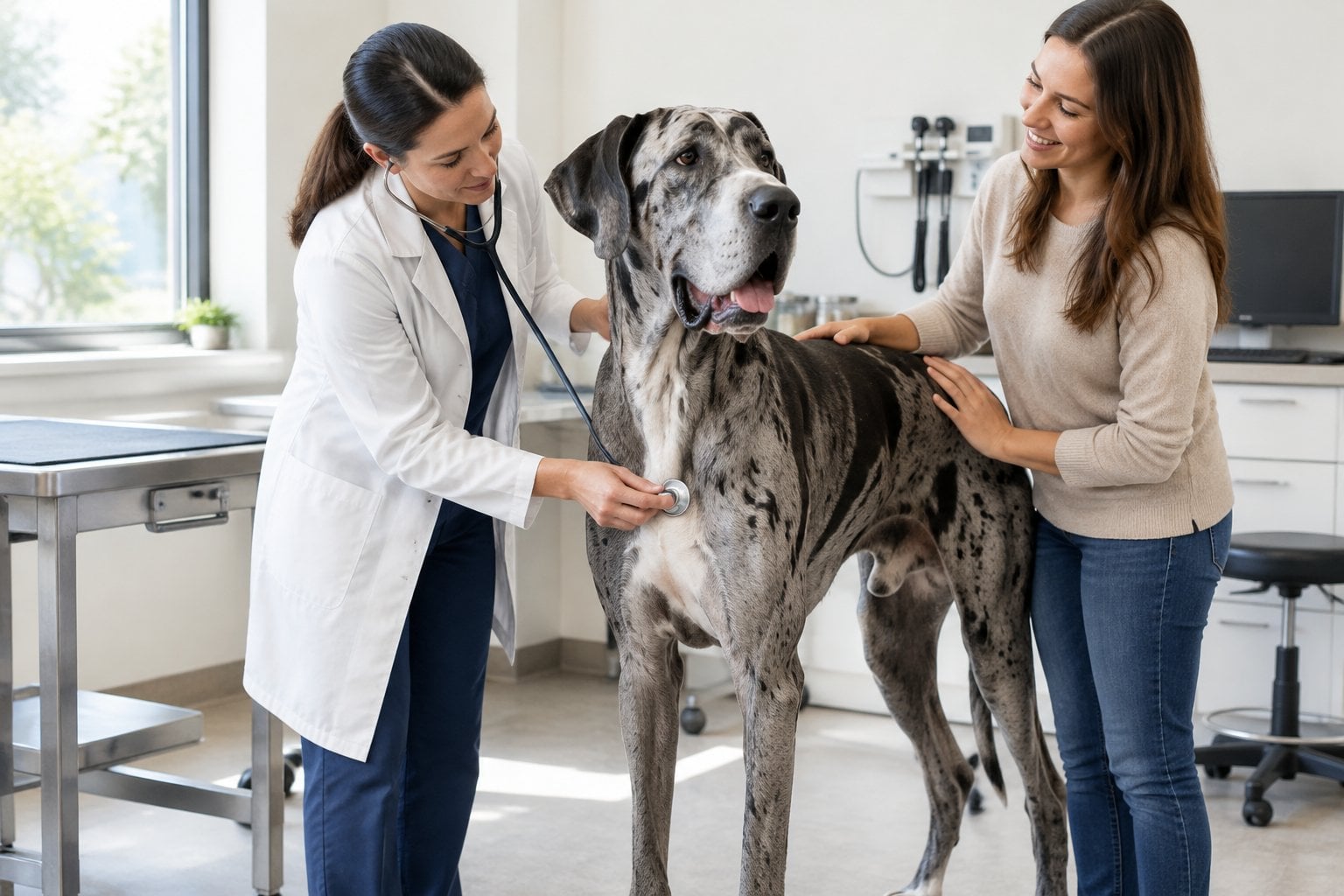
The Great Dane is often called the gentle giant, and its size is the main reason its vet bills are so high. Great Danes have the highest risk of bloat, or gastric dilatation-volvulus, of any breed. The stomach fills with gas and twists, cutting off its blood supply, and the dog needs emergency surgery to survive. Many owners pay for a preventive surgery called a gastropexy, which tacks the stomach in place, often done at the same time as spaying or neutering.
Great Danes are also prone to dilated cardiomyopathy, a heart disease where the heart muscle weakens and enlarges. It needs regular heart scans and lifelong medication. Wobbler syndrome, a problem in the neck that squeezes the spinal cord, and bone cancer are other well-known risks.
Every pill, anesthetic and IV bag is dosed by weight. When your dog weighs as much as an adult person, even routine treatment costs more.
5. Dogue de Bordeaux
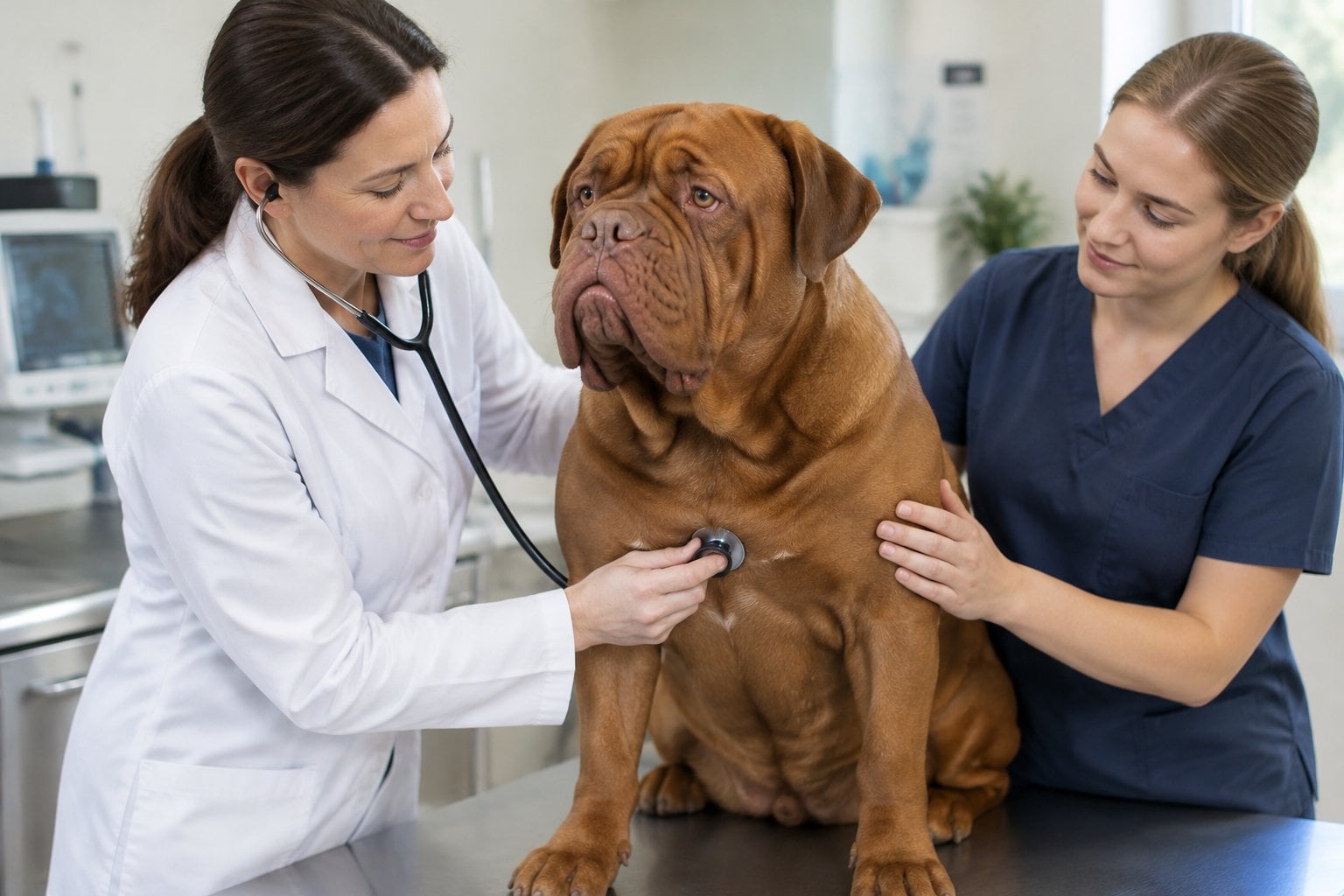
The Dogue de Bordeaux, or French Mastiff, has one of the shortest lifespans of any breed. The AKC lists it at just 5 to 8 years, and many of those years can involve expensive care. Heart disease is a major concern. The breed is prone to both dilated cardiomyopathy and aortic stenosis, a narrowing near the heart that is present from birth. Both call for heart scans by a specialist and, often, lifelong medication.
The breed’s huge head and loose skin bring other problems. Skin fold infections and eyelid problems such as entropion and ectropion are common and can need surgery. Like other giant breeds, the Dogue de Bordeaux is also at risk for hip and elbow dysplasia, torn knee ligaments and bloat.
Cancer is another common cause of death. For such a short-lived dog, owners can end up paying for a lot of specialist care in a short time.
6. Newfoundland
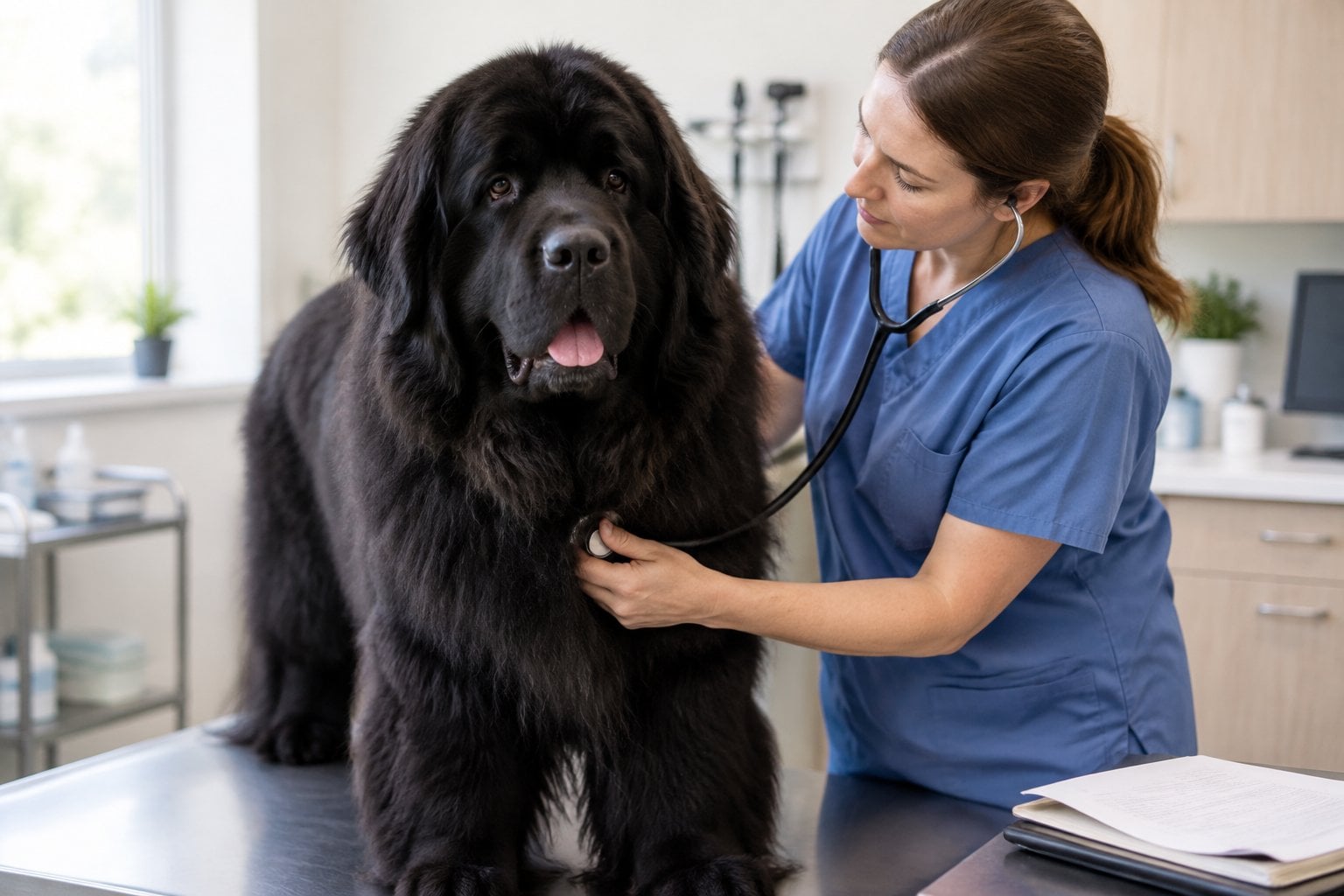
Newfoundlands are famous water rescue dogs with sweet temperaments, but their health problems can be costly. One of the biggest is subvalvular aortic stenosis, an inherited heart defect where a narrowing below the aortic valve makes the heart work harder. Responsible breeders have their dogs’ hearts checked by a cardiologist, and affected dogs may need regular monitoring and medication.
Newfoundlands are also known for cystinuria, an inherited condition that causes stones to form in the bladder and kidneys. Stones can block urination, which is an emergency, and some dogs need surgery to remove them plus a lifelong special diet.
As a giant breed, the Newfie is prone to hip and elbow dysplasia and to torn cruciate ligaments in the knee. Knee surgery on a dog that can weigh 150 pounds is a big job. Bloat is another risk. Add the extra cost of medicine and anesthesia for a dog this large, and the bills add up fast.
7. Rottweiler
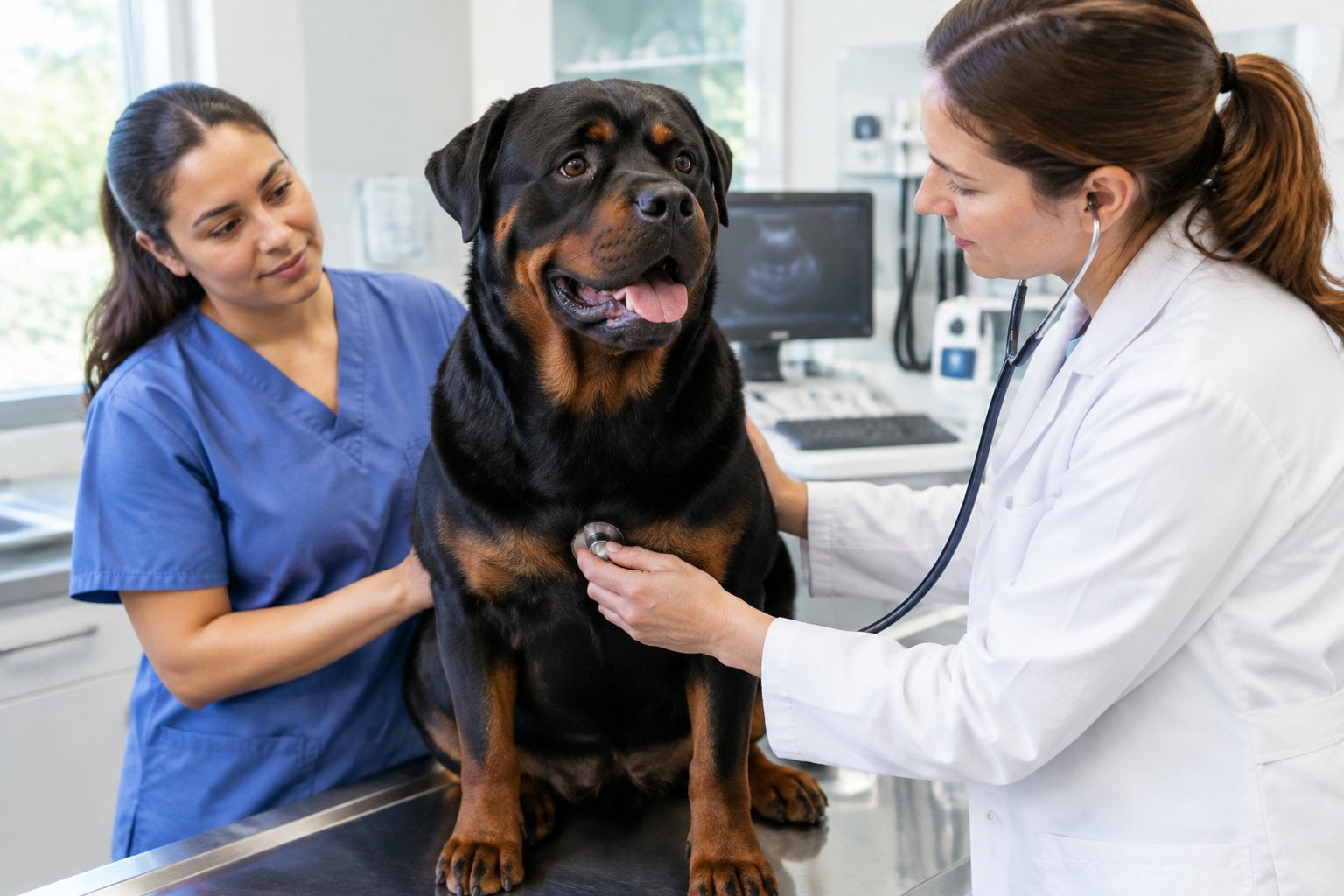
Rottweilers are strong and athletic, but they have a high rate of serious, expensive health problems. Bone cancer, called osteosarcoma, is one of the biggest. Rottweilers are among the breeds most at risk for it. Treatment often means amputating the affected leg followed by chemotherapy, which can cost thousands of dollars.
Rotties are also one of the breeds most likely to tear the cranial cruciate ligament in the knee, the dog version of a torn ACL. Most large dogs with this injury need surgery, such as a TPLO, to walk normally again. Many dogs that tear one knee later tear the other.
Hip and elbow dysplasia are common in the breed too, and the Orthopedic Foundation for Animals recommends hip and elbow screening for breeding Rottweilers. The breed can also have subaortic stenosis, a heart defect. With so many big-ticket problems in one breed, a Rottweiler can cost far more to keep healthy than an average dog.
8. Cane Corso
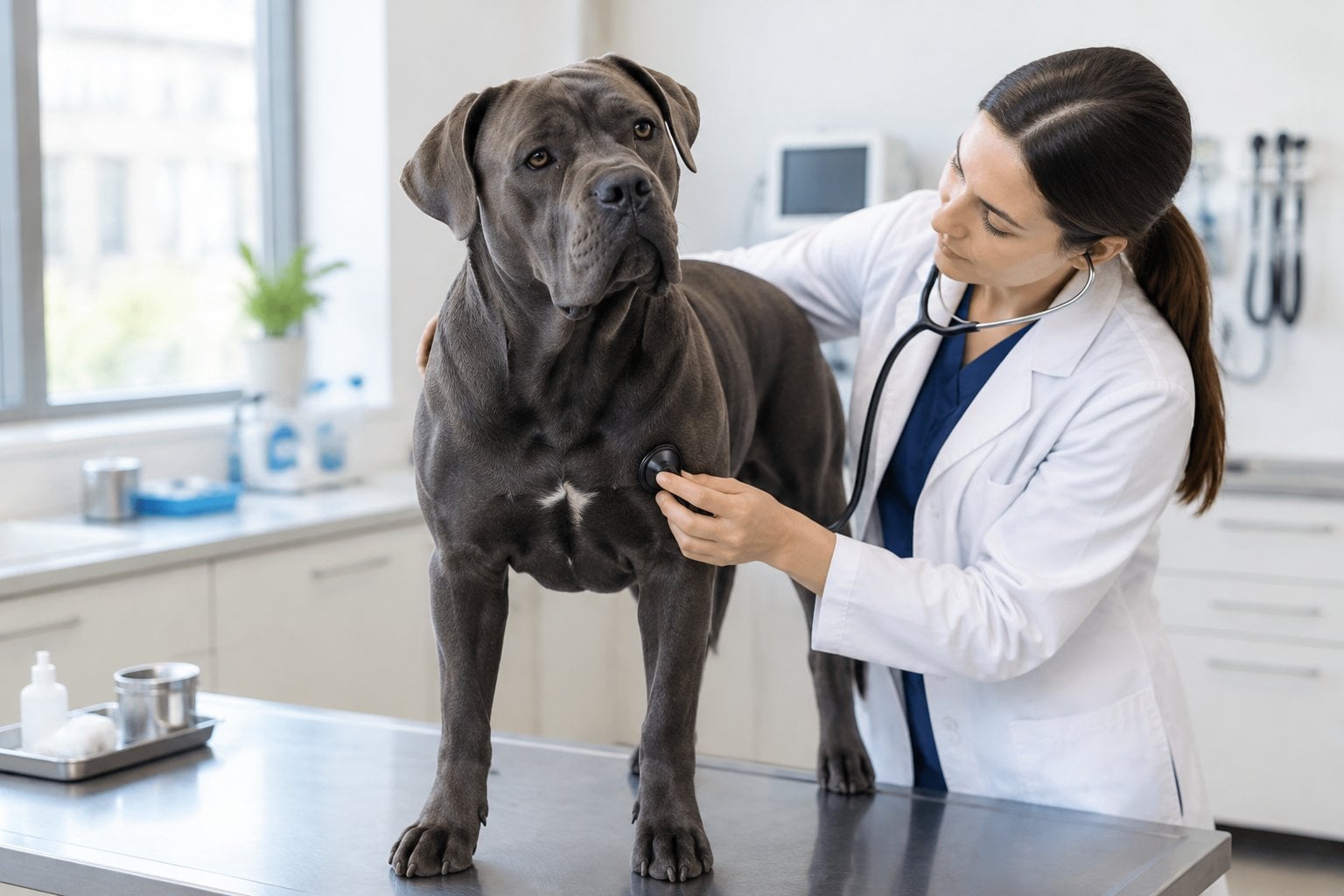
The Cane Corso is a powerful Italian mastiff breed that has grown quickly in popularity. Like most giant, heavy dogs, it is prone to hip dysplasia, and its fast growth as a puppy can also lead to elbow problems. Severe joint disease can mean years of pain medication or major surgery.
Eyelid problems are common in the breed. Entropion, where the eyelid rolls inward and the lashes scratch the eye, and ectropion, where the lower lid droops outward, can both need surgery. Cherry eye is also seen.
The Cane Corso has a deep chest, which puts it at risk for bloat, a life-threatening twisting of the stomach that needs emergency surgery. Some Corsos also develop idiopathic epilepsy, which means seizures that need lifelong medicine and regular blood tests. Because a Cane Corso can weigh over 100 pounds, every treatment costs more than it would for a smaller dog.
9. Mastiff
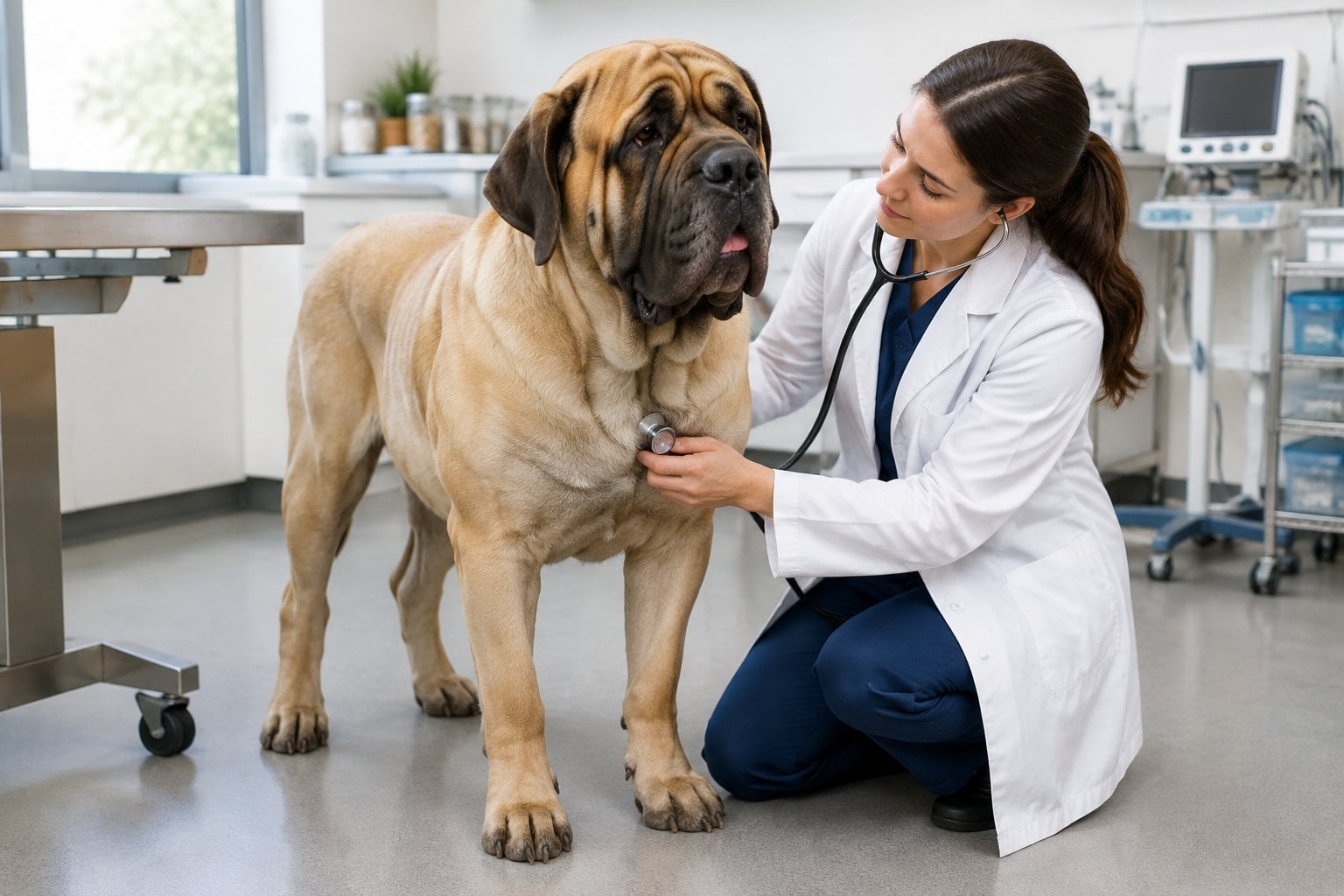
The English Mastiff is one of the heaviest dog breeds in the world, with males often weighing 160 to 230 pounds, according to the AKC. That size is behind most of its high vet bills. Hip and elbow dysplasia are common, and joint problems in such a heavy dog can be painful and costly to manage. Torn knee ligaments are another frequent injury.
Mastiffs are deep-chested, which raises their risk of bloat, an emergency where the stomach twists. They can also inherit cystinuria, which causes bladder stones, and an eye disease called progressive retinal atrophy, which leads to blindness. Heart problems such as dilated cardiomyopathy are seen in the breed as well.
Mastiffs usually live only 6 to 10 years. Even simple things cost more for a dog this size. Medicine, anesthesia and even flea and tick prevention are all priced by weight.
10. Saint Bernard
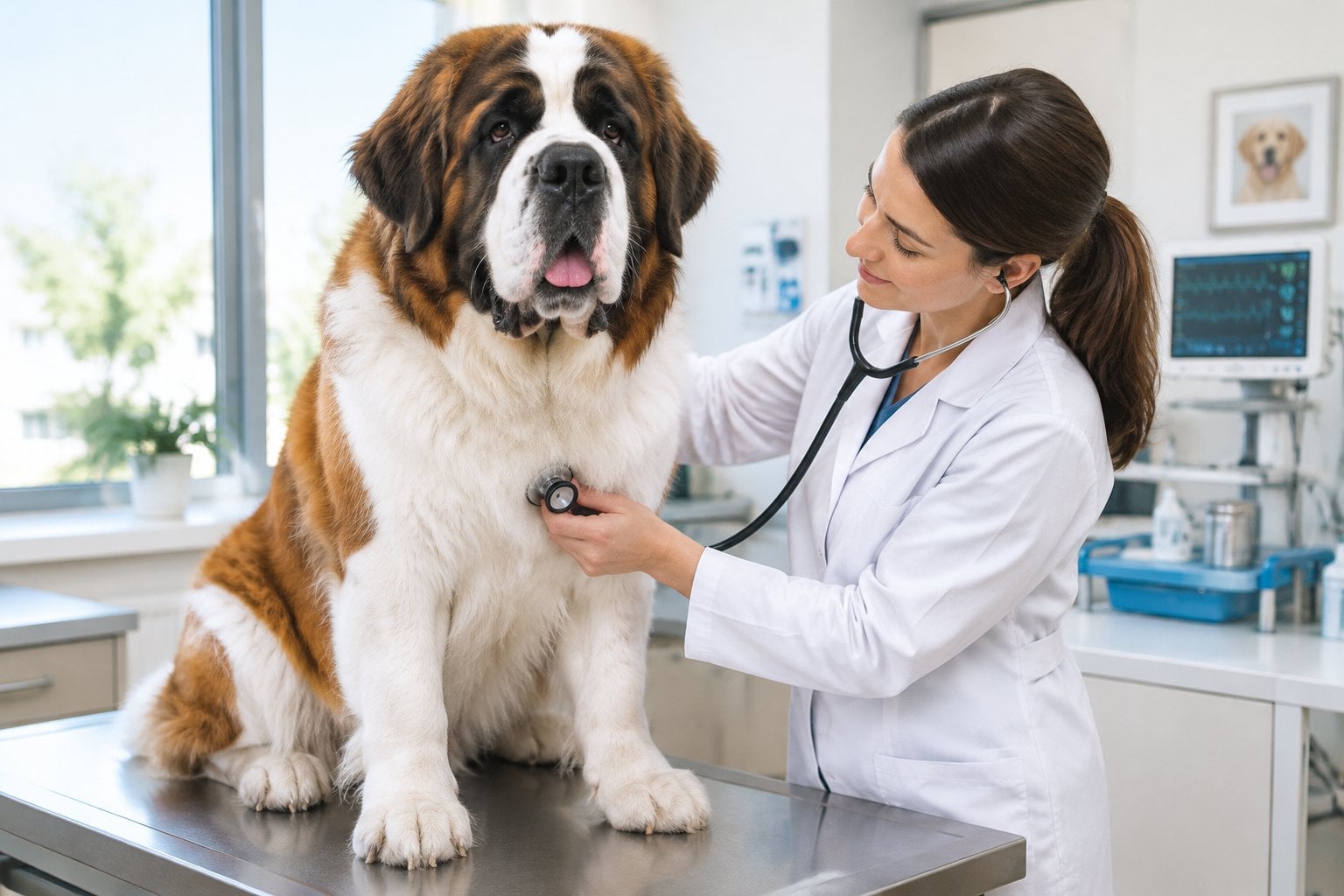
Saint Bernards were bred to rescue travelers in the Swiss Alps, and today they are known for their huge size and calm nature. Like other giant breeds, they are at high risk for bloat, the twisting stomach emergency that needs immediate surgery. Cornell’s vet school lists large, deep-chested dogs as the most at risk.
Hip and elbow dysplasia are common in the breed. Saint Bernards are also prone to dilated cardiomyopathy, a disease that weakens the heart muscle, and to osteosarcoma, an aggressive bone cancer. Both are expensive to diagnose and treat.
Their droopy faces bring eyelid problems too. Entropion and ectropion, where the eyelids roll in or out, can cause painful eye irritation and may need surgery. Because a Saint Bernard can weigh 140 to 180 pounds, medicine and anesthesia doses are high, and so are the bills.
11. Irish Wolfhound
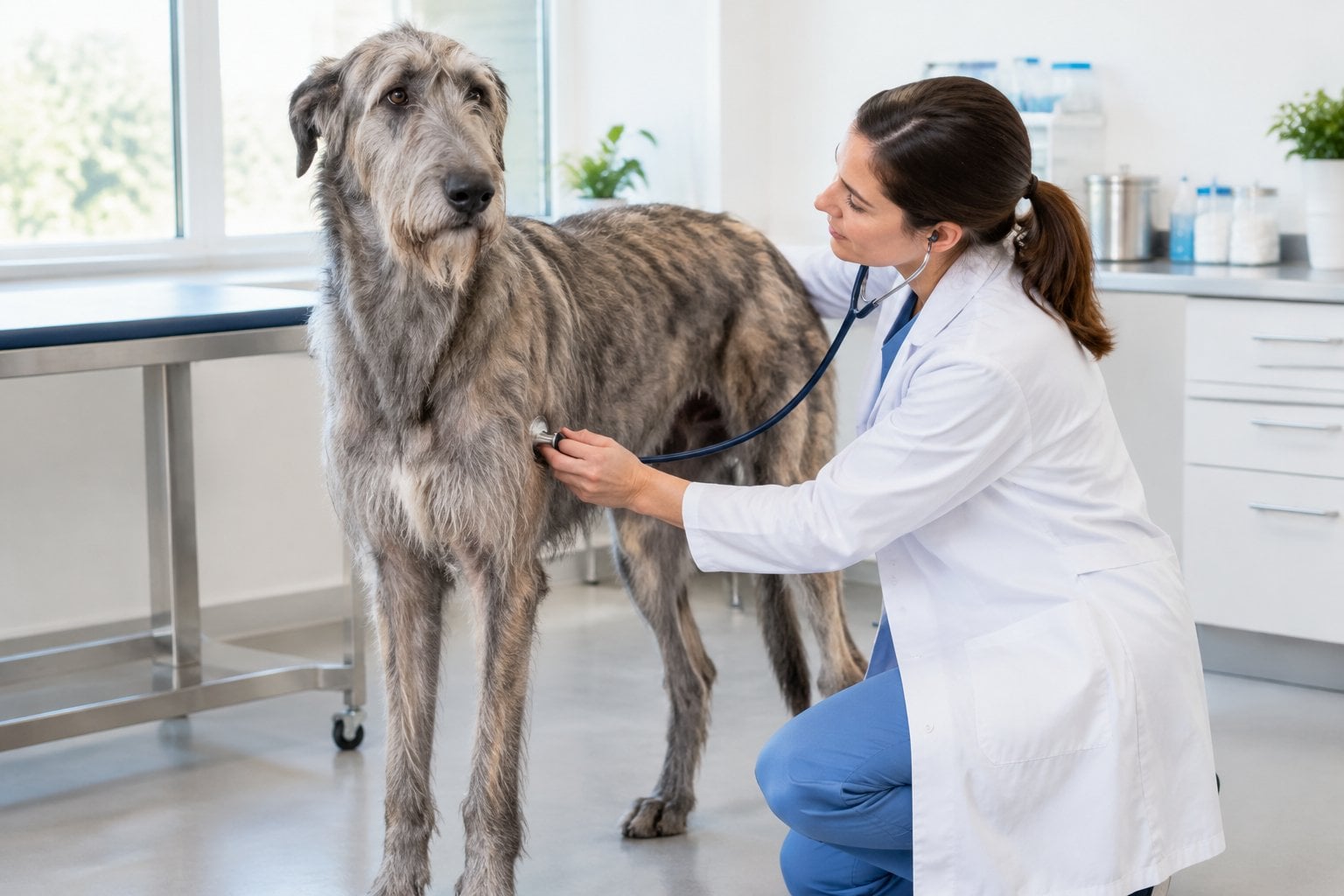
The Irish Wolfhound is the tallest dog breed recognized by the AKC, and it has one of the shortest lives, often just 6 to 8 years. Heart disease is one of the breed’s biggest problems. Dilated cardiomyopathy is common in Wolfhounds, and many owners pay for regular heart scans to catch it early. Treatment means lifelong heart medication and frequent checkups.
Bone cancer, or osteosarcoma, is another major risk in this giant sighthound. Treatment usually involves amputation and chemotherapy. Wolfhounds are also at risk for bloat because of their deep chests, and some puppies are born with a liver shunt, an abnormal blood vessel that can need surgery.
Wolfhounds are very sensitive to some anesthetic drugs, like many sighthounds, so surgery needs extra care. On top of that, their size means every dose of medicine is large. A Wolfhound’s short life can still include some very big bills.
12. Neapolitan Mastiff
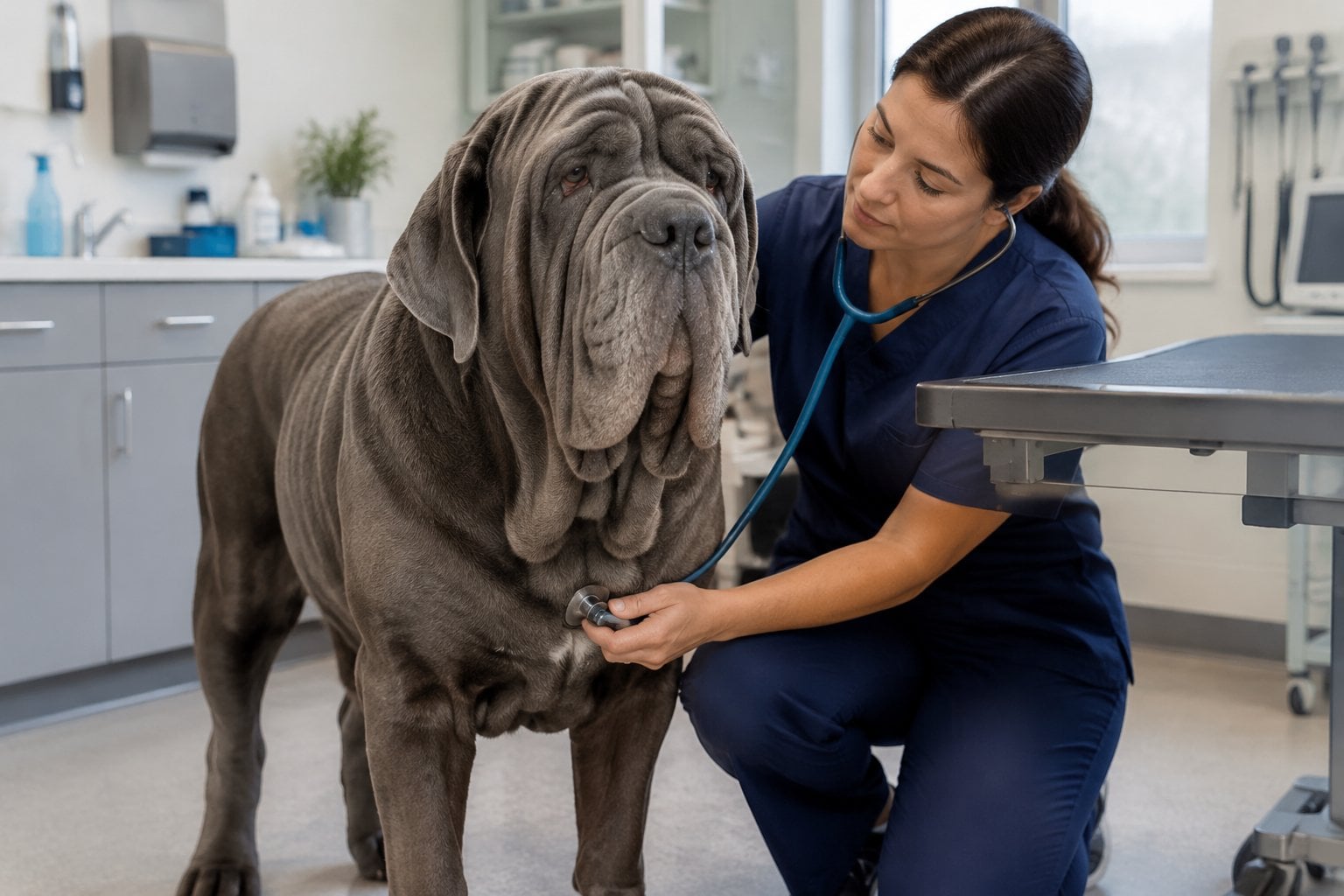
The Neapolitan Mastiff is known for its massive head and heavy folds of loose skin. Those famous wrinkles are also a source of vet bills. The deep skin folds trap moisture and bacteria, which leads to repeated skin infections that need medicated washes, creams or antibiotics.
The breed’s droopy eyelids often cause cherry eye, entropion and ectropion. All three can irritate the eye and may need surgery to fix. Neapolitan Mastiffs are also prone to hip and elbow dysplasia, and the breed has a risk of heart disease, including cardiomyopathy.
Like other giant breeds, the Neo is deep-chested and can suffer from bloat, which needs emergency surgery. Its lifespan is short, often 7 to 9 years. With so many problems tied to its size and skin, the Neapolitan Mastiff is one of the most high-maintenance breeds when it comes to medical care.
13. Bullmastiff
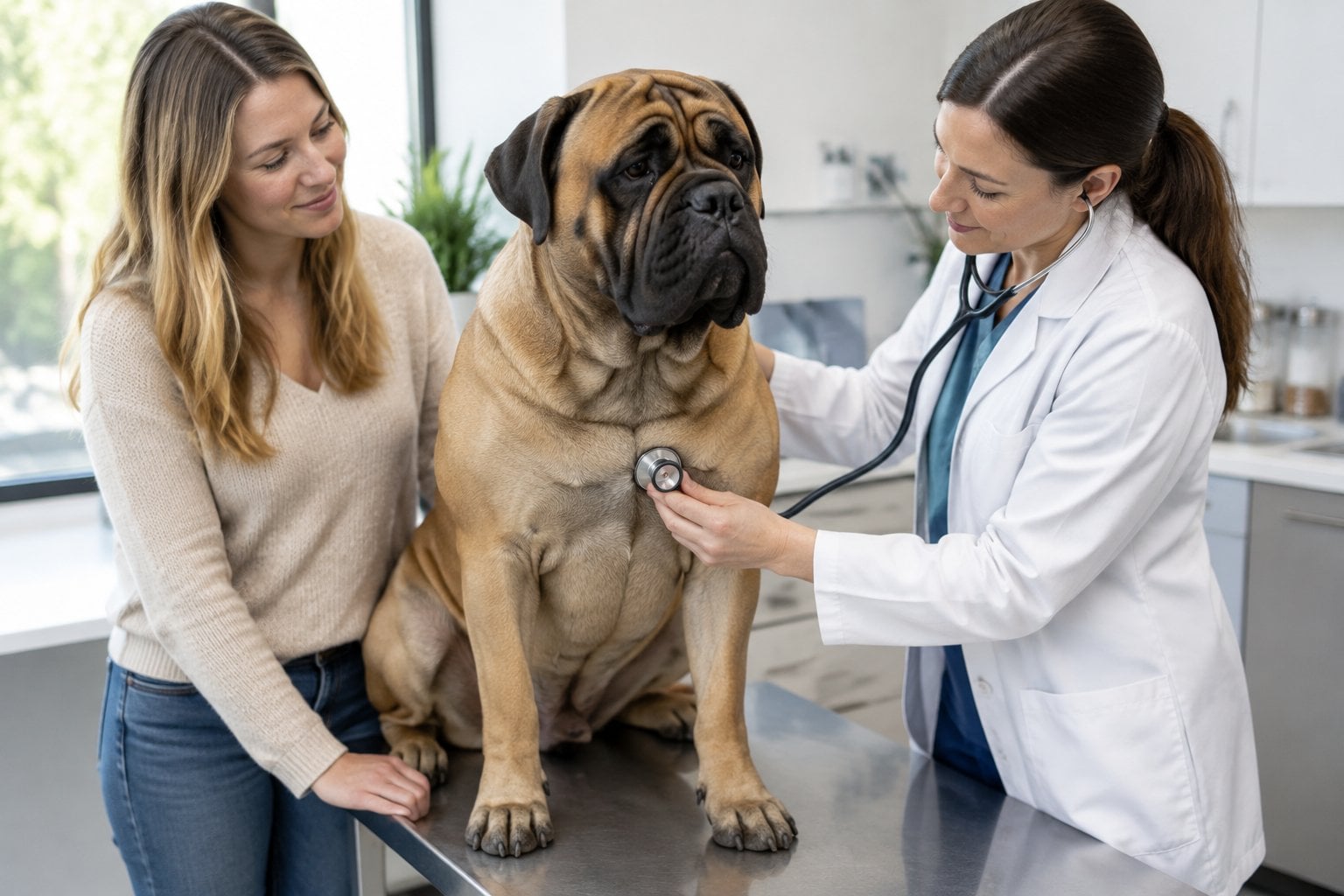
The Bullmastiff was bred as a guard dog for English estates, and it is loyal and calm at home. Its health record is less reassuring. Lymphoma, a cancer of the lymph nodes, is seen more often in Bullmastiffs than in many other breeds. Chemotherapy for lymphoma can extend a dog’s life, but it is expensive.
Hip and elbow dysplasia are common, and torn cruciate ligaments in the knee are a frequent injury in this heavy breed. Knee surgery on a 100-plus-pound dog is not cheap. Bullmastiffs can also suffer from entropion, where the eyelid rolls inward, and may need eyelid surgery.
As a deep-chested dog, the Bullmastiff is at risk for bloat. Some owners choose a preventive gastropexy to lower that risk. Bullmastiffs usually live around 7 to 9 years, and many owners find that the later years come with a steady stream of vet visits.
14. Scottish Deerhound
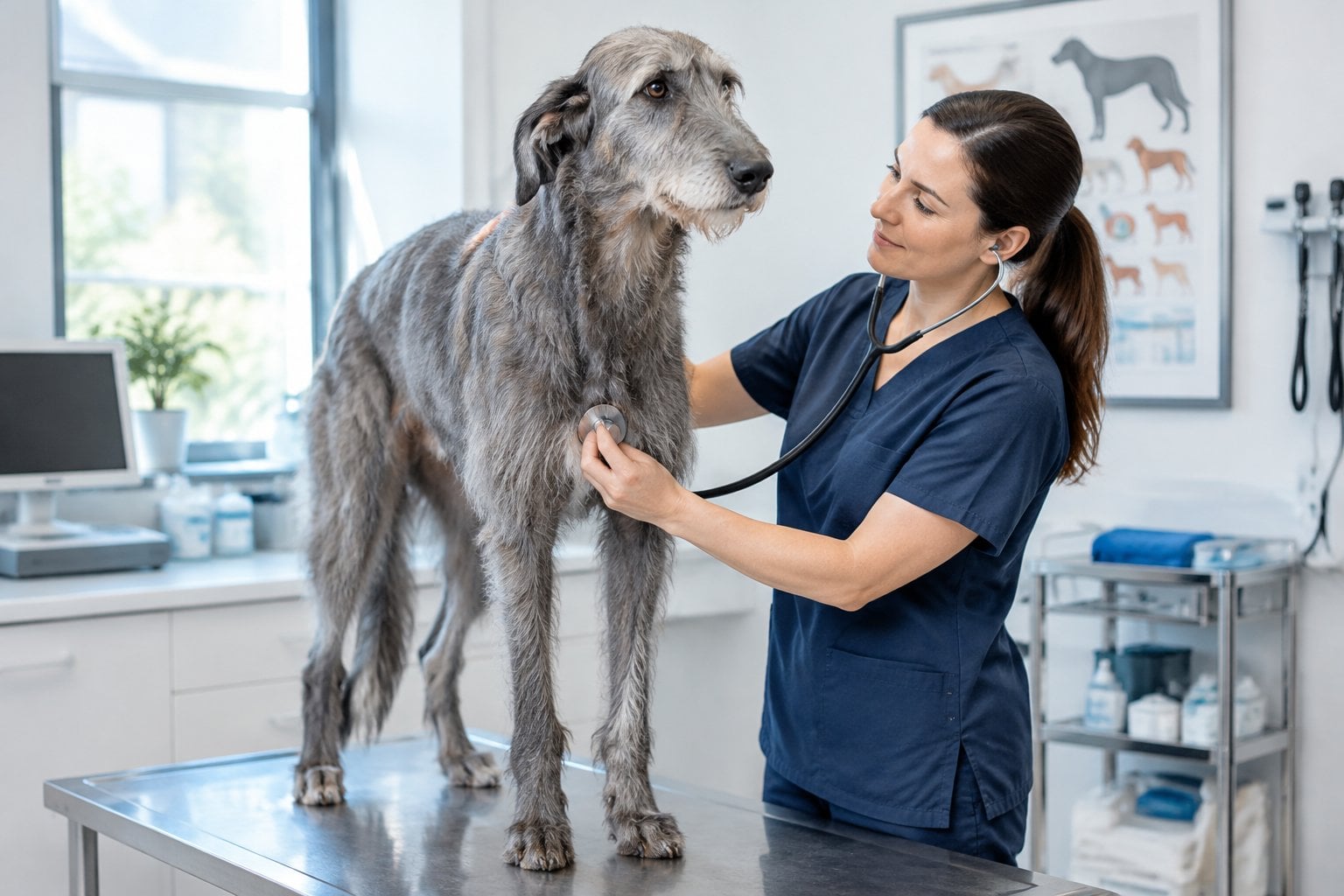
The Scottish Deerhound is a tall, gentle sighthound that is rare in the United States. It may be uncommon, but its health problems are well known among breeders. Bone cancer is one of the biggest risks, as it is in many giant breeds. Osteosarcoma is painful and aggressive, and treatment usually means amputation and chemotherapy.
Deerhounds can develop dilated cardiomyopathy, a heart disease that needs lifelong medication and regular scans. The breed is also prone to bloat, and it can inherit cystinuria, which leads to bladder stones, and factor VII deficiency, a bleeding disorder that makes surgery riskier.
Like other sighthounds, Deerhounds have very little body fat, and they can react strongly to some anesthetic drugs. That means surgery needs careful planning by the vet. With a lifespan of about 8 to 11 years and a list of serious inherited conditions, Deerhound owners should plan for big bills.
15. Leonberger
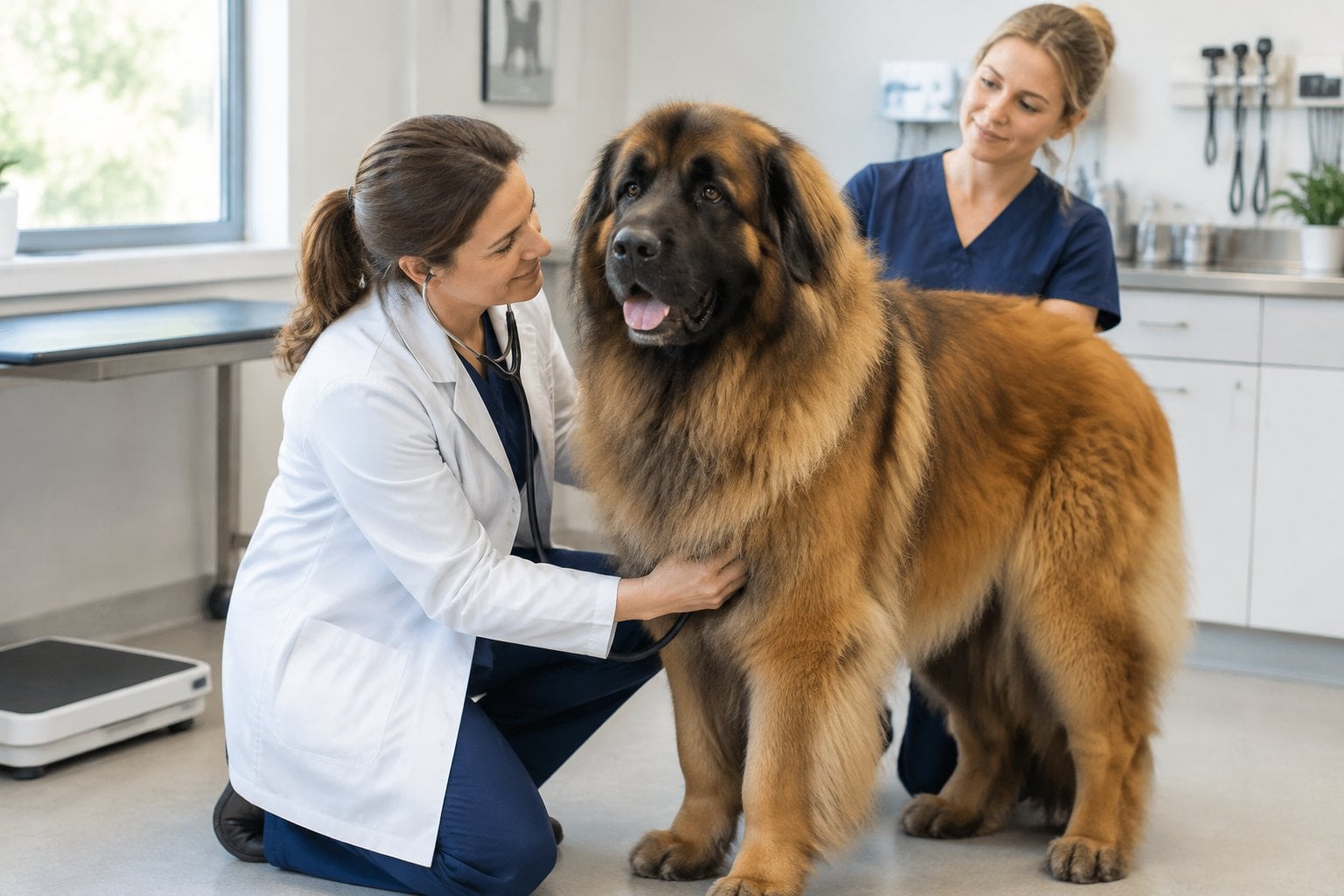
The Leonberger is a huge, lion-like dog originally bred in Germany. It is friendly and patient, but it has some unusual inherited diseases. The best known is Leonberger polyneuropathy, a nerve disease that causes weakness in the back legs, a change in bark and breathing trouble. Genetic tests now exist for some forms, and responsible breeders use them.
Cancer is a common cause of death in the breed, including bone cancer and hemangiosarcoma, a cancer of the blood vessels. Leonbergers are also prone to hip and elbow dysplasia and to bloat, which needs emergency surgery. Eye problems such as entropion and ectropion are seen too.
Leonbergers often weigh 90 to 170 pounds, and their lifespan is short, usually around 7 years. A big dog with a short life and several inherited diseases is a recipe for high vet bills, so it pays to plan for those costs while your Leo is still a puppy.
16. Boxer
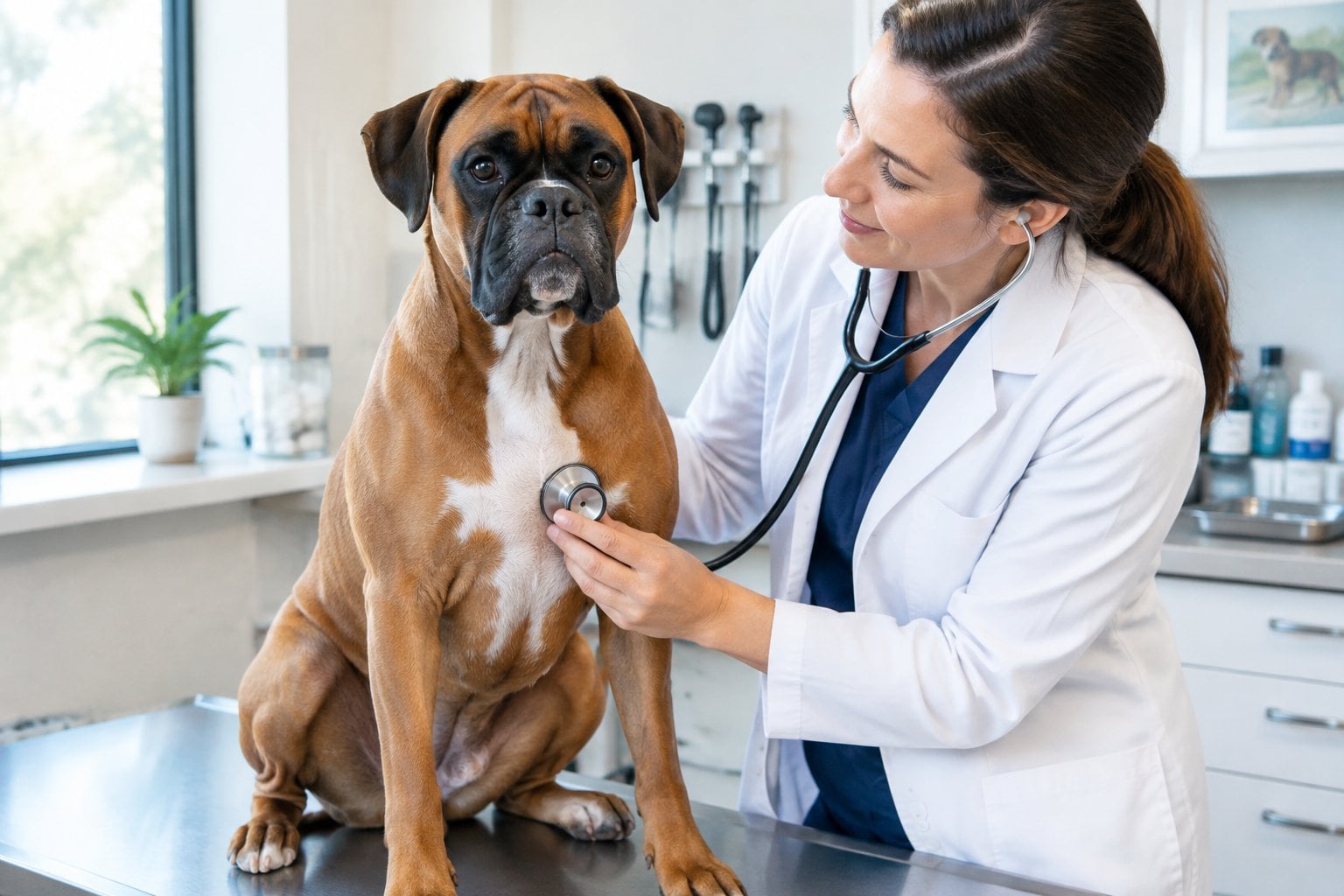
Boxers are playful, goofy family dogs, but they have one of the highest cancer rates of any breed. Mast cell tumors, a type of skin cancer, are especially common, and Boxers are also prone to lymphoma and brain tumors. Any lump on a Boxer should be checked by a vet, and treatment can involve surgery, chemotherapy or radiation.
The breed also has its own heart disease, often called Boxer cardiomyopathy. Its proper name is arrhythmogenic right ventricular cardiomyopathy. It causes an irregular heartbeat that can lead to fainting or sudden death. Vets diagnose it with a 24-hour heart monitor, and affected dogs need lifelong medication. Boxers can also be born with aortic stenosis, a narrowing near the heart.
Their short muzzles make Boxers sensitive to heat, and older Boxers can develop degenerative myelopathy, a spinal cord disease. Between cancer and heart care, Boxer owners often face some of the largest bills on this list.
17. Pug

Pugs are charming little dogs, but their flat faces cause a long list of health problems. Breathing trouble from brachycephalic obstructive airway syndrome is very common. Many Pugs snort, snore and overheat easily, and some need surgery to widen their nostrils and shorten the soft palate. A 2022 Royal Veterinary College study found Pugs had almost twice the odds of having a health disorder in a given year compared with other dogs.
Their big, bulging eyes are easy to injure. Corneal ulcers are common, and a hard knock can even push an eye out of its socket, which is an emergency. Skin fold infections, especially in the nose wrinkle, need regular care.
Pugs can also suffer from Pug dog encephalitis, an inflammation of the brain that causes seizures, and from spine problems such as hemivertebrae. They gain weight easily, which makes breathing and joint problems worse. For a small dog, a Pug can rack up surprisingly big vet bills.
18. Boston Terrier
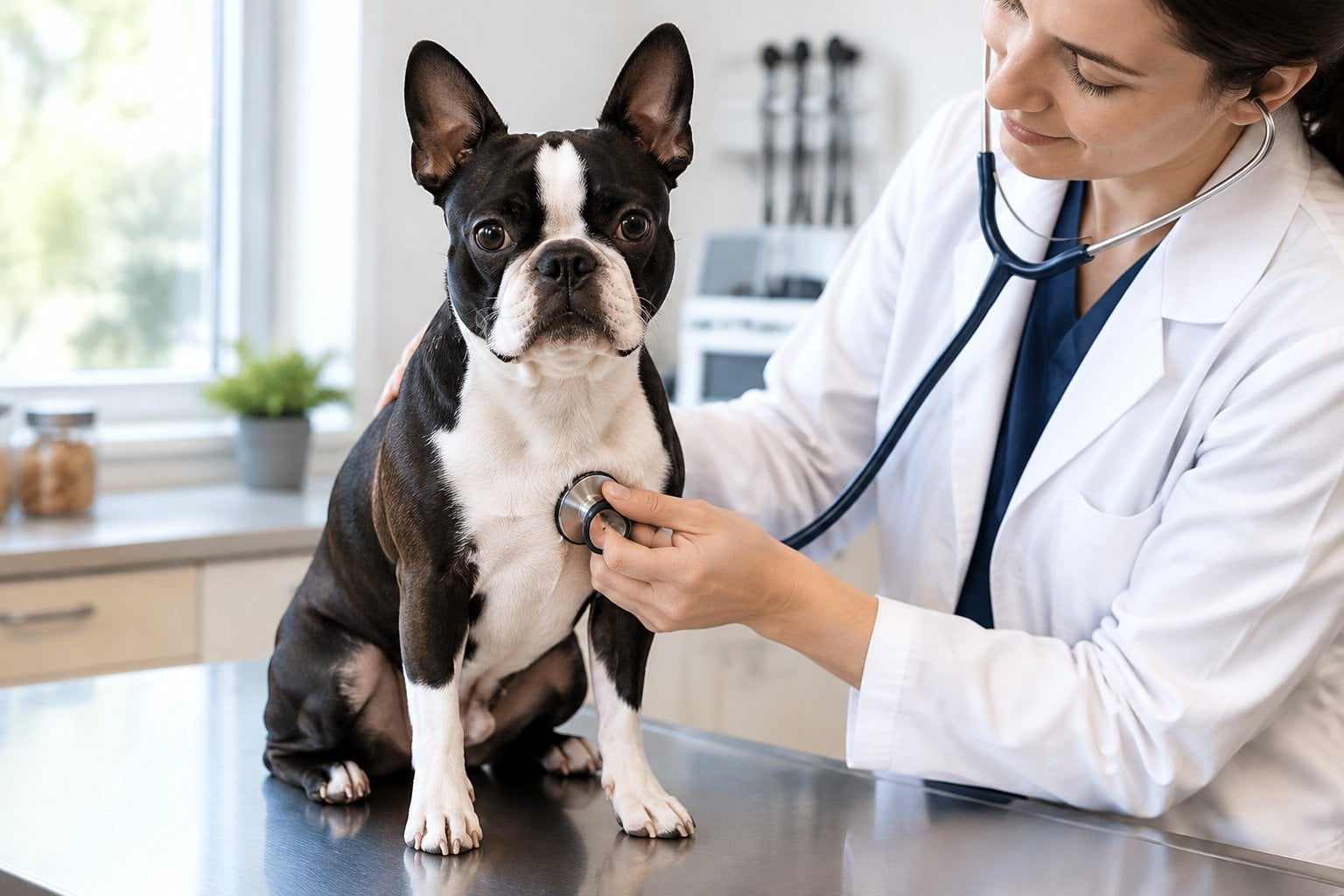
The Boston Terrier is small and friendly, but its short face and large, round eyes come with costly problems. Eye trouble is the biggest. Boston Terriers are prone to corneal ulcers, because their eyes stick out and are easy to scratch. They can also get cataracts, including an inherited form that appears in young dogs. Eye surgery is usually done by a specialist.
Like other flat-faced breeds, Bostons can have brachycephalic airway syndrome, which makes breathing hard and anesthesia riskier. Some need airway surgery. Their kneecaps can slip out of place, a problem called luxating patella, which may need surgery in more severe cases.
Boston Terriers also have one of the highest C-section rates of any breed, because the puppies have large heads. A UK study of breeding records found that more than 90 percent of Boston Terrier litters were delivered by Caesarean. Owners who breed should plan for that cost.
19. Cavalier King Charles Spaniel

The Cavalier King Charles Spaniel is sweet and affectionate, but it has one of the most serious inherited heart problems of any breed. Mitral valve disease, where a heart valve wears out and leaks, often starts at a young age. According to NC State’s veterinary college, the disease is 20 times more common in Cavaliers than in other dogs and is the leading cause of death in the breed.
Dogs with mitral valve disease need regular heart scans and, as it gets worse, daily heart medication. Many eventually develop heart failure.
Cavaliers are also known for syringomyelia, a condition where the skull is too small for the brain and fluid-filled pockets form in the spinal cord. It can cause pain, scratching at the neck and weakness. Diagnosing it takes an MRI, which is one of the more expensive tests in veterinary medicine. Eye problems and slipping kneecaps add to the list.
20. Dachshund
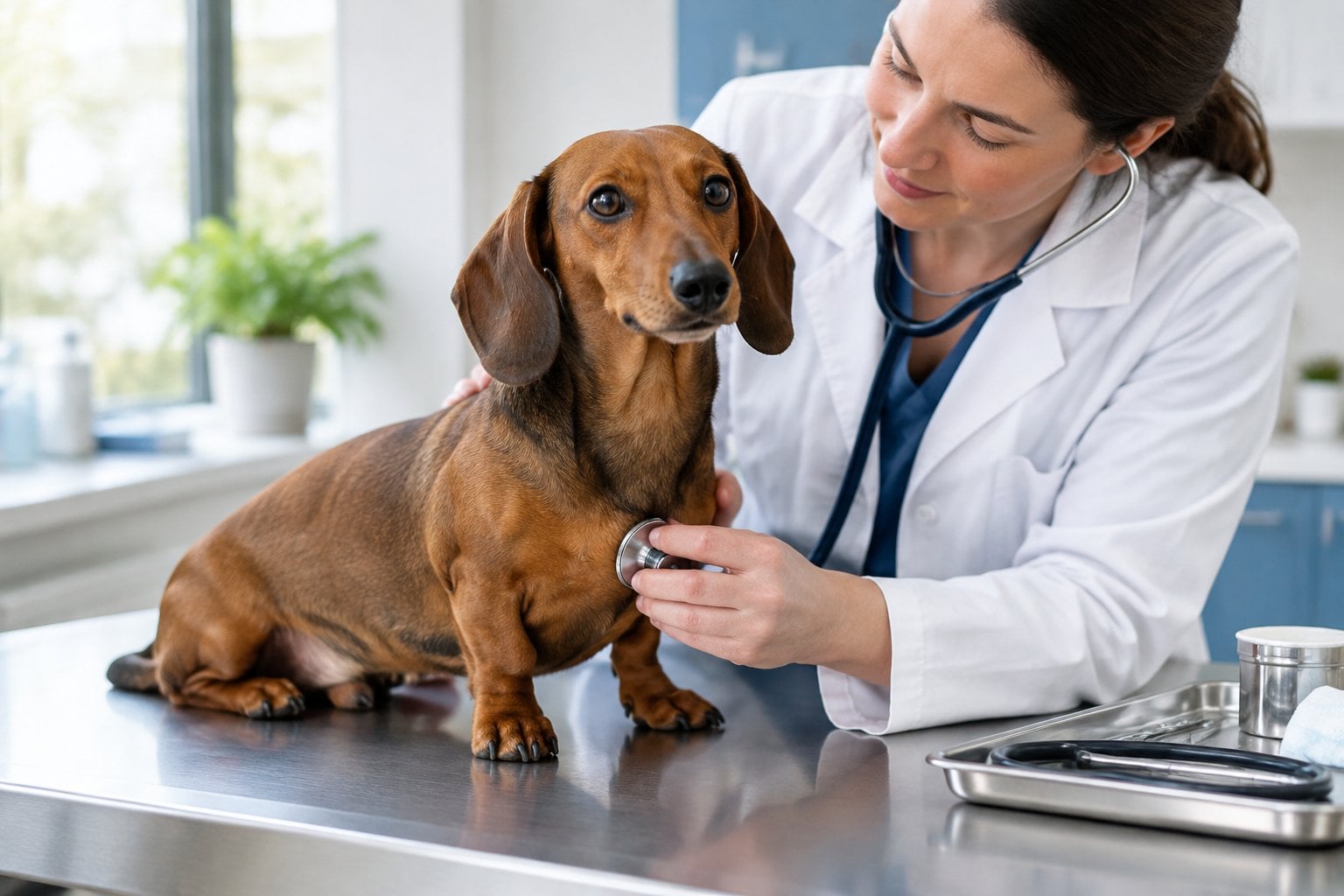
Dachshunds are small, but their long backs come with a very expensive risk. The breed is at much higher risk of intervertebral disc disease, or IVDD, than most other dogs. Research suggests that roughly one in five to one in four Dachshunds will show signs of IVDD in their lifetime.
IVDD happens when a disc between the bones of the spine bulges or bursts and presses on the spinal cord. It can cause sudden back pain, wobbly walking or even paralysis of the back legs. Mild cases are treated with strict crate rest and pain medicine. Severe cases need an MRI or CT scan and emergency spinal surgery, which can cost thousands of dollars. Some dogs need a cart or months of rehab afterward.
Dachshunds are also prone to obesity, which puts more strain on the spine, along with dental disease and some inherited eye problems. Keeping a Dachshund lean and limiting jumps from furniture can help lower the risk.
21. German Shepherd
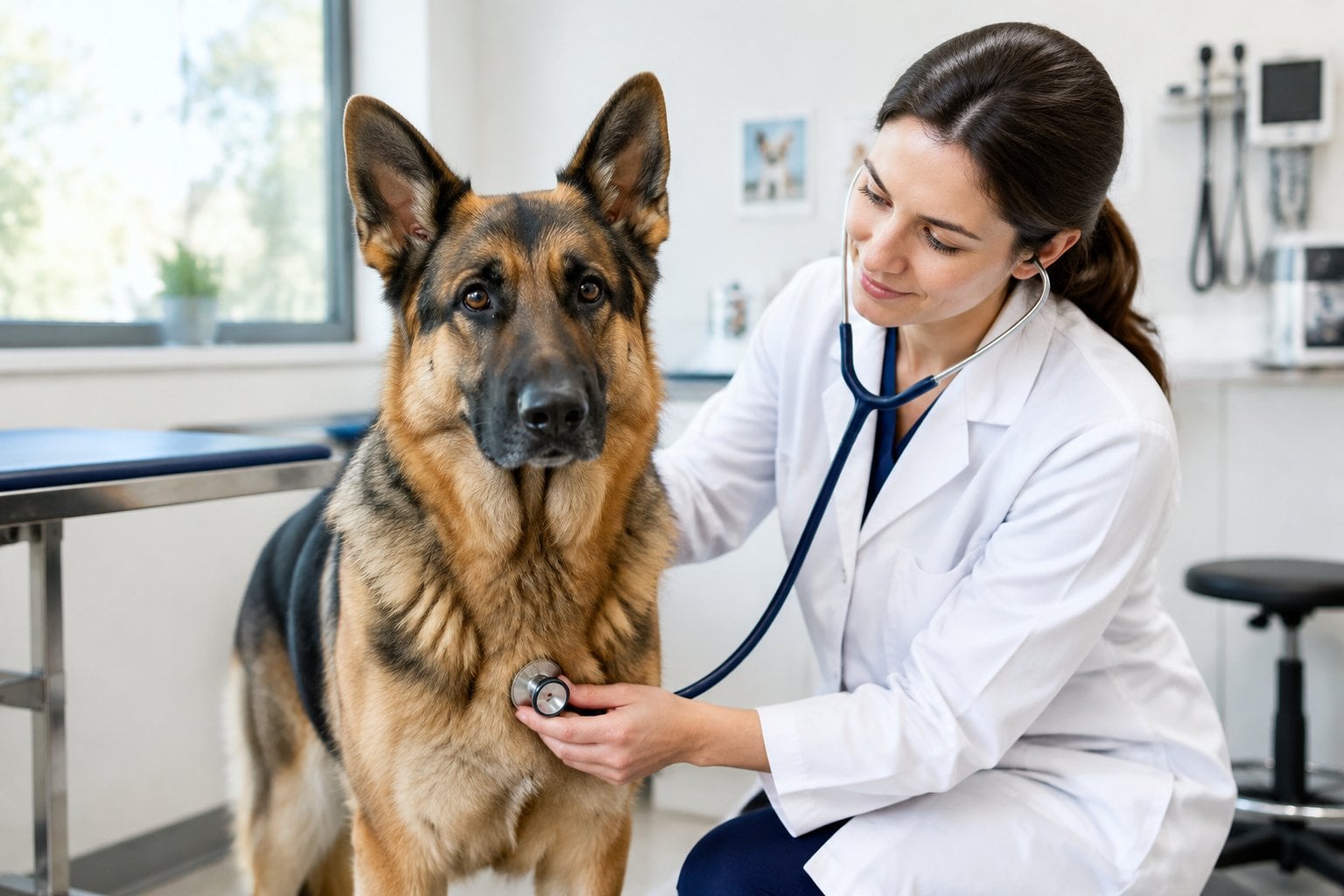
German Shepherds are smart, loyal working dogs, and they are also one of the breeds most associated with hip and elbow dysplasia. These inherited joint problems can cause arthritis and pain from a young age. Serious cases may need surgery, including hip replacement, which is one of the most expensive orthopedic operations for dogs.
The breed is also known for degenerative myelopathy, a slow spinal cord disease that leads to weakness and paralysis in the back legs. There is no cure, but physical therapy can help. German Shepherds are prone to exocrine pancreatic insufficiency, where the pancreas stops making digestive enzymes. Affected dogs need enzyme powder with every meal for life.
Other common problems include bloat, perianal fistulas, which are painful sores near the tail that need long-term treatment, and hemangiosarcoma, a blood vessel cancer. Many German Shepherd owners spend a lot on joint care alone.
22. Golden Retriever
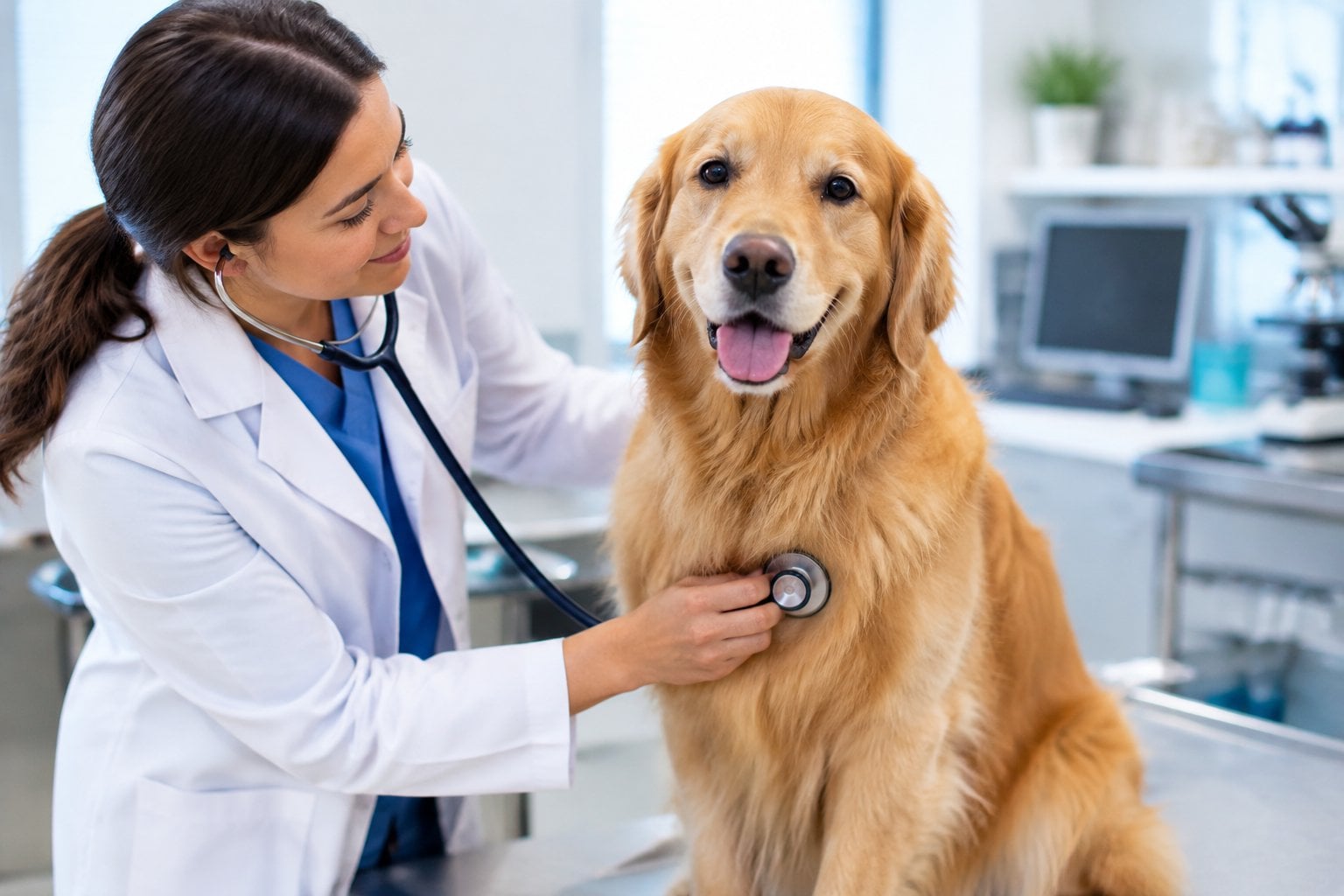
Golden Retrievers are one of America’s favorite family dogs, but cancer is a very real worry. The Golden Retriever Club of America estimates that about 60 percent of Goldens die of cancer. The breed is especially prone to hemangiosarcoma, a cancer of the blood vessels, and to lymphoma. Cancer treatment, including surgery, chemotherapy and specialist visits, can easily reach thousands of dollars.
The concern is so serious that the Morris Animal Foundation launched the Golden Retriever Lifetime Study, which follows more than 3,000 Goldens through their lives to learn what causes cancer and other diseases in dogs.
Goldens are also prone to hip and elbow dysplasia, skin allergies and ear infections, which can mean frequent vet visits for itching and medicated ear drops. Some are born with subaortic stenosis, a heart defect. A Golden’s friendly nature is famous, but so are its vet bills.
23. Labrador Retriever
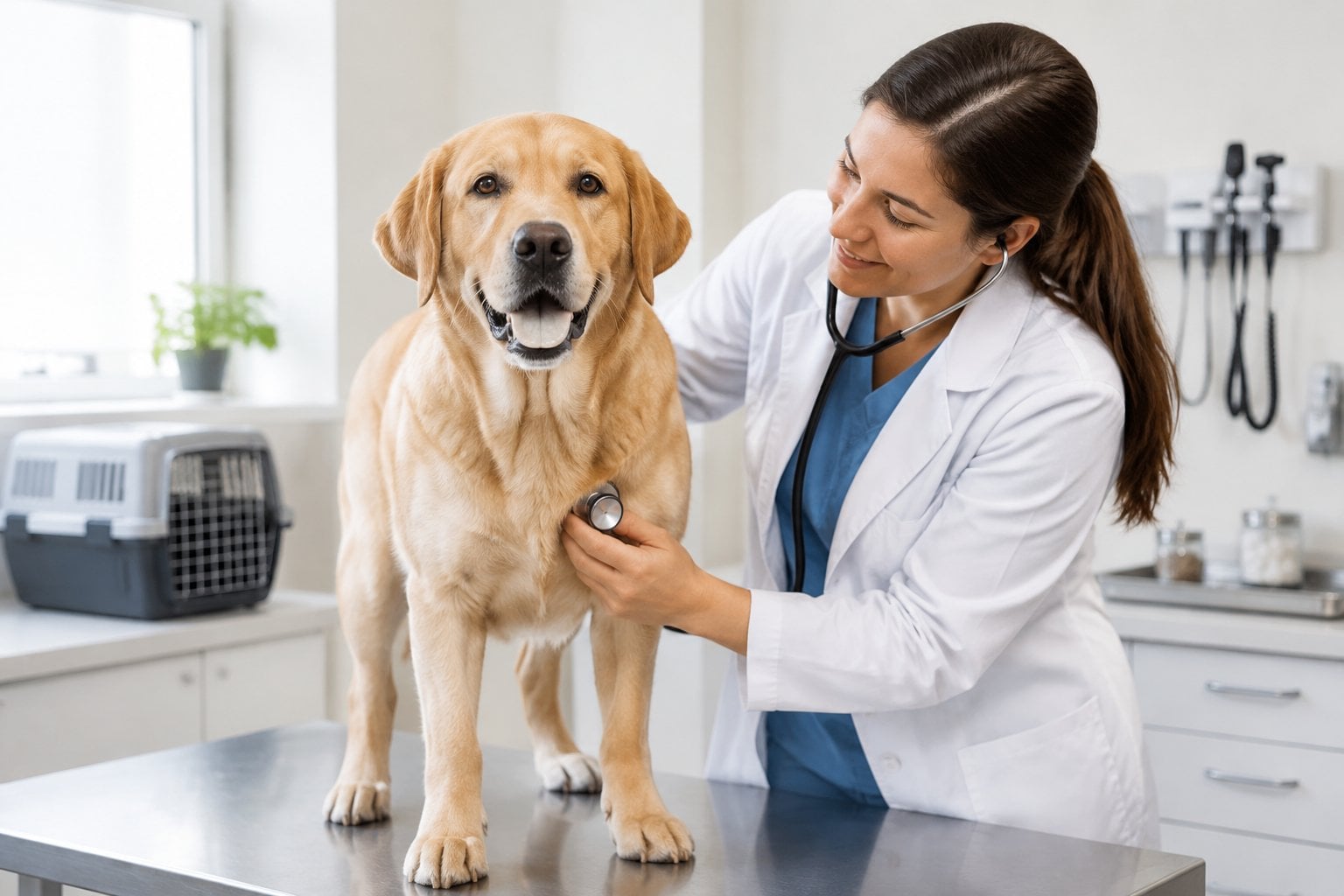
Labradors are healthy, active dogs in many ways, but their love of food is a real health issue. Researchers at the University of Cambridge found that many Labs carry a gene change, in a gene called POMC, that makes them hungrier and more likely to gain weight. Obesity raises the risk of arthritis, diabetes and joint injuries.
Labs are one of the breeds most likely to tear the cranial cruciate ligament in the knee. Most need surgery, such as a TPLO, and many dogs tear the other knee later. Hip and elbow dysplasia are also common, and joint problems can mean years of pain medication.
Their floppy ears trap moisture, so ear infections are frequent. Labs are known for swallowing things they shouldn’t, like socks and toys, which can block the gut and need emergency surgery. Exercise-induced collapse, an inherited condition, and fatty lumps called lipomas are also common in the breed.
24. Doberman Pinscher
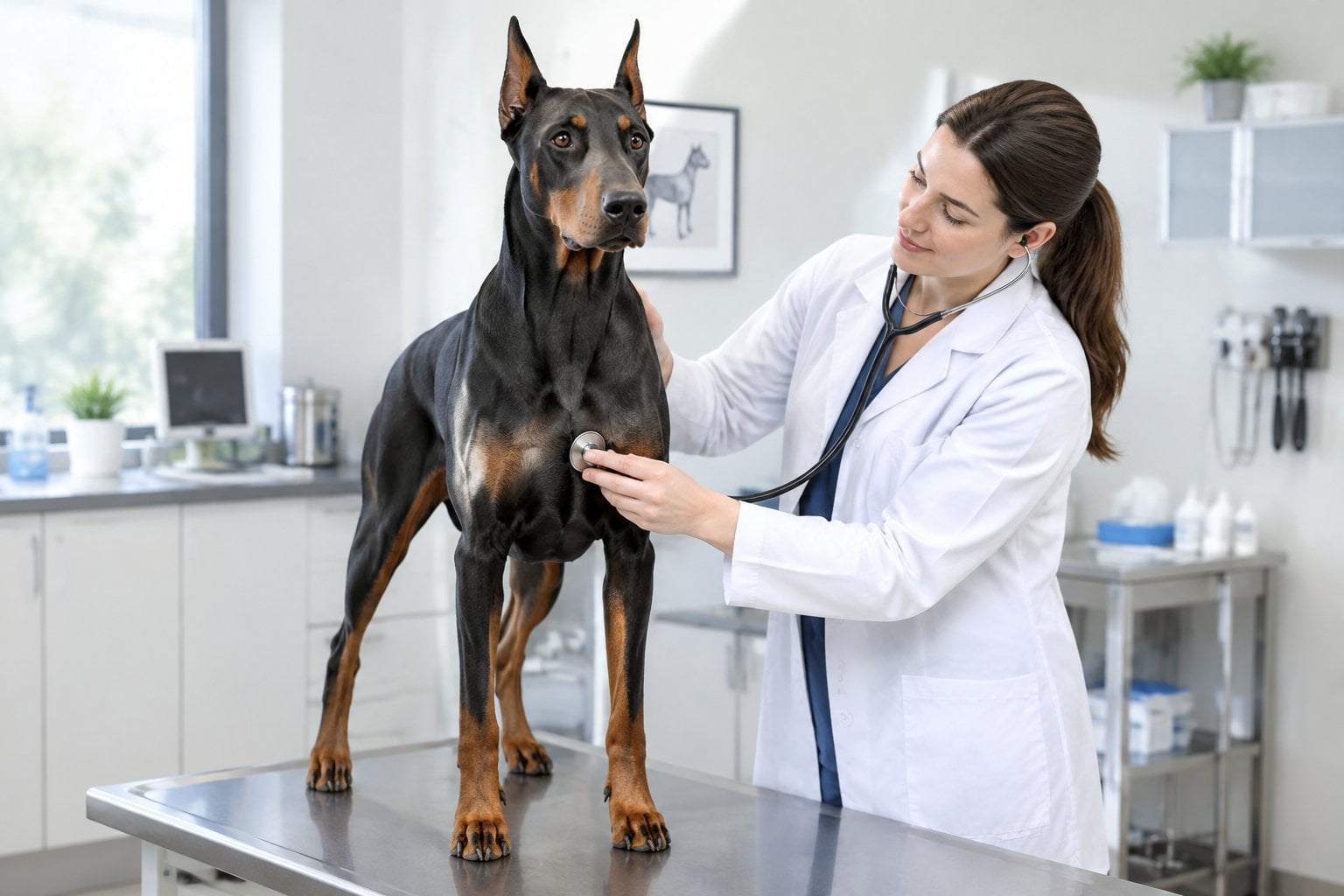
Doberman Pinschers are sleek, athletic and loyal, but they have a very high rate of heart disease. Dilated cardiomyopathy, where the heart muscle weakens and the heart enlarges, is extremely common in the breed. A large German study that followed more than 400 Dobermans found that 58 percent developed the disease over their lifetime.
Because the disease can cause sudden death before any signs appear, vets recommend yearly screening with a 24-hour heart monitor and an echocardiogram, starting when the dog is young. Dogs that test positive need daily heart medication. All of that adds up year after year.
Dobermans are also prone to von Willebrand disease, an inherited bleeding disorder. It can make even simple surgery risky, so many vets test for it before any operation. Wobbler syndrome, a neck problem that squeezes the spinal cord, and bloat are other common concerns in this breed.
25. Siberian Husky
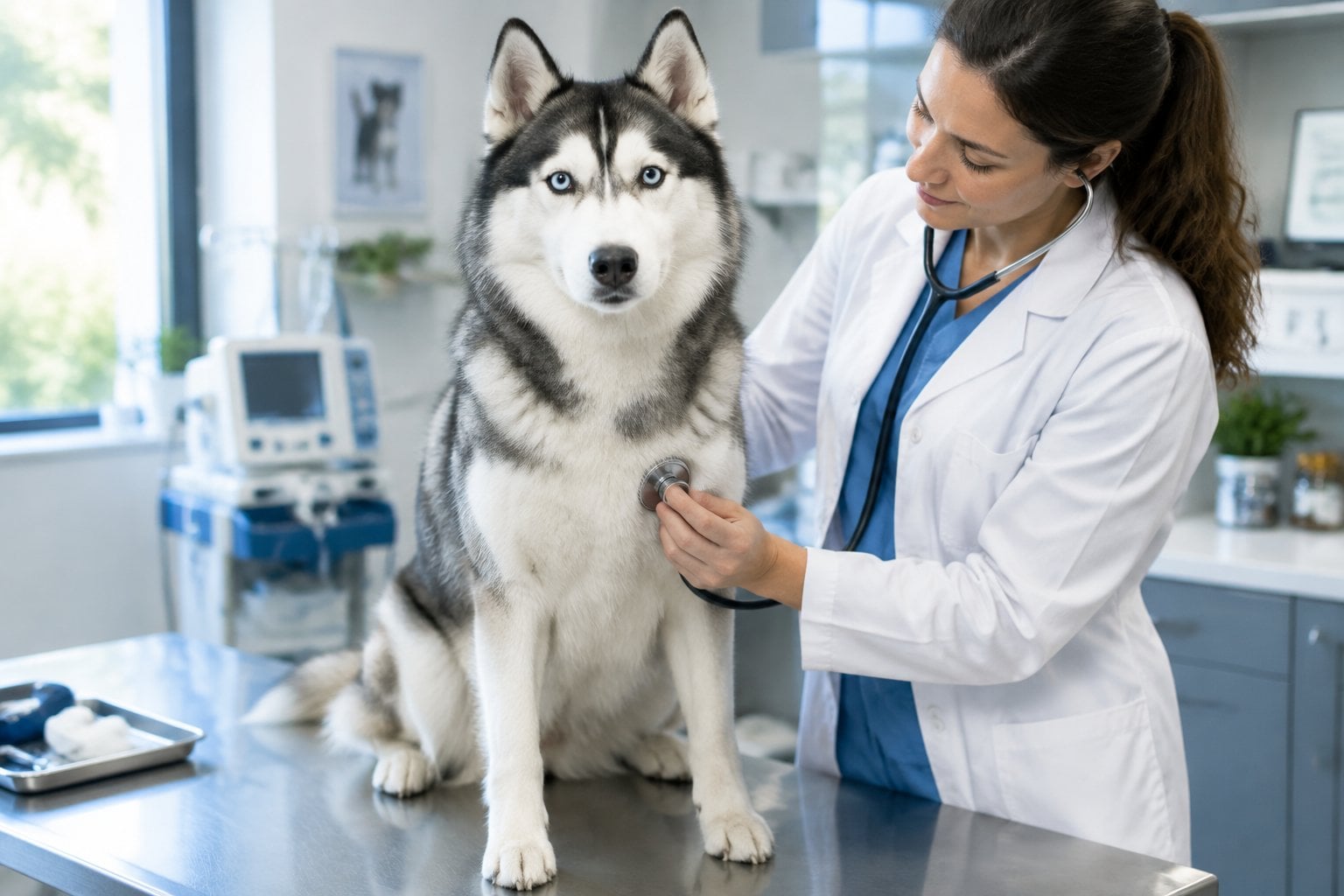
Siberian Huskies are generally hardy dogs, but they have a few inherited conditions that can be expensive. Eye disease is the biggest. Huskies are prone to juvenile cataracts, which can appear in dogs under two years old, as well as progressive retinal atrophy and corneal dystrophy. Cataract surgery is done by a veterinary eye specialist and can cost thousands of dollars.
Huskies can also have zinc-responsive dermatosis, a skin problem where the dog cannot absorb enough zinc from its food. It causes crusty, hairless patches around the face and needs lifelong supplements. Hypothyroidism, which slows the metabolism and needs daily medicine, is also seen in the breed.
The biggest cost for many Husky owners, though, comes from their energy and escape skills. Huskies love to run and are famous for getting out of yards, which can lead to injuries and emergency visits. Hip dysplasia is less common than in many big breeds, but it does occur.
26. Chow Chow
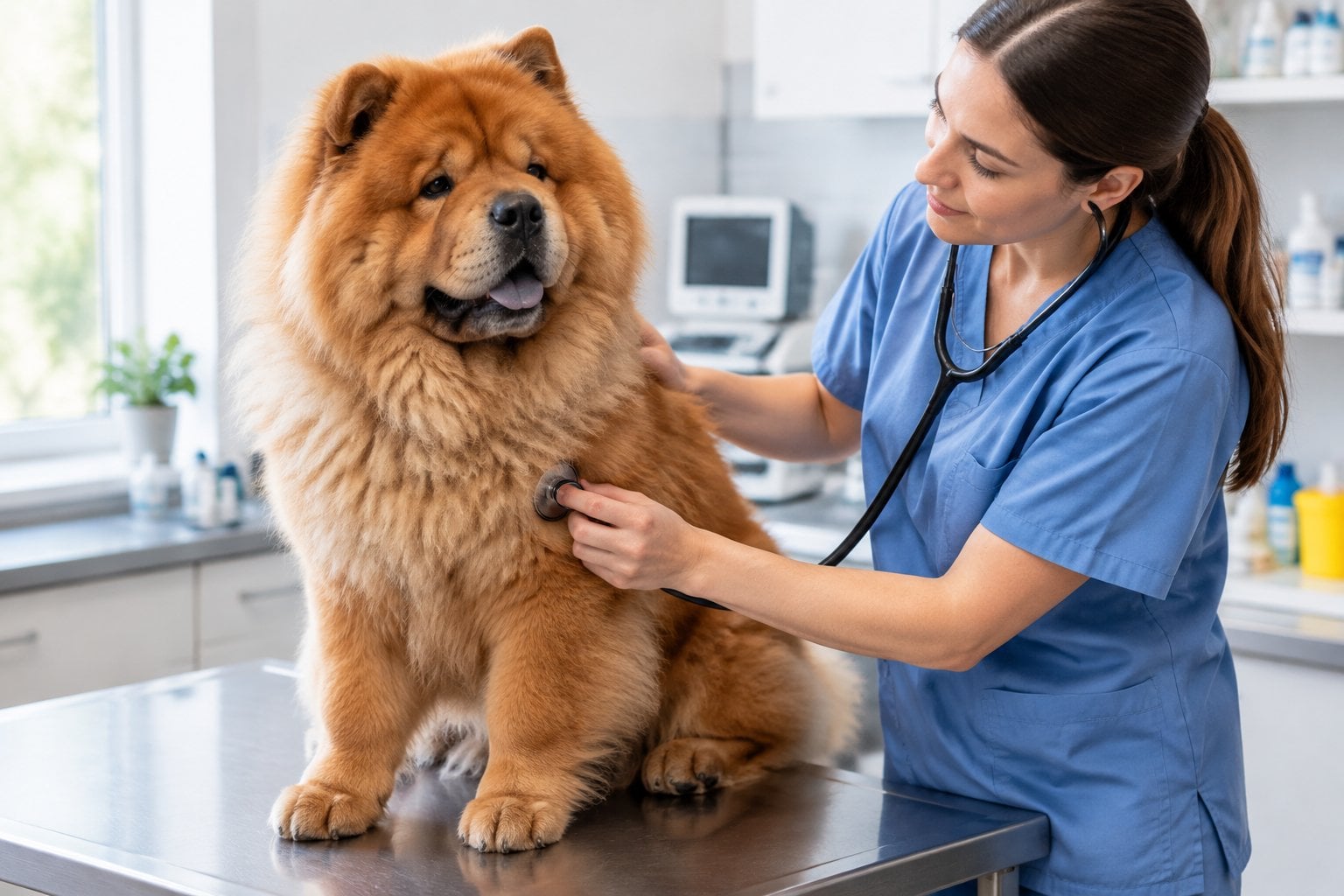
The Chow Chow is an ancient breed from China with a lion-like mane and a blue-black tongue. It is also prone to several problems that can be costly to fix. The most common is entropion, where the eyelid rolls inward and the lashes rub against the eye. It is painful and usually needs surgery, sometimes more than once.
Chows are prone to hip and elbow dysplasia, and the breed club recommends hip and elbow screening before breeding. Torn knee ligaments are also common, which may need surgery.
The breed can develop autoimmune skin diseases, hypothyroidism and allergies, all of which need ongoing treatment. Chows have a thick double coat that can hide skin problems until they are advanced. Their independent nature can also make vet visits harder, and some need sedation just for an exam, which adds to the bill.
27. Shar-Pei
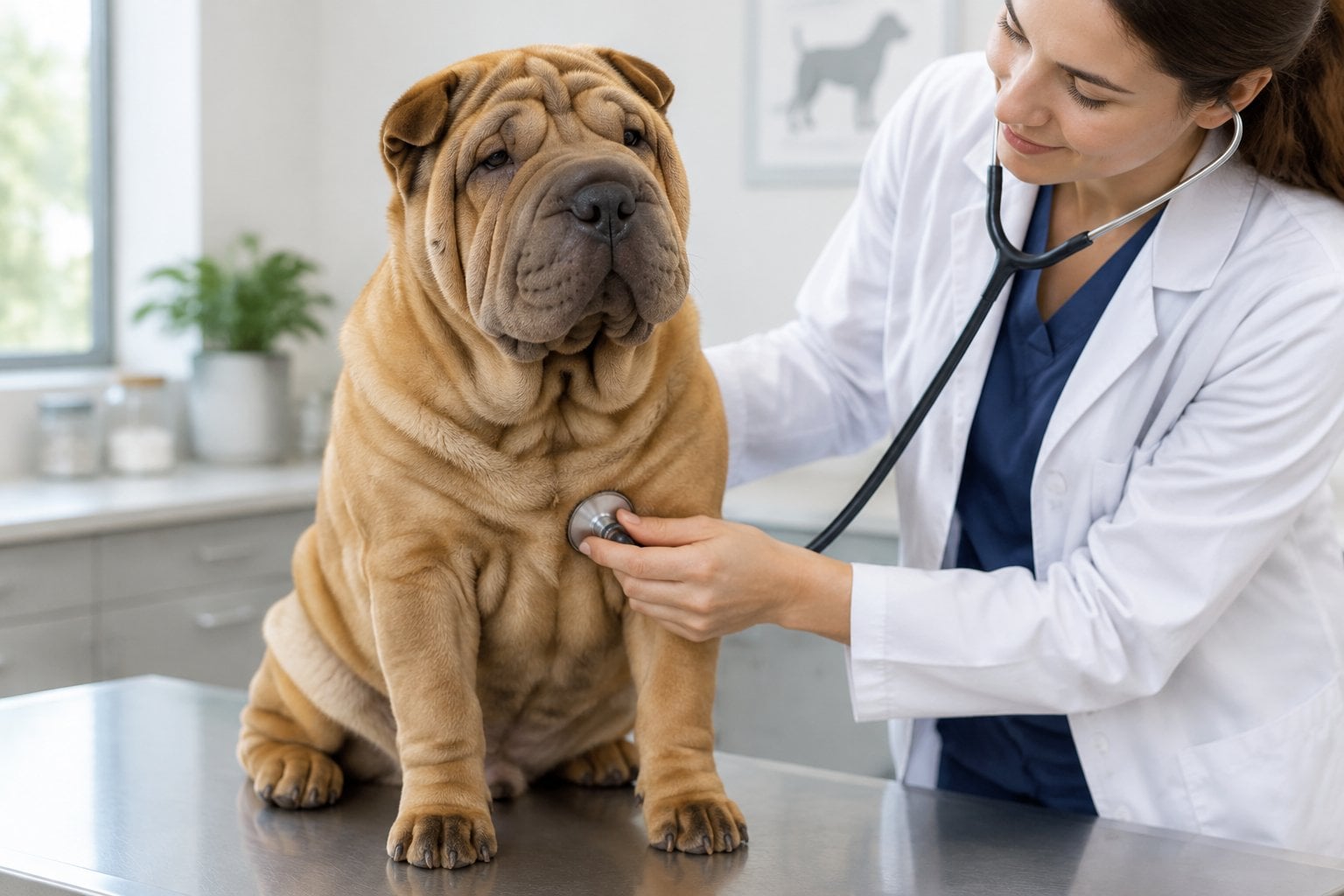
The Chinese Shar-Pei is famous for its deep wrinkles, and those folds come with a price. Skin fold infections are common, and many Shar-Peis also suffer from allergies. Their narrow ear canals trap moisture, which leads to chronic ear infections that sometimes need surgery.
Entropion is extremely common in the breed. Many Shar-Pei puppies need their eyelids tacked in place with temporary stitches, and older dogs often need permanent eyelid surgery.
The breed also has an inherited inflammatory disease called Shar-Pei autoinflammatory disease, often called Shar-Pei fever. It causes repeated bouts of high fever and swollen hocks. Over time, it can lead to amyloidosis, where abnormal proteins build up in the kidneys and cause kidney failure. Kidney disease needs lifelong management, including special diets, fluids and frequent blood tests. Between skin, eyes, ears and kidneys, the Shar-Pei is a costly dog to keep healthy.
28. West Highland White Terrier

The West Highland White Terrier, or Westie, is a small, cheerful dog, but it is one of the breeds most affected by skin allergies. Atopic dermatitis, an allergy to things like pollen and dust mites, causes constant itching, red skin and skin infections. Many Westies need allergy testing, special diets, medicated shampoos and daily medication for life. Allergy drugs for dogs are not cheap.
Westies are also known for idiopathic pulmonary fibrosis, sometimes called Westie lung disease. The lungs become scarred and stiff, which makes breathing hard. There is no cure, and treatment focuses on easing symptoms.
Young Westies can develop craniomandibular osteopathy, a painful bone growth in the jaw, and Legg-Calve-Perthes disease, where the top of the thigh bone breaks down and often needs surgery. Dry eye is also common in the breed. For a small terrier, the Westie can bring big, ongoing bills.
29. Cocker Spaniel
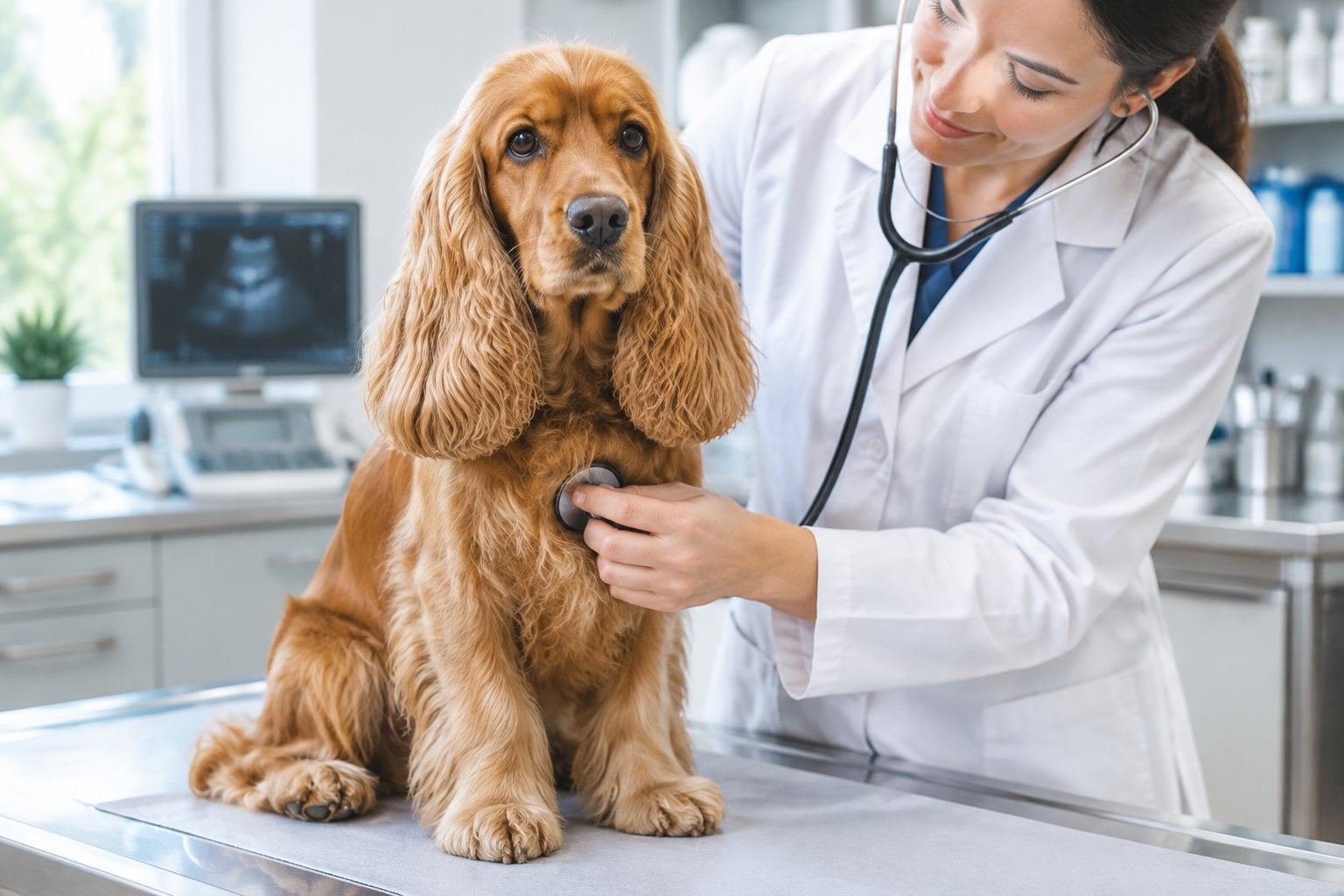
The American Cocker Spaniel has long, heavy ears, and those ears are one of the breed’s biggest costs. Chronic ear infections are very common, and in severe cases the ear canal becomes so damaged that the only fix is a surgery that removes it completely. That is a major operation.
Eye problems are another big issue. Cocker Spaniels are prone to glaucoma, which is painful and can cause blindness, as well as cataracts, cherry eye and progressive retinal atrophy. Glaucoma often needs lifelong eye drops or surgery.
The breed is also known for immune-mediated hemolytic anemia, where the immune system destroys red blood cells. It can be life-threatening and may need hospital care, blood transfusions and long-term medication. Hypothyroidism and skin problems are also common. Many Cocker owners find that regular grooming and ear cleaning help, but the breed still tends to visit the vet often.
30. English Springer Spaniel

The English Springer Spaniel is an energetic, friendly bird dog, but it shares some of the Cocker Spaniel’s costly problems. Its long, floppy ears make it prone to ear infections, and frequent cleaning and medicated drops are a normal part of life with a Springer. Severe cases can need surgery.
Hip and elbow dysplasia are seen in the breed, along with eye diseases such as progressive retinal atrophy, which leads to blindness, and retinal dysplasia. Springers can also inherit phosphofructokinase deficiency, which affects red blood cells and muscles and can cause anemia after hard exercise. A DNA test is available, and responsible breeders use it.
Springers are also prone to skin allergies and some immune diseases. Because they are such active dogs, injuries from running through fields and water are common too. They are not the most expensive breed on this list, but their vet bills tend to be higher than average.