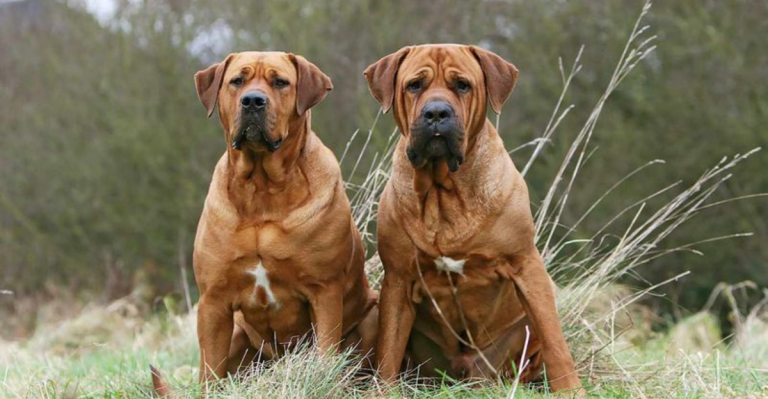
The 30 Most Expensive Dog Breeds to Own: Complete Cost Breakdown

Owning a dog involves more than just the initial purchase price. The true cost of dog ownership extends across the animal’s entire lifetime, encompassing veterinary care, grooming, food, training, and breed-specific health considerations.
Some breeds require substantially more financial investment than others due to their unique needs and predispositions.
Understanding which dog breeds carry the highest ownership costs helps you make an informed decision before bringing a new companion into your home.
This financial reality doesn’t diminish the joy these animals bring, but it does require honest assessment of your budget and long-term commitment. The breeds featured here range from massive guardians to delicate toy companions, each with distinct cost factors that extend well beyond their initial price tags.
1. English Bulldog
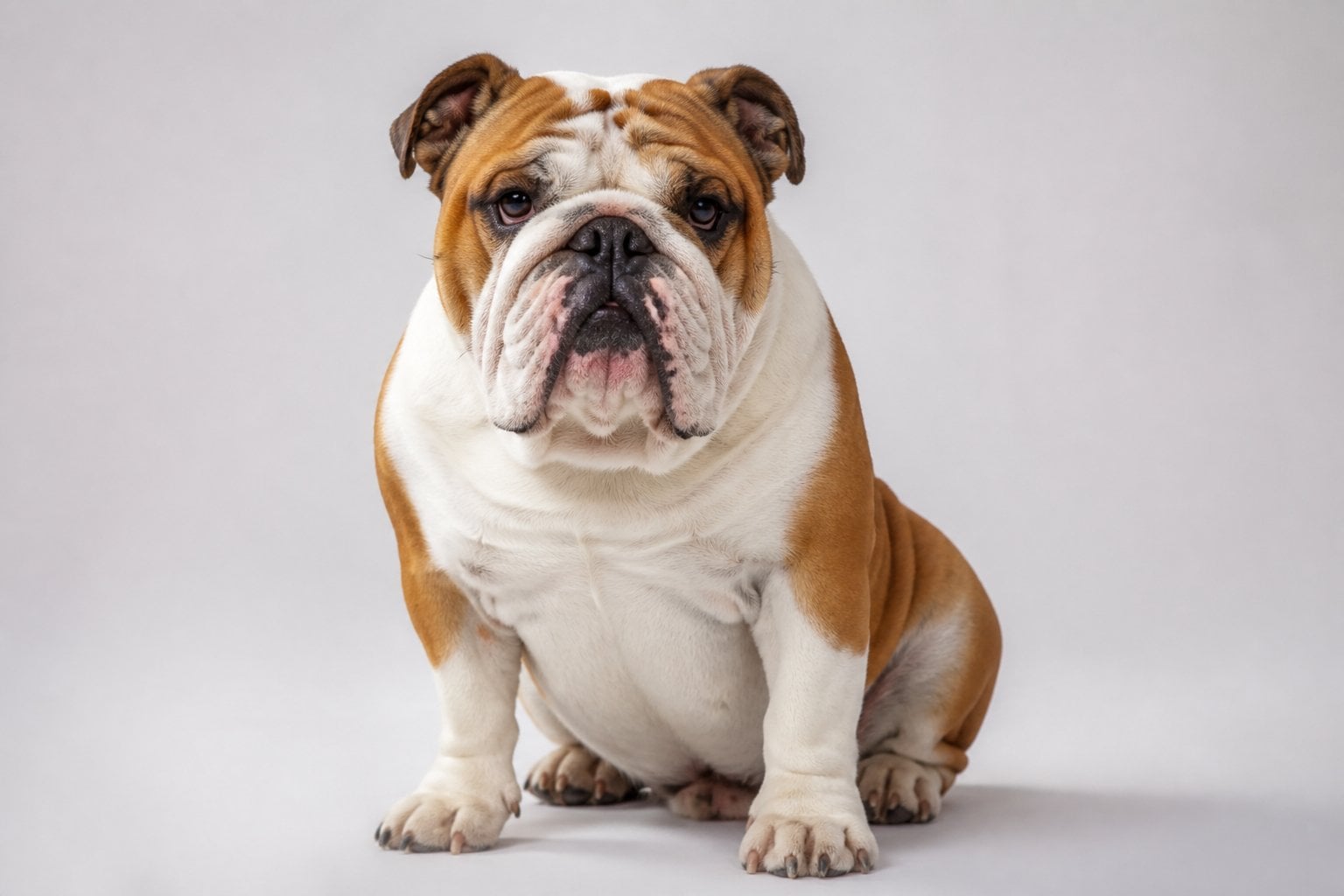
The English Bulldog holds the distinction of being the most expensive dog breed to own over its lifetime. While the initial purchase price typically ranges from $2,500 to $4,500, the total lifetime cost can reach $50,000 to $80,000.
This substantial expense stems primarily from the breed’s numerous health complications. English Bulldogs are prone to respiratory issues, skin conditions, and joint problems that require ongoing veterinary care throughout their lives. Many of these health concerns begin early and persist as the dog ages.
The breed’s distinctive physical characteristics contribute to these medical challenges. Their flat faces can cause breathing difficulties, and their body structure often leads to mobility issues. You’ll need to budget for regular vet visits, potential surgeries, and specialized care.
Beyond medical costs, English Bulldogs require specific maintenance. Their skin folds need regular cleaning to prevent infections, and they’re sensitive to temperature extremes. You should factor in expenses for climate control, quality food, and professional grooming services when considering this breed.
2. French Bulldog
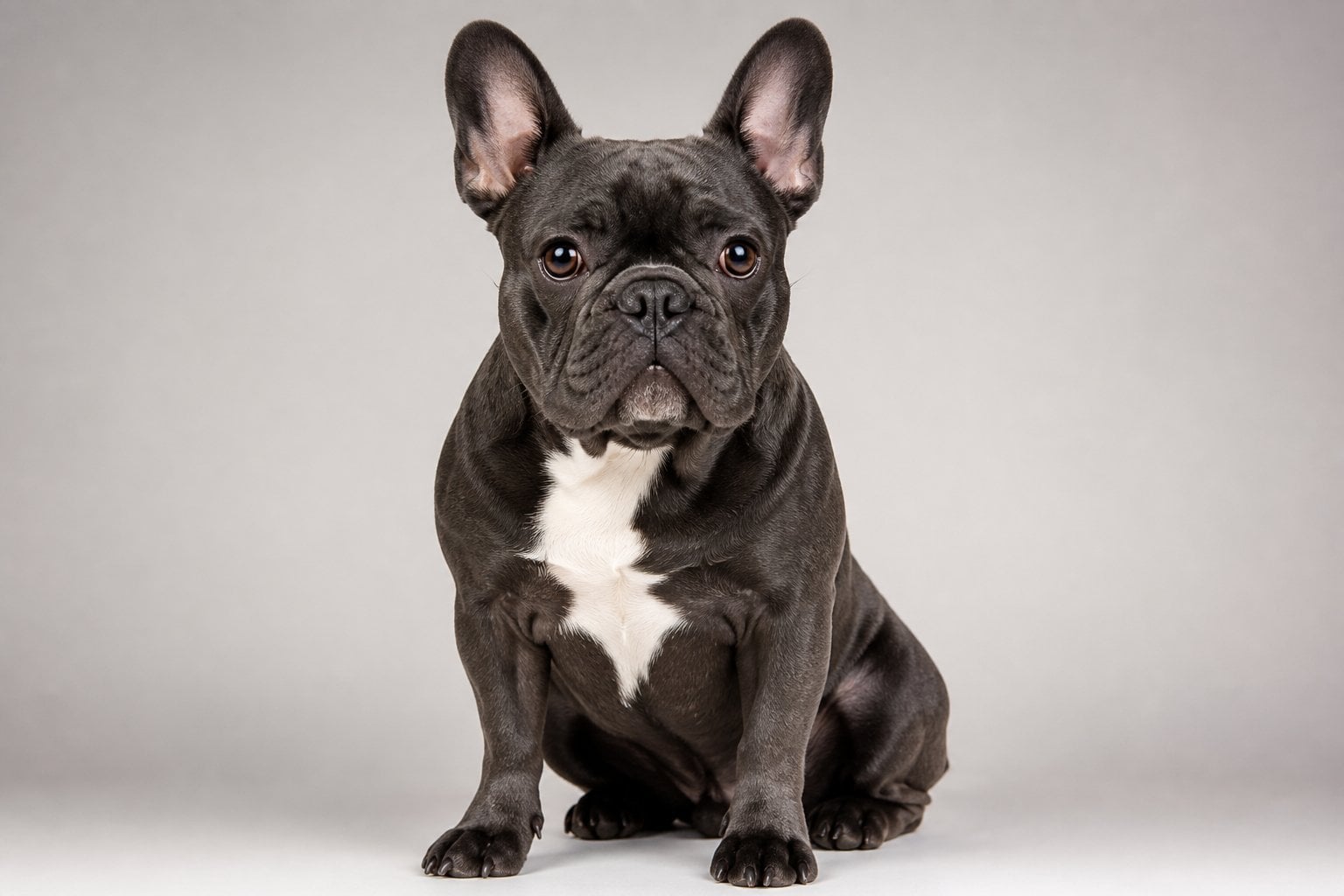
French Bulldogs rank among the most expensive dog breeds you can purchase, with prices typically ranging from $3,500 to $30,000 depending on various factors. The breed’s unique appearance, compact size, and affectionate temperament have made them extremely popular, driving prices higher.
Several factors contribute to their steep cost. French Bulldogs face significant breeding challenges due to their physical structure. Their narrow hips and large heads mean breeders often need artificial insemination and cesarean sections for reproduction, which increases veterinary expenses considerably.
Color and rarity play a major role in pricing. Standard colors are more affordable, while rare variations command premium prices. Isabella French Bulldogs, one of the rarest color variations, can cost between $4,000 and $100,000.
Beyond the initial purchase price, you’ll need to budget for ongoing healthcare costs. The breed is prone to various health issues related to their brachycephalic (flat-faced) structure, which can result in expensive veterinary care throughout their lifetime. French Bulldogs have claimed the top spot on the American Kennel Club’s popularity rankings, surpassing even Labrador Retrievers in recent years.
3. Tibetan Mastiff
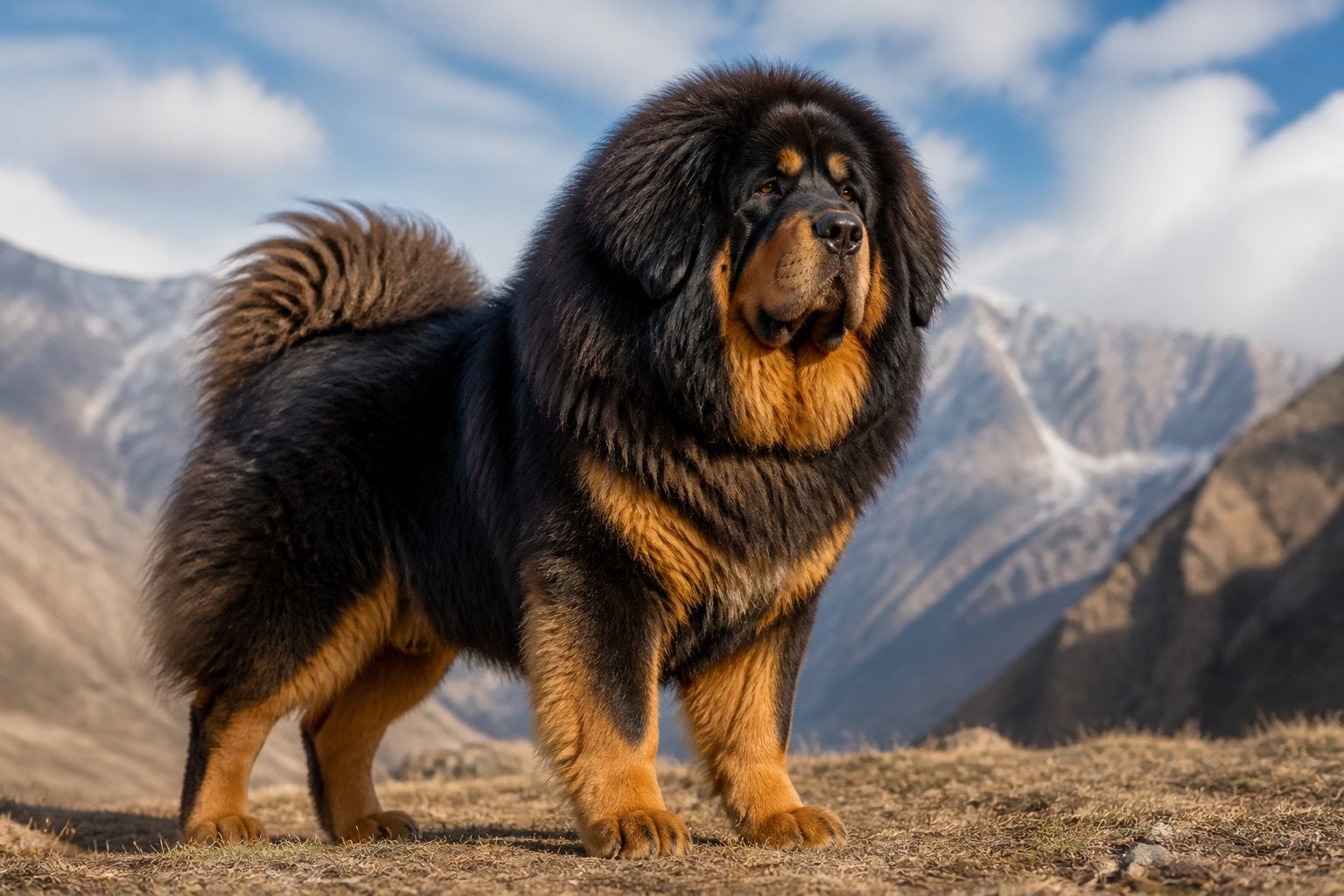
The Tibetan Mastiff tops the list as one of the most expensive dog breeds you can own. These massive guardians were originally bred to protect livestock in the Himalayas, and their imposing size reflects that heritage.
Purchase prices for Tibetan Mastiffs typically range from $2,000 to $10,000 from reputable breeders. In rare cases, particularly prized specimens have sold for over $1 million, though you shouldn’t expect to pay anywhere near that amount for a quality dog.
The high cost stems from several factors. Breeding and raising these giant dogs requires significant investment in quality food, veterinary care, and spacious living accommodations. Responsible breeders also spend heavily on health testing, genetic screening, and proper socialization.
Beyond the initial purchase price, you’ll face ongoing expenses that match their substantial size. Their thick double coat needs regular grooming, and their large frame means higher costs for everything from food to medical care. You’ll need experience handling strong-willed dogs, as their independent nature and protective instincts require knowledgeable management.
4. Samoyed
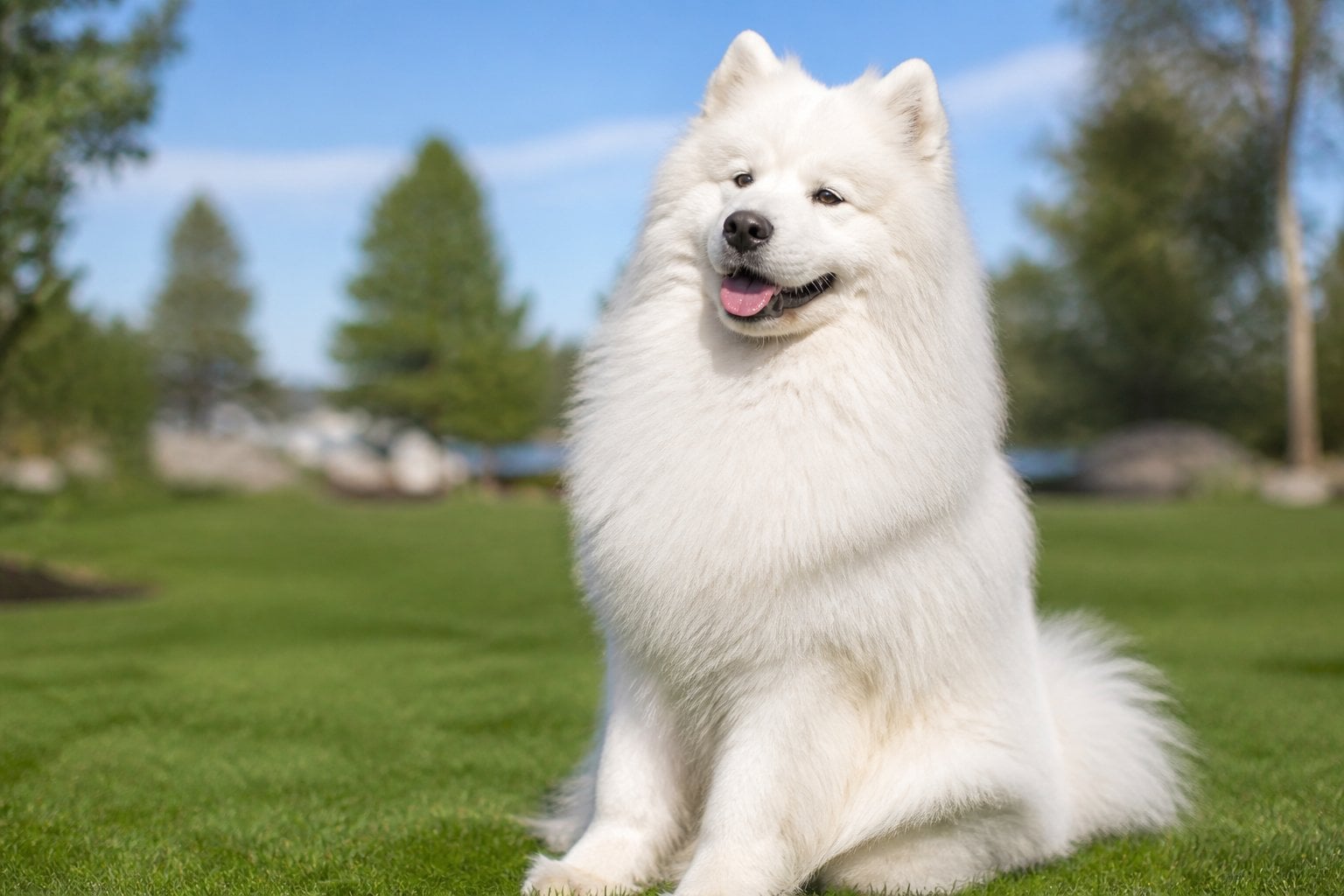
The Samoyed ranks among the most expensive dog breeds you can purchase, with puppies typically costing between $2,000 and $4,800 from reputable breeders. In some cases, especially for show-quality dogs with exceptional pedigrees, prices can reach $14,000 or more.
These fluffy white dogs were originally bred by the Samoyede people of Siberia for herding reindeer and pulling sleds. Their thick double coat requires significant grooming maintenance, which adds to ownership costs beyond the initial purchase price.
Geographic location affects pricing considerably. If you live on the West Coast, particularly in cities like Seattle or Portland, you’ll find prices at the higher end of the range due to increased demand and cost of living.
Annual costs for owning a Samoyed extend well beyond the purchase price. You need to budget for professional grooming, high-quality food suitable for their size and energy level, and routine veterinary care. Their sociable nature and intelligence make them wonderful companions, but they require consistent attention and exercise to prevent destructive behaviors.
5. Rottweiler

Rottweilers rank among the more expensive dog breeds to own, with lifetime costs ranging from $16,000 to $38,000. When you purchase a Rottweiler puppy from a breeder, expect to pay between $800 and $7,000 depending on the dog’s pedigree and the breeder’s reputation.
Your annual expenses for a Rottweiler typically fall between $1,200 and $1,600. This covers routine care, food, and basic veterinary needs. Insurance costs are notably higher for this breed, averaging around $1,489 per year.
The significant expense comes from their large size and health considerations. Rottweilers have a predisposition to orthopedic issues and cancer-related conditions, which can lead to substantial veterinary bills throughout their lifetime. Their strength and loyalty make them excellent guard dogs, but you need to budget for their specific care requirements.
Male Rottweiler puppies generally cost a few hundred dollars less than females from the same breeder. Their popularity as the ninth most popular AKC breed in 2024 means you’ll find breeders readily available, though this doesn’t necessarily reduce the overall ownership costs.
6. Chow Chow
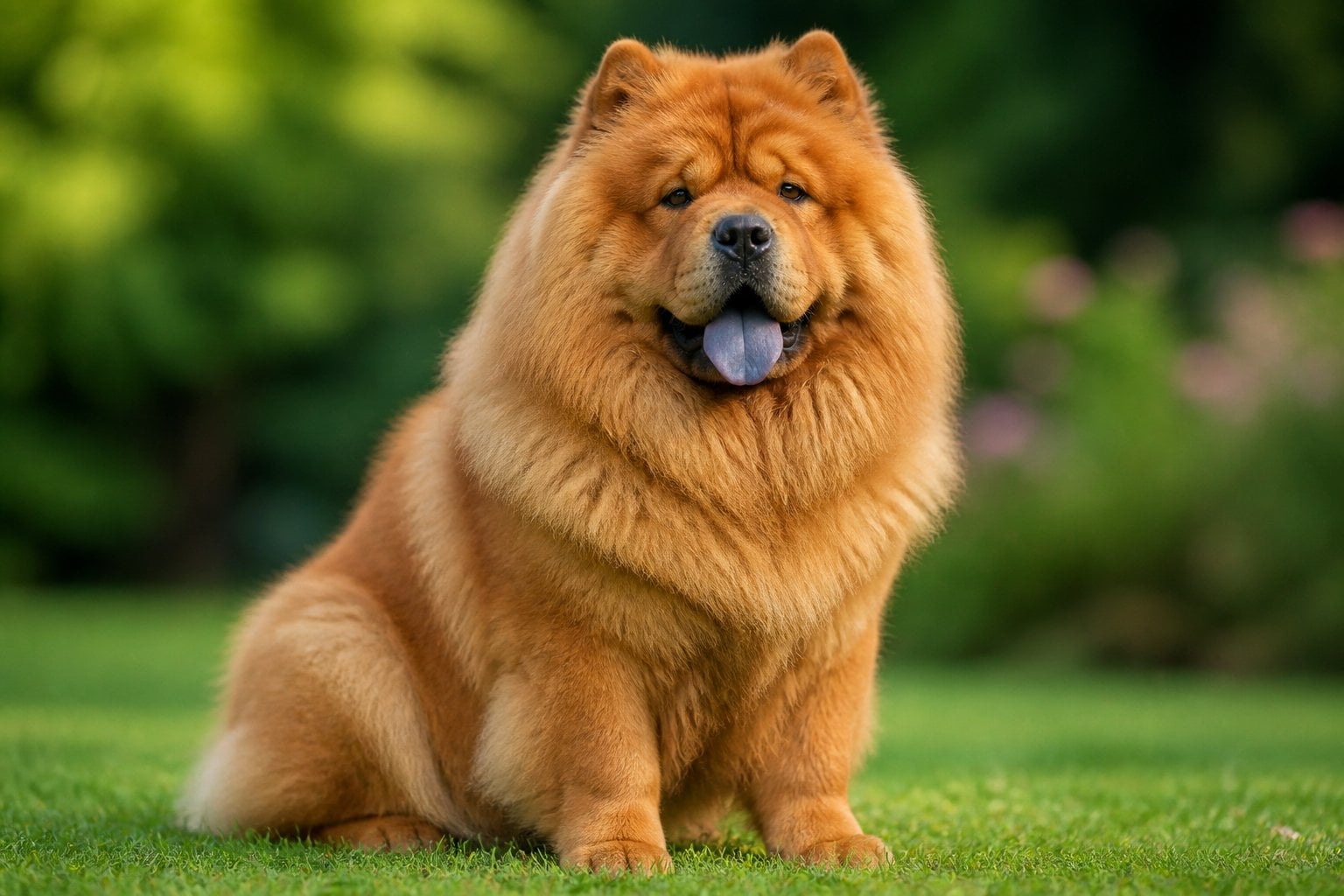
The Chow Chow stands out as one of the rarest and most distinctive dog breeds in the world. Originally from China, this ancient breed features thick, luxurious fur and a unique blue-black tongue that sets it apart from other dogs.
You can expect to pay between $1,500 and $4,000 for a Chow Chow puppy from a reputable breeder. However, the initial purchase price represents just the beginning of your investment.
Their dense double coat requires regular professional grooming to prevent matting and maintain their characteristic fluffy appearance. You’ll need to budget for frequent grooming sessions, which add significantly to ownership costs over the dog’s lifetime.
Chow Chows possess an independent and sometimes stubborn temperament. This personality trait means you may need to invest in professional training to ensure proper socialization and obedience.
The breed also faces potential health concerns that can lead to substantial veterinary expenses. Their thick coat makes them prone to overheating, and they can develop conditions requiring ongoing medical care. When you combine purchase price, grooming needs, and healthcare costs, the Chow Chow consistently ranks among the most expensive breeds to own.
7. Akita Inu
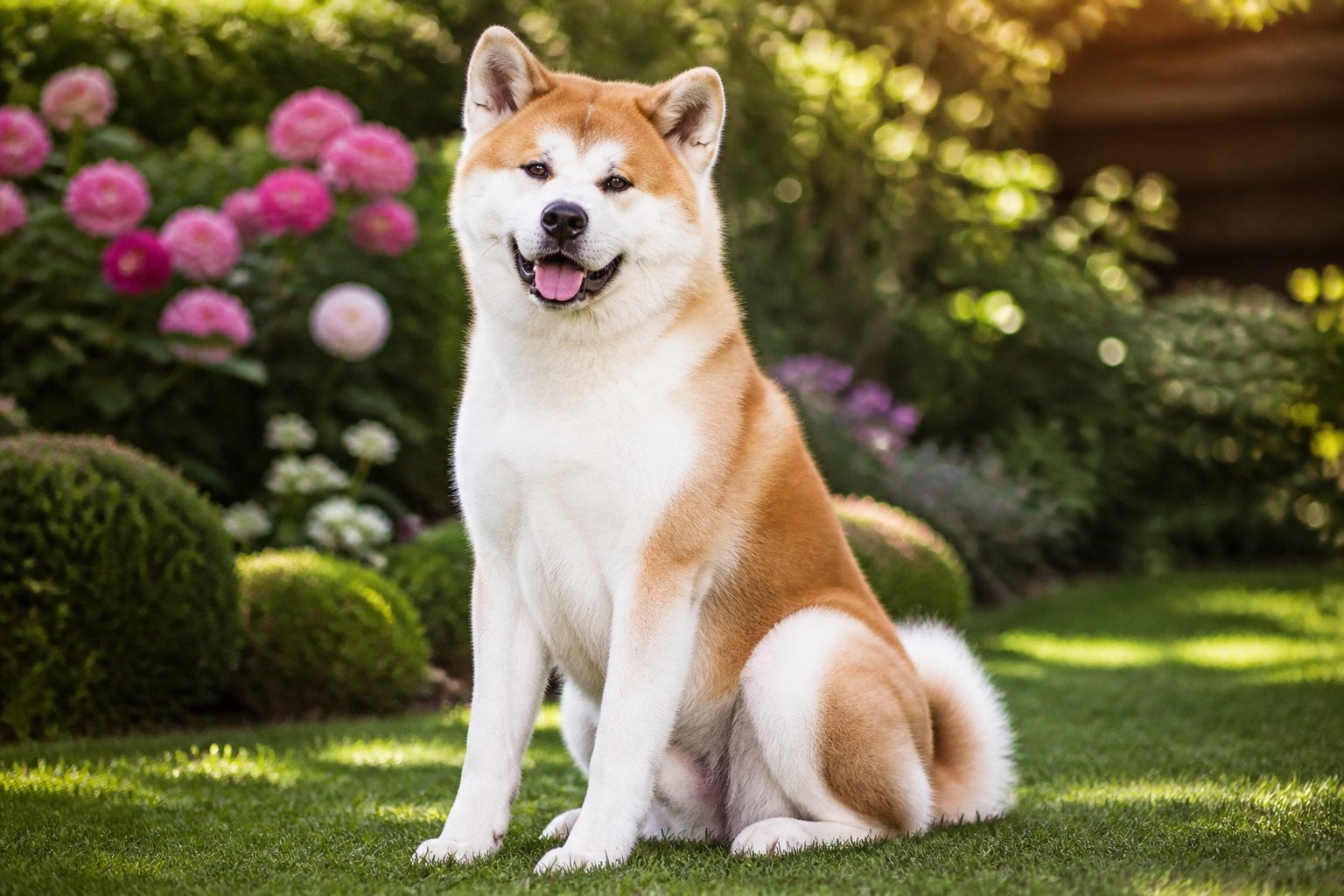
The Akita Inu ranks among the most expensive dog breeds you can purchase, with prices reflecting its prestigious heritage and status. This Japanese breed was originally developed for hunting large game like deer, elk, and black bears while also serving as a loyal guardian.
You’ll find that several factors drive up the cost of an Akita. The breeder’s reputation plays a significant role in pricing, along with the dog’s bloodline and age. Puppies typically command higher prices than adult dogs.
If you’re looking at dogs with champion bloodlines, expect to pay substantially more. The Akita’s reputation as a status symbol, cultivated since the breed’s origins in Asia, continues to influence its market value today.
Beyond the initial purchase price, you should budget for ongoing expenses. Akitas are purebred dogs with higher risks of genetic health issues compared to mixed breeds. This means you’ll likely face costs for regular veterinary checkups, vaccinations, and potential health treatments.
You can reduce ownership costs by adopting instead of buying from a breeder or learning to groom your Akita at home. These strategies make owning this noble breed more accessible while still enjoying the loyalty and distinctive presence an Akita brings.
8. Cavalier King Charles Spaniel

The Cavalier King Charles Spaniel commands a premium price, with purchase costs typically ranging from $1,200 to $1,500 from reputable breeders. This toy breed’s expense stems from its popularity as both a companion animal and show dog.
Named after King Charles II of England, who was famously devoted to these spaniels, the breed carries an aristocratic heritage that adds to its appeal. You’ll find these gentle, affectionate dogs particularly valued by families seeking a smaller companion with a calm temperament.
Beyond the initial purchase price, you should budget for significant healthcare costs. Cavalier King Charles Spaniels are prone to mitral valve disease, a serious heart condition that requires lifelong management. Treatment for this condition alone can cost between $7,000 and $12,000 over your dog’s lifetime.
The breed has experienced notable price increases in recent years, with UK prices rising nearly 30% due to increased demand. This reflects the high value owners place on their graceful appearance and devoted nature. When calculating total ownership costs, factor in regular veterinary care, premium food, grooming, and potential medical treatments.
9. Irish Wolfhound
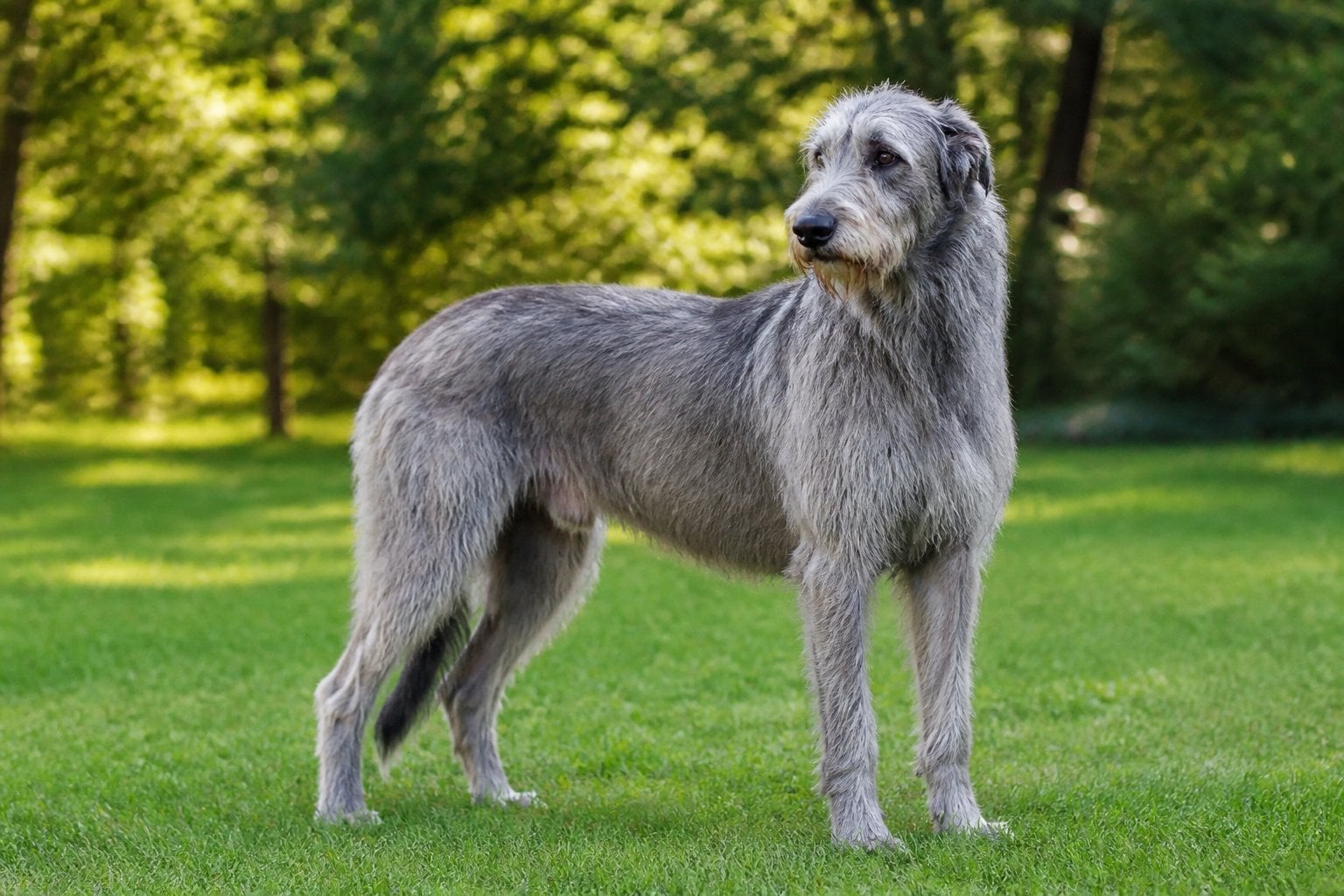
The Irish Wolfhound ranks among the most expensive dog breeds to own, with annual costs reaching approximately $2,150. As the world’s tallest dog breed, often standing over 40 inches, their size directly impacts ownership expenses.
Your initial investment will range from $1,400 to $2,500 for a puppy from a reputable breeder. If you’re seeking a champion bloodline, you should expect to pay between $2,200 and $6,200.
Beyond the purchase price, your ongoing costs will be substantial. These giant dogs consume significantly more food than average breeds, making quality nutrition a major expense. Their large size also contributes to higher healthcare costs due to breed-specific health concerns common in giant breeds.
Originally bred for hunting wolves, wild boars, and deer, Irish Wolfhounds possess a commanding presence balanced by their gentle, friendly temperament. You’ll find them recognized for their kind nature despite their imposing stature.
Your grooming expenses and medical care will add to the overall cost of ownership. The combination of their size requirements, health needs, and daily care makes them one of the pricier breeds to maintain throughout their lifetime.
10. Dogo Argentino
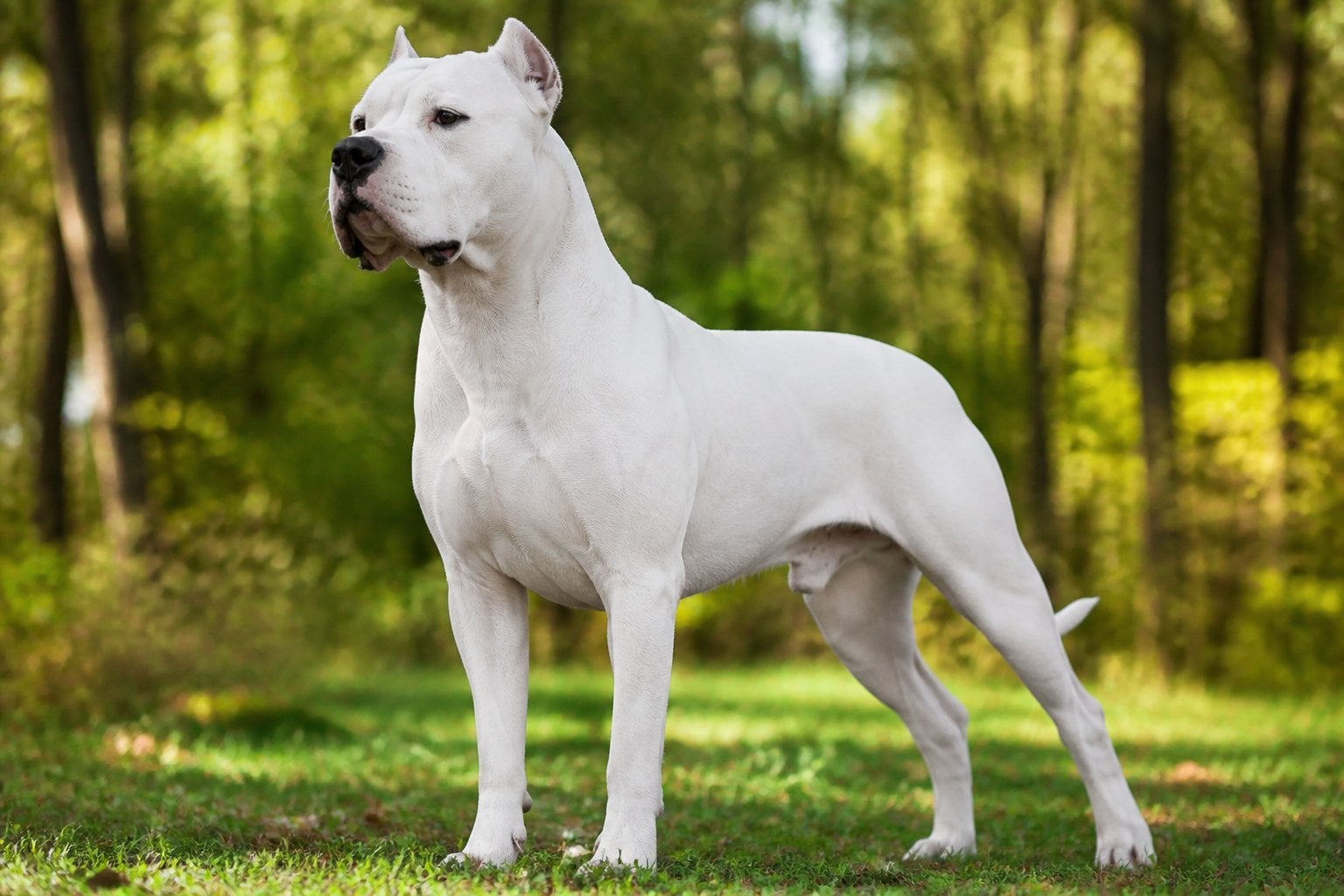
The Dogo Argentino commands a premium price, with puppies typically costing around $3,500. This powerful breed was originally developed in Argentina for big-game hunting, which explains its muscular build and athletic capabilities.
Your initial investment extends beyond the purchase price. Additional startup costs can exceed $1,000 for essential items like crates, bedding, and initial veterinary visits. Monthly expenses average around $300 for food, routine care, and maintenance.
The breed’s striking white coat and impressive physique make it distinctive, but these dogs require experienced owners. You’ll need to budget for potential health issues throughout their lifespan. While some estimates place lifetime ownership costs at $8,000, others suggest figures between $12,000 and $24,000 depending on your location and the dog’s individual needs.
Your first year with a Dogo Argentino will be the most expensive due to puppy-specific veterinary care and one-time purchases. After this initial period, your recurring expenses like food and routine health checks become the primary financial considerations.
11. Neapolitan Mastiff
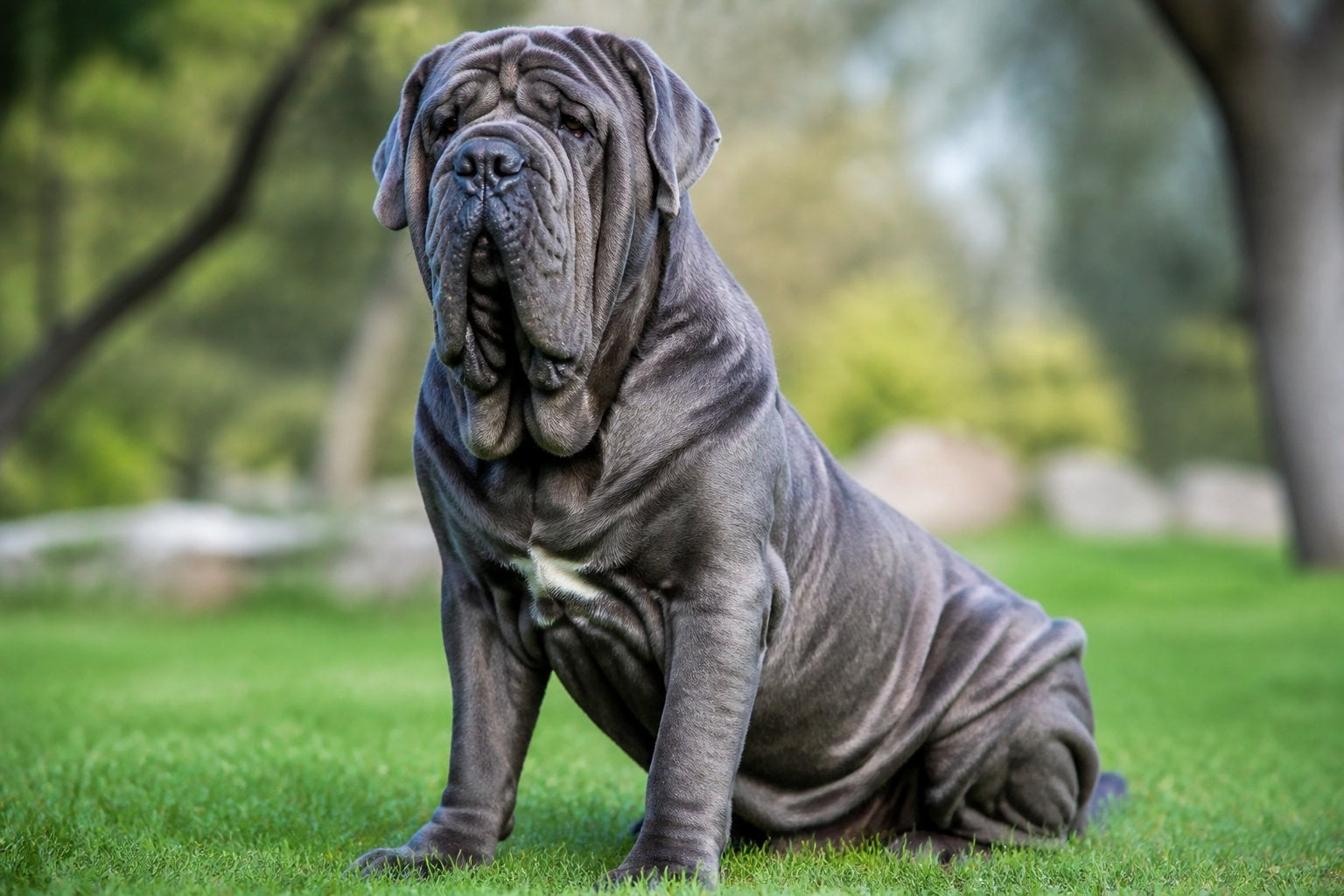
The Neapolitan Mastiff commands a significant investment from prospective owners. Puppy prices from reputable breeders typically range from $2,500 to $4,500, with an average cost around $3,500. In some cases, prices can reach up to $5,500 depending on pedigree quality and breeder reputation.
Your location and the dog’s lineage will influence the final purchase price. Beyond the initial cost, you’ll face substantial ongoing expenses due to this breed’s giant size.
The first year of ownership tends to be the most expensive. You’ll need to budget for heavy-duty supplies specifically designed for giant breeds, which cost more than standard dog products. Food expenses are considerable given the Neapolitan Mastiff’s size and appetite.
Veterinary care represents another significant expense throughout your dog’s lifetime. Their large frame requires more medication and can be prone to breed-specific health issues that demand professional attention. You should prepare for grooming costs and other routine maintenance expenses that accumulate over the years.
12. Bernese Mountain Dog
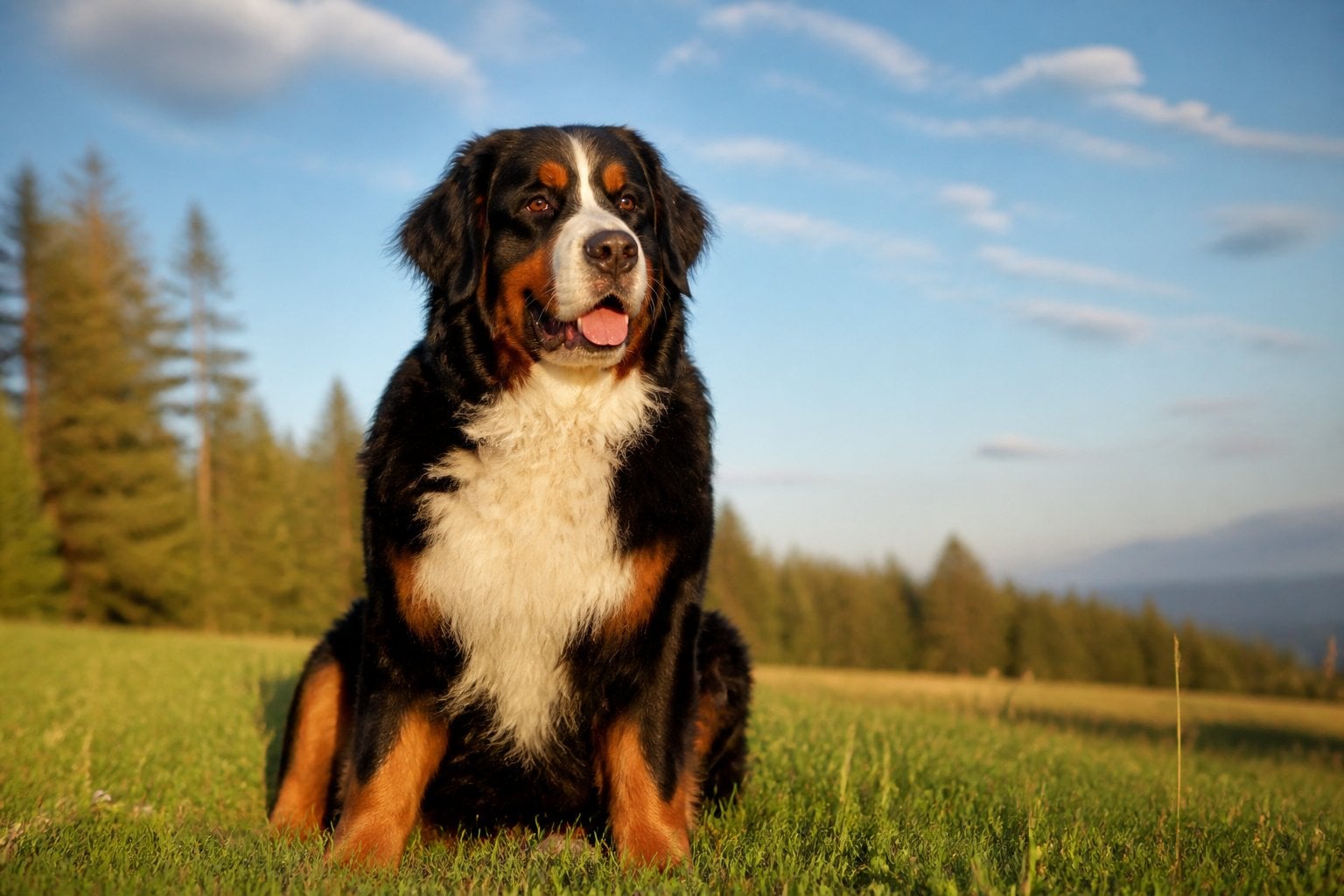
The Bernese Mountain Dog commands a significant initial investment, with puppies from reputable breeders typically ranging from $1,500 to $5,000. Quality bloodlines and health-tested parents drive prices toward the higher end of this spectrum.
Beyond the purchase price, you’ll face substantial ongoing costs with this breed. These large dogs originate from the Swiss Alps, where they historically worked as draft and droving animals. Their thick, silky coats require regular grooming and professional maintenance to stay healthy.
Medical expenses represent a major financial consideration for Bernese Mountain Dog owners. Annual veterinary care can exceed $1,300, making this one of the more costly breeds to maintain long-term. Their large size contributes to higher costs for food, medications, and supplies compared to smaller breeds.
You should budget for larger-sized equipment from the start, including appropriately sized crates, beds, and carriers. While their friendly temperament and affectionate nature make them excellent family companions, their profuse shedding requires additional grooming tools and cleaning supplies. The combination of upfront costs and ongoing expenses places this breed among the more expensive to own over their lifetime.
13. Great Dane
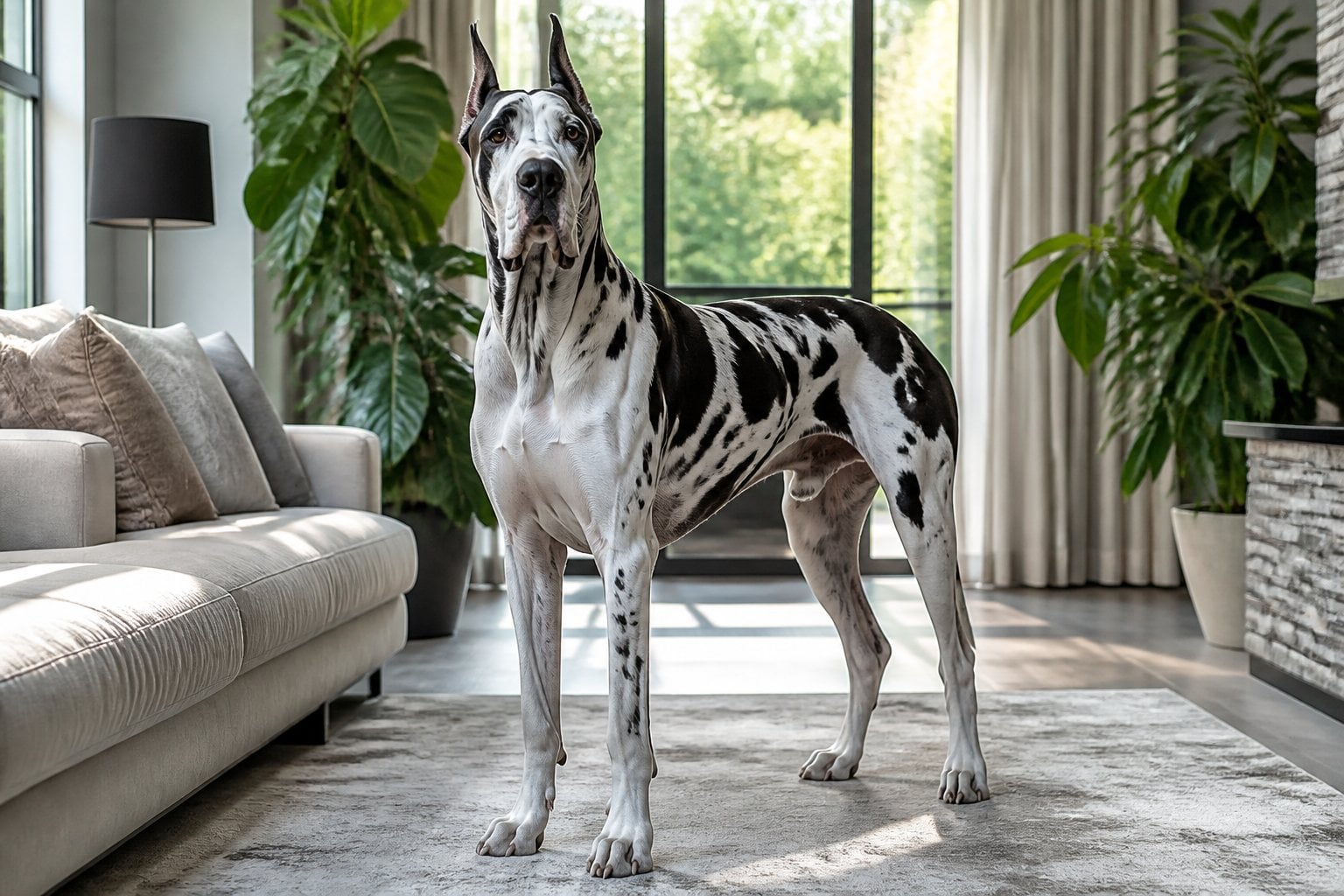
Great Danes rank among the most expensive dog breeds to own, primarily due to their enormous size. Everything costs more when you’re feeding and caring for a dog that can weigh up to 175 pounds.
Your food budget will be substantial. Great Danes consume significantly more than average-sized breeds, with monthly food costs often exceeding $100. High-quality nutrition is essential for these gentle giants to maintain their health and support their rapid growth during puppyhood.
Veterinary expenses add up quickly. Great Danes are prone to several health conditions including hip dysplasia, bloat, and heart problems. Emergency treatments for bloat alone can cost thousands of dollars. Their shorter lifespan of 7-10 years means concentrated veterinary costs during fewer years.
You’ll also face higher costs for medications, as dosages are based on weight. Heartworm prevention, flea treatments, and other routine medications cost more for giant breeds. Grooming is relatively affordable compared to other expenses, but boarding and daycare facilities often charge premium rates for dogs of this size.
14. Afghan Hound
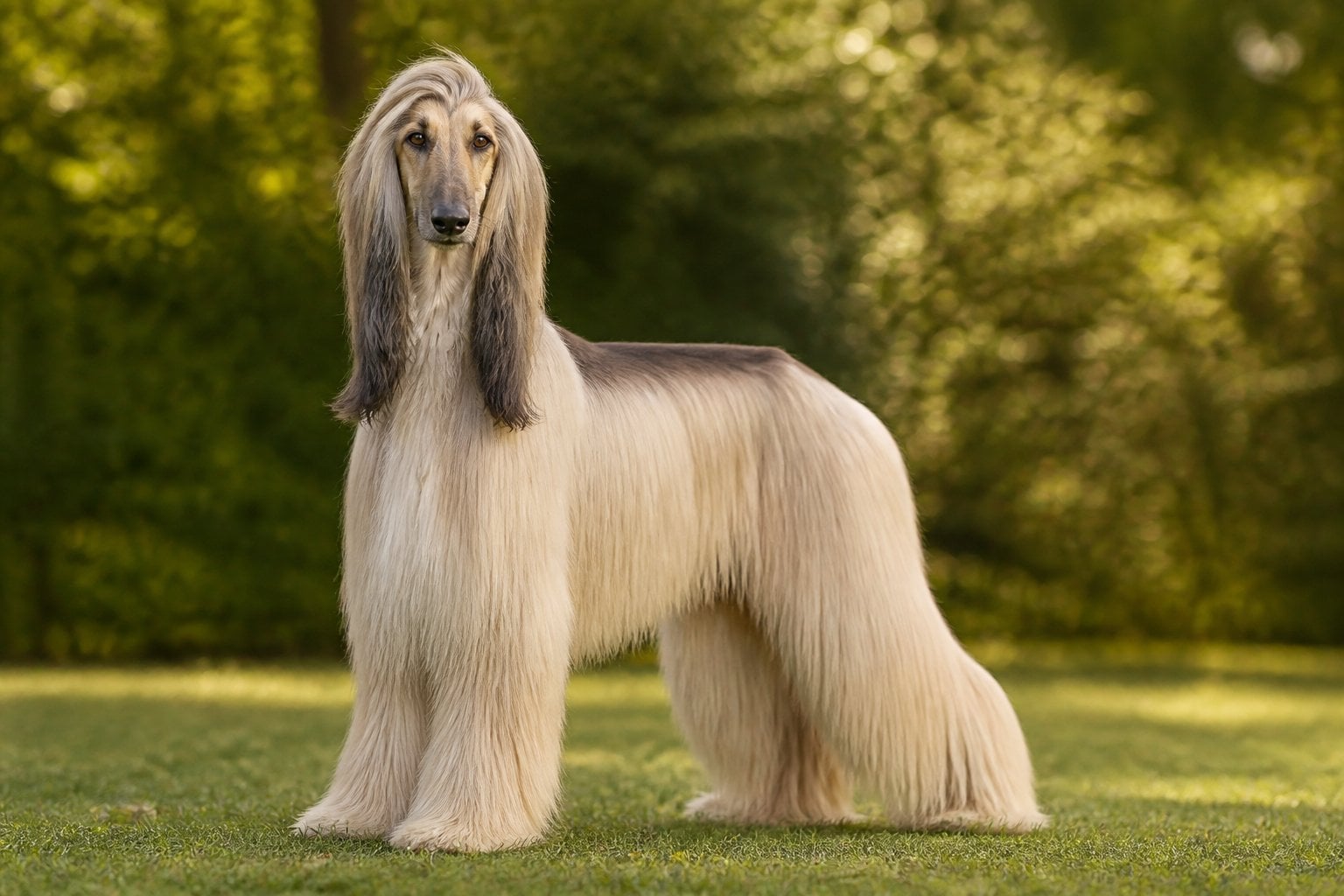
The Afghan Hound ranks among the most expensive dog breeds to own, with purchase prices ranging from $2,500 to $7,000. This ancient breed originated in the mountains of Afghanistan and is known for its distinctive flowing coat and elegant appearance.
Your ongoing expenses will be substantial due to the breed’s high-maintenance grooming needs. The Afghan Hound’s long, silky coat requires daily brushing to prevent tangling and matting. Professional grooming sessions can cost around $300 monthly, making this one of the pricier breeds for regular maintenance.
Beyond grooming, you should budget for annual veterinary costs that can reach up to $700. These dogs need plenty of exercise and space to run, as they were originally bred as sighthounds. Initial startup costs typically add another $1,000 to your investment.
The Afghan Hound’s dignified demeanor and striking beauty make them highly sought after by dog enthusiasts. Their rarity and purebred pedigree contribute to their premium pricing. If you’re considering this breed, factor in both the initial purchase price and the considerable lifetime maintenance costs.
15. Pharaoh Hound
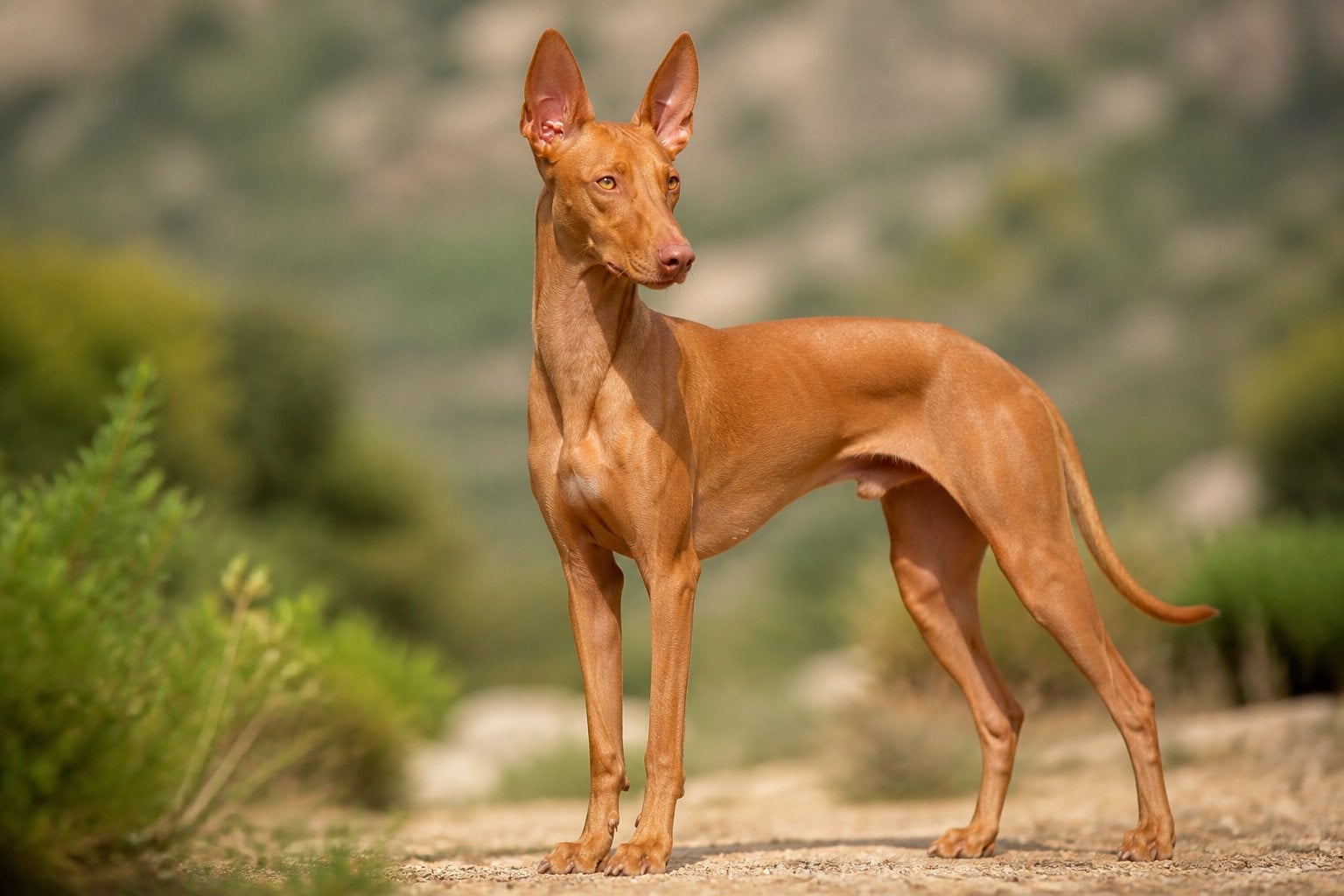
The Pharaoh Hound ranks among the most expensive dog breeds you can own, with puppies typically costing between $1,800 and $2,500 from reputable breeders. This ancient breed’s rarity in North America contributes significantly to its high price tag.
Your ongoing expenses will also be substantial. These athletic dogs require high-quality food to maintain their lean, muscular build, which can cost $60 to $80 monthly. Their short coat needs minimal grooming, but regular veterinary care remains essential for this generally healthy breed.
The Pharaoh Hound’s exercise requirements mean you’ll need to invest time and potentially money in adequate physical activity. They excel at activities like lure coursing, which may involve additional training costs and equipment.
Healthcare costs can add up quickly. While generally robust, these dogs may experience occasional health issues that require veterinary attention. You should also budget for routine vaccinations, preventative medications, and annual checkups.
Their sensitive nature means proper training is crucial, which may require professional assistance. This breed responds best to positive reinforcement methods, and investing in quality training early will benefit you long-term.
16. Bulldog (Olde English)
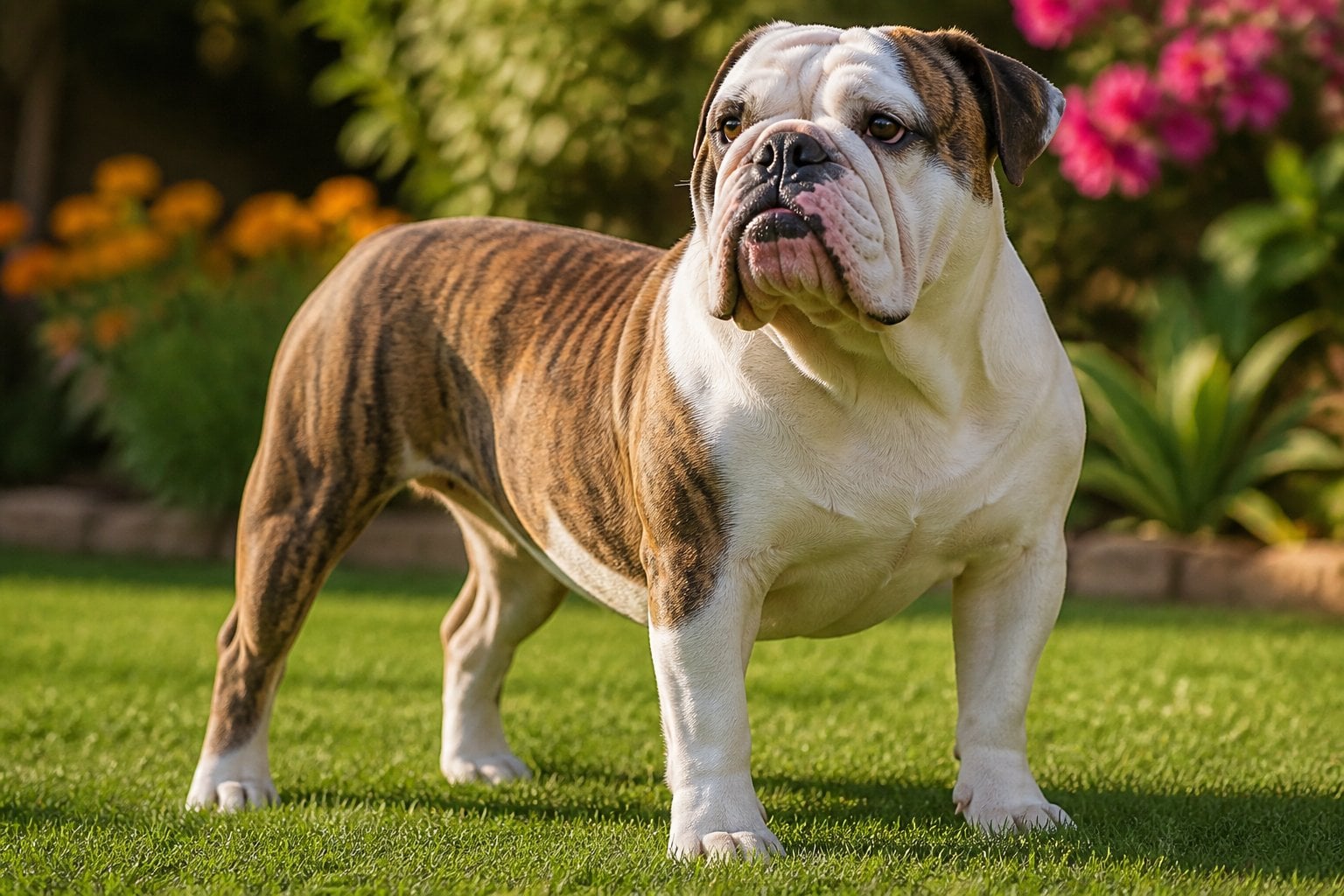
The English Bulldog ranks among the most expensive dog breeds you can own, with purchase prices ranging from $2,500 to $9,500 depending on bloodline and breeder reputation. However, the initial cost is just the beginning of your financial commitment.
What makes this breed particularly costly is its lifetime ownership expense. You can expect to spend between $50,000 and $80,000 over your Bulldog’s life, making it the most expensive breed by total lifetime cost. These high expenses stem from the breed’s specific health challenges and care requirements.
Your Bulldog will likely need substantial veterinary care throughout its life. The breed’s unique physical characteristics contribute to various health issues that require ongoing medical attention and specialized treatment. Rare coat color variations can push purchase prices even higher.
You should also budget for professional grooming and potential dietary needs specific to the breed. First-year costs typically run two to three times higher than subsequent years due to initial veterinary work, equipment, and spay or neuter procedures. Understanding these financial obligations before purchasing helps ensure you can provide proper care for your Bulldog throughout its lifetime.
17. Japanese Akita
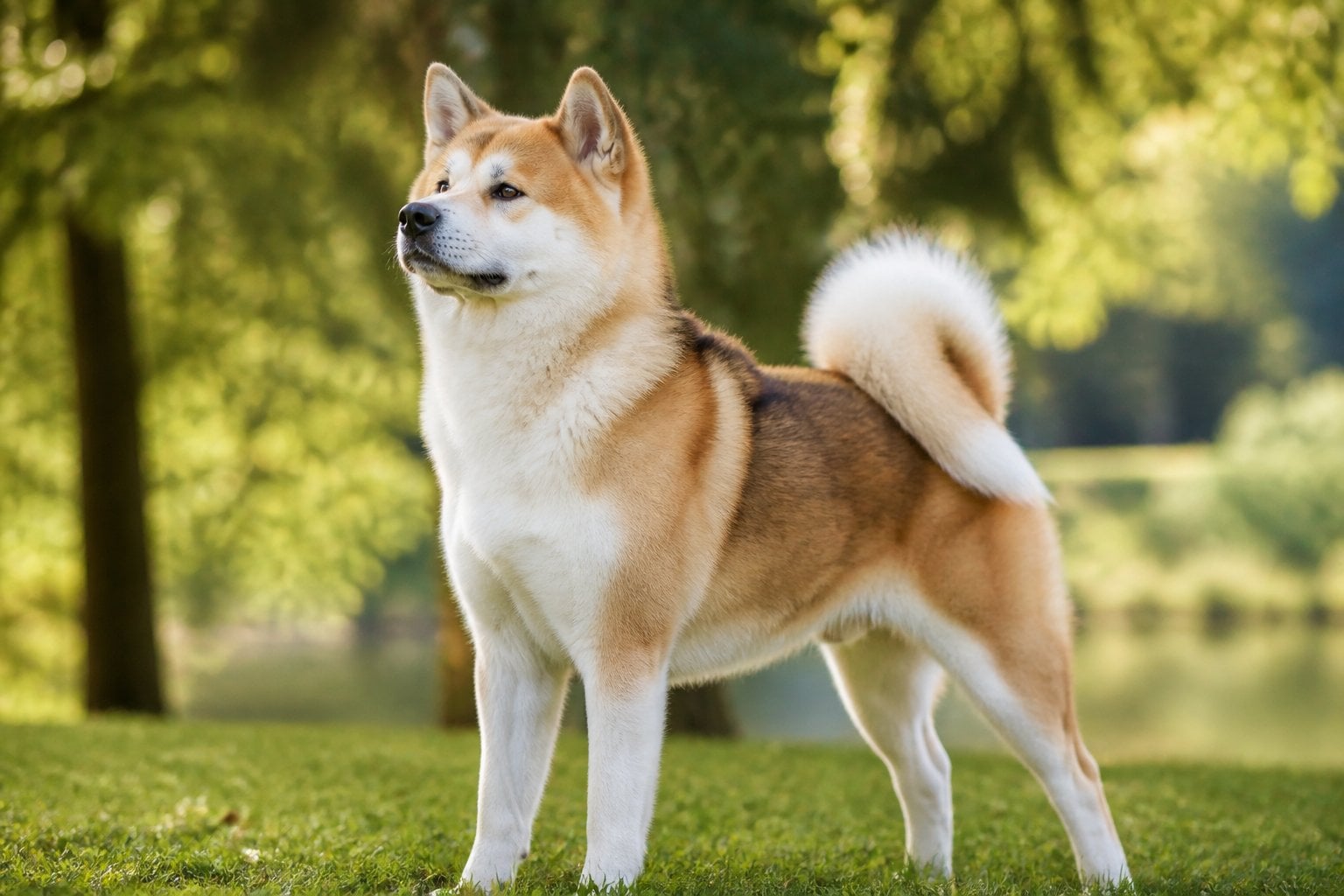
The Japanese Akita ranks among the most expensive dog breeds you can own. Purebred Japanese Akitas typically cost between $10,000 and $30,000 from reputable breeders. Champion lineage dogs from Japan can command prices exceeding $10,000.
Coat color affects pricing, with white Akitas being the most expensive, followed by red and black varieties. These dogs originated in Japan where they served as guardians for royalty and remain a symbol of loyalty and strength.
Beyond the initial purchase price, you’ll face significant ongoing costs. Akitas grow to weigh up to 120 pounds and require substantial food budgets. Their thick double coats need regular grooming, which adds to maintenance expenses.
Healthcare costs are another consideration. Like most purebred dogs, Akitas have higher risks for genetic health issues. You’ll need to budget for vaccinations, regular checkups, and potential medical treatments throughout their 10 to 15 year lifespan.
If you want to reduce costs, consider adopting rather than buying from a breeder. You can also save money by learning to groom your Akita at home.
18. Shar-Pei (Chinese Shar-Pei)
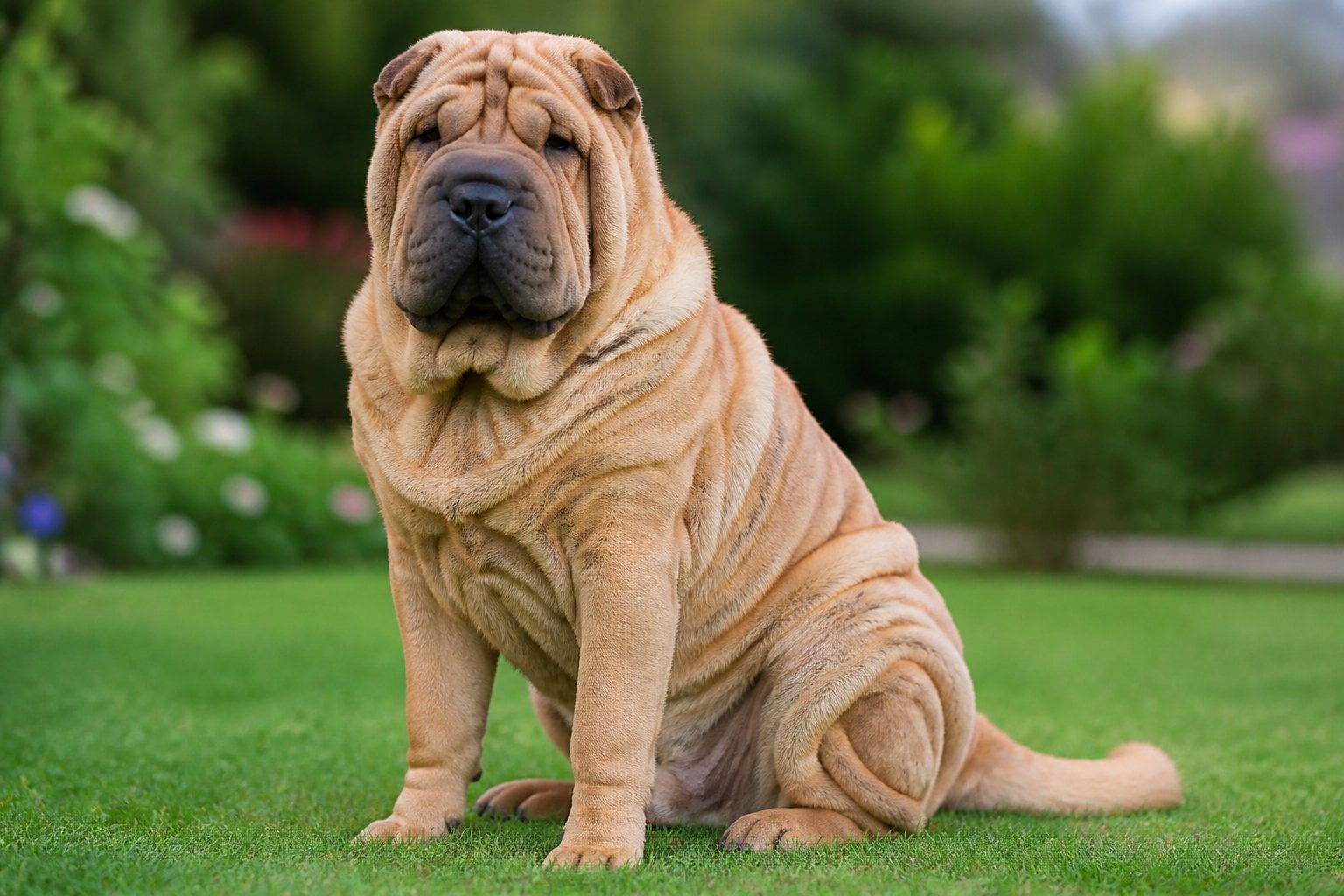
The Chinese Shar-Pei ranks among the more expensive medium-sized breeds to own. Initial puppy prices from reputable breeders typically range between $750 and $2,000, though show-quality puppies can exceed $2,500.
Your annual costs will run considerably higher than many other breeds, averaging $2,200 to $4,000 per year. Over your dog’s lifetime, you can expect to spend between $22,000 and $42,000.
The primary cost driver is healthcare. Shar-Peis are prone to specific medical conditions including Shar-Pei Fever, entropion, and chronic skin problems related to their distinctive wrinkled coat. Pet insurance for this breed costs $30 to $135 monthly, which is notably higher than average due to their increased health risks.
This medium-sized dog weighs 45 to 60 pounds and stands 18 to 20 inches tall. The breed has a life expectancy of 8 to 10 years.
Additional expenses include training sessions that run $150 to $200 for five weeks, annual licensing fees of $10 to $20, and regular grooming to maintain their skin health and prevent infections in their wrinkles.
19. Newfoundland
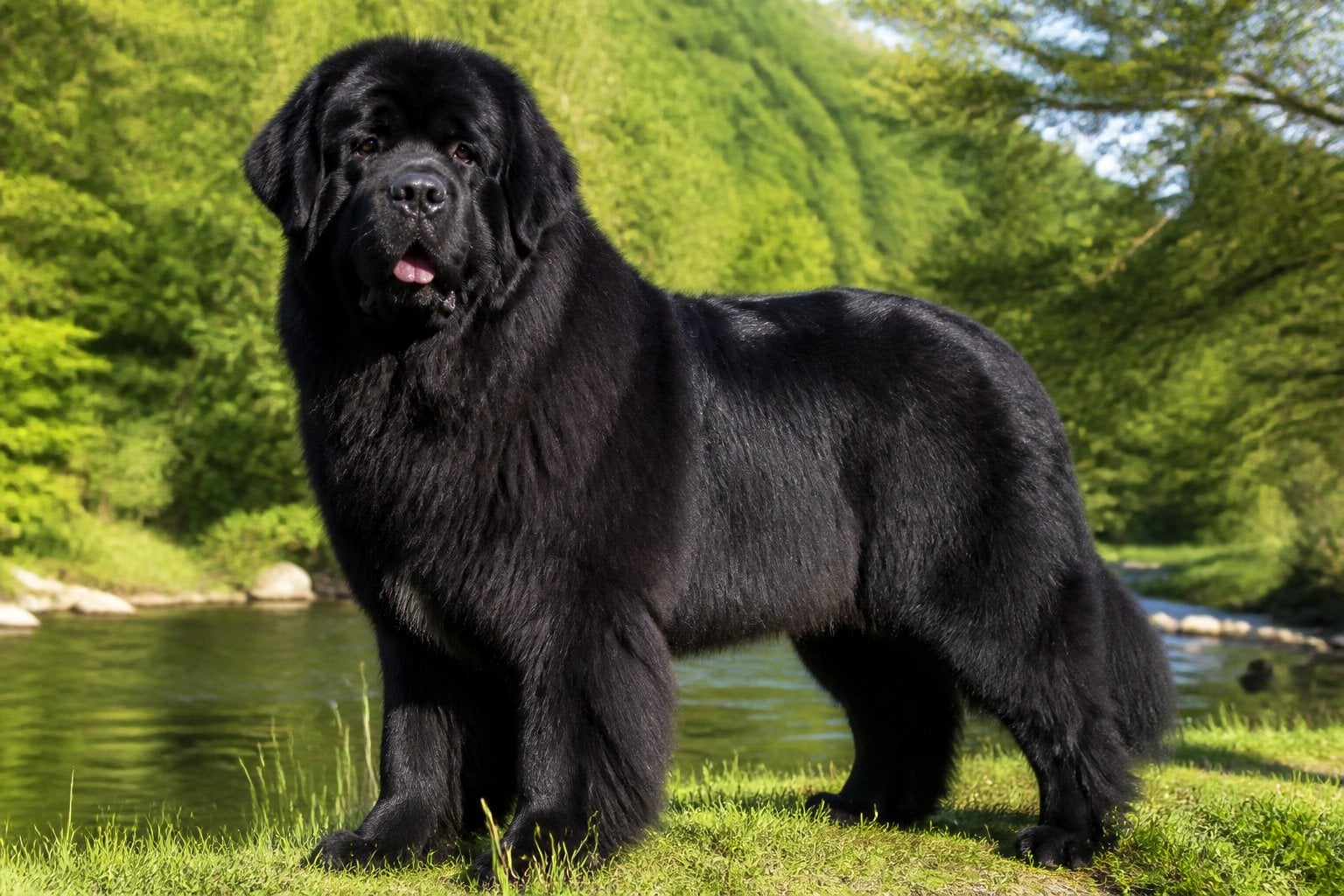
The Newfoundland is a gentle giant that comes with substantial ownership costs. These large dogs require significant financial commitment throughout their lifetime.
Adoption fees from shelters typically range from $300 to $700, while purchasing from a breeder costs considerably more. The initial purchase price is just the beginning of your expenses.
Monthly costs for owning a Newfoundland run between $295 and $885. This wide range reflects the breed’s considerable needs, particularly when it comes to food consumption. Your Newfoundland will eat significantly more than average-sized dogs due to their large stature.
Food expenses form a major portion of your budget. If you choose high-quality nutrition for optimal health, expect costs on the higher end of the spectrum.
Grooming represents another ongoing expense. The Newfoundland’s thick, water-resistant coat requires regular maintenance to prevent matting and keep your dog comfortable.
Healthcare costs also contribute to the breed’s overall expense. Large breeds often face specific health concerns that require veterinary attention throughout their lives. These combined factors place the Newfoundland among the more expensive breeds to own.
20. Saint Bernard

The Saint Bernard is a gentle giant that originated in the Swiss Alps, where it was bred for rescue work in harsh mountain conditions. These massive dogs are known for their patient and affectionate temperament, particularly with children.
When you purchase a Saint Bernard puppy from a reputable breeder, you can expect to pay between $1,500 and $3,000. However, the initial purchase price is just the beginning of your financial commitment.
Your annual ownership costs will likely reach around $2,100, making this breed one of the more expensive dogs to maintain. The primary expense drivers include food consumption, as these large dogs require substantial quantities of high-quality nutrition. You’ll also face regular grooming needs to maintain their thick double coat.
Healthcare costs represent another significant consideration. Saint Bernards are prone to certain health issues common in giant breeds, including hip dysplasia, elbow dysplasia, and bloat. Your veterinary expenses may be higher than average due to these predispositions and the fact that medications and treatments are often dosed by weight.
Despite these costs, Saint Bernards remain beloved companions for families who can accommodate their size and provide proper care.
21. Komondor
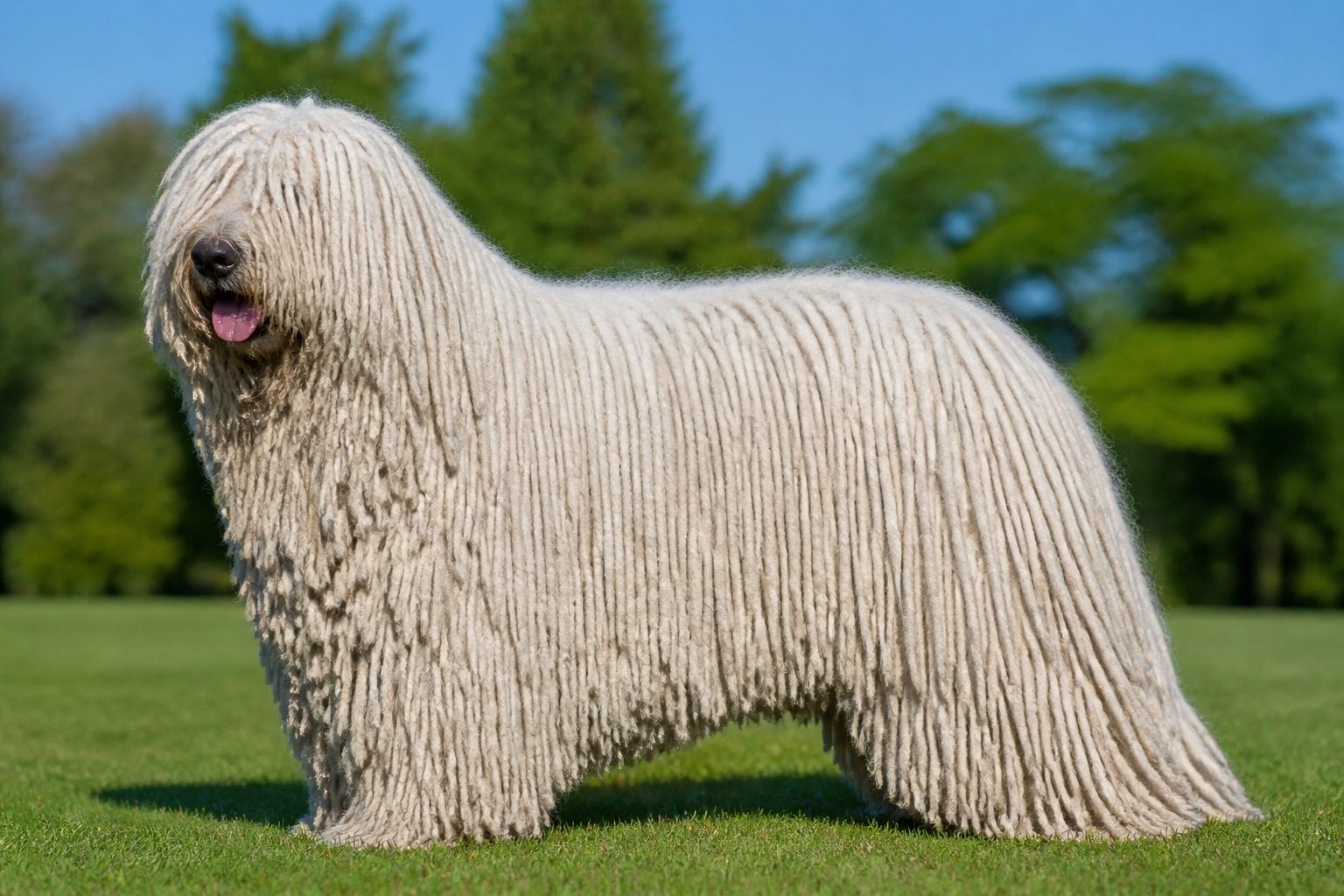
The Komondor stands out as one of the most distinctive dog breeds you’ll encounter, thanks to its signature corded coat that resembles a mop. This Hungarian sheepdog was originally bred to guard livestock, and its unique appearance serves a practical purpose in its working heritage.
When you’re considering purchasing a Komondor puppy, expect to pay between $1,000 and $2,500 from a reputable breeder. However, the initial purchase price is just the beginning of your financial commitment.
Grooming costs represent a significant ongoing expense with this breed. The corded coat requires specialized care and maintenance that many owners cannot manage on their own. Professional grooming sessions can be costly due to the time and expertise needed to properly maintain the cords.
You’ll also need to budget for higher-than-average food costs, as Komondors are large dogs that require substantial nutrition. Their size also means higher veterinary bills, particularly for medications and preventative care that are dosed by weight.
Training is another important investment. While Komondors are intelligent and loyal family companions, they possess strong guarding instincts that require proper socialization and professional training guidance to ensure they become well-adjusted household members.
22. Spinone Italiano
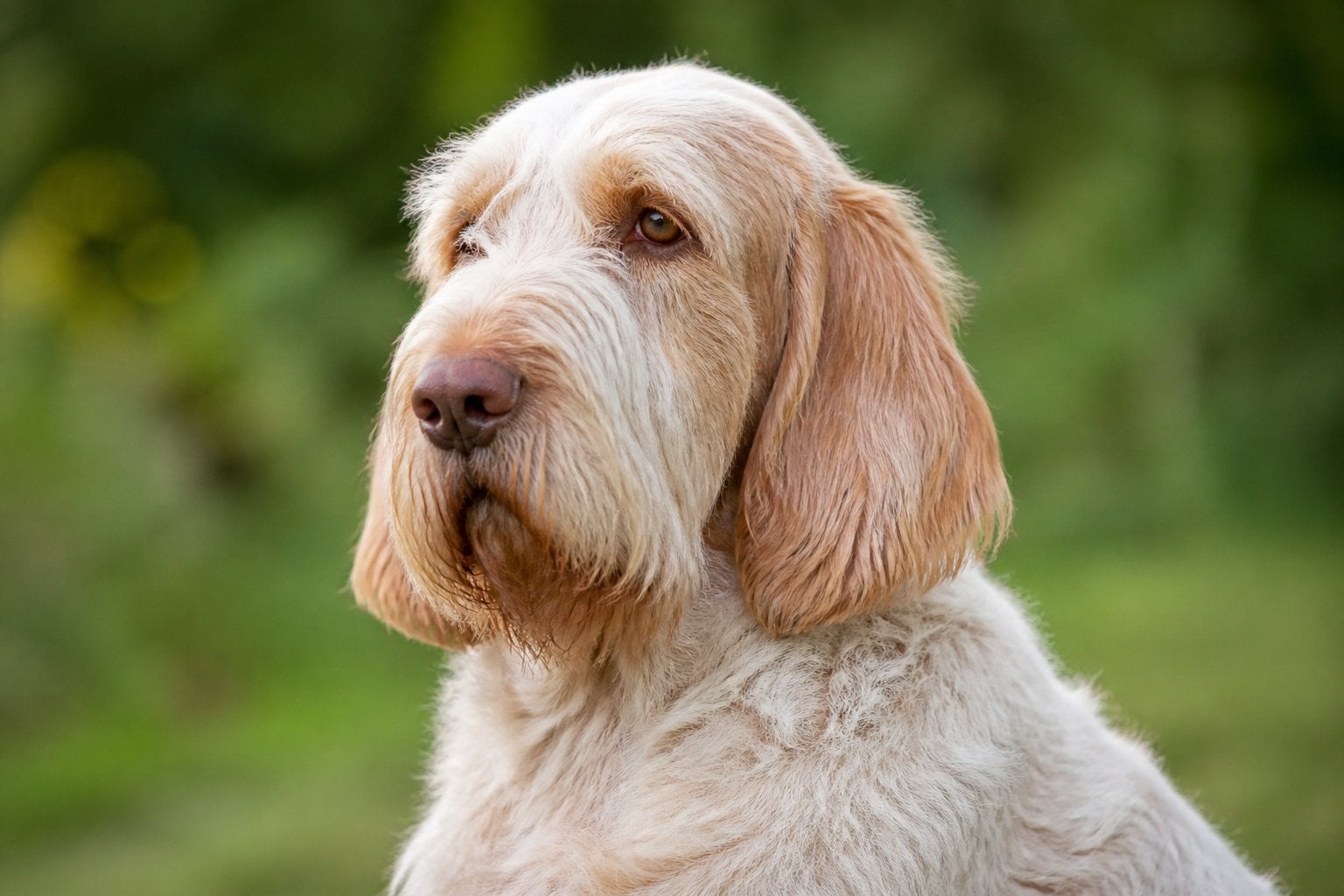
The Spinone Italiano is an ancient Italian sporting breed that commands a significant price tag. You can expect to pay between $1,500 and $2,500 from a reputable breeder for one of these distinctive dogs.
Standing 22-27 inches tall and weighing 56-82 pounds, the Spinone Italiano requires substantial ongoing care that adds to ownership costs. Your grooming expenses will be notable given their unique coat texture and maintenance needs.
This breed’s temperament is gentle and methodical, often described as the philosophical member of the sporting group. They approach situations thoughtfully rather than impulsively. While originally bred as skilled hunting companions in Italy, most Spinoni today serve primarily as family pets.
Your veterinary costs may accumulate over their 10-14 year lifespan, as with any larger breed. The Spinone Italiano currently ranks as the 115th most popular breed according to the AKC. Their combination of purchase price, grooming requirements, and healthcare needs throughout their lifetime places them among the more expensive breeds to own.
23. English Setter

The English Setter combines elegance with athleticism, making it a moderately expensive breed to own. You can expect to pay between $1,000 and $2,500 for a puppy from a reputable breeder, with show-quality dogs commanding higher prices.
Your ongoing costs will center around grooming and healthcare. The breed’s long, silky coat requires professional grooming every 6-8 weeks, which adds up to $600-$900 annually. You’ll also need to invest in quality brushing tools and commit to regular home maintenance to prevent matting.
Health expenses deserve your attention, as English Setters can be prone to hip dysplasia, hypothyroidism, and certain eye conditions. Annual vet visits and preventive care typically run $500-$800, though you should budget for potential specialty care if health issues arise.
Your English Setter will need premium nutrition to maintain its active lifestyle, costing approximately $600-$800 per year. This breed thrives on high-quality food that supports its energy needs and coat health. Training and socialization are essential investments early on, as these intelligent dogs benefit from structured learning to channel their natural hunting instincts appropriately.
24. Weimaraner
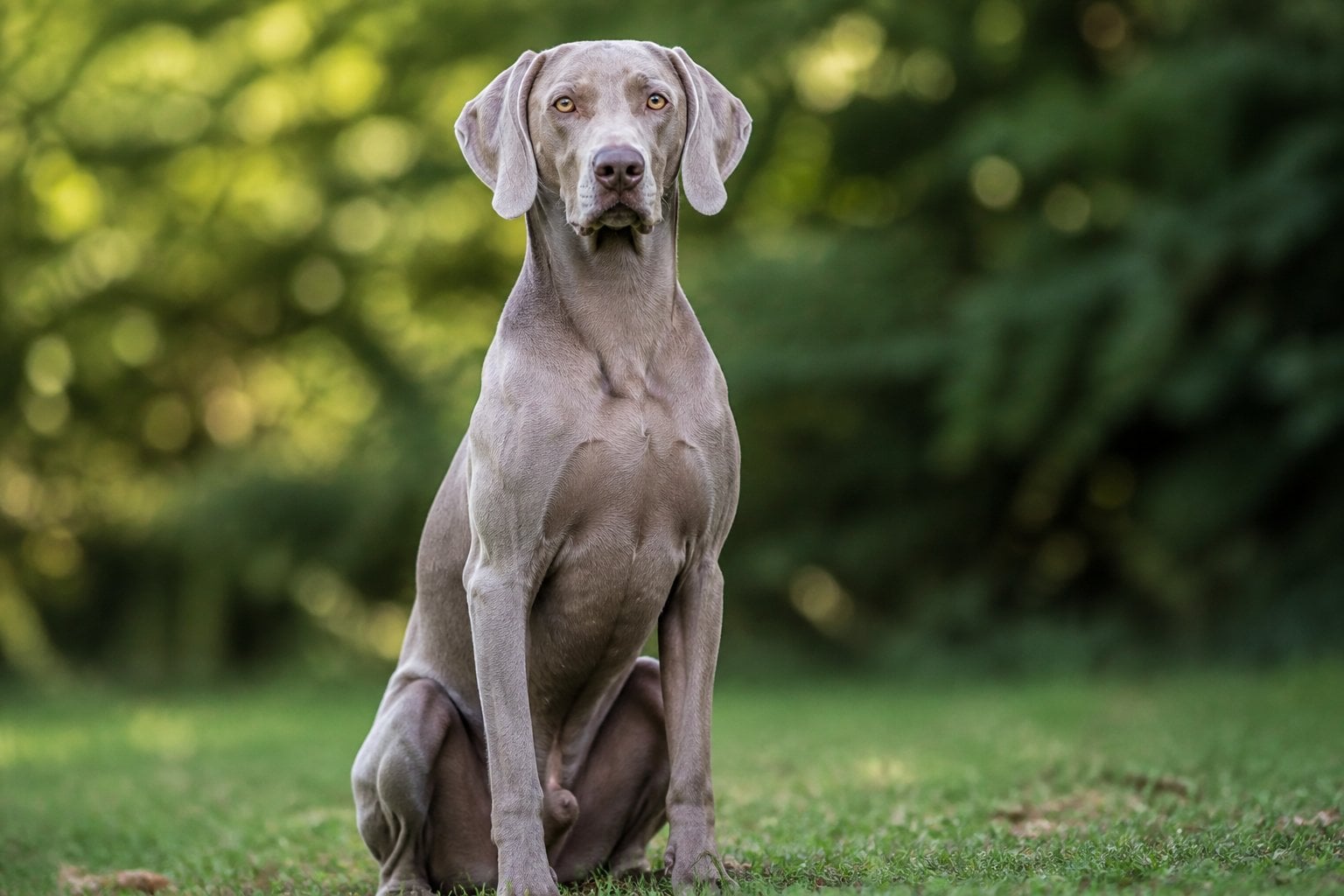
The Weimaraner stands out as a relatively affordable large breed compared to other dogs on this list. You can expect to pay between $500 and $1,800 for a puppy from a reputable breeder, with $700 being the most common price point.
Adoption offers a more budget-friendly alternative. Shelter fees typically range from $50 to $300, depending on the dog’s age, health status, and your location.
Your ongoing monthly expenses will vary based on your dog’s needs and lifestyle. Most Weimaraner owners spend between $50 and $350 per month on basic care. This includes food, routine veterinary care, grooming, and other essentials.
Pet insurance is worth considering for this breed. You’ll likely pay $30 to $80 monthly for comprehensive coverage, depending on your dog’s age and where you live.
The initial purchase price represents just the beginning of your financial commitment. Your Weimaraner will need consistent care throughout their lifetime, which typically spans 10 to 13 years. Their size means you’ll invest more in food and supplies compared to smaller breeds, though their grooming needs remain moderate.
25. Goldendoodle (F1/Multi-gen with AKC lines)
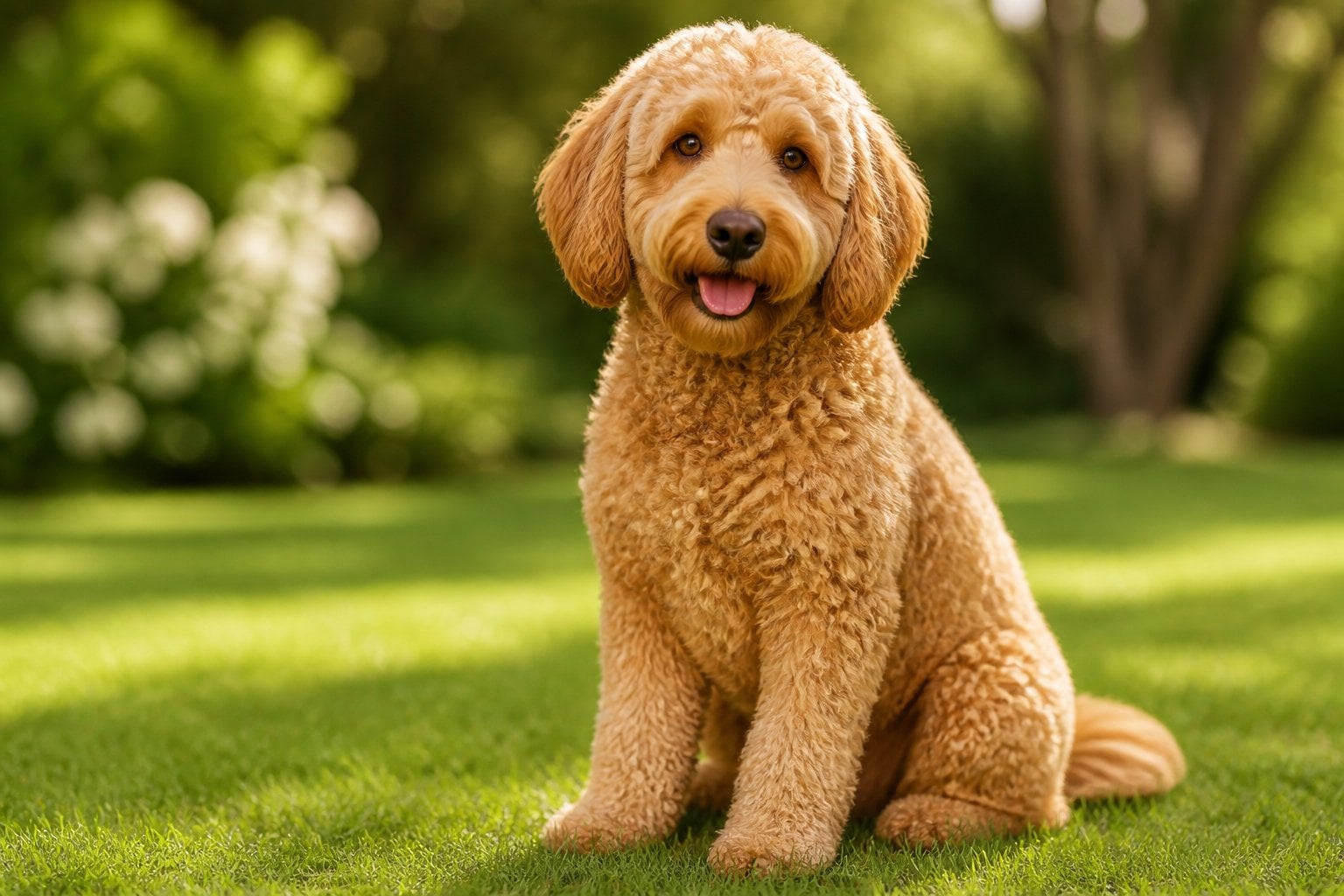
Goldendoodles are hybrid dogs created by crossing Golden Retrievers with Poodles. The generation labels you see in breeder listings directly impact both cost and characteristics.
F1 Goldendoodles are first-generation crosses between a purebred Golden Retriever and a purebred Poodle, resulting in a 50/50 genetic split. Multi-generation Goldendoodles involve breeding Goldendoodles together over multiple generations, which helps stabilize traits like coat type and size predictability.
When breeders use parent dogs with AKC registrations and champion bloodlines, prices increase substantially. You can expect to pay between $3,500 and $5,500 for a well-bred Goldendoodle from a reputable breeder. Dogs with exceptional pedigrees, specialized training, or specific coat characteristics can command even higher prices.
The generation you choose affects grooming costs and maintenance. Different generations have varying Poodle percentages, which influences shedding levels and coat texture. This matters for your long-term expenses since professional grooming is typically required every 6-8 weeks.
Your ongoing costs include regular grooming, quality food appropriate for their size, routine veterinary care, and potential health screening recommended for both Golden Retrievers and Poodles.
26. Labradoodle (High-end breeder lines)
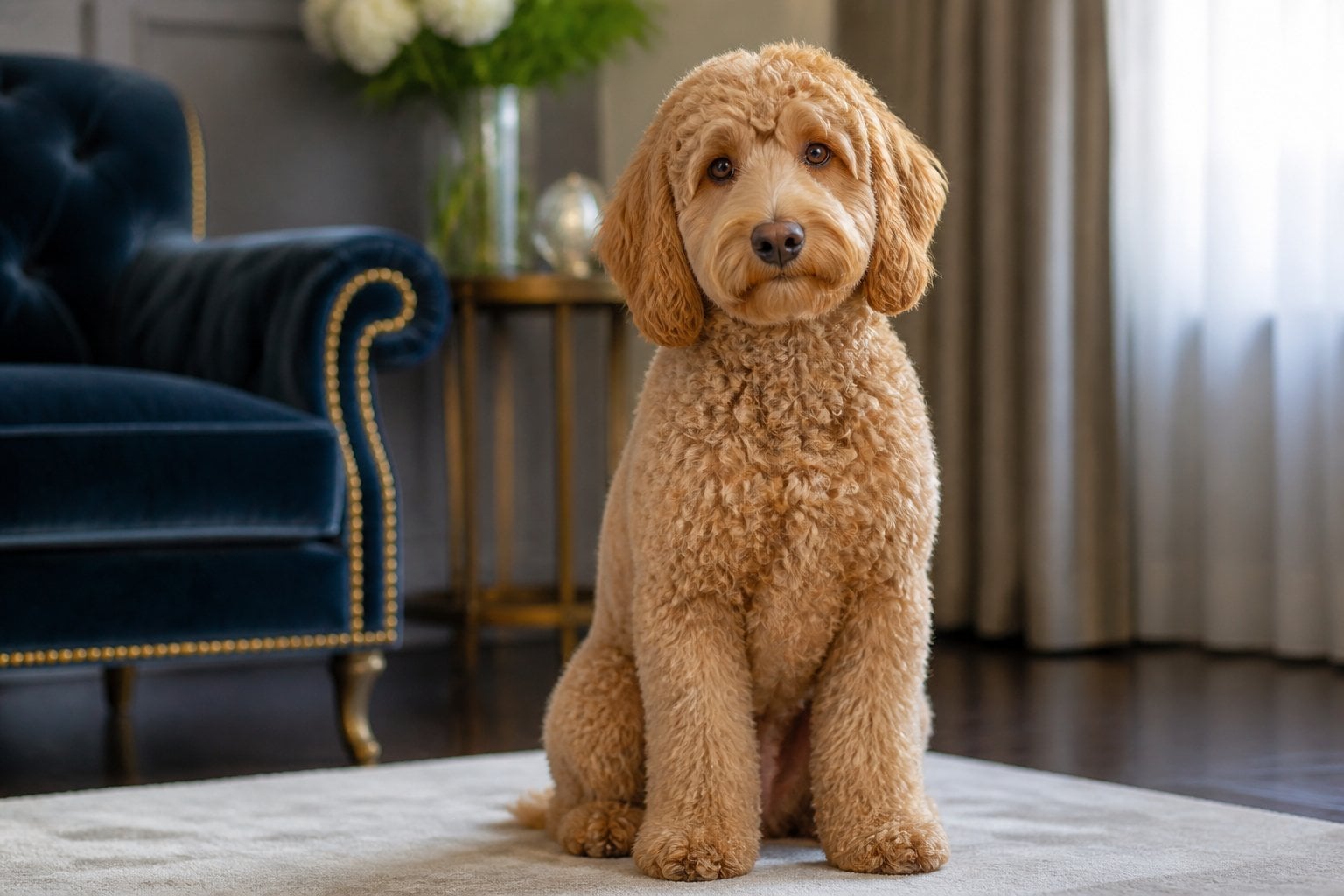
High-end Labradoodles from reputable breeders typically cost between $3,000 and $5,000, though exceptional bloodlines can push prices even higher. These designer dogs command premium prices due to careful breeding programs that focus on health testing, temperament, and coat quality.
The ongoing costs make Labradoodles particularly expensive to maintain. Their coats require professional grooming every six to eight weeks, with sessions often costing $80 to $120 each time. You’ll need to budget $1,000 to $1,500 annually just for grooming alone.
Health expenses add another layer of costs. Labradoodles can inherit conditions from both parent breeds, including hip dysplasia, elbow dysplasia, and progressive retinal atrophy. Responsible breeders conduct genetic testing on parent dogs, which contributes to the higher purchase price.
Their energy levels demand significant investment in training, exercise equipment, and mental stimulation. You should expect to spend on quality food formulated for active medium to large breeds, which runs $60 to $100 monthly. These dogs also benefit from regular training classes and enrichment activities that keep them physically and mentally engaged.
27. American Bully (XL show lines)
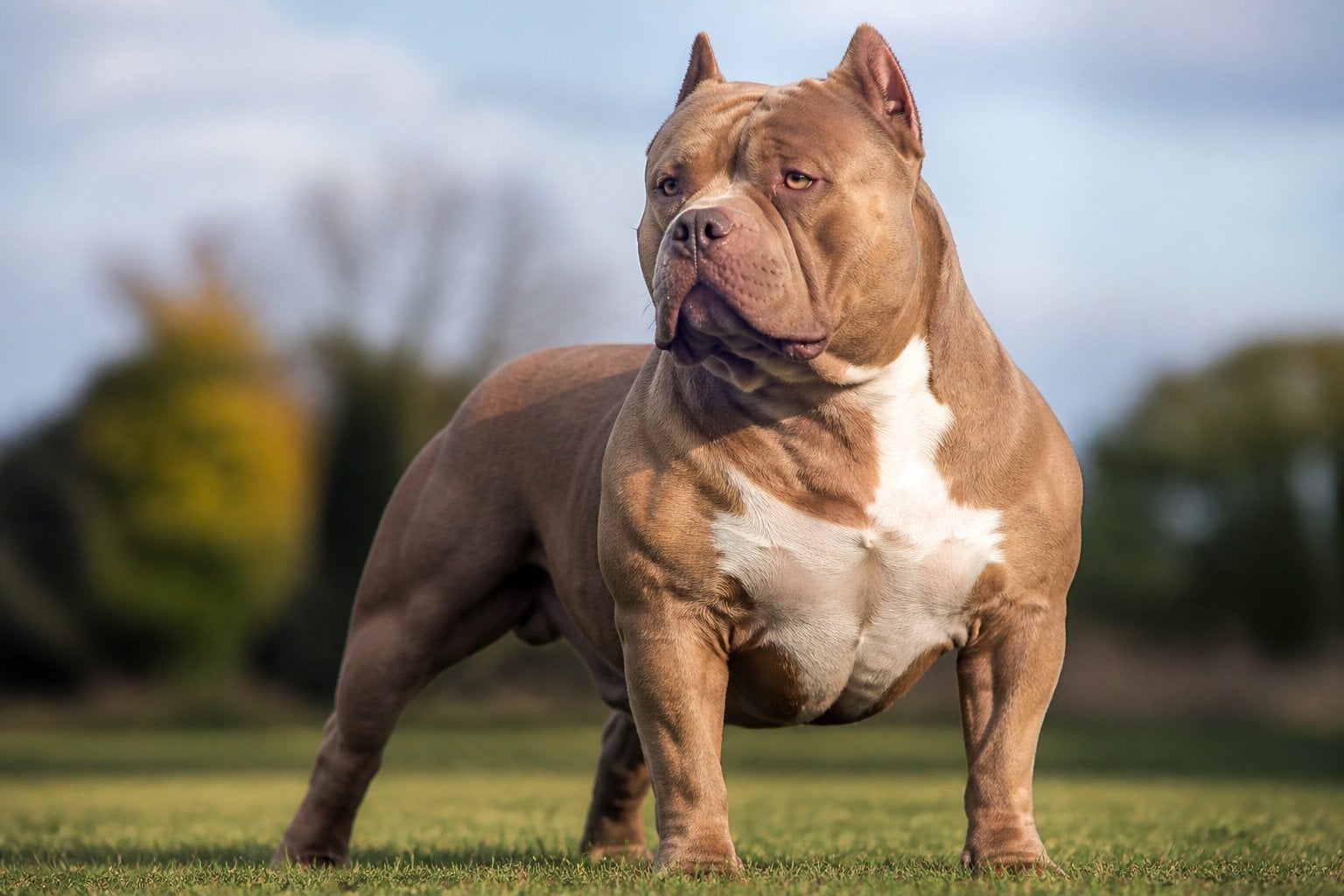
The American Bully XL represents one of the pricier variants within the American Bully breed, particularly when sourced from top show bloodlines. This breed originated in the 1980s through careful blending of American Pit Bull Terriers, Bulldogs, and American Staffordshire Terriers.
XL American Bullies stand between 20 to 30 inches tall and feature muscular builds with broad chests and blocky heads. These physical characteristics contribute significantly to their premium pricing.
Pet quality XL Bullies with registration paperwork typically start around $2,500. Show quality puppies with exceptional conformation and breeding potential command prices upwards of $5,000. Top-tier breeding stock from recognized bloodlines can reach $10,000 or more.
Your final cost depends on several factors including pedigree predictability, structural quality, and whether you’re purchasing a pet-only puppy or a show prospect. Reputable breeders generally include health guarantees, pedigree certification, and initial vaccinations in their pricing.
The mass and “wow factor” of XL Bullies justify their higher price points compared to Pocket or Standard varieties. You should expect significant investment when seeking quality XL American Bullies from established show lines.
28. Pomeranian (Teacup/Show lines)

Pomeranians from specialized bloodlines command premium prices that set them apart from standard pet-quality puppies. If you’re considering a teacup or show-line Pomeranian, expect to invest between $2,500 and $6,000 from reputable breeders.
Show-quality Pomeranians with champion bloodlines can reach $10,000 or more. These dogs come from breeders who invest heavily in genetics, health clearances, and verifiable pedigrees.
Teacup Pomeranians typically average around $1,800, though prices vary based on specific characteristics. Rare coat colors like black can push the cost to approximately $2,000. Some specialized bloodlines with superior health guarantees exceed $8,000.
The high price reflects breeding practices focused on maintaining breed standards and health. You’re paying for the breeder’s expertise in producing dogs with exceptional conformation, temperament, and genetic soundness. Champion bloodlines and rare coloring justify higher costs due to the rarity and demand these traits generate.
Monthly care costs range from $25 to $600 or more, depending on your budget and your dog’s specific needs. Pet-quality Pomeranians from reputable breeders start around $1,000, making them more accessible than their show-line counterparts.
29. Toy Poodle (Top bloodlines)
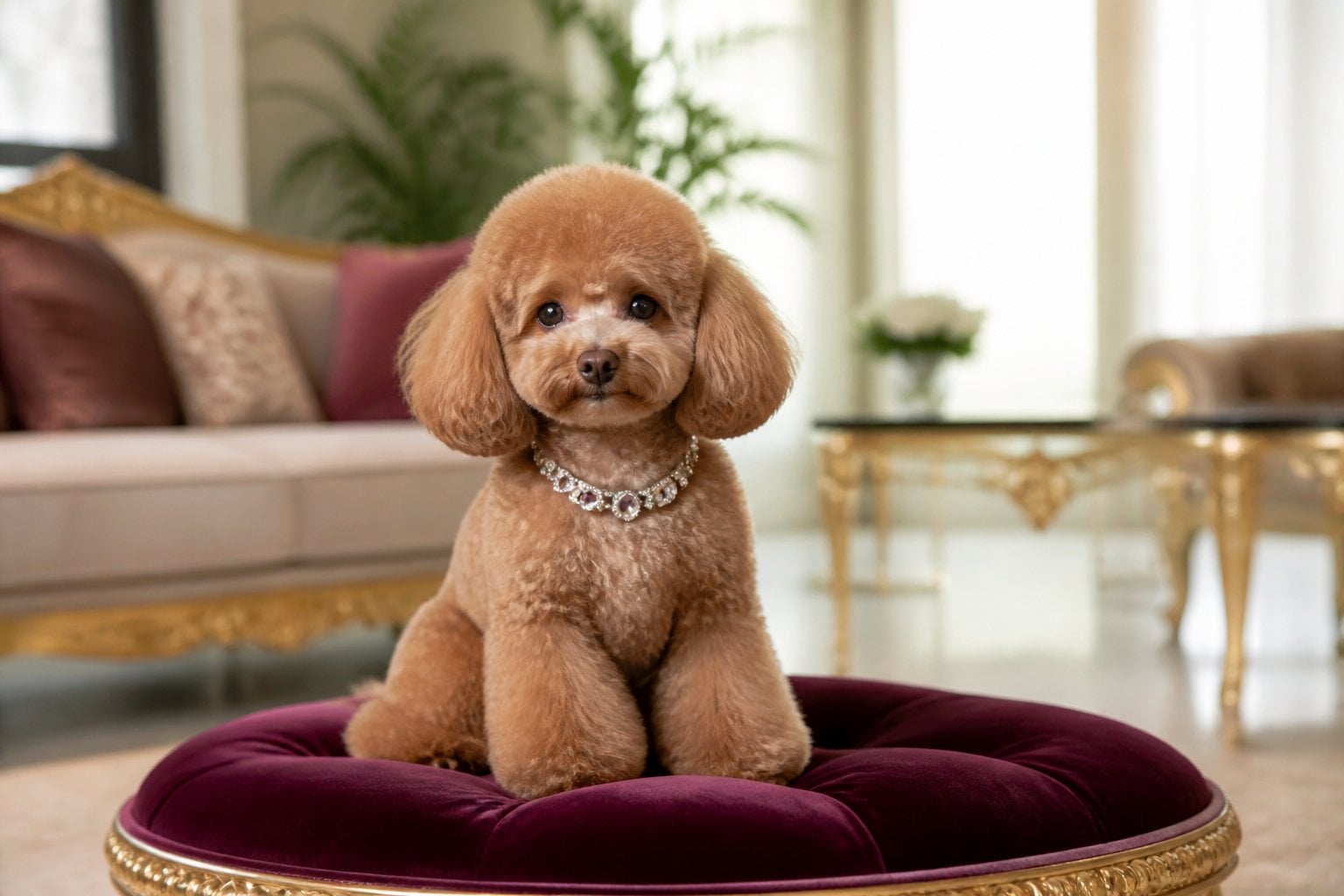
Toy Poodles from champion bloodlines command premium prices due to their exceptional breeding standards and show-quality traits. You can expect to pay between $3,000 and $5,000 for a Toy Poodle from top-tier breeders with documented pedigrees.
These small dogs maintain the intelligence and athleticism that make Poodles highly sought after. Their compact size makes them ideal for apartment living while retaining the breed’s characteristic trainability and friendly temperament.
Top bloodline Toy Poodles come from breeders who invest heavily in health testing, genetic screening, and maintaining breed standards. Your purchase price reflects generations of careful selection for conformation, health, and temperament. These breeders typically provide comprehensive health guarantees and detailed documentation of your puppy’s lineage.
Beyond the initial purchase price, you need to budget for regular professional grooming every six to eight weeks. Their hypoallergenic coats require consistent maintenance to prevent matting and maintain their appearance. Quality food, routine veterinary care, and potential health issues can add to your ongoing ownership costs.
30. Persian-Mix Companion Dog (rare hybrids)
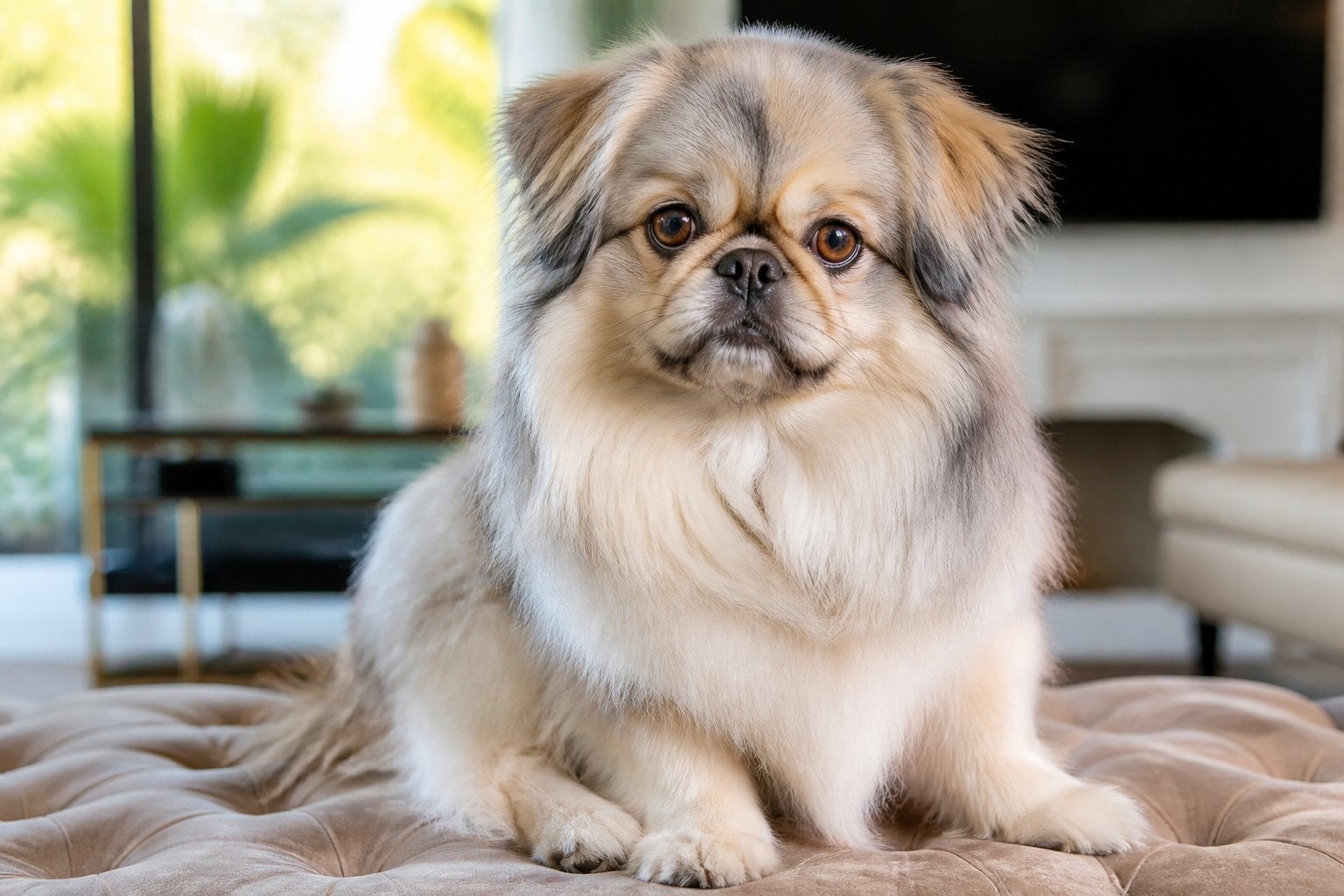
Persian-Mix Companion Dogs represent some of the rarest hybrid breeds you can find. These unique crosses often blend Persian cat-like features with small companion dog breeds, creating distinctive pets with unusual appearances and temperaments.
The rarity of these hybrids drives their cost significantly. You might pay anywhere from $2,000 to $5,000 for a well-bred Persian-Mix, depending on the specific cross and breeder reputation. Limited availability makes these dogs difficult to locate, as only specialized breeders work with these uncommon combinations.
These mixed breeds typically inherit traits from both parent lines. You can expect a dog with a flowing coat that requires regular grooming and maintenance. Their temperament often combines the calm demeanor of companion breeds with unique personality quirks from their mixed heritage.
Finding a Persian-Mix requires patience and research. You’ll need to verify breeder credentials carefully, as the rarity of these dogs attracts questionable breeding operations. Health testing and documented lineage become essential when investing in such an uncommon hybrid.
The ongoing costs include professional grooming every six to eight weeks and specialized dietary needs. Your investment extends beyond the initial purchase price into long-term care requirements.
Key Factors That Influence Dog Ownership Costs

The total cost of owning a dog extends far beyond the initial purchase price, with breed-specific characteristics driving significant variations in lifetime expenses. Understanding these cost factors helps you make informed decisions about which breed fits your budget.
Breed-Specific Health Issues
Certain breeds carry genetic predispositions to health conditions that require ongoing veterinary care and treatment. Breeds like English Bulldogs and French Bulldogs often need expensive procedures such as mandatory cesarean sections for breeding and surgery for breathing problems related to their flat faces.
Large breeds including Great Danes and Saint Bernards face higher risks of hip dysplasia, bloat, and heart conditions. These conditions can cost thousands of dollars in diagnostic testing, medications, and surgical interventions throughout the dog’s life.
Smaller breeds aren’t exempt from health expenses either. Cavalier King Charles Spaniels frequently develop heart conditions, while Dachshunds require specialized care for spinal issues. You should budget $500 to $2,000 annually for routine veterinary care, with potential spikes of $5,000 to $15,000 for breed-specific emergency treatments or chronic condition management.
Nutrition and Dietary Needs
Food costs scale directly with your dog’s size and activity level. A Chihuahua consuming one cup of food daily costs approximately $200 to $400 annually to feed, while a Mastiff requiring eight to ten cups daily can exceed $1,500 per year in food expenses alone.
Monthly Food Costs by Size:
- Small breeds (under 25 lbs): $20-$40
- Medium breeds (25-50 lbs): $40-$70
- Large breeds (50-100 lbs): $70-$120
- Giant breeds (over 100 lbs): $120-$200
Some breeds require specialized diets due to food sensitivities or allergies. Breeds like German Shepherds and Golden Retrievers often need premium foods formulated for joint health. Dogs with sensitive stomachs may require prescription diets costing two to three times more than standard kibble.
Professional Grooming Requirements
Grooming expenses vary dramatically based on coat type and breed standards. Breeds with continuously growing hair like Poodles, Bichon Frises, and Shih Tzus require professional grooming every four to six weeks at $50 to $90 per session, totaling $600 to $1,350 annually.
Double-coated breeds such as Huskies and Samoyeds need regular de-shedding treatments, particularly during seasonal coat changes. These sessions typically cost $75 to $150 each. Breeds with show-quality coats or specialized cuts demand even higher maintenance.
Short-haired breeds like Beagles and Boxers have minimal grooming needs, usually requiring only occasional baths and nail trims you can perform at home. This difference translates to savings of over $1,000 annually compared to high-maintenance breeds.
Training and Socialization Expenses
Certain breeds require more extensive training investments due to their size, energy levels, or working dog heritage. Breeds like German Shepherds, Belgian Malinois, and Rottweilers benefit significantly from professional training to channel their intelligence and drive appropriately.
Basic obedience classes typically cost $150 to $300 for group sessions or $500 to $1,500 for private training packages. Strong-willed or protective breeds may need additional behavioral training costing $1,000 to $3,000. High-energy breeds also require consistent mental stimulation through activities like agility training or specialized classes.
You should factor in socialization expenses for puppy classes, which range from $100 to $250 for multi-week programs. Breeds with guarding instincts or those prone to anxiety particularly benefit from early, ongoing socialization investments that prevent costly behavioral issues later.
Long-Term Financial Considerations for Purebred Dogs
Purebred dogs require substantial financial planning beyond the initial purchase price, with veterinary expenses and maintenance costs accumulating to $50,000-$150,000 over their lifetime depending on breed and health issues.
Veterinary Care Over a Dog’s Lifetime
Your veterinary costs will span 10-15 years and include both routine care and breed-specific medical needs. Annual wellness exams, vaccinations, and preventive medications typically cost $500-$1,200 per year for most breeds.
Expensive breeds often face higher veterinary bills due to genetic health conditions. Bulldogs and French Bulldogs frequently require respiratory surgeries costing $3,000-$7,000. Large breeds like Great Danes may need gastropexy surgery to prevent bloat, adding another $1,500-$3,000 to lifetime costs.
Common Long-Term Veterinary Expenses:
- Emergency care and surgeries: $2,000-$10,000
- Chronic condition management: $1,000-$4,000 annually
- Dental procedures: $500-$1,500 every few years
- Senior care and end-of-life treatment: $2,000-$8,000
Pet insurance can offset these costs but premiums for expensive breeds range from $800-$2,500 annually. You’ll need to budget $10,000-$30,000 minimum for veterinary care over your dog’s lifetime, with some breeds requiring significantly more.
Lifetime Accessory and Maintenance Costs
Your ongoing maintenance expenses add up quickly over your dog’s life. Professional grooming for high-maintenance breeds like Poodles or Afghan Hounds costs $1,200-$2,400 annually, totaling $15,000-$30,000 over their lifetime.
Quality food appropriate for your breed’s size and nutritional needs runs $600-$2,000 per year. Large breeds consuming premium food can cost you $25,000+ in nutrition alone over their lifetime.
Additional recurring costs include bedding replacements ($200-$500 every 2-3 years), toys and enrichment items ($300-$600 annually), and training or behavioral support ($500-$2,000 as needed). You’ll also need to replace collars, leashes, and bowls periodically as your dog grows or items wear out.
Boarding or pet-sitting services during travel average $40-$100 per day, which adds thousands to your lifetime budget depending on your travel frequency.