The 27 Most Dangerous Dog Breeds in the World: Ranked by Bite Risk and Behavior
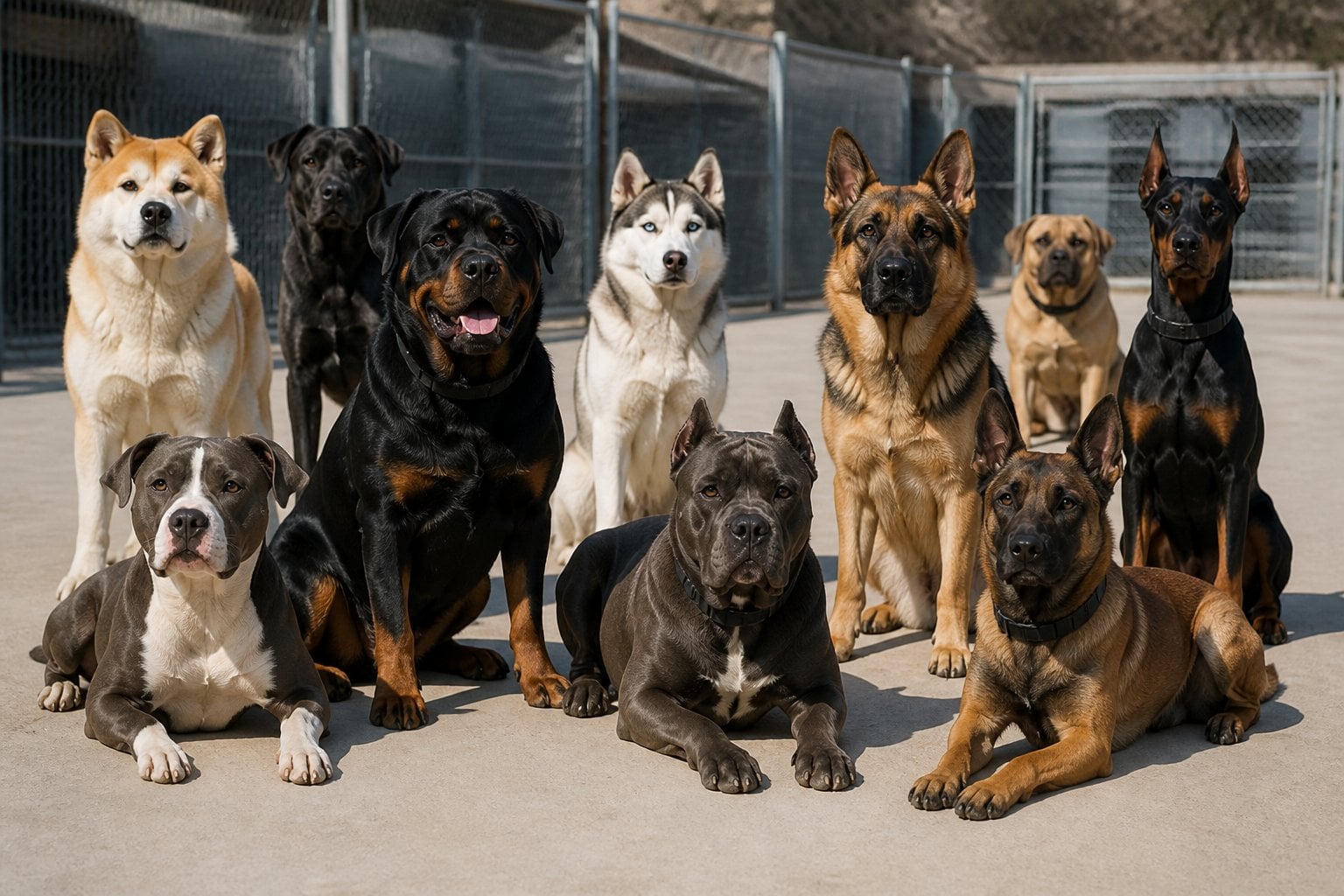
Every dog breed has its own temperament, but genetics, size, and history all play a role in how a dog might behave in certain situations.
Some breeds have been linked to more bite incidents and attacks than others, which is why they are often labeled as dangerous by experts, insurers, and even local governments.
Understanding these breeds can help you make informed decisions if you’re considering dog ownership or simply want to know more about canine behavior.
This article looks at 27 breeds that are frequently identified as posing a higher risk compared to others. You will find information on their physical traits, historical purposes, and the factors that contribute to their reputation.
Whether you’re a current dog owner, a prospective one, or simply curious, this guide gives you a clear overview of what sets these breeds apart.
1. American Pit Bull Terrier
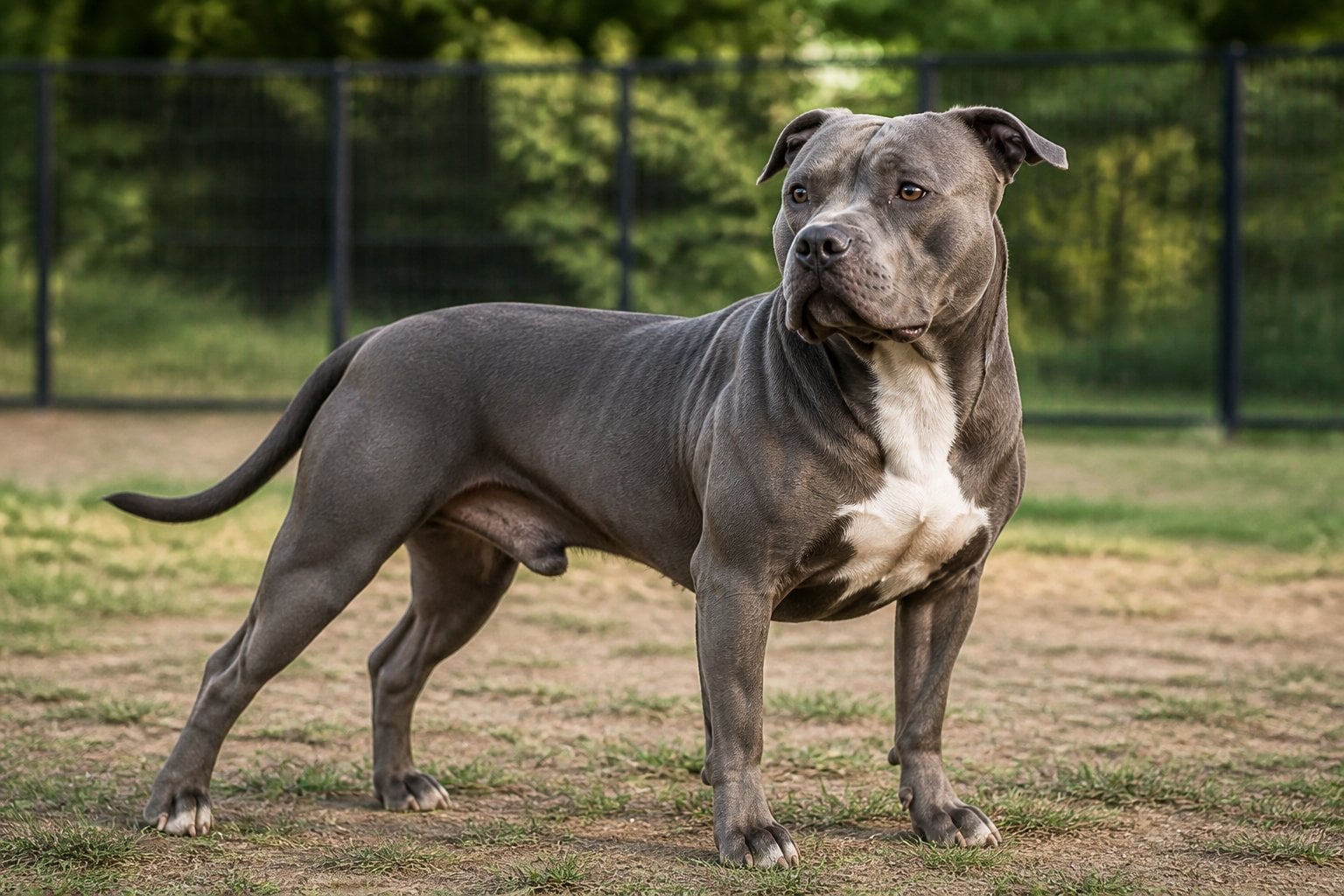
You will find the American Pit Bull Terrier at the top of most dangerous dog breed lists, and the reasons come down to physical capability and history. This breed was originally developed for bull-baiting and later dogfighting, which selected for high pain tolerance and a strong prey drive.
Their bite force exceeds 240 PSI, and they often bite with a hold-and-shake style that causes deep tissue damage. Insurance companies frequently classify them as high-risk, and bite statistics show they account for a large share of severe attacks.
Despite this, you should know that Pit Bulls score well on temperament tests when properly socialized. Their reputation stems from both genetics and inconsistent ownership practices, not an inherently vicious nature.
If you own one, you need to commit to firm training, early socialization, and secure containment to manage their strength safely.
2. Rottweiler
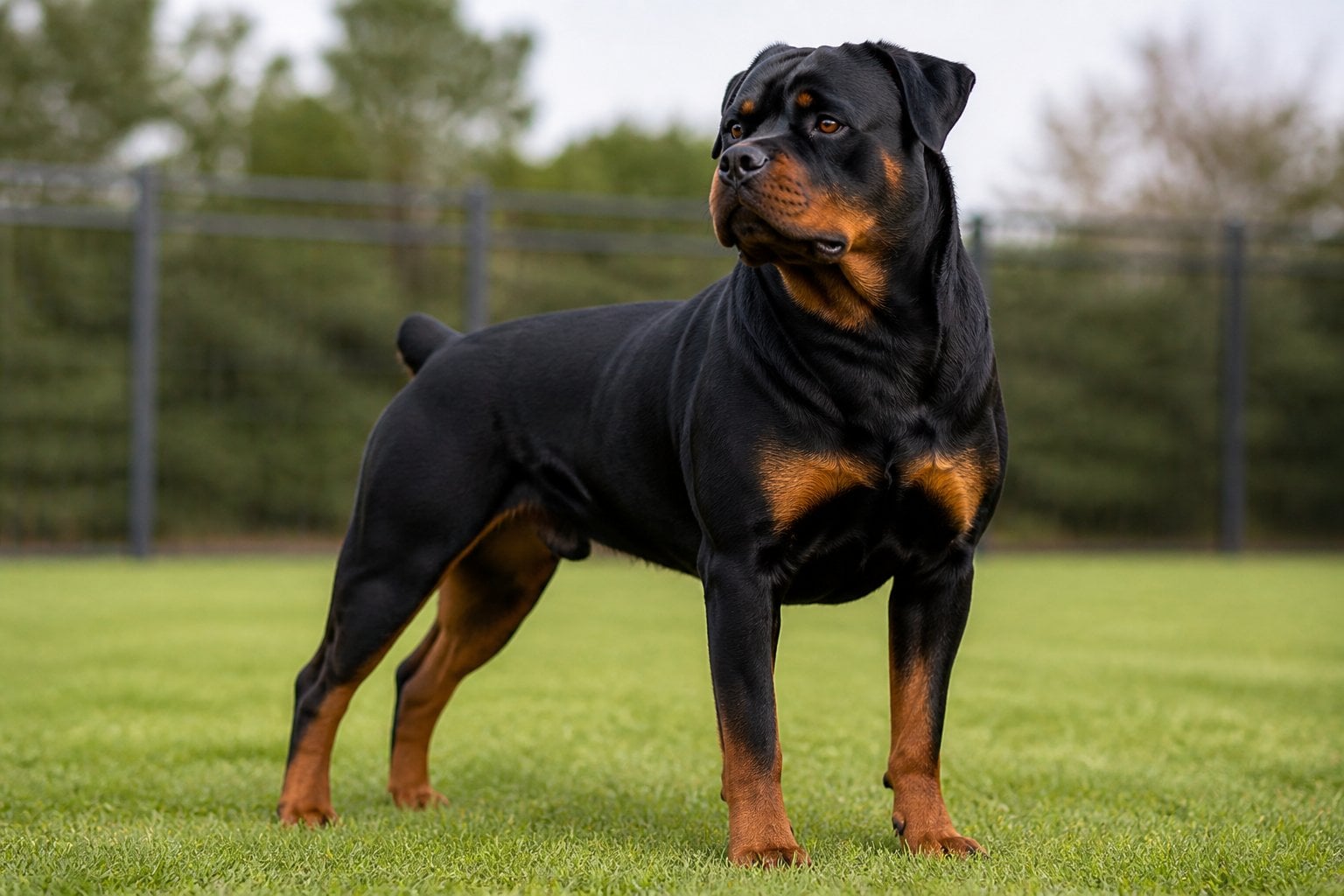
You’ll find the Rottweiler ranked second on most dangerous dog breed lists, largely due to its size, strength, and powerful bite force. Adult males typically weigh between 95 and 135 pounds, giving them the physical capacity to cause serious injury if they act aggressively.
Statistics show Rottweilers are involved in a significant number of fatal dog attacks each year, consistently placing them among the top breeds linked to severe injuries in the United States.
Their protective instincts, originally bred for guarding livestock and property, mean you need to provide consistent training and socialization from an early age. Without it, you may see territorial or defensive behavior emerge.
You should also know that irresponsible ownership plays a major role in Rottweiler-related incidents. When you combine inadequate supervision with a lack of obedience training, the risk of aggressive behavior increases substantially, regardless of the dog’s underlying temperament.
3. German Shepherd
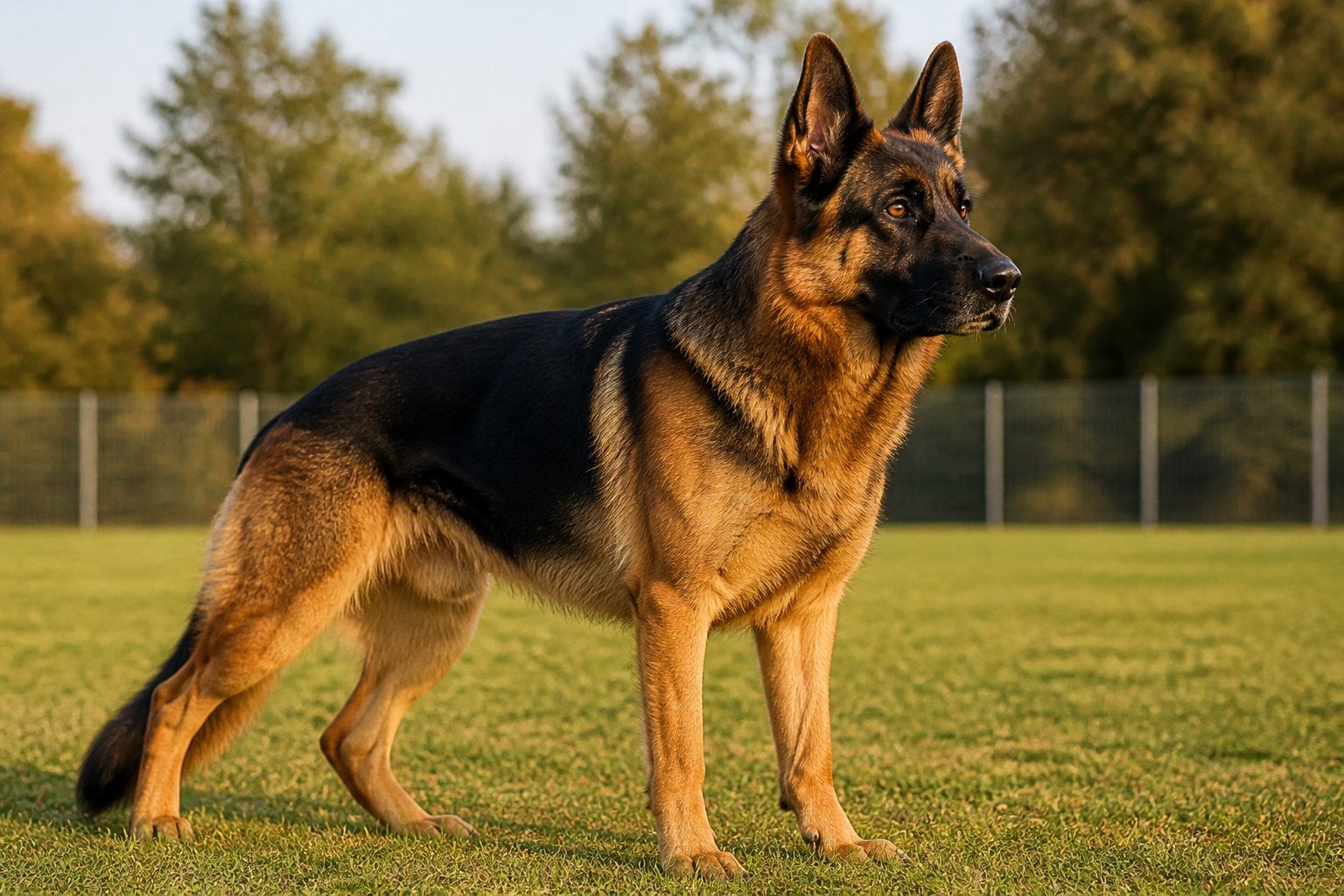
German Shepherds rank among the most dangerous dog breeds due to their size, strength, and powerful bite force. Bred originally for herding and guarding livestock, they were later adopted by police and military forces worldwide for their intelligence and trainability.
Their protective instincts run deep. You’ll notice this breed forms strong bonds with their families, which can translate into territorial or defensive aggression toward strangers if not properly socialized.
German Shepherds have been involved in a significant number of serious bite incidents and fatalities, placing them consistently near the top of breed-related statistics. Their combination of athleticism, jaw strength, and high prey drive makes any aggression potentially severe.
Some countries have introduced restrictions or bans specifically targeting this breed. If you own a German Shepherd, early training and consistent socialization are essential to managing their protective nature safely.
4. Siberian Husky
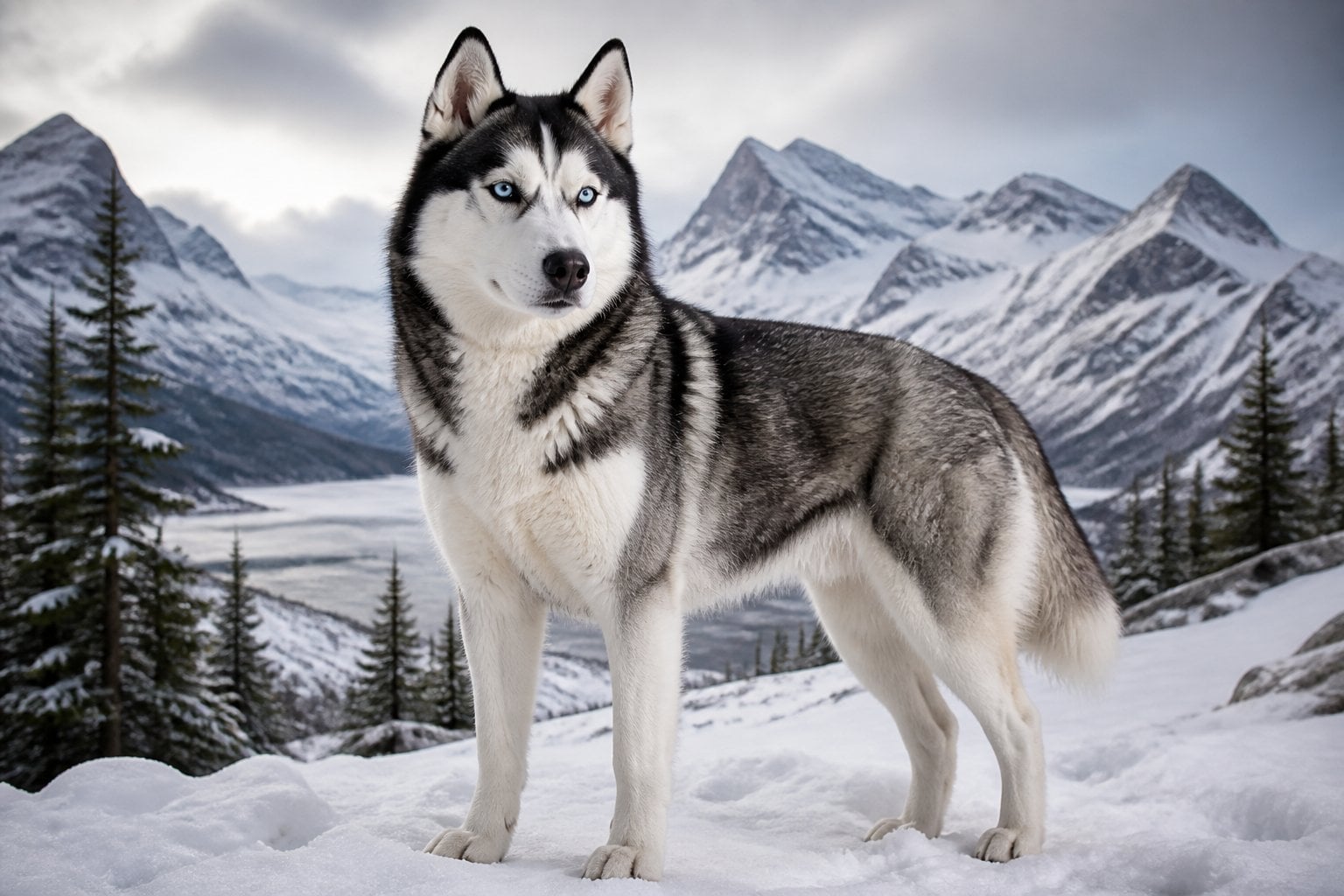
You might not expect to see the Siberian Husky on this list. Their wolf-like appearance and striking eyes give them a wild look, but their temperament is generally friendly rather than aggressive.
Huskies rank among the more problematic breeds mainly due to their high prey drive and pack instincts. If you own one, you know they were bred for endurance and teamwork in sled-pulling roles, not guarding or protection.
Their strength and independence can create challenges if training and socialization are inadequate. You should never leave a Husky unsupervised with small animals, since their instinct to chase can lead to serious harm.
Attacks involving Huskies are relatively rare compared to other breeds on this list. Still, their size, energy, and stubborn streak mean you need consistent structure to prevent unwanted behavior.
5. Alaskan Malamute
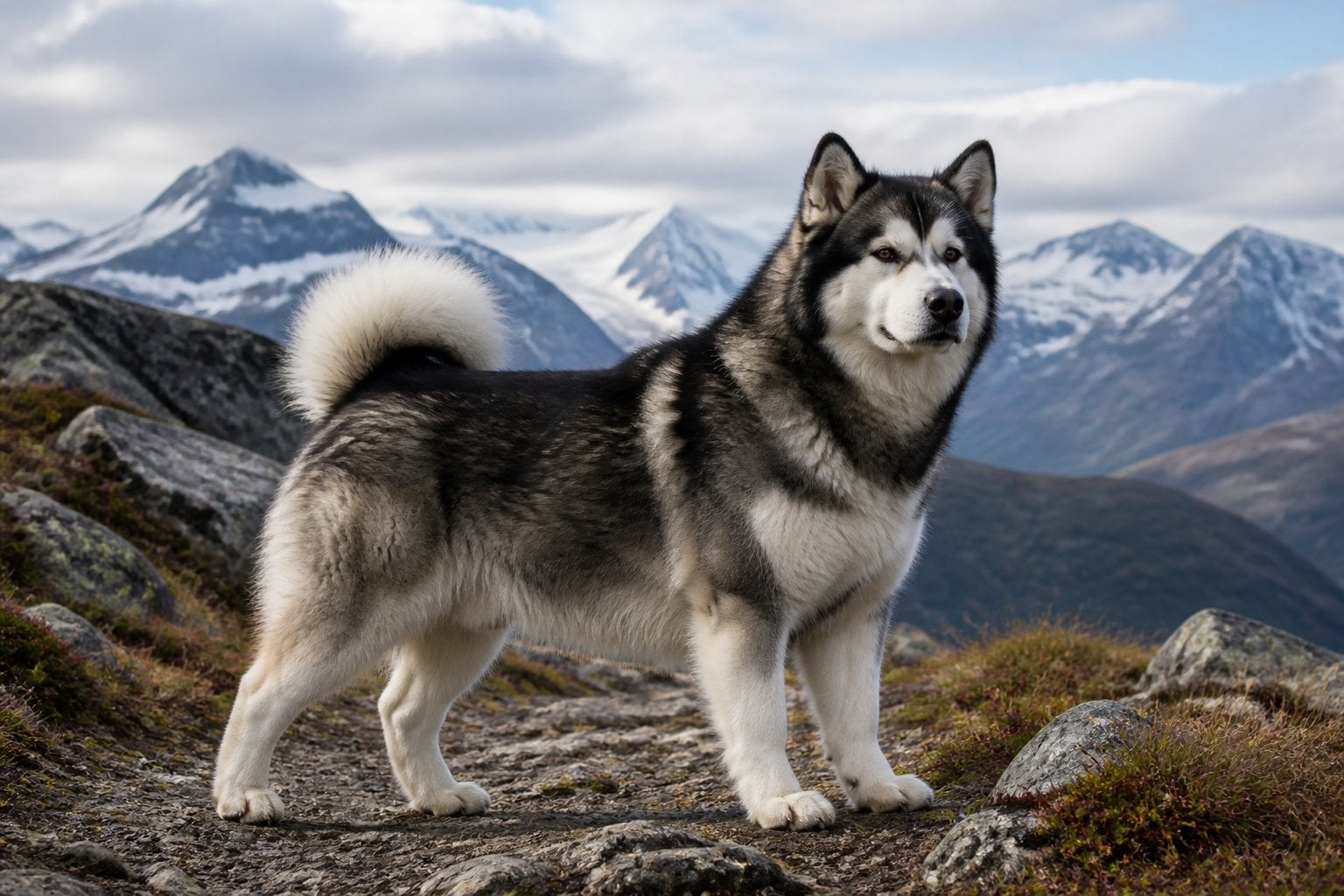
The Alaskan Malamute is a large, powerful breed originally developed for hauling sleds across Arctic terrain. You’ll notice their wolf-like appearance and dense double coat, built for endurance rather than aggression.
Their strength and independent nature can make training difficult if you’re a first-time owner. Without consistent guidance, you may struggle to manage their stubborn streak and high energy levels.
Malamutes carry a strong prey drive, which means you should supervise interactions with smaller animals. This isn’t a sign of aggression toward people, but rather an instinct rooted in their working history.
You’ll find that most incidents involving this breed stem from inadequate socialization or neglect, not inherent hostility. With proper training, exercise, and structure, Malamutes typically show loyalty and sociability toward their families.
Their size and strength still mean you need to take ownership seriously.
6. Doberman Pinscher
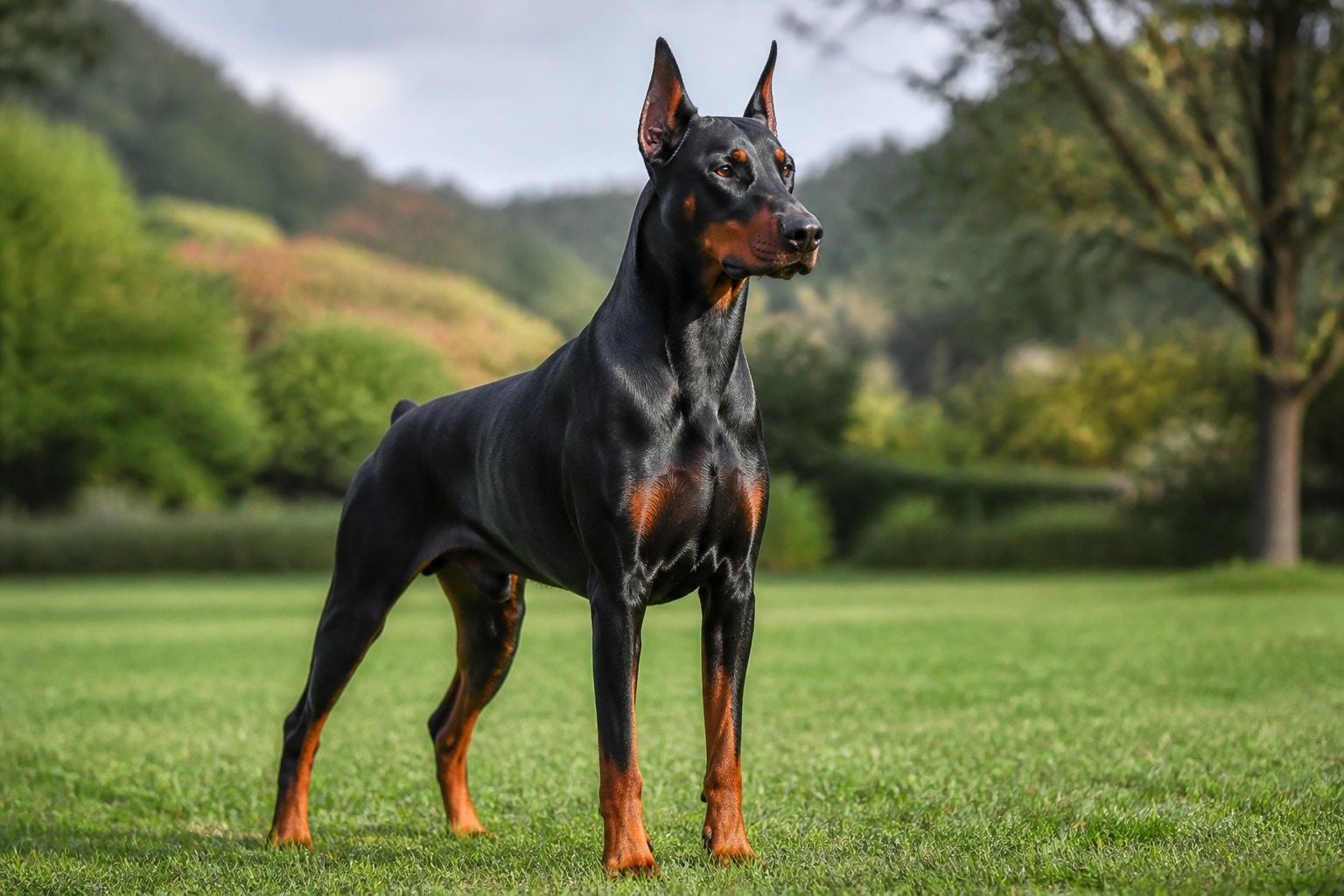
You may recognize the Doberman as a sleek, muscular guard dog with a reputation for loyalty and intensity. Bred originally for personal protection, this breed combines speed, strength, and sharp intelligence.
Dobermans can reach speeds up to 32 mph, and their high energy and drive make them formidable if not properly trained. Without consistent leadership and socialization, you may find their protective instincts turn into unpredictable aggression.
This breed is frequently cited in dog bite statistics, though much of this stems from inadequate training rather than inherent viciousness. When you raise a Doberman with structure, exercise, and clear boundaries, you typically get a devoted, alert companion.
Their intelligence means they learn quickly, but it also means you must stay consistent with commands. Neglect or mishandling can quickly amplify their natural intensity into real danger.
7. Bullmastiff
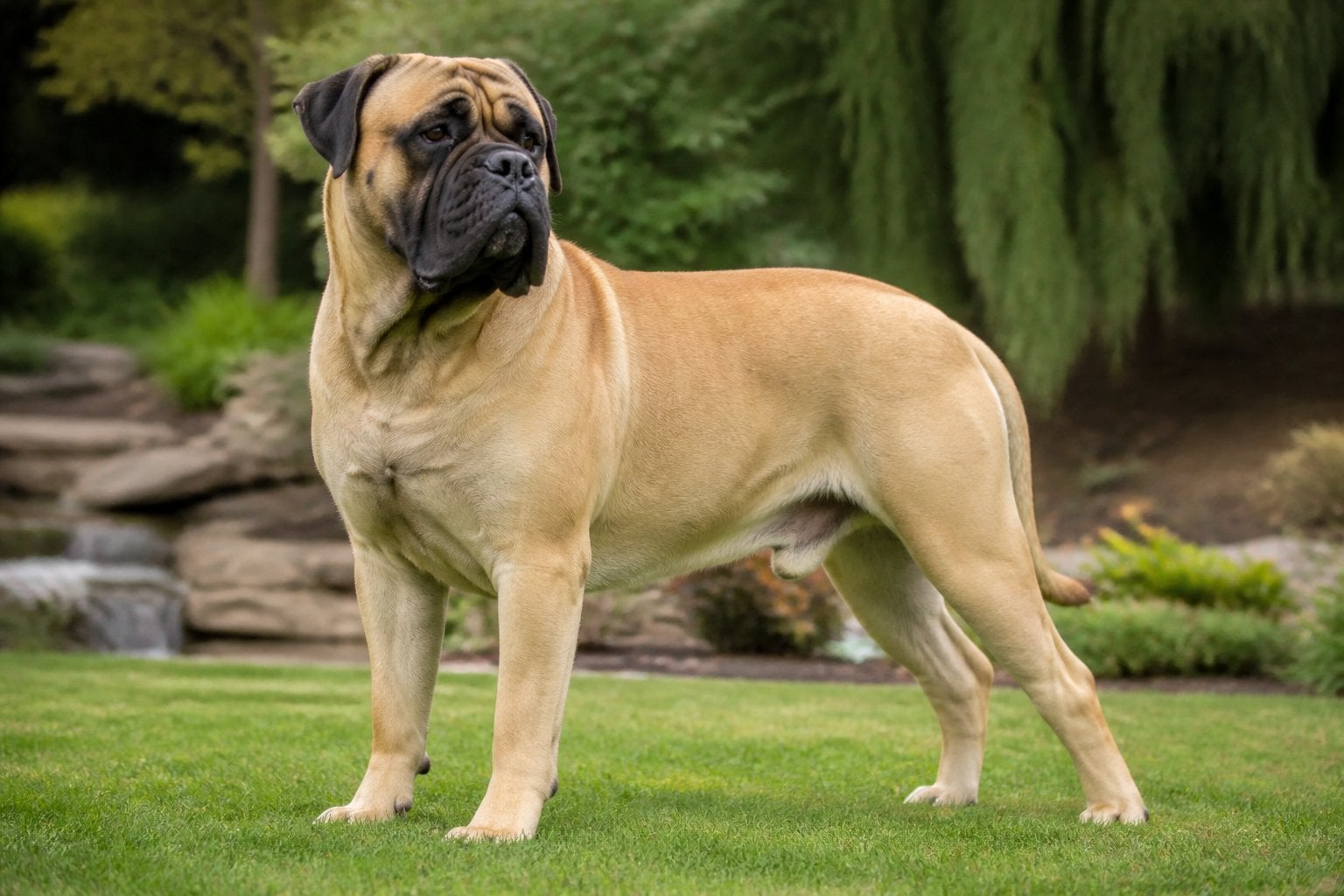
The Bullmastiff was originally bred in England to guard estates and confront poachers. You get a dog built for size and strength, often standing up to 27 inches tall and weighing well over 100 pounds.
Its bite force is considerable, and the breed’s dense muscle structure means an unintentional knock can still cause harm. You’ll notice the Bullmastiff’s temperament tends toward calm and steady, but its protective instincts remain strong.
This breed can be wary of strangers and other dogs if not socialized early. You should introduce your Bullmastiff to new people, animals, and environments while it’s young to reduce defensive reactions later.
Bullmastiffs are also fairly sedentary compared to other large breeds. Still, you need to provide regular exercise, since a bored or under-stimulated dog of this size can become harder to manage in tense situations.
8. Cane Corso
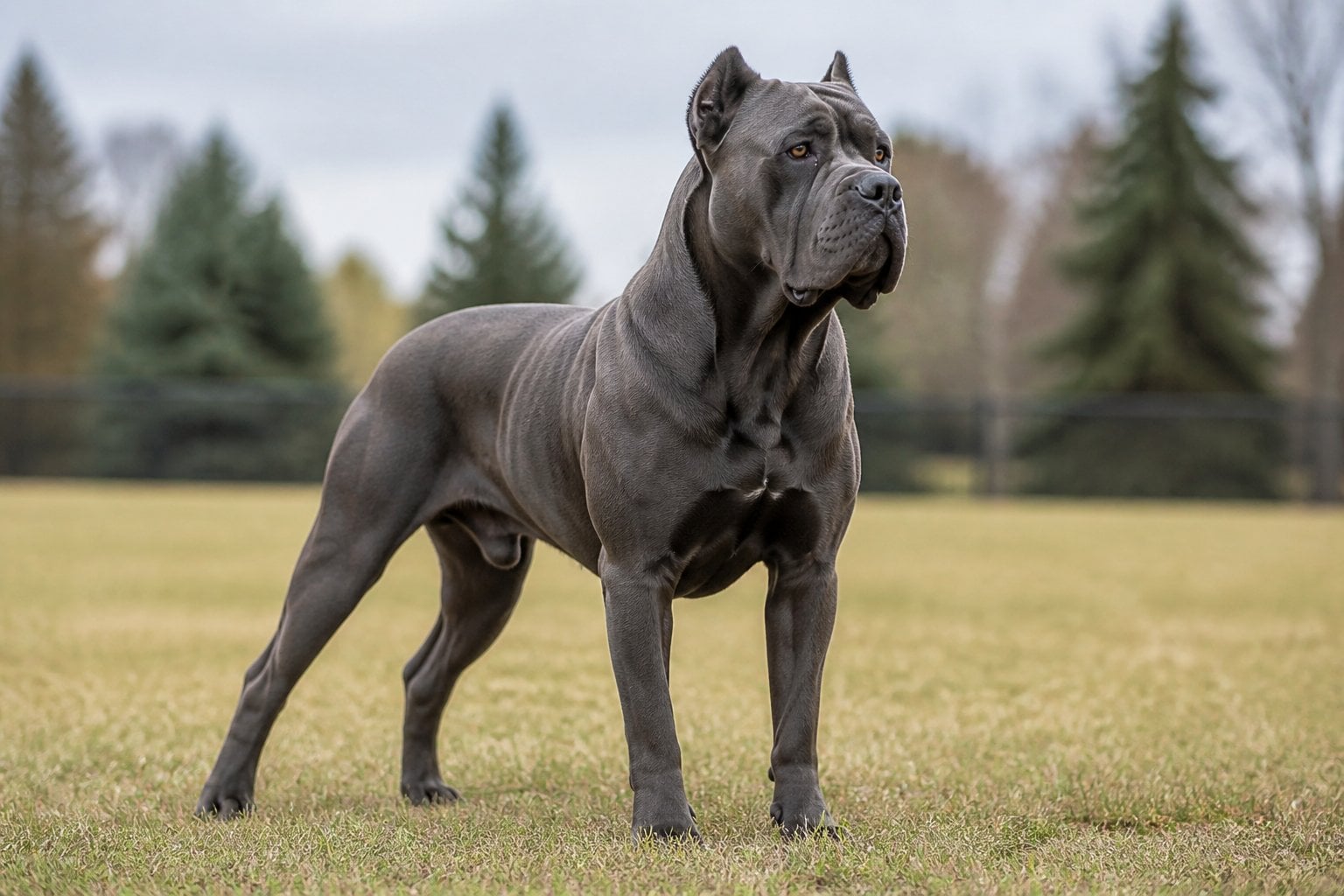
The Cane Corso is an Italian mastiff breed, originally used to guard property and manage livestock. You’ll notice its muscular build right away, with males often weighing up to 110 pounds.
Its bite force is one of the strongest among domestic dog breeds, which contributes to its reputation on this list. Combined with a large head and powerful jaws, this breed can cause serious injury if aggression goes unchecked.
Cane Corsos are naturally territorial and protective, traits developed through generations of guard work. Without proper socialization early on, you may find these instincts turning into unpredictable or defensive behavior toward strangers.
This breed requires an experienced handler who understands assertive, consistent training methods. You need to establish clear boundaries from puppyhood, since a poorly trained adult Cane Corso can be difficult to manage.
When raised responsibly, though, this breed can be loyal and stable within a household.
9. Presa Canario
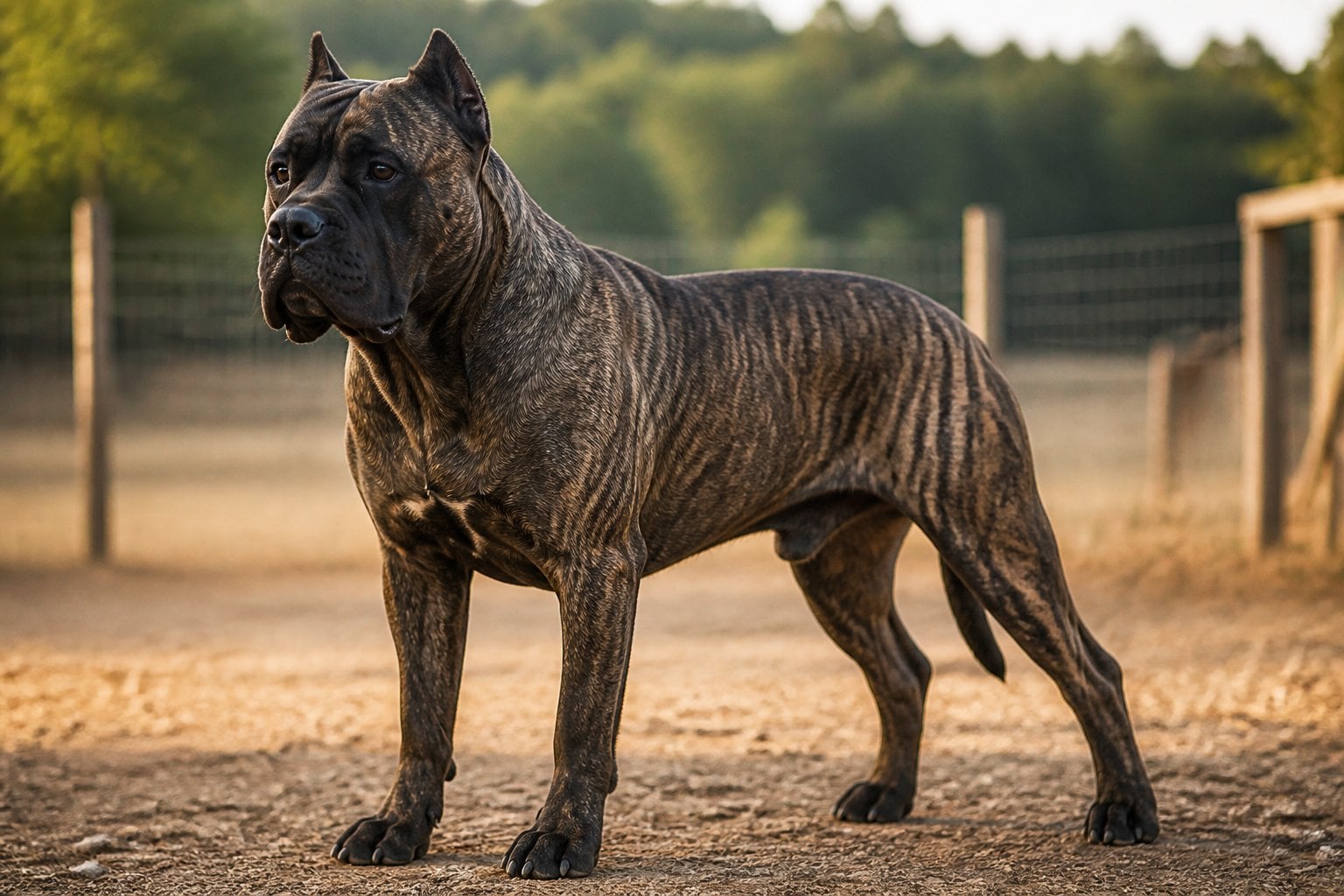
The Presa Canario originates from Spain’s Canary Islands, where breeders developed it for guarding property and herding livestock. You’ll recognize this breed by its muscular build and broad, brachycephalic head.
Adult males can weigh up to 130 pounds, giving you a dog with considerable physical strength. This size, combined with a naturally protective temperament, means you need to approach ownership with caution.
Historically, the Presa Canario served as a working dog bred for confrontation, including dog fighting in earlier periods. That history has shaped its instincts, and you’ll find this breed retains strong guarding tendencies today.
You should only consider this breed if you have prior experience with large, assertive dogs. Proper training and consistent socialization from an early age are essential if you want a well-adjusted Presa Canario.
Without this structure, you may encounter a dog whose protective instincts become difficult to manage in everyday situations.
10. Dogo Argentino
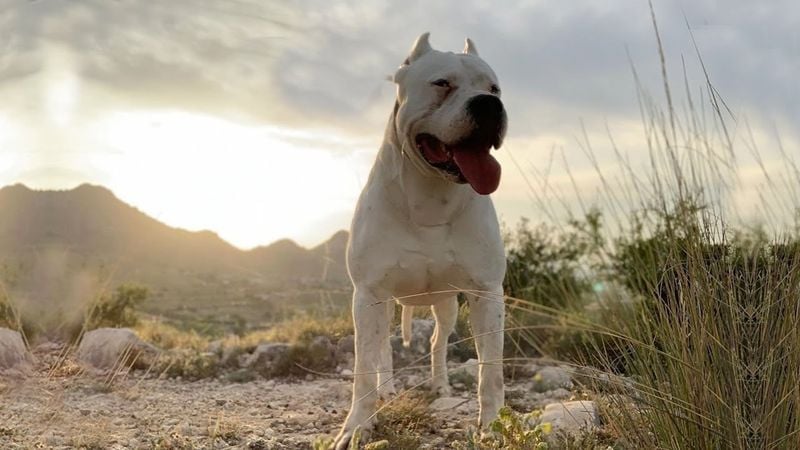
The Dogo Argentino was developed in Argentina in the late 1920s, originally bred for hunting large game such as wild boar and puma. You’ll notice its solid white coat and muscular build, which reflect its history as a working hunting dog.
This breed can weigh up to 130 pounds and carries significant physical strength. You should expect a dog with high endurance, courage, and a strong prey drive.
Without consistent training and socialization, a Dogo Argentino can become difficult to manage around unfamiliar people or animals. Early exposure to different environments helps you shape a more predictable temperament.
Because of past incidents involving the breed, several countries restrict or ban Dogo Argentino ownership. If you’re considering one, you’ll need to research local regulations before bringing the dog home.
This breed is best suited to experienced owners who understand large, powerful working dogs.
11. Fila Brasileiro
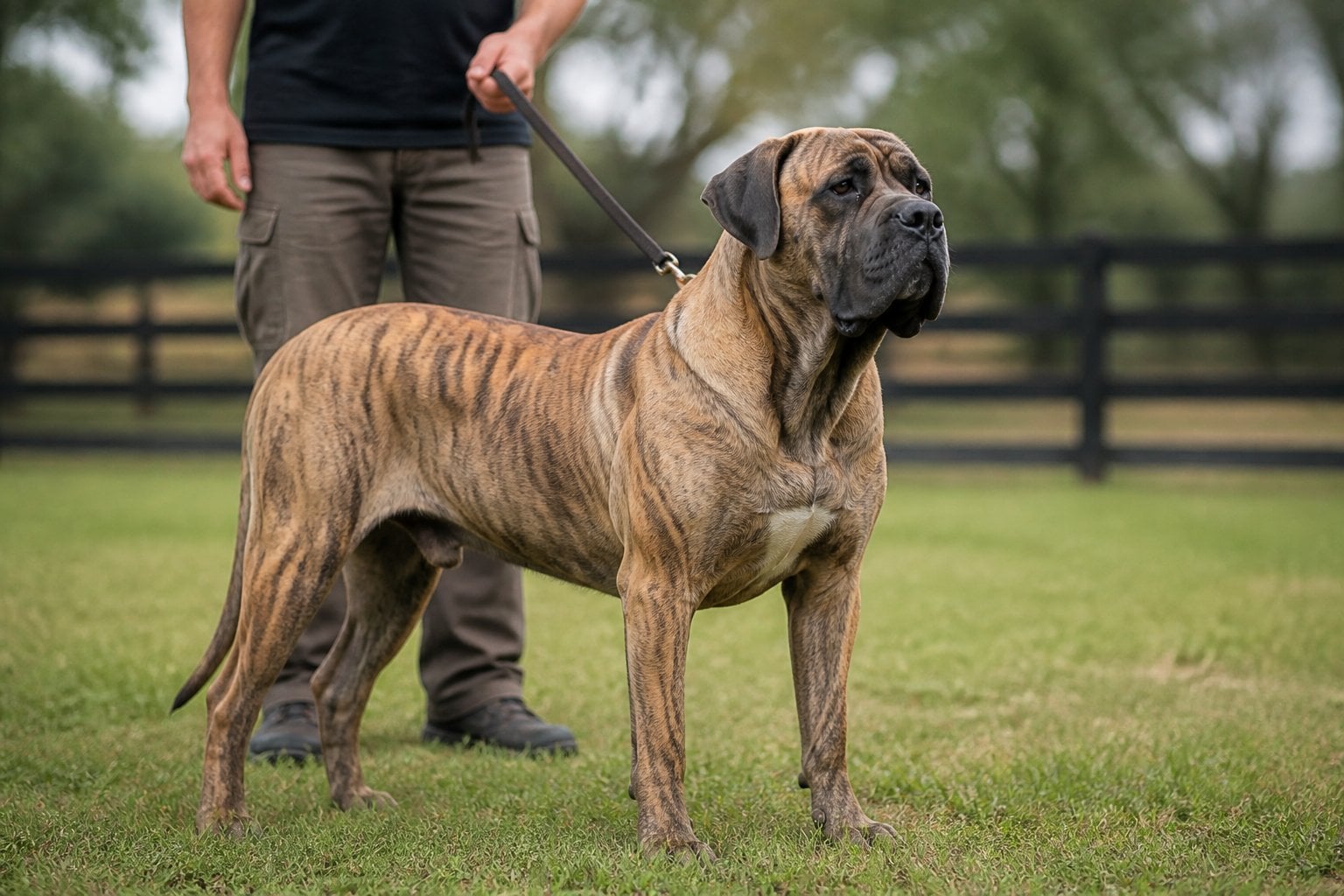
The Fila Brasileiro, also called the Brazilian Mastiff, originated in Brazil and was bred for guarding property, herding cattle, and tracking large game. You’ll notice its muscular build immediately, with males often weighing well over 100 pounds and standing up to 27 inches tall.
This breed’s temperament sets it apart. Filas display an instinctive distrust of strangers, a trait breeders call “ojeriza.” You should understand this isn’t aggression without cause; it’s a hardwired protective response toward unfamiliar people.
Because of this trait, the Fila Brasileiro is banned or restricted in several countries, including the UK. If you’re considering this breed, you need extensive experience with dominant, protective dogs.
Early socialization and firm, consistent training are non-negotiable. Without them, you risk a dog that reacts unpredictably to visitors or strangers, even in low-threat situations.
12. Boerboel
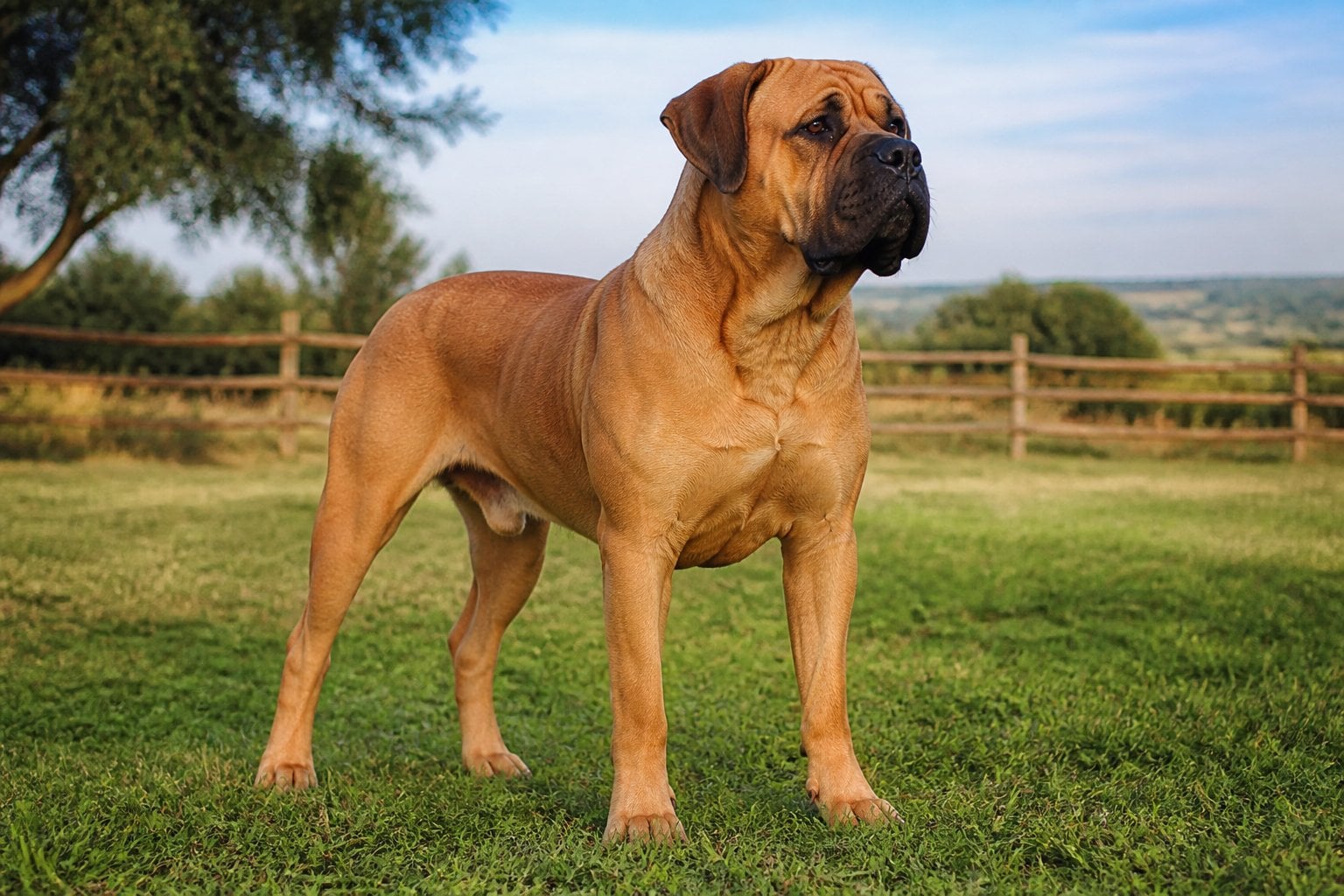
The Boerboel is a large mastiff-type breed developed in South Africa to guard farms and property. You’ll notice their imposing build immediately: males can weigh over 150 pounds, with dense muscle and a broad head.
Bred from the German Bullenbeisser and other mastiff lines, Boerboels were selected for courage and protective instinct. This history means you’re dealing with a dog that takes territorial defense seriously.
Their bite force ranks among the strongest of any domestic breed, giving them the physical capacity to cause severe injury if aggression goes unchecked. You need consistent training and early socialization to manage their natural wariness of strangers.
Without proper handling, a Boerboel’s protective nature can turn into unpredictable aggression toward visitors or unfamiliar animals. Several countries restrict or ban ownership due to this risk.
If you’re considering one, you should have prior experience with large, dominant breeds before bringing a Boerboel into your home.
13. Tosa Inu
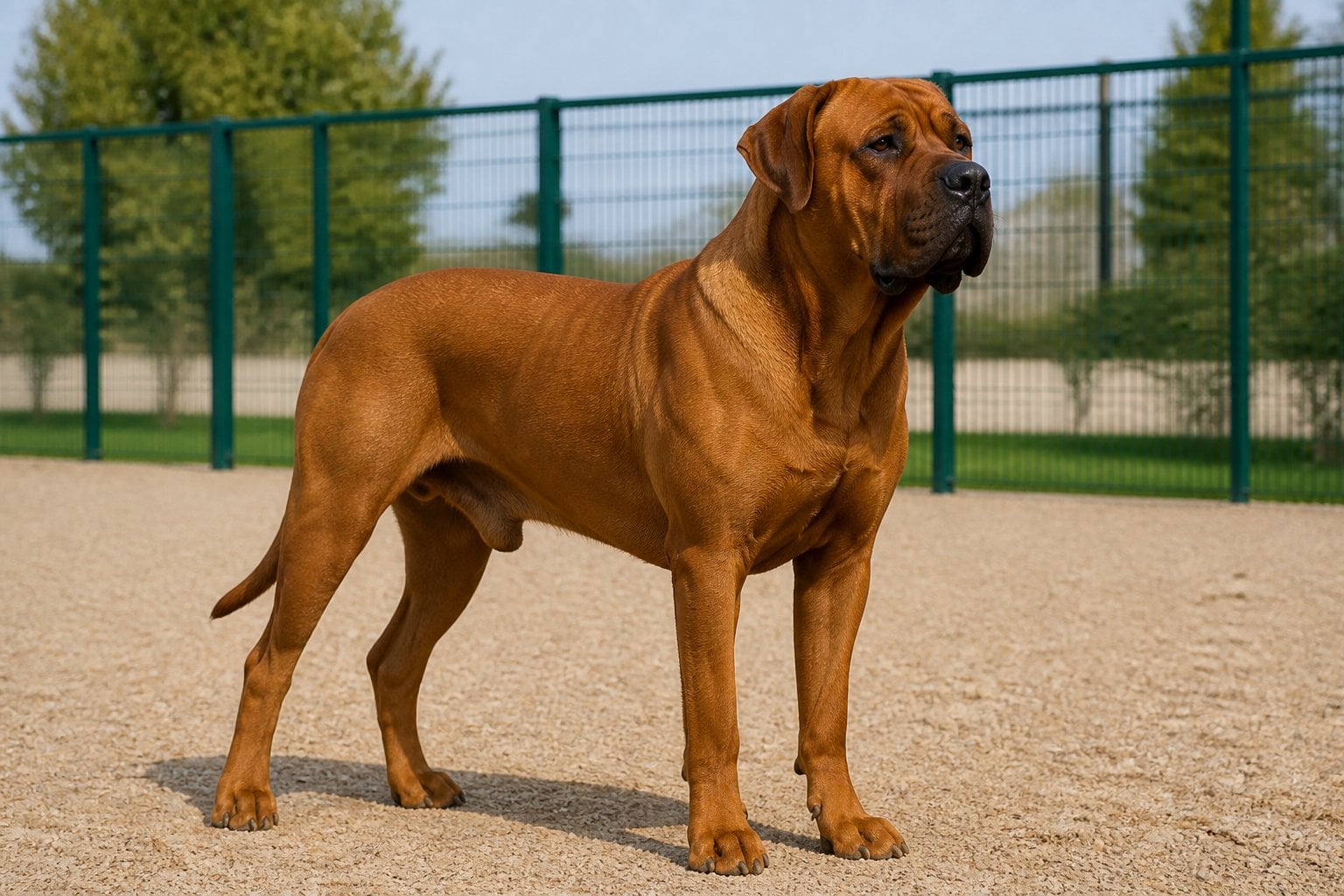
The Tosa Inu comes from Japan, where breeders developed it during the 19th century specifically for organized dog fighting. You’ll notice its massive, muscular build right away, with some dogs weighing up to 200 pounds and standing over 30 inches tall.
Breeders crossed native Japanese dogs with Western breeds like Mastiffs, Great Danes, and Bull Terriers to create this size and strength. The result is a dog with a quiet, reserved demeanor that can still display dominance when not properly managed.
You should know that ownership of the Tosa Inu is restricted or banned in several countries due to its history and physical power. If you’re considering this breed, you need extensive socialization from an early age, since it doesn’t naturally adapt well to strangers or other dogs.
Its size alone means any aggressive behavior carries serious consequences.
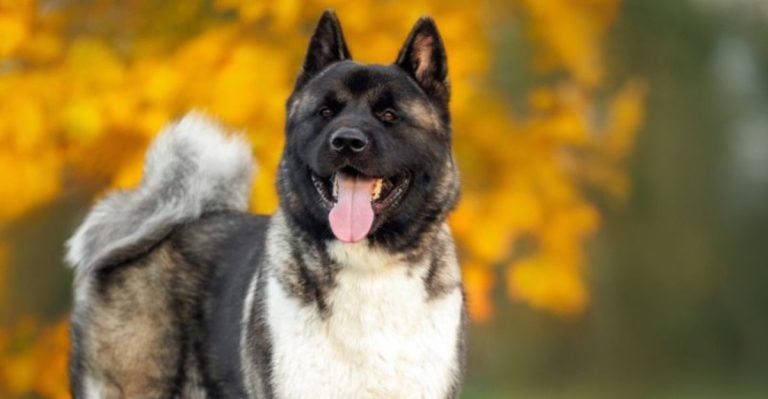
14. Akita Inu
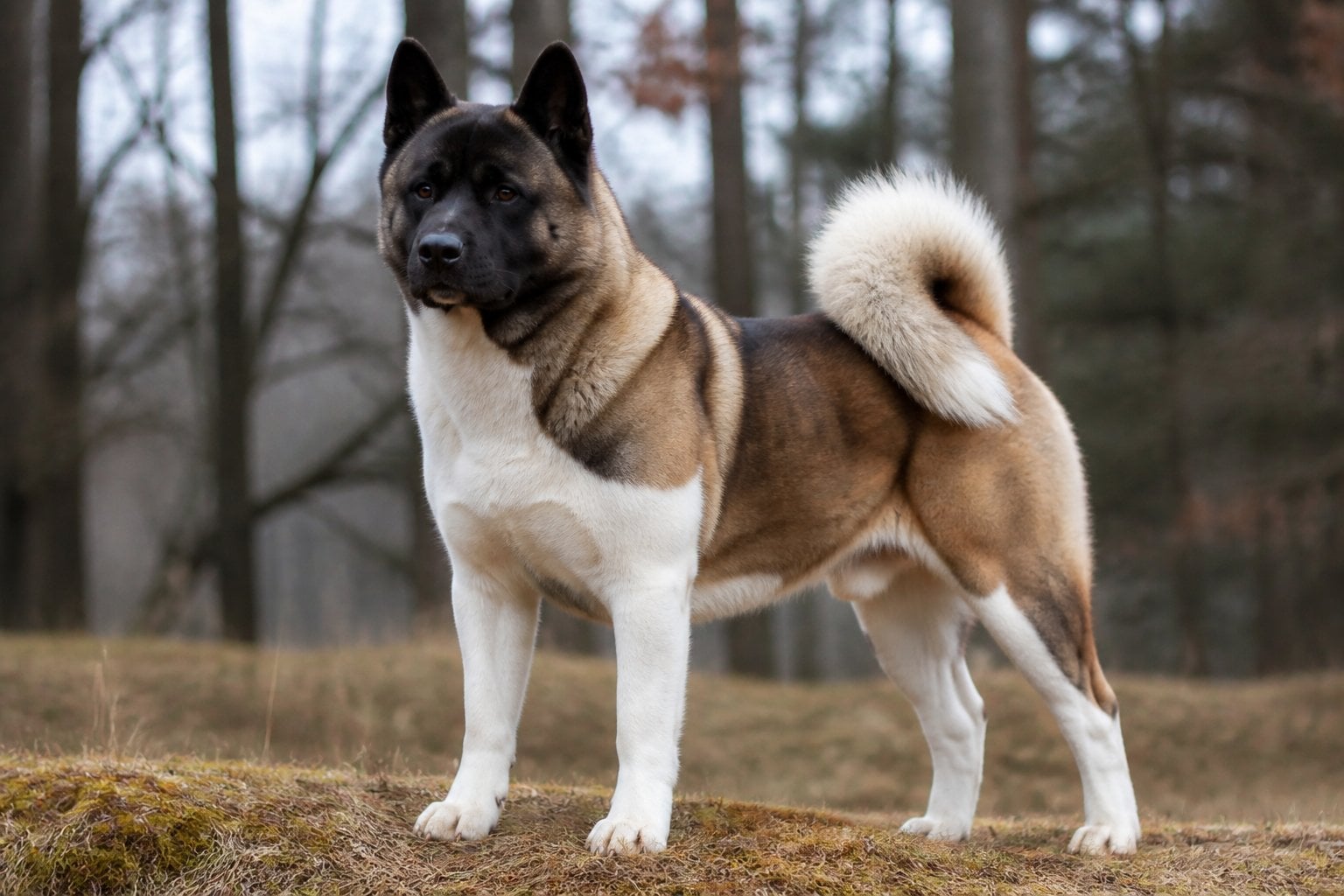
The Akita Inu originated in the mountainous regions of Japan, where it was originally bred for hunting large game and guarding property. You’ll find this breed carries significant size and strength, with a naturally dominant temperament that requires firm handling.
Akitas are known for their loyalty to their families, but this same trait makes them wary of strangers and other animals. You should expect an Akita to be territorial and protective, sometimes to a fault. Their history includes use in dog fighting, which shaped some of their more assertive tendencies.
This breed demands experienced ownership and consistent training from an early age. Without proper socialization, you may see aggression toward unfamiliar people or animals. Several countries have placed restrictions on Akita ownership due to documented incidents involving the breed.
You should never assume an Akita’s loyalty translates to friendliness with everyone it meets.
15. Chow Chow
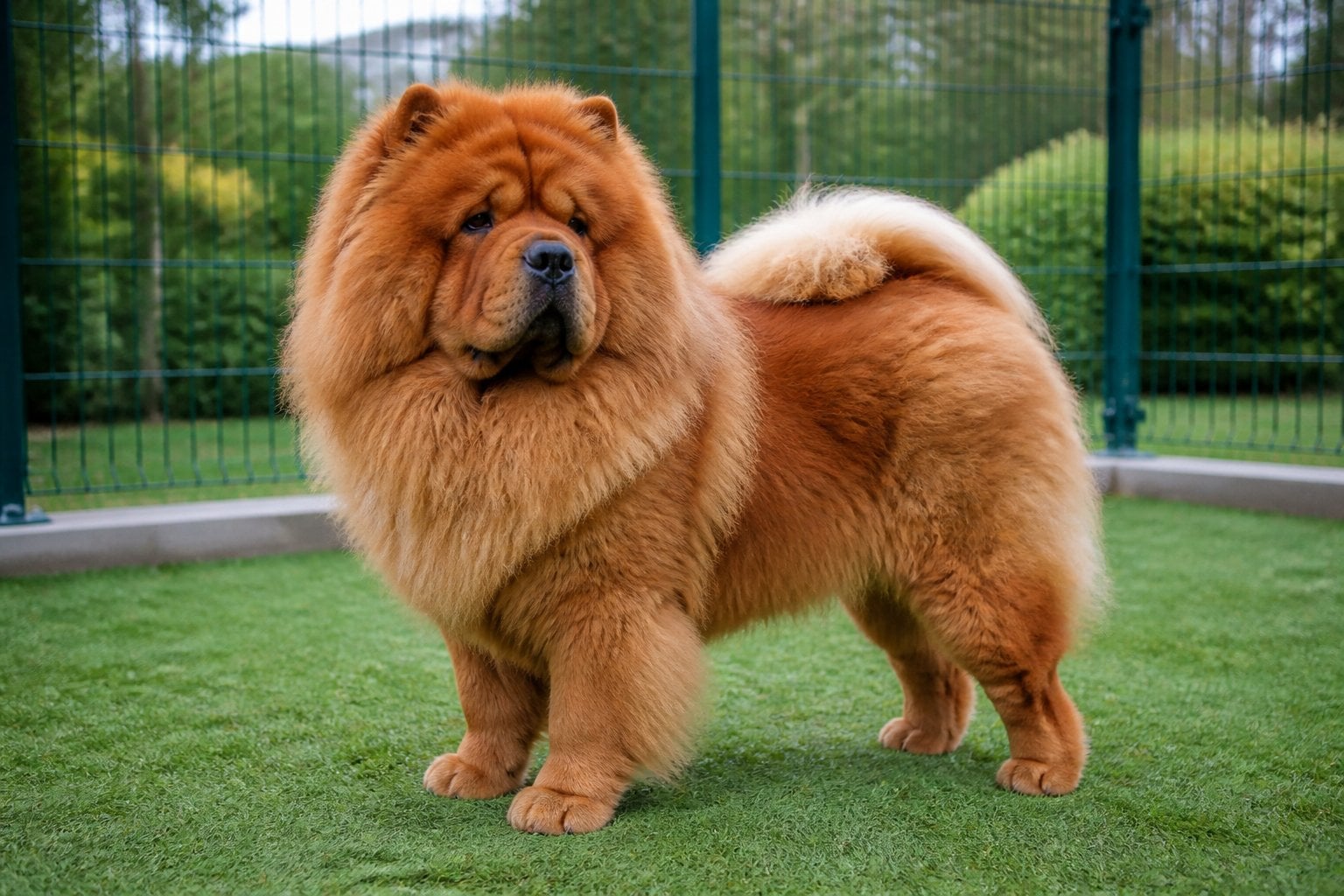
The Chow Chow has an ancient history dating back thousands of years in China, where it was used for guarding, hunting, and pulling carts. You’ll recognize this breed by its thick mane, distinctive scowl, and blue-black tongue. That fluffy exterior hides a reserved, sometimes stubborn temperament.
This breed frequently appears on lists of aggressive dogs, particularly regarding strangers. You’ll find that Chow Chows are naturally territorial and wary of unfamiliar people, which can translate into defensive or aggressive behavior if not managed properly.
Early socialization is essential with this breed. If you skip it, you risk reinforcing the Chow Chow’s natural suspicion of outsiders, which can escalate into serious aggression.
Their independent nature also means they don’t respond well to harsh training methods. You’ll get better results with consistent, patient handling from puppyhood onward, since this breed doesn’t easily forgive mistreatment or inconsistency.
16. Wolf-Dog Hybrid
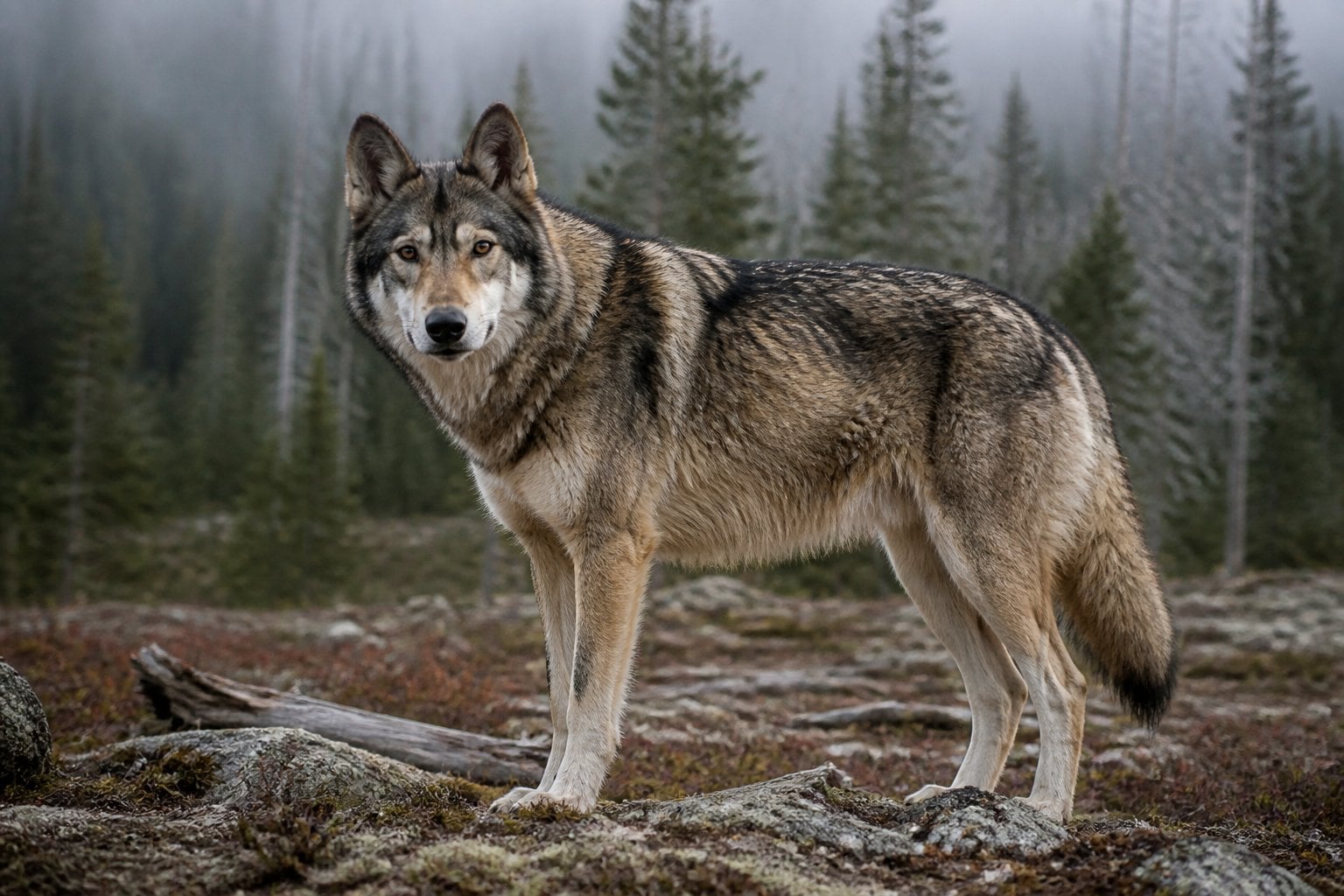
A wolf-dog hybrid results from breeding a domestic dog with a wolf, usually a gray wolf. You get an animal that carries genetic traits from both species, which makes its behavior harder to predict than that of a typical dog.
The percentage of wolf ancestry varies widely between individual hybrids. This affects temperament, prey drive, and how the animal responds to training.
Wolf-dogs often retain strong instincts related to territory and pack hierarchy. You may find them less responsive to commands compared to standard breeds, since domestication has less influence on their behavior.
Several US states restrict or ban wolf-dog ownership due to safety concerns. Some jurisdictions require secure enclosures, visible warning signage, or proof of sterilization if you own one.
If you’re considering a wolf-dog, you should understand that their needs differ significantly from domestic dogs. Containment, socialization, and experienced handling are essential to reduce risk.
17. Belgian Malinois
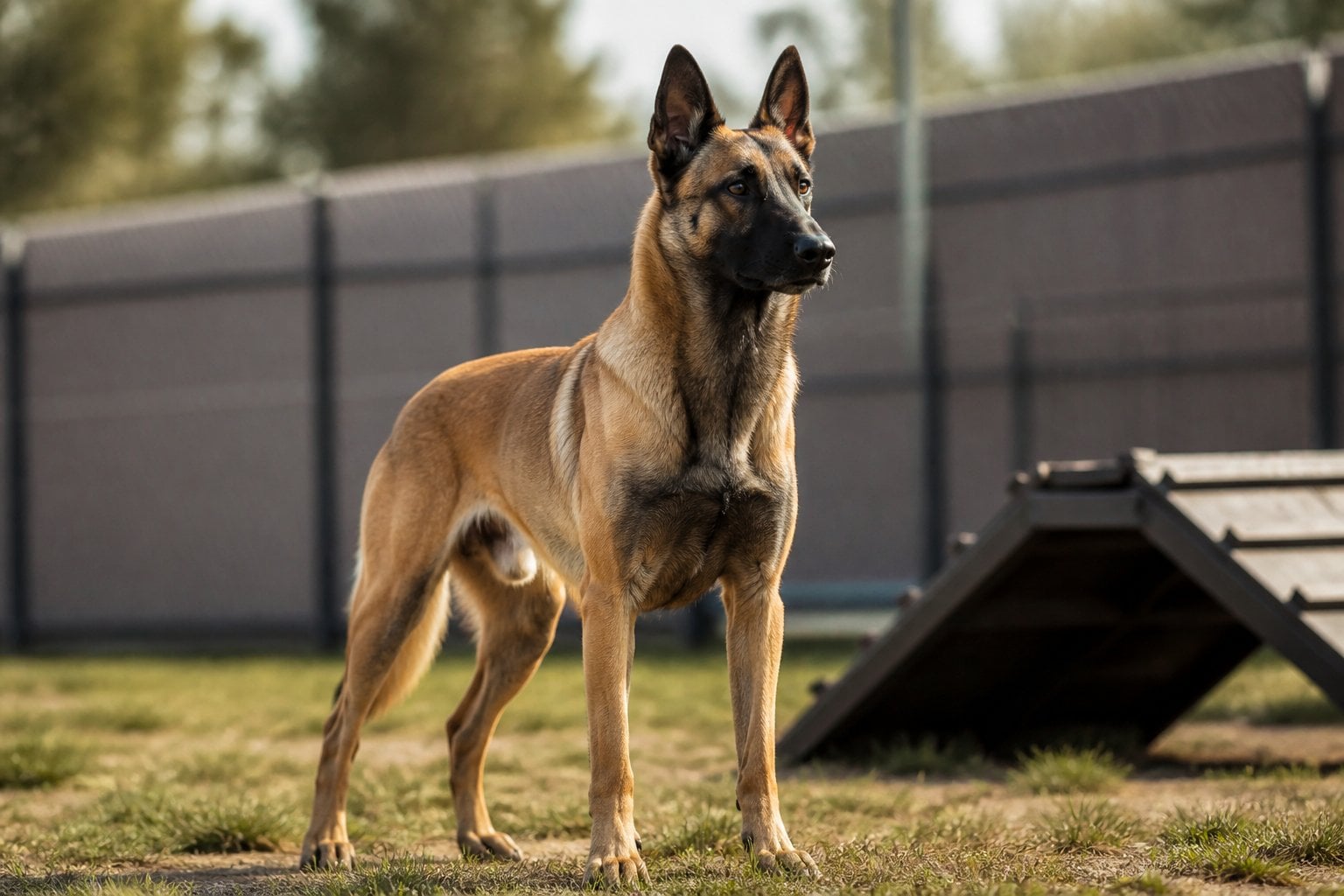
The Belgian Malinois is a working breed used widely by police and military units. You’ll find this breed valued for its intelligence, drive, and strong protective instincts.
Its reputation for danger comes largely from its working background, not inherent aggression. When you consider a Malinois, you’re looking at a dog bred for high-stakes tasks like apprehension and personal protection.
Without proper training and outlets for its energy, this drive can turn into destructive or reactive behavior. You should never treat a Malinois as a casual pet, since it needs consistent structure and mental stimulation.
Its strength and bite force make any aggressive behavior potentially serious. If you’re inexperienced with high-energy working breeds, you may struggle to manage a Malinois safely.
With proper handling, though, you’ll find this breed loyal and highly capable rather than unpredictable.
18. Rhodesian Ridgeback
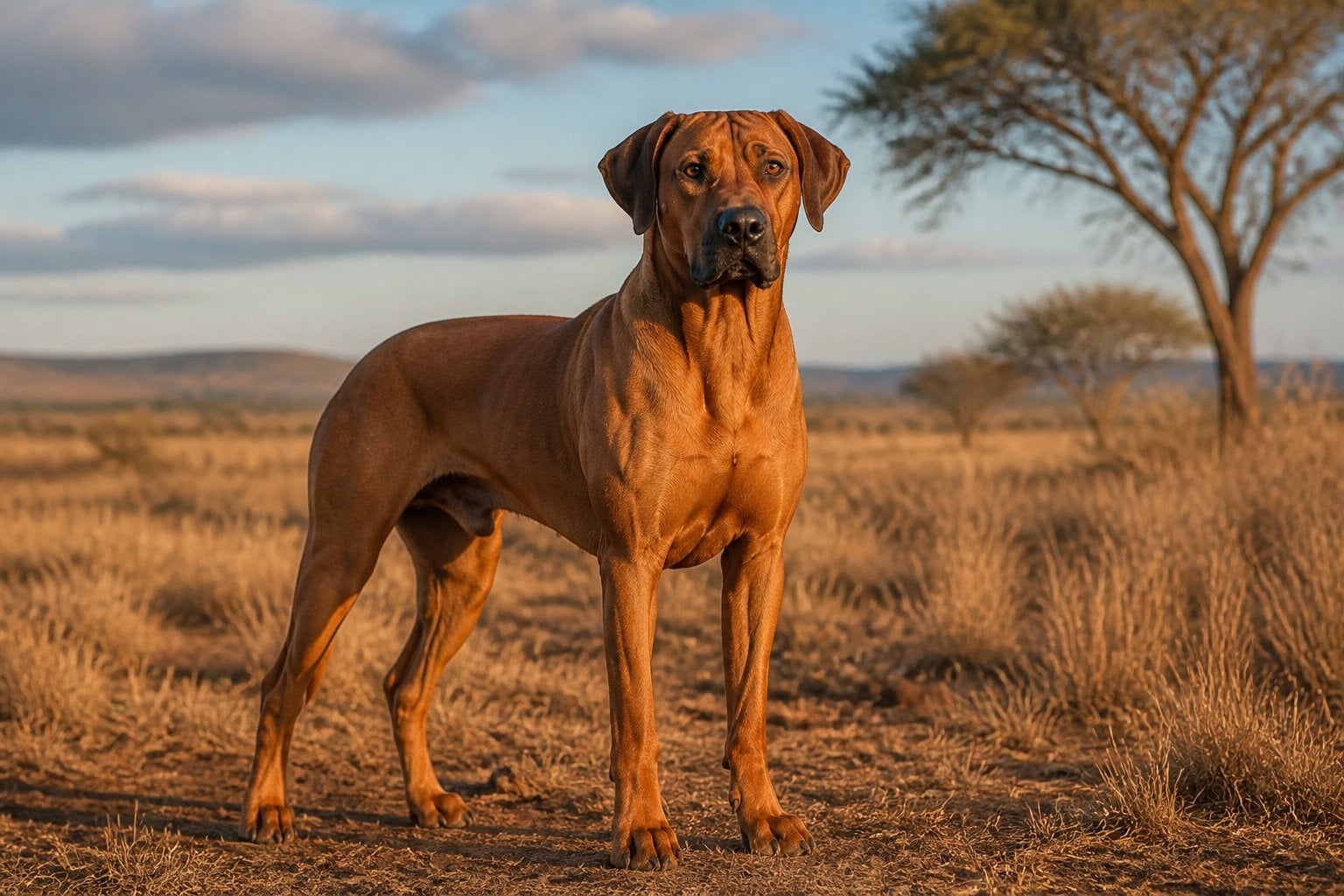
The Rhodesian Ridgeback originated in Southern Africa, where it was bred to track and hold large game, including lions, until hunters arrived. This history shaped a dog with a strong prey drive and considerable physical power.
You’ll find this breed loyal and protective of its family, but naturally reserved around strangers. Without proper socialization, that reserved nature can develop into suspicion or defensive aggression.
Their size and strength mean you need consistent training from an early age. A Ridgeback that isn’t given clear boundaries can become difficult to control, especially in situations involving unfamiliar people or animals.
Despite their hunting background, well-raised Ridgebacks are typically calm and gentle in the home. The breed’s reputation for danger stems more from their capability than from a tendency toward unprovoked aggression.
If you’re considering this breed, understand that their loyalty comes paired with independence and a need for firm, experienced handling.
19. American Bulldog
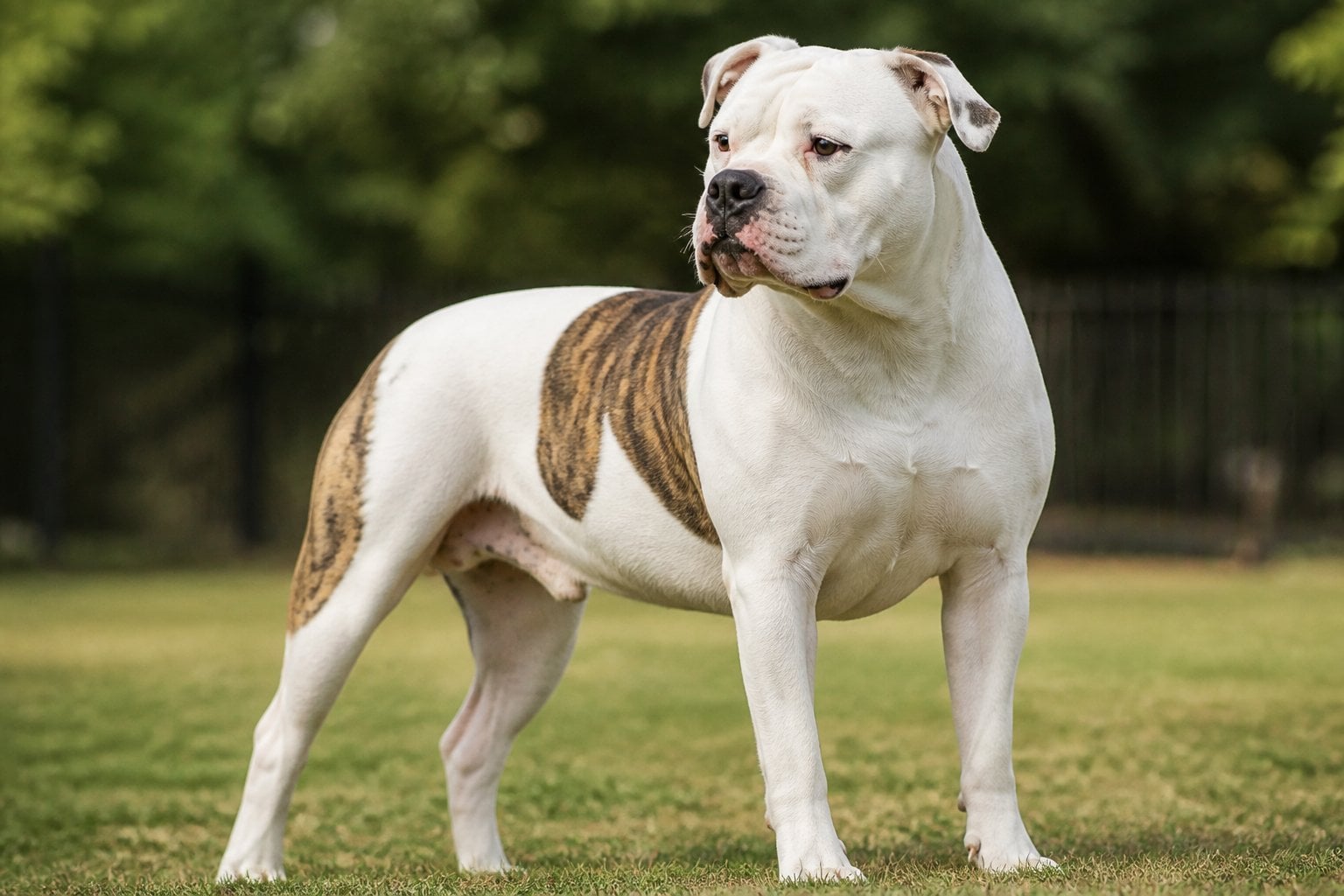
The American Bulldog is a muscular, athletic breed originally developed for farm work and guarding livestock. You’ll notice its powerful build and strong jaw, traits that give it a formidable bite when provoked.
This breed is loyal and protective, often bonding closely with its family. However, that protective instinct can turn into territorial aggression if you don’t socialize your dog properly from an early age.
American Bulldogs need consistent training and firm boundaries. Without it, you may find their strength and stubbornness difficult to manage, especially around strangers or unfamiliar animals.
Their history as working and guard dogs means they have a natural wariness of outsiders. You should never assume this breed is automatically dangerous, but you do need to respect its physical capabilities and provide proper structure throughout its life.
20. Boxer
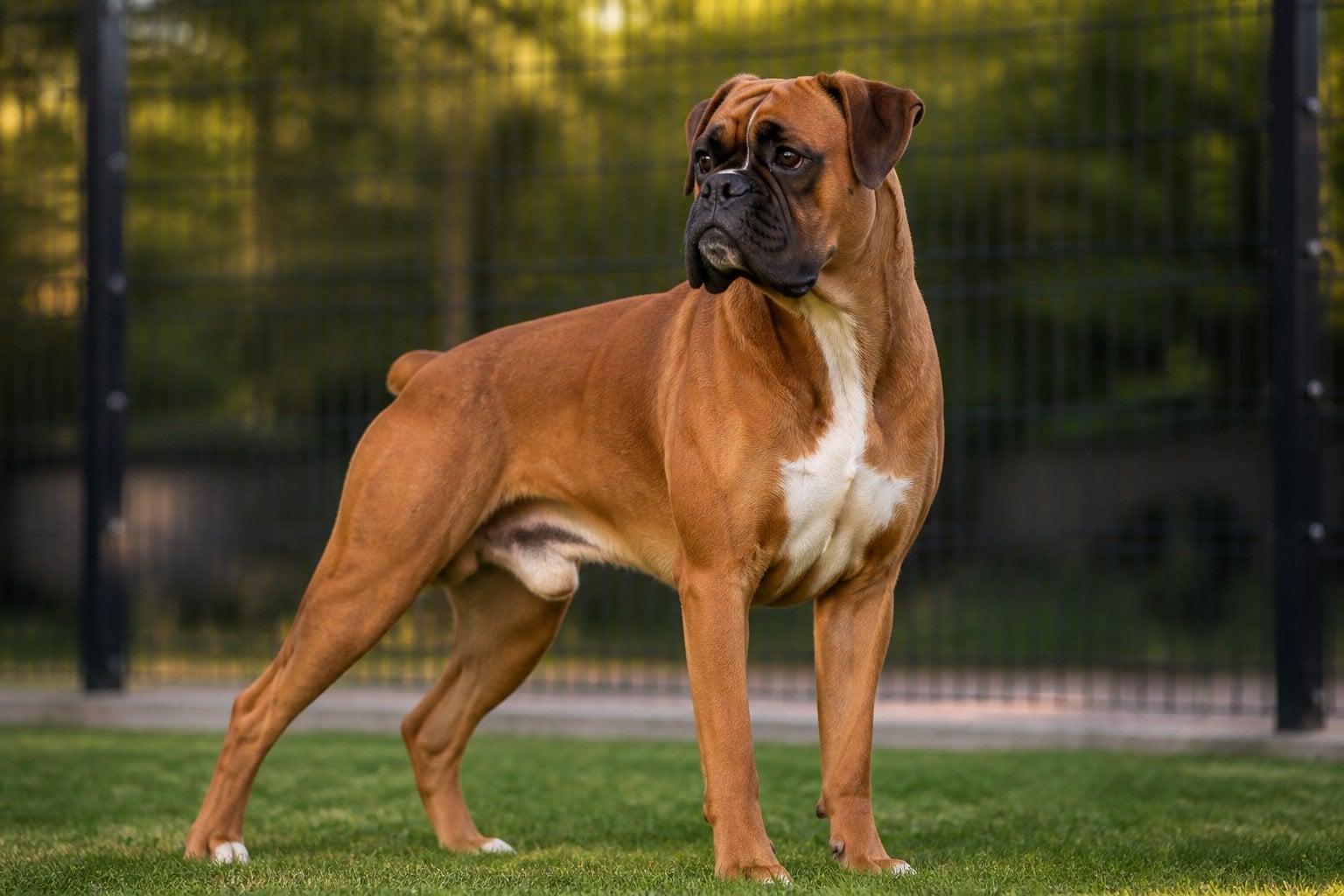
Boxers are muscular, medium-to-large dogs originally bred in Germany for hunting large game and later used as guard dogs. You may know them for their high energy, loyalty, and strong protective instincts toward their families.
Their size and strength mean a poorly trained Boxer can cause harm, particularly through jumping or unintentional knockdowns rather than aggressive attacks. Boxers are naturally wary of strangers, which can translate into defensive behavior if they feel threatened.
You should also know that Boxers rank among breeds involved in reported bite incidents, though they’re not typically classified among the most aggressive. Early socialization is critical, since Boxers can become overly protective without proper exposure to new people and situations.
With consistent training and structure, you’ll find Boxers are generally affectionate and patient with children. Their energy levels require regular exercise, and neglecting this can lead to frustration-driven behavior issues in your dog.
21. Great Dane
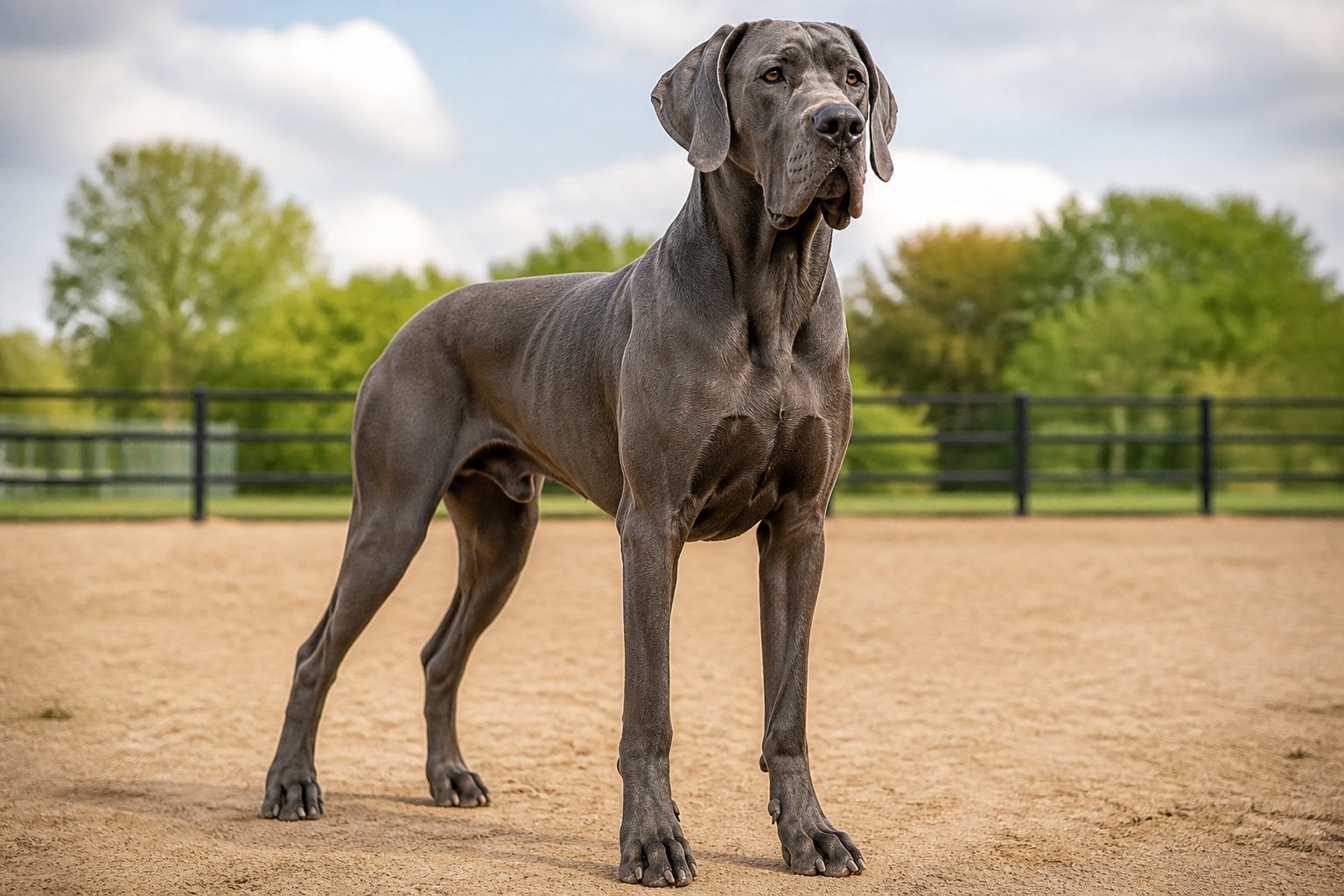
You might not expect a gentle giant to make this list, but the Great Dane’s sheer size earns it a place here. Standing up to 32 inches at the shoulder, this breed can tower over you when standing on its hind legs.
Great Danes originated in Germany roughly 400 years ago, bred for boar hunting. That history gave them strength and confidence, traits that remain today.
Despite their imposing build, you’ll typically find Great Danes to be sweet-natured, patient, and good with children. Their danger comes not from aggression but from mass. An excited leap or accidental knock can injure you, especially if you’re a child or elderly.
You should never underestimate the physical force behind a 150-pound dog. Training and early socialization matter here, since a Great Dane that hasn’t learned boundaries can unintentionally cause harm through size alone.
22. Mastiff
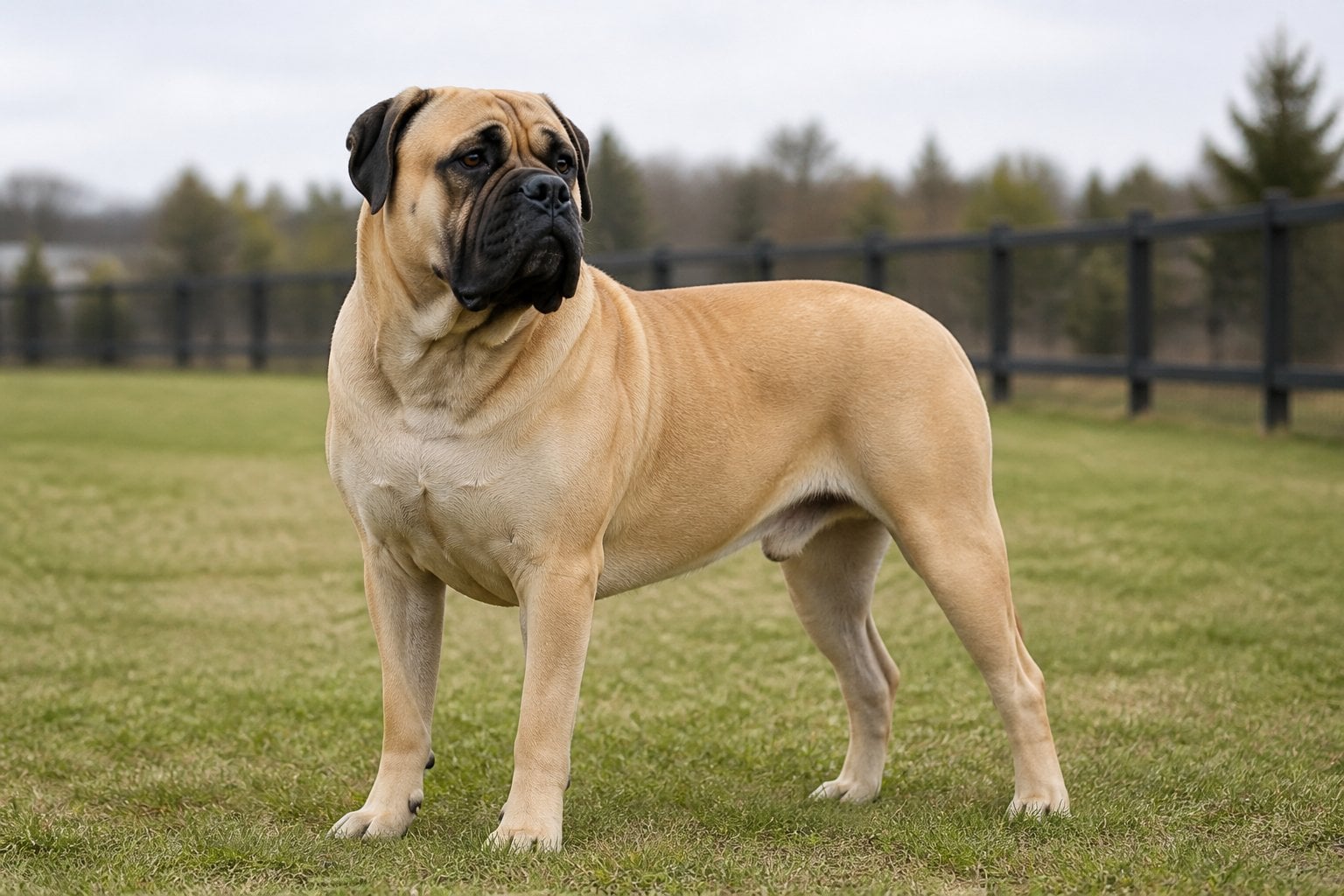
If you own a Mastiff, you have a dog that can weigh well over 100kg, giving it enormous physical presence. This size alone means you need to take its handling seriously.
Historically, you’d find Mastiffs used as guard dogs, bred to protect property and people. That protective instinct still runs deep in the breed today.
Statistics show Mastiffs have been linked to a notable number of fatal attacks in the United States, ranking among breeds with the highest recorded deaths. You should understand this isn’t about inherent viciousness, but about the consequences when a dog this powerful acts defensively or aggressively.
Because of their size and strength, you can’t treat training as optional. Early socialization and consistent obedience work are essential if you want a Mastiff that’s calm and predictable around strangers, children, and other animals.
23. Neapolitan Mastiff
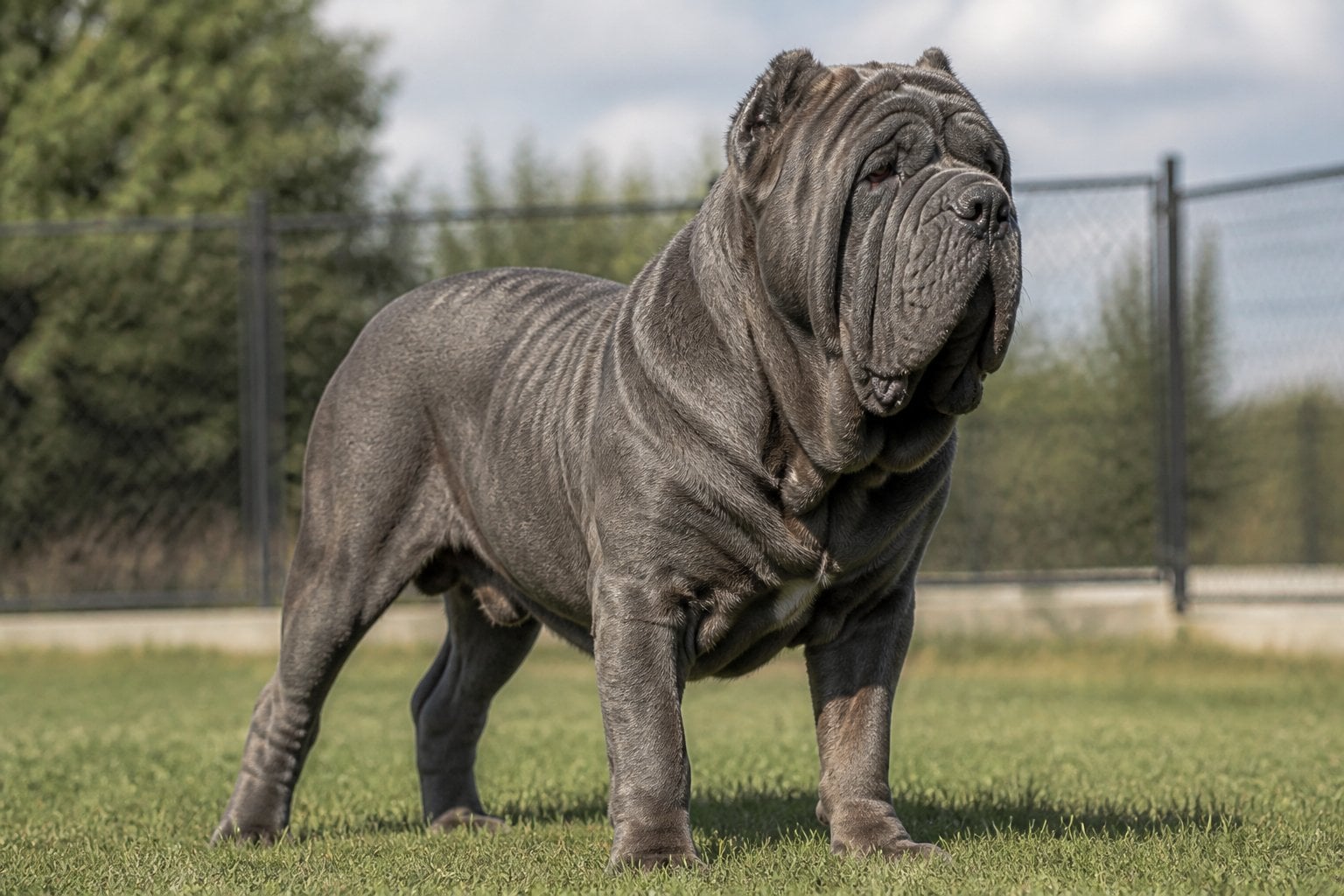
You’ll recognize the Neapolitan Mastiff by its massive size and loose, wrinkled skin. This Italian breed descends from ancient Roman war dogs and once served as a gladiator and guard dog in the Roman Empire.
Weighing up to 150 pounds, this mastiff can pose a serious risk to small children simply due to its bulk. A dog this size doesn’t need aggression to cause harm; it can knock you over or injure a child through sheer weight and clumsiness.
The Neapolitan Mastiff typically has a calm, loyal temperament toward its family. Its protective instincts run deep, though, making it wary of strangers and prone to guarding behavior if not properly trained.
You should never underestimate this breed’s strength. Its powerful build and territorial nature mean you need experience and consistent handling to manage it safely.
24. Staffordshire Bull Terrier
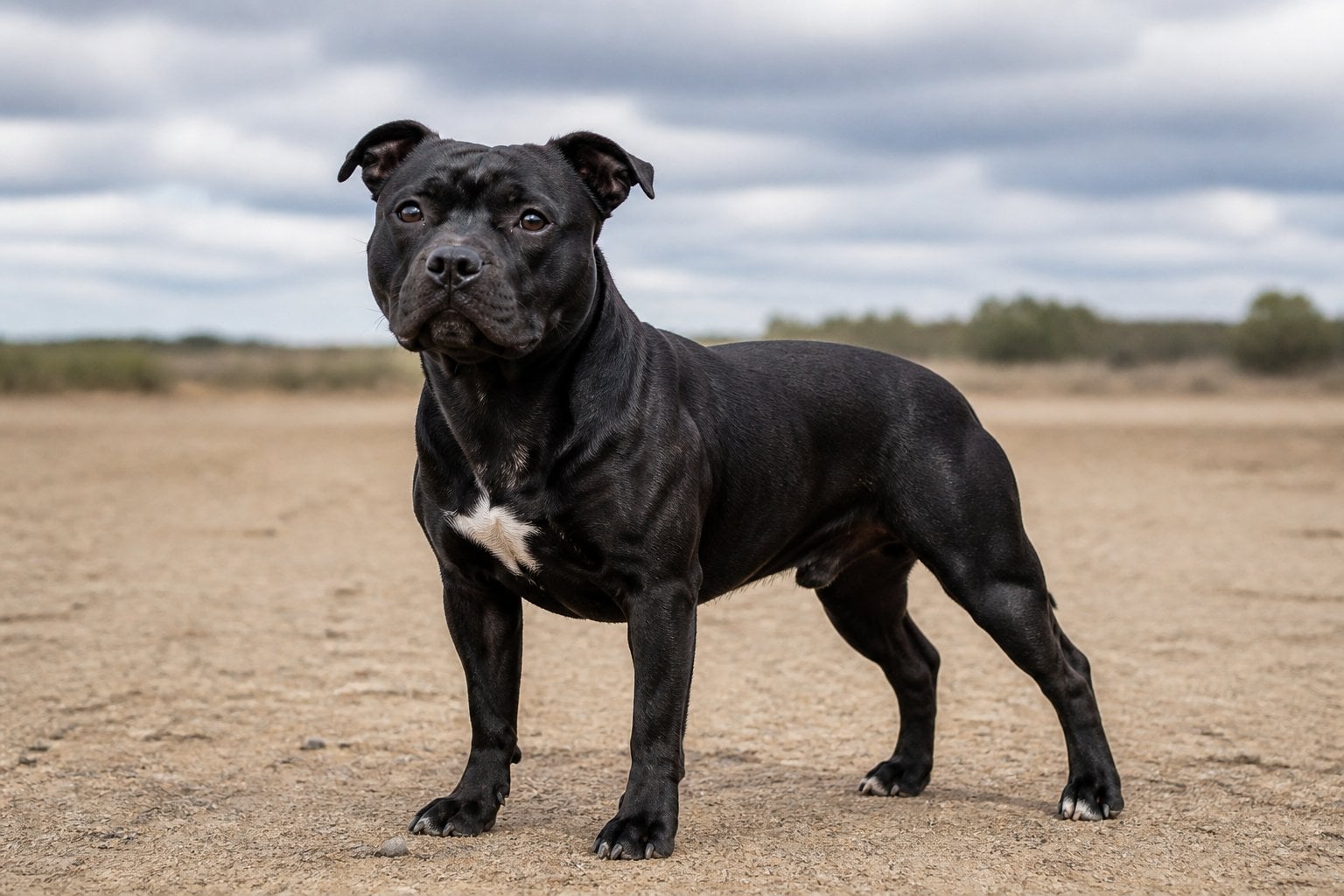
You’ll often see the Staffordshire Bull Terrier described as a “nanny dog” because of its historical reputation with children. That reputation is largely deserved, but you should still recognize this breed’s physical capability.
This dog was originally bred in England for bull-baiting and later dog fighting. That history left it with a muscular build, strong jaws, and a determined temperament.
You should know that Staffies are often confused with American Pit Bull Terriers and American Staffordshire Terriers. While related, they’re a distinct breed with their own breed standard.
Properly socialized Staffordshire Bull Terriers tend to be affectionate and loyal toward their families. Problems arise when you fail to provide consistent training or when the dog is placed in situations that trigger its prey drive or territorial instincts.
Their strength and tenacity mean any aggressive behavior can result in serious injury.
25. Shar Pei
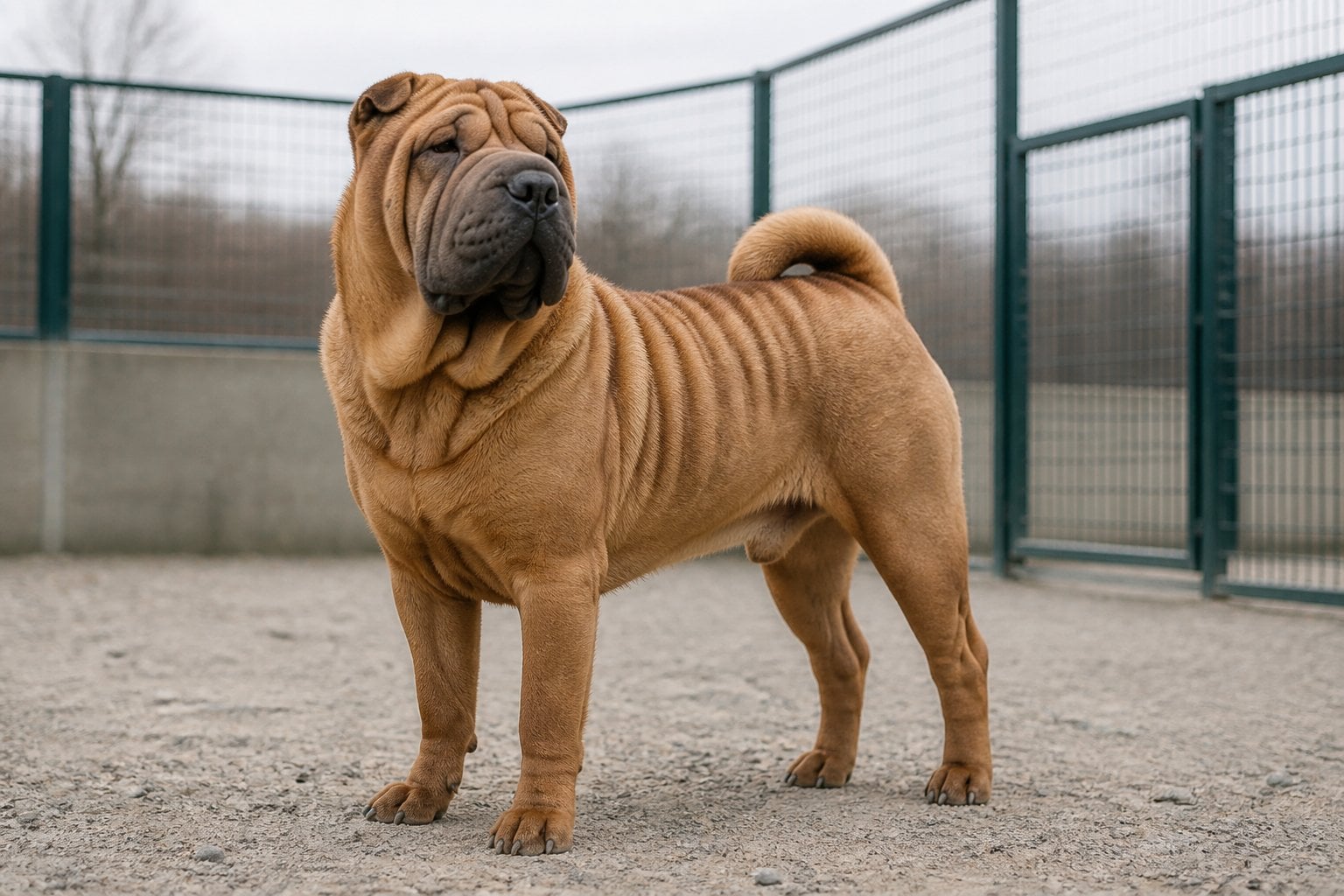
The Shar Pei was originally bred in China for guarding property and, in some cases, fighting. This history left the breed with a natural wariness of strangers and a strong protective instinct toward its family.
You’ll notice this dog is independent and stubborn, traits that can make training more difficult if you lack experience. Without consistent obedience work and early socialization, a Shar Pei can become territorial or reactive around unfamiliar people and animals.
Their thick, wrinkled skin and muscular build add to their intimidating presence, though physical appearance alone doesn’t determine temperament. You should also be aware that Shar Peis can be aloof rather than outright hostile, but that reserved nature can escalate into defensive aggression if they feel threatened.
Proper training, socialization, and firm leadership are essential if you’re considering this breed, since an undertrained Shar Pei can pose real risks to visitors and other pets.
26. Dalmatian
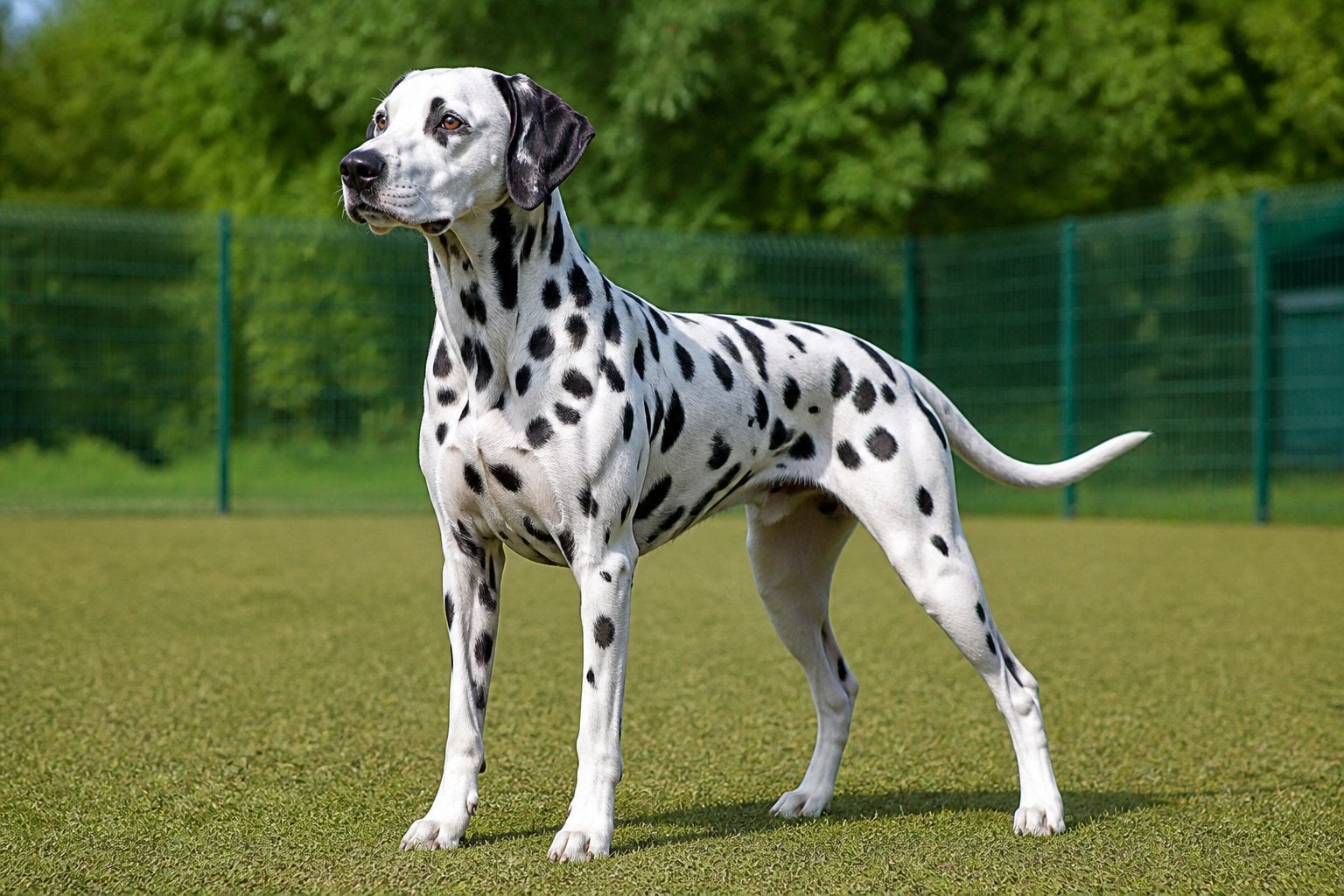
You probably know Dalmatians for their spots and their association with firehouses, but you may not know they have a history of aggression toward strangers and even their owners.
Bred originally as carriage dogs, they were trained to run alongside horses and protect them, which gave them a strong guarding instinct that can surface unexpectedly.
You’ll find that Dalmatians have high energy levels and need extensive exercise and mental stimulation. Without it, you may notice destructive behavior or irritability that can escalate into snapping or biting.
They also have a reputation for being unpredictable around children, particularly if they haven’t been properly socialized from an early age.
Their bite force isn’t as strong as larger guard breeds, but you shouldn’t underestimate their capacity to cause harm, especially given their tendency toward sudden mood shifts and territorial instincts around their home and family.
27. Giant Schnauzer
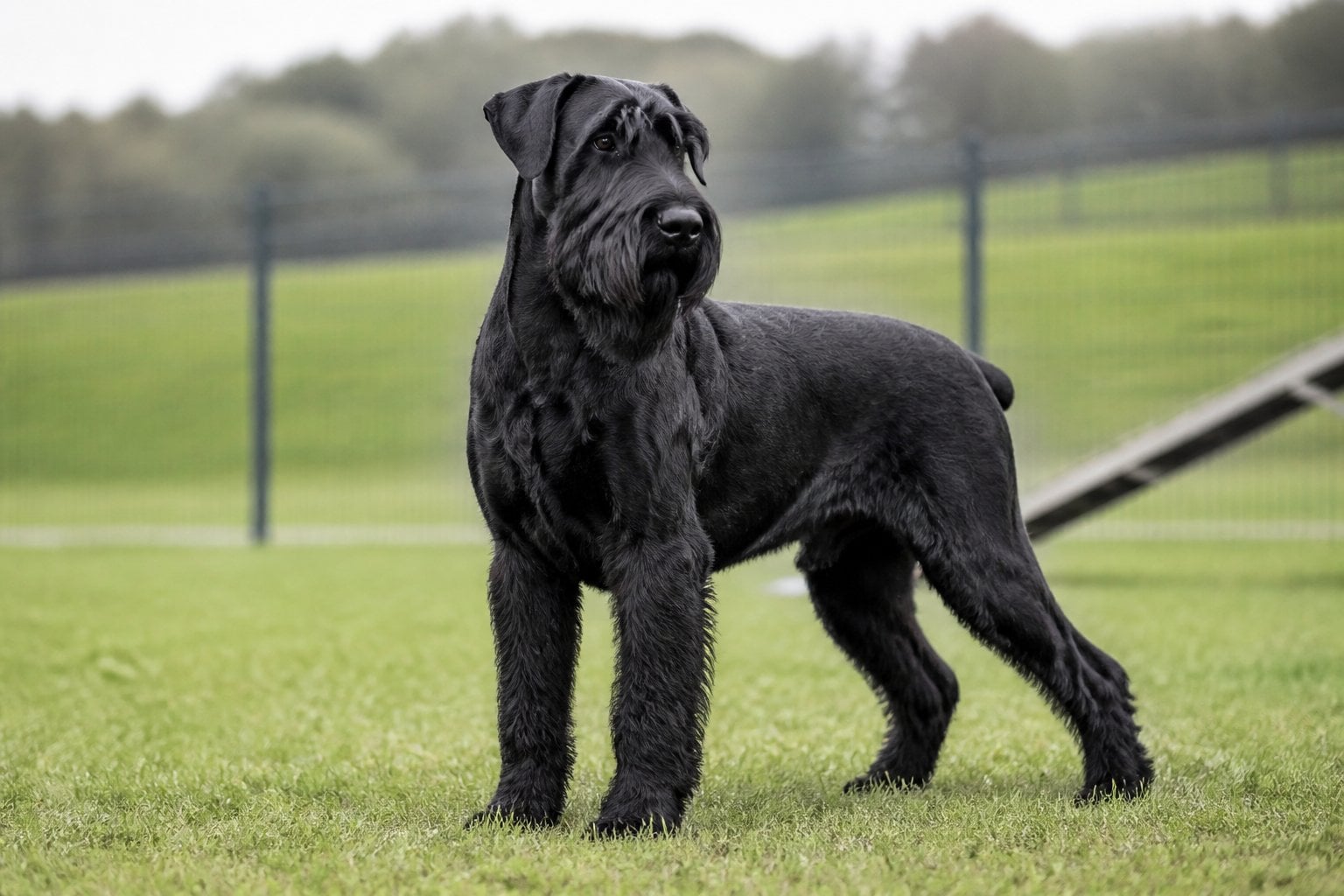
The Giant Schnauzer is a large, muscular working breed originally developed in Germany for herding cattle and guarding property. You’ll notice this breed’s imposing presence immediately, with males often standing over 25 inches tall and weighing up to 90 pounds.
Your Giant Schnauzer will likely display strong protective instincts toward its family. This breed was bred for guard work, so territorial behavior comes naturally to it.
Without proper training and socialization, you may find this breed becomes overly suspicious of strangers or reactive toward other animals. Its intelligence and stubborn streak mean you need consistent, firm handling from an early age.
You should also expect high energy levels that require regular physical and mental exercise. Bored or under-stimulated Giant Schnauzers can develop destructive habits or heightened aggression.
When you commit to proper training, socialization, and daily exercise, this breed can become a loyal, controlled companion rather than a liability.
Understanding Canine Risk And Aggression
Aggression in dogs stems from a combination of genetics, upbringing, and physical capability, not from breed alone. When you assess risk, you need to weigh temperament traits, training history, and bite statistics together rather than in isolation.
How Breed Traits, Training, And Environment Interact
You inherit certain behavioral tendencies when you choose a breed, but those tendencies don’t act alone. Guardian breeds and working dogs often carry higher prey drive or territorial instincts, shaped by centuries of selective breeding for specific tasks.
However, early socialization changes how those instincts manifest in daily life. A dog exposed to varied people, animals, and settings before 16 weeks of age typically shows more stable behavior as an adult.
Your training approach matters just as much. Inconsistent commands, lack of boundaries, or reliance on punishment-based methods can increase reactivity in dogs already predisposed to guarding or defensive behavior.
Environment plays a third role you can’t ignore:
- Confinement or chaining increases frustration and territorial aggression
- Lack of exercise leaves high-energy breeds with pent-up drive
- Household stress can transfer to dogs sensitive to tension
Why Size, Strength, And Bite History Matter
Physical capability determines outcome severity when aggression does occur. A 90-pound dog with a bite force exceeding 300 PSI can cause far more damage than a 15-pound dog reacting the same way.
You should look at jaw structure and muscle mass alongside temperament data. Breeds developed for guarding, hunting large game, or fighting often have thicker skulls and stronger jaw muscles built for grip and hold.
Bite history data from insurance claims and animal control reports gives you concrete numbers rather than assumptions. The CDC and various municipal studies track fatal and non-fatal attacks by breed, though these figures often reflect reporting bias and breed misidentification.
Still, patterns emerge. Certain breeds appear disproportionately in serious injury reports, correlating with their size, strength, and historical role as protection or combat animals.
Responsible Ownership And Public Safety
Breed alone does not determine risk. Your approach to training, containment, and daily supervision plays a far greater role in preventing incidents than a dog’s genetics.
Early Socialization And Professional Training
You reduce aggression risks significantly when you expose your dog to different people, animals, and environments between 3 and 14 weeks of age. This window shapes how your dog interprets and responds to new stimuli for the rest of its life.
Professional training matters just as much, especially for powerful breeds. You should work with a certified trainer who understands breed-specific drives, whether that’s guarding instinct, prey drive, or high energy levels.
Consistency is non-negotiable. You need to reinforce commands like “leave it,” “stay,” and recall in multiple settings, not just at home.
Key training priorities include:
- Impulse control exercises to manage reactivity
- Bite inhibition training during puppyhood
- Muzzle conditioning for high-risk situations, done positively and without stress
- Ongoing reinforcement throughout adulthood, not just puppy classes
Supervision, Secure Containment, And Local Regulations
You are legally and ethically responsible for your dog’s actions in public and at home. Never leave powerful breeds unsupervised with children, regardless of how trustworthy the dog seems.
Secure containment is equally critical. Your fencing should be at least 6 feet tall for large or athletic breeds, with no gaps or digging points underneath.
You must also check local Breed-Specific Legislation (BSL) before acquiring a dog on this list. Many municipalities require:
Failure to comply can result in fines, forced surrender, or legal liability if an incident occurs.