10 Poodle Mixes That Make Perfect Pets (And 7 That Might Not Be Worth It)
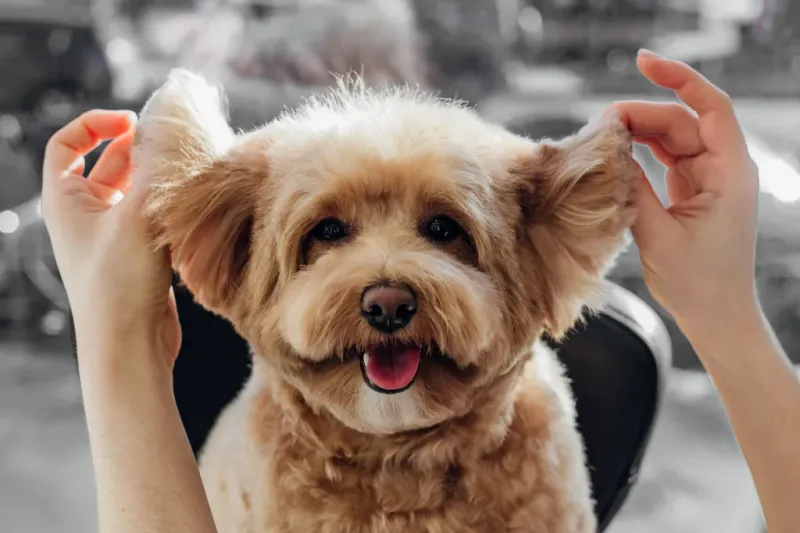
Poodle mixes have become wildly popular in recent years, thanks to their often hypoallergenic coats and adorable looks. These designer dogs combine the intelligence and low-shedding qualities of Poodles with traits from other beloved breeds.
But not all doodle crosses are created equal! Some make wonderful family companions, while others might present challenges that many pet owners aren’t prepared for.
1. Labradoodle: The Friendly All-Star
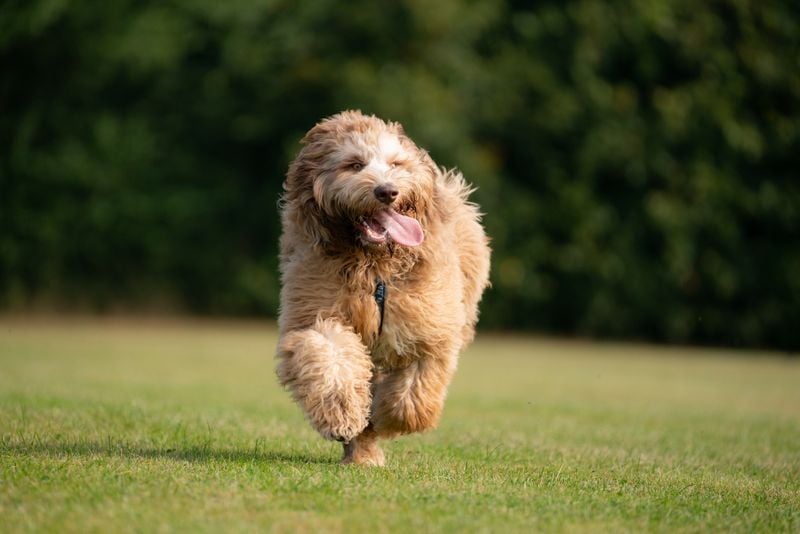
Combining the Labrador’s sunny disposition with the Poodle’s smarts, Labradoodles win hearts everywhere they go. These energetic companions typically inherit the Lab’s friendliness and the Poodle’s low-shedding coat, making them perfect for active families.
Most Labradoodles love water and excel at fetch games that challenge both body and mind. They’re naturally sociable with children, strangers, and other pets. Training comes easily to these eager-to-please pups, though they need plenty of exercise to prevent boredom behaviors.
With proper socialization, Labradoodles grow into well-adjusted adults who bring joy and playfulness to any home they join.
2. Goldendoodle: The Gentle Soul
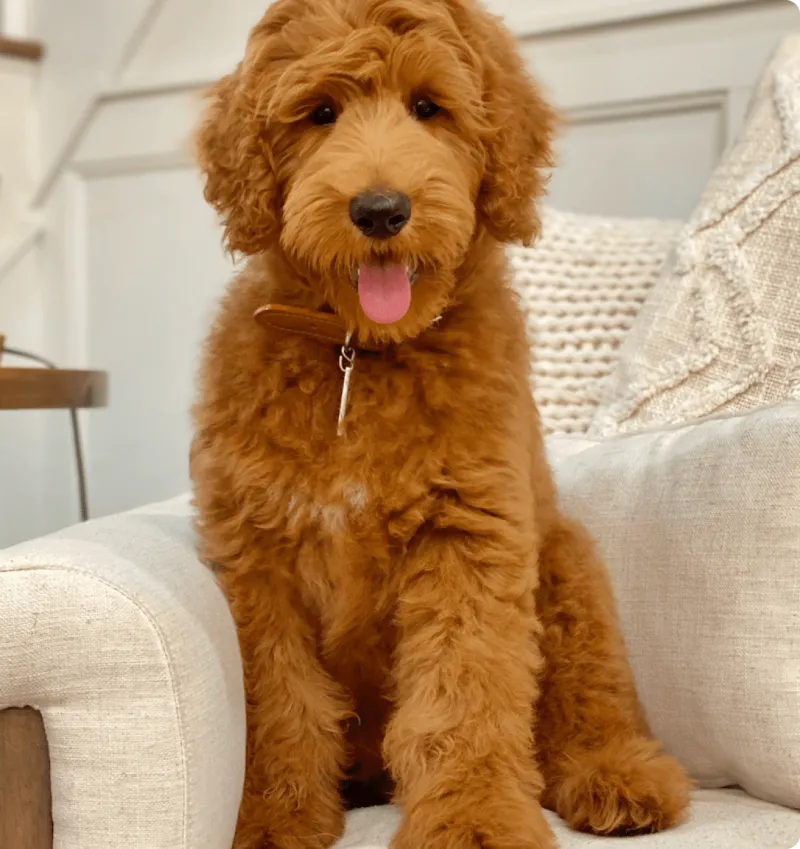
Golden Retrievers and Poodles create magic when combined! Goldendoodles inherit an exceptional temperament that makes them outstanding family dogs. Their patient nature shines through when interacting with children, while their intelligence makes training a breeze.
These fluffy companions come in various sizes depending on the Poodle parent. Their coats range from wavy to curly, often sporting beautiful gold, cream, or apricot colors that complement their warm personalities.
Beyond their teddy bear looks, Goldendoodles possess a genuine desire to please their owners. They thrive on human connection and typically get along wonderfully with other pets, making multi-pet households harmonious.
3. Cavapoo: The Pocket-Sized Charmer
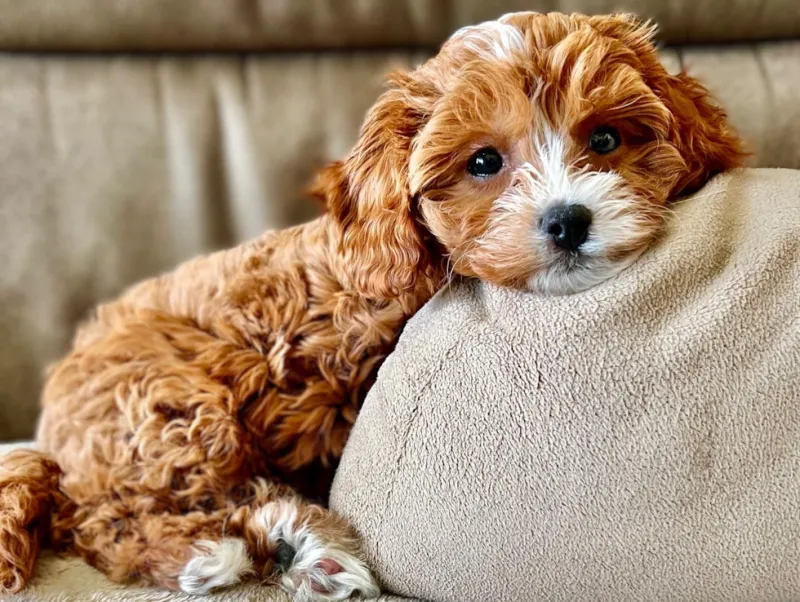
Cavapoos melt hearts with their expressive eyes and compact size! These delightful crosses between Cavalier King Charles Spaniels and Toy or Miniature Poodles typically weigh under 20 pounds, making them perfect apartment dwellers.
Their adaptable nature means they’re equally happy curling up for Netflix marathons or joining you for moderate walks. Unlike some small breeds, Cavapoos rarely display yappy tendencies, instead offering sweet, even-tempered companionship.
Health-conscious owners appreciate that Cavapoos often avoid the severe heart issues Cavaliers face, while maintaining their loving disposition. Their moderate exercise needs and affectionate personality make them ideal for first-time dog owners or families seeking a low-maintenance but devoted pet.
4. Bernedoodle: The Gentle Giant
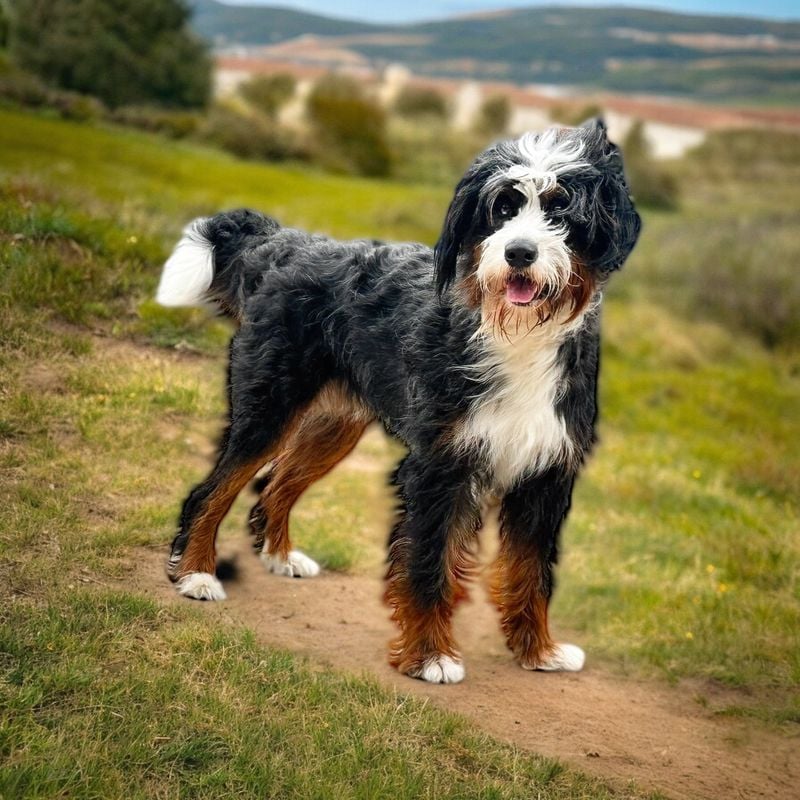
Bernedoodles bring together the Bernese Mountain Dog’s devoted nature and the Poodle’s intelligence in a package that’s hard to resist! These striking dogs often feature the classic tri-color pattern of black, white, and rust that makes Berners so recognizable.
Family life is where Bernedoodles truly shine. They form deep bonds with their humans and show remarkable patience with children. Unlike purebred Bernese Mountain Dogs who typically live just 7-8 years, Bernedoodles often enjoy extended lifespans thanks to hybrid vigor.
Standard Bernedoodles can reach 90 pounds, while mini versions offer the same wonderful temperament in a more manageable size. Their laid-back attitude makes them adaptable to various living situations, though they do best with some outdoor space.
5. Schnoodle: The Spirited Guardian
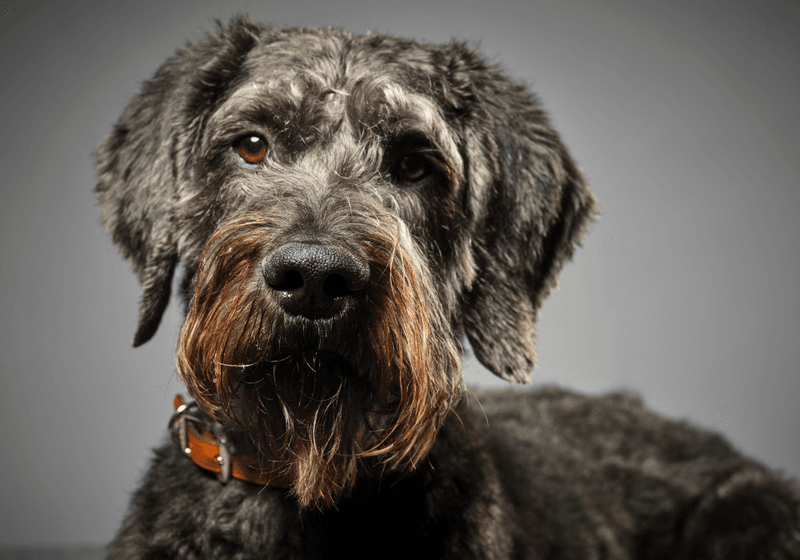
Schnoodles pack personality into perfectly sized packages! This Schnauzer-Poodle blend combines the Schnauzer’s alertness with Poodle brainpower, creating a dog that’s both watchful and trainable.
Available in toy, miniature, and standard sizes, Schnoodles adapt to various living situations. Their expressive eyebrows and bearded faces give them distinctive looks full of character and charm.
Alert by nature, Schnoodles make excellent watchdogs without excessive barking. They form strong bonds with their families while maintaining just enough independence to avoid clinginess.
Regular grooming keeps their wiry-yet-soft coats looking tidy, though professional trimming every 6-8 weeks helps maintain their adorable appearance.
6. Aussiedoodle: The Brainy Workaholic
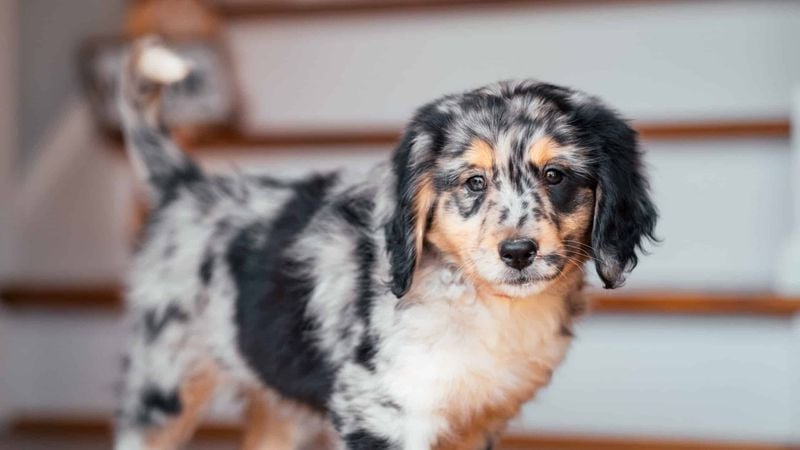
Australian Shepherd meets Poodle in this energetic, ultra-smart combination! Aussiedoodles inherit the Aussie’s legendary work ethic and the Poodle’s problem-solving abilities, creating dogs that excel at everything from agility to therapy work.
Many Aussiedoodles display striking merle coat patterns with blue or multicolored eyes that capture attention wherever they go. Behind those beautiful eyes lies a mind that craves mental challenges and purpose.
Weekend warriors need not apply – Aussiedoodles require owners committed to daily exercise and mental stimulation. When properly channeled, their energy and intelligence make them exceptional companions for active families. They particularly thrive in homes where they can participate in dog sports or have jobs to perform.
7. Maltipoo: The Lap Luxury
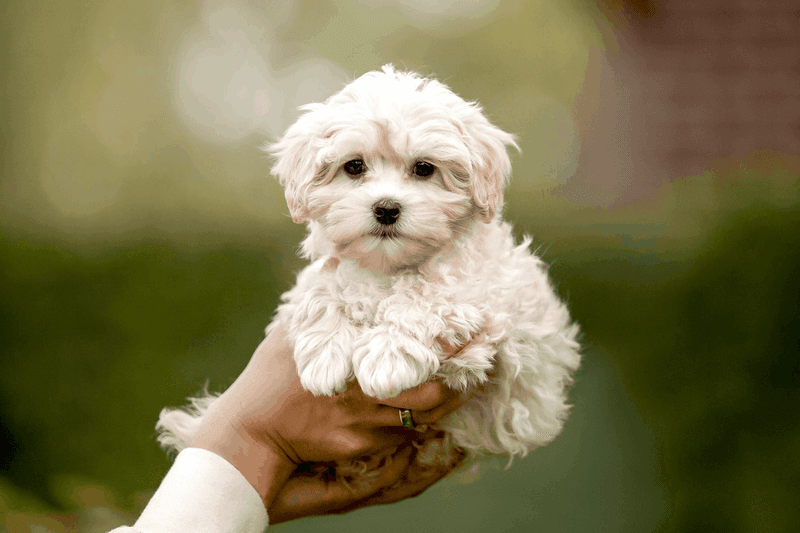
Maltipoos elevate companion dogs to an art form! These Maltese-Poodle crosses typically weigh between 5-15 pounds, making them perfect for cuddle sessions and small living spaces. Their button eyes and soft, fluffy coats create an irresistible teddy bear appearance.
Seniors and apartment dwellers particularly appreciate Maltipoos’ modest exercise needs. A short daily walk plus indoor play sessions keep these little ones satisfied, though they’re always game for whatever adventure their humans suggest.
Maltipoos crave human connection and often shadow their favorite people throughout the day. Their affectionate nature makes them wonderful emotional support animals, while their low-shedding coats work well for allergy sufferers who still want a deeply devoted canine companion.
8. Sheepadoodle: The Playful Protector
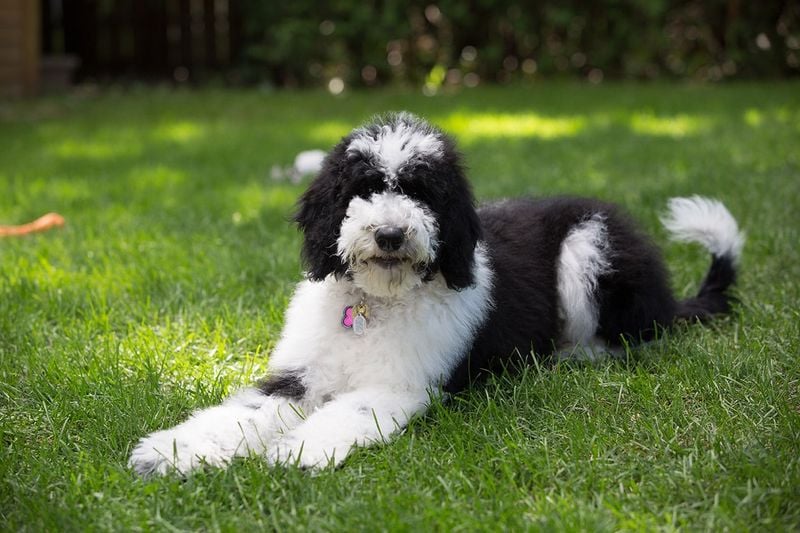
Sheepadoodles blend Old English Sheepdog steadiness with Poodle intelligence, creating a family-oriented companion with a distinctive appearance. Their black and white coats often resemble pandas, earning admiring glances during neighborhood walks.
Naturally protective without aggression, Sheepadoodles keep watchful eyes on children, making them excellent choices for families. They inherit the herding instinct from their Sheepdog ancestry but with a gentler approach than some herding breeds.
Despite their size (typically 60-80 pounds), Sheepadoodles maintain puppy-like playfulness well into adulthood. They form especially strong bonds with children and show remarkable patience during play.
Regular brushing prevents their shaggy coats from matting, though many owners opt for shorter “teddy bear” cuts for easier maintenance.
9. Yorkipoo: The Pint-Sized Personality
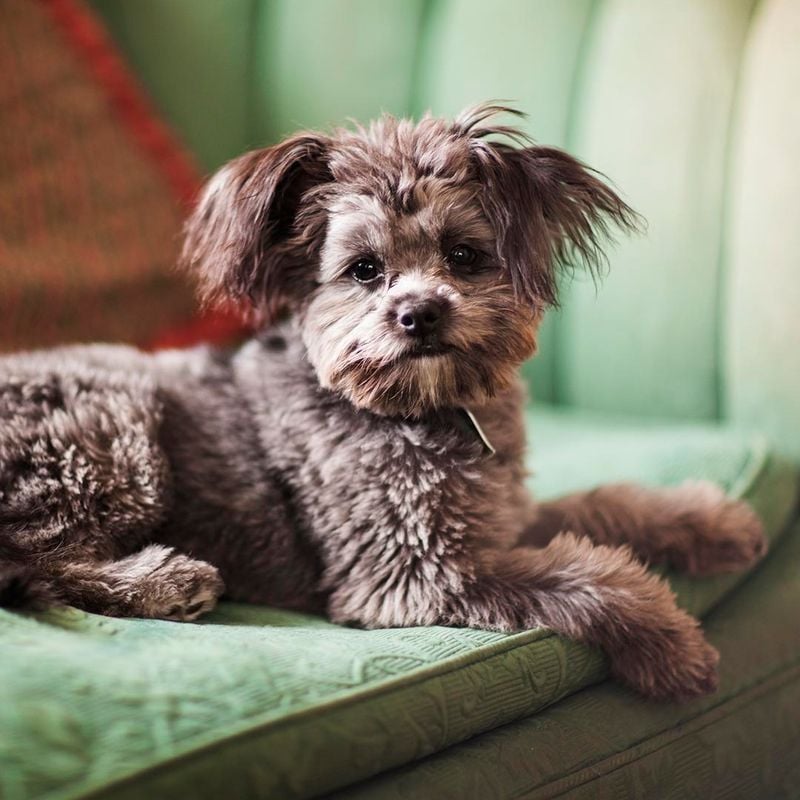
Yorkipoos prove that great things come in small packages! These Yorkshire Terrier-Poodle mixes typically weigh just 3-14 pounds but possess confidence that far exceeds their size.
Their portable nature makes them ideal travel companions who adapt easily to new environments. Unlike some toy breeds, Yorkipoos generally avoid excessive yappiness while maintaining enough alertness to function as tiny watchdogs.
Their Yorkie heritage gives them spunky attitudes, while Poodle genes contribute intelligence and trainability. City dwellers appreciate that Yorkipoos thrive in apartments and require minimal outdoor space.
Exercise needs can be met with indoor play sessions and brief walks. Despite their diminutive stature, they’re surprisingly sturdy little dogs who enjoy moderate activity with their favorite humans.
10. Cockapoo: The Forever Young Companion
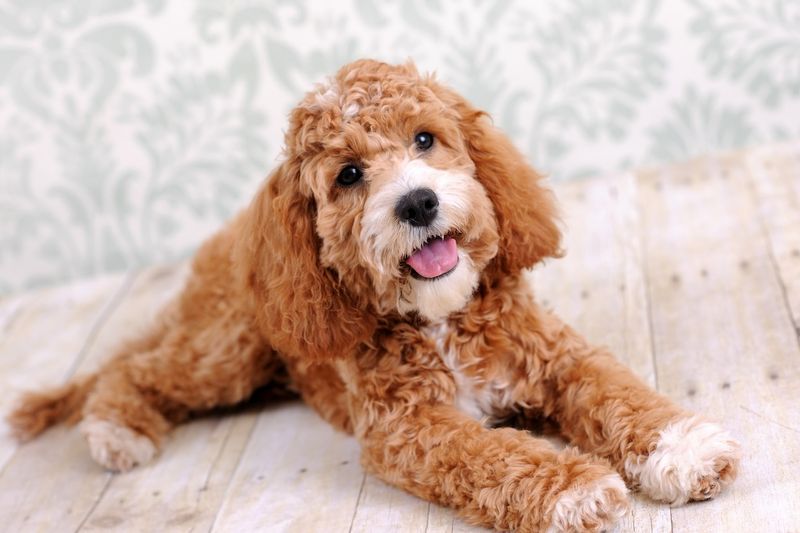
Cockapoos pioneered the designer dog movement for good reason! These Cocker Spaniel-Poodle crosses have spent decades proving themselves as exceptional family pets with sunny dispositions and adaptable personalities.
Their expressive eyes and wavy coats (often in beautiful buff, chocolate, or parti-colors) create an eternally puppyish appearance that matches their playful attitudes. Cockapoos maintain youthful energy and enthusiasm well into their senior years.
Remarkably responsive to training, Cockapoos excel in obedience and often work as therapy dogs, bringing comfort to hospital and nursing home residents. They strike the perfect balance between playfulness and calmness, adjusting their energy levels to match the household activity.
Their moderate size (typically 15-30 pounds) makes them manageable for most living situations. But while these 10 poodle mixes are total crowd-pleasers, not every doodle is a dream — here are 7 that might not be the best fit for everyone.
1. Doxiepoo: The Unpredictable Mix
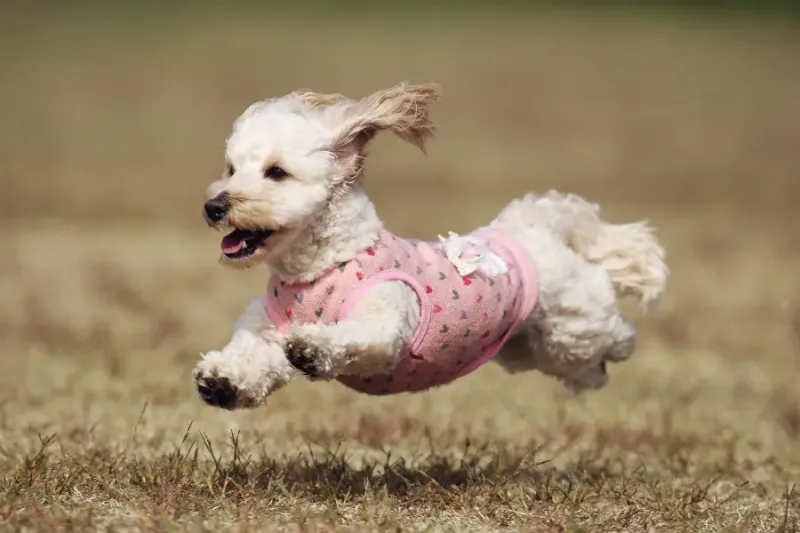
Doxiepoos combine two wildly different body types – the long, low Dachshund and the square, athletic Poodle. This unpredictable blend often results in structural issues that can lead to back problems, even with the Poodle’s healthier genes in the mix.
Temperament varies dramatically between individuals. Some inherit the Dachshund’s stubborn streak and prey drive, making training challenging and small pet households potentially problematic.
While adorable, Doxiepoos frequently face health challenges beyond back issues, including skin problems and dental issues. The combination rarely produces the hypoallergenic coat many seek in Poodle crosses, instead often resulting in difficult-to-maintain fur that mats easily.
Prospective owners should carefully research breeders and consider rescue options where temperament can be assessed.
2. Jackapoo: The Energetic Handful

Jackapoos inherit the Jack Russell Terrier’s legendary energy and the Poodle’s smarts – a combination that proves overwhelming for many households! These little powerhouses require significant daily exercise and mental challenges to prevent destructive behaviors born of boredom.
Strong prey drives make Jackapoos challenging in homes with cats, rabbits, or other small pets. Their terrier tenacity translates to a stubborn streak that can frustrate novice trainers despite their intelligence.
While undeniably cute with their scruffy coats and bright expressions, Jackapoos rarely deliver the easy-going temperament many families seek. Their high-strung nature and exercise demands make them better suited to experienced dog owners with active lifestyles and plenty of time for training.
Without proper outlets, their terrier traits often manifest as excessive barking and digging.
3. Boxerdoodle: The Mismatched Merger
Boxerdoodles combine breeds with fundamentally different energy patterns. Boxers deliver intense bursts of activity followed by rest, while Poodles maintain steady, thoughtful energy throughout the day.
This mismatch often creates dogs with confusing exercise needs that frustrate owners. Size inconsistency plagues this cross, with puppies from the same litter potentially varying dramatically in adult weight.
Their temperaments prove equally unpredictable, sometimes inheriting the Boxer’s boisterous jumping habits that can overwhelm children and elderly family members. Health concerns from both parent breeds often compound rather than cancel out.
Boxerdoodles frequently face cardiac issues from their Boxer heritage alongside the joint and eye problems common in Poodles. The hoped-for hypoallergenic coat rarely materializes consistently across litters, disappointing families seeking allergy-friendly options.
4. Chiapoo: The Temperamental Toy
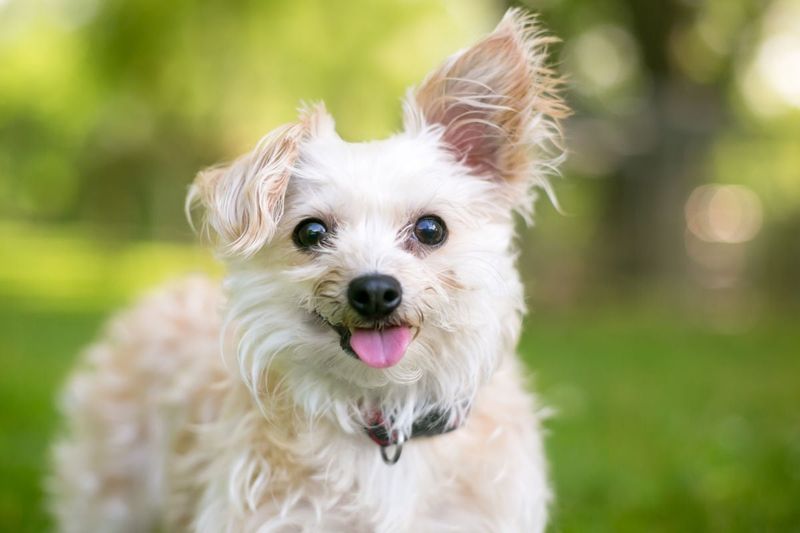
Chiapoos inherit the Chihuahua’s notorious territorial nature alongside their tiny size. These Chihuahua-Poodle blends often develop strong attachments to one person while remaining suspicious of others, making them challenging in social households.
Housetraining presents significant hurdles with Chiapoos. Their small bladders combined with the Chihuahua’s stubborn streak often result in inconsistent indoor habits that frustrate even patient owners.
Fragility concerns plague this mix, with their tiny bones susceptible to injury during normal play. Homes with young children rarely provide suitable environments for these delicate dogs.
Despite their cute appearance, Chiapoos frequently display nervousness in new situations and with strangers, sometimes expressing anxiety through nipping or excessive barking that proves difficult to train away.
5. Rottle: The Misunderstood Giant
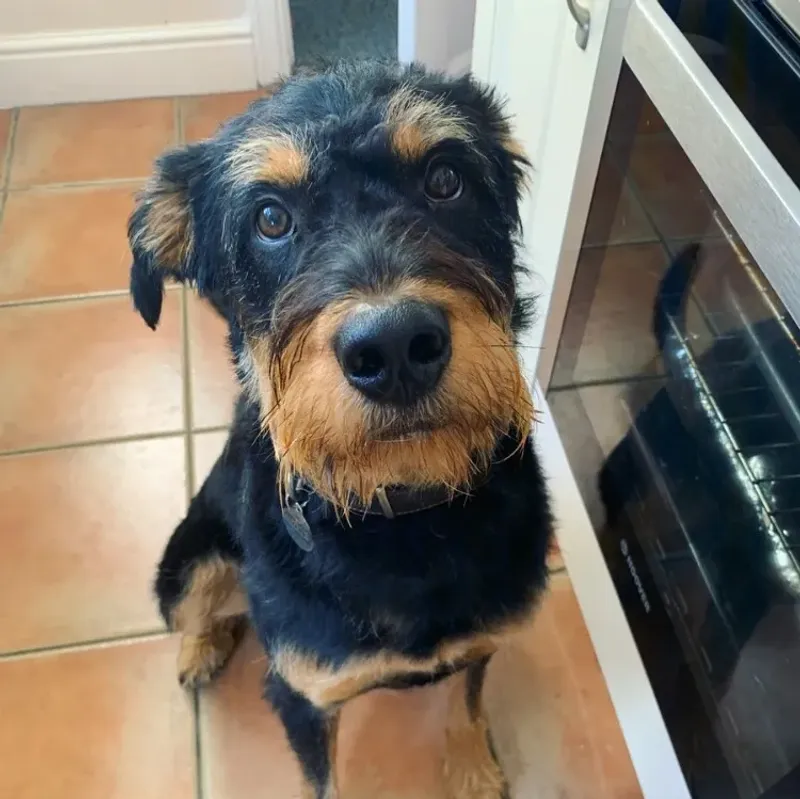
Rottles combine the Rottweiler’s powerful physique with Poodle intelligence, creating a mix that requires highly experienced handling. These large dogs (often 70+ pounds) inherit strength that demands proper training from early puppyhood to prevent behavioral issues.
The protective instincts of Rottweilers rarely blend seamlessly with the Poodle’s more accepting nature. This creates confusion in social situations where Rottles may struggle to determine appropriate protective responses, sometimes resulting in unpredictable behavior around strangers.
Finding experienced trainers willing to work with this uncommon mix presents challenges for owners. Additionally, homeowner’s insurance often excludes coverage for Rottweiler mixes, creating practical difficulties for families.
While loyal and loving to their families, Rottles require significantly more management than most households can provide.
6. Peekapoo: The High-Maintenance Miniature
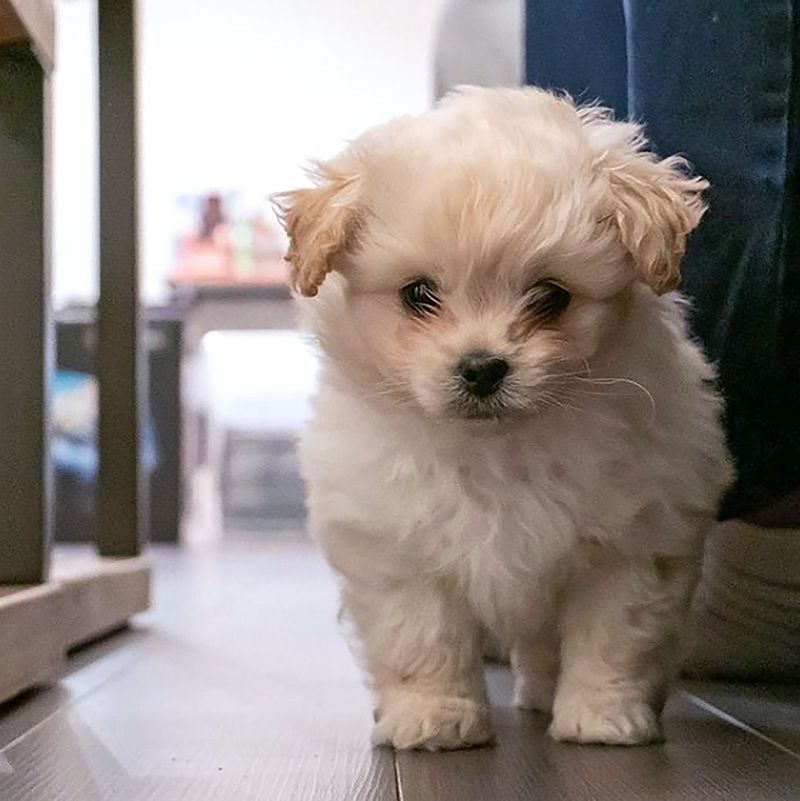
Peekapoos combine the Pekingese’s flat face with Poodle features, often resulting in breathing difficulties that limit activity and cause health complications. The brachycephalic (flat-faced) structure frequently leads to snoring, overheating, and respiratory distress even in mild weather.
Grooming demands exceed what most owners anticipate. Their coats require daily attention to prevent painful matting, while facial wrinkles need regular cleaning to prevent infections and odor.
Stubborn streaks from both parent breeds create training challenges that test even experienced dog owners. Despite their small size, Peekapoos often display surprising dominance without proper leadership.
Eye problems plague this mix, with many requiring expensive surgeries for conditions like cherry eye and entropion that cause discomfort and vision issues.
7. Whoodle: The Willful Worker
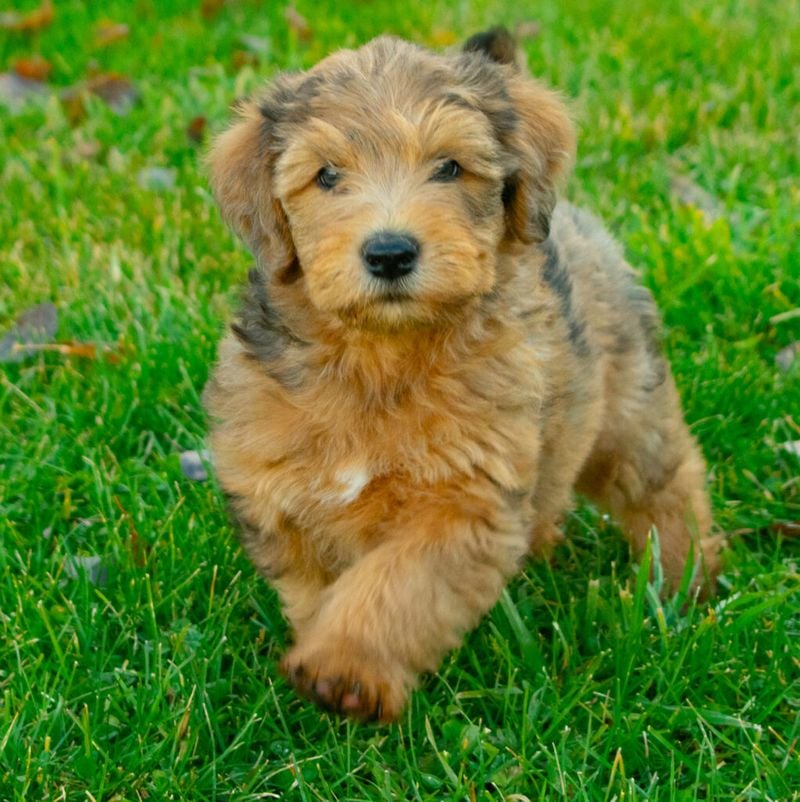
Whoodles merge the Soft-Coated Wheaten Terrier’s independence with Poodle brainpower, creating a challenging combination for average pet owners. Their high intelligence manifests as remarkable problem-solving abilities – often directed at circumventing rules or accessing forbidden items!
Exercise requirements exceed what many families can consistently provide. Without 60+ minutes of daily activity plus mental challenges, Whoodles typically develop problematic behaviors like excessive barking, digging, or chewing.
Grooming demands rival those of show dogs, with coats that mat painfully close to the skin without professional care every 4-6 weeks. The Wheaten’s prey drive often emerges unpredictably, making Whoodles unreliable around small animals despite training efforts.
While charming and affectionate with their families, their headstrong nature makes them better suited for experienced owners.