8 Surprising Traits of People Who Talk to Their Dogs Like They’re Human
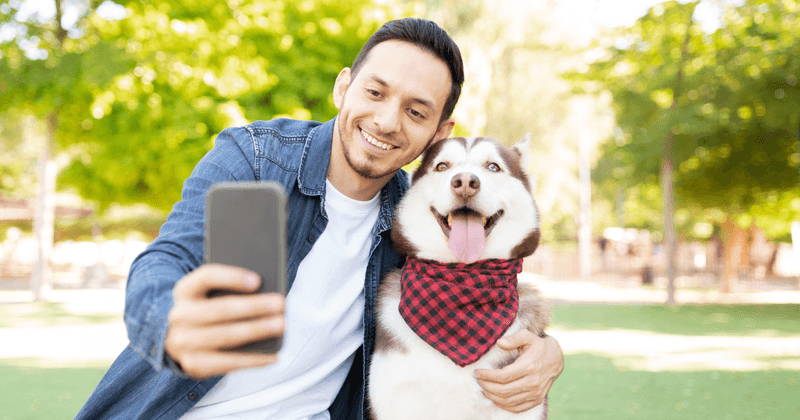
We’ve all seen them, those folks who carry on full conversations with their four-legged friends as if Fido might suddenly reply with a witty comeback.
People who talk to their dogs like humans aren’t just entertaining to watch; they’re actually revealing fascinating aspects of their personality.
These dog-dialogue enthusiasts share some unexpected characteristics that might surprise you or even make you recognize yourself.
1. Natural-Born Empaths
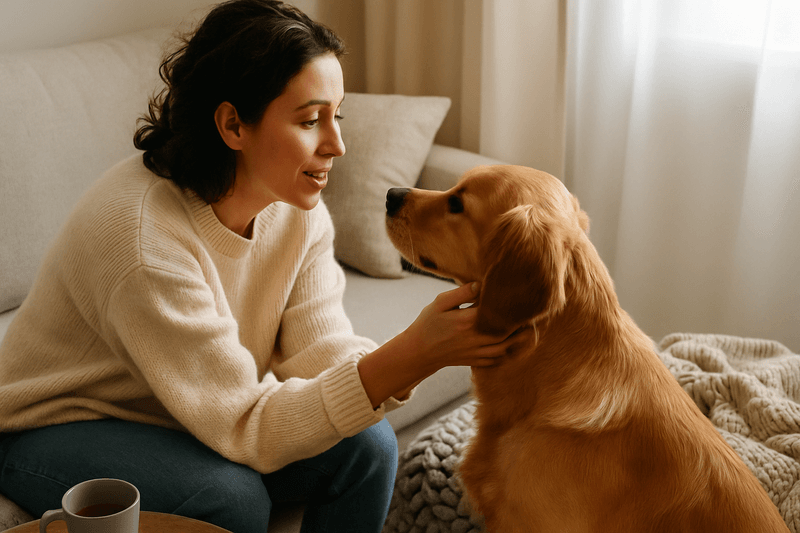
Dog conversationalists often possess an uncanny ability to sense emotions in others, not just their furry friends. They intuitively pick up on subtle cues that many miss, making them the friends everyone turns to during tough times.
This heightened empathy extends beyond pets to their human relationships too. They’re typically the first to notice when someone’s having an off day, offering comfort before you’ve even mentioned feeling down.
Research suggests that people who verbalize with animals regularly actually strengthen their empathetic muscles, becoming more attuned to nonverbal communication in all their relationships.
2. Caregivers By Nature
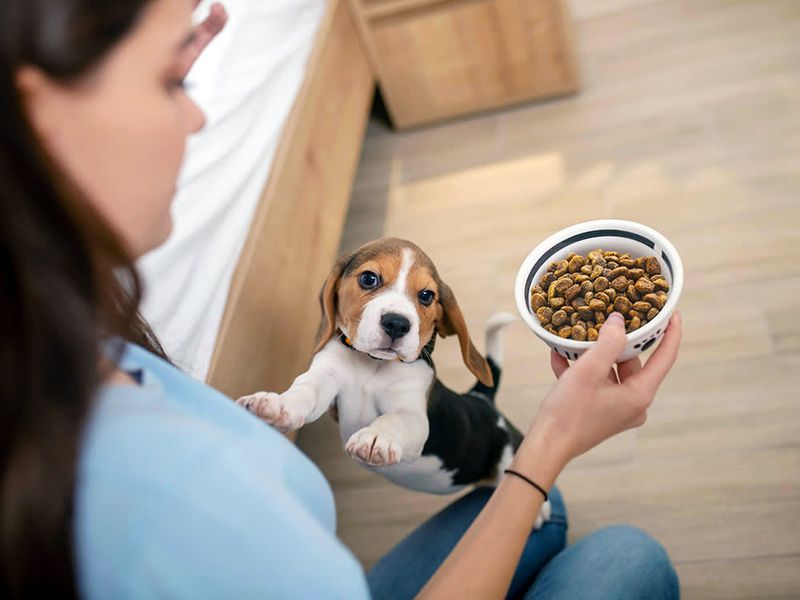
Ever notice how people who chat with their canines tend to be the ones bringing soup when you’re sick? Their nurturing instincts run deep. Long before they had dogs to dote on, these individuals likely cared for siblings, plants, or even neighborhood strays.
The nurturing behavior isn’t limited to caregiving tasks. They’re often found in helping professions like nursing, teaching, or counseling where their natural tendency to support others flourishes.
Interestingly, studies show that talking to pets triggers the same nurturing brain chemistry as caring for human children, releasing oxytocin—the bonding hormone—reinforcing their natural caregiver tendencies.
3. Perfectly Content Flying Solo
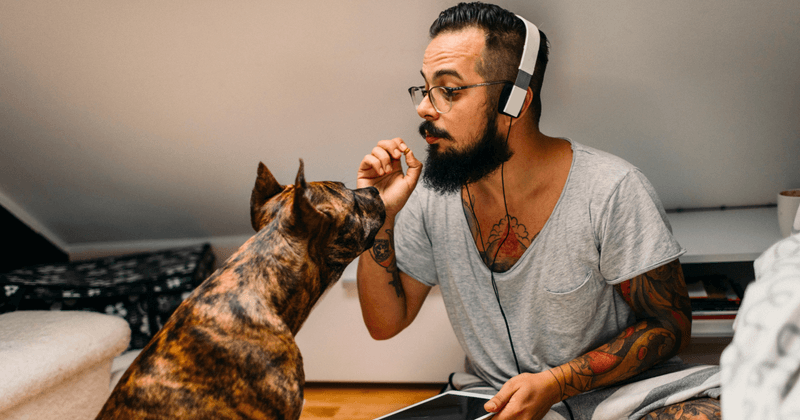
Those long chats with canine companions reveal a surprising comfort with solitude. Dog-talkers don’t necessarily feel alone when they’re just with their pets—they’ve found meaningful companionship that satisfies their social needs.
Many report that conversations with their dogs help them process thoughts and feelings without judgment. This comfortable self-sufficiency doesn’t mean they’re antisocial; rather, they’ve mastered the art of quality alone time.
Their dogs become sounding boards for ideas, confidants for secrets, and witnesses to private celebrations—fulfilling social roles without the complications human relationships sometimes bring.
4. Imagination Powerhouses
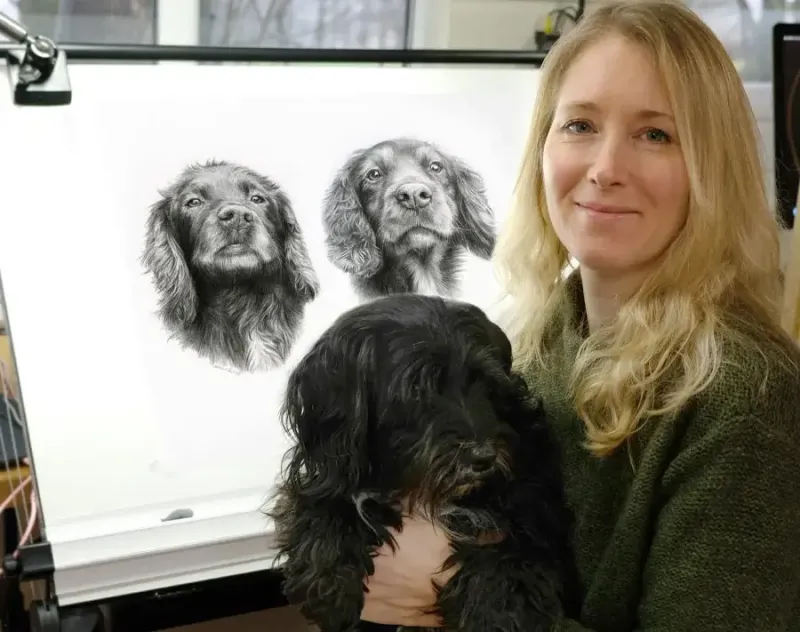
“What’s that, Buddy? You want to tell me about your dream?” Creating entire personalities and backstories for pets requires serious creative muscle! Dog-talkers often excel in creative thinking across various aspects of life.
Their homes typically showcase artistic touches, from thoughtfully arranged spaces to creative hobbies on display. Many work in fields requiring innovative problem-solving or artistic expression, bringing the same imaginative energy they use with their pets.
This creativity serves them well in challenging situations, as they can envision multiple solutions where others see roadblocks. Their dogs become both audience and inspiration for their creative expressions.
5. Present-Moment Masters
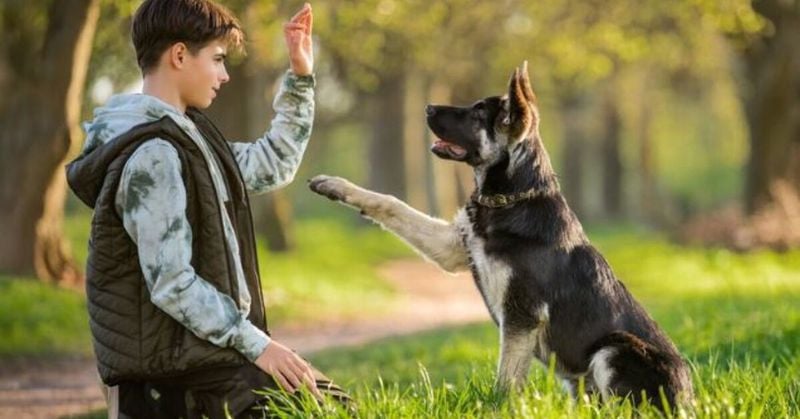
“Look at that squirrel, Max! Isn’t it fascinating?” Dog-talkers excel at noticing small details others miss. Their canine conversations center around present observations—a bird at the feeder, the smell of rain, or the softness of fur.
This mindfulness practice happens naturally through their interactions with pets who live completely in the now. By narrating these observations aloud to their dogs, they anchor themselves in the present moment rather than dwelling on past regrets or future worries.
Many report that talking with their dogs during walks or quiet evenings serves as an informal meditation, bringing calm and clarity to otherwise hectic lives.
6. Emotional Wizards
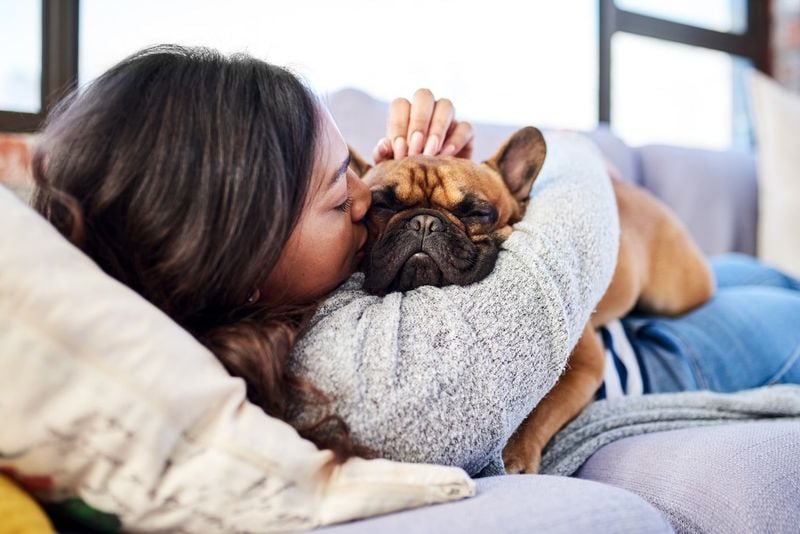
The person narrating their day to their dog demonstrates remarkable emotional intelligence. They’ve learned to identify, express, and process feelings through these one-sided conversations, often working through complex emotions by talking them out.
Dog-talkers typically navigate social situations with ease, reading the room and adjusting their approach accordingly. Their practice of vocalizing emotions to pets translates to clearer communication with humans, making them excellent at resolving conflicts.
Their emotional vocabulary tends to be extensive and nuanced—they don’t just feel “bad” or “good” but can pinpoint specific emotional states and their causes, a skill developed through years of narrating their inner world to attentive furry ears.
7. Genuinely Themselves
Baby talk one minute, philosophical musings the next—dog-talkers don’t filter themselves around their pets. This authentic expression reveals their comfort with being utterly themselves, quirks and all.
Free from judgment, they develop a strong sense of self-acceptance that carries into their human relationships. Many report feeling more confident in social situations because they’ve practiced being genuine with their pets first.
Their homes often reflect this authenticity too—comfortable, lived-in spaces that prioritize joy over appearances. The silly voices and made-up songs they share with their dogs represent a beautiful freedom from self-consciousness that many people never achieve.
8. Emotional Steadiness Champions
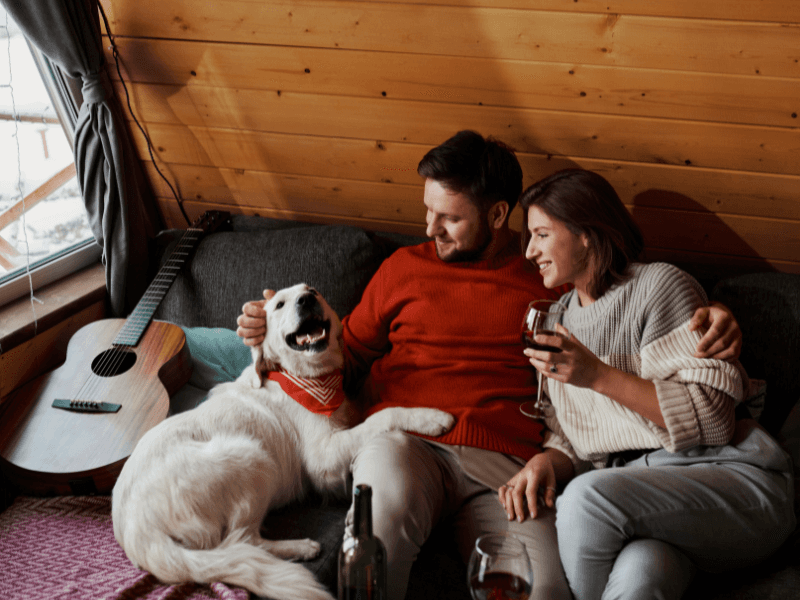
“It’s okay, Rosie, the thunderstorm will pass soon.” People who regularly talk to their dogs often demonstrate remarkable emotional regulation. By verbalizing reassurance to anxious pets, they simultaneously calm themselves.
These individuals typically handle stress with greater resilience, using the same soothing tone they adopt with their dogs to talk themselves through challenging situations. Their homes tend to have a peaceful atmosphere, reflecting their balanced emotional state.
Many credit their dogs with teaching them patience and perspective—skills that help them maintain composure when life gets chaotic. The rhythmic exchange of comfort between human and dog creates a feedback loop of emotional stability benefiting both species.