
9 Dog Breeds That Cause the Most Problems (And 9 That Rarely Do)
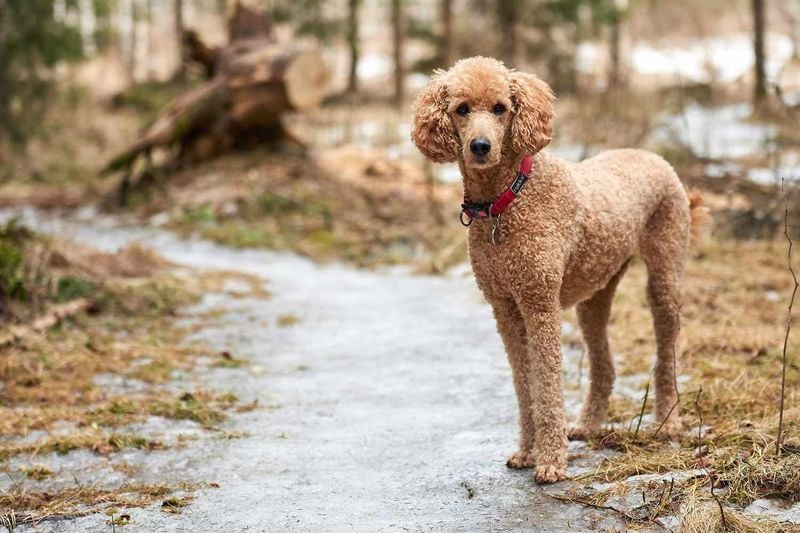
Choosing a dog breed that fits your lifestyle is super important. Some breeds have a reputation for being more challenging to handle, while others are known for their easygoing temperament.
Understanding these differences can help you find the perfect furry friend for your family and avoid potential problems down the road. Let’s explore which breeds might need extra training and which ones typically sail through life with minimal issues.
1. Pit Bull Terrier: Strong-Willed and Misunderstood
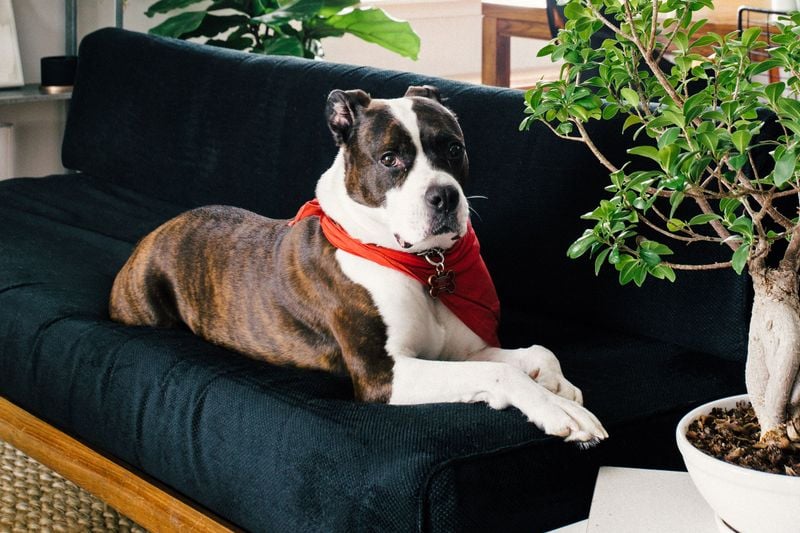
Pit Bulls often make headlines for aggressive incidents, but their reputation isn’t entirely fair. Originally bred for bull-baiting and later for fighting, they possess powerful jaws and muscular bodies.
Their intense loyalty can transform into territorial behavior without proper socialization. Many Pit Bull problems stem from irresponsible ownership rather than inherent aggression.
These dogs require consistent training from an early age and clear boundaries. With the right owner who understands their needs for exercise and mental stimulation, Pit Bulls can be affectionate family companions. Unfortunately, their history and physical capabilities make them challenging for inexperienced dog owners.
2. Rottweiler: Powerful Guardians Requiring Firm Guidance
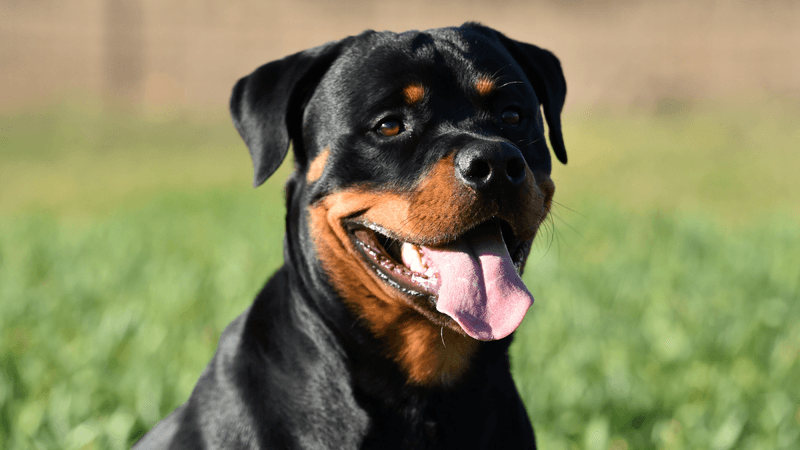
Rottweilers rank high on problem lists due to their imposing size and protective instincts. Originally cattle drivers and guard dogs, these powerful animals can weigh up to 135 pounds and possess incredible strength.
Without proper training, their natural guarding tendencies may manifest as aggression toward strangers or other animals. Rotties need an experienced owner who understands dominant dog psychology.
Early socialization is absolutely crucial. These intelligent dogs require mental challenges alongside physical exercise to prevent destructive behaviors. When raised properly, Rottweilers are actually loving family protectors, but their size and strength mean even minor behavioral issues can become serious problems.
3. Chow Chow: Independent Spirits with Stubborn Streaks
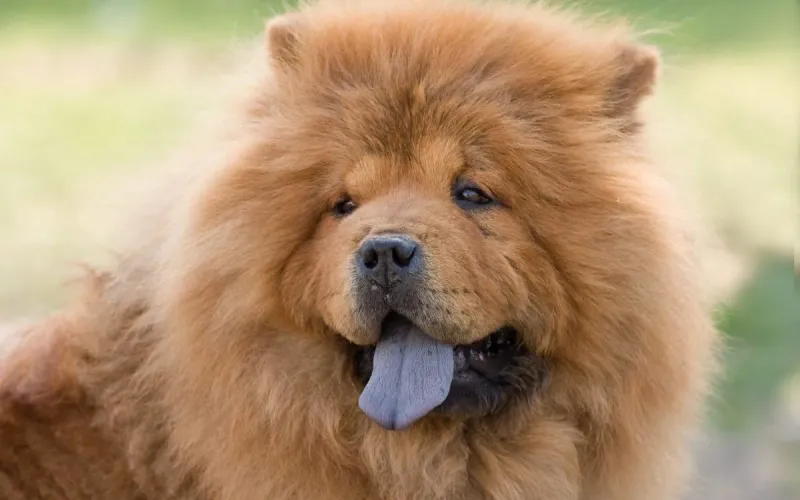
Behind that adorable teddy bear face lies one of the more challenging dog breeds. Chow Chows are notoriously independent and often aloof, even with their owners. Their natural suspicion of strangers can quickly escalate to aggression without proper socialization.
Originally bred as working dogs in China, Chows maintain a strong-willed temperament that resists traditional training methods. Their territorial nature makes them prone to guarding behaviors that can be difficult to manage.
Health issues like hip dysplasia and skin problems can contribute to irritability. Potential owners should understand that Chows require consistent boundaries and early socialization. These fluffy companions aren’t recommended for first-time dog owners or families with small children.
4. Akita: Powerful Protectors with Strong Opinions
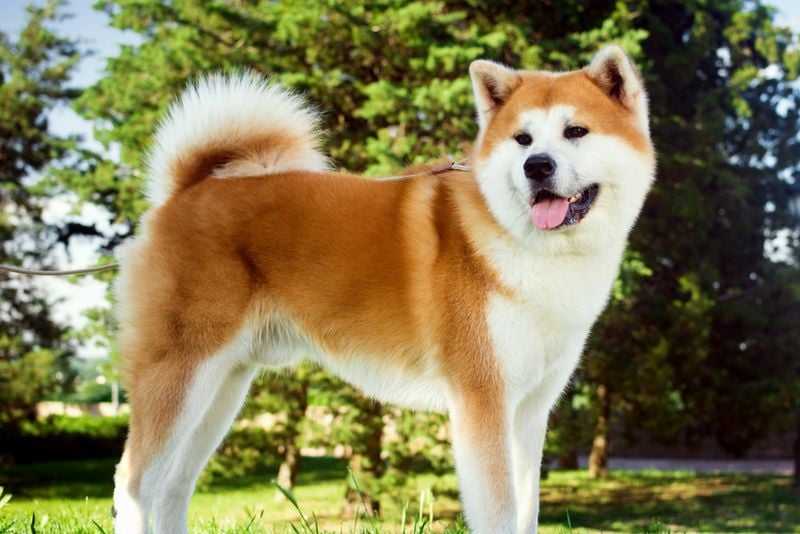
Akitas hail from Japan where they were bred as hunting and guard dogs, roles that shaped their bold, independent personalities. These powerful dogs can weigh up to 130 pounds and possess strong prey drives that can trigger chasing behaviors toward smaller animals.
Their natural protectiveness often translates to aggression toward unfamiliar dogs, especially those of the same gender. Akitas form intense bonds with their families but remain suspicious of strangers.
Food aggression is a common issue with this breed. Training challenges arise from their stubborn nature and tendency to become bored with repetitive commands. Responsible ownership requires extensive socialization beginning in puppyhood and consistent training throughout their lives.
5. Presa Canario: Powerful Giants Needing Expert Handling
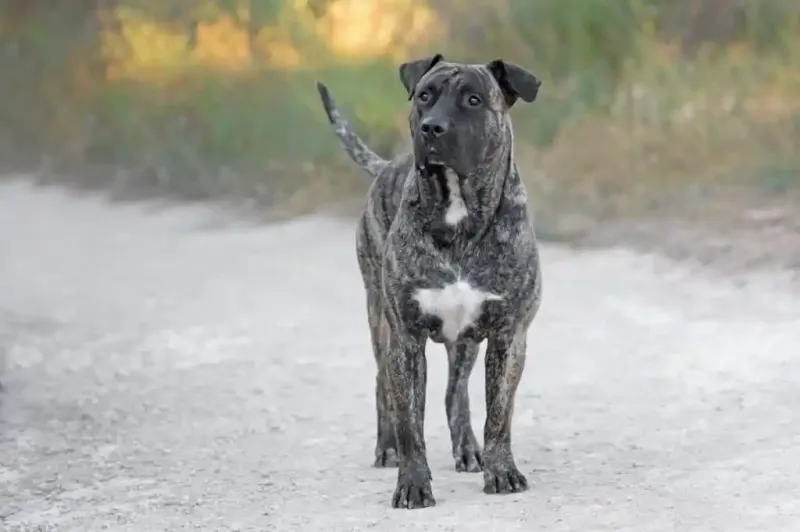
The Presa Canario’s intimidating presence isn’t just for show. These massive dogs, weighing up to 150 pounds, were developed in the Canary Islands for livestock work and guarding. Their immense strength combined with protective instincts creates a potentially dangerous combination in inexperienced hands.
Several high-profile attacks have cemented their reputation as problematic. These dogs possess a high prey drive and natural suspicion of strangers that requires extensive socialization.
Ownership should never be taken lightly. Presas need an owner who understands dominant dog psychology and can provide firm, consistent leadership. They’re definitely not suitable for first-time dog owners or households with young children, making them one of the most challenging breeds to responsibly own.
6. Caucasian Shepherd: Mountain Guardians with Intense Protective Instincts
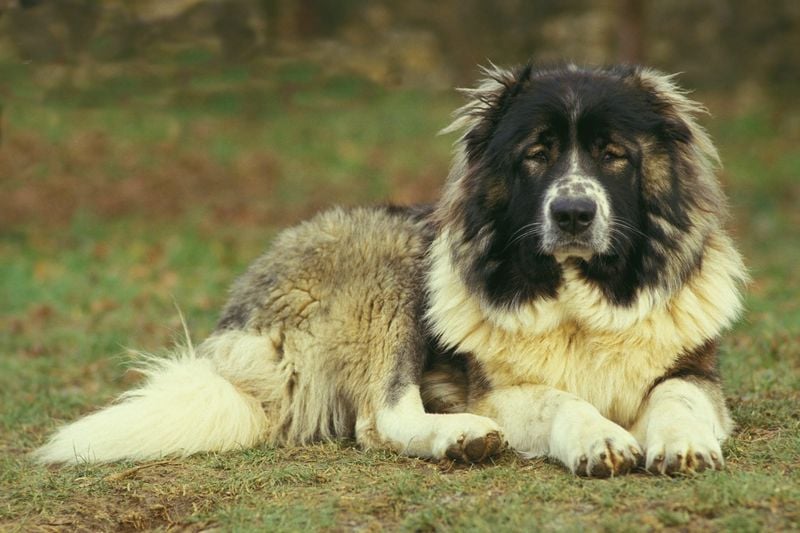
Towering at up to 30 inches tall and weighing as much as 170 pounds, Caucasian Shepherds were bred to protect livestock from wolves and bears in the mountains of Eastern Europe. This heritage created a dog with extreme territorial instincts and natural suspicion of outsiders.
Their thick double coat requires extensive grooming, but maintenance challenges pale compared to their behavioral needs. These dogs mature slowly, remaining puppyish while already possessing tremendous strength.
Caucasian Shepherds are not suitable for apartment living or urban environments. Their protective nature can quickly become problematic without proper training and socialization. Even experienced dog owners find these independent-minded giants challenging, as their protective instincts run incredibly deep.
7. Dogo Argentino: Athletic Hunters with Intense Drive
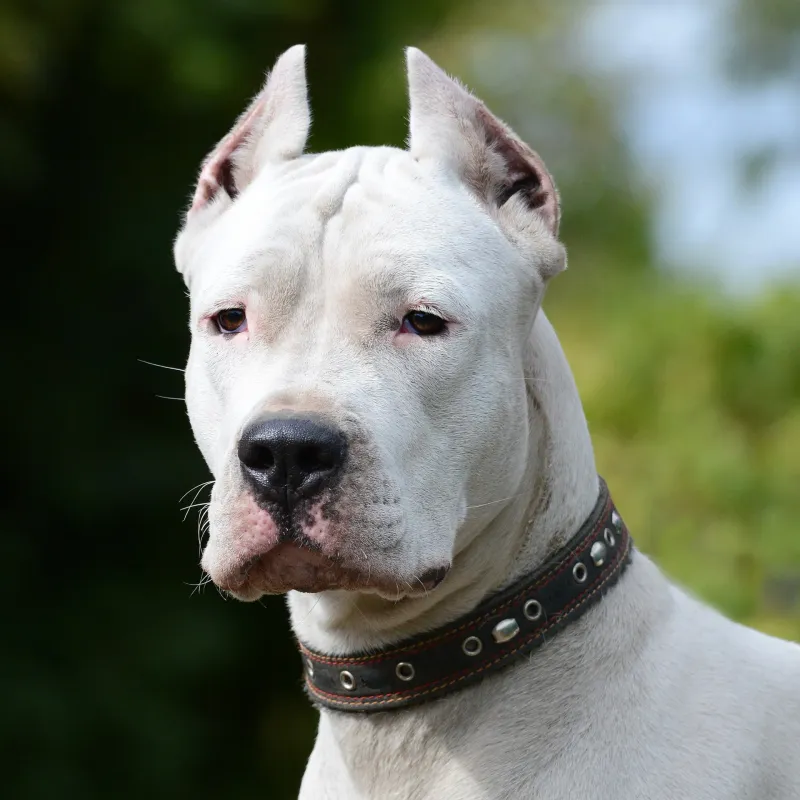
Created specifically for big game hunting in Argentina, the Dogo Argentino combines athletic ability with tenacity. Their powerful builds and high prey drives make them challenging pets for average households. These muscular white dogs require extensive exercise and mental stimulation.
Without proper outlets, their hunting instincts can manifest as aggression toward smaller animals or even children who trigger chase responses. Their high pain tolerance means they may not respond to traditional training corrections.
Several countries have restricted or banned this breed due to safety concerns. Responsible ownership requires understanding their hunting background and providing appropriate outlets for their energy. These dogs need experienced owners who can channel their natural drives positively through consistent training and clear boundaries.
8. Tosa Inu: Japanese Fighting Dogs with Challenging Temperaments
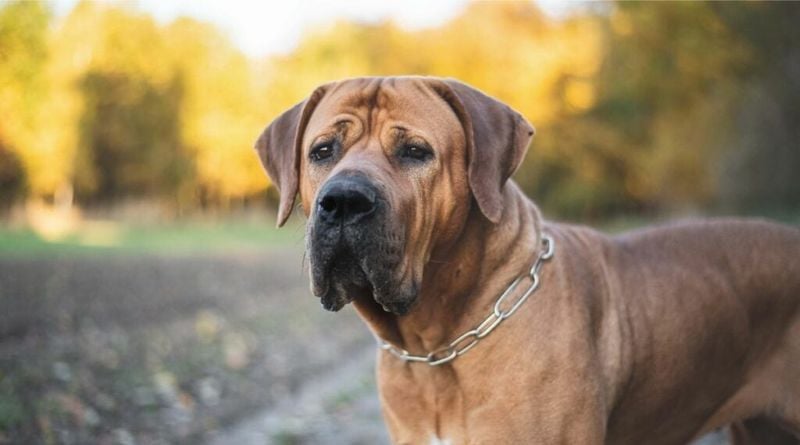
The Tosa Inu’s history as a fighting dog in Japan has created a breed with complex handling requirements. These massive mastiffs can weigh over 200 pounds and possess remarkable strength combined with a stoic temperament that masks warning signs other dogs might display.
Their fighting heritage means they may not show typical submission signals to other dogs, potentially escalating confrontations. Tosas are banned in many countries due to their potential danger when improperly trained.
These dogs require an owner with extensive knowledge of dominant dog psychology. Early socialization is absolutely essential, though their natural dog-aggression may never be completely eliminated. The Tosa’s combination of size, strength, and fighting background makes them unsuitable for all but the most experienced dog handlers.
9. Wolfdog Hybrids: Wild Spirit in a Domestic Package
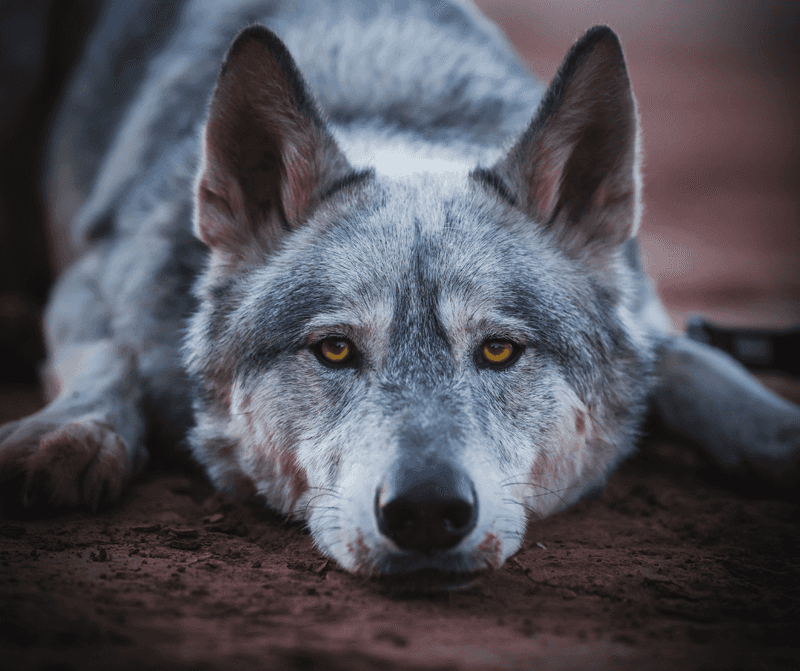
Wolf-dog hybrids combine the unpredictability of wild animals with the proximity of pets, creating unique challenges. Their behavior varies widely depending on how much wolf content they contain, making them fundamentally unpredictable companions.
These animals typically show high prey drives, territorial behaviors, and escape artist tendencies that standard fencing can’t contain. Many develop severe anxiety when left alone, leading to destructive behaviors that ordinary dog training can’t address.
Diet requirements differ from domestic dogs, and health issues are common. Several states and countries have banned or restricted wolfdog ownership. Even experienced dog owners often find themselves unprepared for the wild instincts that emerge as these animals mature, making them among the most problematic canines to keep as pets.
If those sound too risky, these 9 breeds offer all the love without the trouble.
1. Labrador Retriever: America’s Favorite for Good Reason
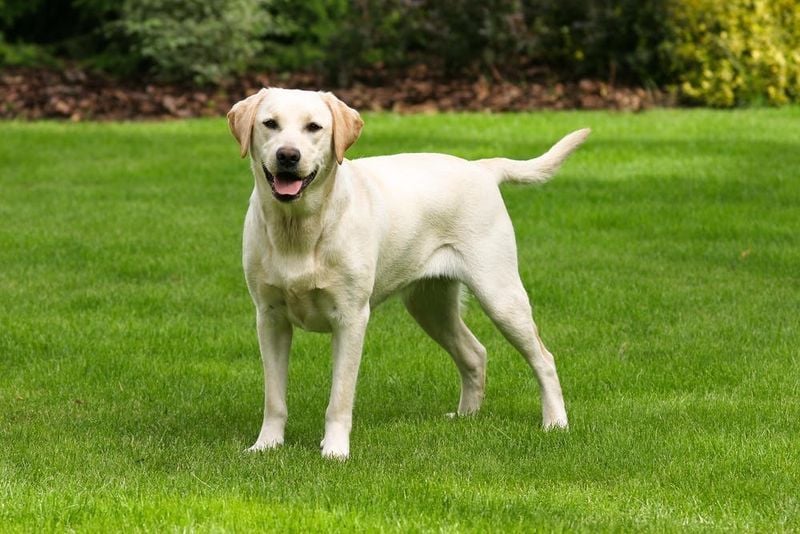
Labrador Retrievers consistently top American popularity charts because they excel at being family companions. Their friendly, outgoing nature makes them exceptional with children and welcoming toward visitors. Labs typically maintain puppy-like enthusiasm throughout their lives.
Originally bred as working dogs for fishermen in Newfoundland, these medium-large dogs possess natural swimming abilities and love water activities. Their intelligence and eagerness to please make training relatively straightforward even for first-time dog owners.
Labs do require regular exercise to prevent weight gain and destructive behaviors. Their adaptable personalities fit various living situations, from apartments to farms. With proper care, these versatile dogs rarely develop serious behavioral problems, making them one of the most reliable family companions available.
2. Golden Retriever: Sunshine Personalities in Fur Form
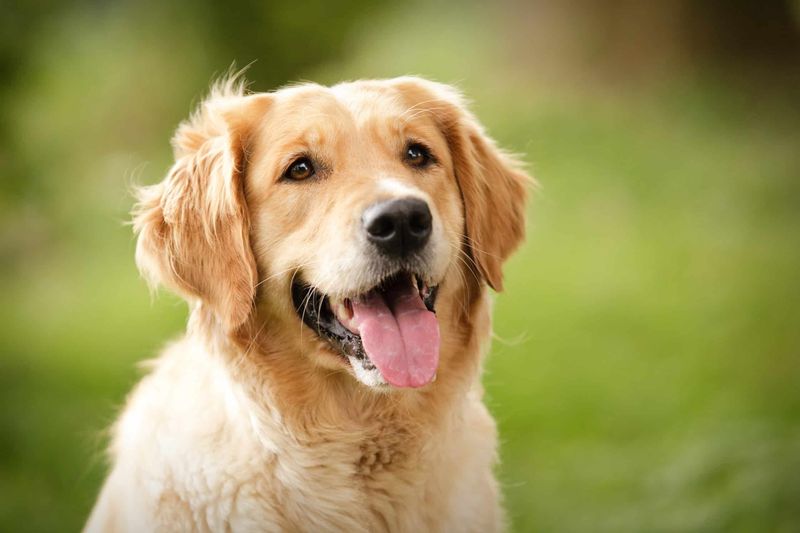
Golden Retrievers embody the ideal family dog with their patient, gentle temperaments. These beautiful dogs rarely show aggression toward people or other animals, making them exceptional choices for multi-pet households. Their natural friendliness extends to strangers, so they make terrible guard dogs but wonderful companions.
Bred as hunting companions in Scotland, Goldens maintain moderate exercise needs that fit active families. Their intelligence and people-pleasing nature make training enjoyable rather than challenging.
These dogs thrive on human interaction and can become destructive if left alone too long. Regular brushing helps manage their beautiful but shedding coats. With proper care, Goldens rarely develop behavioral issues beyond typical puppy mischief, earning them a well-deserved spot among the most trouble-free dog breeds.
3. Standard Poodle: Elegant Intellect with Minimal Drama
Don’t let the fancy haircuts fool you—Standard Poodles are athletic, intelligent working dogs beneath their sophisticated appearance. Originally bred as water retrievers, they combine high intelligence with an eagerness to please that makes training a joy rather than a challenge.
Their hypoallergenic coats require regular professional grooming but shed minimally. Standard Poodles rarely display aggression and typically get along well with children, strangers, and other pets.
These versatile dogs excel in various dog sports and adapt well to different living situations. Their sensitive nature means they respond best to positive reinforcement methods. With proper mental and physical stimulation, Standard Poodles rarely develop problematic behaviors, making them excellent choices for families seeking an intelligent, low-drama companion.
4. Boxer: Playful Clowns with Reliable Temperaments
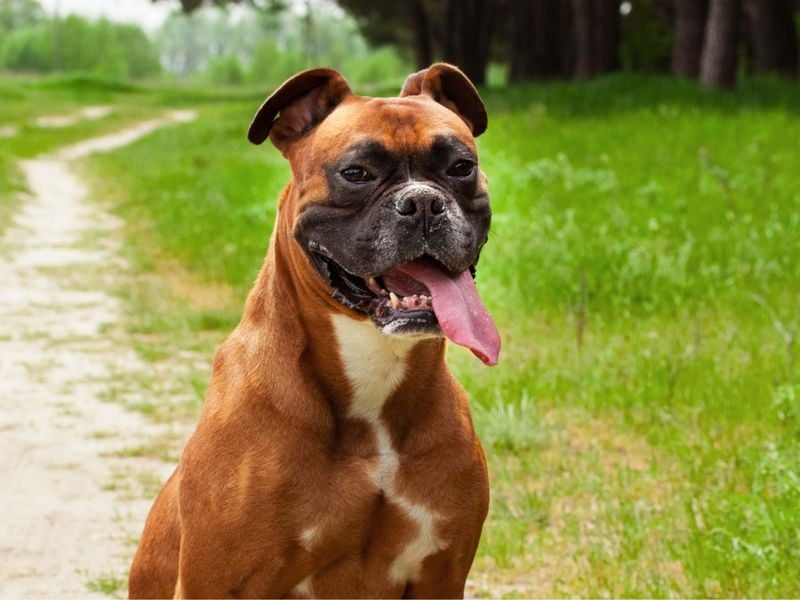
Boxers combine playful exuberance with rock-solid reliability, making them exceptional family dogs. Their natural patience with children has earned them a reputation as trustworthy companions despite their muscular appearance. These medium-large dogs maintain puppy-like playfulness well into adulthood.
Originally developed in Germany for bull-baiting and later as working dogs, Boxers possess athletic builds that require regular exercise. Their short coats need minimal grooming, though they do believe they’re lap dogs despite weighing up to 70 pounds!
Boxers form strong bonds with their families and rarely show aggression. Their protective instincts make them naturally watchful without being threatening. With proper socialization and moderate exercise, these goofy companions rarely develop serious behavioral problems.
5. Border Collie: Brilliant Workers with Minimal Behavioral Issues
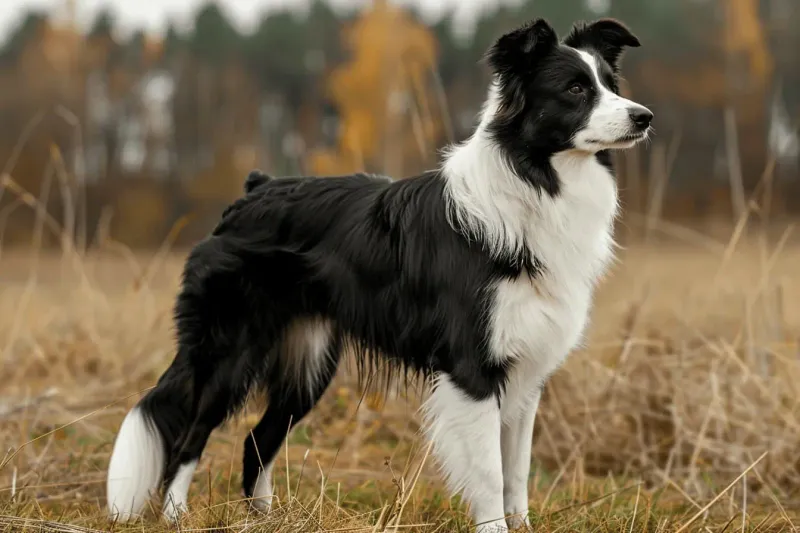
Border Collies rank among the world’s most intelligent dog breeds, capable of learning complex commands and performing remarkable feats of problem-solving. Developed as sheep herding dogs in the British Isles, they possess incredible focus and work ethic.
These medium-sized dogs rarely show aggression toward people or other animals. Their natural herding instincts may manifest as chasing behaviors, but this is easily redirected with proper training.
Border Collies do require significant mental and physical exercise to prevent boredom-related behaviors. When their considerable energy needs are met through activities like agility, frisbee, or herding trials, these dogs rarely develop serious behavioral problems. They excel in homes that provide plenty of mental challenges and physical activity.
6. Basset Hound: Easygoing Companions with Minimal Demands
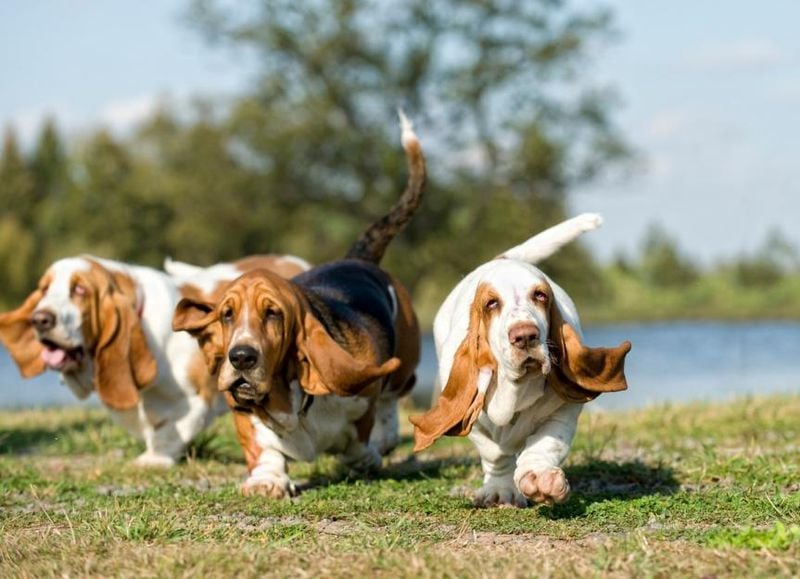
Basset Hounds waddle through life with a laid-back attitude that makes them remarkably easy to live with. Their droopy expressions match their mellow temperaments, creating dogs that rarely cause problems beyond occasional stubbornness. These scent hounds were bred to track game slowly, not chase it.
Their short legs and long bodies limit their athletic abilities, making them suitable for less active households. Bassets rarely show aggression toward people or other animals.
These dogs do have a tendency to follow their noses and howl when excited. Regular moderate exercise prevents weight gain, which can stress their unique body structure. With proper care, Basset Hounds remain one of the most easygoing breeds, perfect for families seeking a low-maintenance companion with minimal behavior problems.
7. Cavalier King Charles Spaniel: Gentle Souls with Sweet Dispositions
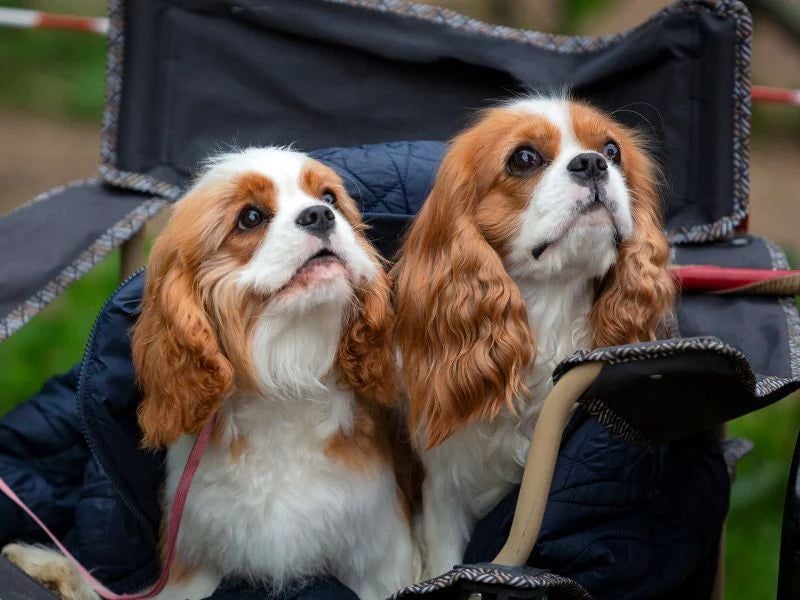
Cavalier King Charles Spaniels seem purpose-built for companionship, with temperaments as soft as their silky ears. These small dogs combine the athleticism of sporting breeds with the affectionate nature of toy breeds, creating versatile companions that rarely cause problems.
Their natural gentleness makes them exceptional therapy dogs and perfect companions for children and elderly owners alike. Cavaliers typically get along beautifully with other pets and welcome strangers as friends.
These adaptable dogs adjust well to various living situations, from apartments to country homes. Their moderate exercise needs are easily met with daily walks and play sessions. With proper care, Cavaliers rarely develop behavioral issues, earning them a well-deserved reputation as one of the most trouble-free breeds available.
8. Australian Shepherd: Versatile Partners with Reliable Temperaments
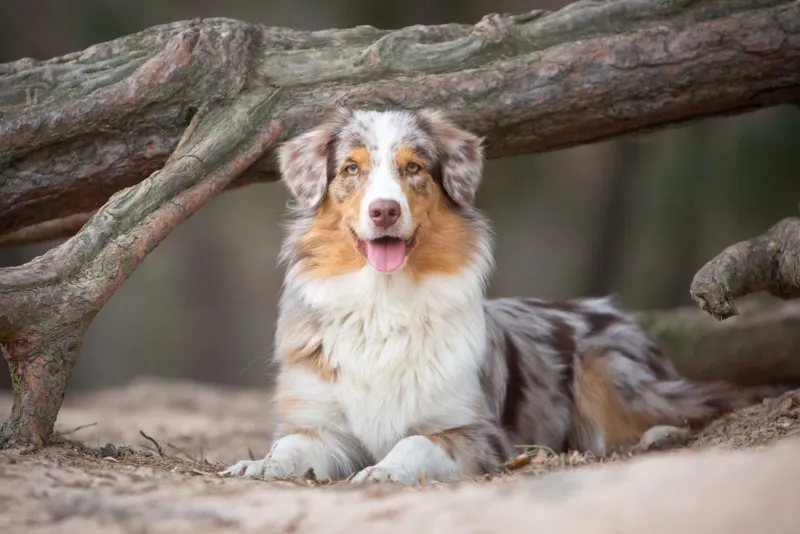
Despite their name, Australian Shepherds were developed in the western United States as ranch dogs. These medium-sized herders combine intelligence with an eager-to-please attitude that makes training relatively straightforward. Their versatility allows them to excel in multiple dog sports.
Aussies form strong bonds with their families while maintaining friendly attitudes toward well-introduced strangers. Their natural herding instincts rarely manifest as aggression, though they may attempt to herd children or other pets.
These energetic dogs do require regular exercise and mental stimulation to prevent boredom-related behaviors. When their considerable energy needs are met through activities like hiking, agility, or obedience training, Australian Shepherds rarely develop serious behavioral problems, making them reliable companions for active families.
9. Bernese Mountain Dog: Gentle Giants with Calm Demeanors
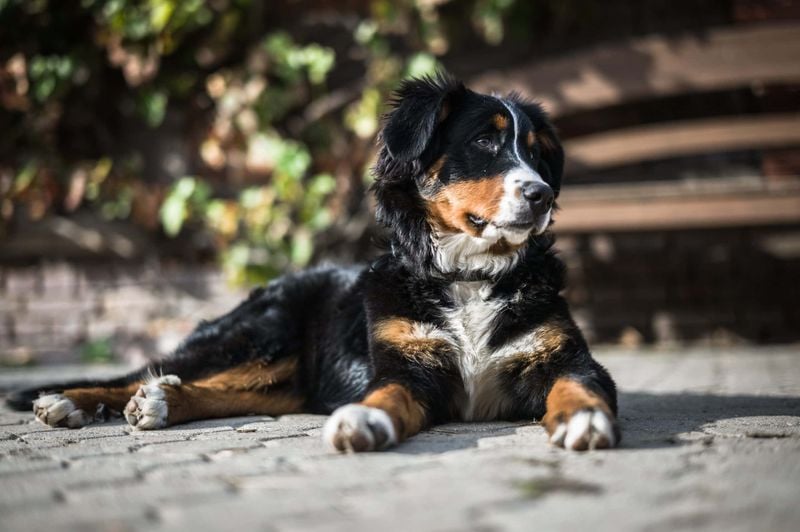
Bernese Mountain Dogs combine impressive size with exceptionally gentle temperaments. These Swiss working dogs were developed to pull carts and herd cattle, creating a breed with natural steadiness and reliability. Their patient nature makes them excellent companions for children despite their large size.
Berners typically maintain a calm demeanor indoors while enjoying moderate activity outdoors. Their thick tri-colored coats require regular brushing but their minimal grooming needs are offset by their trouble-free temperaments.
These dogs form strong bonds with their families while remaining polite to strangers. They generally get along well with other animals when properly socialized. With appropriate exercise and training, Bernese Mountain Dogs rarely develop behavioral problems, making them wonderful family companions despite their unfortunately short lifespans.


