Experts Say These 11 Dog Breeds Are More Likely to Bite
Dogs are wonderful companions, but sometimes even the friendliest pups can snap. While any dog can bite if provoked or scared, experts have identified certain breeds that statistically show higher bite tendencies.
Understanding these patterns doesn’t mean these dogs are bad—it means owners should be aware of potential challenges and provide proper training. Let’s look at 11 breeds that experts say may be more prone to biting, and what you should know if you have one.
1. Chihuahua: Tiny Dog with a Mighty Bite

Don’t let their small size fool you! Chihuahuas often compensate for their tiny stature with oversized personalities and sometimes, a readiness to nip. These pocket-sized pups frequently rank high on bite statistics, surprising many who underestimate them based on size alone.
Chihuahuas tend to form strong bonds with one person and can become overly protective. Their nervous temperament means they’re easily startled, which can trigger defensive biting.
Proper socialization from puppyhood is crucial for these little dogs. With consistent training and respectful handling, Chihuahuas can be delightful companions who don’t resort to using their teeth to communicate.
2. Dachshund: The Feisty Wiener Dog
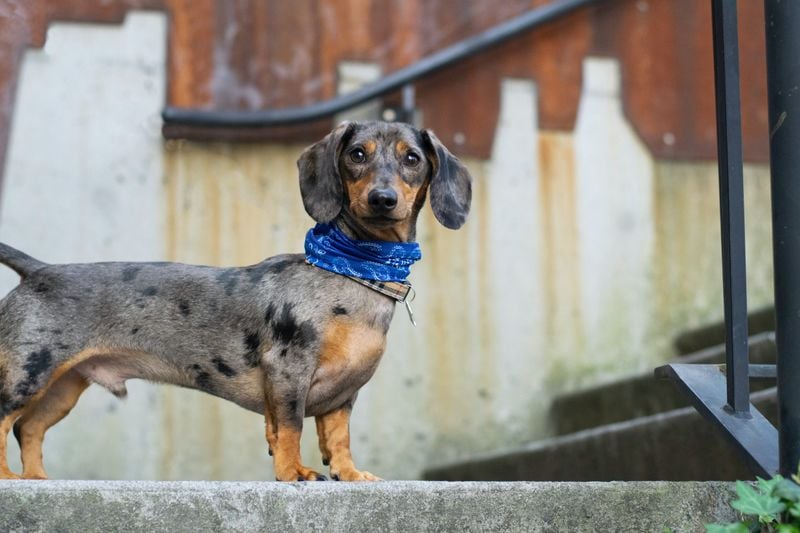
Originally bred to hunt badgers, Dachshunds pack serious courage into their elongated bodies. Their hunting background contributes to a determined personality that can sometimes manifest as stubbornness and snappiness, especially when they feel threatened.
A study by the University of Pennsylvania ranked Dachshunds among the most aggressive breeds toward both strangers and owners. Their territorial nature means they often don’t hesitate to use their teeth when feeling cornered or challenged.
Back problems common to the breed can cause pain that increases bite risk. Gentle handling, early training, and managing their protective instincts help prevent these adorable wiener dogs from becoming biters.
3. Cocker Spaniel: Beauty with a Sensitive Side
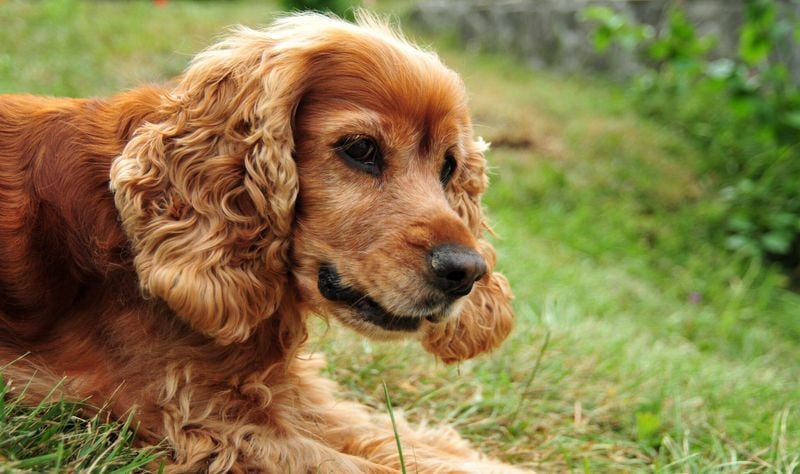
Behind those soulful eyes and gorgeous flowing coat, Cocker Spaniels sometimes harbor what veterinarians call “Cocker Rage Syndrome.” This rare condition causes some Cockers to snap suddenly without warning, even in otherwise well-behaved dogs.
Spaniels have sensitive temperaments and can become nippy when in pain or stressed. Their popularity as family pets sometimes means people overlook their need for proper training and handling.
Genetics play a role in this behavior, with some bloodlines more prone to aggression than others. Responsible breeding practices have helped reduce this tendency in recent years, but potential owners should research breeders carefully and provide consistent, gentle training from an early age.
4. Chow Chow: The Aloof Guardian
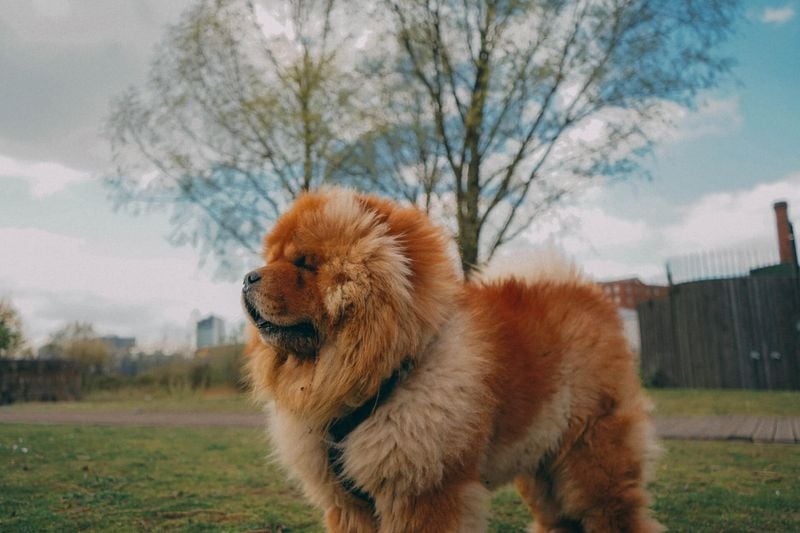
With their lion-like mane and blue-black tongue, Chow Chows cut an impressive figure. These ancient Chinese breeds naturally maintain a reserved, sometimes suspicious attitude toward strangers that can escalate to biting if they feel their territory is threatened.
Chows possess strong guarding instincts and a stubborn independence that makes training challenging. Their thick fur and wrinkled face can obscure warning signs of discomfort that might precede a bite.
Early socialization is absolutely essential for this breed. Without proper exposure to different people and situations, their natural aloofness can develop into problematic aggression. Respected by experienced owners for their loyalty, Chows require consistent leadership and boundaries.
5. German Shepherd: Protective Instincts on High Alert
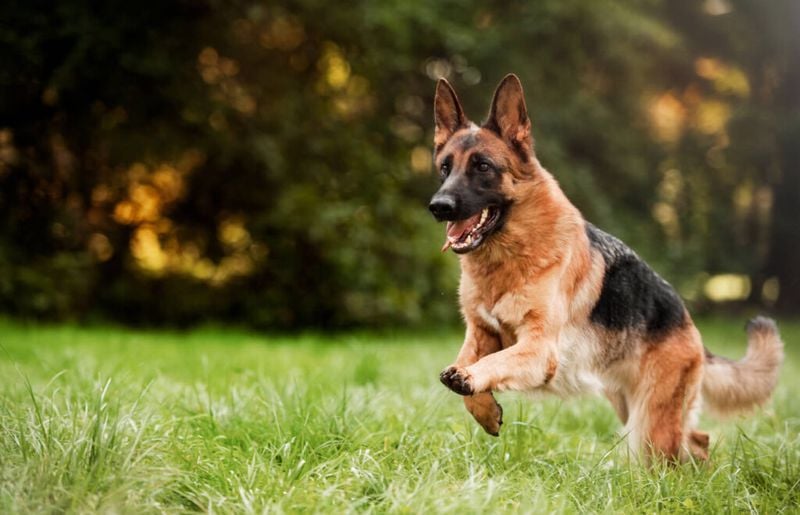
German Shepherds rank among the most intelligent and trainable breeds, but their protective instincts can lead to biting incidents when improperly channeled. As working dogs with strong guarding tendencies, they’re naturally vigilant and quick to respond to perceived threats.
Their powerful jaws deliver significant force when they do bite. Police and military work highlights their capability, but this same strength requires responsible ownership in family settings.
Fear aggression is common in poorly bred or under-socialized German Shepherds. The good news? With proper training, clear boundaries, and positive reinforcement, these loyal companions can learn to control their protective responses and become excellent family guardians without resorting to biting.
6. Rottweiler: Powerful Protector with Strong Jaws
Rottweilers’ impressive strength and protective nature make their bites particularly concerning when they do occur. Historically used as cattle drovers and police dogs, their powerful build and determination were valuable working traits that require careful management in family settings.
Males can weigh up to 135 pounds, making them capable of serious damage when provoked. Rotties typically show warning signs before biting, but these can be subtle and easily missed by inexperienced owners.
The good news? Well-trained Rottweilers are actually quite controlled and discerning. Early socialization, consistent training, and establishing clear leadership help channel their protective instincts appropriately. Most Rottie enthusiasts find them to be gentle giants when raised properly.
7. Doberman Pinscher: The Vigilant Velcro Dog
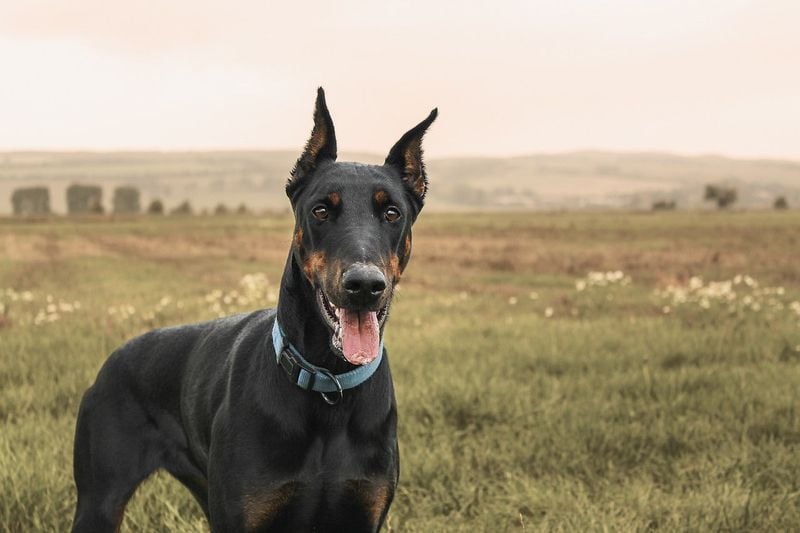
Sleek, athletic, and intensely loyal, Dobermans were specifically bred as personal protection dogs. Their reputation for biting stems from their history as guardian breeds and their exceptional ability to respond quickly to threats—real or perceived.
Dobermans form incredibly strong bonds with their families. This devotion can translate to wariness of strangers that, without proper socialization, may escalate to defensive biting. Their intelligence makes them highly trainable but also means they need mental stimulation to prevent problem behaviors.
Responsible breeding has significantly improved Doberman temperaments over the years. Modern Dobermans from quality bloodlines typically show good discrimination between genuine threats and normal situations, making them reliable family companions when properly trained and exercised.
8. American Bulldog: Muscular Protector with Strong Will
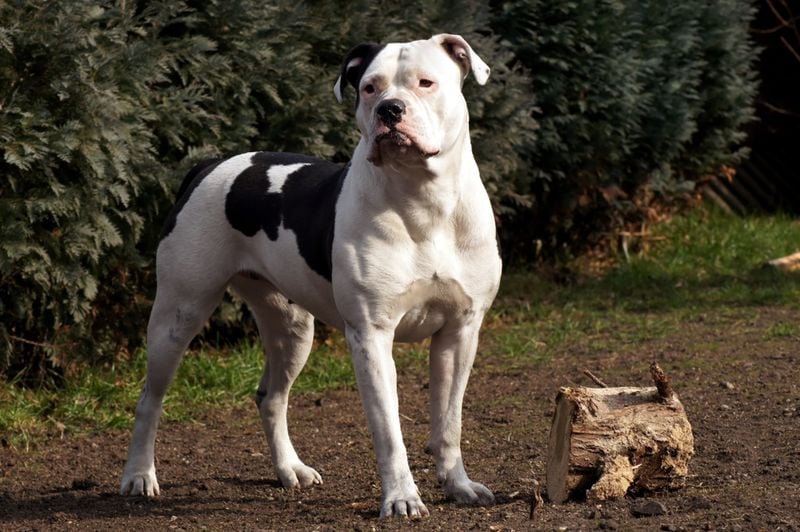
American Bulldogs combine impressive physical strength with a determined personality that can sometimes lead to conflicts. Originally farm dogs used for catching livestock and guarding property, they retain strong protective instincts that can trigger biting when they perceive threats to their family.
Their muscular jaws can cause significant damage when they do bite. Some American Bulldogs show dog-aggression tendencies, especially those from working bloodlines rather than show lines.
Positive reinforcement training works wonders with this breed. Their natural people-loving temperament means most aggression stems from fear or poor handling rather than inherent meanness. Early socialization, consistent boundaries, and proper exercise help prevent bite incidents with these powerful but typically good-natured dogs.
9. Pit Bull-Type Breeds: Misunderstood Power
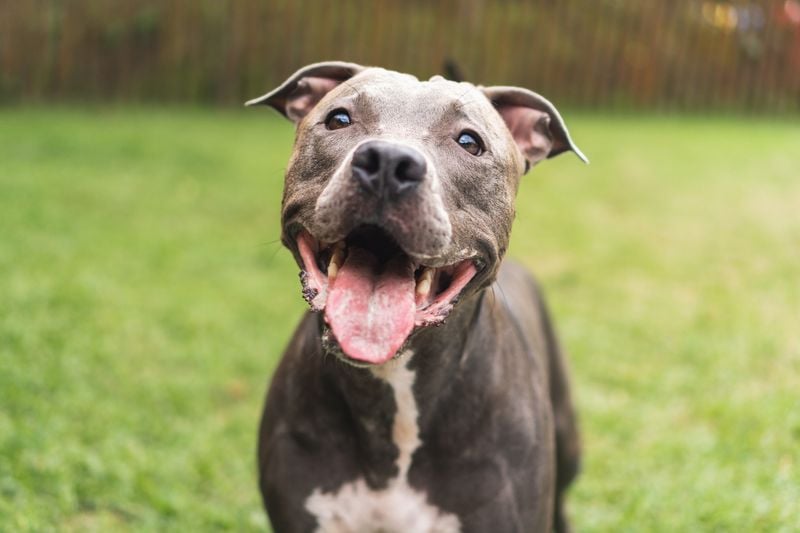
The term “pit bull” actually encompasses several breeds, including American Pit Bull Terriers and Staffordshire Terriers. These dogs frequently appear in bite statistics, though experts note this may reflect their popularity and misidentification rather than inherent aggression.
Historically bred for bull-baiting and later dog fighting, pit bull-types can show dog aggression that differs from human aggression. Their powerful jaws and determination mean that when bites do occur, they can cause serious damage.
Many pit bulls are extremely people-friendly when properly raised. Responsible ownership, including early socialization, positive training methods, and understanding their high energy needs, significantly reduces bite risk with these often misunderstood dogs.
10. Jack Russell Terrier: Small Package, Big Attitude
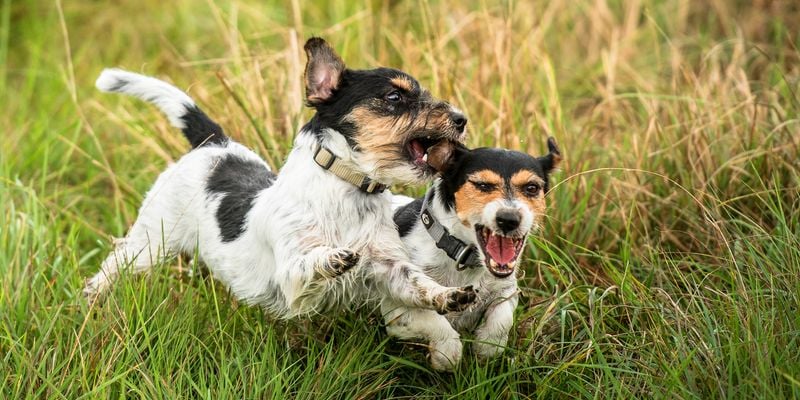
Jack Russell Terriers were bred to hunt foxes, giving them a fearless temperament packed into a compact body. Their high energy and intense prey drive can translate to nipping behaviors, especially when bored or under-exercised.
These intelligent terriers need consistent rules and boundaries. Without proper outlets for their considerable energy, they may resort to mouthy behaviors like nipping and biting out of frustration.
Jack Russells typically bond strongly with their families but can be wary of strangers and other animals. Daily exercise—much more than you might expect for their size—and mental stimulation through training or puzzle toys helps prevent the pent-up energy that often leads to biting incidents with these spirited little dogs.
11. Siberian Husky: Wild Spirit with a Nipping Habit
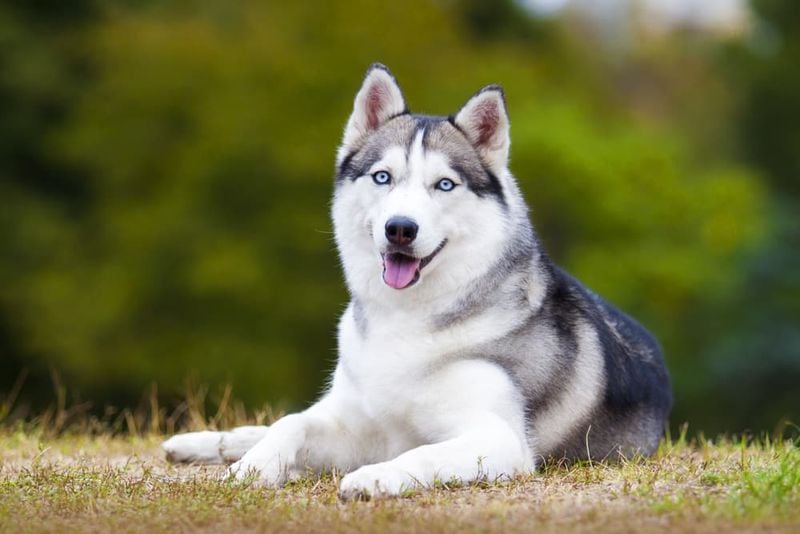
Siberian Huskies retain many wolf-like behaviors, including play-biting that can escalate without proper training. Their independent nature comes from their history as working sled dogs who needed to make decisions without constant human direction.
Huskies are notorious escape artists with high prey drives. Their tendency to chase small animals can trigger predatory biting behaviors that may redirect to humans who interfere. Unlike some breeds, Huskies rarely bite out of aggression—their issues typically stem from overexcitement or poor impulse control.
Mental stimulation is crucial for preventing problematic behaviors. These intelligent, energetic dogs need consistent training that respects their independent nature while establishing clear boundaries around mouthing and nipping behaviors.